

ROCCIA Design Centre
Opening Times:
Mon-Fri: 9:00am - 5:30pm
Sat: 9:00am - 5:00pm
Sun: 10:00am - 4:00pm
Christmas / New Year Opening Times:
Tue 23rd Dec: 9am - 4pm
Wed 24th Dec to Fri 26th Dec: CLOSED
Sat 27th Dec to Tue 30th Dec: 10am - 4pm
Wed 31st & Thu 1st Jan: CLOSED
The showroom times will operate as usual from Friday 2nd Jan onwards.
Tiles On Display
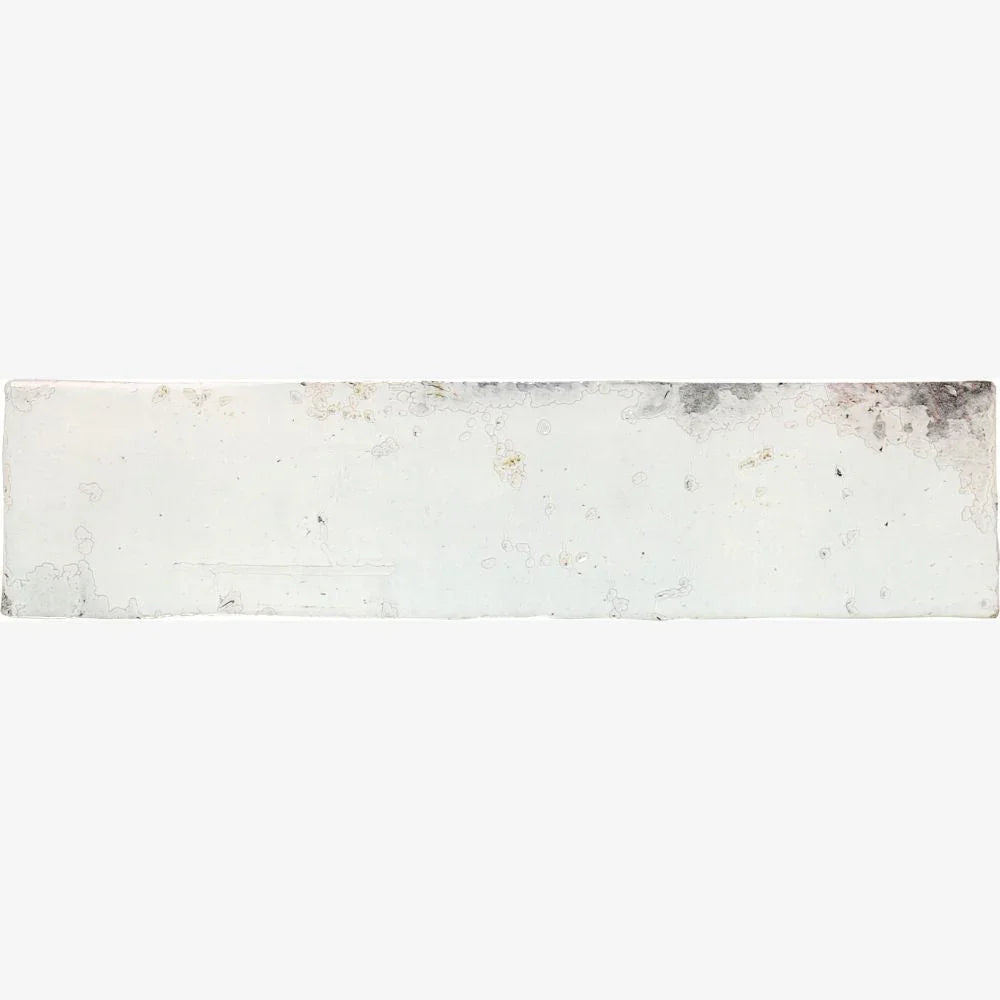
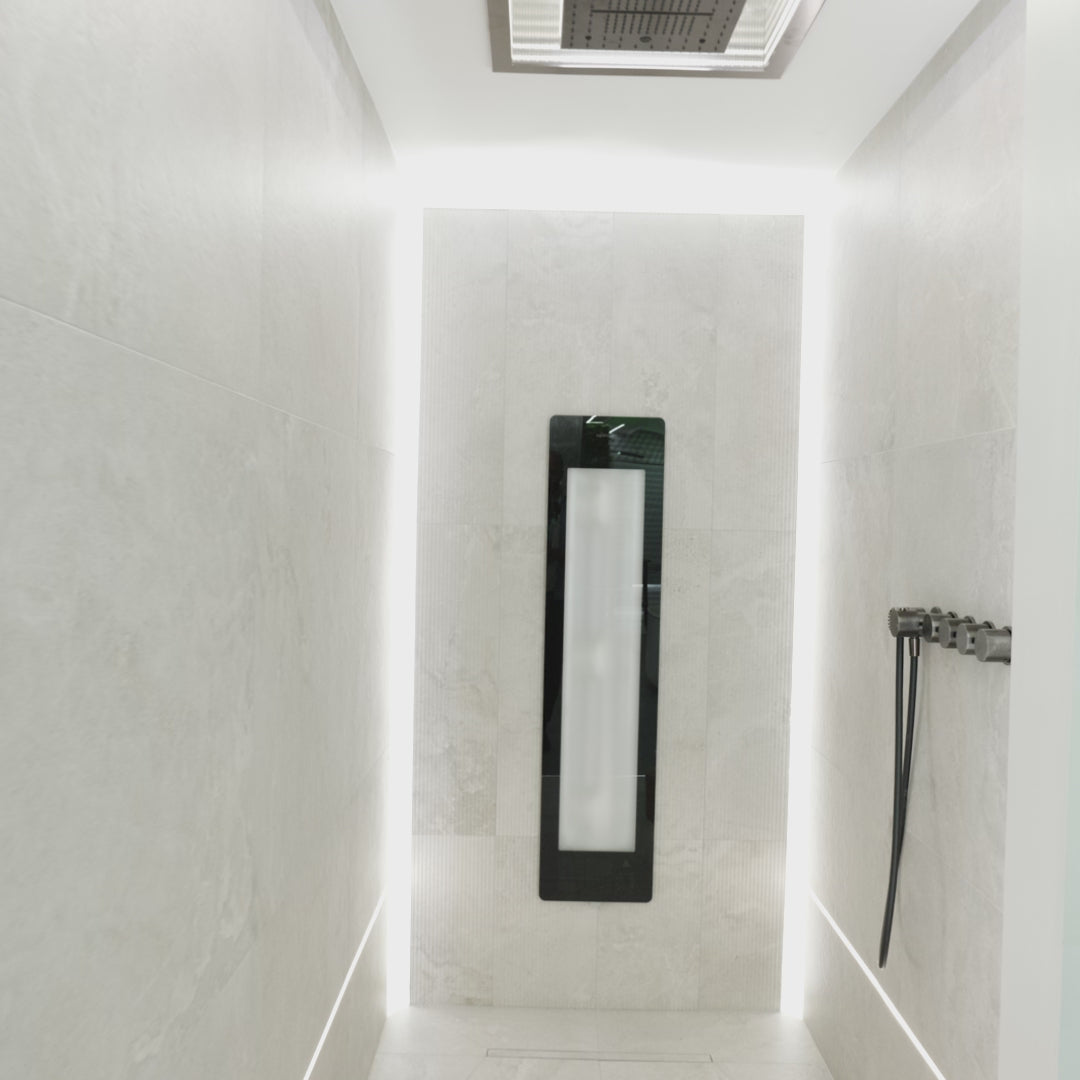
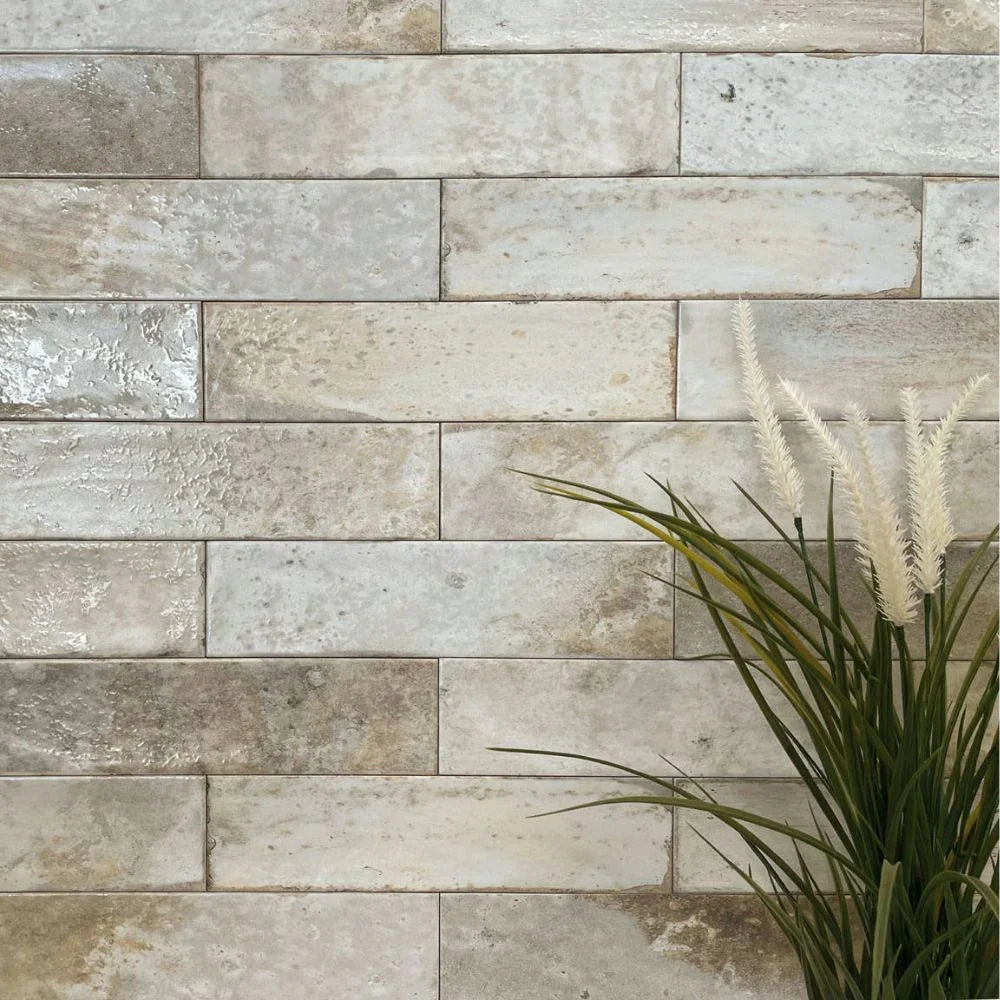
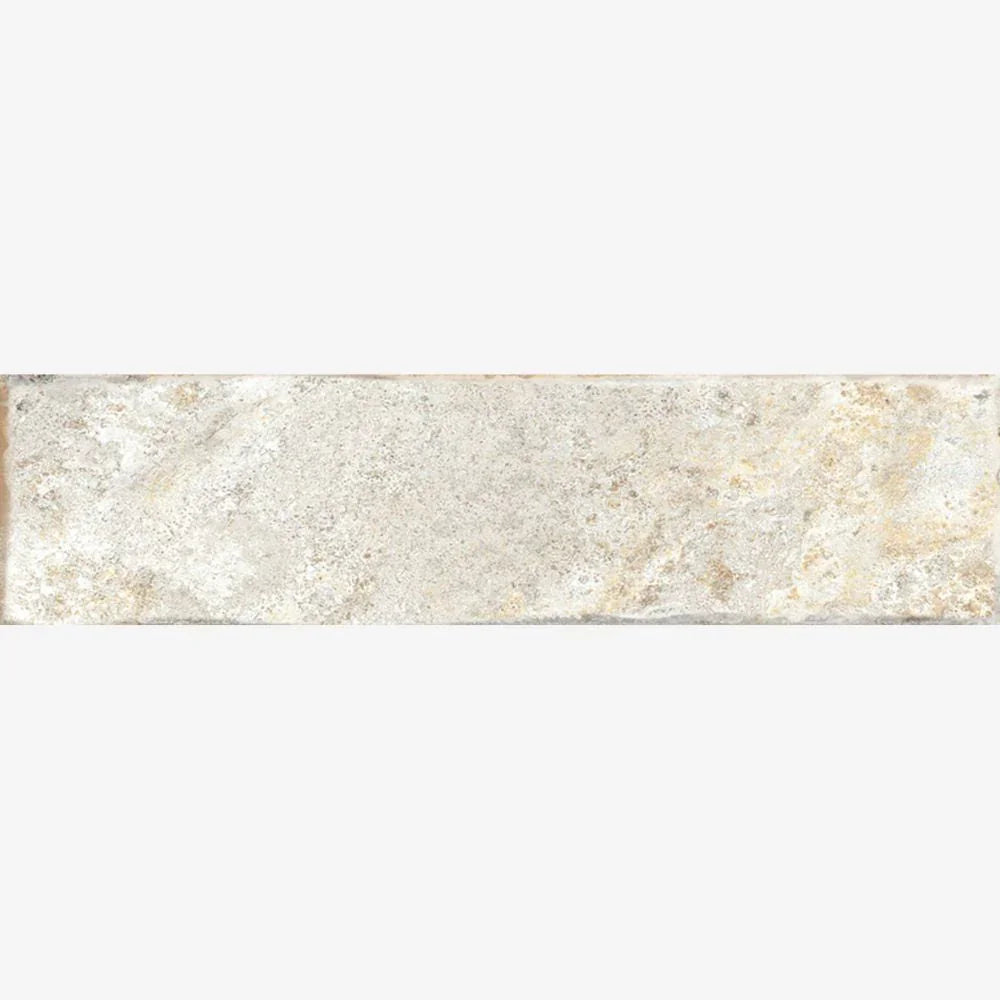
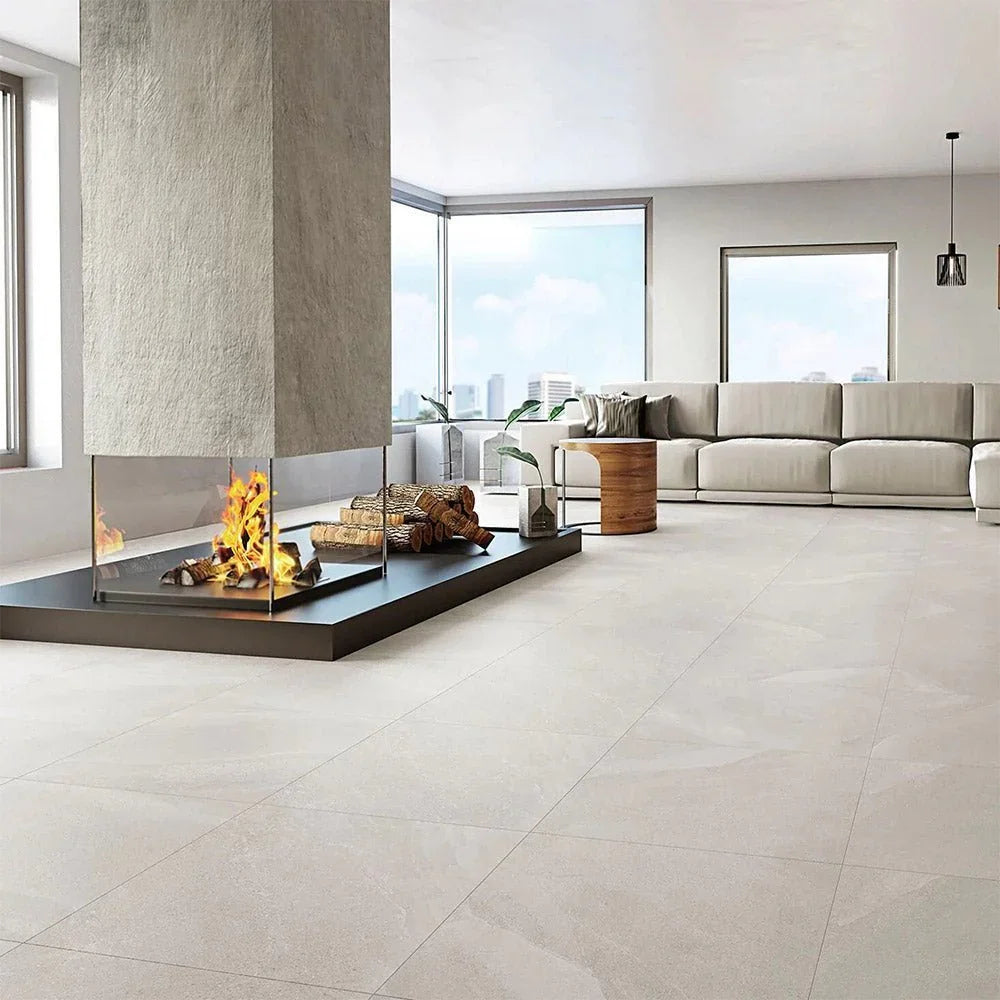

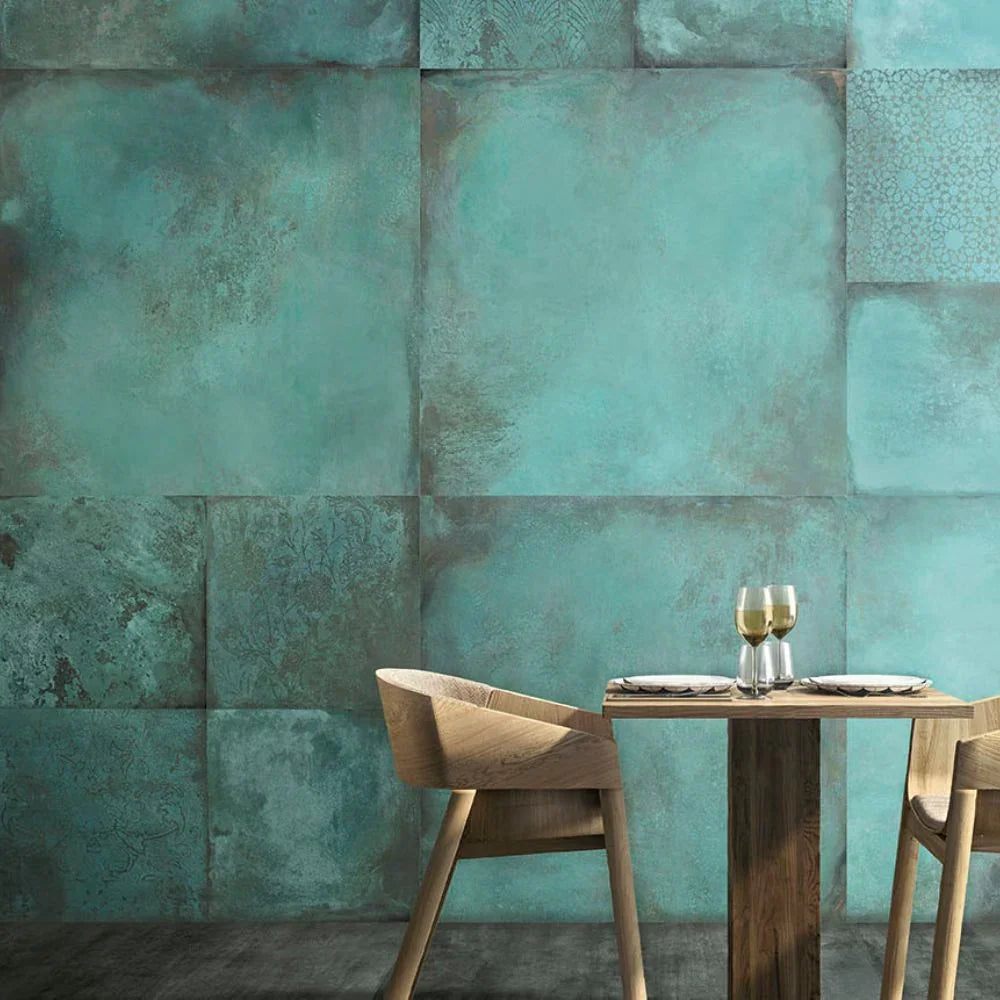
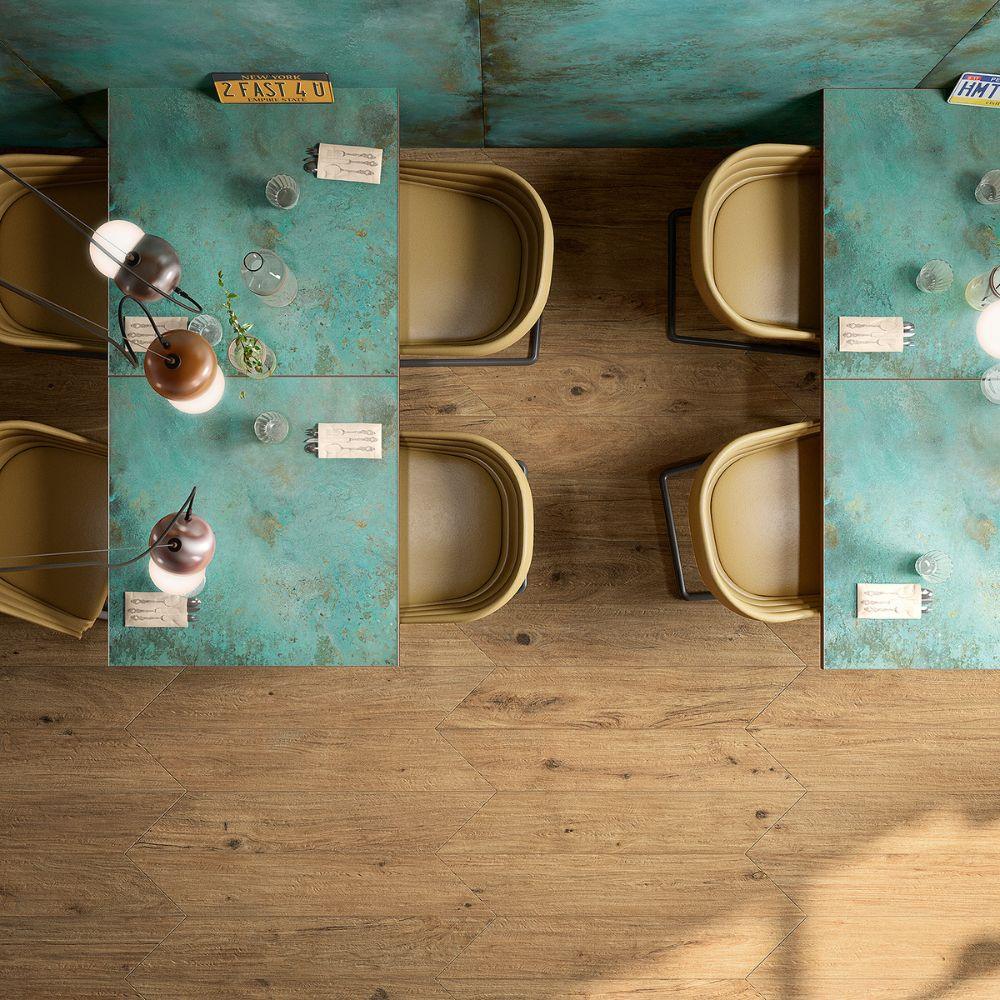
Design & Ideas

Rustic Kitchen Design with Stone & Wood-Effect Tiles
Rustic Kitchen Design with Stone & Wood-Effect Tiles Introduction to Rustic Kitchen Design Rustic kitchen design is all about creating a warm, welcoming space that feels full of character and comfort. This style is known for its cosiness, fostering an inviting and relaxing atmosphere where everyone feels at home. It’s perfect for those who love the idea of a cozy kitchen where family and friends can gather, cook, and share moments together. At its heart, this style celebrates natural materials like wood and stone, blending them with a practical, lived-in feel. Think wooden surfaces, natural textures, and a focus on making the space as functional and beautiful as possible, with a bright atmosphere that adds to the classic charm and welcoming feel. Many rustic kitchen ideas draw inspiration from classic country styles and farmhouse kitchens, featuring charming farmhouse sinks and open shelving that really bring out the rustic vibe. But it’s not just about tradition, modern rustic kitchen design adds a fresh twist by mixing these timeless elements with contemporary touches and integrated appliances. In this article, we’ll share plenty of ideas and inspiration to help you create a rustic kitchen that feels just right for you. Understanding Kitchen Styles Rustic kitchen styles are wonderfully adaptable, often blending traditional warmth with modern touches to create something truly unique. For example, a cottage kitchen is known for its cozy charm, soft edges, vintage accessories, smaller layouts, and natural textures that create a warm, relaxed atmosphere. Meanwhile, farmhouse and country kitchens lean into classic rustic features, and traditional kitchens often feature neutral tones and classic patterns that contribute to a timeless, rustic aesthetic. Some homeowners prefer to stick to a specific style or colour palette for consistency and tradition. Modern rustic kitchens bring in a contemporary edge while keeping that inviting, natural feel. Knowing the key characteristics of each style can help you craft a kitchen that suits your taste and lifestyle perfectly. There are many ways to personalise a rustic kitchen, such as experimenting with a mix of styles, textures, and materials to achieve a cohesive yet unique look. Whether your space is small and intimate or large and open, rustic kitchen design can be tailored to fit, and mixing styles allows you to balance beauty and practicality in a way that feels just right. Planning Your Kitchen Layout Getting your kitchen layout right is the foundation of a successful rustic kitchen. It’s about creating a space that’s not only beautiful but also practical, one where cooking, dining, and socialising all flow naturally. A popular concept to keep in mind is the “work triangle,” which focuses on the relationship between the sink, stove, and refrigerator to make moving around the kitchen easy and efficient. Open cabinets or well-placed cabinetry help keep everything you need close at hand, making cooking less of a chore. Adding a kitchen island or breakfast bar can bring extra counter space and storage, while also adding to the cozy, rustic atmosphere. Using natural materials like wood and stone throughout the layout ties everything together, making the kitchen feel warm and inviting. With a thoughtful layout, your rustic kitchen will be able to cater to large family gatherings or entertaining guests, ensuring it is as comfortable and functional as it is charming. Colour Palette and Design Choosing the right colour palette is key to setting the mood in a rustic kitchen. Warm, earthy tones like soft beiges, browns, and gentle greens create a natural, welcoming ambiance that makes the space feel inviting. There are many options for achieving a rustic kitchen look, such as incorporating exposed beams, varying appliance placements, and exploring different storage solutions to suit your style. Adding pops of brighter colours or clever lighting can lift the room’s warmth and cheerfulness, making it a joy to spend time in. Rustic kitchens often combine different natural textures, from wood to stone, to add depth and interest. Mixing materials like wood and metal can create a lovely layered effect that feels dynamic but harmonious. Whether you lean towards a more traditional rustic colour scheme or want to experiment with modern touches, balancing colours, textures, and materials will help you create a cohesive and beautiful space. Kitchen Features One of the things that makes rustic kitchen design so appealing is its blend of traditional charm and practical features. Classic touches like farmhouse sinks and exposed wooden beams add warmth and character, making the kitchen feel inviting and full of personality. Adding a kitchen island or breakfast bar not only boosts storage and counter space but also enhances the room’s functionality and style. Open shelving and natural textures keep the rustic theme alive while focusing on practicality, and open shelving allows you to display decorative items or everyday essentials, enhancing the kitchen's visual appeal. Whether you prefer vintage-style appliances or sleek modern ones, there’s room for both in a rustic kitchen, allowing you to customize your cooking space to fit your needs. Incorporating rustic features like exposed beams or creative storage solutions adds that special touch that makes the kitchen feel truly yours. Storage and Organization Storage is an essential part of any kitchen, and rustic designs often lean on traditional solutions that bring both style and function. Handcrafted or shaker-style cabinetry and open shelving add character while giving you plenty of space to keep things organized. A kitchen island or pantry can offer extra storage for all your essentials, while decorative touches like glass jars and woven baskets add a personal, rustic flair. Open shelving or glass-front cabinets are perfect for displaying everyday items or charming decor, blending practicality with aesthetic appeal. Whether you prefer a classic or modern approach to organization, rustic kitchen storage can be tailored to fit your style and keep your space efficient and inviting. Lighting and Electrical Lighting plays a big role in creating the warm, welcoming atmosphere that defines rustic kitchens. Traditional fixtures like pendant lights and chandeliers bring character and a cozy glow to the space. Under-cabinet lighting can highlight the natural textures of wood and stone, enhancing the rustic feel. Whether you lean towards modern or classic styles, there’s a lighting solution to suit your taste and complement your kitchen design. It’s also important to integrate electrical outlets and switches seamlessly, so your kitchen stays practical without compromising on style. Thoughtful lighting and electrical design help set the mood and make your rustic kitchen both beautiful and functional. Flooring and Walls The right flooring and wall materials can make a huge difference in the overall feel of a rustic kitchen. Traditional choices like hardwood and stone add warmth and durability, grounding the space in natural beauty. Adding a soft cotton rug or mat can bring extra comfort and cosiness underfoot. Walls made from brick, stone, or even concrete contribute unique textures that enhance the rustic charm. Decorative elements like wallpaper or borders can add personality and complete the look, making your kitchen feel truly inviting and full of character. Country Style and Charm At the heart of a rustic kitchen is a sense of country style and charm that makes the space feel like home. Wooden surfaces, from timber cabinets to countertops, bring a sense of tradition and authenticity. A country style kitchen often includes plenty of storage and durable appliances to meet the needs of a busy household, combining beauty with practicality. Mixing classic features like shaker cabinets and open shelving with modern touches such as sleek hardware or contemporary lighting creates a timeless yet fresh look. By blending rustic charm with everyday functionality, you can create a kitchen that’s both welcoming and perfectly suited to your lifestyle. Adding your own unique touches will make your rustic kitchen truly one of a kind. Kitchen Island and Breakfast Bar A kitchen island or breakfast bar can become the heart of your rustic kitchen, a place where people naturally gather for cooking, chatting, and casual meals. Crafted from natural materials like wood or stone, these features add texture and warmth, making the space feel cozy and functional. Adding built-in storage, a sink, or even a cooktop to the island can turn it into a versatile centerpiece that enhances your kitchen’s flow. A breakfast bar offers a relaxed spot for quick bites or for friends to catch up while you cook. Using wood and other natural finishes throughout ties everything together, creating a sense of comfort and continuity. Thoughtful design of these elements helps maximise workspace and storage while fostering a welcoming atmosphere. Appliances and Fixtures Choosing the right appliances and fixtures is key to bringing your modern rustic kitchen to life. Combining traditional and contemporary appliances, like a vintage-style fridge alongside a sleek modern range, creates a look that’s both unique and harmonious. Fixtures in warm finishes like copper or bronze add rustic elegance and complement the natural materials around them. These choices not only look great but also speak to the durability and practicality that rustic kitchens demand. By carefully selecting appliances and fixtures that blend with your overall design, you’ll create a kitchen that’s as functional as it is beautiful, perfectly suited to modern living while honoring rustic tradition. Accessories and Decor Accessories and decor are what truly make a rustic kitchen feel lived-in and personal. Layering in ceramics, woven baskets, and vintage finds adds texture and character, making the space warm and inviting. Displaying these items on open shelves or countertops keeps the kitchen both practical and full of personality. Whether it’s antique cookware or hand-thrown pottery, these touches bring your kitchen to life. Rustic kitchens celebrate individuality, so don’t shy away from mixing accessories that tell your story and reflect your style. With thoughtful decor, your kitchen becomes more than just a cooking space, it becomes a reflection of you. You can find unique pieces or inspiration to personalize your rustic kitchen and make it truly your own. Read about the pros and cons of popular kitchen features, like pot filler taps, to make informed choices for your space. Discover more rustic kitchen accessories and decor ideas to enhance your kitchen’s charm. Dining and Seating Creating a welcoming dining and seating area is essential for making your rustic kitchen the heart of your home. Think sturdy wooden tables and chairs that add warmth and timeless style, or built-in benches and banquettes that maximise seating and create cozy nooks. Lighting plays a big role too, pendant lamps above the table or soft, ambient lighting can set the perfect mood. Candles or fairy lights add a touch of intimacy and charm, making mealtime feel special. By carefully planning your dining space, you’ll create an area that’s both functional and beautiful, a place where memories are made and shared. Kitchen Designs for Small Spaces When working with a small kitchen, thoughtful design is key to creating a space that feels both relaxed and aesthetically pleasing. Embrace minimalism by choosing a light colour palette and streamlined cabinets to open up the room and reflect natural light. Soft wood tones and cotton textiles can add warmth without overwhelming the space, while built-in storage solutions like pull-out drawers and compact cabinets help keep things organised and clutter-free. Opt for appliances that are scaled to fit your kitchen, ensuring you have everything you need without sacrificing valuable workspace. By discovering the right combination of these elements, you can create a cozy, practical rustic kitchen that feels spacious and inviting, no matter its size. Adding a Personal Touch Infusing your kitchen with personal touches is what truly transforms it into a space that feels like home. In a modern rustic kitchen, consider displaying cherished ceramics, family heirlooms, or unique finds on open shelves or behind glass-front door fronts to add warmth and character. Incorporate fresh herbs and spices into your design, whether through a living herb wall or a classic spice rack, to bring both fragrance and personality to your cooking space. Selecting a wood finish or cabinet colour that resonates with your style, such as a weathered timber or a bold painted hue, can further enhance the individuality of your rustic kitchen. These thoughtful details create a place that’s not just for cooking, but a true reflection of your tastes and lifestyle. Creative Director’s Insights A rustic kitchen should feel uniquely yours, reflecting your personality and style. Adding personal touches like family photos, heirlooms, or meaningful decor helps create a space that’s warm and inviting. Rustic design is incredibly versatile and can be adapted to any style or theme, balancing beauty and practicality. A well-thought-out rustic kitchen is perfect for family life and everyday cooking, blending timeless charm with modern needs. Creative directors often emphasize the importance of consistency, whether in colour palette or design elements, to achieve a harmonious look that feels just right. Modern Rustic Kitchen Ideas Modern rustic kitchen design offers the best of both worlds, combining traditional warmth with contemporary materials and appliances. Natural elements like wood and stone keep the space cozy, while open shelving and kitchen islands add style and function. Thoughtful lighting and carefully chosen accessories bring personality and charm, making the kitchen feel inviting and lived-in. This flexible approach can be tailored to suit many tastes, from classic to modern, helping you create a rustic kitchen that’s truly your own. Keep reading for more ideas and inspiration to bring your vision to life. Finalising the Design Bringing your rustic kitchen design together means ensuring every element, from the layout and cabinetry to the appliances and accessories, works in harmony. Striking the right balance between modern convenience and traditional aesthetics is key, whether you’re pairing contemporary appliances with classic cabinets or mixing a sleek kitchen island with a vintage dining table. The goal is to create a space that feels lived in and welcoming, while also being highly functional for everyday life. Carefully consider how your layout supports cooking, gathering with friends, and storage needs, and choose finishes that enhance the overall aesthetics of your home. Whether you’re adapting a country style kitchen or building a modern rustic kitchen from the ground up, focusing on these details will help you create a great space that truly feels like the heart of your home, perfect for making memories, sharing meals, and enjoying life.

Outdoor Entertaining: Patio and Garden Tile Inspiration
Outdoor Entertaining: Patio and Garden Tile Inspiration Introduction to Outdoor Living Outdoor living ideas offer endless possibilities to transform your outside space into a beautiful, functional, and inviting area that caters to both relaxation and social gatherings with friends and family. Outdoor living spaces are designed for enjoyment throughout the day, from morning to night, allowing you to make the most of every moment outdoors. By thoughtfully combining elements like natural stone, creative outdoor tile designs, and carefully chosen furniture, you can craft a welcoming atmosphere that reflects your personal style and enhances the overall experience of your outdoor environment. There are many different types of outdoor tile options available, including durable and low-maintenance materials like porcelain, which can perfectly suit a wide range of outdoor projects. Beyond aesthetics, outdoor living is about creating a versatile and practical space that supports various activities such as dining, cooking, resting, and entertaining, with designated places for lounging, dining, or socialising, making your outdoor area an extension of your home where every occasion feels special. And remember, not every feature is a strict need, stylish outdoor spaces can be achieved with just a few key elements. Outdoor Spaces Outdoor spaces are the heart of any home, offering the perfect spot to relax, entertain, and enjoy the fresh air. When designing your outdoor area, it’s essential to focus on both style and practicality. Choosing durable tiles, like porcelain or natural stone, means your outdoor space will stand up to the elements and require minimal upkeep, so you can enjoy it for years without worry. To give your area a unique personality, try mixing different materials and designs. For example, pair the timeless look of natural stone tiles with sleek metal furniture or warm wooden accents. This thoughtful blend not only enhances the beauty of your outdoor space but also ensures it’s a functional and inviting area for any occasion. Designing Your Outdoor Space Choosing the Right Materials Natural stone and outdoor tile ideas can significantly enhance the beauty and durability of your outdoor space, making it ideal for outdoor living. When selecting materials, consider the wide range of style options available, from modern and traditional to rustic, to create a unique and personalised environment that reflects your taste. Equally important is thinking about the furniture and decor you want to incorporate, such as a pizza oven, an outdoor dining area, or cosy seating arrangements, which can all contribute to a comfortable and functional outdoor setting. Highlight the versatility of features like a pizza oven, which can be used for various outdoor activities such as roasting, baking, and grilling, making your patio and garden perfect for entertaining and dining. Incorporating plants and greenery is also essential, as they help establish a relaxing and calming atmosphere, blending nature seamlessly with your design. Selecting Outdoor Tiles for Durability and Style Choosing outdoor tiles that are both durable and suitable for outdoor use is crucial to ensure they withstand various weather elements and foot traffic over time. Some outdoor tile options are designed for easy installation and maintenance, making them accessible for any project. Exploring different textures and finishes allows you to add character and depth to your patio or garden, complementing the overall design. The right combination of tile style and material can elevate the look of your outdoor space while providing long-lasting performance. Creating Zones with Outdoor Tiles Outdoor tiles can be used strategically to define different zones within your outdoor space, such as areas designated for dining, lounging, or cooking. By selecting contrasting tile styles or colors, you can visually separate these zones while maintaining a cohesive and harmonious look throughout the space. This zoning technique helps organise the outdoor area, making it more functional and inviting for various activities, while the rest of the space can be designed to complement the main zones, ensuring a balanced and practical layout. Incorporating Comfort with Furniture and Accessories Comfort plays a vital role in encouraging relaxation and socializing in your outdoor space, whether you're creating a cozy spot for morning coffee or casual gatherings. Selecting comfy furniture pieces that invite guests to linger and stay outside longer is key to achieving this. Enhancing seating areas with cushions, rugs, and throws not only adds comfort but also boosts the style quotient of your outdoor living area, creating an inviting and cosy environment. With the right setup, your patio or garden can become so welcoming that you never want to leave. Enhancing Ambiance with Lighting Lighting is essential for setting the mood and extending the usability of your outdoor space into the evening. Layered lighting options, such as string lights, lanterns, and candles, can create a warm and inviting atmosphere that welcomes guests after sunset and mark the end of a perfect outdoor evening. Additionally, thoughtful lighting can highlight key features like plants, water elements, or architectural details, adding depth and interest to your outdoor design. A fire pit or special lighting can also create a cozy spot to gather at the end of the night, making the conclusion of your gathering memorable and comfortable. Maximising Small Outdoor Spaces Designing for limited outdoor areas like balconies or porches requires clever use of compact and multifunctional furniture to make the most of the available space. A balcony, in particular, is a versatile outdoor space that can be transformed into a cozy retreat for dining, relaxing, or entertaining by incorporating functional and stylish furniture such as outdoor bar sets and lounge furniture. Vertical gardening or hanging planters filled with fresh greenery can bring life and vibrancy to these smaller spaces without occupying valuable floor area, helping to create a sense of openness and freshness. Planning for Outdoor Cooking and Dining Adding a pizza oven, barbecue, or a full outdoor kitchen allows you to cook a variety of food outdoors with different appliances, transforming your outdoor space into a complete and functional cooking area. Designing a welcoming outdoor dining area where family and friends can gather to eat and enjoy freshly cooked food in the sun enhances the social aspect of outdoor living. Thoughtful planning ensures that cooking and dining zones work together seamlessly, making entertaining outdoors both practical and enjoyable. Adding Natural Elements for a Relaxing Atmosphere Filling your outdoor space with plants, flowers, and natural stone features creates a serene and inviting environment that encourages relaxation. Dot terracotta pots along pathways or cluster them in key areas to enhance your garden's aesthetic with a Mediterranean, rustic touch. Using gravel or other natural materials adds texture and contrast to your patio or garden design, enriching the sensory experience and complementing the overall aesthetic. Patio and Garden Tile Inspiration When it comes to patio and garden tile inspiration, the options are as varied as your imagination. Whether you love a modern, streamlined look or prefer something more rustic and traditional, there are tiles and designs to suit every style. Natural stone tiles can bring a sense of elegance and timelessness to your patio, while porcelain tiles offer a sleek, contemporary finish that’s perfect for a fresh outdoor feel. Don’t forget to play with a mix of textures and colors, combining smooth and rough surfaces or warm and cool tones can create a truly welcoming atmosphere. The size and shape of your tiles, as well as the pattern in which they’re installed, also make a big impact. For example, large-format tiles can make a small garden feel more open, while a herringbone or mosaic pattern adds visual interest and depth to any outdoor space. Creating a Focal Point A well-chosen focal point can transform your outdoor space, giving it a sense of purpose and drawing the eye to a special area. To create a striking focal point, consider using a bold outdoor tile design, such as a colorful mosaic or a patterned tile feature wall, on your patio or in your garden. You can also use elements like lush plants, a tranquil water feature, or creative lighting to highlight a particular spot. For example, a stylish outdoor table surrounded by vibrant tiles and soft lighting can become the heart of your entertaining area, while a cluster of potted plants or a bubbling fountain adds a sense of calm and interest. By thoughtfully combining these elements, you’ll create a space that feels both inviting and memorable. Integrating Water Features for Tranquil Entertainment Spaces Water features such as fountains, tiled ponds, or small reflecting pools can completely transform the atmosphere of an outdoor entertaining area. Incorporating tile around or within these features not only enhances durability but also allows for creative expressions of color and pattern. Mosaic tiles, textured porcelain, or natural stone borders can highlight the movement of water and create a soothing focal point. A well-placed water feature can help define gathering areas, mask ambient noise, introduce a sense of luxury and serenity, and even contribute to a greater sense of privacy in your patio or garden design. Choosing Tile Patterns That Enhance Flow and Functionality Beyond material and color, the layout of your outdoor tiles plays a major role in shaping the visual flow of your space. With the growing popularity of specific tile patterns in outdoor design, options like herringbone, staggered plank, or large-format grids can influence how guests move through the area and how spacious it feels. For entertaining zones, patterns that draw the eye outward can make compact patios feel larger, while intricate mosaics can be used to highlight special features such as a fire pit or outdoor bar. Thoughtful pattern selection ensures that the overall design feels intentional, cohesive, and engaging. Budget-Friendly Outdoor Living Ideas Creating a beautiful outdoor space doesn’t have to come with a hefty price tag. One of the most practical and cost-effective ways to enhance your patio or garden is by choosing durable, low-maintenance tiles like porcelain or natural stone. These materials offer long-lasting style with minimal upkeep, making them a smart investment for any outdoor area. For even more savings, consider using gravel or grass as a base—these options are often more affordable than traditional paving and still provide a stylish, functional surface. To add personality and warmth, use plants, creative lighting, and decorative accents like outdoor rugs or throw pillows. These simple touches can instantly enhance your outdoor space, creating a cosy and welcoming atmosphere that’s perfect for relaxing or entertaining, all while staying within your budget. Weatherproofing and Seasonal Maintenance for Long-Lasting Style Creating an outdoor entertaining space means planning for year-round durability. Proper installation techniques, such as ensuring correct drainage, choosing frost-resistant tiles, and using outdoor-rated grout, help protect your patio or garden from weather extremes. Seasonal maintenance, like sealing natural stone, keeping tiles clean by regularly cleaning porcelain surfaces, and refreshing grout lines, keeps the area looking polished and inviting. Incorporating these practical steps ensures that your outdoor tile designs maintain their beauty and functionality through every season of entertaining. Frequently Asked Questions What types of tiles are best for outdoor entertaining areas? Porcelain, natural stone, and textured ceramic tiles are popular choices due to their durability, slip resistance, and ability to handle changing weather conditions. How can outdoor tiles enhance my patio or garden design? Tiles help define zones, add visual interest through patterns and textures, and create a cohesive look that ties your dining, lounging, and cooking areas together. Are outdoor tiles difficult to maintain? Most outdoor tiles, especially porcelain, require minimal maintenance. Regular sweeping, occasional washing, and seasonal sealing (for natural stone) typically keep them in excellent condition. Can tiles be used around water features or pools? Yes. Many outdoor tiles are designed for wet environments. Look for slip-resistant finishes and materials rated specifically for poolside or high-moisture areas. How do I choose the right tile style for my outdoor space? Consider your home’s architecture, your desired atmosphere, and the function of each zone. Large-format tiles offer a sleek modern feel, while textured stone creates a more rustic or organic look. Read on for more patio and garden tile inspiration and tips to help you create your perfect outdoor living space. Ready to Transform Your Outdoor Space? Whether you’re refreshing a cozy patio or redesigning a full garden entertaining area, the right tiles can elevate the entire experience. Explore durable materials, creative patterns, and stylish finishes to bring your vision to life. Start planning your dream outdoor space today, your perfect patio is just a few design choices away!

How to Create a Seamless Indoor-Outdoor Living Space with Tiles
How to Create a Seamless Indoor-Outdoor Living Space with Tiles Introduction to Indoor Outdoor Living Creating seamless indoor outdoor living starts with designing an outdoor space that compliments your indoor area, blending interior and exterior for a unified living environment. This is an increasingly popular idea in modern house design. This approach expands your house's living space, enhances lifestyle, and adds property value. These spaces are created through intentional design choices that focus on both function and aesthetics. Whether for entertaining or relaxing, integrating indoor and outdoor areas creates openness and connection to nature year-round. Key to this flow is the idea of treating outdoor areas as true extensions of the home, using consistent materials like stone or wood flooring, large glass doors to invite natural light, and thoughtful furnishings that extend your indoor living and dining spaces outdoors. More than a trend, indoor outdoor living reflects a lifestyle choice to embrace nature and enjoy a perfect balance between inside and out. Designing Your Outdoor Living Space for Flow and Function When planning your outdoor space, consider how it connects to your interior spaces. Using consistent floor tiles and large glass sliding doors or other types of door can create a seamless transition between the two areas. Incorporating harmonious floors, such as large format tiles or natural stone, further enhances the flow from indoors to outdoors. Incorporate garden furniture that matches your indoor style to maintain a cohesive look and create flow. Adding a coffee table and comfortable seating helps establish a perfect space for entertaining guests or relaxing with family. Dividing your outdoor space into different rooms for dining, relaxing, or entertaining can also enhance comfort and functionality. Benefits of Seamless Indoor Outdoor Living Seamless indoor outdoor living offers many advantages, such as increased natural light and fresh air, which enhance your home’s ambiance. This design fosters a strong connection to nature and encourages you to spend time outdoors, making it easier to relax, socialise, and enjoy your outdoor environment, which can improve mental health by reducing stress. Having enough space that flows effortlessly between your living room and patio means you can enjoy your home more fully year-round. Generalised Advice and Top Tips for Indoor Outdoor Living To create the perfect seamless indoor outdoor living experience, it’s essential to focus on thoughtful design choices that enhance flow, functionality, and comfort. Prioritise consistency in materials and style to unify your indoor and outdoor spaces, while incorporating practical features that suit your lifestyle. Expert guidance can provide personalised solutions to maximise your space, and careful attention to weather protection ensures year-round enjoyment. By following these top tips, you can transform your outdoor area and gardens into inviting extensions of your home that encourage spending more time outdoors. Use Consistent Flooring Materials To achieve a smooth transition, choose natural materials like stone or wood that work well both indoors and outdoors. Extending the same floor tiles from your indoor space to the outdoor patio creates visual continuity and a seamless flow between the two spaces. This approach helps blur the lines between indoor and outdoor areas, making your living area feel larger and more connected. Define Outdoor Zones with Plants and Lighting Use plants strategically to create natural boundaries within your outdoor living space. Grouping greenery in planters or garden beds can define dining or lounging areas, and when designing your outdoor dining area, consider how it can flow seamlessly from the indoor dining room to create a cohesive transition. Adding texture and color with plants enhances the space. Compliment this with well-placed lighting such as string lights, lanterns, or landscape spotlights to highlight focal points and extend usability into the evening. Thoughtful lighting enhances ambiance and creates a welcoming sense of warmth. Incorporate Functional Outdoor Features Consider adding an outdoor kitchen or cooking area to enhance functionality and support your lifestyle, especially by considering the needs of families. This addition makes entertaining easier and encourages spending more time outdoors with family and friends. Include essentials like a built-in grill, countertop space, and storage to create a perfect solution for alfresco dining and social gatherings. Seek Expert Advice for Personalised Design Consulting with garden designers and interior designers can help you make the most of your space, ensuring it suits your needs and reflects your style. Experts can provide inspiration and practical solutions tailored to your property, climate, and lifestyle, helping you create an outdoor living space that is both beautiful and functional. Pay Attention to Weather Protection To enjoy your outdoor space year-round, consider weather protection options such as pergolas, awnings, or retractable canopies. These features provide shelter from sun and rain, making your outdoor living area suitable for all seasons and enhancing comfort. Maintain a Strong Connection with Nature Maximise natural light by installing large glass doors or windows that open fully to the outdoor space. This design choice invites the sun indoors and strengthens the relationship between your indoor and outdoor living areas, fostering a relaxing and refreshing atmosphere. A well-designed indoor outdoor living area can create a tranquil world that feels like an escape from daily life. Choose Durable and Comfortable Furniture Select garden furniture that is both durable for outdoor use and comfortable for extended lounging. Materials like teak, aluminum, or weather-resistant wicker paired with cushions in high-performance outdoor fabrics ensure longevity and style. Comfortable seating encourages you and your guests to spend more time outdoors, enhancing the overall living experience. Create Visual Harmony with Color and Style Carry design elements such as color palettes, textures, and furniture styles from your indoor space into the outdoor area. This consistency creates a cohesive aesthetic that visually connects the two spaces, reinforcing the seamless indoor outdoor living concept. Optimise Space with Thoughtful Layouts Arrange your outdoor furniture and features to create defined zones for dining, relaxing, and entertaining. Use rugs, planters, or screens to delineate these areas, mirroring the organisation of your indoor living spaces. This zoning adds functionality and makes the outdoor space feel like a true extension of your home. Conclusion and Final Thoughts Creating a seamless indoor outdoor living experience is all about thoughtful design and attention to detail. By integrating features like an outdoor kitchen, living room extensions, and elements that support mental health, you can transform your outdoor space into a perfect space for relaxation, entertaining, and everyday living. Using natural materials, sliding doors, and floor tiles helps to create a strong connection and flow between your indoor and outdoor spaces, making your living area feel larger and more inviting. Whether you’re looking to enhance your outdoor living area, expand your living room, or simply enjoy the mental health benefits of spending more time outdoors, seamless indoor outdoor living offers endless possibilities. Remember to seek expert advice from garden designers, interior designers, and other professionals to ensure your space is both functional and beautiful. With the right approach, you can create a living environment that connects you to nature, supports your well-being, and provides enjoyment year round.