
ROCCIA Design Centre
Opening Times:
Mon-Fri: 9:00am - 5:30pm
Sat: 9:00am - 5:00pm
Sun: 10:00am - 4:00pm
May Bank Holiday Opening Times:
Monday 4th May : 10am - 4pm
Monday 25th May : 10am - 4pm
Tiles On Display

Design & Ideas

Hallway Tile Ideas: Create an Entrance That Sets the Tone
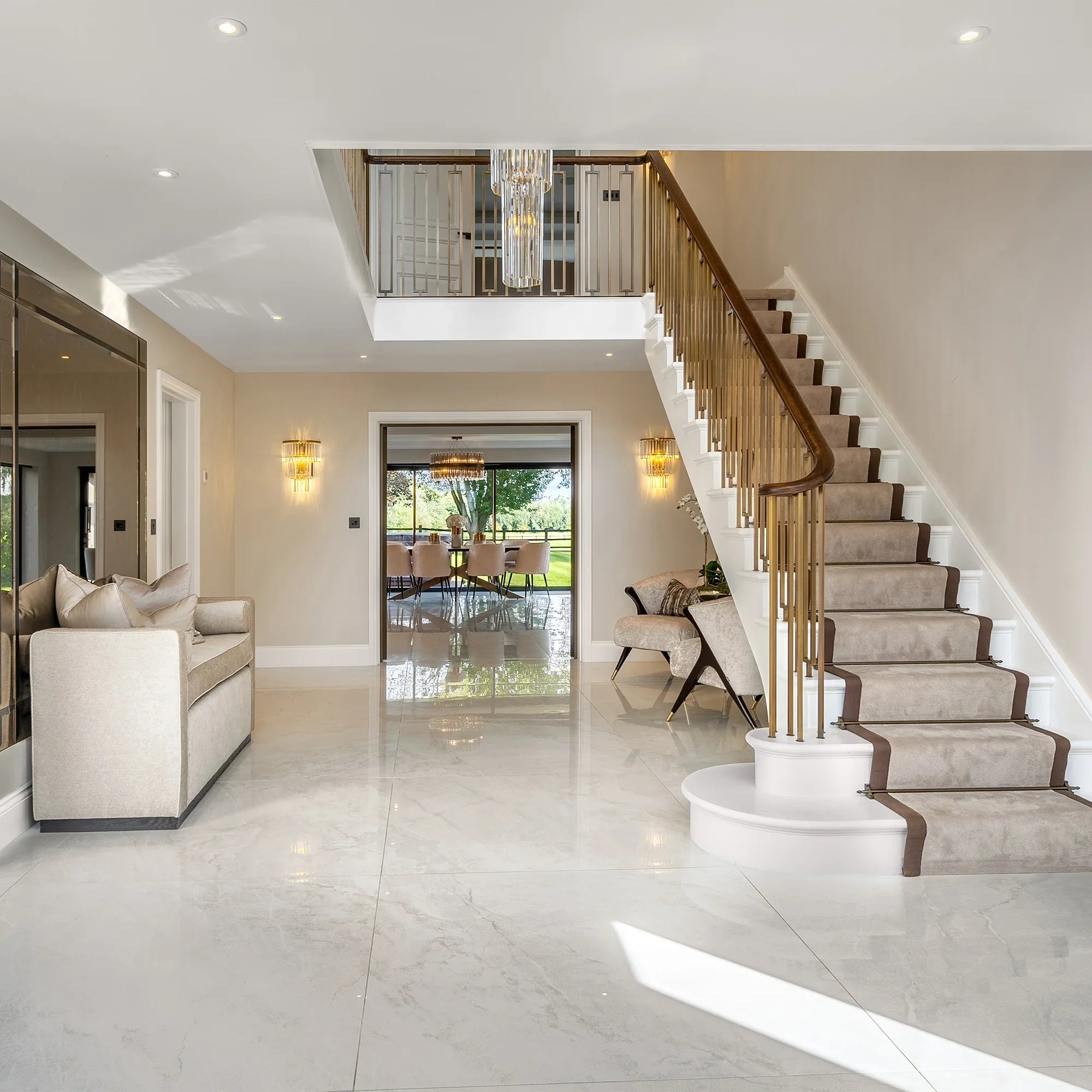
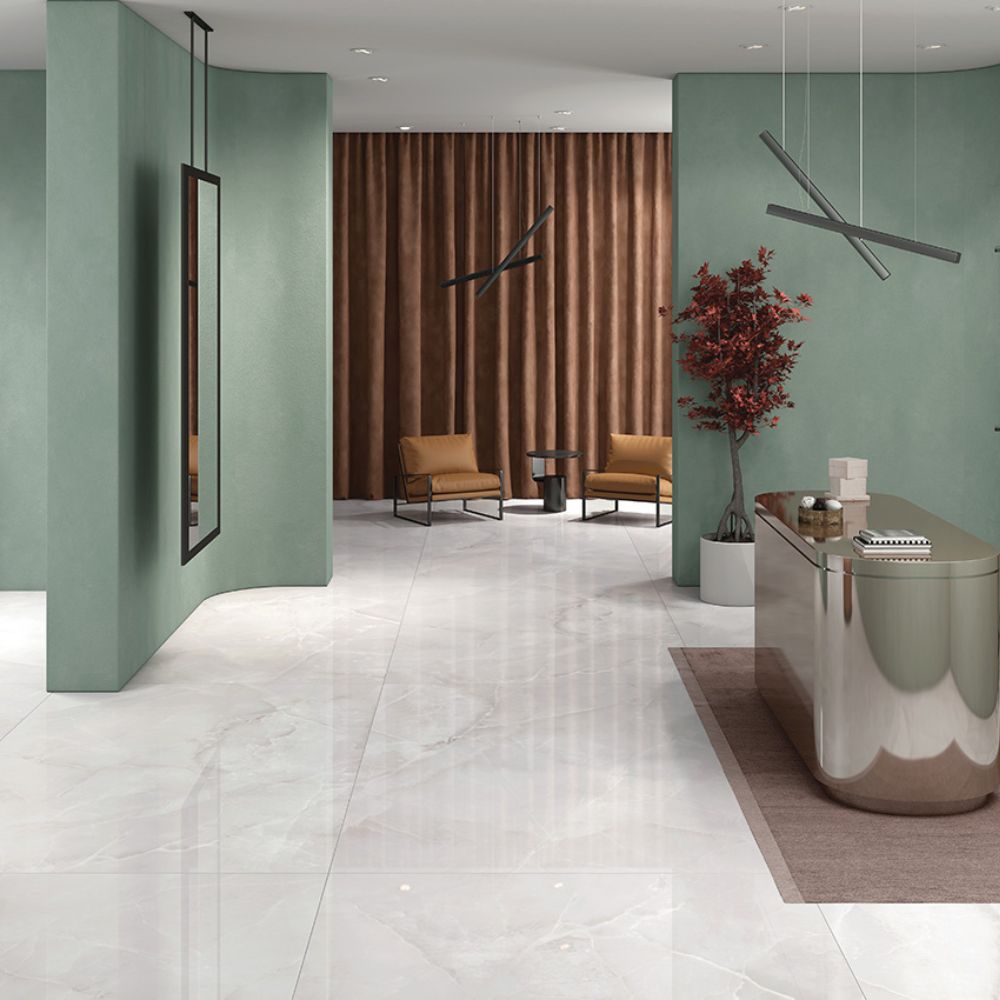
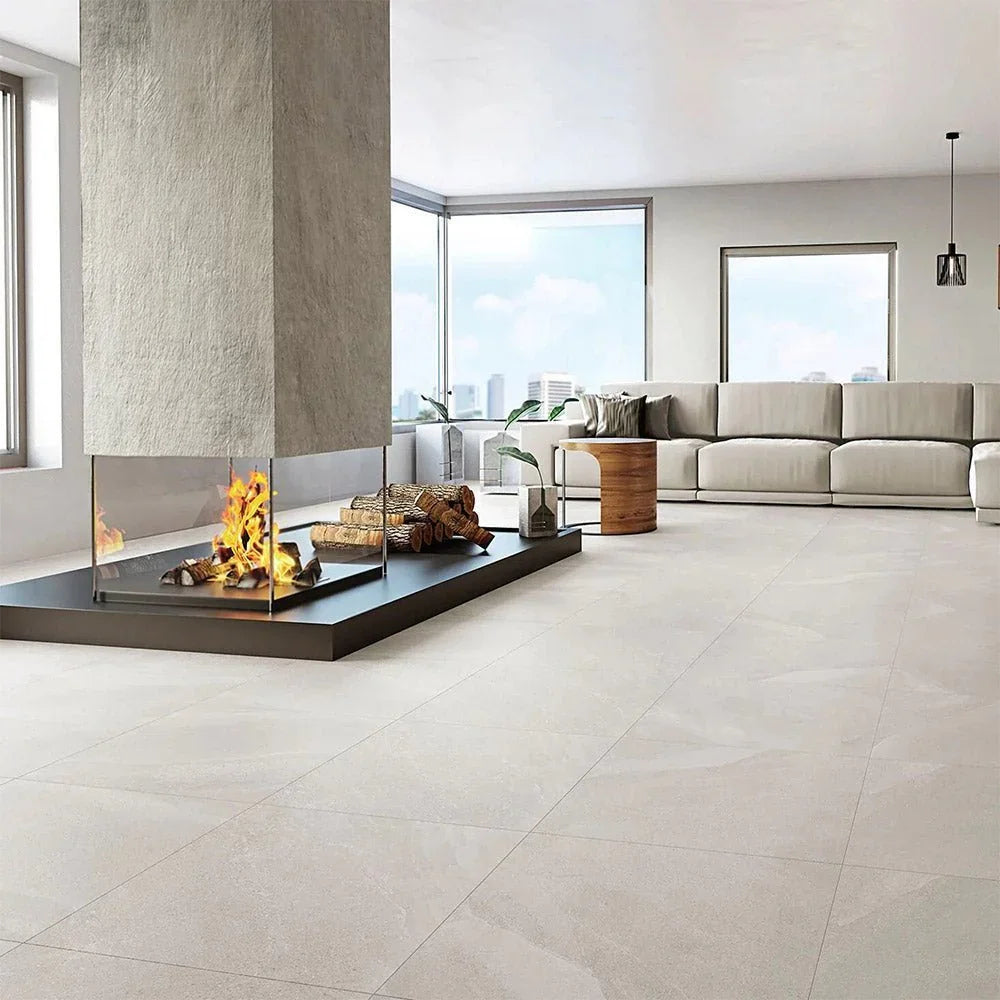
The hallway is often the last part of the house we think about. It's somewhere we pass through rather than stay in. Kitchens, living rooms, and bedrooms naturally get more attention because that's where we spend our time. The hallway connects one space to the next. But that's exactly what makes it intriguing. With less furniture competing for attention, the floor can influence how the house feels from the moment you walk through the door. As interior designer Summer Thornton puts it, a hallway is an opportunity to make a statement rather than a space to be shy with. So rather than asking whether your hallway is too small, too narrow or too dark, a better question is: what do you want your hallway to do? Let the floor make the entrance A hallway floor can establish the character of the house before you've reached the first room. Pattern is an obvious way to do this. Thornton describes the hallway floor as a good excuse for a little drama. A patterned floor can create movement through the space. That could mean a traditional geometric design, a checkerboard, a decorative porcelain, or something much more contemporary. Albourne Grey brings decorative detail to the floor, giving the entrance a focal point while leaving the walls and surrounding finishes quieter. The important thing isn't how elaborate the pattern is, but what it contributes to the entrance. A strong floor can make the hallway feel intentional rather than functional. Pattern doesn't have to mean a patterned floor Pattern is often associated with decorative floor tiles, but it can come from almost anywhere in a hallway. Wallpaper, wall tiles, artwork, a stair runner, painted stair risers, or even a repeated colour can introduce pattern and rhythm. If the walls are already doing the work, a quieter floor may create a better balance. If the walls are restrained, the floor has more room to become the feature. This is particularly useful in a space that connects several rooms. The hallway doesn't have to compete with everything around it. A hallway is somewhere you pass through rather than settle into, so it can be a good place to try a colour or pattern you might find too dominant in a living room. The same principle works with tiles. A hallway allows you to introduce something with character that might feel too dominant in a room where you spend hours at a time. Keep the floor quiet Of course, making an entrance doesn't mean choosing a decorative tile. A quiet stone-effect floor can be just as considered. Large-format porcelain, softly veined marble effects and warm neutral tones can create a sense of calm, letting the architecture, artwork or other materials lead. The interest comes through materiality rather than pattern: subtle tonal variation, a matt surface, natural-looking movement or the way the tile responds to changing light. Glow White Sugar Effect follows this approach, pairing a pale stone-effect surface with a subtle shimmer that catches the light. There's no need to make the hallway a feature simply because it's a hallway. Sometimes the most successful choice is one that gives the rest of the house room to speak. Use the floor to connect the house Because the hallway sits between rooms, it can play an important role in how the whole house connects. Continuing a tile from the hallway into an adjoining kitchen or utility space can create a sense of flow and make separate areas feel part of the same composition. Alternatively, a different tile can deliberately mark the entrance and give the hallway its own identity. Neither approach is inherently better. The decision should come down to whether continuity or contrast makes more sense for the house. A matching floor can create calm and cohesion, while a change in material or pattern can make the entrance feel more defined. The key is to avoid matching simply for the sake of matching. Bring colour underfoot Colour is another way to change hallway character without relying on a highly decorative pattern. Muted green, earthy brown and soft clay tones can add depth to an entrance, particularly when paired with natural wood, painted joinery or warm metals. Colour doesn't have to be bright to have an impact. A stone-effect tile with subtle brown or green undertones can introduce atmosphere while remaining relatively restrained. Look at the colours already present elsewhere in the house and consider whether the hallway could pick one up. Even a small connection can make the transition feel deliberate. Think about the layout as much as the tile The tile is only half of the design decision. How it's laid can completely change its appearance. Herringbone, brick bond, straight grid layouts, borders, and more decorative arrangements each create a different sense of movement and proportion. Interior designer Irene Gunter has highlighted how flooring patterns can influence the way a hallway is perceived, from seamless-looking surfaces to mosaics and geometric shapes. That's worth considering when choosing a tile. A simple tile can become much more distinctive through its layout, while an intricate tile may need a simpler arrangement to let its pattern breathe. The tile and the way it's laid are one design decision. Let the architecture guide you The architecture of the house can provide a useful starting point, but it doesn't have to dictate the final look. In a period property, smaller formats, borders and geometric patterns can sit naturally alongside original details. In a contemporary house, large-format porcelain, concrete effects, terrazzo or quieter stone-inspired surfaces can reinforce a cleaner architectural language. But a period house doesn't require a period-style floor. Equally, a contemporary house doesn't need to be covered in oversized tiles simply because the architecture is modern. The most interesting spaces often come from the relationship between old and new. A traditional property can handle a contemporary geometric floor, while a modern hallway can gain warmth from a more tactile, natural-looking surface. From mosaics to large-format tiles Tile size has a particularly noticeable effect in a hallway. Smaller tiles introduce rhythm and detail. Mosaics can create intricate patterns and give the floor a more decorative quality, while larger formats create broader areas of uninterrupted surface. Neither is automatically more sophisticated. Dorset Bone’s 80 × 80cm format creates a broader, simpler floor grid, allowing the staircase and surrounding architecture to take more of the attention. A large-format tile can make a space feel calm and architectural, but a smaller format can bring texture, scale and character. The right choice depends on the hallway proportions and the atmosphere you want to create. Irene Gunter's approach to hallway flooring is a useful reminder that the visual boundaries between tiles can be just as important as the tiles themselves. Choose a material with character Porcelain gives you considerable freedom when choosing a hallway floor. Stone effects can introduce natural variation without requiring the maintenance associated with some natural materials. Marble effects bring veining and movement. Concrete and terrazzo effects offer a more contemporary look, while terracotta-inspired tiles can add warmth and a sense of age. Natural stone is another option where the material variation itself becomes part of the design. Look beyond the material name and consider what it actually contributes to the space. Does it introduce movement? Warmth? Texture? Contrast? Does the surface change subtly as the light moves across it? A practical material doesn't have to look practical. Don't forget the walls The hallway floor doesn't exist in isolation. Wall tiles can introduce texture or colour, while painted walls, wallpaper, panelling and artwork all change how the floor is perceived. The relationship between the two is often more important than either choice on its own. A highly patterned floor might work best with quiet walls. A restrained stone-effect floor could allow more freedom with wallpaper or colour above it. Think of the hallway as a complete composition rather than choosing the floor first and everything else afterwards. Make practicality part of the design Hallways have to work hard. They deal with outdoor shoes, everyday traffic, muddy feet, and whatever else gets brought through the front door. That makes durability, slip resistance, finish, cleaning requirements, and installation important considerations when choosing a tile. But practical decisions do not have to dictate the aesthetic. A well-chosen porcelain can provide the performance needed for a busy entrance while still delivering the colour, texture and character you want. The best practical choices are often the ones you barely notice because they have been integrated into the design from the beginning. Finding your hallway tile idea The hallway doesn't need fixing; it needs considering. Think about what you want the space to contribute to the house. Perhaps that means a patterned floor that immediately establishes personality. Perhaps it's a quiet stone-effect surface that creates continuity between rooms. Or maybe colour, texture or an unexpected layout is enough to give the entrance its own character. There's no single formula for a successful hallway. Start with the space itself, then consider the relationship between tile, pattern, colour, material and architecture. Explore the full ROCCIA Hallway Tiles collection for tiles that can help shape your entrance, or explore our Hallway Wall Tiles collection or Hallway Floor Tiles collection for more inspiration.

10 Different Ways to Lay Metro Tiles
10 Different Ways to Lay Metro Tiles Subway Tile Patterns Few wall tiles have stood the test of time quite like classic metro tiles. First introduced in the early 20th century for New York's underground subway stations, these simple rectangular tiles quickly became synonymous with clean, practical design. Today, metro tiles (also known as subway tiles) have evolved far beyond their humble beginnings, available in countless finishes, textures and different colours to suit every interior style. The beauty of metro tiles lies in their versatility. Using the same tile, you can create an entirely different look simply by changing the layout. Whether you're designing a striking kitchen splashback, refreshing a family bathroom or creating statement feature walls, the right laying pattern can influence how spacious, modern or traditional a room feels. From timeless brick bond layouts to bold vertical herringbone designs, here are 10 different ways to lay metro tiles, and how to choose the perfect style for your home. 1. Classic Brick Bond The classic brick bond is the most popular metro tile layout, and one that never goes out of style. Also known as a running bond pattern, each row is offset by half a tile to create the familiar staggered look inspired by traditional brickwork. It's a timeless choice that works beautifully in both classic and contemporary homes. The horizontal lines help create the illusion of wider walls, making it ideal for kitchen splashbacks and bathrooms alike. Perfect for: Kitchen splashbacks Family bathrooms Utility rooms Traditional and modern interiors 2. Horizontal Stacked Layout A horizontal stacked layout gives metro tiles a clean, contemporary feel. Instead of staggering each row, the tiles are aligned in a precise grid pattern, creating crisp grout lines and an orderly finish. This simple layout works particularly well in minimalist kitchens and modern bathrooms, where symmetry is key. Pair with matching grout for a seamless look or contrasting grout to emphasise the geometric design. 3. Vertical Stacked Turning the same metro tile vertically is a simple way to transform the look of a room. A vertical stacked layout draws the eye upwards, helping ceilings appear higher and making smaller spaces feel more open. The uninterrupted grout lines create a sleek, contemporary finish that's perfect for shower walls, cloakrooms and compact bathrooms. Sometimes, the simplest layouts make the biggest impact. 4. Horizontal Herringbone If you want to introduce movement and texture, horizontal herringbone is a timeless favourite. Each rectangular tile is laid at a 45-degree angle, creating the distinctive zig-zag effect that instantly adds visual interest. It's a more intricate pattern, but one that brings a luxurious, designer feel to kitchen splashbacks, shower walls and feature areas. 5. Vertical Herringbone Vertical herringbone offers a fresh take on a classic layout. By rotating the traditional herringbone pattern upright, it creates a greater sense of height while adding a contemporary edge. It's particularly effective in compact bathrooms, where it can make walls feel taller and draw attention to statement features like freestanding baths or vanity units. 6. Chevron Pattern Often mistaken for herringbone, the chevron pattern creates a continuous 'V' shape rather than overlapping tiles. The result is a bold, structured design with a clean, modern aesthetic. Whether used on a feature wall or as a striking kitchen splashback, chevron styles make an instant statement. 7. Vertical Third Bond A Vertical Third Bond is a modern twist on the classic running bond. Instead of a half-tile offset, each row is staggered by a one third offset, creating a softer, more contemporary rhythm. This layout works particularly well with longer metro tiles and offers a subtle update on a timeless favourite. 8. Diagonal Metro Tiles For something a little different, try laying metro tiles diagonally. Changing the angle creates movement and helps reduce the corridor effect often found in long, narrow spaces. Diagonal layouts work particularly well on feature walls and splashbacks, adding character without overwhelming the room. 9. Double Weave The Double Weave layout combines horizontal and vertical tile arrangements to create the appearance of woven texture. It's a more unusual pattern, making it ideal for feature walls or boutique-inspired bathrooms where you want the tile design to become a focal point. 10. Grid Pattern A grid pattern celebrates simplicity. Every tile is perfectly aligned both horizontally and vertically to create a symmetrical, balanced finish. This clean layout complements contemporary interiors and works especially well with handmade-effect or coloured metro tiles, where subtle variations in texture become part of the design. Which Metro Tile Pattern Makes a Room Look Bigger? One of the biggest advantages of experimenting with different metro tile laying patterns is their ability to change how a room feels. The direction of the tiles, the placement of the grout lines and the overall layout can all influence the perception of space. Pattern Best For Creates the Illusion Of... Classic Brick Bond Traditional kitchens & bathrooms Wider walls and a timeless feel Horizontal Stacked Contemporary interiors Clean, open spaces with crisp lines Vertical Stacked Small bathrooms & cloakrooms Higher ceilings and a greater sense of height Vertical Brick Bond Narrow spaces Taller, more elegant walls Horizontal Herringbone Feature walls & splashbacks Added depth, texture and movement Chevron Pattern Modern statement spaces Dynamic flow and visual impact Diagonal Layout Compact rooms A more spacious feel by reducing the corridor effect If you're working with a smaller room, choosing the right layout can make a surprising difference. Vertical layouts naturally draw the eye upwards, while horizontal patterns can visually widen a space, making even compact bathrooms or galley kitchens feel more balanced. Grout Can Completely Transform the Look The tile layout may take centre stage, but grout is just as important to the finished design. The colour and width of your grout joints can completely change the character of the installation, highlighting your chosen pattern or allowing the tiles to blend seamlessly together. Matching grout creates a smooth, cohesive finish that makes walls appear larger and more continuous. Contrasting grout emphasises the shape of each rectangular tile, making brick bond, stacked and herringbone patterns stand out. Coloured grout adds personality and can complement feature colours, from soft sage greens to bold navy blue or charcoal tones. Whether you're creating a subtle backdrop or a striking feature wall, grout should be considered as part of the overall design, not simply a finishing detail. Which Rooms Suit Metro Tiles? One of the reasons metro tiles have remained a timeless choice since the early 20th century is their incredible versatility. Available in a huge range of colours, finishes and textures, they can be adapted to almost any room in the home. Metro tiles work beautifully in: Kitchen splashbacks Full-height bathroom walls Shower enclosures Cloakrooms and guest WCs Utility and boot rooms Home bars Fireplace surrounds Feature walls Laundry rooms Hallways and entranceways Whether you're creating a classic white subway tile splashback or a bold contemporary feature wall using coloured metro tiles, there's a layout to suit every space. Choosing the Right Metro Tile Pattern With so many creative layouts to choose from, selecting the right pattern comes down to both the proportions of your room and your personal style. Before making a decision, consider: The size and shape of the room Ceiling height Natural light levels Whether you're aiming for a traditional or contemporary aesthetic The size and proportions of your metro tiles Whether you want the pattern to become a focal point or blend into the background A simple horizontal stacked layout offers understated sophistication, while classic brick bond delivers a timeless look that never goes out of style. If you're looking to introduce more movement, herringbone or chevron patterns create beautiful visual texture and are ideal for feature walls and statement splashbacks. If you're unsure which layout is right for your project, visiting a Roccia showroom allows you to see different laying patterns, tile colours and grout combinations side by side, helping you visualise the finished result before installation begins. Conclusion Metro tiles have earned their place as one of the most enduring choices for kitchens and bathrooms, offering a perfect balance of practicality, versatility and style. Yet it's often the laying pattern, not just the tile itself, that defines the finished look. Whether you love the timeless appeal of a classic brick bond, the clean simplicity of a stacked layout or the striking elegance of vertical herringbone, experimenting with different metro tile patterns is an easy way to personalise your home while creating a space that feels both contemporary and enduring. At Roccia, our extensive collection of metro and subway tiles includes everything from traditional gloss finishes to handcrafted textures and bold contemporary colours. Visit one of our showrooms to explore the collections in person and discover how the right tile, and the right layout, can completely transform your kitchen or bathroom.

Add Warmth to Your Home with Brown Tones
How to Style Brown Tones to Bring Warmth and Depth Into Your Home Brown is having a moment in interior design. After years of cool greys and stark white schemes, homeowners are embracing warmer palettes that feel more inviting and connected to nature. From walnut kitchen cabinetry and stone-effect tiles to chocolate brown furniture and earthy accessories, brown tones are helping create interiors with greater depth, character and comfort. The appeal of brown lies in its versatility. It can act as a neutral backdrop, a statement colour or a subtle accent depending on the shade and how it's used. Whether you're redesigning a bathroom, planning a new kitchen or refreshing a living space, brown offers a timeless way to add warmth without overwhelming a room. Why Brown Is Back in Interior Design The return of brown reflects a wider shift towards natural materials and more lived-in interiors. Rather than creating spaces that feel overly polished, homeowners are looking for rooms with texture, warmth and personality. Brown works naturally within this movement because it already exists in many of the materials we love, including wood, stone, clay and leather. Unlike trend-led colours that can quickly date, brown feels familiar and enduring. It helps a room feel grounded while still offering plenty of flexibility. Understanding Different Shades of Brown One of the biggest misconceptions about brown is thinking of it as a single colour. In reality, there are countless brown shades, each creating a different mood. Taupe and Soft Beige Taupe is a cool-toned neutral that blends brown and grey, making it an excellent choice for contemporary interiors. These softer shades work beautifully on walls, tiles and larger surfaces where warmth is wanted without making the room feel darker. Walnut and Caramel Walnut brown and caramel shades sit comfortably in the middle of the spectrum. Tan and camel sit in this same lighter-to-mid brown family and are classic warm tones often seen in outerwear. These colours add natural warmth, and a caramel shade works particularly well in kitchens through cabinetry, shelving and wooden furniture. They pair beautifully with marble-effect surfaces, stone finishes and warm metallic details for a balanced look anchored by a warm shade. Chocolate Brown and Dark Brown Chocolate brown and deeper brown hues create a rich atmosphere, with chocolate brown offering a modern alternative to black. Espresso is the darkest shade in the brown family and gives fashion a strong, grounding base. Used thoughtfully, a dark brown feature wall, vanity unit or kitchen island can become a focal point that adds depth and visual interest without feeling overwhelming. Mahogany is a reddish-brown choice that works especially well in polished accessories or smaller accents. The key is balancing darker tones with lighter surfaces and plenty of natural light. How to Layer Brown Tones Successfully The most successful brown interiors rarely rely on a single shade. Instead, they combine different shades of brown to create depth and contrast. A room might feature durable stone-effect floor tiles alongside: Walnut brown cabinetry A warm stone-effect floor Cocoa brown textiles Subtle brown accents through accessories Aged gold hardware This layered approach creates a cohesive look while allowing each material to stand out, and incorporating high-quality brown tiles on floors or feature walls can further unify the scheme. Texture also plays an important role. Combining smooth stone, natural wood, woven baskets and soft fabrics prevents brown from feeling flat and adds warmth to the overall design. Brown and Natural Materials Brown works best when paired with natural materials. Wood-paneled walls are also returning in modern designs, offering another natural way to bring in brown tones. Stone, marble, wood and clay all contain earthy tones that complement brown naturally. This is why brown feels so effortless in kitchens and bathrooms where material choice plays such a significant role, and why brown paint can work so well as a comforting shade alongside natural stone-effect tiles and these finishes. At Roccia, we're seeing growing demand for warm stone-effect porcelain, travertine-inspired surfaces and marble-effect tiles with subtle brown veining. These materials introduce natural warmth while remaining timeless and practical. Rather than relying on paint alone, homeowners are increasingly using surfaces to shape the atmosphere of a room. Styling Brown Tones in the Kitchen Brown has become one of the most desirable colours in modern kitchen design, especially when used through brown kitchen tiles that add warmth and texture. Walnut brown cabinetry introduces warmth while maintaining clean lines and a contemporary aesthetic. It feels softer than black yet more distinctive than white. Pair Brown Cabinets With Stone Surfaces Brown cabinetry works beautifully alongside: Travertine-effect tiles Limestone-inspired flooring Marble-effect worktops Warm neutral splashbacks The combination creates a kitchen that feels elegant and connected to nature. Introduce Warm Metallics Brown pairs beautifully with aged gold, brushed brass and bronze finishes. These metallics enhance brown's natural warmth and add a subtle sense of luxury without feeling overly decorative. Bringing Brown Into Bathroom Design Bathrooms often benefit from warmer palettes. While white bathrooms remain timeless, brown tones create a softer, more spa-inspired atmosphere. Choose Warm Stone-Look Tiles Travertine, limestone and marble-effect stone-effect bathroom tiles introduce earthy tones while maintaining a clean and contemporary feel. Using similar surfaces across floors and walls, such as coordinating stone-effect wall tiles, helps create a seamless finish and allows the room to feel larger. Add Warmth Through Furniture A walnut vanity unit or wood-effect surface can instantly make a bathroom feel more inviting. Combined with brushed brass fittings and soft lighting, these elements create a bathroom that feels calm and relaxing rather than clinical. The Colours That Pair Beautifully With Brown One of brown's greatest strengths is how well it works with other colours. Brown and Green Olive and sage green reinforce brown's connection to nature and create a calm, organic palette. Brown and Dusty Blue Dusty blue works beautifully with brown tones, creating a balance between warmth and coolness. This combination feels sophisticated and can work wonderfully in the living room, while also helping create tranquil bedroom settings. In a living room, wood-paneled walls add extra warmth and character alongside this palette. Brown and Soft Blush Soft blush introduces a gentle contrast that softens deeper brown shades and creates a more contemporary feel. Brown and Jewel Tones For a richer look, brown looks great with jewel tones such as emerald and sapphire. Used through accent chairs, wall art or decorative accessories, these colours bring depth while maintaining a luxurious feel. Common Mistakes to Avoid When decorating with brown, there are a few pitfalls worth avoiding. Using One Shade Everywhere Combining multiple brown tones creates more depth than repeating the same colour throughout the room. Ignoring Undertones Some brown colours have red undertones, while others lean towards grey or beige. Always compare materials together before making a final decision. Forgetting About Lighting Brown responds beautifully to warm light, but cool lighting can make it appear flat. Always view samples in both natural and artificial light. Creating a Warm Home With Roccia Brown interiors are about more than colour. The most successful spaces combine beautiful surfaces, natural materials and carefully chosen textures to create warmth and character, reflecting current design trends. Whether it's a travertine-inspired bathroom, a walnut kitchen or a living space layered with earthy tones, the right materials help bring the scheme together. Practical details matter too, and brown rugs hide wear and tear better than lighter shades. At Roccia, our collections of stone-effect, marble-effect and wood-inspired surfaces make it easy to introduce brown tones in a way that feels timeless, sophisticated and practical for everyday life, with expert tips for styling details like terracotta pots. Final Thoughts Brown is no longer a colour reserved for traditional interiors. From taupe and caramel to walnut and chocolate brown, today's brown palette offers endless possibilities for creating warm, inviting spaces. When layered thoughtfully with natural materials, complementary colours and the right textures, brown can add depth, character and natural warmth to every room in the home. The result is an interior that feels comfortable, timeless and designed to be lived in, not just admired.