How to Make a Small Garden Look Bigger: Simple Design Ideas That Work
Written by: Halima Bapu
A small garden can still feel beautiful, functional and surprisingly spacious with the right design approach, even when working with limited space. In fact, some of the most impressive outdoor spaces are compact gardens that have been planned thoughtfully rather than overcrowded with too many ideas.
The key to making a small garden look bigger isn’t necessarily about adding more, it’s about creating better flow, clearer sightlines and a stronger sense of balance so your garden feels like a larger space. Clever layout decisions, vertical planting, outdoor lighting and carefully chosen materials can completely transform how the garden feels.
Whether you have a narrow garden, courtyard, terrace or petite outdoor area, these small garden ideas can help maximise the potential of your outside space and create the illusion of more space while still feeling calm, practical and stylish.
Start by Thinking About the Space as a Whole
One of the biggest mistakes small garden owners make is treating every corner separately. This often creates the opposite effect, too many features competing for attention and making the outdoor space feel smaller.
Instead, think about your own garden as one connected environment.
A cohesive design helps the garden feel larger because materials, colours and pathways flow naturally from one area into the next. This is especially important in tiny spaces where visual clutter quickly becomes overwhelming.
Simple garden design choices often work wonders:
- Keeping materials consistent
- Limiting overly bulky furniture
- Repeating planting tones throughout the space
- Creating a clear focal point
- Using design strategies to add interest and depth, such as incorporating levels, textured plants, or striking features
The aim is to make the eye move naturally through the garden rather than stopping abruptly.
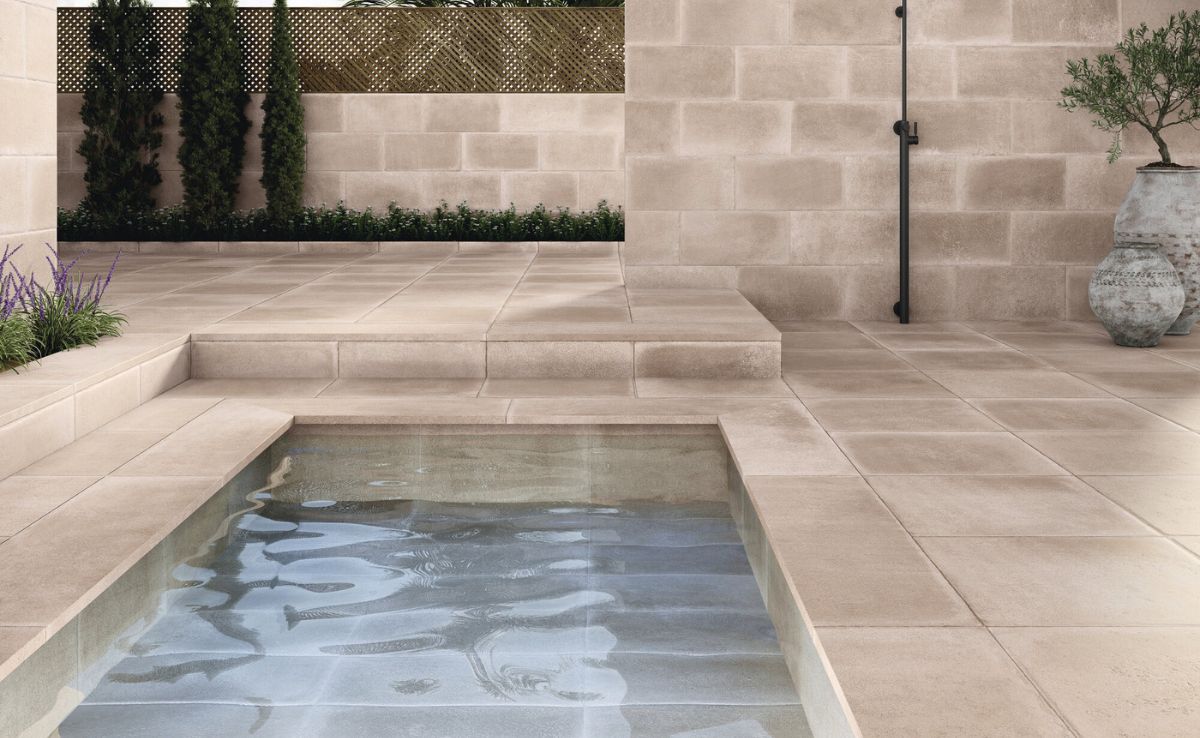
Creating Zones Makes a Garden Feel Larger
One of the most effective clever small garden ideas is creating zones.
Zoning helps divide the outdoor area into smaller “rooms” with different purposes, perhaps a garden seating area, dining spot or planting zone. This makes the garden feel more layered and functional rather than like one flat, undefined space. These zoning ideas are especially effective in a small space, where maximizing every inch and creating distinct areas can make the garden feel much larger and more purposeful.
Creating zones can be achieved through:
- Curved paths
- Changes in elevation
- Garden beds
- Outdoor tiles or hard landscaping
- Architectural elements like pergolas or screens
Treating sections of the garden like separate outdoor rooms creates greater depth and makes even a small outdoor space feel more considered.
Use Vertical Space Instead of Filling the Ground
When ground space is limited, especially in gardens with limited space, the smartest gardens grow upward.
Vertical gardening involves growing plants upwards rather than horizontally, utilising walls, fences, trellises, or towers of pots to maximize available space. This instantly frees up the floor while drawing the eye upward, helping the garden feel taller and more open.
A vertical garden or living wall works particularly well in a narrow garden where floor space is limited. Vertical gardens can include a variety of plants such as herbs, flowers, and even vegetables, making them versatile for different gardening preferences and needs. Climbing plants, trailing plants, hanging baskets and hanging planters can all soften boundaries without overcrowding the layout.
Tall plants and layered greenery also create visual interest while helping the garden feel larger and more immersive.
Choose the Right Plants for Depth and Scale
Planting has a huge impact on perceived size.
Using plants of varying heights creates a natural sense of distance and layering, helping add depth to the garden. Evergreen plants provide structure year-round, ensuring the space still feels lush during colder months rather than sparse or bare.
In smaller gardens, larger plants often work better than lots of tiny containers. Too many small pots can make a space feel busy, whereas fewer, more sculptural plants feel calmer and more intentional.
Brighter colours placed closer to the garden’s boundaries can also subtly pull the eye outward, helping the garden feel bigger. Soft pastels, pale flowers and lighter foliage create an airy quality that reflects more light throughout the space.
Use Materials That Reflect Light and Open the Space
Materials play a major role in how spacious a garden feels.
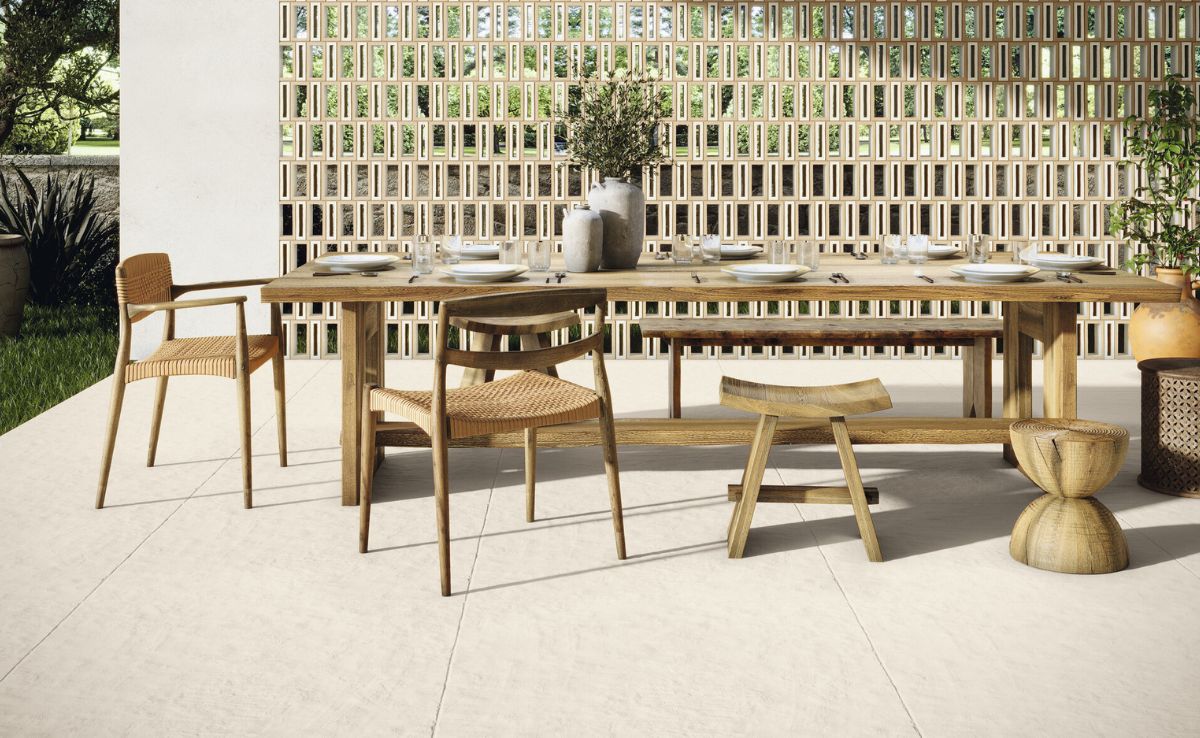
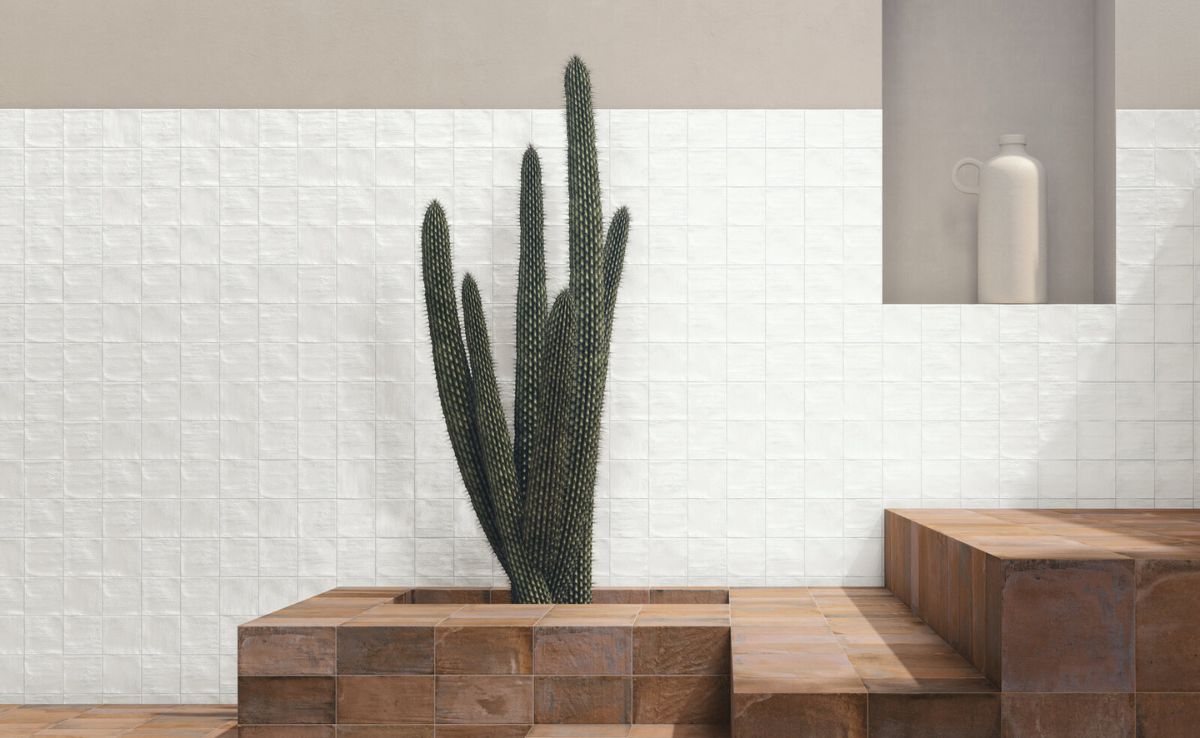
Lighter coloured materials, particularly pale paving, porcelain outdoor tiles or soft stone finishes, reflect more light and help create a brighter, more open atmosphere.
At Roccia, large-format porcelain outdoor tiles are often used in small gardens because they create cleaner lines and a more seamless transition between indoors and outdoors. Fewer grout lines help surfaces feel calmer and less visually broken up, which naturally enhances the sense of space.
Using the same flooring style from the house into the outdoor area can also make the garden feel like an extension of the interior rather than a completely separate zone.
Large-Format Tiles Help a Small Garden Feel Bigger
Smaller paving patterns can sometimes make a compact garden feel busier than it actually is.
Large-format outdoor tiles or oversized paving slabs create a more expansive look because the eye moves across the surface more smoothly. This works particularly well in modern garden design where clean lines and simplicity help maximise the perceived size of the space.
Diagonal paving layouts or curved paths can also subtly extend perspective and create movement through the garden, especially when combined with creative garden tile ideas.
Blur the Garden’s Boundaries
Strong boundary lines often make a small garden feel more enclosed.
Softening fences, walls and edges helps blur the garden's boundaries, creating the illusion of more room. Climbing plants, layered planting, lighter painted fences and well-chosen porcelain tiles for outdoor use all help boundaries recede into the background.
Interestingly, both lighter colours and darker tones can work here:
- Pale tones reflect more light and create an airy atmosphere
- Darker tones can visually disappear behind planting, making boundaries feel less obvious
Strategically placing mirrors along the garden's boundaries can also reflect features and visually double the space, enhancing the illusion of a larger garden.
The best approach depends on the amount of natural light your garden receives.
If possible, try to borrow views from neighbouring properties or surrounding greenery rather than blocking them completely. Extending the eye beyond the immediate garden naturally makes the space feel larger.
Use Reflective Surfaces Carefully
Reflective surfaces can make a small garden look bigger when used subtly.
Mirrors placed against walls or within planting can bounce light back through the garden and create the illusion of greater depth. Water features, reflective bowls or glass elements also add movement and light without taking up too much room.
The key is keeping these features integrated into the wider garden feel rather than making them overly decorative.
Outdoor Lighting Creates Depth After Dark
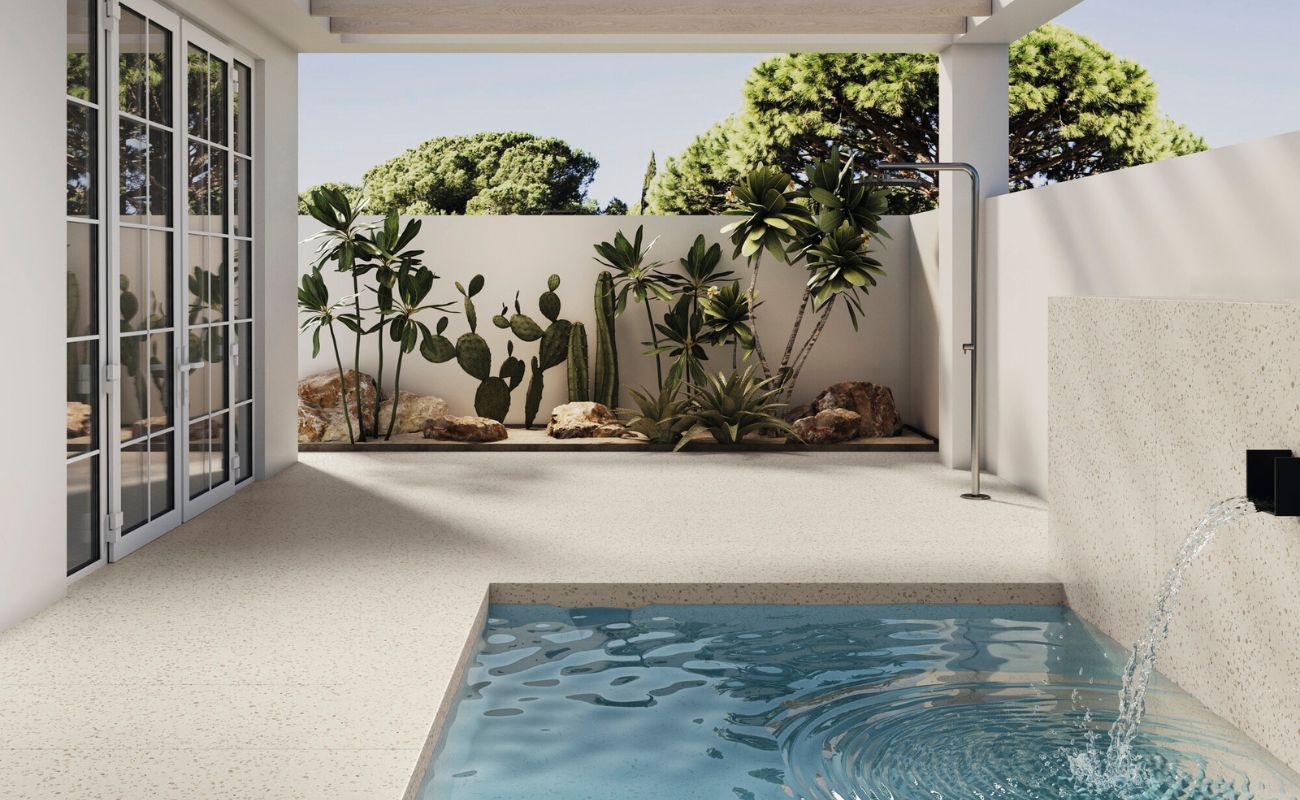
Good outdoor lighting doesn’t just make a garden usable in the evening, it can also completely transform how spacious it feels, especially when combined with outdoor tiles that help create the garden of your dreams.
String lights or festoon lighting help create a warm and inviting atmosphere, while layered outdoor lighting adds depth and structure.
Lighting works best when it highlights specific features:
- Tall plants and trees
- Garden walls
- Pathways
- Architectural elements
- Seating zones
This helps guide the eye through the garden and enhances the perceived size of the space at night.
Choose Furniture That Fits the Scale of the Garden
Furniture should suit the scale of the garden rather than dominate it.
Oversized seating or bulky dining sets can quickly overwhelm a petite space. Instead, foldable metal furniture, slimline seating or a compact bistro dining table often work far better.
Built-in benches with storage are another great idea because they reduce clutter while maximising functionality, and keeping your outdoor tiles in top condition ensures the whole space continues to look well maintained.
The goal is to maintain clear circulation routes so the garden still feels open and easy to move through.
Less Styling Usually Works Better
In a small garden, restraint almost always creates a stronger result.
Too many decorative pieces, competing colours or overcrowded accessories can reduce the sense of calm and make the space feel visually smaller.
Instead:
- Focus on fewer, more impactful pieces to add interest without overwhelming the space
- Repeat colours and materials consistently
- Keep planting intentional rather than excessive
- Allow textures and greenery to become the focal point
This creates a garden feel that is relaxed, balanced and much more spacious overall.
Creating Seamless Indoor–Outdoor Flow with Roccia
At Roccia, we believe great outdoor spaces should feel connected to the home, not separate from it.
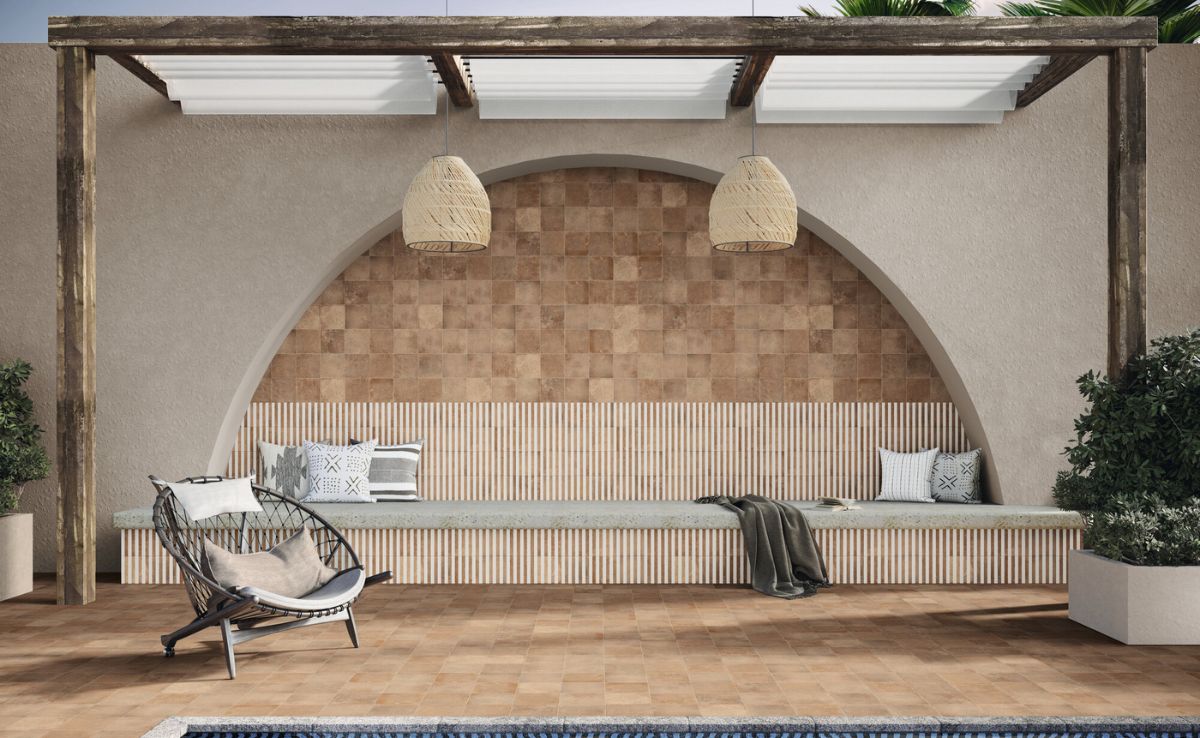
Our porcelain outdoor tile collections are designed to create a seamless transition between indoor and outdoor living, helping even a small garden feel more expansive and cohesive. Large-format tiles, stone-effect surfaces and lighter natural tones all help maximise light, improve flow and bring a more architectural feel to compact outdoor areas. Consulting a garden designer can be invaluable in selecting the right materials, contrasts, and hard landscaping choices to visually expand a small garden, ensuring every element works together for maximum impact.
Whether you’re redesigning a narrow garden, courtyard or small family patio, the right surfaces can completely transform how the space looks and feels, and there are plenty of stylish outdoor tiles under £40 per m² to make those changes more affordable.
Visit one of our showrooms or explore online for outdoor tile inspiration designed for modern living.
Final Thoughts
Making a small garden look bigger isn’t about trying to fit more into the space, it’s about designing it more thoughtfully.
By using vertical space, layering planting, simplifying materials and improving flow, even the smallest outdoor area can feel open, calm and beautifully designed.
And often, the simplest changes create the biggest transformation.