Patterned Tiles: Add Character to Kitchens & Baths
Patterned tiles have a unique ability to completely transform a room. They add character, texture and visual interest in a way that plain surfaces often can't, helping kitchens and bathrooms feel more considered, layered and personal.
Yet despite their popularity, many homeowners still hesitate when it comes to introducing pattern into their interiors. There’s often a concern that patterned tiles will feel too busy, too bold or quickly become dated. In reality, when used thoughtfully, patterned tiles can be one of the most timeless design choices you can make.
The secret lies in balance.
The most successful contemporary interiors don't rely on pattern everywhere. Instead, they use decorative tiles strategically to create a focal point, add architectural depth or introduce subtle texture into a space. Whether it's a patterned floor in a bathroom, a statement splashback in a kitchen or a striking feature wall, patterned tiles can bring personality without overwhelming the room.
Patterned tiles for kitchens and bathrooms have a surprisingly rich history too. Their origins can be traced back to Ancient Greece and the Roman Empire, where decorative surfaces were used to create highly ornate interiors. Centuries later, the Victorian era marked the height of patterned tile popularity, particularly with the introduction of mass-produced encaustic tiles during the Industrial Revolution. Today, modern ceramic tiles, patterned porcelain collections and decorative wall tiles continue to bring that same sense of beauty, elegance and character into contemporary homes.
Why Patterned Tiles Continue to Shape Contemporary Interiors
Over the past few years, interiors have started to move away from ultra-minimal spaces dominated by plain surfaces and cool grey palettes.
Instead, homeowners are looking for ways to create warmth and individuality. Patterned tiles offer exactly that balance. They add visual interest through the architecture of a room itself rather than relying solely on accessories, furniture or decoration.
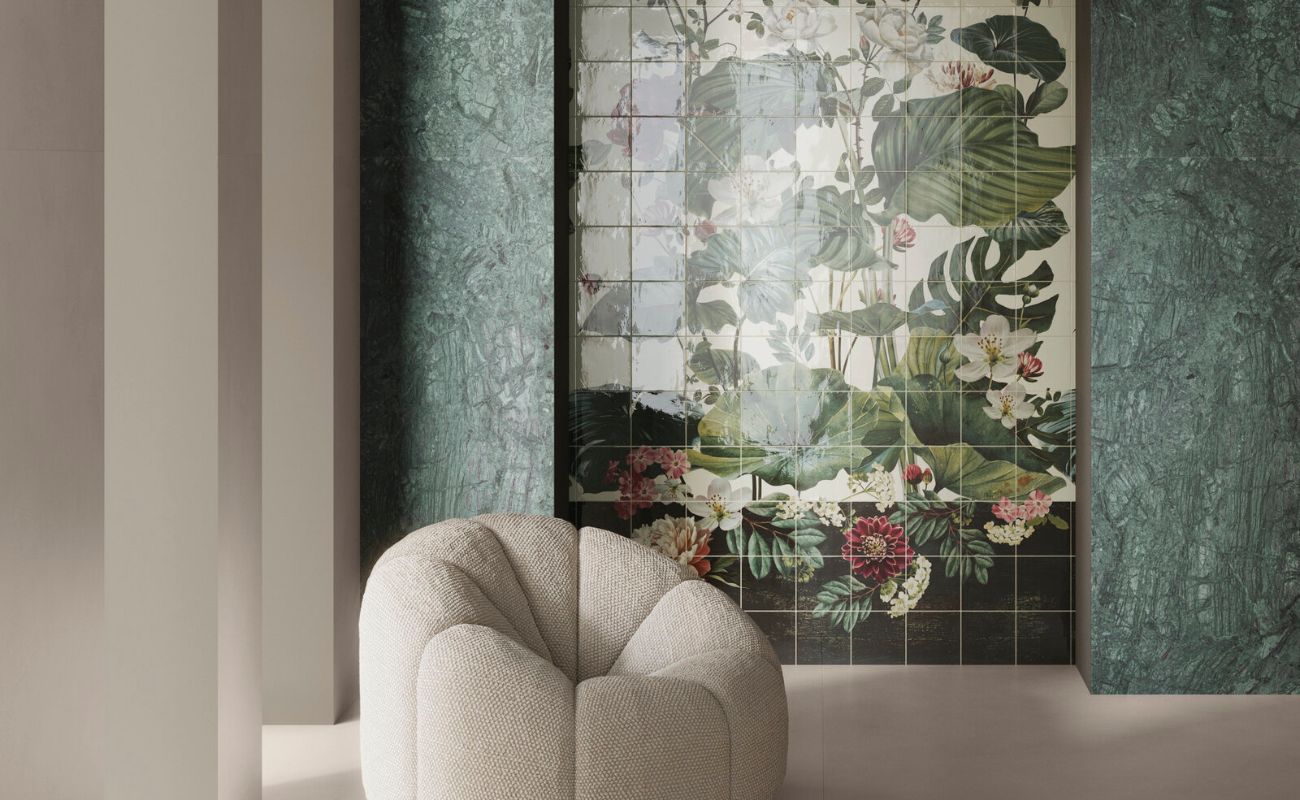
What makes today's patterned tiles feel particularly relevant is their versatility. Modern collections range from subtle geometric patterns and tonal designs to Mediterranean-inspired motifs, vintage encaustic styles and handcrafted decorative finishes.
Rather than dominating a space, these contemporary designs work alongside natural stone, wood, porcelain and warm neutral tones to create interiors that feel layered and lived-in.
The trend for 2026 is also moving towards warmer neutrals, earthy tones and tactile surfaces. Beige, terracotta, soft blue accents and handcrafted textures are increasingly replacing cooler palettes, making patterned tiles an ideal way to introduce warmth while maintaining a timeless aesthetic.
The Most Popular Patterned Tile Styles Right Now
One of the reasons patterned tiles remain so popular is the sheer variety of styles available.
Geometric Patterns for Contemporary Spaces
Geometric patterns continue to be a favourite within contemporary interiors because they feel clean, architectural and versatile.
Whether arranged in square, rectangle or hexagon formats, geometric tiles can add movement without feeling overly decorative. Simple monochrome designs, repeating linear motifs and tonal geometric patterns all work beautifully in modern kitchens and bathrooms.
These styles often pair particularly well with matt finishes, natural stone surfaces and minimalist cabinetry.
Mediterranean and Moroccan-Inspired Tiles
Mediterranean and Moroccan tiles remain some of the most sought-after decorative tiles on the market.
Inspired by traditional craftsmanship, these collections often feature intricate patterns, terracotta tones, deep blue accents and a softer, more organic feel. From colourful patchworks to monochrome geometric motifs, Moroccan-inspired patterned porcelain can bring elegance and warmth to both traditional and contemporary spaces.
They work particularly well in kitchens where homeowners want to introduce colour and personality without committing to bold cabinetry or statement furniture.
Vintage and Heritage-Inspired Designs
Vintage-inspired patterned tiles continue to bring charm and character to modern homes.
Many contemporary collections take inspiration from Victorian encaustic flooring, combining classic motifs with the durability of modern porcelain and ceramic materials. These designs feel timeless because they are rooted in architectural history rather than short-lived trends.
Used on floors, splashbacks or even hallways, they offer a beautiful balance between traditional design and modern practicality.
Where Patterned Tiles Work Best in Kitchens and Bathrooms
One of the biggest misconceptions about patterned tiles is that they need to cover an entire room.
In reality, some of the most successful designs use pattern selectively.
Creating a Kitchen Splashback That Feels Like a Feature
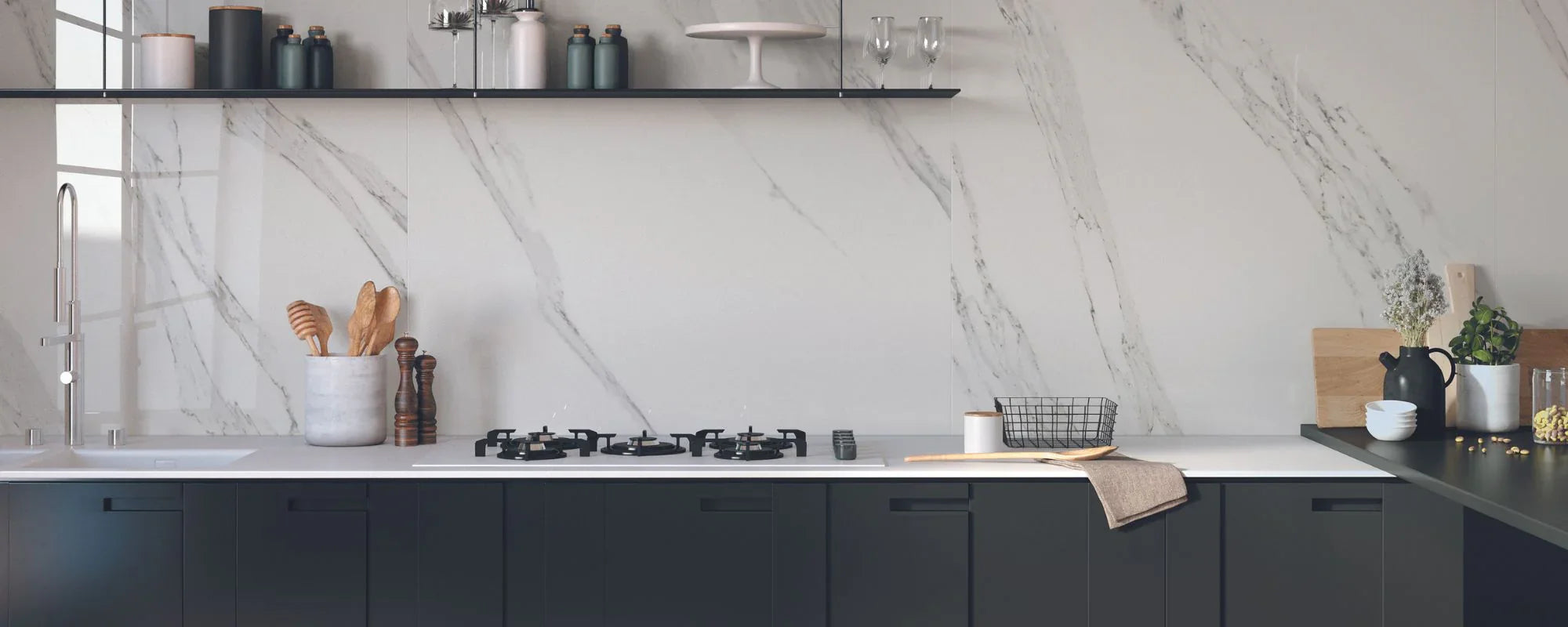
A tiled kitchen splashback is one of the easiest ways to introduce decorative tiles into a kitchen.
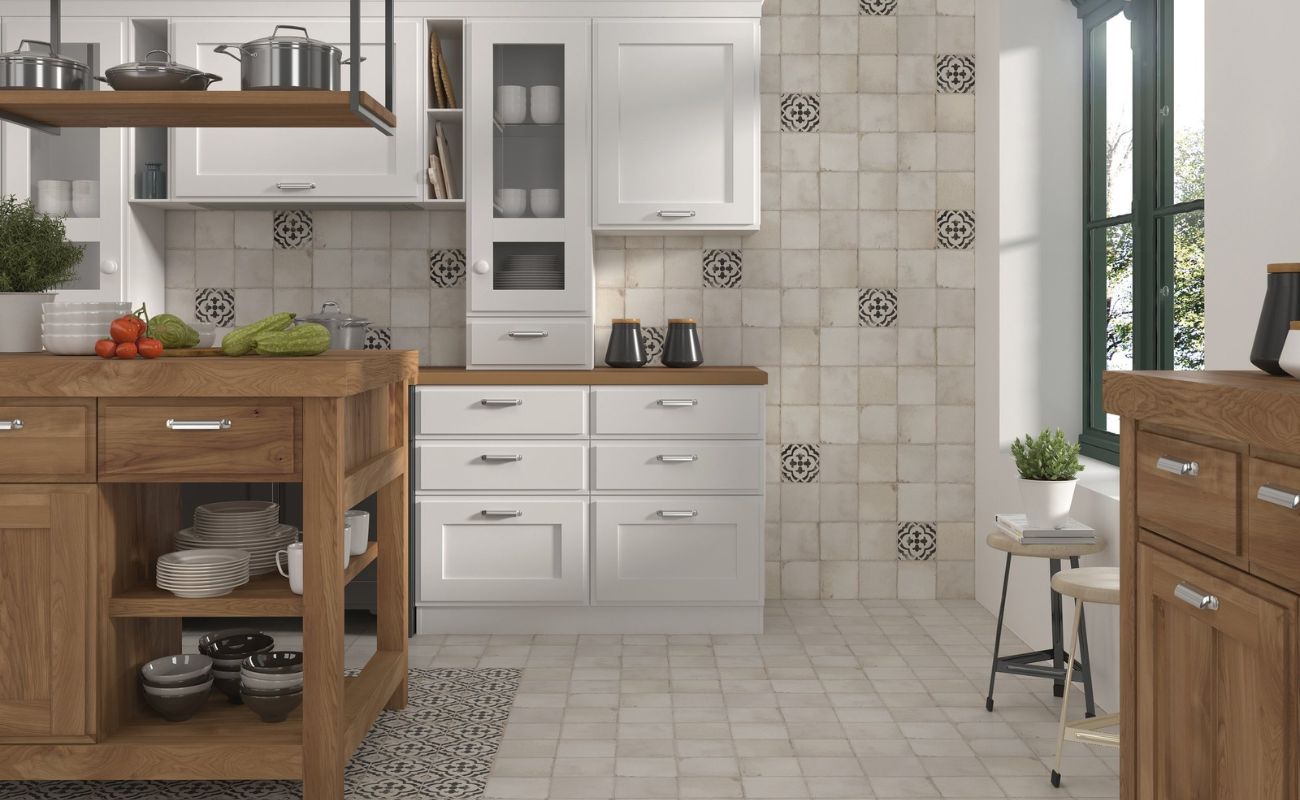
Because the area is relatively contained, it allows pattern to become a focal point without overwhelming surrounding cabinetry or worktops. Pairing patterned wall tiles with simpler materials elsewhere creates a balanced look that feels both contemporary and timeless.
Using a Patterned Floor to Anchor a Kitchen
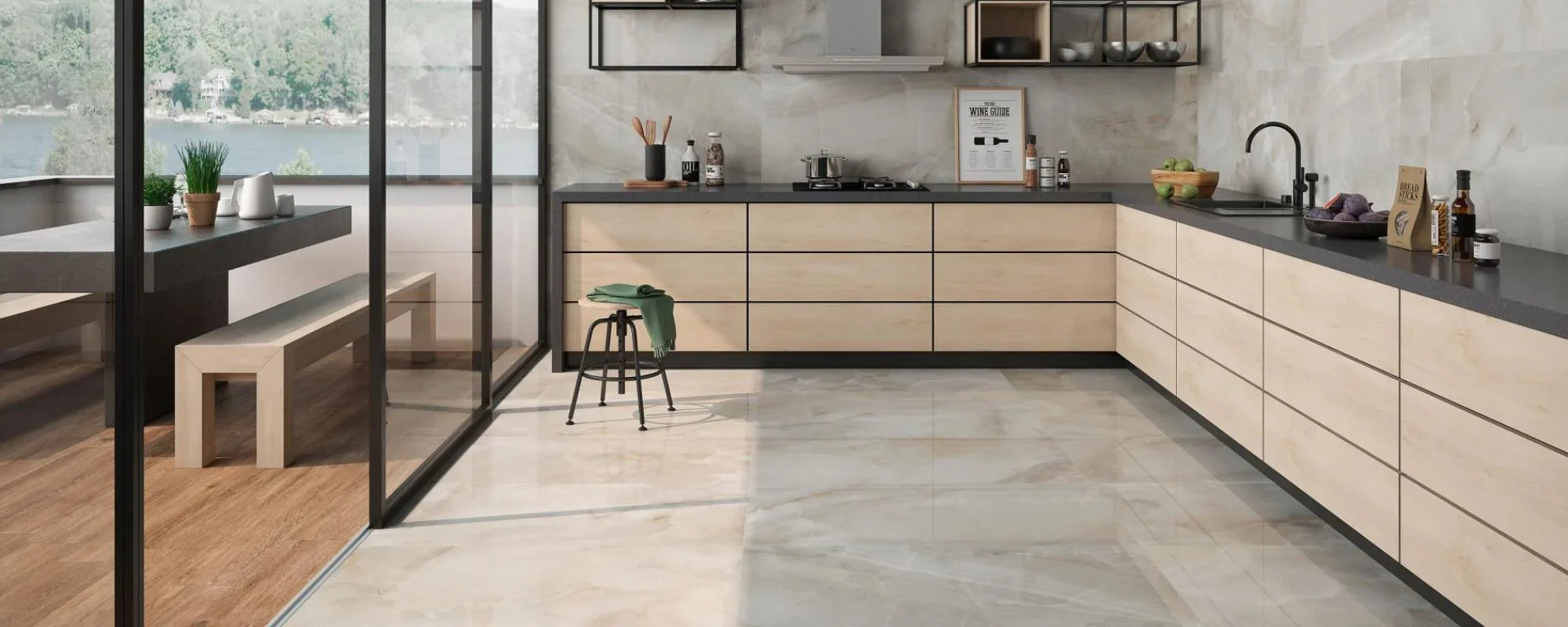
Patterned floor tiles can also work beautifully in open-plan kitchens.
Using a distinct patterned floor beneath a kitchen island or cooking area helps visually anchor the kitchen and separate it from adjoining dining spaces without introducing physical barriers. It's a subtle design technique that can make a big difference to how the room feels and functions.
This approach works particularly well in larger spaces where zoning helps create a sense of structure.
Patterned Bathroom Floors That Add Character
Bathrooms are another ideal setting for patterned floor tiles.
A decorative floor can instantly elevate the entire room, introducing texture and visual interest while remaining highly practical. Many patterned porcelain tiles are particularly forgiving when it comes to everyday wear, helping disguise dust, marks and minor stains more effectively than plain surfaces.
Pairing a patterned floor with simpler wall tiles often creates the most sophisticated result.
Feature Walls and Statement Moments with Patterned Wall Tiles
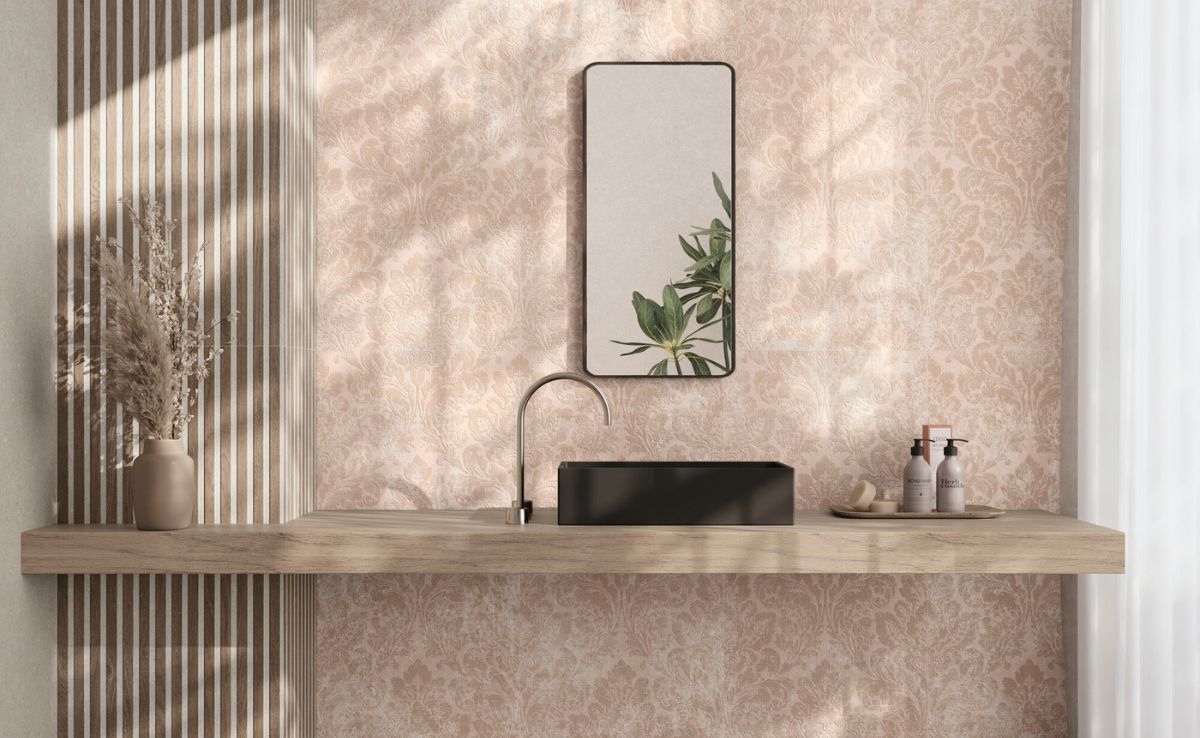
Patterned wall tiles can also be used to create feature walls behind vanities, freestanding baths or within shower enclosures.
Rather than covering every wall, focusing pattern in one area allows it to become a focal point while maintaining a sense of calm throughout the rest of the room.

How to Balance Pattern Without Overwhelming a Space
The key to using patterned tiles successfully is balance.
The most beautiful interiors rarely have every surface competing for attention. Instead, they allow one feature to take centre stage while surrounding materials provide breathing space.
Pair Pattern with Simpler Materials
Patterned wall tiles often work best when paired with plain wall tiles, natural stone or understated porcelain surfaces.
This contrast allows the pattern itself to become the feature while helping the overall design feel more refined.
Stone-effect porcelain, warm beige surfaces, premium patterned tiles, natural wood accents and neutral paint colours all provide a quieter backdrop that allows decorative tiles to shine.
Mix and Match Carefully
Mixing and matching different patterned tiles can create a unique and highly personalised design when done thoughtfully.
Repeating colours, materials or geometric details across multiple surfaces helps maintain cohesion. The goal is to create visual interest without introducing too many competing elements.
Don't Underestimate the Importance of Grout
Grout colour can completely change how a patterned tile looks once installed.
Matching grout to the dominant colour within the tile creates a softer, more seamless finish. Contrasting grout, on the other hand, highlights individual shapes and patterns more strongly.
Both approaches can work beautifully depending on the overall aesthetic you're trying to achieve.
Choosing the Right Material for Patterned Tiles
While pattern is often the first thing people notice, material matters just as much.
Ceramic Tiles
Ceramic tiles remain a popular choice for patterned wall tiles because they are generally easier to cut and install. Their versatility makes them suitable for a wide range of decorative applications, particularly splashbacks and bathroom walls.
They also offer an extensive array of colours, patterns and finishes.
Patterned Porcelain Tiles
Patterned porcelain is often the preferred choice for kitchen and bathroom floors due to its exceptional durability.
Porcelain is less porous than ceramic, making it highly resistant to moisture, stains and everyday wear. This makes it particularly suitable for busy family homes where practicality is just as important as style.
Encaustic and Cement Tiles
Authentic encaustic cement tiles remain a popular option for those seeking a handcrafted appearance. However, because they are more porous, they typically require additional sealing and maintenance compared to ceramic or porcelain alternatives.
For many homeowners, porcelain tiles that replicate the look of traditional encaustic designs offer the perfect balance between aesthetics and practicality.

Creating a Timeless Look with Patterned Tiles
One of the biggest concerns people have about patterned tiles is whether they'll date.
The good news is that timeless patterned tiles tend to share a few common characteristics.
They often draw inspiration from historical design traditions, use balanced colour palettes and complement natural materials. They feel connected to architecture rather than passing trends.
Warm neutrals, soft terracotta shades, muted blues, stone-inspired tones and classic monochrome combinations all tend to have greater longevity than highly trend-led colour schemes.
When paired with quality materials and thoughtful design choices, patterned tiles can feel just as timeless as marble, natural stone or traditional wood flooring.
Bringing Pattern Into Your Home with Roccia
At Roccia, patterned tiles are some of the most versatile collections we offer.
From contemporary geometric designs and patterned porcelain floor tiles to Mediterranean-inspired decorative wall tiles and vintage encaustic-look collections, our range is supported by Roccia Engineering’s bespoke tile craftsmanship and is designed to suit both modern and traditional interiors.
Whether you're looking to create a statement floor, introduce character through patterned wall tiles or discover a timeless feature for your next renovation project, there are countless ways to use pattern beautifully throughout the home.
We always recommend ordering free samples before making a final decision. Seeing a tile in your own home, alongside cabinetry, flooring, paint colours and natural light, is often the best way to understand how the pattern, texture and finish will work within your space.
Explore our collection online, visit one of our showrooms or shop samples to find the perfect patterned tile for your project.
Final Thoughts
Patterned tiles are one of the easiest ways to introduce personality into a kitchen or bathroom.
The key isn't using more pattern, it's using it more thoughtfully.
When balanced with natural materials, warm colours and simpler surrounding surfaces, patterned tiles can create spaces that feel characterful, elegant and timeless. Whether you're drawn to geometric patterns, Moroccan-inspired designs, vintage motifs or contemporary decorative finishes, the right tile can completely transform the atmosphere of a room.
And often, it's these smaller moments of pattern that leave the biggest impression.