
Which Tile Size is Right for Your Space?
Choosing tiles for your home improvement project involves more than selecting a colour or material. One of the most crucial yet often overlooked factors is tile size. The size of your tiles can transform a room’s dimensions, influence the style and mood, and affect both the installation process and the long-term practicality of your space.
Whether you’re tiling a compact en-suite, a spacious kitchen-diner, or a statement hallway, selecting the right size tiles will impact not only how your room looks but how it feels and functions. At Roccia, we offer an unmatched range of tile sizes, from intricate mosaics to expansive large-format slabs, including larger tile options for those seeking a seamless, modern look all available online or at our flagship showrooms in Preston and Bolton. Roccia provides a wide selection of size porcelain tile options to suit different spaces and design needs, as well as tiles in common sizes and standard tile sizes, including popular options like 12x24 inches and 24x24 inches. Among our versatile options, you’ll find ceramic tiles as well as porcelain and natural stone, ensuring the right fit for any design preference.

Introduction to Tile Selection
When embarking on a home improvement project, one of the most important decisions you’ll make is selecting the right tile size for your space. With a huge variety of tile sizes and styles available ranging from sleek porcelain tiles and timeless natural stone tiles to intricate mosaic tiles the options can feel overwhelming. However, understanding how tile size influences both the look and functionality of a room can make your choice much easier.
Larger tiles, such as large format porcelain tiles, are perfect for creating a spacious feel and a seamless, modern look. These tiles can visually expand a space, making it feel more open and airy. On the other hand, smaller tiles, including smaller mosaic tiles, are ideal for adding texture and visual interest, especially in areas where you want to create a decorative feature or add a bit of character. Whether you’re drawn to the clean lines of large format tiles or the intricate patterns of mosaics, the right tile size can help you create a space that’s both beautiful and practical, perfectly suited to your style and needs.

Which Sizes Are Available at Roccia?
As the largest tile showroom in the UK, covering over 44,000 square feet, Roccia offers an unparalleled range of tile sizes to suit every design vision. Whether you’re renovating a small bathroom or a sprawling open-plan living space, we have the tiles to match your needs. Roccia also offers porcelain tile in a variety of sizes, including large format and smaller options, to suit any project.
Our Extensive Tile Size Collection Includes:
- Mosaic tiles: Ideal for intricate designs, splashbacks, and curved surfaces.
- Standard mid-size tiles: Versatile and suitable for floors or walls in most domestic spaces.
- Large-format tiles: Perfect for creating sleek, seamless designs with minimal grout lines.
- XL and slab tiles: Often used in luxury bathrooms, feature walls, and spacious commercial or residential settings.
You can filter by size on our website for convenience, or visit our Bolton or Preston showrooms, where our tile experts will guide you to the best match for your project.

Step 1: Determine Where You're Tiling
Consider the Room Type
Before selecting a tile size, assess the room you’re tiling. Different rooms serve different functions, and tile size should reflect that:
- Bathrooms: Smaller tiles can help create grip and interest, especially on wet room floors. Alternatively, large tiles offer a minimalist, luxury feel.
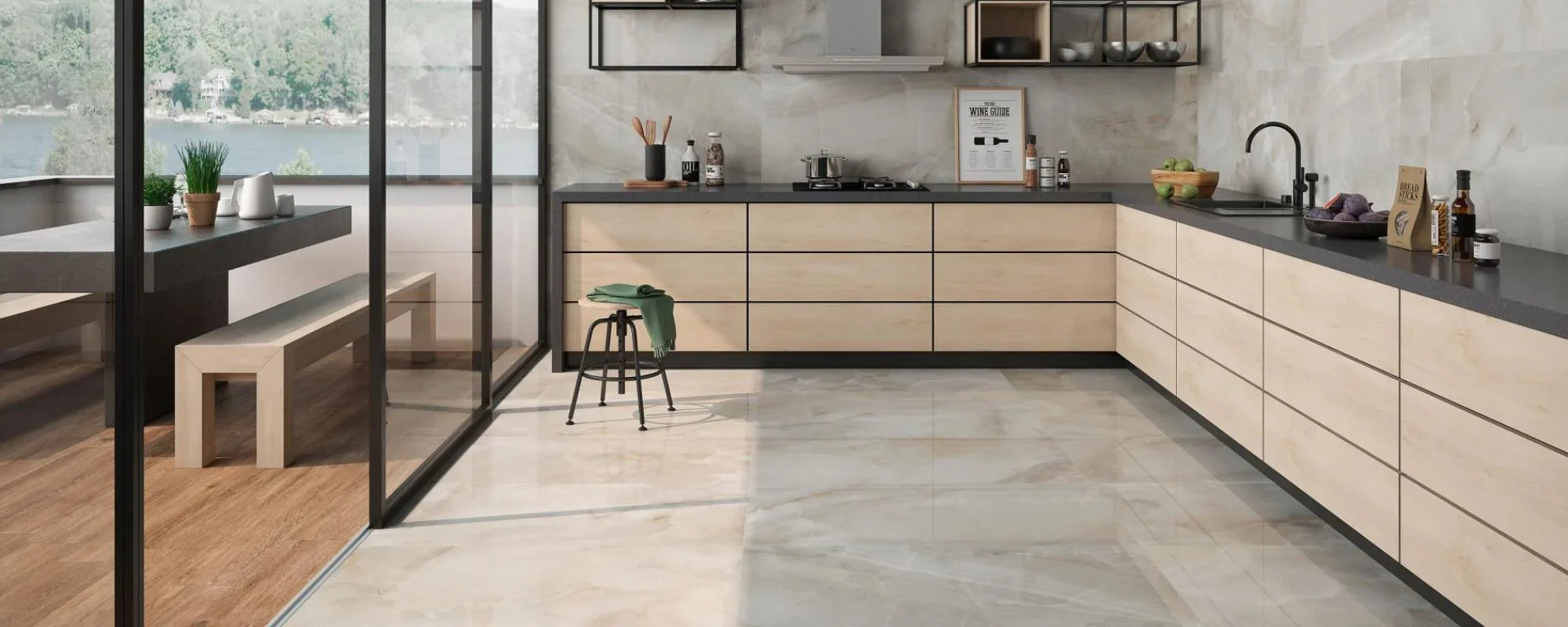
- Kitchens: Use mid-sized tiles for walls and large tiles for flooring to balance detail and ease of cleaning.
- Living areas or open-plan spaces: Large-format tiles offer continuity, especially when carried from one area to another.
- Utility or cloakrooms: Mosaic tiles or small-format ceramics can help add character without overwhelming tight dimensions.
Measure the Area
Always start by measuring the square footage of the area you want to tile. This will give you an idea of coverage and cost, but it also allows you to experiment with tile-laying patterns and decide if your chosen size is practical.

How Tile Size Influences Room Perception
Using Large Tiles to Expand Space
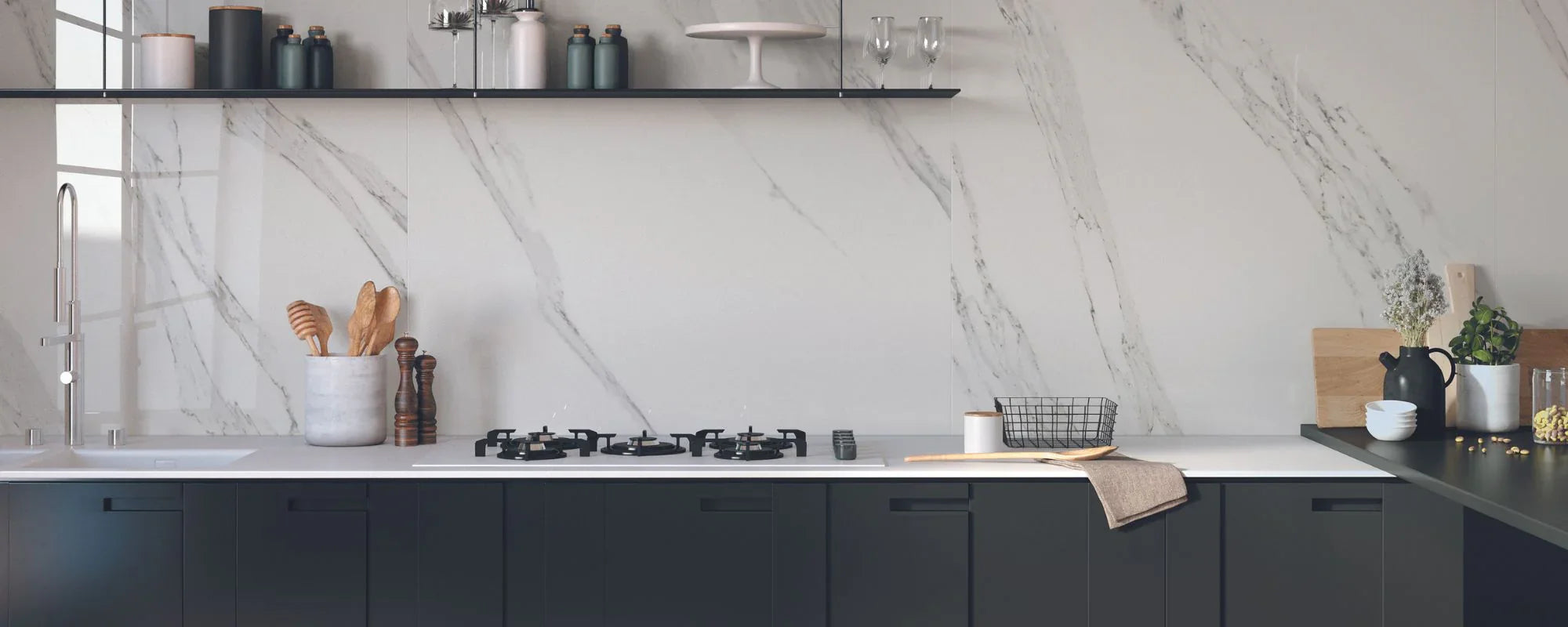
Large-format tiles are a powerful design tool when you're aiming to make a room feel bigger. Using larger tiles, which have fewer grout lines, creates a smoother, uninterrupted surface, making even modestly sized bathrooms or kitchens appear more open. For maximum impact, match the grout colour to the tile, this visually extends the floor or wall area.
Choosing Small Tiles for Detail and Texture
Smaller tiles can add interest and intricacy to a small space. They’re often used:
- As feature walls behind basins or in shower enclosures.
- On curved or uneven surfaces where larger tiles wouldn’t fit.
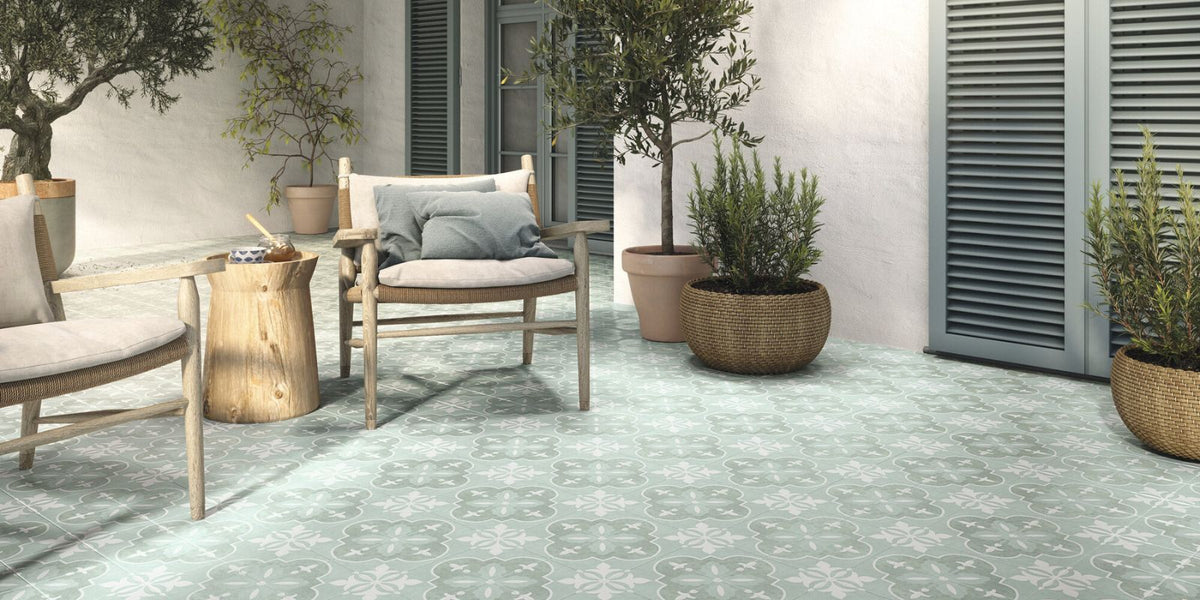
- In period homes to retain character with mosaic or heritage-style patterns.
Small tiles also allow for more precise control over layout and colour blocking in a small room , offering opportunities for more expressive design.
Adding Borders and Accents
Using Small Tiles as Borders
Even if your main tile is large-format, consider incorporating smaller tiles to form borders, frames, or geometric outlines. This can enhance the architectural shape of your room or direct attention to specific features like bathtubs, alcoves, or mirrors.
For best results:
- Choose a coordinating colour palette so the border complements rather than competes.
- Experiment with tile orientation, for example, laying border tiles vertically can enhance ceiling height.
Borders created with smaller tiles provide a striking contrast to large tiles and can serve as a visual transition between different areas of a room. They are particularly effective in bathrooms, where bathroom tiles can define the shower area or frame a vanity wall, adding a touch of elegance and detail without overwhelming the space.
Additionally, small tile borders can be used creatively to break up monotony in large expanses of tile, introducing subtle patterns or textures that add depth and interest. For example, a thin strip of mosaic tiles can act as a decorative accent running horizontally or vertically, guiding the eye and creating a sense of movement.
In terms of materials, combining natural stone tiles or glass mosaics as borders around larger porcelain tiles can bring a luxurious and timeless choice to your design. This mix of textures and finishes enhances the overall aesthetic while maintaining harmony within the space.
Moreover, smaller tiles used as borders are versatile and can be adapted to fit various design styles—from classic to contemporary. Their adaptability makes them an excellent option for adding personality and style to both modern and traditional interiors.
Overall, incorporating small tile borders alongside larger tiles is a clever way to balance scale, add visual interest, and highlight architectural features, making your tiling project truly stand out.
Feature Niches and Splashbacks
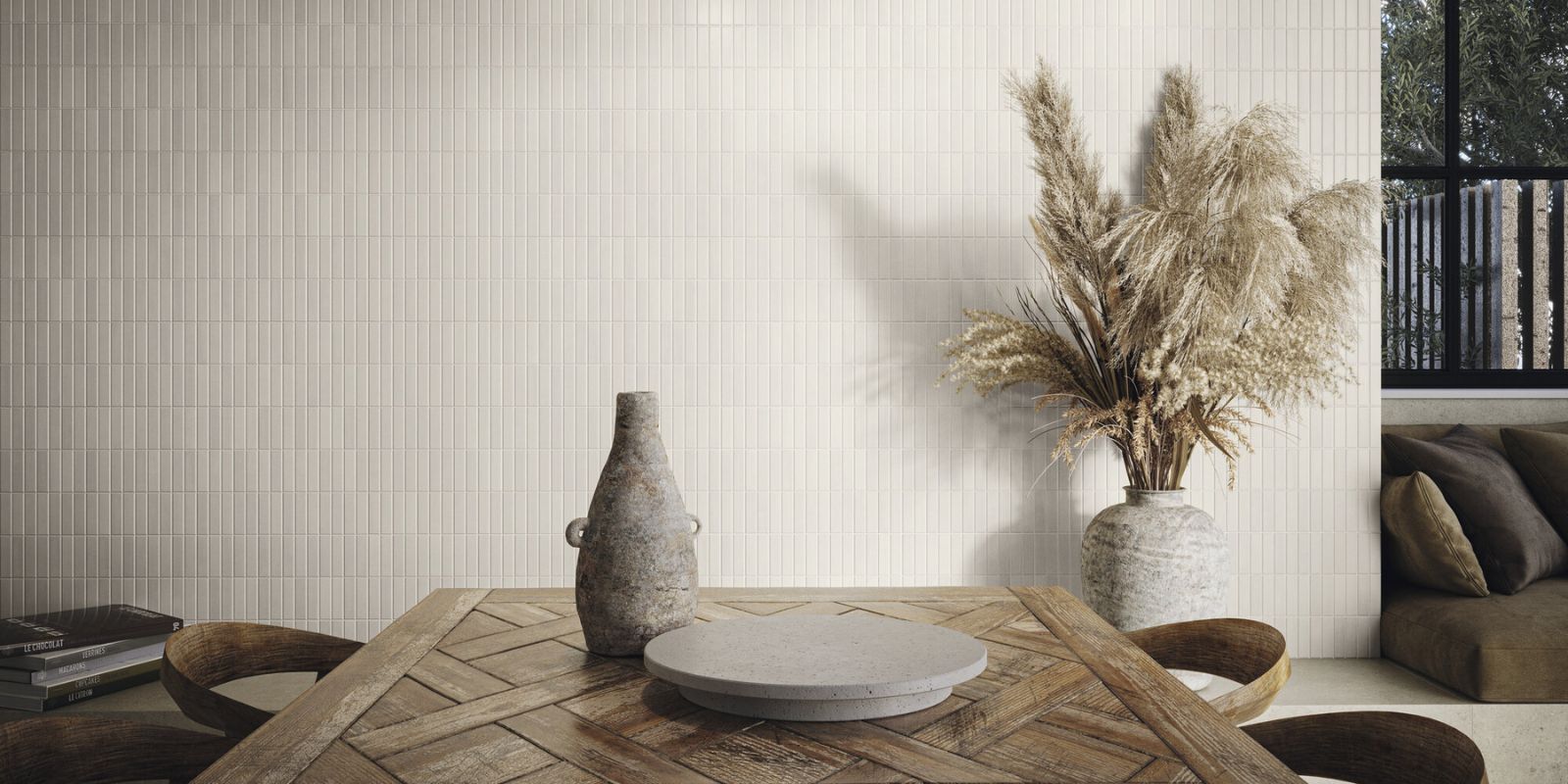
Smaller tiles also work beautifully in feature niches or splashbacks and can enhance a modern feel . Whether you’re using herringbone mosaics, hexagonal designs, or mini subway tiles, these small sections can add character to otherwise minimal spaces. These intricate tile patterns serve as focal points that draw the eye and break up larger expanses of plain tiling, adding a touch of personality and depth to your room.
In kitchens, splashbacks made with smaller tiles not only protect walls from water and cooking splashes but also provide an opportunity to introduce texture, colour, and pattern. For bathrooms, feature niches lined with smaller tiles can highlight shower products or decorative elements, creating a spa-like ambiance. The smaller tile sizes allow for greater flexibility in shaping these areas, especially in curved or irregular spaces where large tiles may not fit properly.
Moreover, using smaller tiles in these areas can enhance grip and reduce slipping in wet zones, making them both stylish and functional. The variety of shapes and finishes available in smaller tiles, from glossy glass mosaics to matte ceramic hexagons, means you can tailor the look to suit traditional, modern, or eclectic design styles. Combining these with larger tiles in the surrounding space creates a balanced contrast that elevates the overall aesthetic of your interiors.

Choosing Tile Size Based on Colour
Creating Contrast with Size and Tone
Combining different tile sizes within the same colour family subtly elevates your design, especially in a larger space . For example:
- Use large matt grey tiles on a bathroom floor and contrast with small gloss grey mosaics in the shower area.
- Layer beige tones in varying scales to maintain warmth and add depth.
This approach adds visual interest and defines zones without physical dividers. Varying tile sizes and finishes creates a dynamic interplay of textures and tones, enhancing the overall aesthetic. Pairing large matte tiles with smaller glossy mosaics balances understated elegance with eye-catching detail.
Contrasting tile sizes also highlight architectural features or focal points, such as recessed niches or backsplashes, especially in bathrooms and kitchens. Combining larger floor tiles with smaller wall tiles or decorative accents brings a layered, refined look.
Consider how light interacts with tile finishes and sizes: glossy smaller tiles reflect more light, adding sparkle, while larger matte tiles provide a soft, calming backdrop. This contrast can make the room feel more spacious and inviting.
Experimenting with size and tone contrasts allows creative patterns and layouts. Small tiles arranged in herringbone or mosaic patterns add intricate detail complementing large-format tiles. This balance elevates your design from ordinary to extraordinary.
In summary, combining tile sizes and tones within the same colour family is a timeless strategy adding depth, dimension, and personality.
Grout Colour’s Role
Grout affects the visual impact of size:
- Matching grout creates a seamless, larger look.
- Contrasting grout highlights individual tiles, adding interest, especially with smaller tiles.
Matching grout minimizes grout lines, enhancing space, ideal with large tiles in small rooms. Contrasting grout emphasizes tile shape and layout, adding texture and rhythm, perfect for mosaics or smaller tiles.
Consider maintenance: lighter grout shows dirt more, requiring frequent cleaning; darker grout masks imperfections and suits high-traffic areas like kitchens and bathrooms. Choose high-quality, stain-resistant grout for wet environments.
Ultimately, grout colour should complement tile size and overall design, whether aiming for seamless modernity or bold patterns. Thoughtful grout selection is key to the desired visual impact.
Tile Size Tips for Tricky Spaces
Narrow Rooms or Hallways
Long, narrow spaces benefit from rectangular tiles laid widthways, which visually widen the area. Plank-style tiles in a staggered (brick) pattern also break up linearity, adding texture and interest. Lighter coloured tiles enhance this effect by reflecting light, making the space feel brighter and more open. Tile size matters too: while smaller tiles seem obvious, larger tiles create a seamless look with fewer grout lines, avoiding clutter. Medium-sized rectangular tiles often balance traction and openness in tight hallways. Extending wall tiles upwards draws the eye up, creating the illusion of higher ceilings and more vertical space, especially useful in narrow bathrooms or corridors. Combined with good lighting and décor, these strategies transform narrow spaces into inviting, stylish areas.
Small Bathrooms or Cloakrooms
In tight spaces, a common misconception is that only small tiles should be used. However, large-format tiles with minimal grout lines can make even a tiny bathroom feel bigger, especially when paired with light-reflecting surfaces like gloss finishes or polished stone. Large tiles reduce grout lines, creating a seamless surface that gives the illusion of more space. This works well on bathroom walls and floors, allowing the eye to move smoothly across the area.
Choosing lighter colours for larger tiles enhances this effect by reflecting more light, making the space appear brighter and airier. For shower floors, smaller tiles or mosaics provide better grip and safety, while larger tiles on surrounding walls maintain a balanced, modern look. Thoughtful combinations of tile sizes add visual interest without overwhelming the room.
In cloakrooms or compact areas, large tiles simplify cleaning and maintenance due to fewer grout lines, reducing dirt build up. It's important to consider room proportions and layout to avoid awkward cuts or imbalance. Consulting tile experts can help select the perfect tile size and style to maximise both function and aesthetics in small bathrooms and cloakrooms.
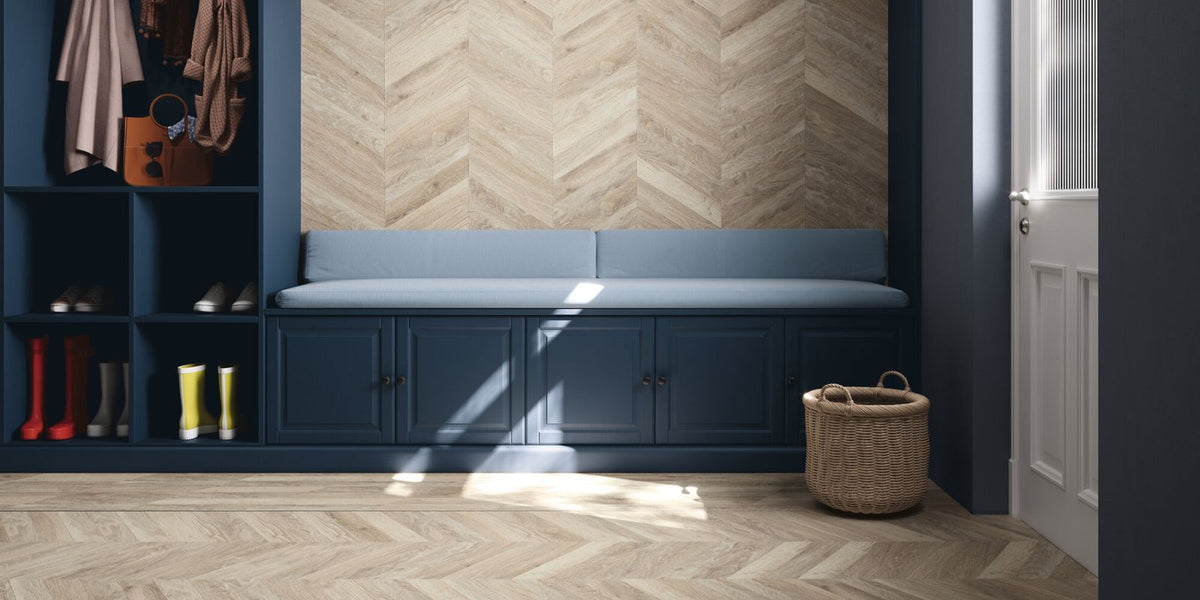
Exploring Mosaic Tile Designs
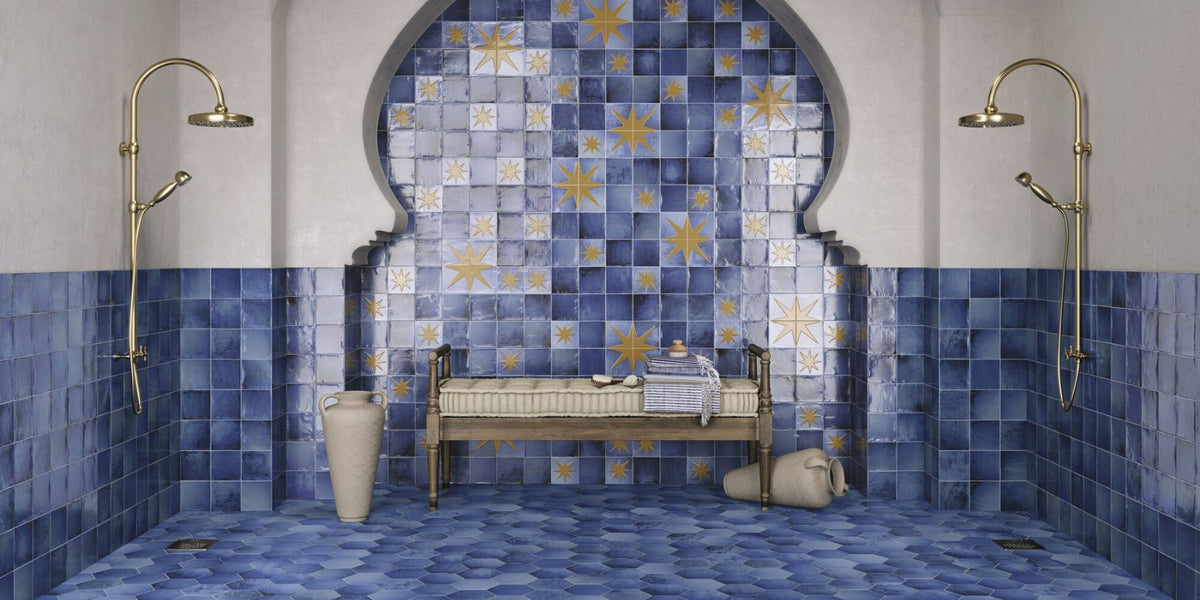
Mosaic tile designs add personality, texture, and decorative flair to any space. Using smaller mosaic tiles, you can create intricate patterns and eye-catching visuals perfect for feature walls, splashbacks, or borders. Whether modern or classic, mosaics offer endless design possibilities with materials like glass, ceramic, or natural stone.
Mosaics work well in small spaces such as bathrooms or shower floors, adding visual interest, grip, and safety. They also serve as decorative highlights like shimmering borders or feature niches that enhance light reflection and spaciousness.
Combining mosaics with larger tiles, such as large format porcelain tiles, creates a balanced, sophisticated look. Use mosaics as accents or borders while larger tiles provide a sleek, seamless backdrop. Matching shapes and patterns ensures a cohesive design that feels modern and timeless.
Let Roccia Help You Get the Tile Size Right
Selecting the perfect tile size for your space doesn’t need to be overwhelming. At Roccia, our expert team is ready to walk you through your options, including large format tiles, and help you decide which tile size is right for your project from layout advice to material suitability, ensuring your design is both visually stunning and functional.
Explore our full collection online or visit our tile showrooms in Preston and Bolton, where you can see the wide range of tile sizes, finishes, and materials in real-world settings. Whether you're dreaming of minimalist large-format stone or an intricate mosaic splashback, we have the perfect tile for your space.
To view our complete tile collection, come and visit us at our tile showroom in Bolton or Preston.