10 Different Ways to Lay Metro Tiles
Subway Tile Patterns
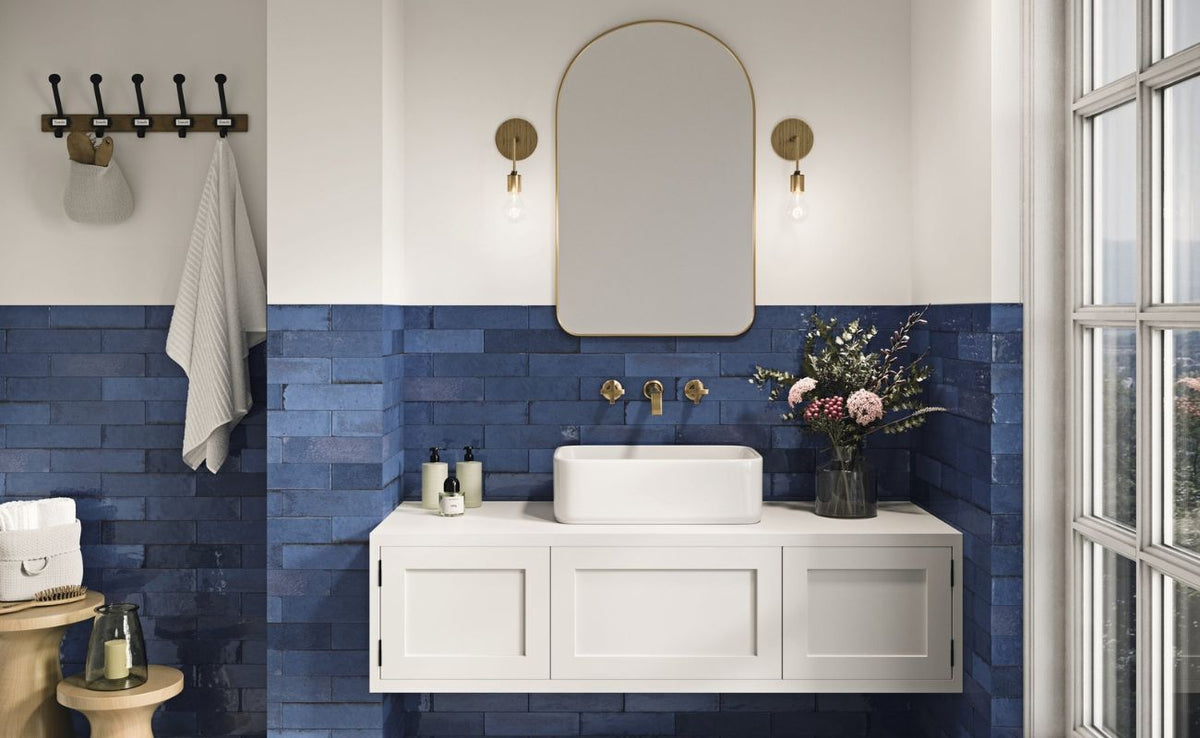
Few wall tiles have stood the test of time quite like classic metro tiles. First introduced in the early 20th century for New York's underground subway stations, these simple rectangular tiles quickly became synonymous with clean, practical design. Today, metro tiles (also known as subway tiles) have evolved far beyond their humble beginnings, available in countless finishes, textures and different colours to suit every interior style.
The beauty of metro tiles lies in their versatility. Using the same tile, you can create an entirely different look simply by changing the layout. Whether you're designing a striking kitchen splashback, refreshing a family bathroom or creating statement feature walls, the right laying pattern can influence how spacious, modern or traditional a room feels.
From timeless brick bond layouts to bold vertical herringbone designs, here are 10 different ways to lay metro tiles, and how to choose the perfect style for your home.
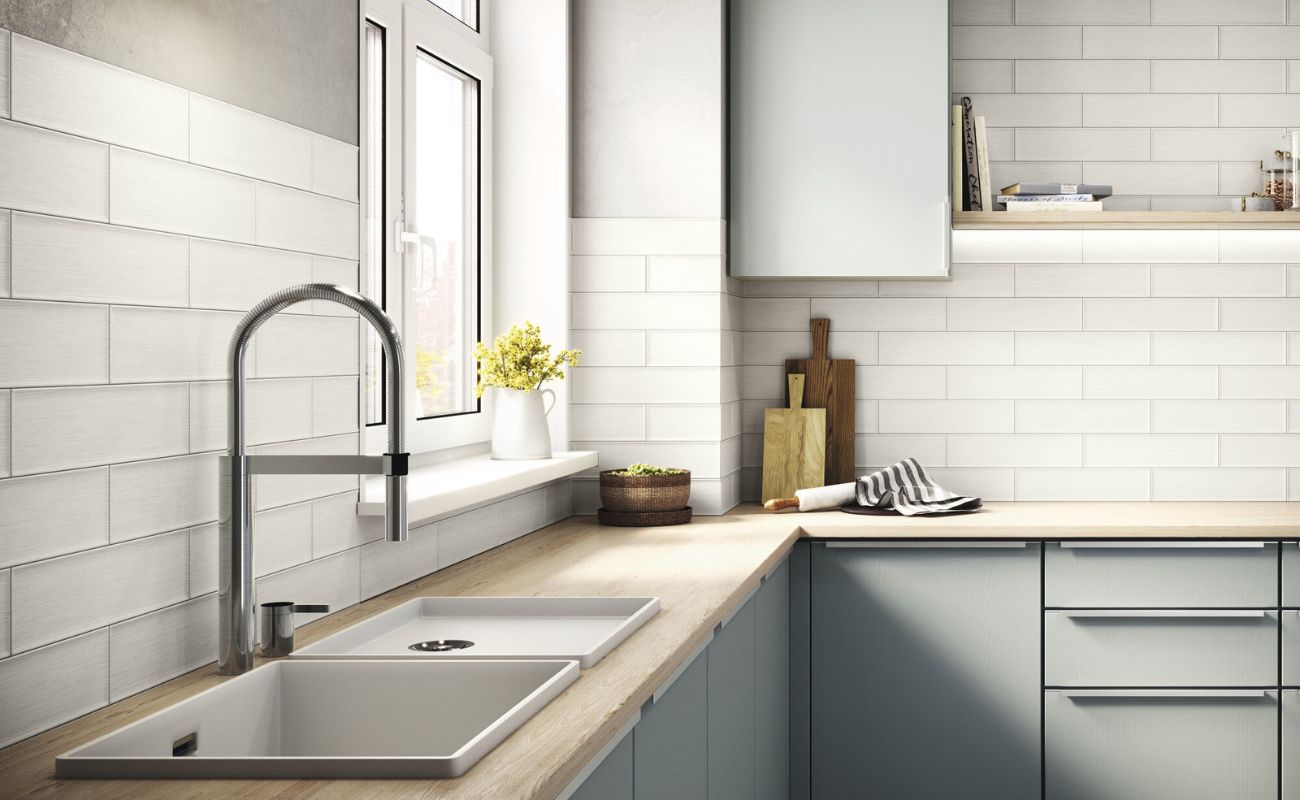
1. Classic Brick Bond
The classic brick bond is the most popular metro tile layout, and one that never goes out of style.
Also known as a running bond pattern, each row is offset by half a tile to create the familiar staggered look inspired by traditional brickwork. It's a timeless choice that works beautifully in both classic and contemporary homes.
The horizontal lines help create the illusion of wider walls, making it ideal for kitchen splashbacks and bathrooms alike.
Perfect for:
- Kitchen splashbacks
- Family bathrooms
- Utility rooms
- Traditional and modern interiors
2. Horizontal Stacked Layout
A horizontal stacked layout gives metro tiles a clean, contemporary feel.
Instead of staggering each row, the tiles are aligned in a precise grid pattern, creating crisp grout lines and an orderly finish. This simple layout works particularly well in minimalist kitchens and modern bathrooms, where symmetry is key.
Pair with matching grout for a seamless look or contrasting grout to emphasise the geometric design.
3. Vertical Stacked
Turning the same metro tile vertically is a simple way to transform the look of a room.
A vertical stacked layout draws the eye upwards, helping ceilings appear higher and making smaller spaces feel more open. The uninterrupted grout lines create a sleek, contemporary finish that's perfect for shower walls, cloakrooms and compact bathrooms.
Sometimes, the simplest layouts make the biggest impact.
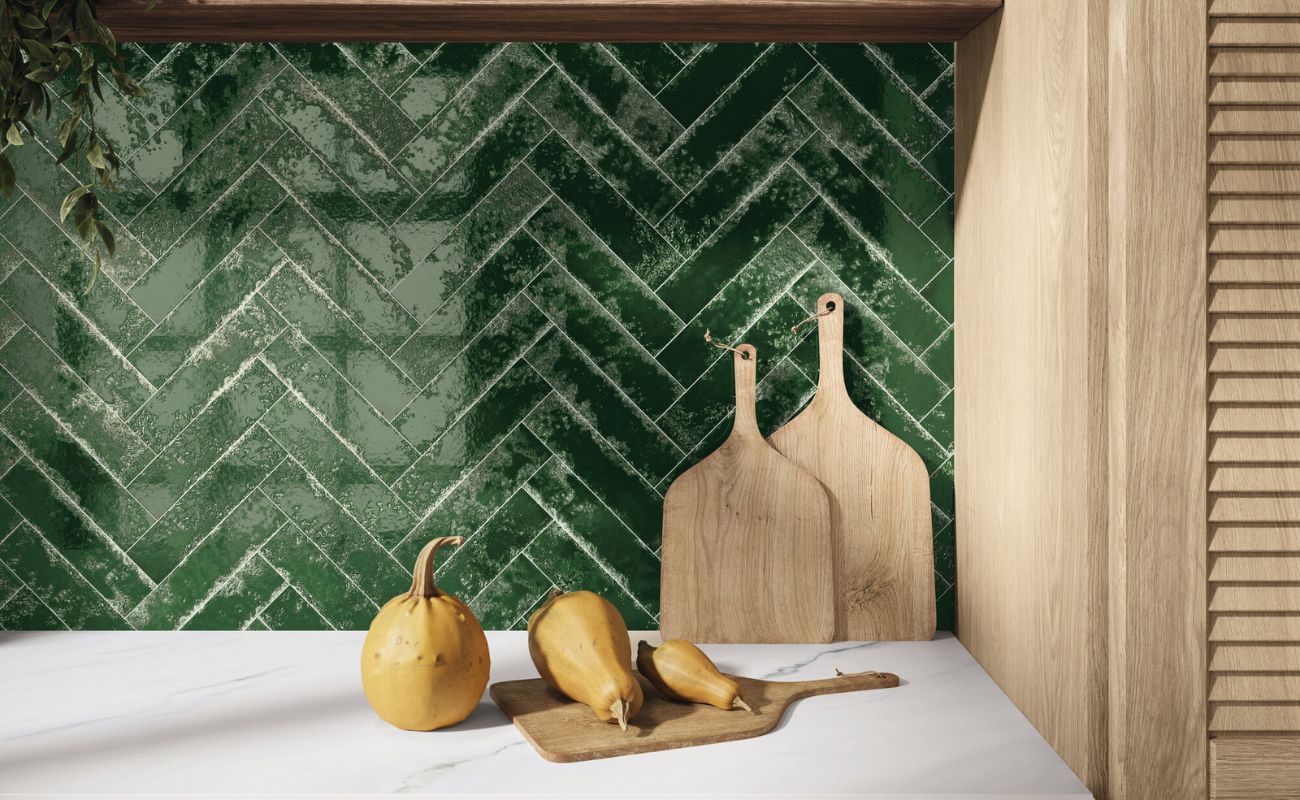
4. Horizontal Herringbone
If you want to introduce movement and texture, horizontal herringbone is a timeless favourite.
Each rectangular tile is laid at a 45-degree angle, creating the distinctive zig-zag effect that instantly adds visual interest. It's a more intricate pattern, but one that brings a luxurious, designer feel to kitchen splashbacks, shower walls and feature areas.
5. Vertical Herringbone
Vertical herringbone offers a fresh take on a classic layout.
By rotating the traditional herringbone pattern upright, it creates a greater sense of height while adding a contemporary edge. It's particularly effective in compact bathrooms, where it can make walls feel taller and draw attention to statement features like freestanding baths or vanity units.
6. Chevron Pattern
Often mistaken for herringbone, the chevron pattern creates a continuous 'V' shape rather than overlapping tiles.
The result is a bold, structured design with a clean, modern aesthetic. Whether used on a feature wall or as a striking kitchen splashback, chevron styles make an instant statement.
7. Vertical Third Bond
A Vertical Third Bond is a modern twist on the classic running bond.
Instead of a half-tile offset, each row is staggered by a one third offset, creating a softer, more contemporary rhythm. This layout works particularly well with longer metro tiles and offers a subtle update on a timeless favourite.
8. Diagonal Metro Tiles
For something a little different, try laying metro tiles diagonally.
Changing the angle creates movement and helps reduce the corridor effect often found in long, narrow spaces. Diagonal layouts work particularly well on feature walls and splashbacks, adding character without overwhelming the room.
9. Double Weave
The Double Weave layout combines horizontal and vertical tile arrangements to create the appearance of woven texture.
It's a more unusual pattern, making it ideal for feature walls or boutique-inspired bathrooms where you want the tile design to become a focal point.
10. Grid Pattern
A grid pattern celebrates simplicity.
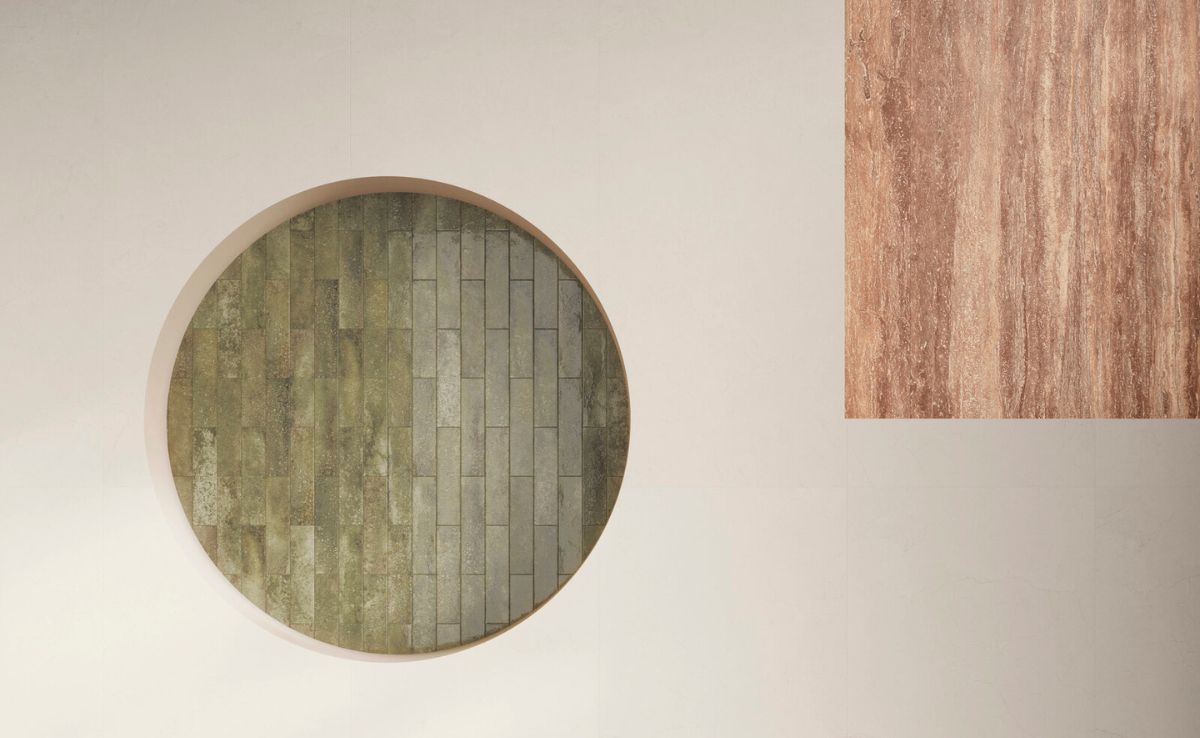
Every tile is perfectly aligned both horizontally and vertically to create a symmetrical, balanced finish. This clean layout complements contemporary interiors and works especially well with handmade-effect or coloured metro tiles, where subtle variations in texture become part of the design.
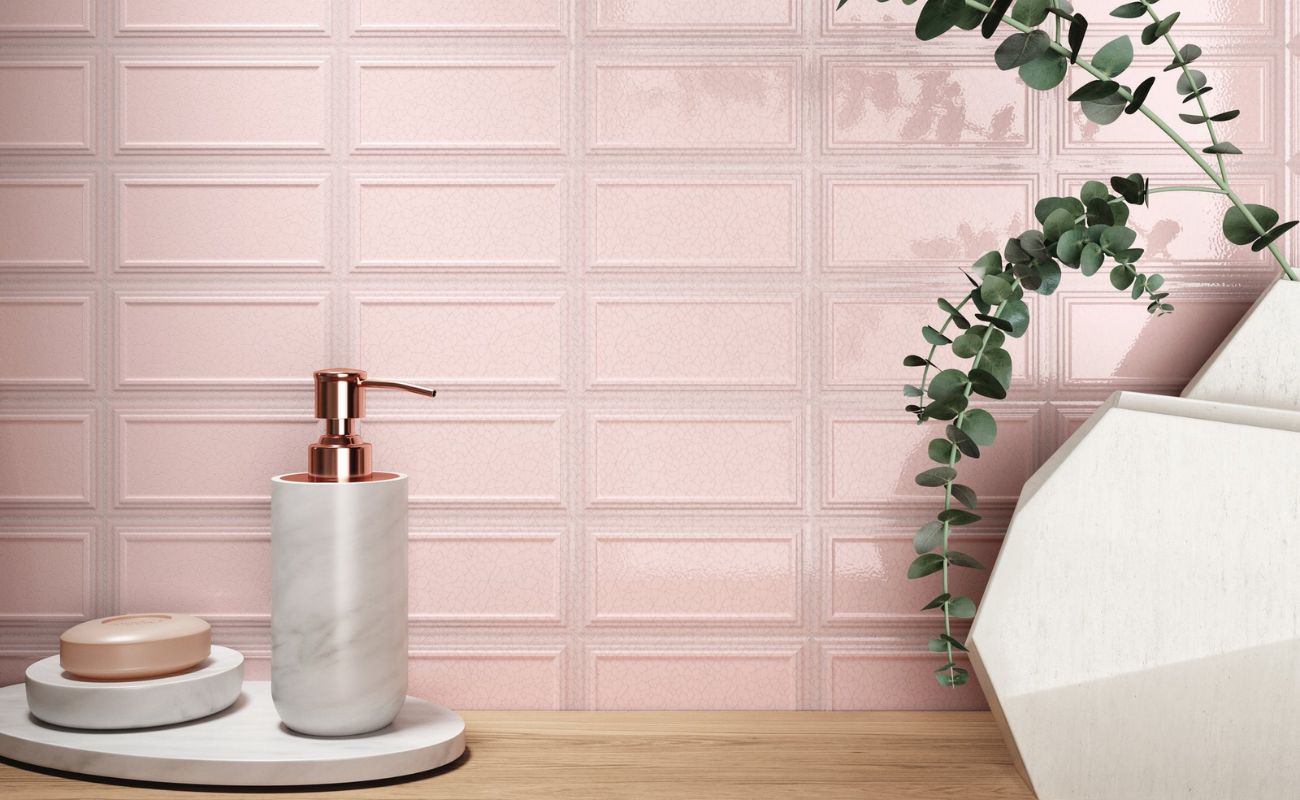
Which Metro Tile Pattern Makes a Room Look Bigger?
One of the biggest advantages of experimenting with different metro tile laying patterns is their ability to change how a room feels. The direction of the tiles, the placement of the grout lines and the overall layout can all influence the perception of space, making a room appear taller, wider or more open.
While every home is different, certain layouts naturally work better in particular spaces.
Classic Brick Bond
A classic brick bond layout remains one of the most versatile choices for kitchens and bathrooms. The staggered pattern gently draws the eye across the room, helping walls feel wider while creating a timeless look that suits both traditional and contemporary interiors.
Horizontal Stacked
For a cleaner, more architectural finish, a horizontal stacked layout works particularly well in modern homes. The straight grout lines create a sense of order and openness, making larger spaces feel calm and uncluttered.
Vertical Stacked
If you're looking to make a small bathroom or cloakroom feel taller, a vertical stacked layout is an excellent choice. Running the tiles upwards naturally draws the eye towards the ceiling, creating the illusion of additional height.
Vertical Brick Bond
A vertical brick bond offers a softer take on the stacked layout. The staggered joints maintain visual movement while still helping narrow spaces feel taller and more elegant.
Horizontal Herringbone
Herringbone introduces more movement than traditional layouts and works beautifully on feature walls and splashbacks. The angled pattern creates depth and texture, adding visual interest without overwhelming the room.
Chevron Pattern
For a more contemporary statement, a chevron layout creates a continuous zigzag effect that naturally guides the eye across the surface. This makes it particularly effective in modern kitchens and bathrooms where you want to introduce a little more drama.
Diagonal Layout
Laying metro tiles diagonally can make compact rooms feel noticeably more spacious. Because the eye follows the angled grout lines rather than the room's boundaries, this layout helps reduce the long, narrow "corridor effect" often found in smaller bathrooms or galley kitchens.
If you're working with a smaller room, choosing the right tile pattern can make a surprising difference. Vertical layouts naturally emphasise height, while horizontal layouts can visually widen a space. More decorative patterns such as herringbone, chevron and diagonal layouts add movement and depth, helping even compact kitchens and bathrooms feel more open and thoughtfully designed.
Grout Can Completely Transform the Look
The tile layout may take centre stage, but grout is just as important to the finished design.
The colour and width of your grout joints can completely change the character of the installation, highlighting your chosen pattern or allowing the tiles to blend seamlessly together.
- Matching grout creates a smooth, cohesive finish that makes walls appear larger and more continuous.
- Contrasting grout emphasises the shape of each rectangular tile, making brick bond, stacked and herringbone patterns stand out.
- Coloured grout adds personality and can complement feature colours, from soft sage greens to bold navy blue or charcoal tones.
Whether you're creating a subtle backdrop or a striking feature wall, grout should be considered as part of the overall design, not simply a finishing detail.
Which Rooms Suit Metro Tiles?
One of the reasons metro tiles have remained a timeless choice since the early 20th century is their incredible versatility. Available in a huge range of colours, finishes and textures, they can be adapted to almost any room in the home.
Metro tiles work beautifully in:
- Kitchen splashbacks
- Full-height bathroom walls
- Shower enclosures
- Cloakrooms and guest WCs
- Utility and boot rooms
- Home bars
- Fireplace surrounds
- Feature walls
- Laundry rooms
- Hallways and entranceways
Whether you're creating a classic white subway tile splashback or a bold contemporary feature wall using coloured metro tiles, there's a layout to suit every space.
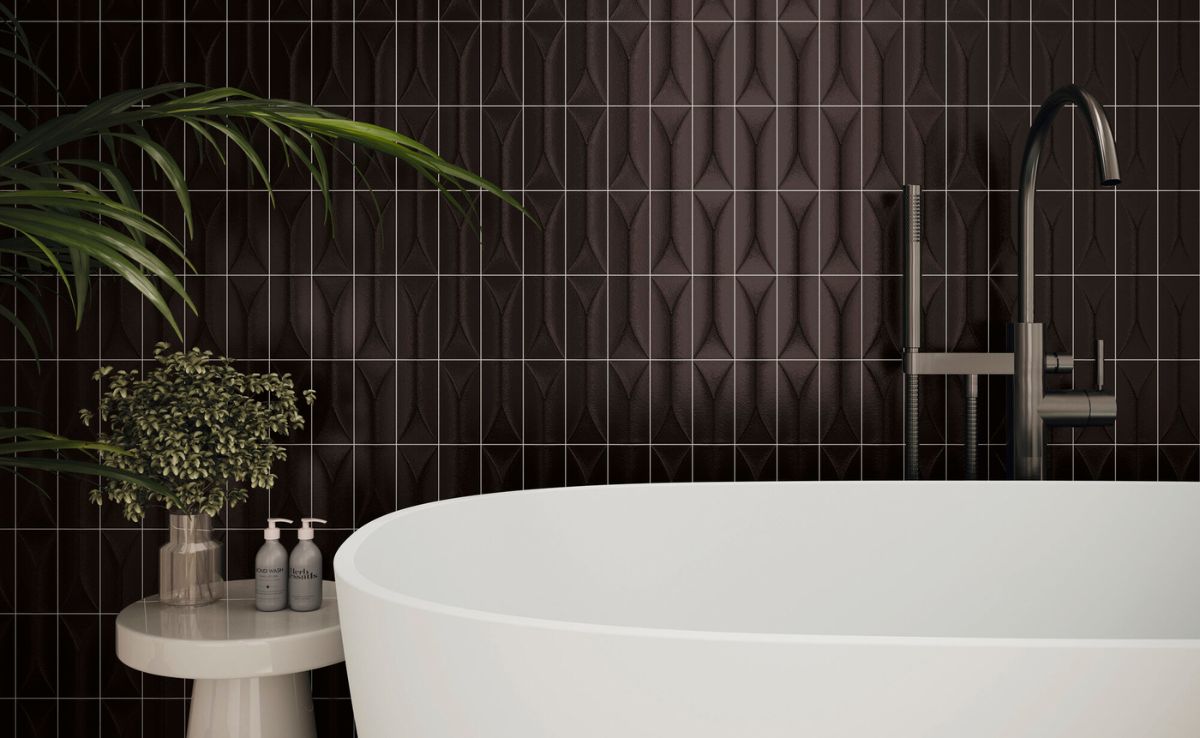
Choosing the Right Metro Tile Pattern
With so many creative layouts to choose from, selecting the right pattern comes down to both the proportions of your room and your personal style.
Before making a decision, consider:
- The size and shape of the room
- Ceiling height
- Natural light levels
- Whether you're aiming for a traditional or contemporary aesthetic
- The size and proportions of your metro tiles
- Whether you want the pattern to become a focal point or blend into the background
A simple horizontal stacked layout offers understated sophistication, while classic brick bond delivers a timeless look that never goes out of style. If you're looking to introduce more movement, herringbone or chevron patterns create beautiful visual texture and are ideal for feature walls and statement splashbacks.
If you're unsure which layout is right for your project, visiting a Roccia showroom allows you to see different laying patterns, tile colours and grout combinations side by side, helping you visualise the finished result before installation begins.
Conclusion
Metro tiles have earned their place as one of the most enduring choices for kitchens and bathrooms, offering a perfect balance of practicality, versatility and style. Yet it's often the laying pattern, not just the tile itself, that defines the finished look.
Whether you love the timeless appeal of a classic brick bond, the clean simplicity of a stacked layout or the striking elegance of vertical herringbone, experimenting with different metro tile patterns is an easy way to personalise your home while creating a space that feels both contemporary and enduring.
At Roccia, our extensive collection of metro and subway tiles includes everything from traditional gloss finishes to handcrafted textures and bold contemporary colours. Visit one of our showrooms to explore the collections in person and discover how the right tile, and the right layout, can completely transform your kitchen or bathroom.