Add Warmth to Your Home with Brown Tones
Brown is having a moment in interior design.
After years of cool greys and stark white schemes, homeowners are embracing warmer palettes that feel more inviting and connected to nature. From walnut kitchen cabinetry and stone-effect tiles to chocolate brown furniture and earthy accessories, brown tones are helping create interiors with greater depth, character and comfort.
The appeal of brown lies in its versatility. It can act as a neutral backdrop, a statement colour or a subtle accent depending on the shade and how it's used. Whether you're redesigning a bathroom, planning a new kitchen or refreshing a living space, brown offers a timeless way to add warmth without overwhelming a room.
Why Brown Is Back in Interior Design
The return of brown reflects a wider shift towards natural materials and more lived-in interiors.
Rather than creating spaces that feel overly polished, homeowners are looking for rooms with texture, warmth and personality. Brown works naturally within this movement because it already exists in many of the materials we love, including wood, stone, clay and leather.
Unlike trend-led colours that can quickly date, brown feels familiar and enduring. It helps a room feel grounded while still offering plenty of flexibility.
Understanding Different Shades of Brown
One of the biggest misconceptions about brown is thinking of it as a single colour.
In reality, there are countless brown shades, each creating a different mood.
Taupe and Soft Beige
Taupe is a cool-toned neutral that blends brown and grey, making it an excellent choice for contemporary interiors.
These softer shades work beautifully on walls, tiles and larger surfaces where warmth is wanted without making the room feel darker.
Walnut and Caramel
Walnut brown and caramel shades sit comfortably in the middle of the spectrum.
Tan and camel sit in this same lighter-to-mid brown family and are classic warm tones often seen in outerwear.
These colours add natural warmth, and a caramel shade works particularly well in kitchens through cabinetry, shelving and wooden furniture. They pair beautifully with marble-effect surfaces, stone finishes and warm metallic details for a balanced look anchored by a warm shade.
Chocolate Brown and Dark Brown
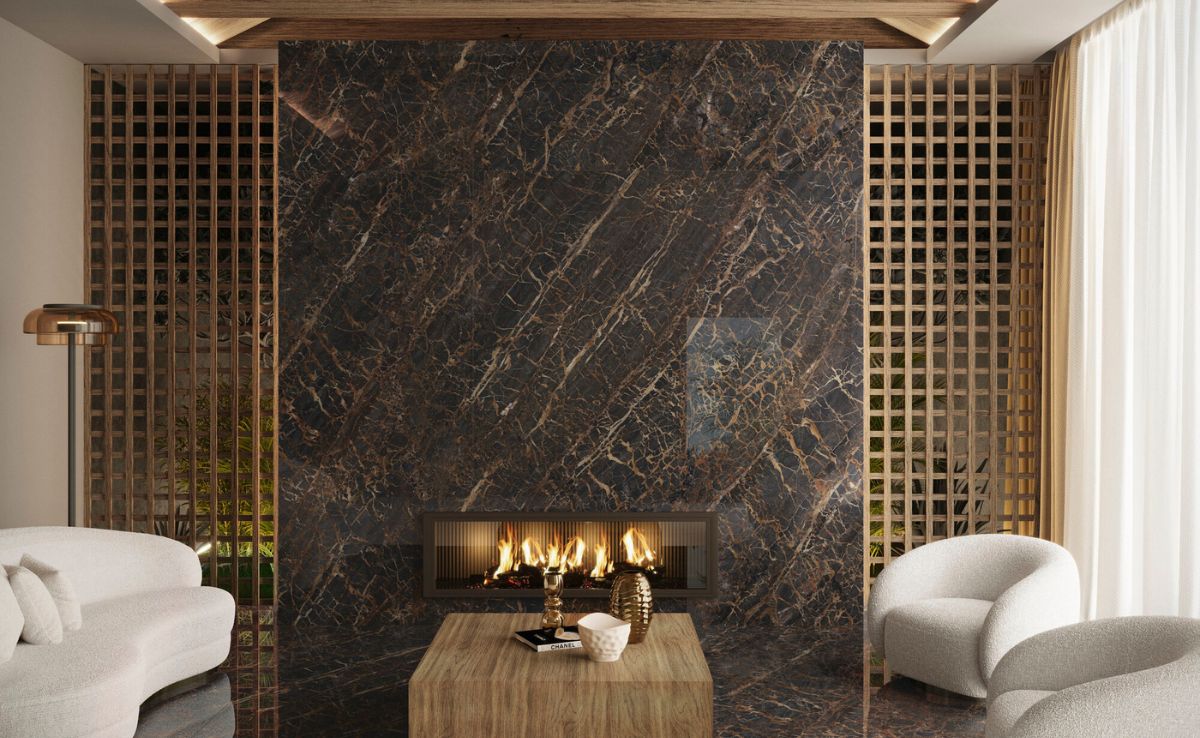
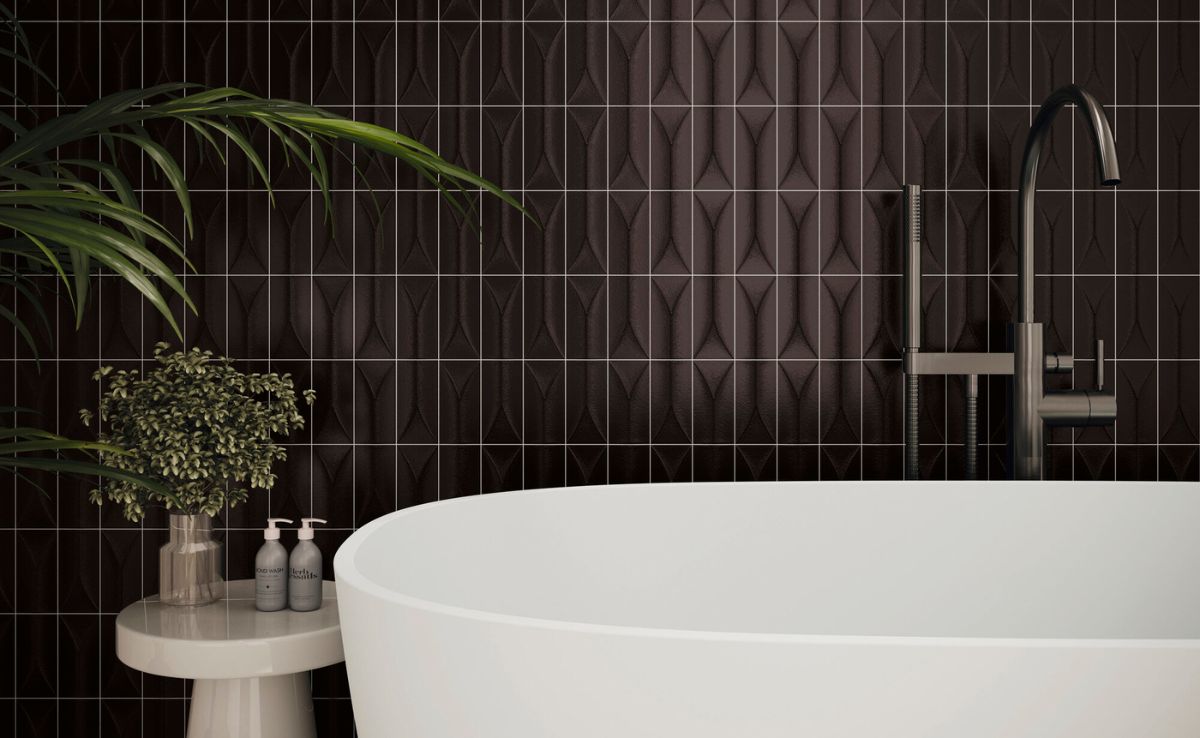
Chocolate brown and deeper brown hues create a rich atmosphere, with chocolate brown offering a modern alternative to black.
Espresso is the darkest shade in the brown family and gives fashion a strong, grounding base.
Used thoughtfully, a dark brown feature wall, vanity unit or kitchen island can become a focal point that adds depth and visual interest without feeling overwhelming.
Mahogany is a reddish-brown choice that works especially well in polished accessories or smaller accents.
The key is balancing darker tones with lighter surfaces and plenty of natural light.
How to Layer Brown Tones Successfully
The most successful brown interiors rarely rely on a single shade.
Instead, they combine different shades of brown to create depth and contrast.
A room might feature durable stone-effect floor tiles alongside:
- Walnut brown cabinetry
- A warm stone-effect floor
- Cocoa brown textiles
- Subtle brown accents through accessories
- Aged gold hardware
This layered approach creates a cohesive look while allowing each material to stand out, and incorporating high-quality brown tiles on floors or feature walls can further unify the scheme.
Texture also plays an important role. Combining smooth stone, natural wood, woven baskets and soft fabrics prevents brown from feeling flat and adds warmth to the overall design.
Brown and Natural Materials
Brown works best when paired with natural materials. Wood-paneled walls are also returning in modern designs, offering another natural way to bring in brown tones.
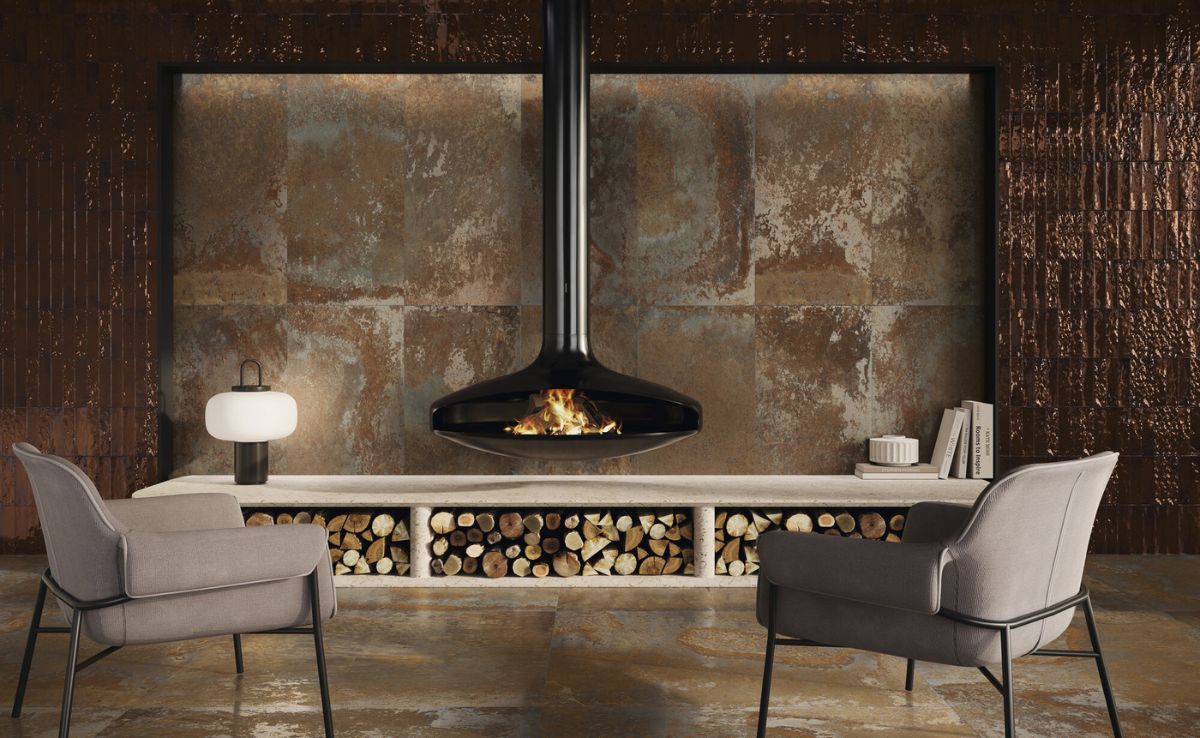
Stone, marble, wood and clay all contain earthy tones that complement brown naturally. This is why brown feels so effortless in kitchens and bathrooms where material choice plays such a significant role, and why brown paint can work so well as a comforting shade alongside natural stone-effect tiles and these finishes.
At Roccia, we're seeing growing demand for warm stone-effect porcelain, travertine-inspired surfaces and marble-effect tiles with subtle brown veining. These materials introduce natural warmth while remaining timeless and practical.
Rather than relying on paint alone, homeowners are increasingly using surfaces to shape the atmosphere of a room.
Styling Brown Tones in the Kitchen
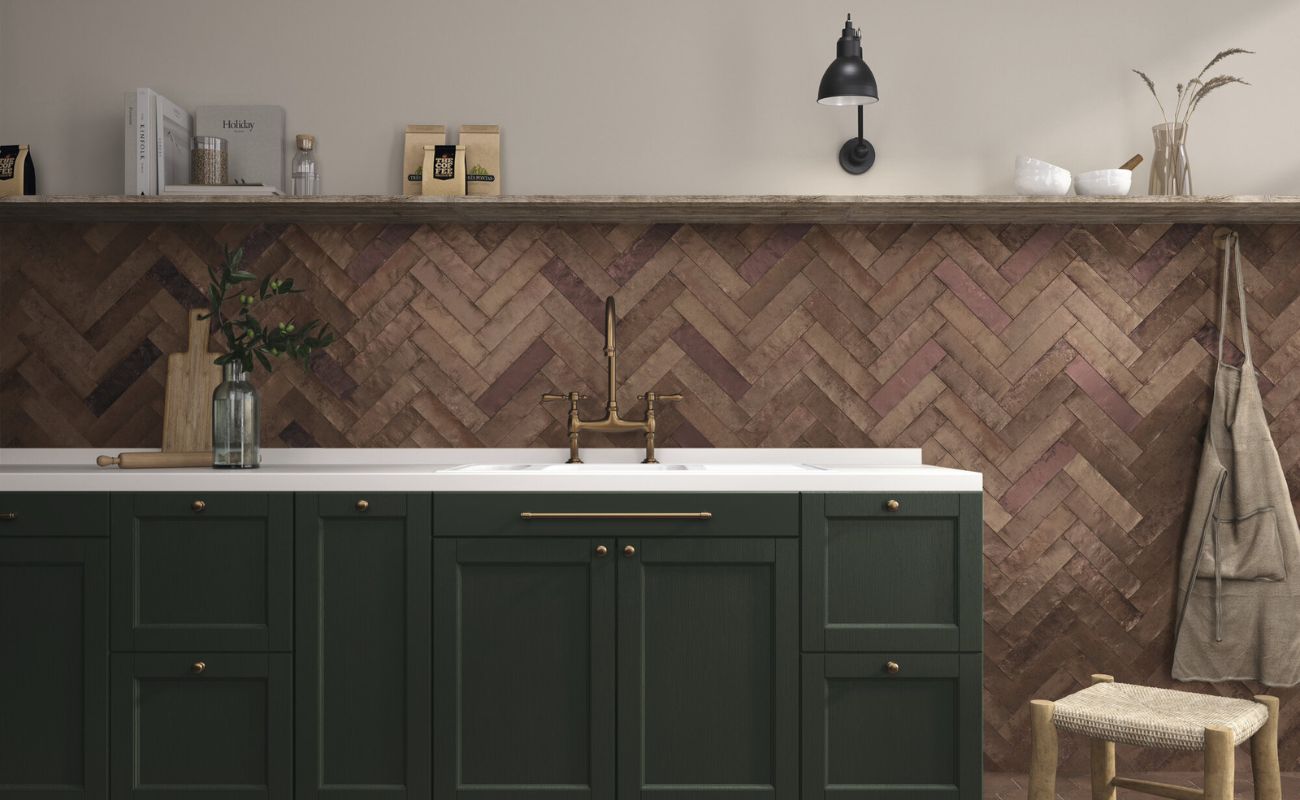
Brown has become one of the most desirable colours in modern kitchen design, especially when used through brown kitchen tiles that add warmth and texture.
Walnut brown cabinetry introduces warmth while maintaining clean lines and a contemporary aesthetic. It feels softer than black yet more distinctive than white.
Pair Brown Cabinets With Stone Surfaces
Brown cabinetry works beautifully alongside:
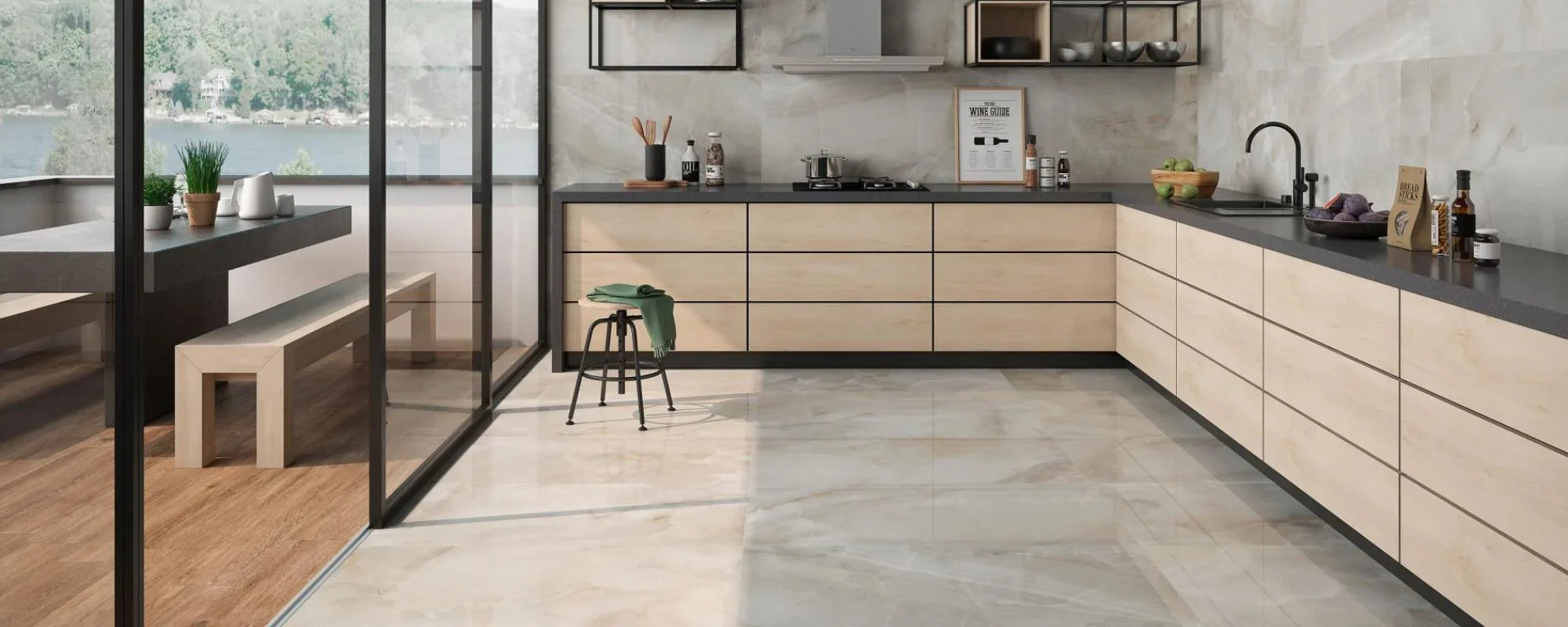
- Travertine-effect tiles
- Limestone-inspired flooring
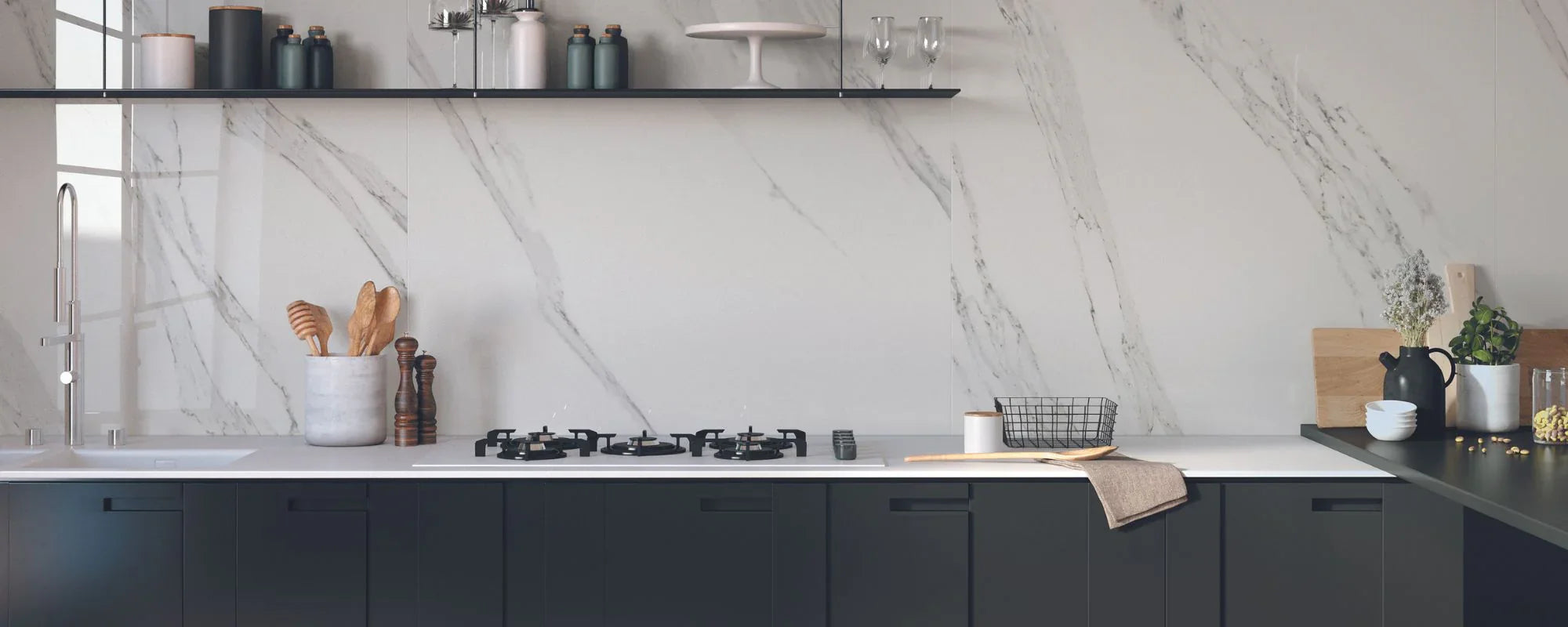
- Marble-effect worktops
- Warm neutral splashbacks
The combination creates a kitchen that feels elegant and connected to nature.
Introduce Warm Metallics
Brown pairs beautifully with aged gold, brushed brass and bronze finishes.
These metallics enhance brown's natural warmth and add a subtle sense of luxury without feeling overly decorative.
Bringing Brown Into Bathroom Design
Bathrooms often benefit from warmer palettes.
While white bathrooms remain timeless, brown tones create a softer, more spa-inspired atmosphere.
Choose Warm Stone-Look Tiles
Travertine, limestone and marble-effect stone-effect bathroom tiles introduce earthy tones while maintaining a clean and contemporary feel.
Using similar surfaces across floors and walls, such as coordinating stone-effect wall tiles, helps create a seamless finish and allows the room to feel larger.
Add Warmth Through Furniture
A walnut vanity unit or wood-effect surface can instantly make a bathroom feel more inviting.
Combined with brushed brass fittings and soft lighting, these elements create a bathroom that feels calm and relaxing rather than clinical.
The Colours That Pair Beautifully With Brown
One of brown's greatest strengths is how well it works with other colours.
Brown and Green
Olive and sage green reinforce brown's connection to nature and create a calm, organic palette.
Brown and Dusty Blue
Dusty blue works beautifully with brown tones, creating a balance between warmth and coolness.
This combination feels sophisticated and can work wonderfully in the living room, while also helping create tranquil bedroom settings. In a living room, wood-paneled walls add extra warmth and character alongside this palette.
Brown and Soft Blush
Soft blush introduces a gentle contrast that softens deeper brown shades and creates a more contemporary feel.
Brown and Jewel Tones
For a richer look, brown looks great with jewel tones such as emerald and sapphire.
Used through accent chairs, wall art or decorative accessories, these colours bring depth while maintaining a luxurious feel.
Common Mistakes to Avoid
When decorating with brown, there are a few pitfalls worth avoiding.
Using One Shade Everywhere
Combining multiple brown tones creates more depth than repeating the same colour throughout the room.
Ignoring Undertones
Some brown colours have red undertones, while others lean towards grey or beige. Always compare materials together before making a final decision.
Forgetting About Lighting
Brown responds beautifully to warm light, but cool lighting can make it appear flat. Always view samples in both natural and artificial light.
Creating a Warm Home With Roccia
Brown interiors are about more than colour.
The most successful spaces combine beautiful surfaces, natural materials and carefully chosen textures to create warmth and character, reflecting current design trends.
Whether it's a travertine-inspired bathroom, a walnut kitchen or a living space layered with earthy tones, the right materials help bring the scheme together. Practical details matter too, and brown rugs hide wear and tear better than lighter shades.
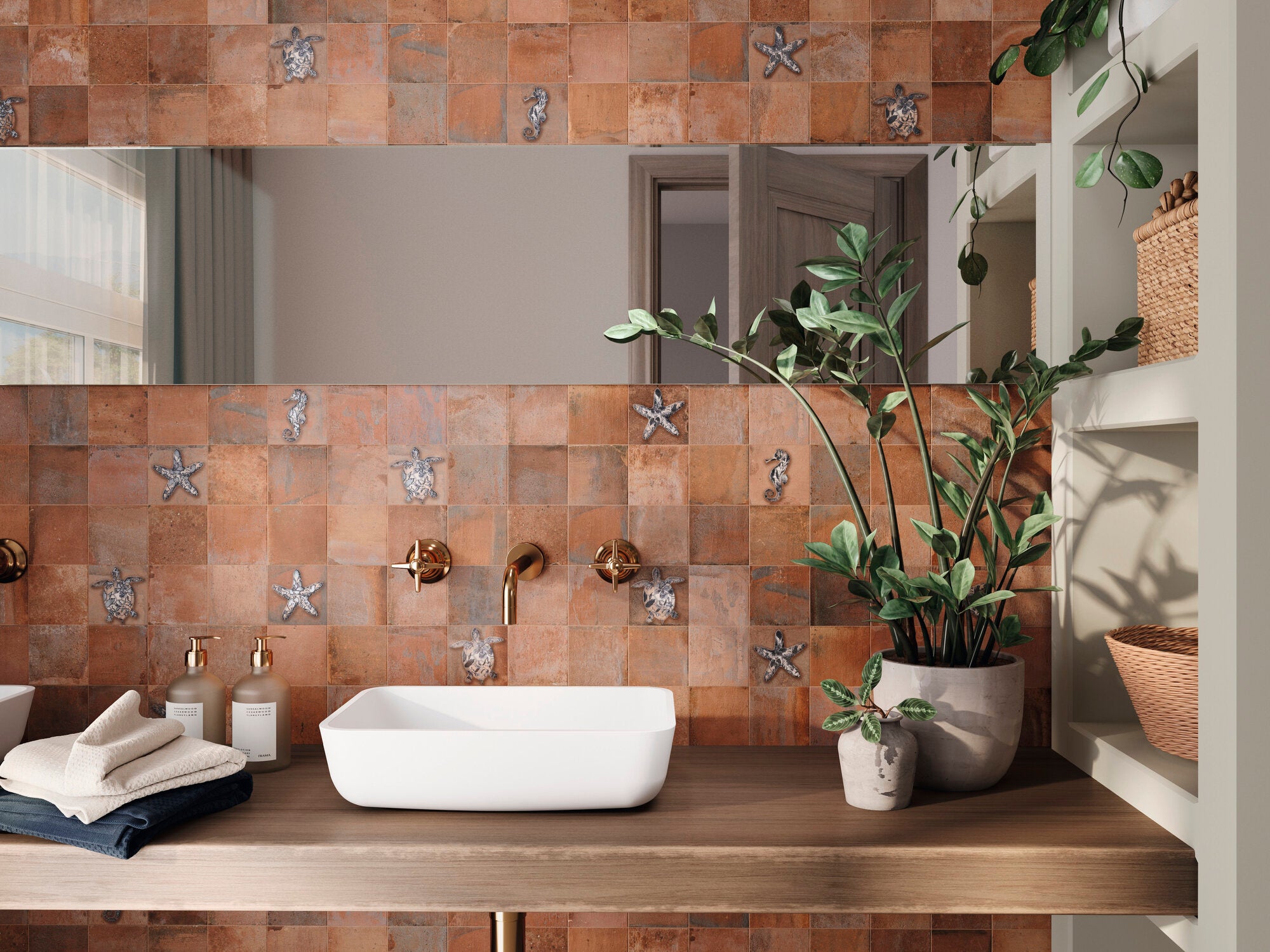
At Roccia, our collections of stone-effect, marble-effect and wood-inspired surfaces make it easy to introduce brown tones in a way that feels timeless, sophisticated and practical for everyday life, with expert tips for styling details like terracotta pots.
Final Thoughts
Brown is no longer a colour reserved for traditional interiors.
From taupe and caramel to walnut and chocolate brown, today's brown palette offers endless possibilities for creating warm, inviting spaces.
When layered thoughtfully with natural materials, complementary colours and the right textures, brown can add depth, character and natural warmth to every room in the home.
The result is an interior that feels comfortable, timeless and designed to be lived in, not just admired.