
Designing for Longevity in a Trend-Driven Industry: Creating Kitchens And Bathrooms That Age Well
Introduction: Designing Beyond the Trend Cycle
Design trends come and go, but kitchens and bathrooms are rooms we live with every single day. When designed with careful attention to detail, they become spaces that feel just as right years from now as they do on day one. Designing for longevity is not about avoiding creativity, it’s about creating kitchens and bathrooms that age well, adapt to daily life, and remain practical, elegant, and user friendly as a house and its occupants evolve.
Whether you’re planning a bathroom renovation for a first home, upgrading a family bathroom, or creating a new bathroom in a primary bedroom or ensuite, longevity starts with thoughtful decisions that go beyond surface-level trends.
Seeking advice from experts and learning from personal experiences can help you make informed decisions for kitchens and bathrooms that are both long-lasting and stylish.
Researching design ideas on platforms like Pinterest and Instagram can also help refine your choices for bathroom renovations.
Designing With Time in Mind
Interior designers often talk about timeless design, but what this really means is designing rooms that still work when your lifestyle changes. A bathroom that feels fresh today should still feel calm and functional when children arrive, routines shift, or accessibility becomes more important.
One key idea for kitchens and bathrooms that age well is to incorporate features that support longevity, such as wide walkways and doorways, essential components of an ageing-in-place design.
Kitchens and bathrooms that age well tend to prioritise:
- Simple, well-proportioned layouts
- Durable materials that handle moisture, heat, and daily use
- Storage that supports real life, not just styling
- Light that works from morning through evening
These principles apply whether the room is compact or generous, vibrant or restrained.

Kitchen Design That Lasts Beyond Trends
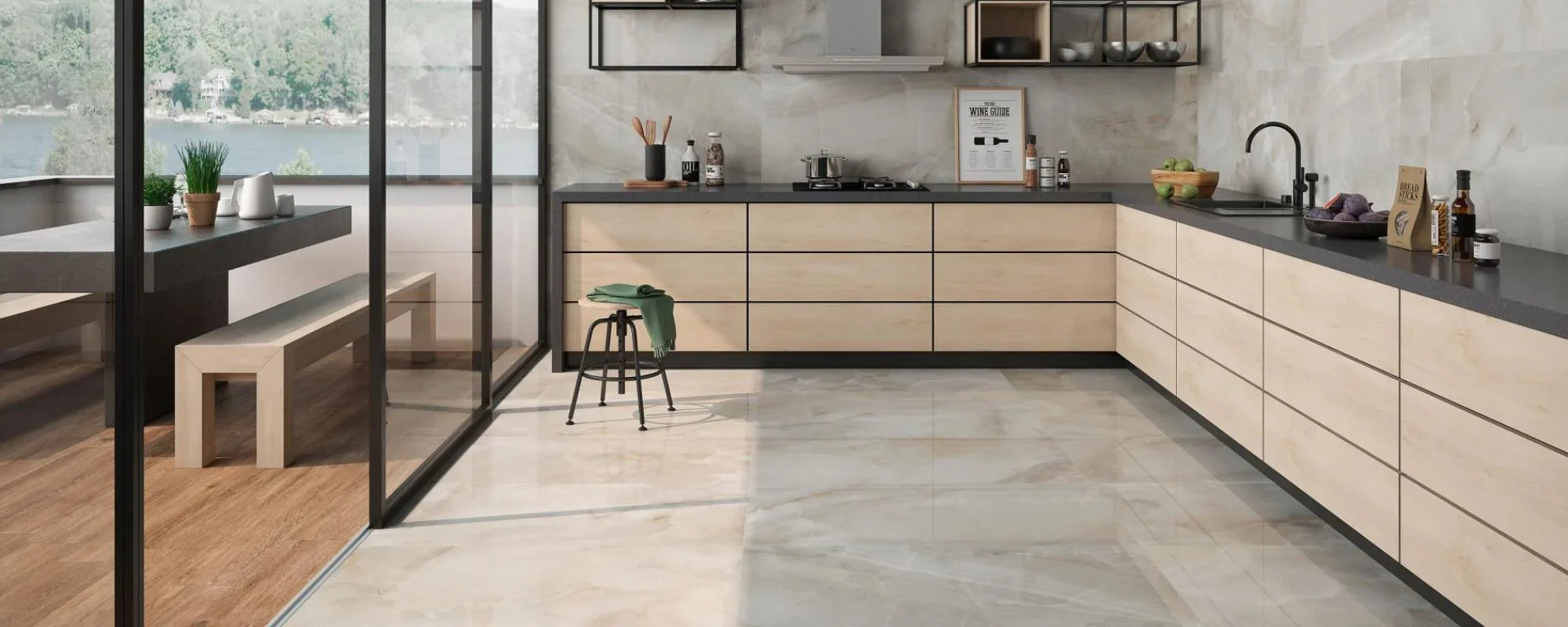
Kitchens often anchor the whole house, influencing how other rooms flow and function. When planning a kitchen that stands the test of time, it helps to think beyond finishes and consider how the room will be used every day. The 'Working Triangle' rule is essential for maintaining an efficient flow between the sink, oven, and refrigerator, ensuring the kitchen layout remains practical and user-friendly.
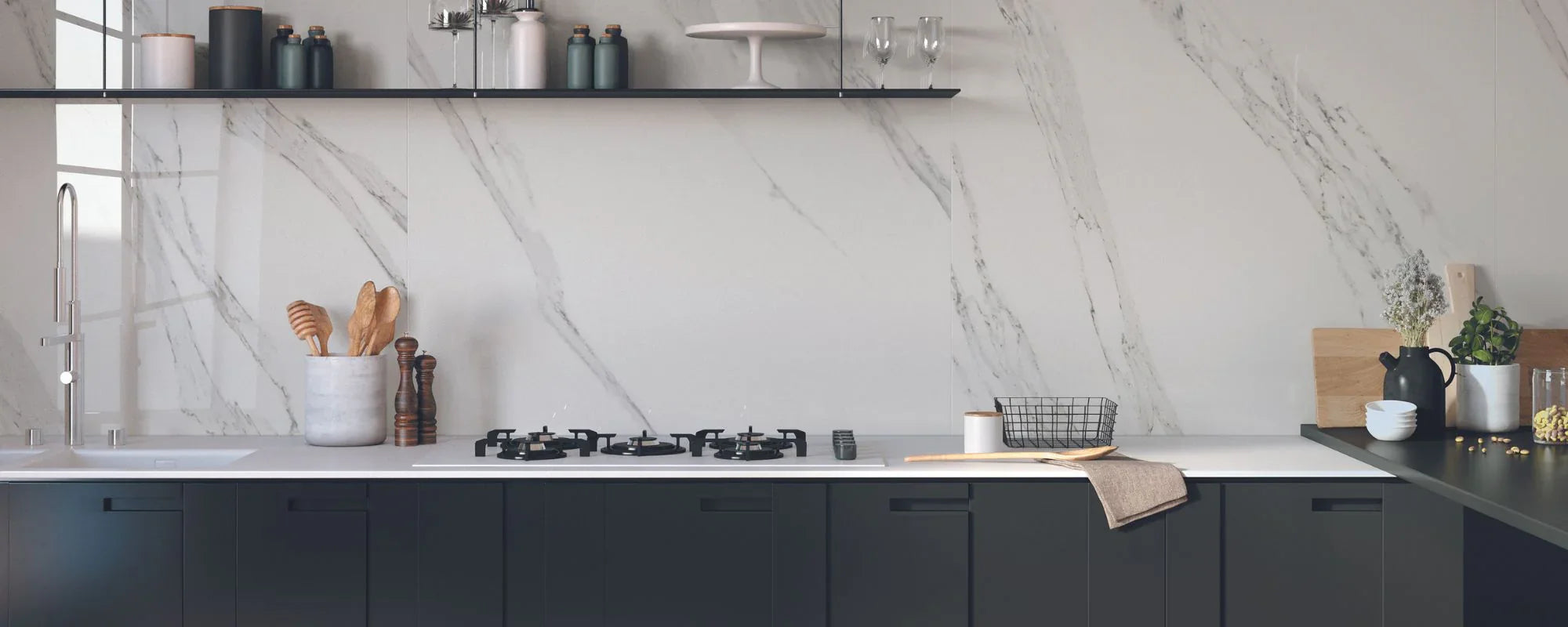
Worktops, backsplash tiles, and cabinet doors should feel cohesive rather than decorative. White tiles remain popular for good reason, they reflect light, work with changing accessories, and allow texture or subtle pattern to take centre stage elsewhere.
Floor-to-ceiling cabinetry can maximise storage and reduce visual clutter, while a carefully chosen backsplash tile introduces character without overpowering the space. Even in a vibrant space, restraint allows the kitchen to evolve naturally as furniture, rugs, and accessories change over time. A well-chosen rug can add warmth and texture to a kitchen, complementing the overall design and providing both comfort and style underfoot.

Bathroom Renovation: Start With How the Room Is Used
A successful bathroom renovation begins with understanding how the room fits into daily life. A family bathroom has very different needs to an ensuite in a primary bedroom, and both should be planned accordingly. Good lighting is essential in a bathroom to create a welcoming environment and enhance functionality.
Before selecting tiles, marble finishes, or shiny surfaces, it’s important to establish:
- Who uses the bathroom and when
- Whether the room supports baths, showers, or both
- How storage will function for towels, toiletries, and cleaning items
A bathroom can also be decorated with accessories, artwork, or wallpaper to create a stylish and personalized space.
This foundation ensures that design features feel intentional rather than purely decorative.
Bathroom Vanity Units That Balance Style and Storage
Bathroom vanity units are often the hardest-working pieces of furniture in the room. For longevity, they need to be both stylish and practical.
Wall hung vanity units create a lighter visual feel and make cleaning easier, while floor-standing designs can offer additional storage where space allows. A double vanity works beautifully in shared bathrooms or a primary bedroom ensuite, giving each user defined space and reducing daily friction.
Deep drawers are far more user friendly than shallow shelves, especially in family bathrooms where children’s items and toiletries accumulate quickly. Choosing durable runners and solid carcass construction ensures the vanity continues to perform well long after installation.
Walk-In Showers, Bathtubs, and Flexible Layouts
A walk in shower with a barrier-free, step-free entry is one of the most requested features in new bathrooms, offering enhanced accessibility and safety for people of all ages and abilities. Step-free entries, clear glass, and well-drained shower areas are practical, accessible, and visually clean.
Walk-in showers with step-free entry enhance safety and accessibility for aging in place, making them an ideal choice for inclusive, functional bathroom design.
In rooms large enough to accommodate both a shower and bathtub, zoning becomes key. Positioning the tub in a corner or beneath a window can create a natural focal point, while keeping the shower area simple and enclosed helps control moisture.
Nonslip flooring is critical in bathrooms to prevent slips and falls, further supporting safety for all users. For those considering a flooring update, check out this guide on how to tile a bathroom floor.
For family homes, baths remain essential, especially with young children. Designing the space to accommodate tired feet, bath toys, and towels ensures the room continues to function as needs change.

Lighting That Evolves With the Room
Lighting has an enormous impact on how a bathroom or kitchen feels, yet it’s often treated as an afterthought.
Wall lights positioned either side of mirrors provide balanced illumination for daily routines, while pendant lights can be used carefully over vanities or tubs to add softness. Layered lighting allows the room to transition from practical in the morning to restful in the evening.
Mirrored panels help reflect light in rooms without large windows, making smaller spaces feel brighter without relying on shiny surfaces. Dimmers offer flexibility and ensure the room always feels appropriate to the moment.
Materials, Tiles, and Surfaces That Age Gracefully
Tile choice plays a major role in how a bathroom or kitchen ages. Mosaic tiles can introduce texture and interest in small areas like shower walls or backsplashes without overwhelming the room. Green tiles or backsplashes can add a calming, natural ambiance to kitchens and bathrooms, creating a nurturing atmosphere.
Matt finishes tend to disguise wear better than high-gloss options, while subtle texture adds depth. Marble and stone-inspired tiles bring elegance but should be used thoughtfully to balance practicality and maintenance. Porcelain and ceramic tiles are durable, water-resistant, and versatile options for kitchens and bathrooms.
Grout colour, tile size, and layout all matter, especially in wet areas where water, soap, and steam are part of daily life. Low-maintenance surfaces, such as larger tiles with rectified edges, reduce cleaning effort and prevent mold buildup.
Creating a Focal Point Without Locking in a Trend
Every well-designed room benefits from a focal point, whether it’s a bathtub, vanity, or feature wall. Framing this element with tile, light, or carefully chosen features creates interest without relying on short-lived design trends. A bathroom should be as thoughtfully designed as any other room in the house, balancing aesthetics and practicality to make it an inviting and functional space.
Keeping surrounding walls, floors, and ceilings calm allows the focal point to shine while preserving flexibility. Be cautious when choosing overly bold or patterned tiles for a focal point, as these can lead to a design that feels outdated quickly. This approach ensures the room can be refreshed easily with new towels, mirrors, or accessories rather than a full renovation.

Designing for the Future, Not Just the Present
Designing with future needs in mind doesn’t mean compromising on style. Step-free showers, wide doors, and reinforced walls for future fittings all contribute to a bathroom that remains comfortable and safe. In primary suites, thoughtful bed placement is essential for accessibility and comfort, ensuring the space remains practical as needs change.
Storage that adapts, lighting that can be adjusted, and layouts that remain accessible help the room support changing routines, growing families, and long-term living. Installing grab bars in showers and alongside toilets enhances safety. Easy-grip handles for taps and cabinet hardware are recommended to accommodate limited dexterity. Investing in quality fixtures and materials can also prevent future maintenance issues in bathrooms.
Budgeting for Longevity
Even on a tight budget, longevity is achievable by prioritising the right elements. Waterproofing, plumbing, and layout should always come first. Cosmetic elements can be phased or updated later, allowing the room to feel fresh without major disruption.
Interior designers often advise investing in the parts you touch every day, taps, drawers, doors etc. as these affect how the room feels far more than purely decorative details.
Final Thoughts
In a trend-driven industry, designing kitchens and bathrooms that age well is a considered choice. By focusing on proportion, light, storage, and material quality, these rooms can evolve gracefully alongside the rest of the house.
With extensive experience in interiors and interior design, we understand how thoughtful choices shape spaces that stand the test of time.
The result is a bathroom or kitchen that feels complete, comfortable, and timeless, not because it follows every trend, but because it supports real life, now and in the future. Durable materials, flexible layouts, and warm timeless aesthetics are key to designing kitchens and bathrooms that maintain appeal beyond 2026.