Skip to content
Roccia.com

Small Format vs Large Format Tiles: Which Works Best in Different Rooms?

Written by: Halima Bapu

Why Tile Size Matters More Than You Think

Tile size is one of the most influential design decisions in any tiled space. Beyond colour and finish, format tiles determine how surfaces connect, how natural light is reflected, and how a room is perceived proportionally. The choice of tile sizes can significantly impact the perception of space and the overall style of a room. Small and large format tiles each respond differently to space, scale, and function, making them better suited to specific rooms and design intents. The key advantages of small format tiles include design flexibility and the ability to create intricate patterns, while large format tiles offer easier maintenance, fewer grout lines, and a seamless look that can make spaces appear larger.

Rather than one format outperforming the other, the most successful interiors use tile size strategically, selecting formats that support both aesthetics and practical use across the house. Tile design, including the layout, pattern, and the wide range of design options available in both small and large tiles, plays a crucial role in shaping the room feel and overall aesthetic. Selecting the right tile size is crucial for achieving the intended style and spatial effect.

Understanding Tile Formats

What Defines Small and Large Format Tiles?

Small format tiles typically include mosaics, metro tiles, and ceramic tiles under approximately 300mm in size. Large format tiles extend well beyond this, often measuring 600mm and above, with some designs reaching slab-like proportions. Both ceramic and porcelain tiles are available across these formats, allowing designers to balance durability, finish, and scale without compromising on performance.

How Tile Format Influences Visual Flow

Tile size directly affects how the eye moves through a space. Larger tiles create longer, uninterrupted sightlines, while smaller tiles introduce rhythm and segmentation. This interaction between surface and scale plays a critical role in how open, structured, or intimate a room feels. Large format tiles offer a brightening effect by reflecting light, enhancing the spacious feel of a room.

Roccia.com

Core Considerations When Choosing Tile Size

Room Proportion and Architecture

The physical dimensions of a room, its width, height, and layout, should guide tile selection. Large format tiles often complement open, linear spaces, while small format tiles respond well to compact rooms with architectural detail. In smaller bathrooms or smaller areas, the choice of tile size is especially important for creating a sense of openness. For example, installing large tiles vertically on wall tiles can give the illusion of taller ceilings, which is particularly beneficial in rooms with low ceilings or small spaces.

Grout as a Design Element

Grout is not simply functional; it shapes the overall aesthetic. Larger tiles minimise grout lines, creating a calmer visual field with less grout, which contributes to a seamless look. Too many grout lines can create visual clutter, especially in small spaces or smaller bathrooms. Using a grout colour that matches the tile helps create a uniform appearance and reduces visual clutter. In contrast, small tiles allow grout to contribute pattern, contrast, and definition, which can be a fantastic choice for accent areas or feature walls.

Practical Use and Foot Traffic

How a space is used daily matters. Wet zones, transitional areas, and high-traffic spaces each benefit from different performance characteristics, which tile size can help address. Large format porcelain tiles are specifically designed to withstand heavy foot traffic, making them ideal for busy households and commercial areas where durability and resistance to wear and tear are essential. Small format tiles, with more grout lines, can provide better grip and safety in wet areas.

The Strengths of Large Format Tiles

Enhancing Spatial Perception

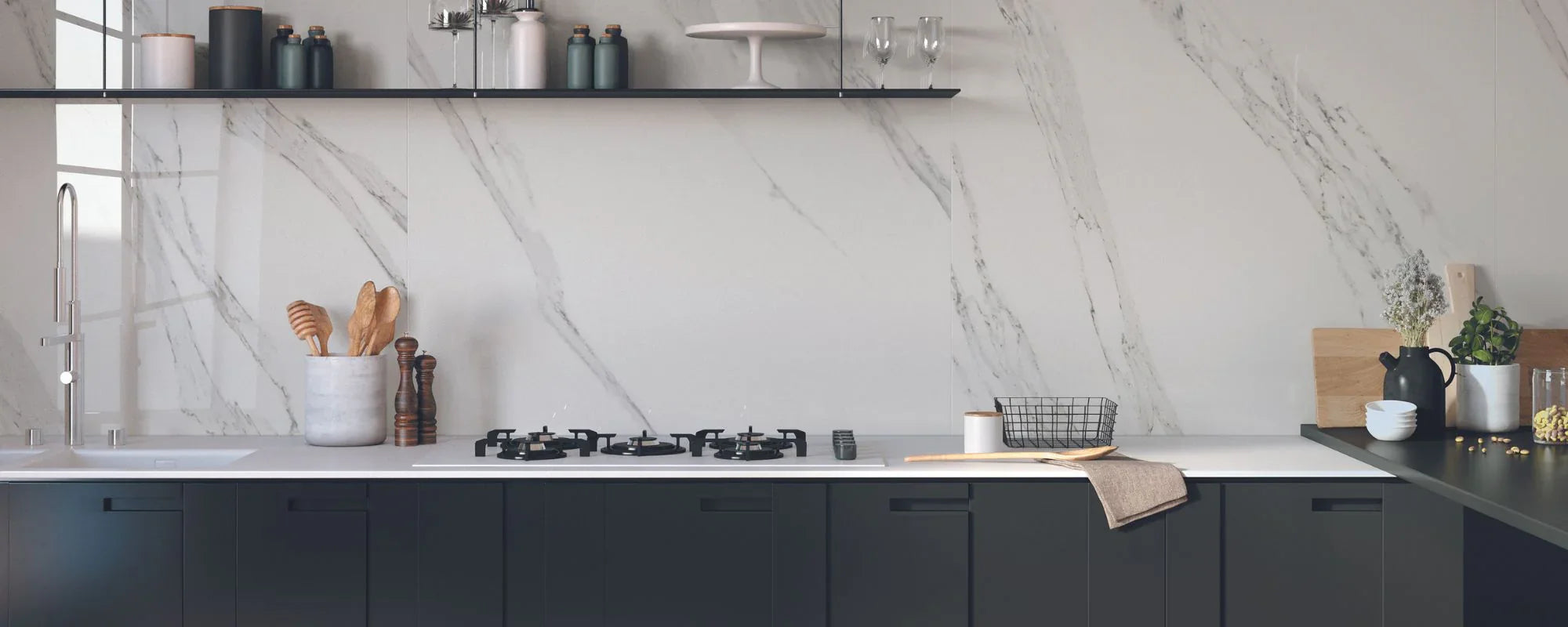
Large format tiles are highly effective at visually expanding a space. Large format tiles with lighter colours and a gloss finish can create a brightening effect by reflecting natural light, making the space feel larger and more inviting. With fewer interruptions across floors or walls, rooms feel more open and continuous—particularly valuable in compact bathrooms or kitchens. Choosing pale or neutral tile shades can help reflect light and make a small room look larger.

Creating a Refined, Modern Aesthetic

The simplicity of large tiles suits contemporary interiors where clean lines and minimal detailing are key. They allow materials, textures, and finishes to take centre stage without visual clutter. A gloss finish on large format tiles enhances their reflective properties, contributing to a brighter and more open space. Large format tiles offer a unique look that is increasingly popular in modern homes.

Performance in Open and High-Traffic Areas

Large format floor tiles are well suited to living areas, hallways, and open-plan spaces. Their scale reinforces continuity between zones, while their durability supports heavy foot traffic. Large format floor tiles are often chosen for their ability to cover more area with fewer grout lines, creating a seamless look. While big tiles can be more expensive individually, they may save money overall because fewer tiles are needed for a project.

Roccia.com

The Case for Small Format Tiles

Superior Grip and Safety in Wet Areas

Small format tiles excel in environments where slip resistance is essential. The increased number of grout joints provides additional traction, making them ideal for shower floors, wet rooms, and pool surrounds.

Greater Adaptability to Complex Spaces

In areas with curves, corners, niches, or changes in level, small tiles offer unmatched flexibility. They adapt cleanly to architectural details without excessive cutting or visual disruption. Small tiles are a fantastic choice for small bathrooms and smaller areas where large tiles may be difficult to install.

Decorative Potential and Pattern

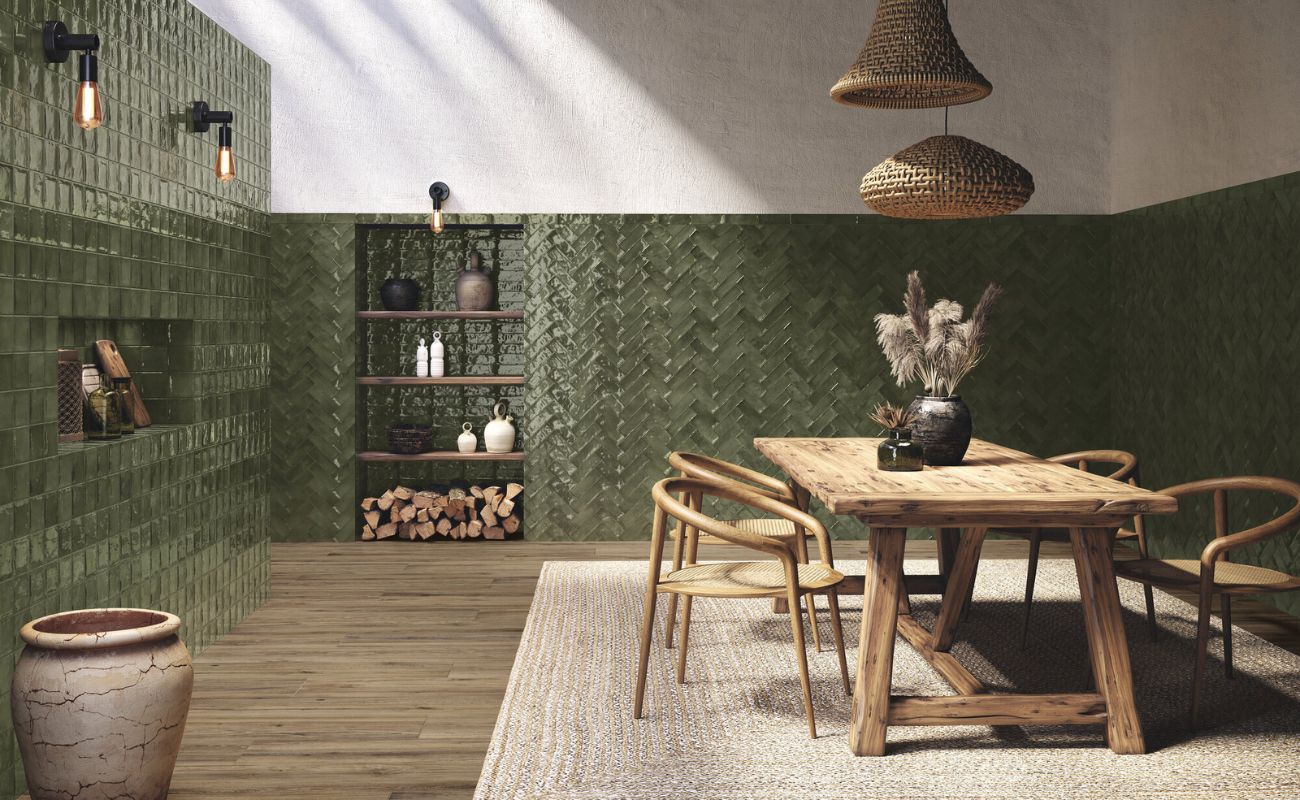
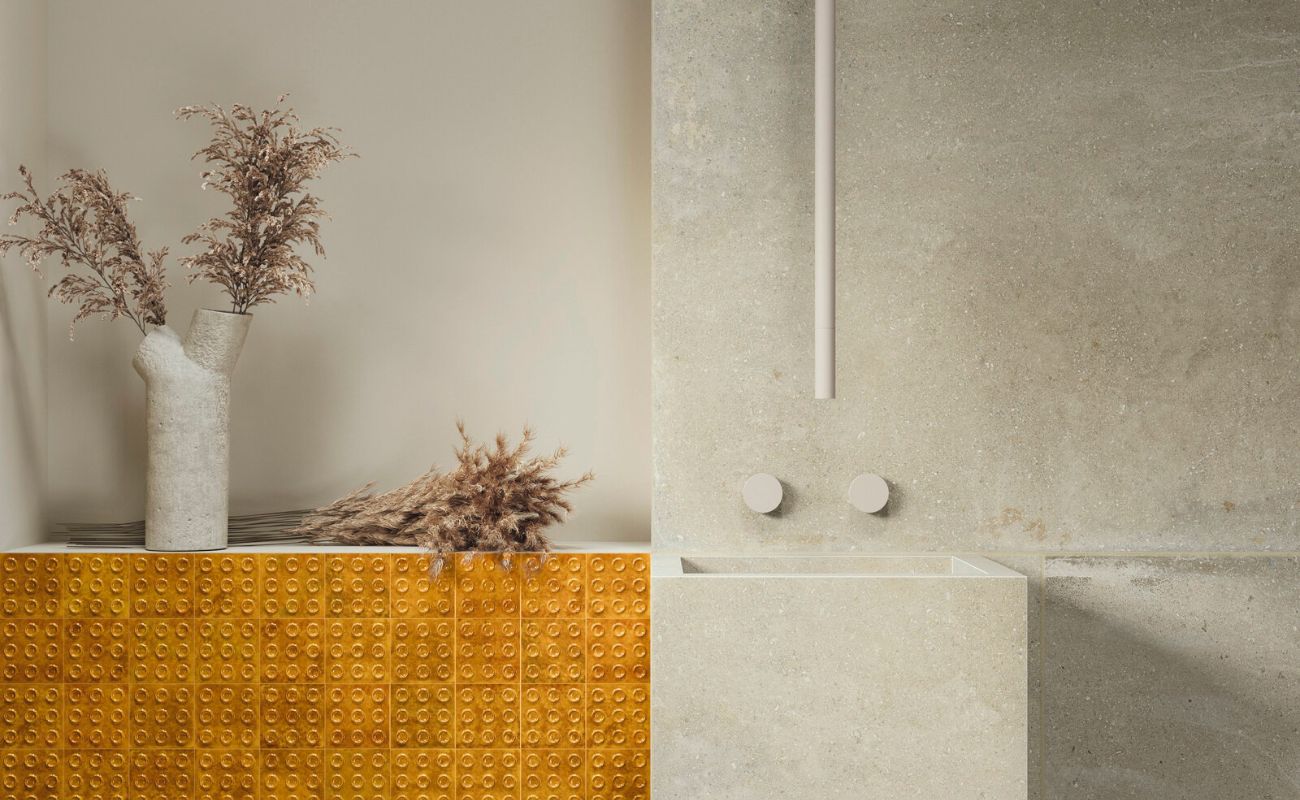
Small format tiles bring design detail into a space. From classic metro layouts to intricate mosaics and herringbone patterns, they introduce texture and personality that larger tiles cannot always replicate. Small format tiles can also be used to create a feature wall, especially when arranged in a diagonal or diamond pattern, which helps break up harsh lines and creates the illusion of a larger space. Additionally, small tiles are a popular choice for kitchen backsplashes, where they add visual interest and allow for creative designs.

Combining Tile Formats for Depth and Balance

Zoning Through Scale

Using large and small tiles within the same room helps define zones without physical barriers. Large tiles can anchor main surfaces, while small tiles draw attention to specific features such as splash backs or shower enclosures. Many tile collections offer the same finish in multiple formats, allowing for variation in scale while maintaining visual cohesion across different rooms. For further inspiration on how to turn your tiles into a feature, explore creative ideas that highlight tile choices in your home.

Room-Specific Tile Format Insights

Bathrooms

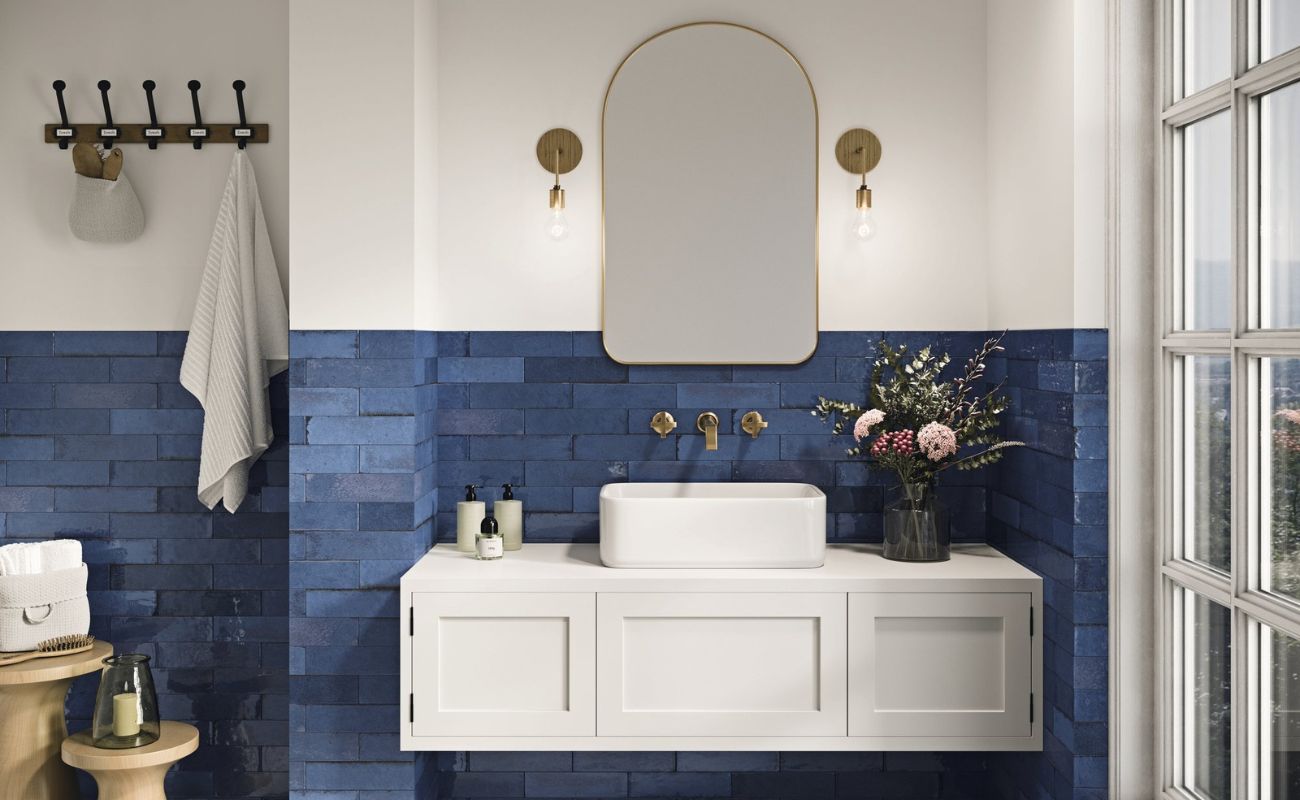
Large format tiles create a spa-like, seamless feel on walls and main floor areas. Using large format tiles with a gloss finish can create a brightening effect in bathrooms by reflecting more light. Additionally, a grid layout can help draw less attention to the size of the bathroom, enhancing the illusion of space. Small format tiles remain the preferred choice for shower floors and detailed features where grip and precision are essential.

Kitchens

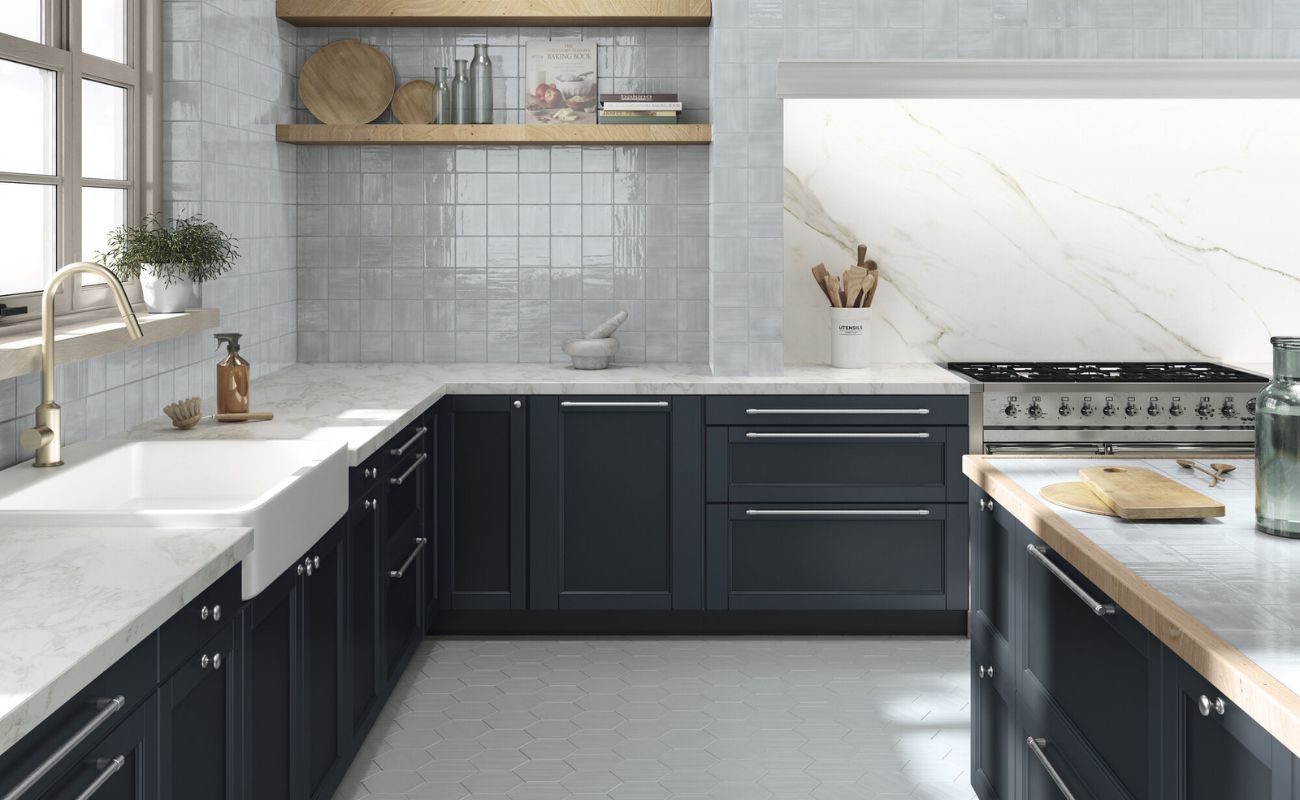
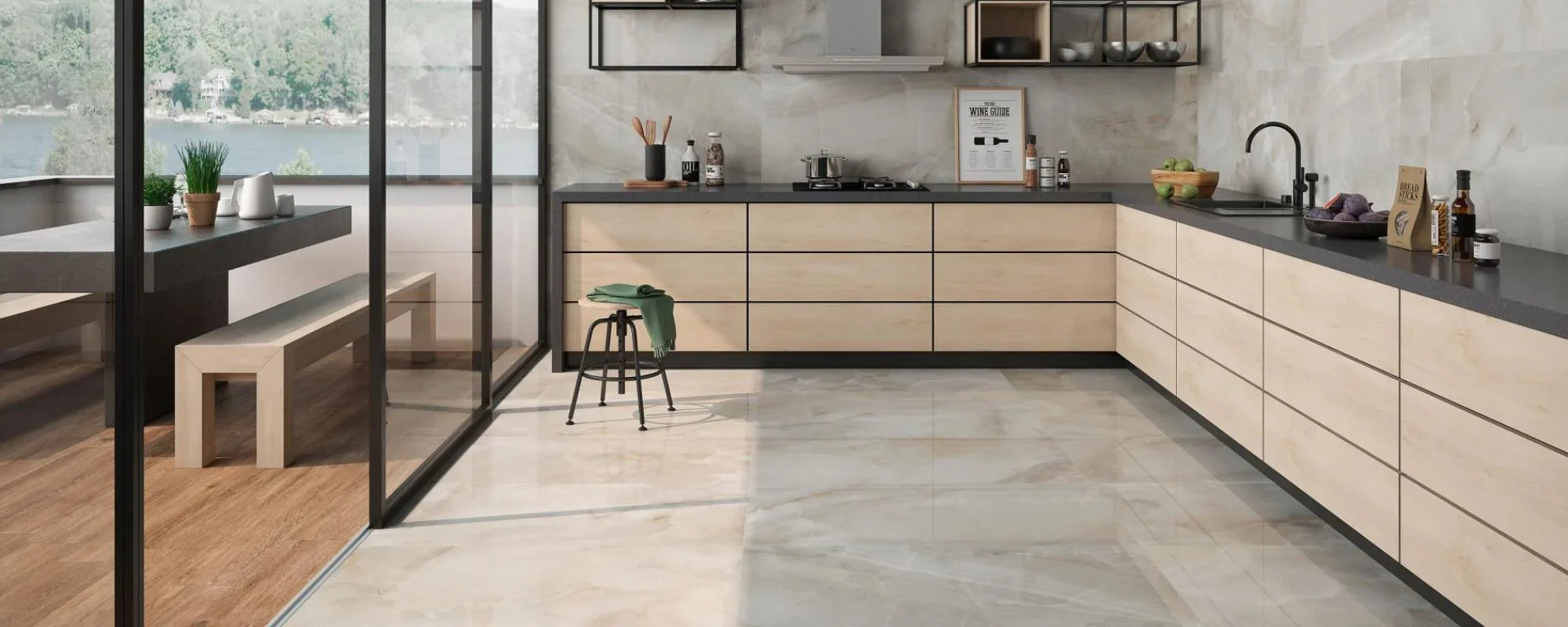
Large tiles work well on floors, helping maintain visual flow and ease of cleaning. Large tiles on kitchen floors also offer easy maintenance due to fewer grout lines, making them ideal for busy households seeking low-maintenance options. Small format tiles are particularly effective for kitchen backsplashes, where pattern and texture can be introduced without overwhelming the space. Small tiles used for kitchen backsplashes can be easier to install by DIY enthusiasts because of their manageable size and weight.

Living Areas and Hallways

In open or transitional spaces, large format tiles reinforce continuity and scale. Small format tiles can be used selectively for decorative borders, entrances, or feature sections.

Outdoor Spaces

Large format tiles are increasingly popular in outdoor spaces due to their durability, ease of maintenance, and ability to create a seamless look that visually extends indoor living areas.

Roccia.com

Installation and Maintenance Considerations

Installation Process

Large format tiles demand expert installation to ensure flatness and long-term performance. A flat surface and proper substrate preparation are essential. Small format tiles, while more forgiving, require careful layout planning due to increased grout lines. The installation process for small tiles can be simpler for DIY projects, especially when dealing with complex shapes and architectural details.

Long-Term Care

Large tiles generally reduce grout maintenance, while small tiles may require more regular attention due to more grout lines that can trap dirt and require more cleaning. However, both formats perform exceptionally well when installed correctly and maintained consistently.

Using Tile Size to Shape Atmosphere

Tile format contributes directly to the emotional tone of a space. Large format tiles tend to feel calm, expansive, and architectural, while small format tiles bring warmth, texture, and human scale. Lighting, colour choice, and grout tone work in combination with tile size to influence whether a room feels airy, grounded, or intimate.

Expert Guidance for Confident Choices

Choosing between small format vs large format tiles which works best in different rooms is about understanding context, not preference alone. The most considered interiors use both formats where they perform best, ensuring each room feels balanced, functional, and visually resolved. Expert advice can help translate design intent into practical tile choices, ensuring format, finish, and function work together seamlessly.

Got Questions? We've Got Answers.