How to Mix and Match Tile Styles Without Overwhelming Your Space
Creative Ways to Combine Tile Styles for Stunning, Cohesive Interiors
Introduction: The Art of Mixing Tile Styles in Modern Home Design
Mixing and matching tile styles is one of the most effective ways to add character, depth, and individuality to your home interiors. With an extensive range of tiles available today, from natural stone tiles and glass tiles to textured tiles, patterned ceramics, and large format porcelain, the possibilities are endless. The variety of tile colours, shapes, sizes, and finishes means you can create a truly personalised bathroom design. But with so many tile materials, tile colours, and tile finishes to choose from, many people worry that combining different shapes, patterns, and tones will make their room feel busy or disconnected.
Creativity plays a crucial role in mixing and matching tile styles, as it allows you to transform ordinary spaces into unique, personalised environments by experimenting with different styles, textures, and different colours. Mixing tile styles can also bring life and energy to a space, infusing it with vibrancy and personality.
The truth is this: when you understand how colour schemes, tile patterns, tile sizes, and textures work together, you can create a cohesive tile design that feels intentional, balanced, and beautifully unique. Thoughtful coordination helps you achieve a visually appealing and harmonious result. Whether you’re tiling bathroom walls, designing a feature wall, refreshing a kitchen backsplash, or updating floor tiles, the key is thoughtful coordination and a willingness to explore creative tile combinations that elevate your space.
Tiles are a classic choice for bathroom design due to their durability, water resistance, and versatility.
Choosing the Right Colour Scheme: The Foundation of Cohesive Tile Design
When mixing wall tiles and other tiles, start with your colour scheme. Tile colours have a huge impact on mood and flow, and choosing complementary tones ensures that different tile patterns, textures and sizes work together.
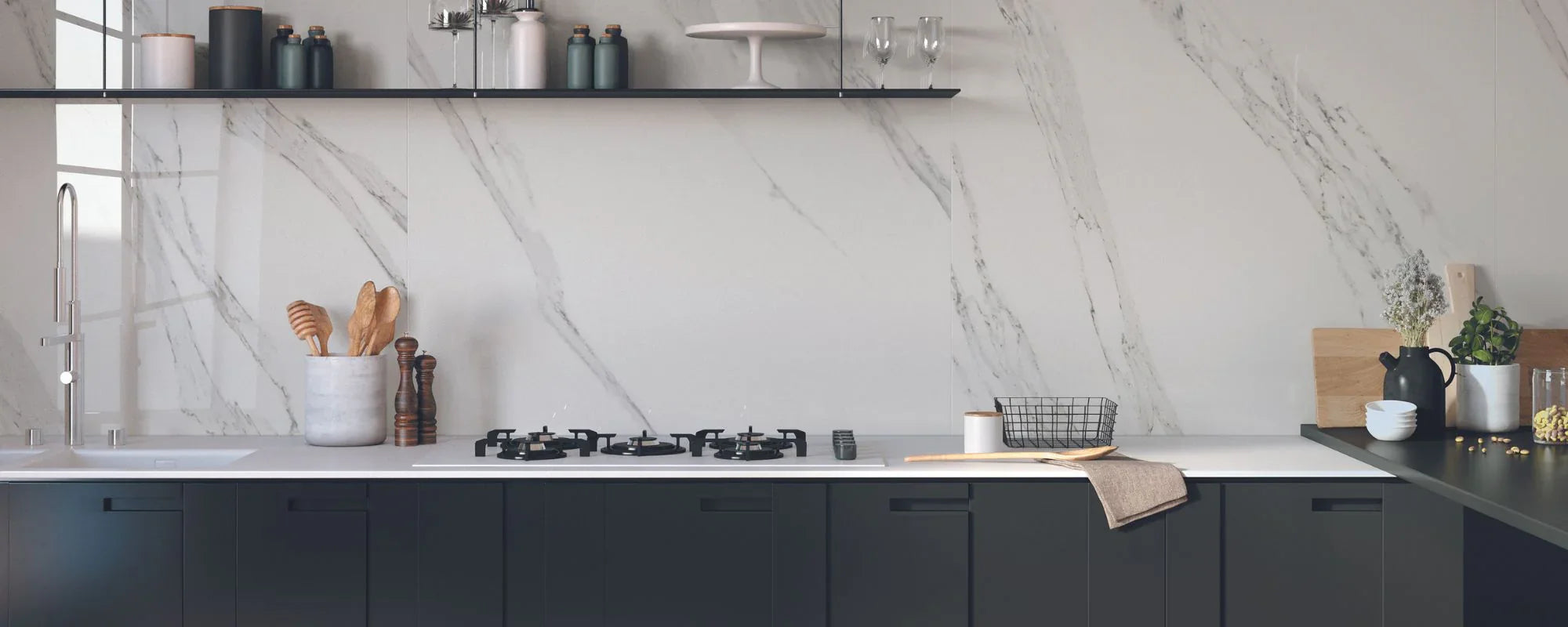
Neutral tones such as beige, grey, cream, taupe, and soft white are a classic choice for creating harmony. Neutrals pair beautifully with bold colours, accent tiles, natural materials, and stone-effect surfaces. They allow you to combine tiles creatively to avoid overwhelming the room.
There are a wide variety of tile options available, including different colours, layouts, and high-end materials, allowing you to achieve a range of design effects.
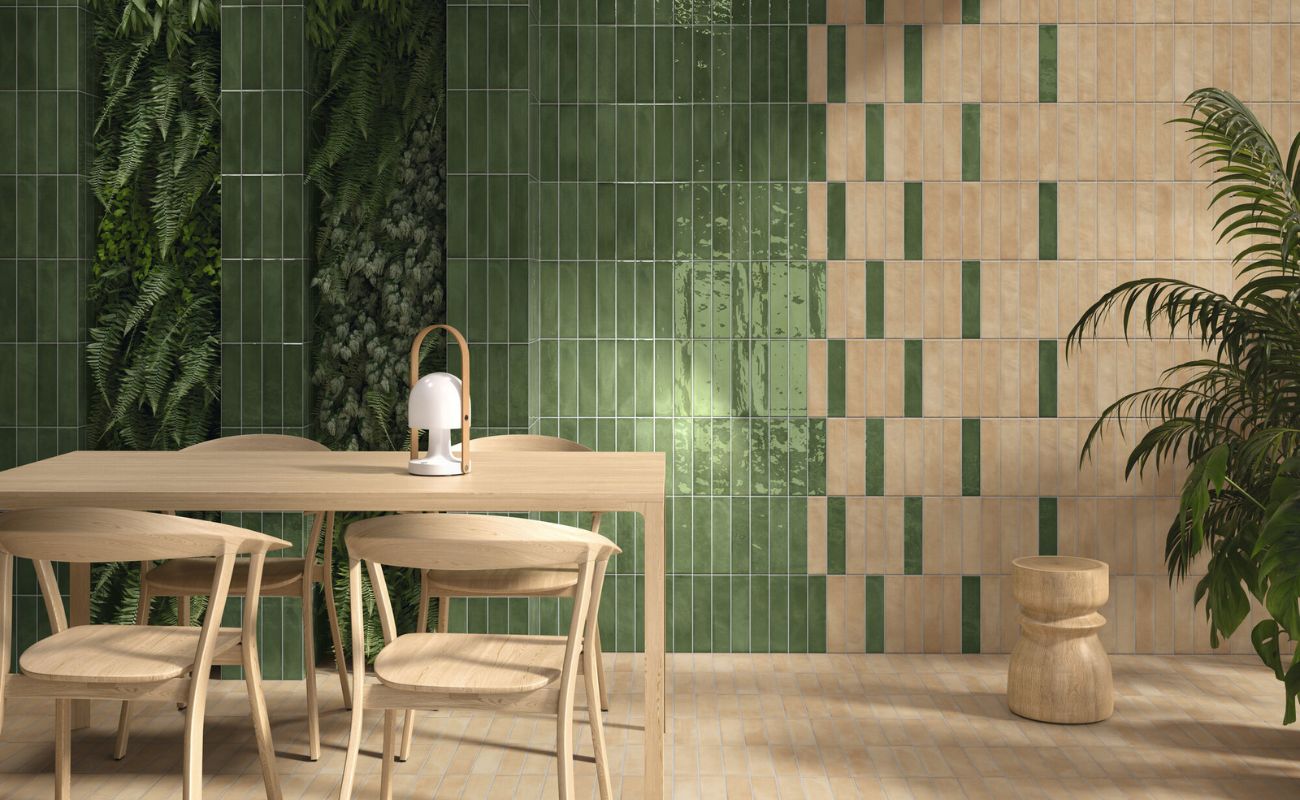
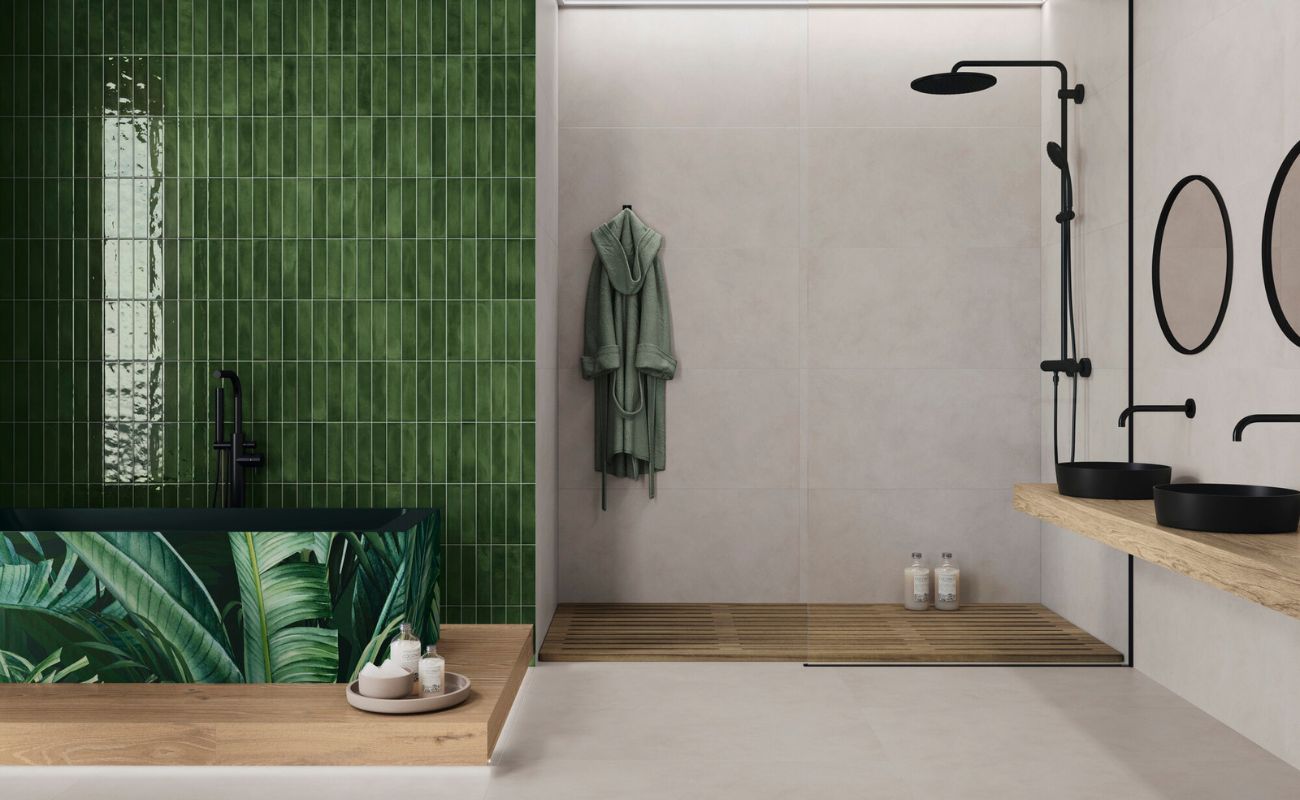
Cool tones like green and blue bring calming energy and pair well with glass tiles or glossy finishes. Warm earthy tones, terracotta, tan and caramel, add comfort and work wonderfully with natural stone tiles, glossy and matte finishes.
Always consider natural light in your room. In darker spaces, lighter hues and glossy finishes help reflect light and create a bright, inviting atmosphere. In brighter rooms, matte finishes and deeper colours add luxury and depth.
Bringing home tile samples and viewing them beside your surrounding walls, flooring, and fittings is the best way to ensure your colours work together across different spaces in real conditions.
The key to effective tile mixing lies in recognizing underlying geometric principles.
Creating a Focal Point With Statement Tiles
A strong focal point helps anchor your tile design, especially when mixing different shapes, colours, and textures. Statement tiles can draw the eye and serve as focal points in a room, enhancing visual appeal. A focal point could be:
- A bold patterned tile on bathroom walls
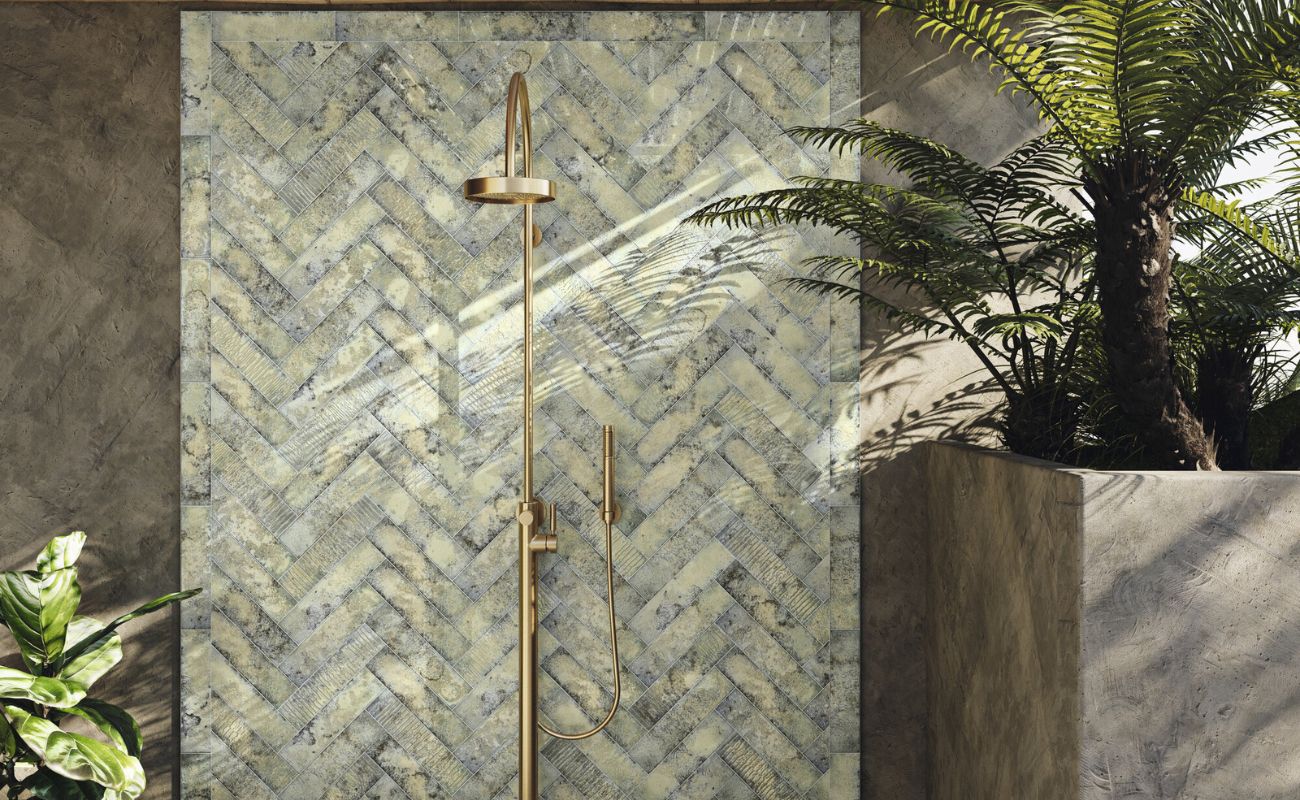
- A herringbone pattern behind a vanity
- Vibrant colours or striking tile patterns on a feature wall
- Contrasting floor tiles in a walk-in shower
- A decorative border that frames a specific area
- Accent tiles used sparingly to create unique detail
Mixing different tiles adds character to a bathroom and highlights features like splashbacks and shower enclosures. This focal point becomes the foundation tile in the room, the tile that sets the tone and guides your other tile combinations. Once you identify your standout tile, choose additional tiles in similar tones, neutral tones, or complementary colours to create a cohesive look.
A statement tile or a decorative border contrasting colour can break up a vibrant colour scheme, adding balance and preventing the space from feeling overwhelming.
For instance, if you choose a patterned floor tile in your bathroom, keep the surrounding walls in plain tiles, matte finishes, or smoother textures to balance the visual interest.
Mixing Tile Textures: Smooth, Textured, Glossy, and Matte
Texture is one of the most powerful ways to mix tiles without relying on colour or pattern. Combining smooth and textured tiles, glossy and matte finishes, or ceramic and natural stone materials adds subtle sophistication and depth.
Glossy tiles reflect light, creating a brighter, more polished appearance, perfect for small bathrooms or kitchen splashbacks. Matte finishes offer softness and modern elegance, ideal for larger tiles, bathroom floors, and spaces where you want a calm, seamless look. Textured tiles add movement, shadow, and artisan appeal, especially beautiful as accent tiles, feature walls, or around a bath. Natural stone tiles bring authenticity and tactile richness, grounding your design with organic beauty.
When mixing textures, the goal is balance. Let one tile style take centre stage while the others support the overall aesthetic appeal. Using subtle textured tiles as the 'ones' can help balance out bolder, more dramatic tile choices, ensuring your space feels curated, not chaotic.
Using Floor Tiles to Anchor Your Tile Combinations
Floor tiles set the foundation for the entire room, and they play a crucial role when mixing different tile styles. When planning your design, it’s important to calculate the number of tiles needed for your space to ensure proper planning and accurate visualisation.
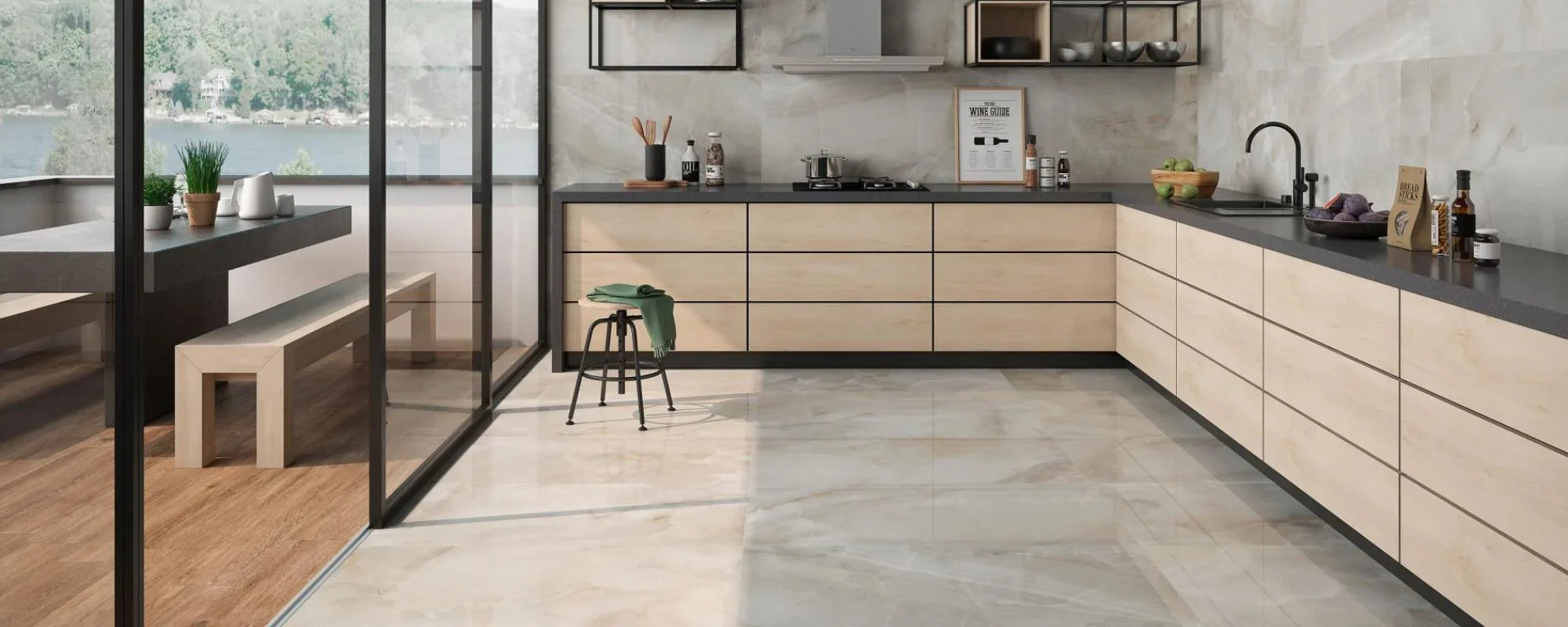
Large format tiles create a seamless look, visually expanding the space and reducing grout lines. These are excellent for open-plan rooms, contemporary bathrooms, and areas where you’re using more decorative tiles on surrounding walls. Using a straight-set installation pattern with large format tiles can help create visual continuity and define zones within an open-plan space.
Smaller tiles, mosaics, or intricate patterns add visual interest and are perfect for feature zones, such as wet rooms, shower floors, and entryways. For bathroom floors, always choose tiles that are slip-resistant and highly durable to ensure they last and look good over time.
If you’re mixing floor tile styles, keep the colour palette restrained and ensure the transitions feel intentional by focusing on combining colours that work well together . Combining colours that appear in multiple tiles helps connect the floor and walls into a cohesive design.
Bathroom Wall Tile Ideas: Mixing Materials for a Luxurious Look
Bathrooms are one of the best places to experiment with tile combinations because the space naturally divides into zones. The variety of bathroom tiles and options available, including different colours, patterns, materials, and finishes allows you to create a personalised and aesthetically appealing space. With so much variety, you can mix and match tile styles to suit your taste and needs. A designer can make bold and creative choices in tile selection and color schemes, resulting in a visually striking and harmonious bathroom design. Mixing different wall tiles such as varying patterns, colors, and finishes can create unique effects and add depth to your bathroom design. For a visually dynamic and interesting look, consider using four different tiles in one bathroom, combining shapes, sizes, and patterns for a truly custom result.
Consider mixing:
- Glass tiles with matte porcelain
- Natural stone tiles with smooth ceramic
- Large format tiles with smaller tiles in complementary tones
- Rectangular tiles with square formats for stylish contrast
- Marble with other materials like terracotta or wood for a luxurious, timeless effect
Combining high-end materials with clever lighting can transform a standard bathroom into a calming retreat that feels both indulgent and functional. Apply the 'rule of three' by using one dominant tile for 60% of the area, a secondary tile for 30%, and a solid accent tile for 10% to achieve a balanced look. Mixing tile patterns can add character to a bathroom and highlight features like splashbacks and shower enclosures.
Using different tile sizes vertically and horizontally can elongate or widen the room, depending on your design goals. A herringbone pattern on one wall paired with plain tiles on the others keeps visual interest without overwhelming the space.
For moisture-heavy environments, always choose tile materials with excellent water resistance, such as porcelain, stone-effect porcelain, or glass tiles.
Achieving Visual Harmony: The Key to Mixing Tiles Successfully
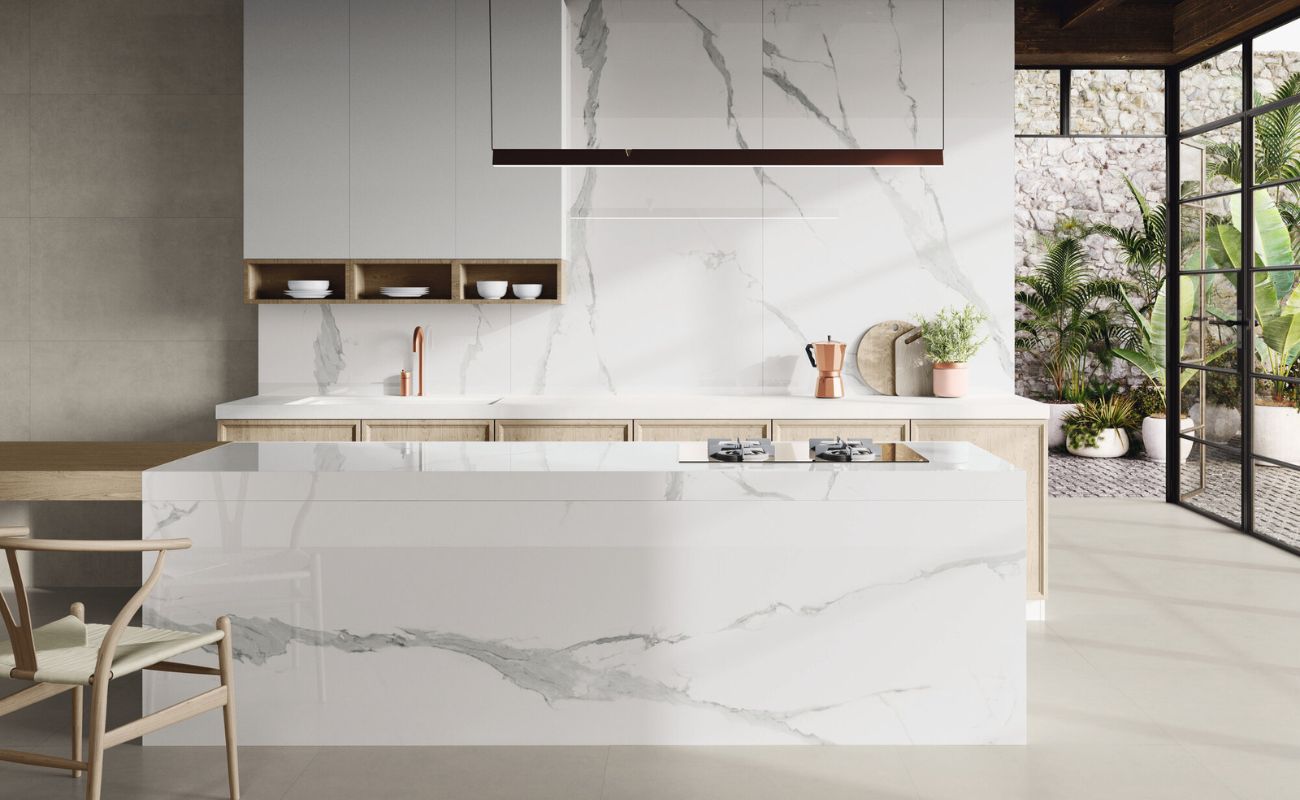
To create a cohesive design when mixing tiles, follow a few essential principles: Choose tiles that share common colours or motifs, as these shared design elements help create a balanced and harmonious look when combining multiple patterns and different layouts. By following these principles, you can achieve a harmonious and visually appealing result when you mix and match tile styles. Additionally, grout selection plays a crucial role in bridging different tile styles and significantly impacts the final appearance of your design.
1. Repeat Colours or Undertones
Even if your tiles are totally different styles, sharing one tile colour or similar undertones creates unity.
2. Limit Tile Styles to Two or Three
More than three strong tile styles in one room risks visual clutter.
3. Use Complementary Tones
Pair warm tones with other warm tones, or colds with colds, unless using contrast intentionally.
4. Balance Patterned Tiles With Plain Tiles
This keeps your space calm and well-proportioned.
5. Use Tile Patterns Strategically
Mixing tile patterns (such as subway, grid, mosaic, and herringbone) works beautifully when scale and spacing are considered.
6. Consider the Entire Room
Think about the surrounding walls, the bathroom floor, your cabinetry, and décor, everything should feel connected.
To ensure your mix and match tile styles work well together, place tile samples in the intended space to see how they complement existing design elements and lighting conditions.
Common Mistakes to Avoid When Mixing Tile Styles
Mixing different tile styles is a creative way to add depth and personality to your home, but it’s crucial to approach this process thoughtfully to avoid common pitfalls. One of the most important factors is to choose colours and patterns that work together, clashing shades or overly busy designs can quickly overwhelm your space and detract from its aesthetic appeal.
To maintain harmony, avoid using too many different tile styles or patterns in one area. Instead, stick to a limited palette of two or three complementary colours and patterns. This approach keeps the design cohesive and visually appealing, while still allowing for creative expression.
Scale and proportion are also key. As a general rule, use larger tiles on the floor to ground the space and smaller tiles on the walls or as accent features. When combining different tile finishes such as matte and glossy, balance them carefully to create a seamless, sophisticated look.
When choosing tiles, opt for high-quality options that are designed to stand the test of time, especially in high-traffic areas like kitchens and bathrooms. This ensures your mix and match tile styles remain durable and beautiful for years to come.
For a truly unified design, consider using a consistent grout colour throughout the space. This subtle detail can make a big difference in achieving a polished, harmonious result. To enhance visual interest without overwhelming the room, add a feature wall or a statement element like a mosaic or decorative tile.
By keeping these tips in mind and focusing on your specific needs, you can avoid common mistakes and create interiors that are both beautiful and functional. Remember, the right mixture of tile finishes, colours, and patterns will enhance your space in a way that feels intentional and uniquely yours.
Final Thoughts: Mix & Match Tiles With Confidence
Mixing tile styles is one of the most rewarding ways to create unique, character-filled home interiors. Whether you’re blending neutral tones with bold accents, pairing glossy finishes with matte textures, or experimenting with different tile patterns and tile sizes, the key is thoughtful balance and complementary design choices.
With the right combinations, tiles can add depth, create focal points, and express your personal style, all while achieving a timeless, cohesive look. A splashback, for example, can serve as a striking focal point or feature element when you mix and match tile styles in your kitchen or bathroom.
Each step in the tile selection and testing process is crucial for refining your design and ensuring the best results.
At Roccia, our tile ranges include everything from natural stone and textured tiles to vibrant patterned ceramics and luxurious large format porcelain. Visit our Preston or Bolton showroom to see how tile samples interact in real light, mix and match different tile styles, and discover the best tiles for your space.