How to Create a Mood Board for a Kitchen or Bathroom Renovation
Creating a clear vision is one of the most exciting stages of any renovation. Whether you're designing your dream kitchen or planning a luxurious bathroom design, a mood board serves as the foundation for turning ideas into reality. If you’re wondering how to create a mood board for a kitchen or bathroom renovation, this guide will walk you through the process with creativity and confidence.
A mood board is a visual representation of ideas for a design project, serving as a collage of images that helps establish clear direction before actual design work begins. As a brilliant tool in the design process, it brings life to your ideas, unifies your colour scheme, and ensures every detail aligns with your individual style.
What Is a Mood Board in Interior Design?
An interior design mood board is a curated collection of images, materials, colour palettes, and textures that represent the aesthetic and atmosphere of a space. Used by professional designers and homeowners alike, it acts as a great tool for visualising concepts and refining design ideas.
Using a mood board allows designers and clients to explore ideas, clarify preferences, and avoid costly mistakes by visualising how different elements work together. It also helps communicate your vision effectively to contractors, suppliers, and a kitchen designer, ensuring that everyone involved understands the desired outcome of the project.
Creating mood boards is therefore an essential step in the planning process of any kitchen renovation or bathroom transformation.
Why You Need a Mood Board for Your Renovation
Creating a mood board for a kitchen or bathroom renovation is a crucial step to unify ideas, define style, and prevent costly mistakes. An effective moodboard allows you to experiment with colour combinations, materials, and layouts before committing to final decisions.
Benefits of Creating Your Own Mood Board
- Clarifies your design ideas and aesthetic direction
- Helps define colour palettes and a cohesive colour scheme
- Allows you to experiment with textures, materials, and lighting options
- Provides a clear plan for your renovation project
- Ensures your perfect selection of finishes works harmoniously
- Simplifies collaboration with designers and contractors
Ultimately, it is a creative yet practical way to bring your vision to life.
Step 1: Gather Inspiration and Explore Design Ideas
To create a mood board, start by collecting inspiration from a variety of sources. Gathering a wide range of images allows you to explore different ideas and identify what resonates with your personal style.
Where to Find Inspiration
- Interior design magazines and magazine clippings
- Pinterest and Instagram, where you can save image collections
- Showroom visits and product shot displays
- Websites and design platforms featuring modern interiors
- Photos of your existing space
When gathering inspiration, consider including furniture, artwork, rugs, window treatments, flooring, and paint swatches. Even smaller details such as accessories and tea towels can help you visualise your ideal space.
Using platforms like Pinterest and Instagram makes it easy to collect images of preferred kitchens or bathrooms. This process allows you to compile different ideas, identify patterns in your preferences, and refine your vision.
Step 2: Define Your Style and Emotional Direction
Before assembling your board, define the mood you want to create. Consider whether you are inspired by a sleek modern aesthetic, a warm and inviting environment, or a timeless and elegant interior.
Ask yourself:
- Do you want a bright and airy space or a cosy sanctuary?
- Should your new kitchen feel contemporary or classic?
- What atmosphere best reflects your lifestyle?
Defining the emotional atmosphere of the room provides focus and ensures your design feels cohesive from the outset.
Step 3: Choose Your Colour Scheme and Base Colour
Selecting a base colour is fundamental to your interior design mood board. This primary shade sets the tone for the entire room and influences the selection of complementary hues, especially when choosing the perfect colour palette for your kitchen.
Creating Harmonious Colour Palettes
Start with a neutral base colour such as warm beige, soft grey, or crisp white. From there, build layered colour palettes using kitchen and bathroom colour schemes that use complementary tones and colour combinations.
Consider how colour interacts with light:
- Natural light enhances warmth and depth.
- Artificial lighting influences how colours appear throughout the day.
- Lighting options should be considered early in the design process.
Testing paint samples under different lighting conditions helps ensure the chosen colours suit the space.
Step 4: Select Materials, Textures and Finishes
Materials play a crucial role in transforming design ideas into reality. Combining visual colours with tactile textures creates depth and adds interest to your mood board.
Key Elements to Include
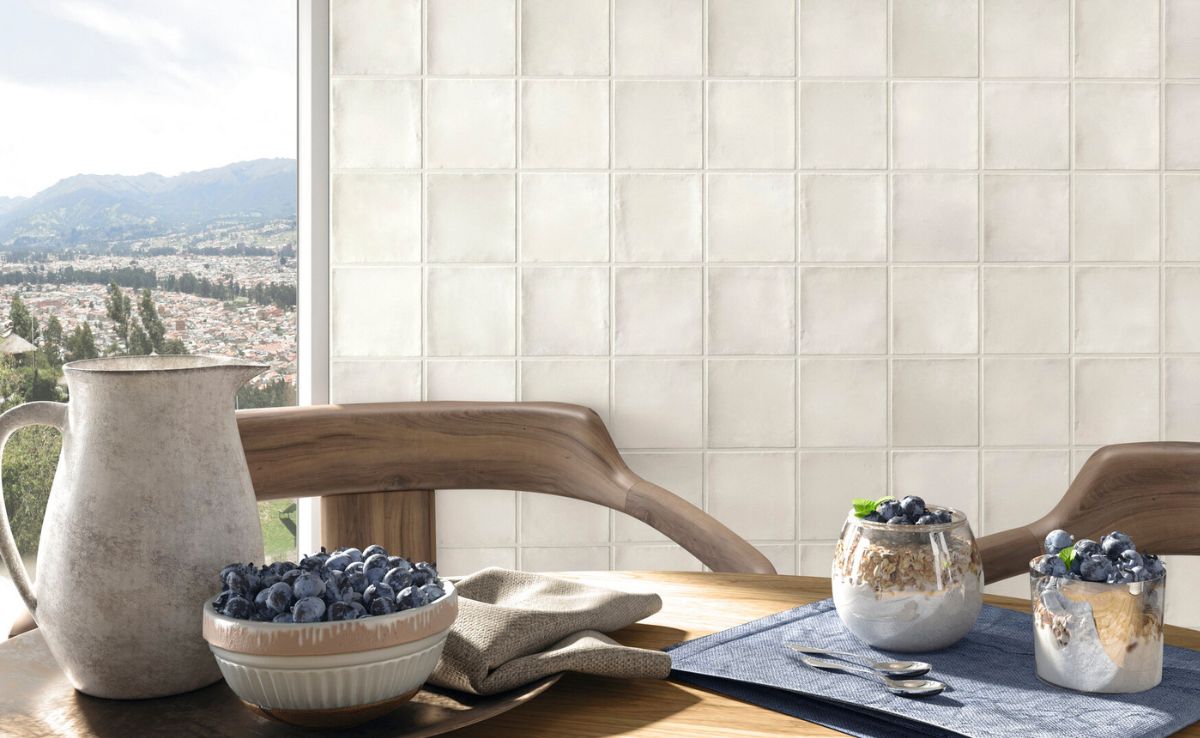
- Tiles and flooring samples, including a variety of porcelain kitchen tiles
- Natural stone and porcelain surfaces, exploring new tile arrivals to keep your scheme current
- Cabinet finishes and worktops
- Fabric samples and soft furnishings
- Lighting fixtures and hardware
- Accessories and decorative details
Layer diverse textures, such as pairing smooth materials with textured ones, to achieve balance and visual interest. Integrating existing elements within the room ensures your new selections complement the overall design.
Step 5: Create Your Mood Board – Digital or Physical
Once you’ve gathered inspiration and materials, it’s time to create a mood board. You can choose between digital and physical formats, depending on your preferences.
Digital Mood Boards
Digital boards offer flexibility and convenience. Many programs and tools are available to help you design your own mood board.
Popular options include:
- Canva, which offers a widely used free version with mood board templates
- Pinterest, ideal for saving and organising inspiration
- Design software with customisable layouts
These platforms allow you to experiment creatively and refine your ideas directly on screen.
Physical Mood Boards
A physical board provides a tactile experience, allowing you to see how materials and textures interact in real life. Use fabric samples, tile swatches, magazine clippings, and printed images to assemble your board.
Both methods are equally effective and the great thing is that you can combine them for a comprehensive visual reference.
Step 6: Arrange Your Mood Board Like a Professional Designer
The layout of your mood board matters. A well-organised board ensures clarity and enhances the design process.
Tips for an Effective Mood Board
- Begin with a hero image to anchor your concept.
- Create hierarchy by making key images larger than supporting details.
- Layer materials and textures to add depth.
- Arrange elements in a balanced and cohesive composition.
- Refine your selections to maintain focus.
This step allows you to experiment, play with colour and texture, and ensure your design suits your vision.
Step 7: Test, Refine and Finalise Your Vision
Before finalising your renovation plan, review your mood board carefully.
Key Considerations
- View samples under different lighting conditions.
- Assess whether the colour scheme and materials work together.
- Ensure the layout aligns with your practical needs.
- Incorporate budget ranges, lead times, and measurements.
Adding these practical details helps transform creative ideas into a realistic renovation plan.
Kitchen vs Bathroom Mood Boards
Creating a Kitchen Renovation Mood Board
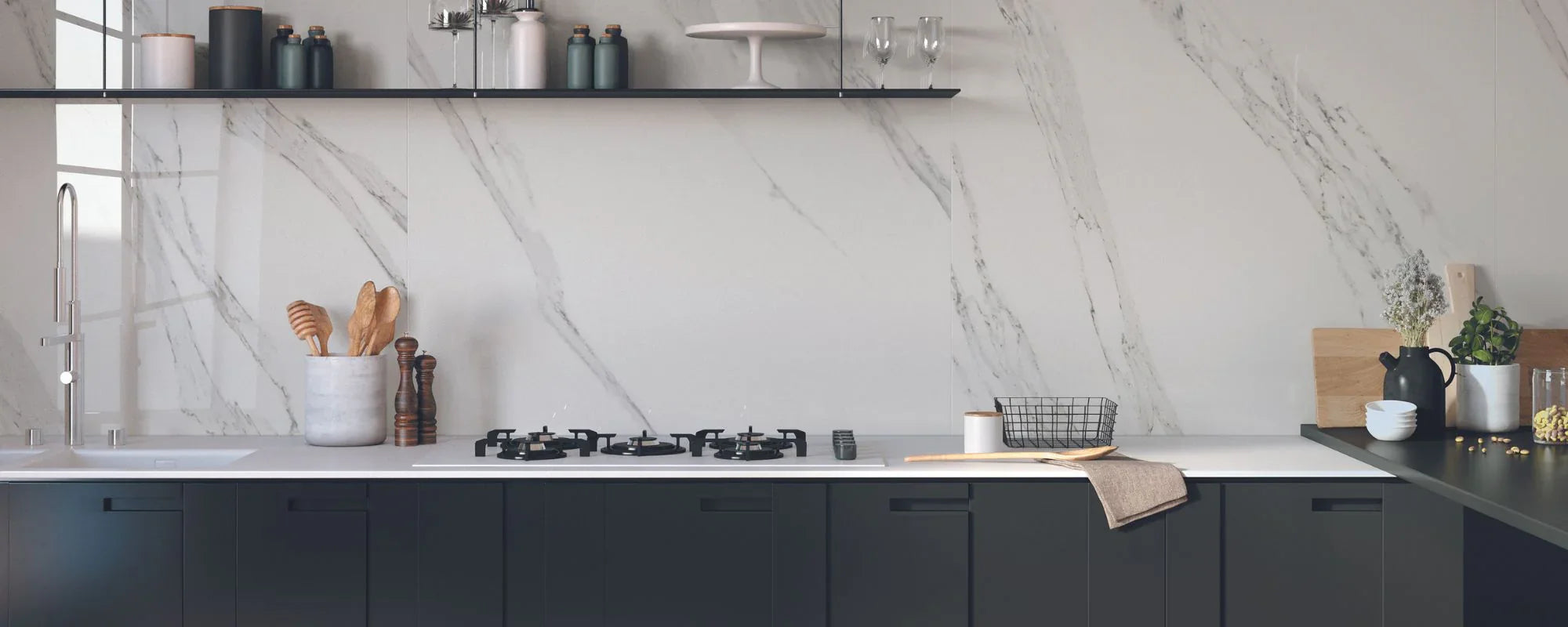
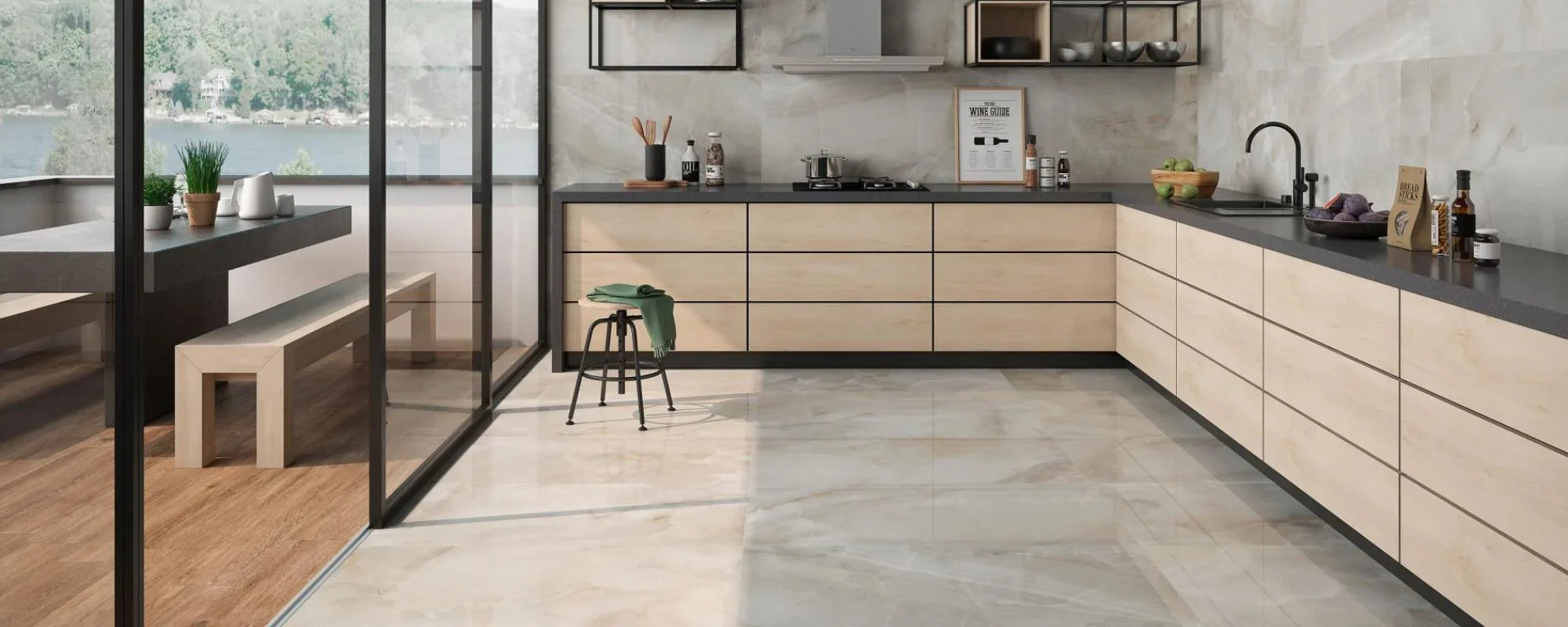
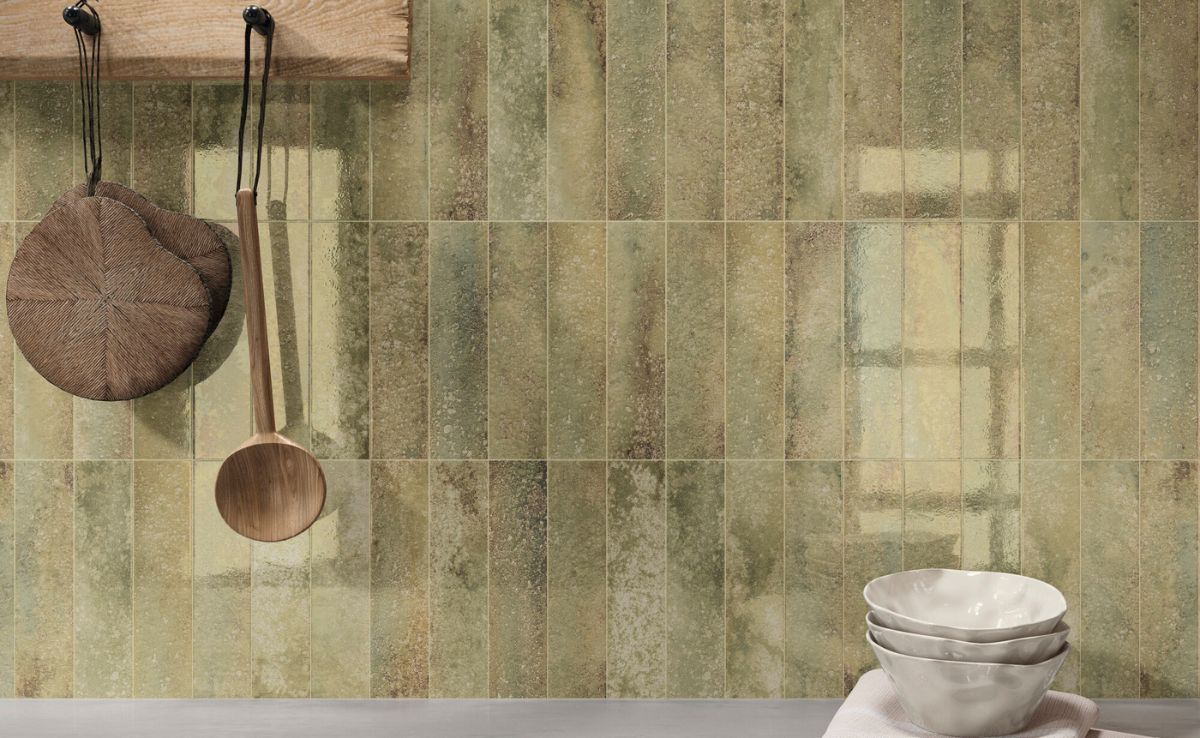
A kitchen mood board should include cabinetry finishes, splashback tiles, flooring, lighting, and accessories. These elements help visualise your perfect kitchen and guide your renovation journey.
Creating a Bathroom Renovation Mood Board
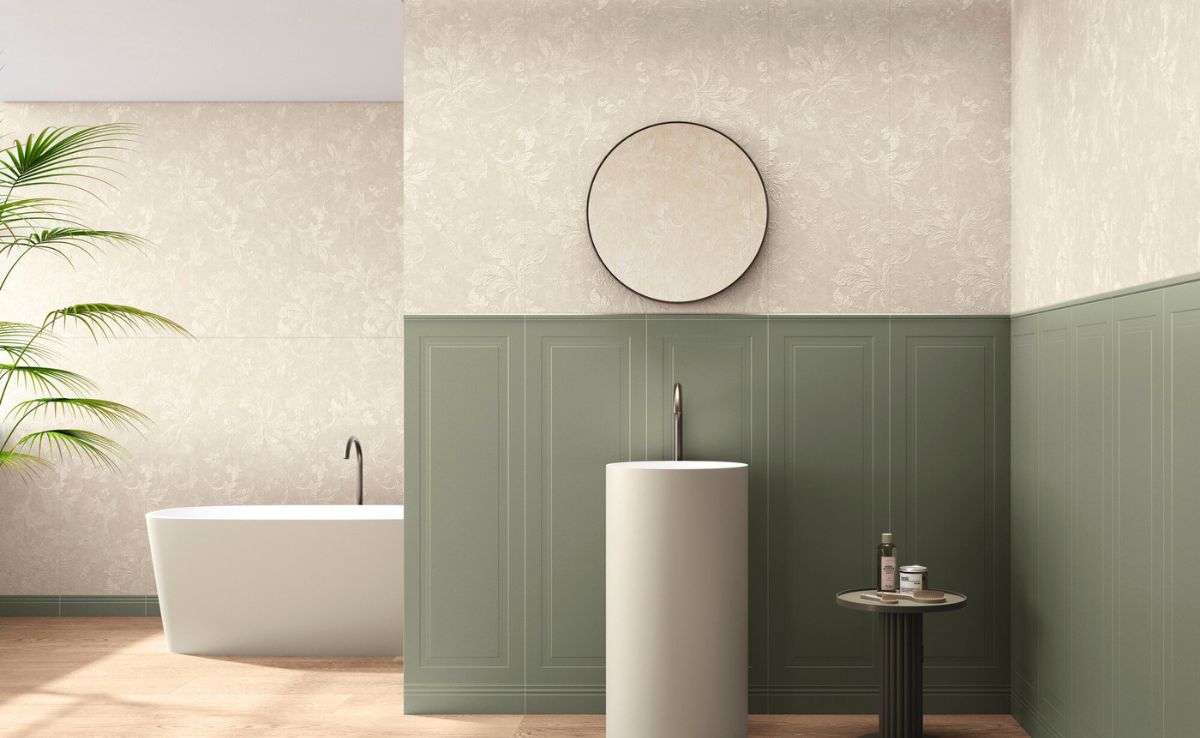
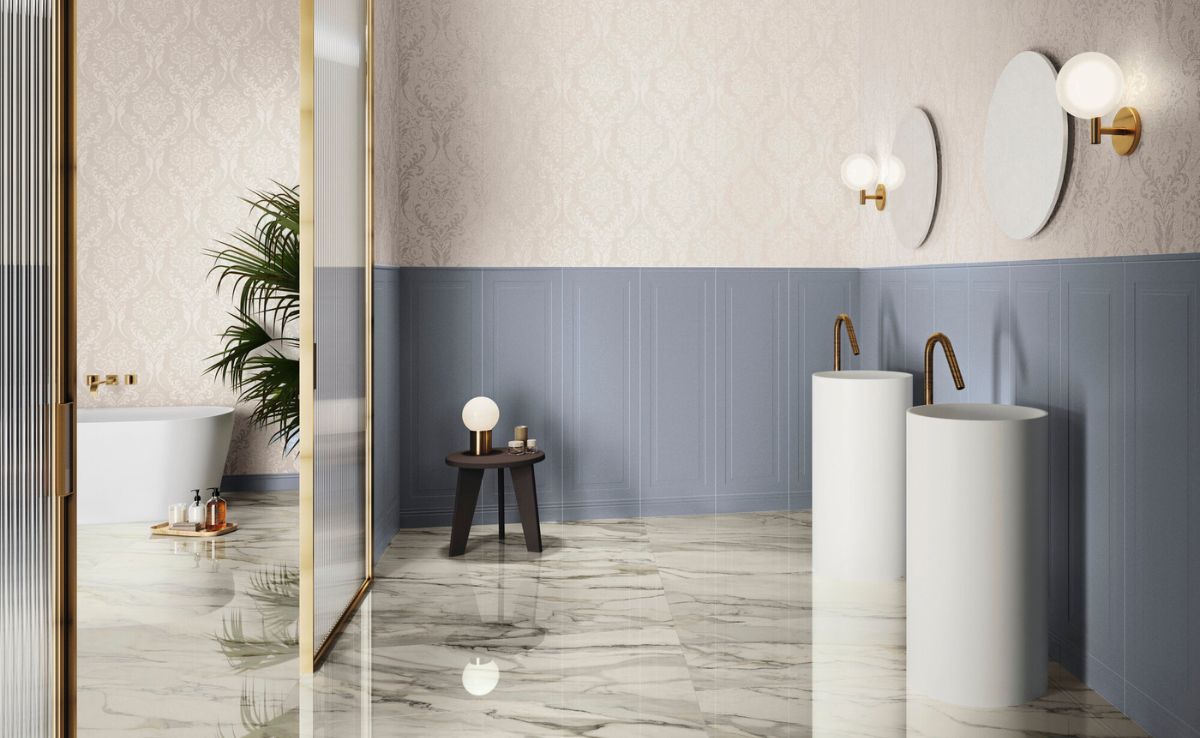
For bathroom design, focus on tiles, vanities, brassware, mirrors, and lighting, with options such as stone effect bathroom tiles to create a spa-like atmosphere. Thoughtful selections will help you achieve a tranquil and cohesive space.
How Roccia Can Help Bring Your Mood Board to Life
At Roccia, we understand that every exceptional renovation begins with inspiration. Our extensive collection of porcelain and natural stone tiles from leading tile specialists provides the perfect foundation for your interior design mood board.
Whether you are planning a new kitchen or refining your bathroom design, our expert team can help you explore materials, colour palettes, and finishes that suit your project. Visit one of our showrooms or browse online to discover the perfect selection for your renovation.
Final Thoughts: Turning Inspiration into Reality
Creating your own mood board is a fun and creative step in any renovation. More than just a collection of images, it is a powerful tool that transforms inspiration into a clear and achievable vision.
By carefully selecting colours, materials, and textures, you can create a mood that reflects your personal style while ensuring every detail works beautifully together.
With the right planning and creativity, your mood board will guide you from concept to completion, helping you design the perfect kitchen or bathroom with confidence.