
Collection:
Victorian Floor Tiles
Victorian floor tiles give a hallway, kitchen or bathroom the look of a period floor, with printed patterns in practical matt porcelain.
12 products
Filter

Wharton Porcelain Tile 45 x 45cm
Choose your option


Thera Pisa Porcelain Tile 60 x 60cm
Choose your option


Albourne Blue Porcelain Tile 45 x 45cm
Choose your option


Old Wall Road Old Street Subway Tile 7.5 x 25cm
Choose your option

Smooth Black Porcelain Tile 15 x 15cm
Choose your option

Smooth White Porcelain Tile 15 x 15cm
Choose your option


Rojo Emerald Green Subway Tile 6 x 25cm
Choose your option


Rojo Blue Subway Tile 6 x 25cm
Choose your option


Albourne Grey Porcelain Tile 45 x 45cm
Choose your option


Essence Arabesque Porcelain Tile 20.5 x 20.5cm
Choose your option


Neo Noir Porcelain Tile 20 x 20cm
Choose your option


Valcue Mix Porcelain Tile 20 x 20cm
Choose your option
Victorian Floor Tiles at ROCCIA
Start at the front door
A patterned hallway floor sets the tone for the whole house. It's the first thing you see, and it gives a long, narrow space a sense of direction. The same idea works in a kitchen extension or a bathroom, where a patterned floor marks the room out from the plainer spaces around it.
Read the pattern
- Muted and detailed: Thera Pisa has a tessellating pattern in soft grey and taupe, with a matt finish.
- High contrast: Wharton sets a dark motif on a cream base, for a sharper, more graphic floor.
- Blue and grey: cooler tones that sit well beside white walls and timber.
- Black and white: plain squares laid as a chequerboard, the simplest period floor of all.
Practical points
Printed porcelain gives the look of a period floor without the sealing or upkeep. Check the suitable areas and slip rating on each product page, especially for kitchens, bathrooms and entrances, and confirm underfloor heating suitability where the product states it.
Plan the hallway
Dry-lay the tiles first to see how the pattern repeats along the hall. Centre the pattern on the front door, so the cuts fall at the edges, and think about a plain border where the floor meets the skirting or stairs.
Keep the walls quiet
Let the floor lead with plain painted walls and simple skirting. Pick one colour from the pattern for the front door or stair runner, and choose a grout close to the tile's base colour. In an open-plan space, stop the pattern at a clear line, such as a doorway or the edge of an island, so the plan stays easy to read.
Explore Victorian Wall Tiles, see the full range in Victorian Tiles, or compare contemporary designs in Patterned Floor Tiles.
FAQs
Are Victorian floor tiles slippery?
Are Victorian floor tiles slippery?
Matt porcelain usually offers good grip. Check the slip rating on each product page, especially for hallways, kitchens and bathrooms.
Should I choose a Victorian or patterned floor?
Should I choose a Victorian or patterned floor?
A Victorian floor follows period designs, with a tight repeat and muted colours, so it suits a hallway or a period home. A patterned floor takes a more contemporary approach, with bolder print and stronger contrast.
Where do Victorian floor tiles work best?
Where do Victorian floor tiles work best?
Hallways, kitchens, bathrooms and cloakrooms, especially where the floor is seen as soon as you walk in.
Do I need to seal Victorian style porcelain?
Do I need to seal Victorian style porcelain?
Porcelain floor tiles don't usually need sealing. Follow the care guidance on each product page.
Do Victorian floor tiles work with underfloor heating?
Do Victorian floor tiles work with underfloor heating?
Many porcelain floor tiles can. Check each product page and confirm the system and adhesive with your installer.
How do I judge a Victorian floor pattern?
How do I judge a Victorian floor pattern?
Look at the repeat rather than a single tile, as the pattern reads differently across a whole floor. Picture it from the front door or main doorway, where it's seen first, and check the colours against your walls and skirting.
Explore More Tiles
Mosa White Porcelain Tile
Choose your option
Paris Smoke Porcelain Tile
Choose your option
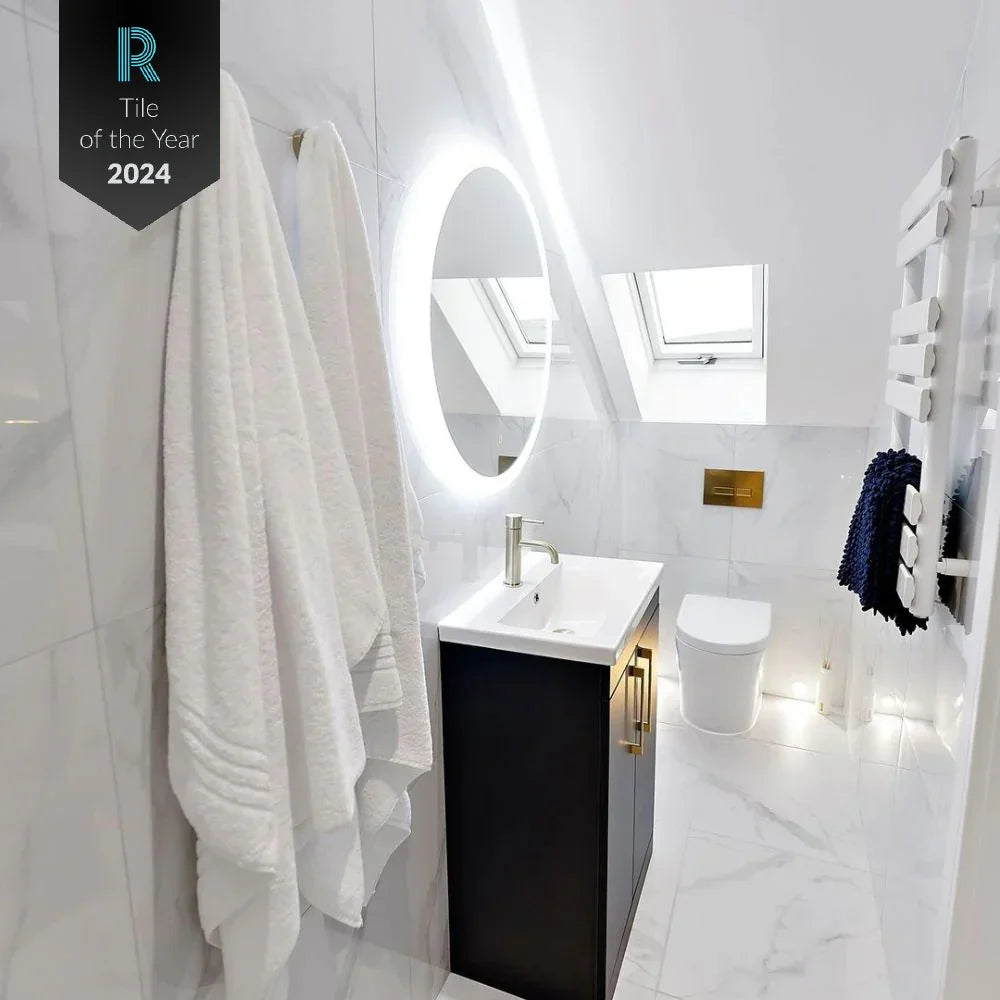
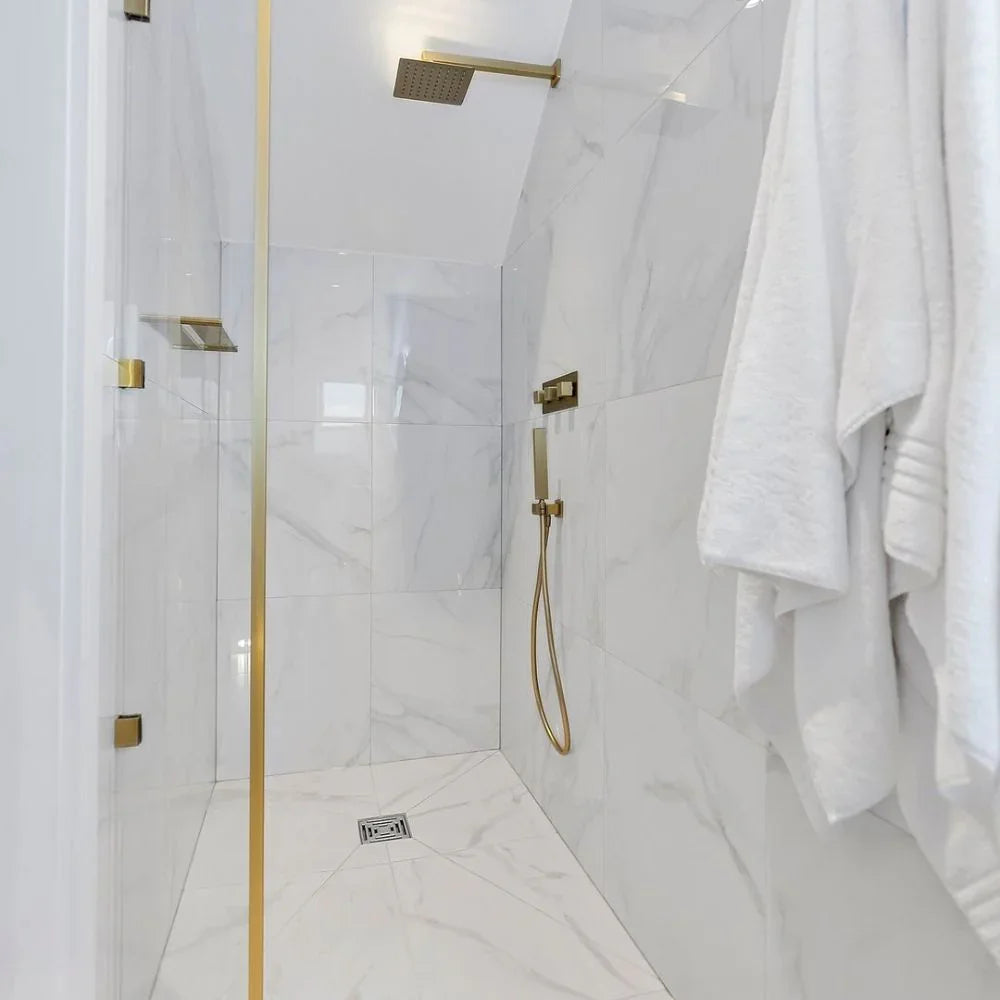
Neptune Marble White Porcelain Tile
Choose your option
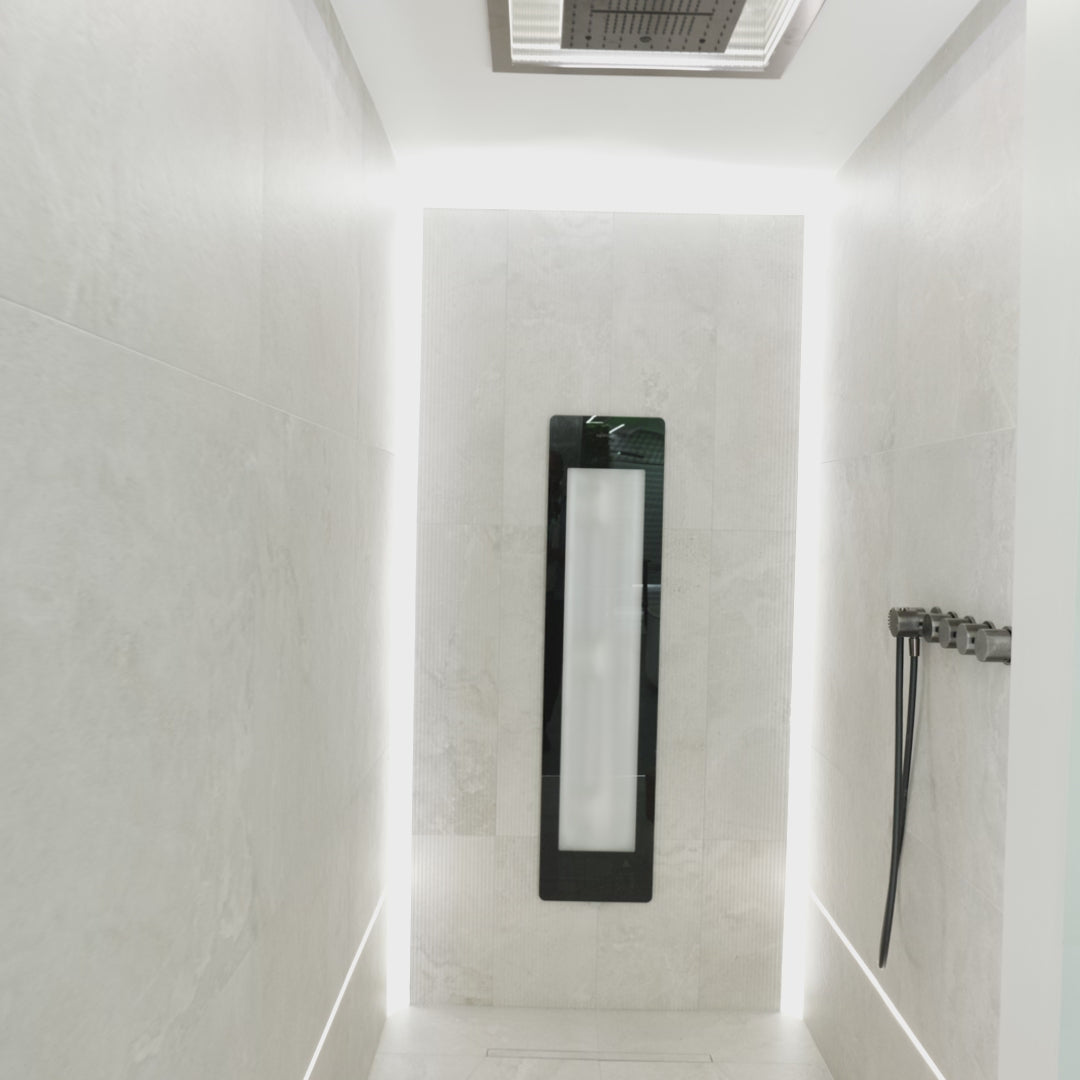
Dorset Bone Porcelain Tile 80 x 80cm
Choose your option
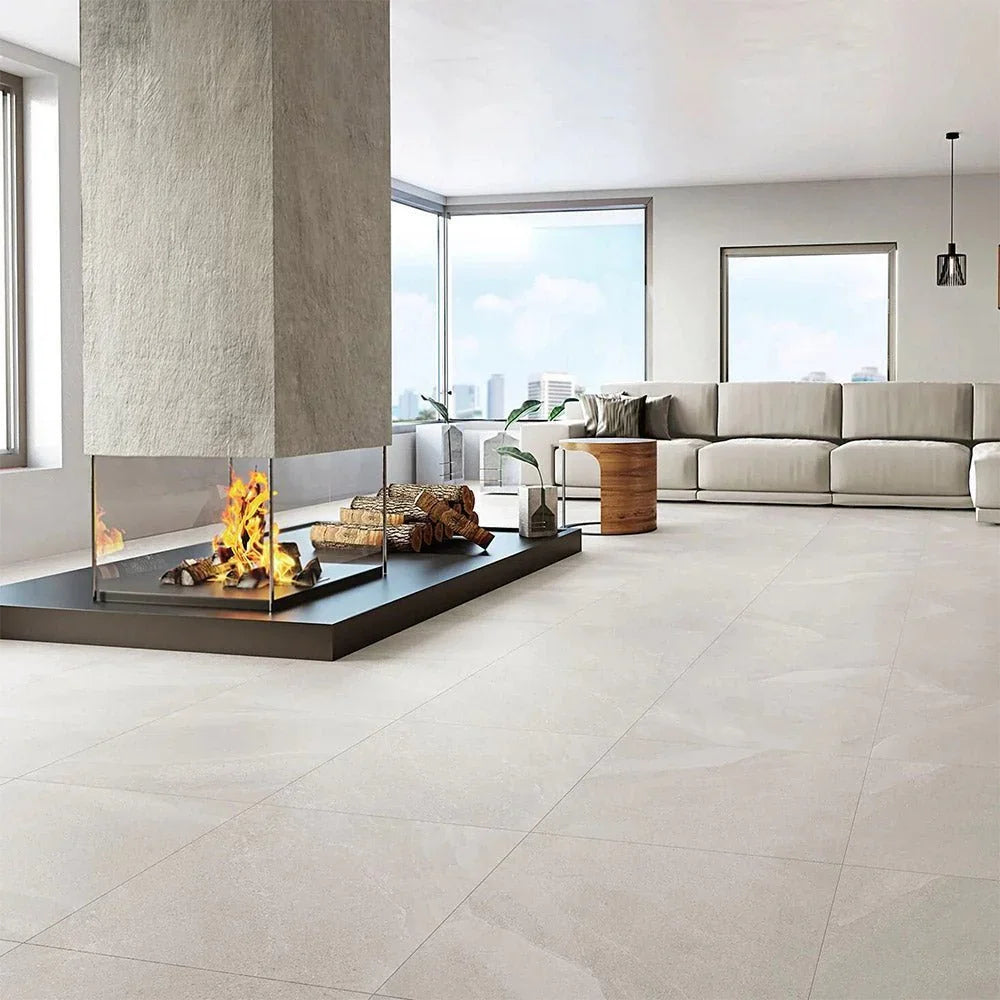

Muiz White Porcelain Tile 60 x 60cm
Choose your option
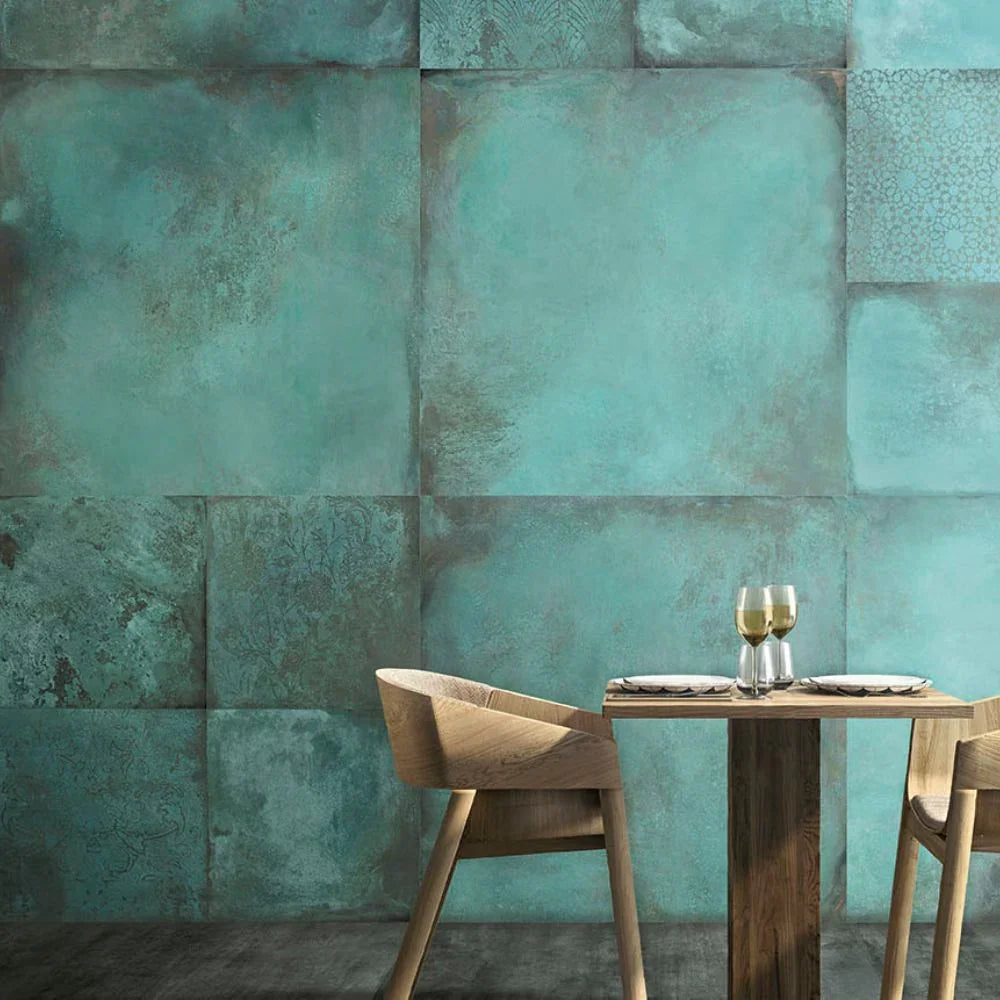

Treniz Mint Porcelain Tile
Choose your option
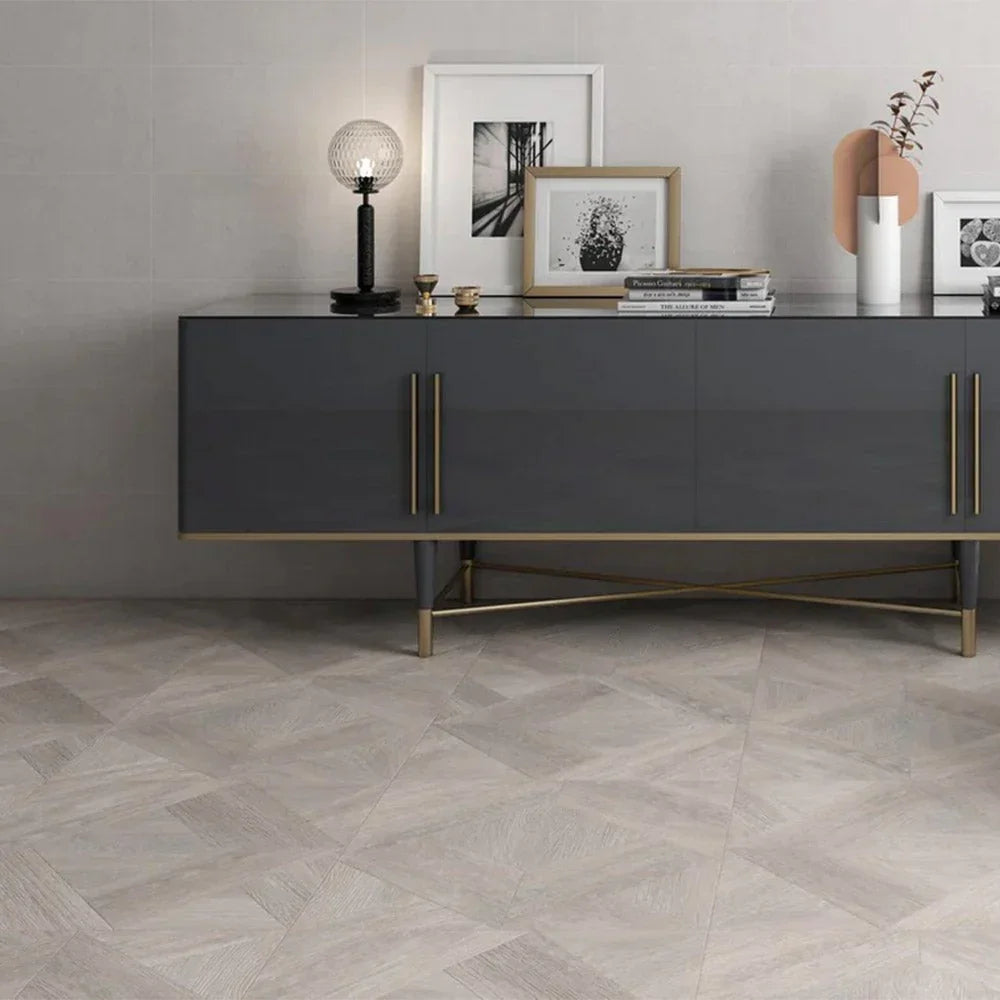
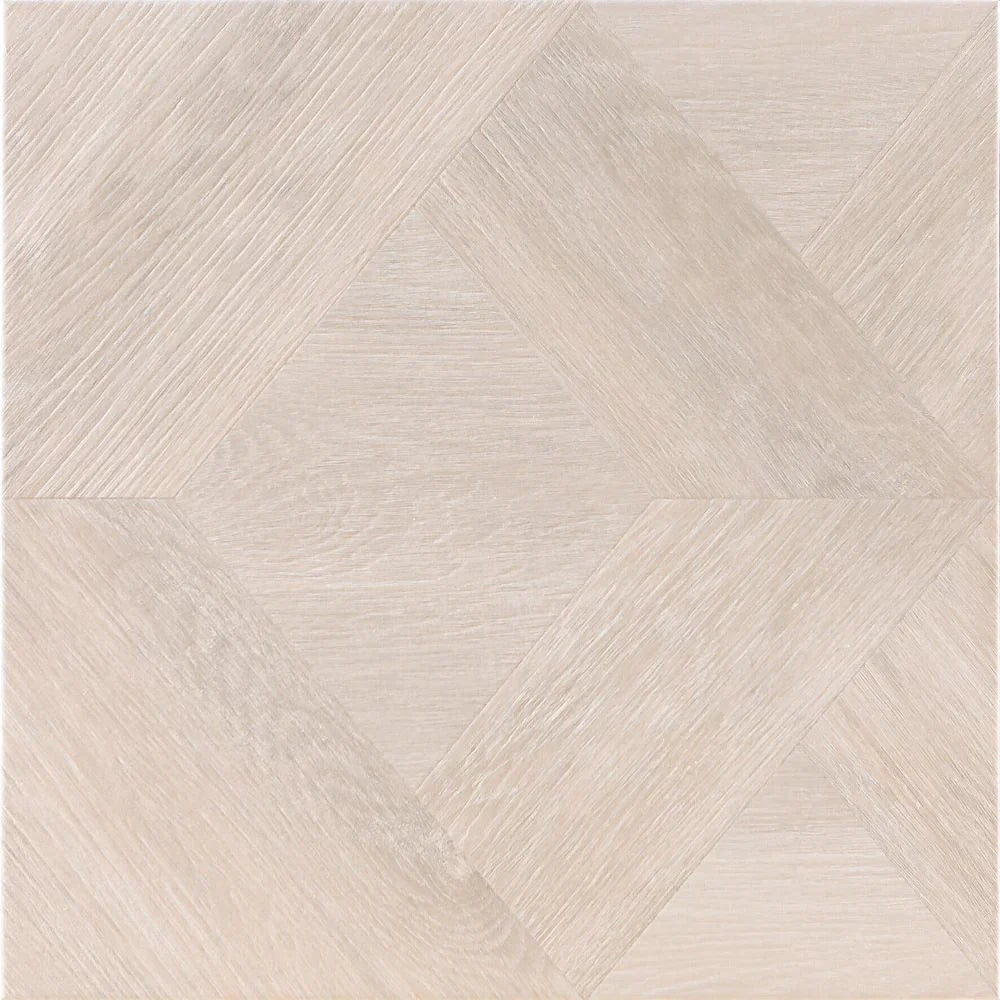
Green Park Bone Porcelain Tile 60 x 60cm
Choose your option
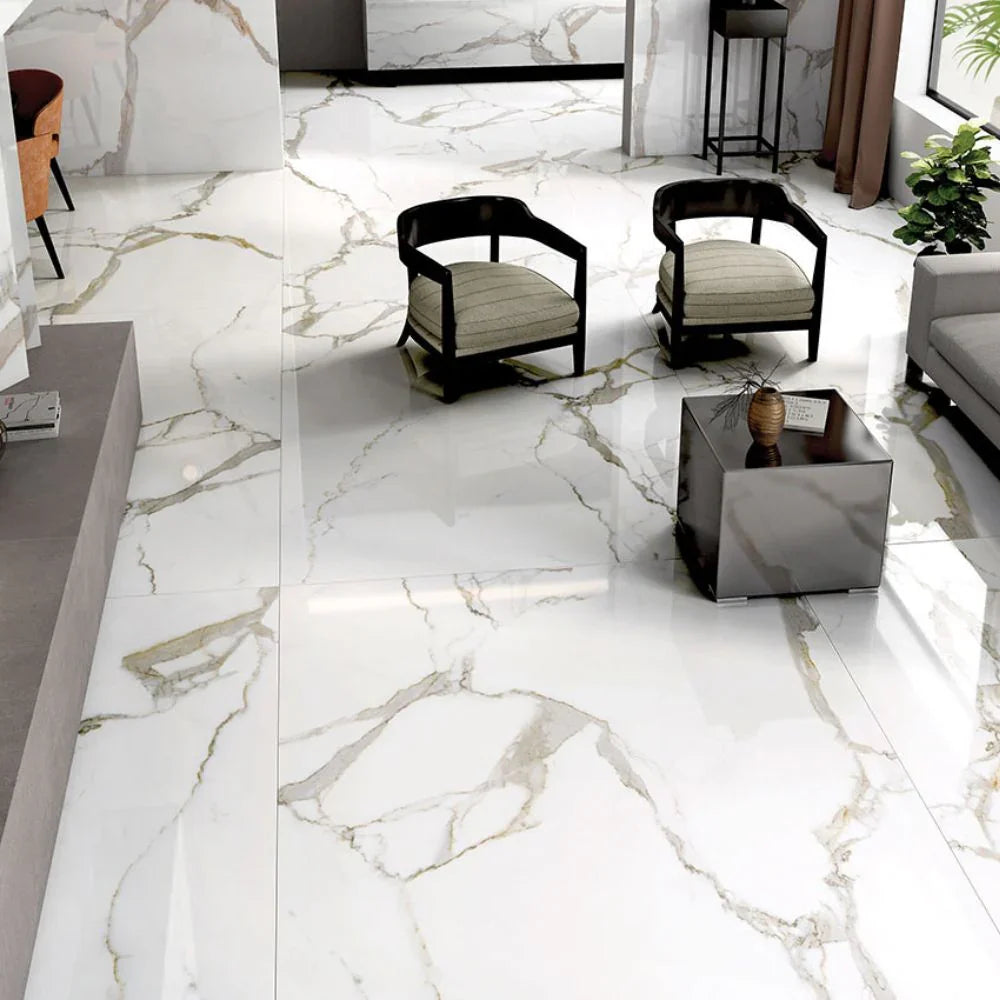
Roman White Marble Polished Porcelain Tile 80 x 80cm
Choose your option
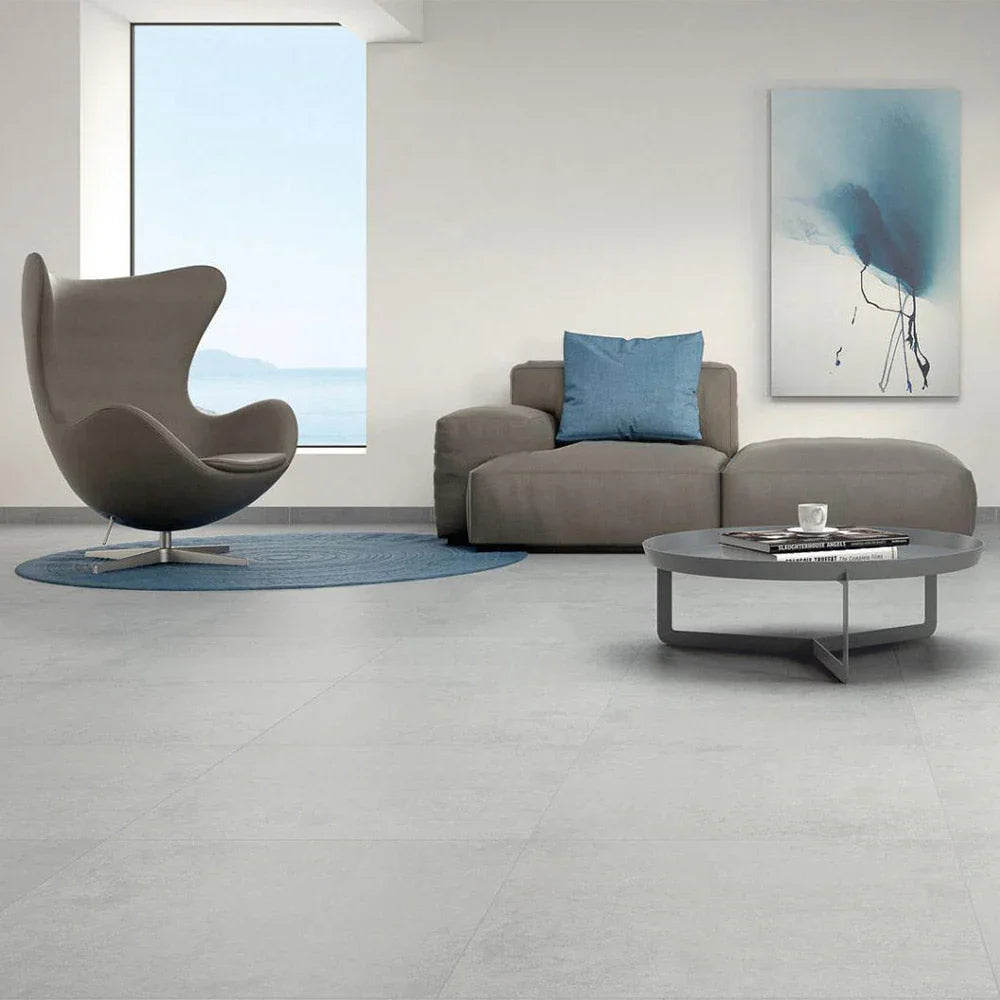

Triumph Riga Pearl Porcelain Tile 60 x 60cm
Choose your option


Azzura White Porcelain Tile
Choose your option


Azzura Taupe Porcelain Tile
Choose your option


Nieve Grey Porcelain Tile 60 x 60cm
Choose your option


Revolution RLV Perla Concrete Effect Porcelain Tile 30.3 x 61.3cm
Choose your option

Pro-Tech Grey 6mm Porcelain Tile 60 x 120cm
Choose your option
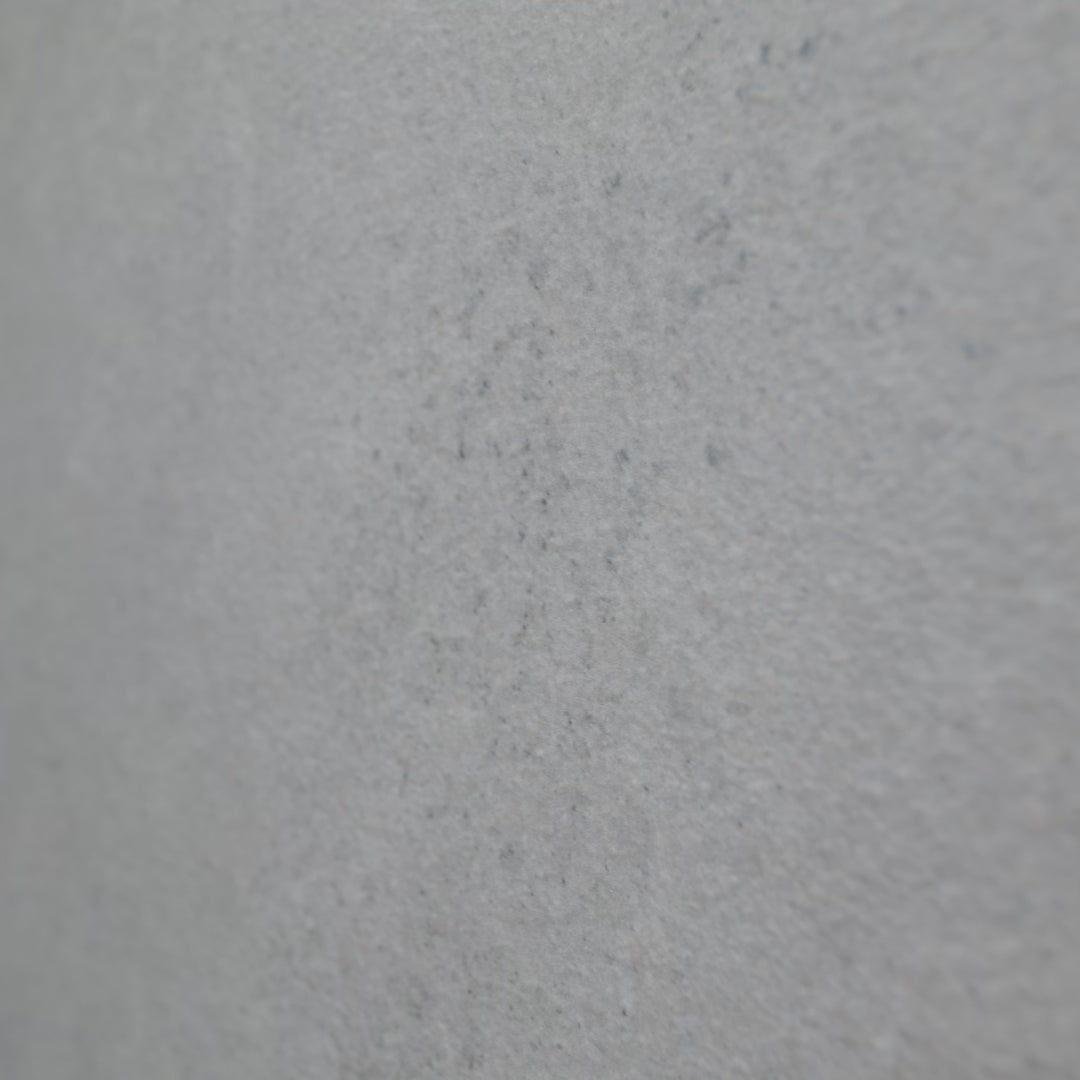
Arch-Tech Grey Porcelain Tile 120 x 120cm
Choose your option

Arch-Tech Sand Porcelain Tile 120 x 120cm
Choose your option
Mosa White Porcelain Tile
Choose your option
Paris Smoke Porcelain Tile
Choose your option
Neptune Marble White Porcelain Tile
Choose your option
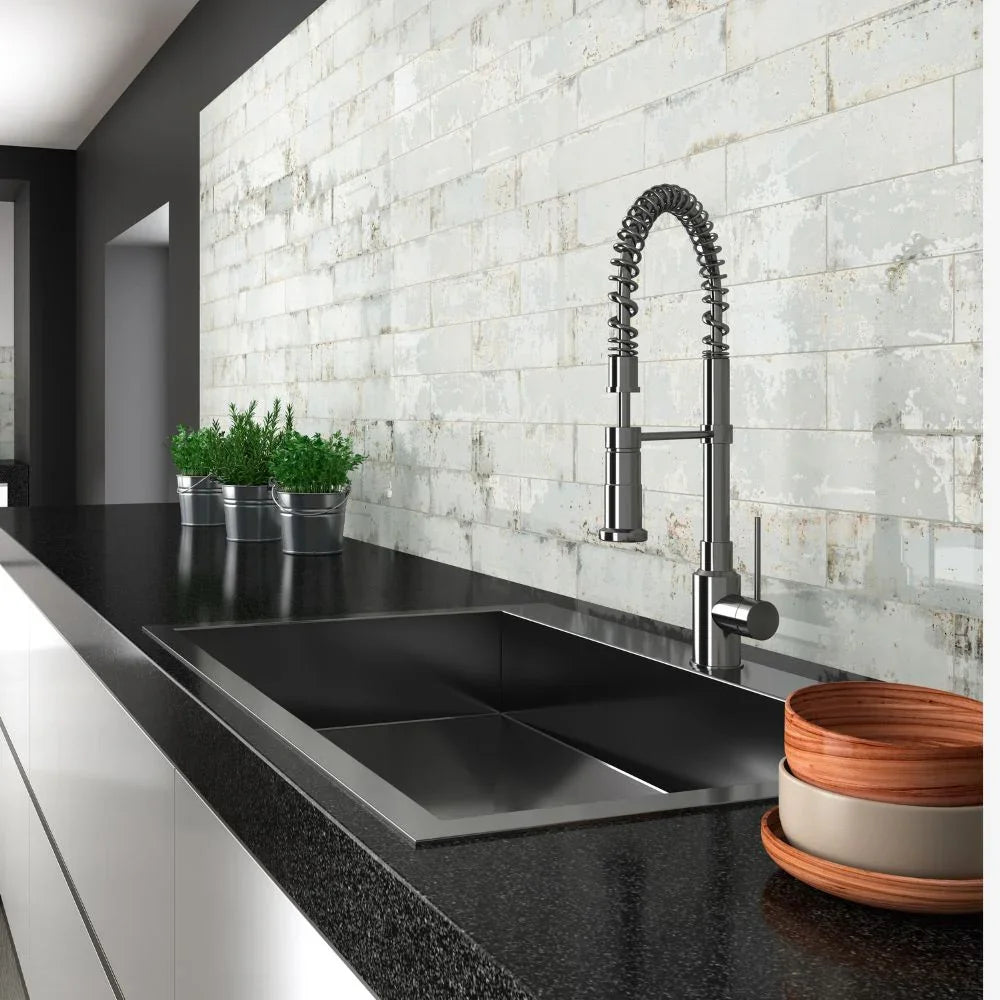
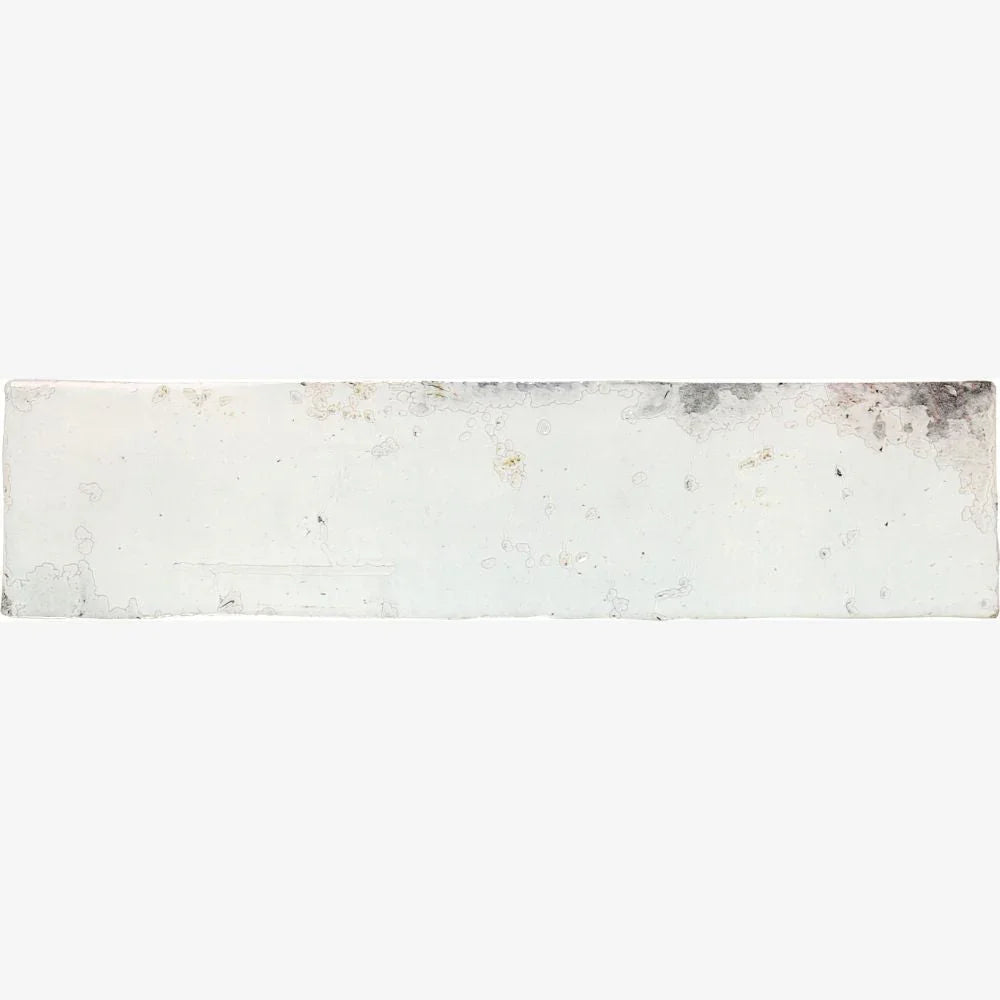
Iron Ore Subway Tile 7.5 x 30cm
Choose your option
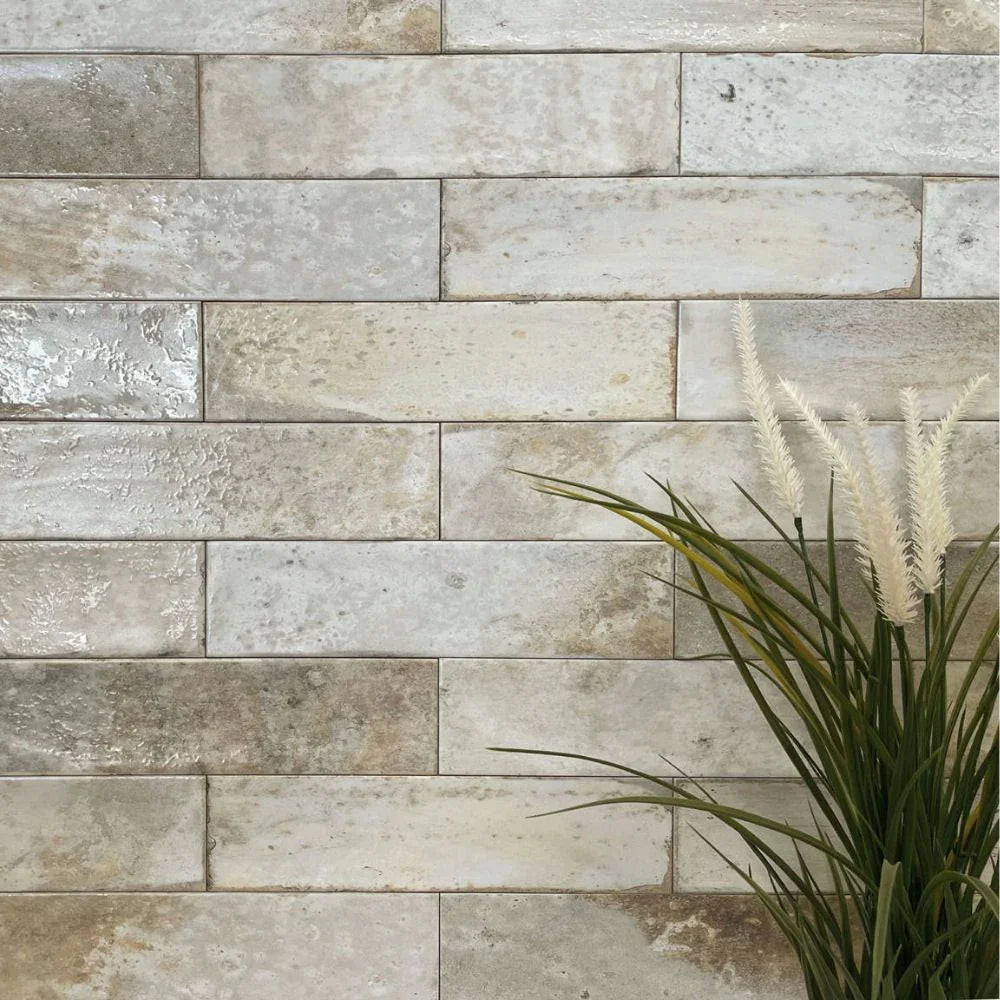
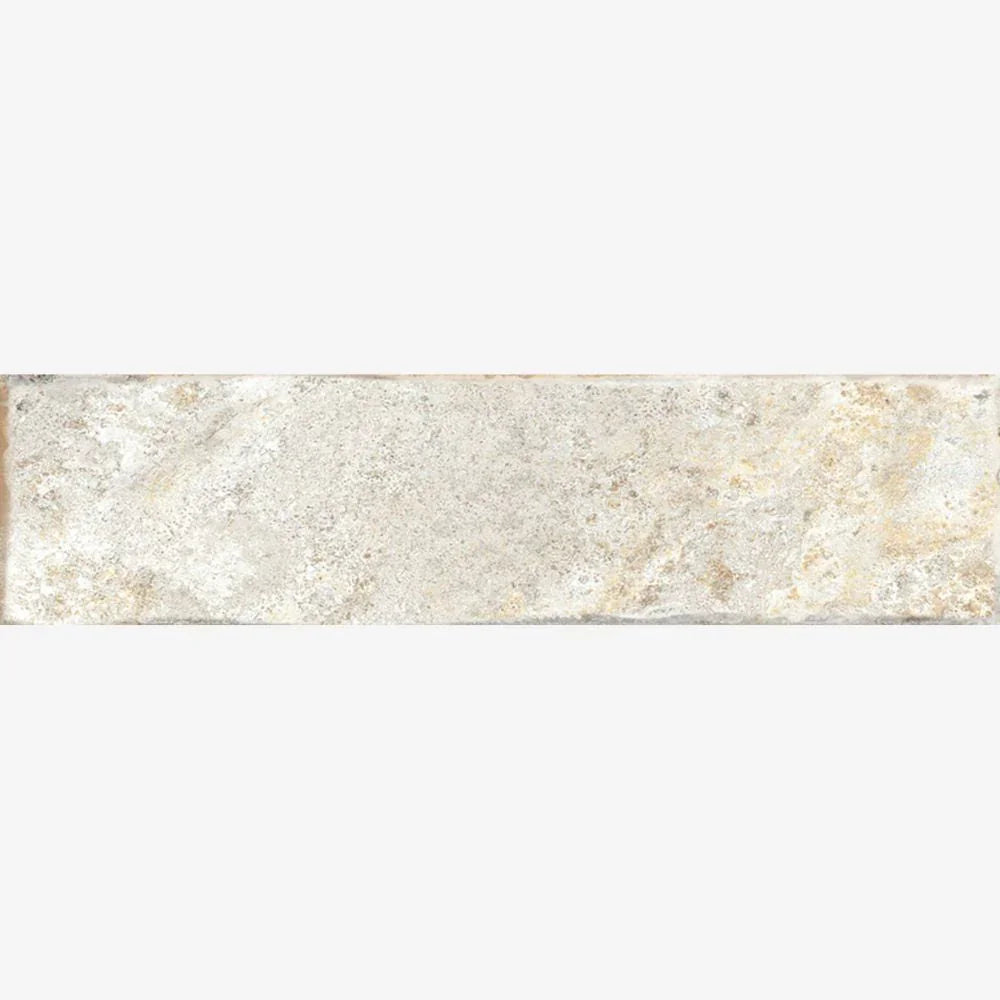
Alpi Beige Subway Tile 7.5 x 30cm
Choose your option
Dorset Bone Porcelain Tile 80 x 80cm
Choose your option
Muiz White Porcelain Tile 60 x 60cm
Choose your option
Treniz Mint Porcelain Tile
Choose your option
Paris Smoke Porcelain Tile
Choose your option
Neptune Marble White Porcelain Tile
Choose your option
Roman White Marble Polished Porcelain Tile 80 x 80cm
Choose your option
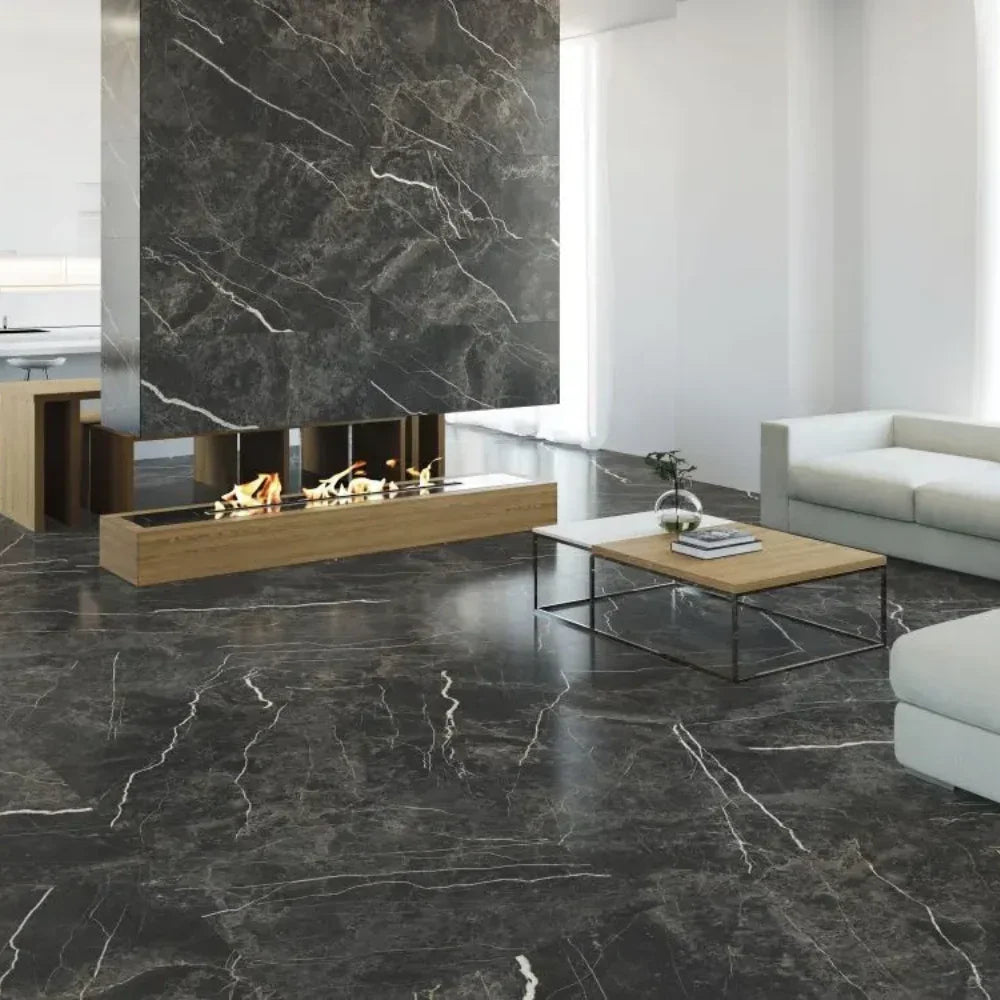
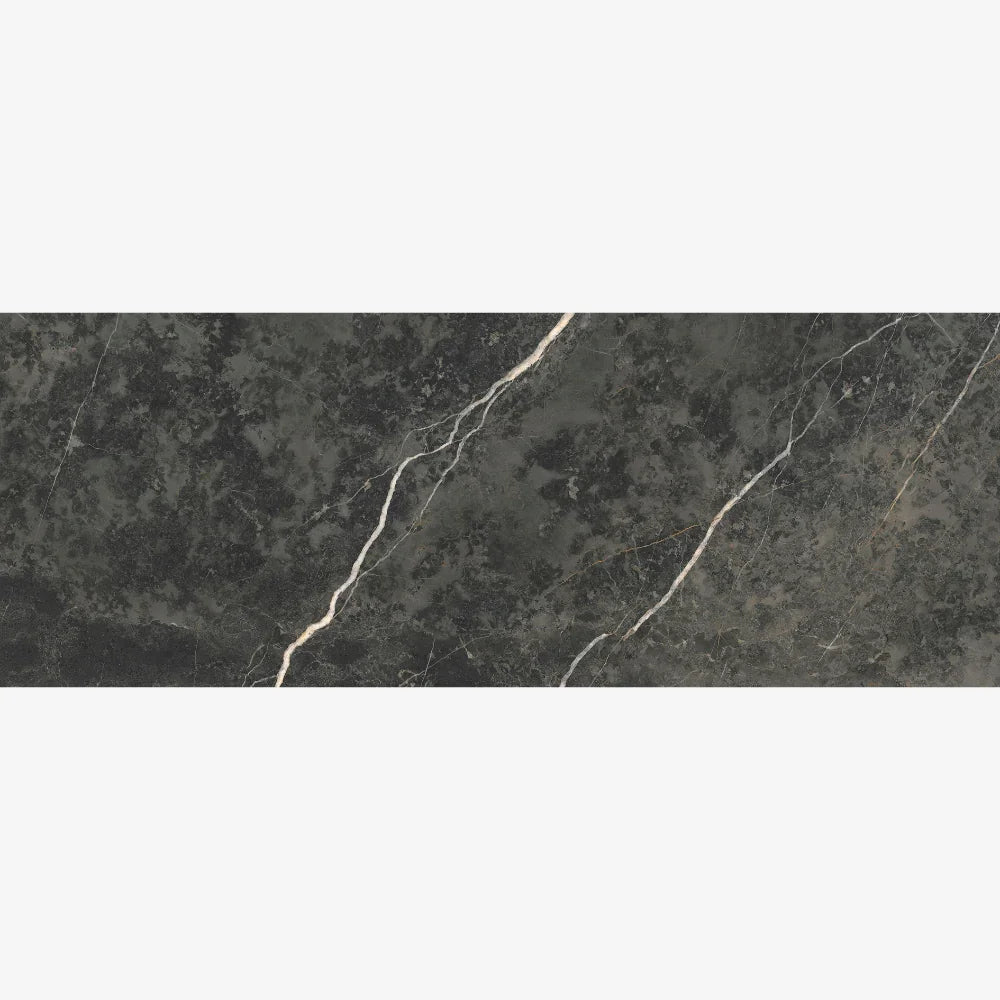
Charming Black Marble Porcelain Tile 90 x 90cm
Choose your option
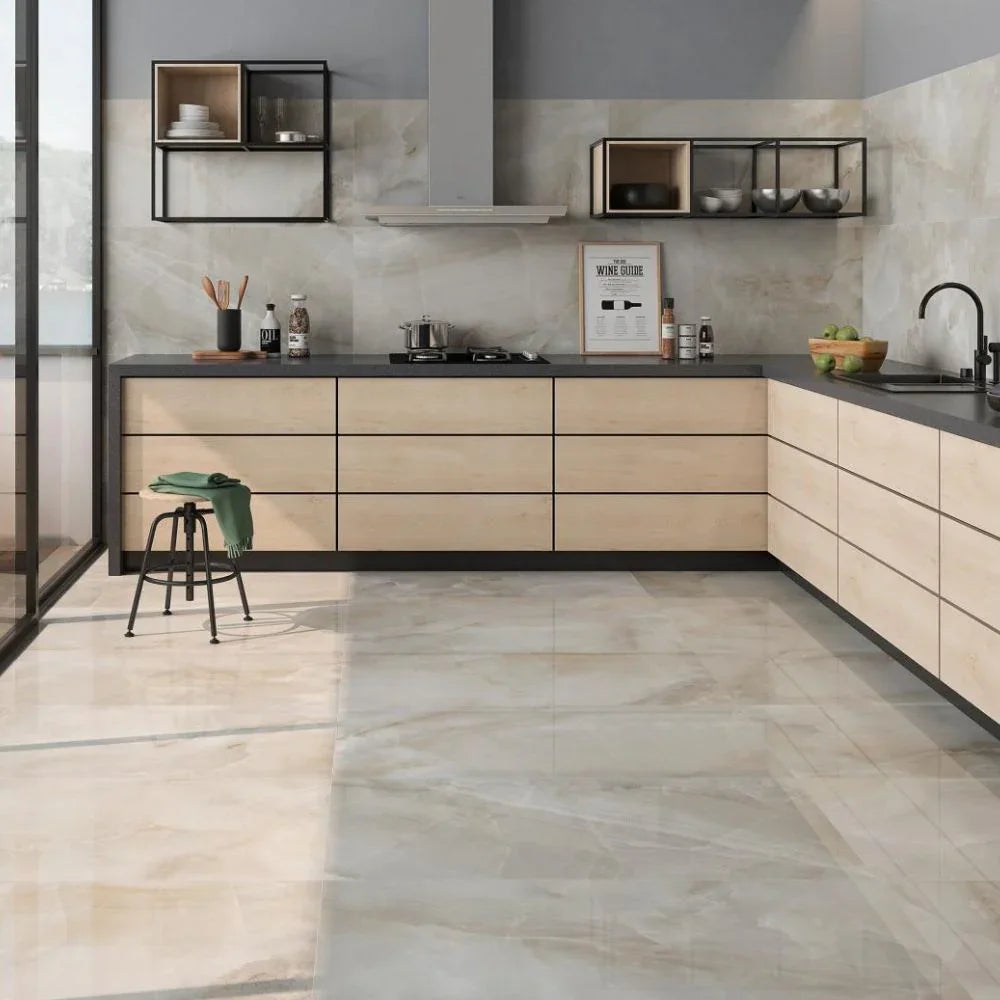
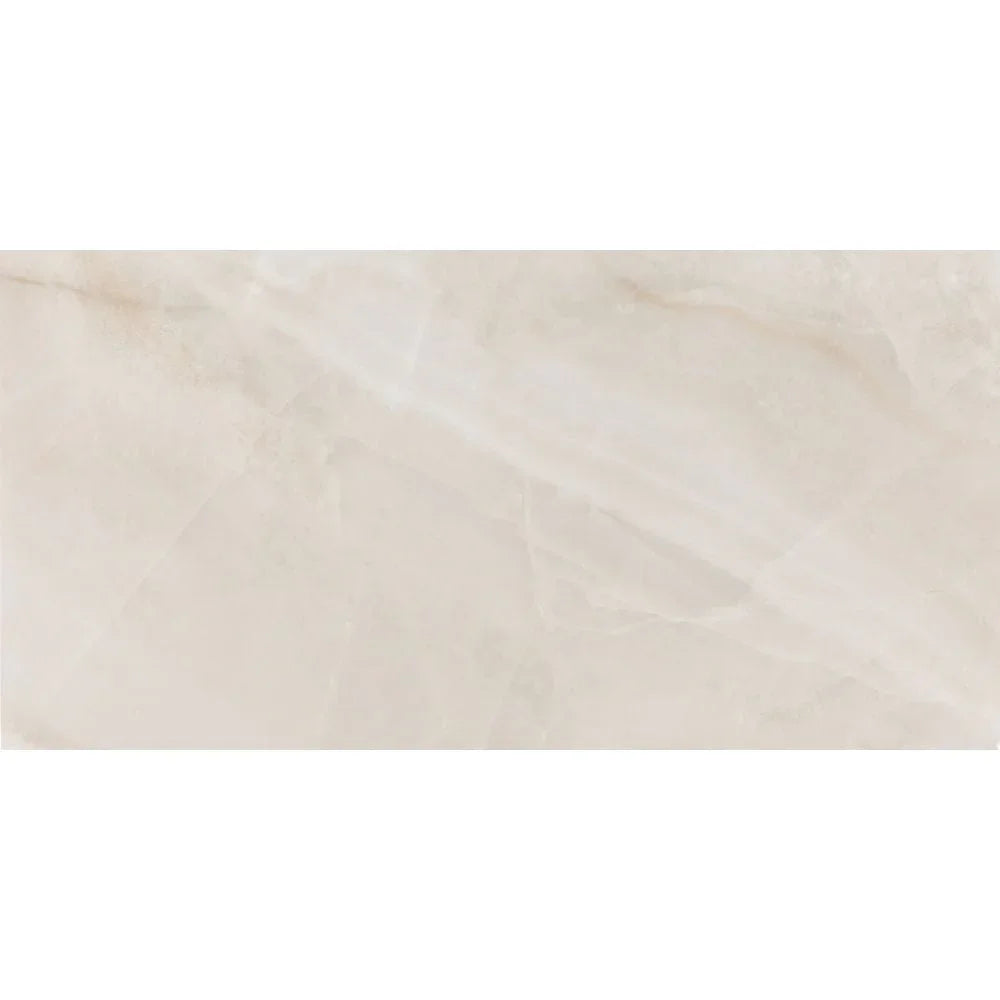
Nichet Beige Porcelain Tile 60 x 120cm
Choose your option
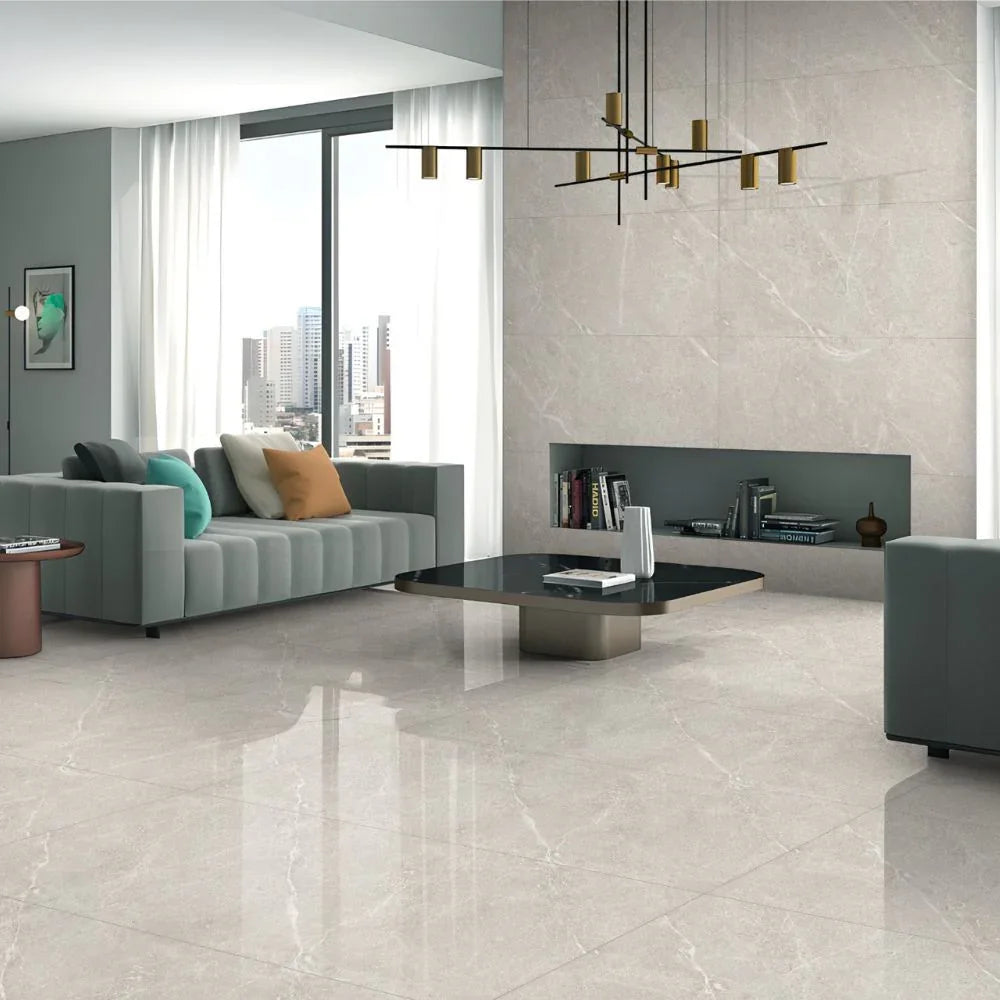
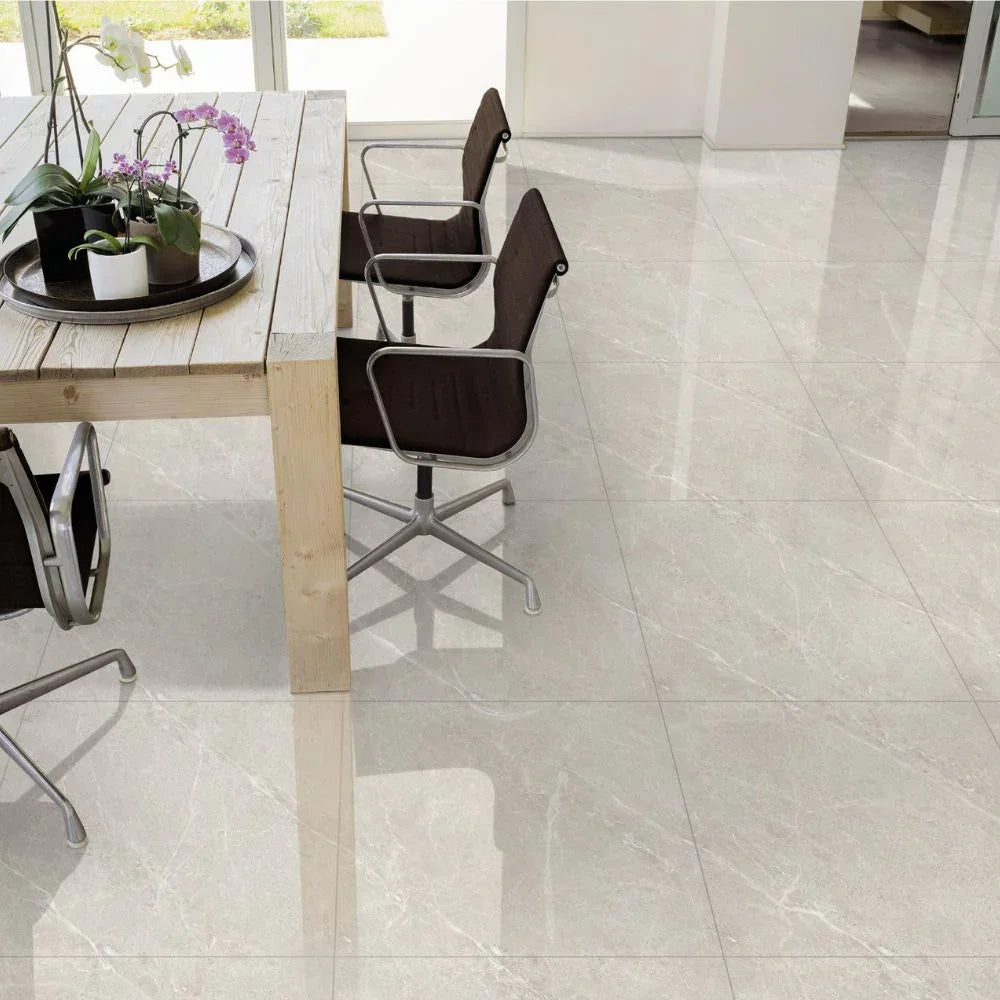
Alcantras Marble Porcelain Tile 60 x 60cm
Choose your option
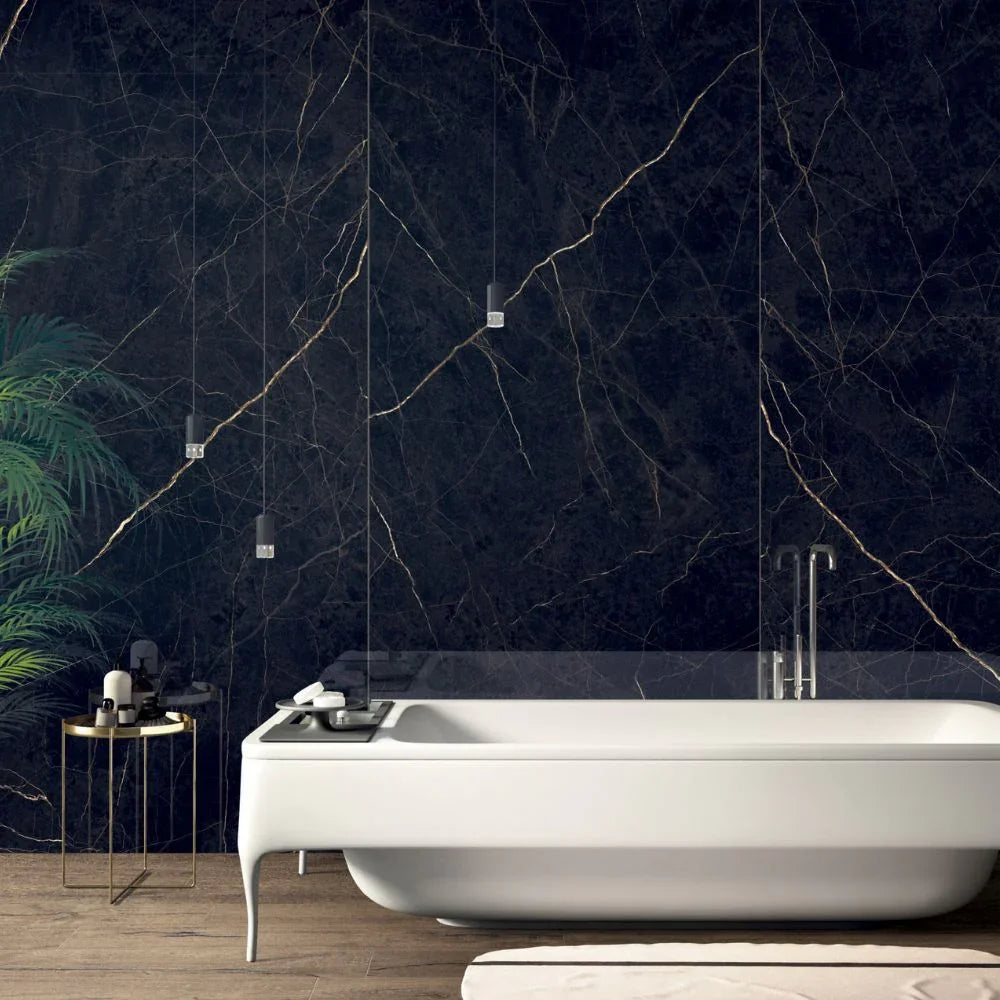
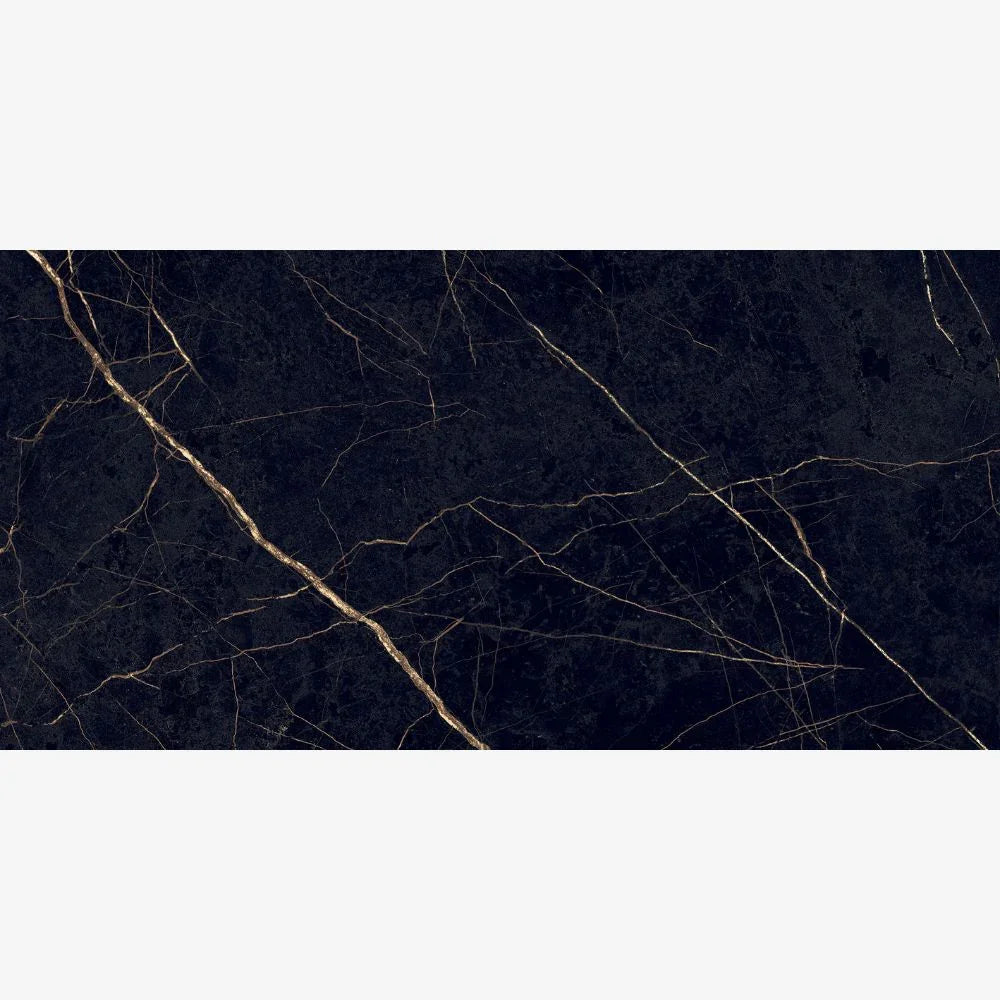
Evolvere Black / Gold Porcelain Tile 60 x 120cm
Choose your option
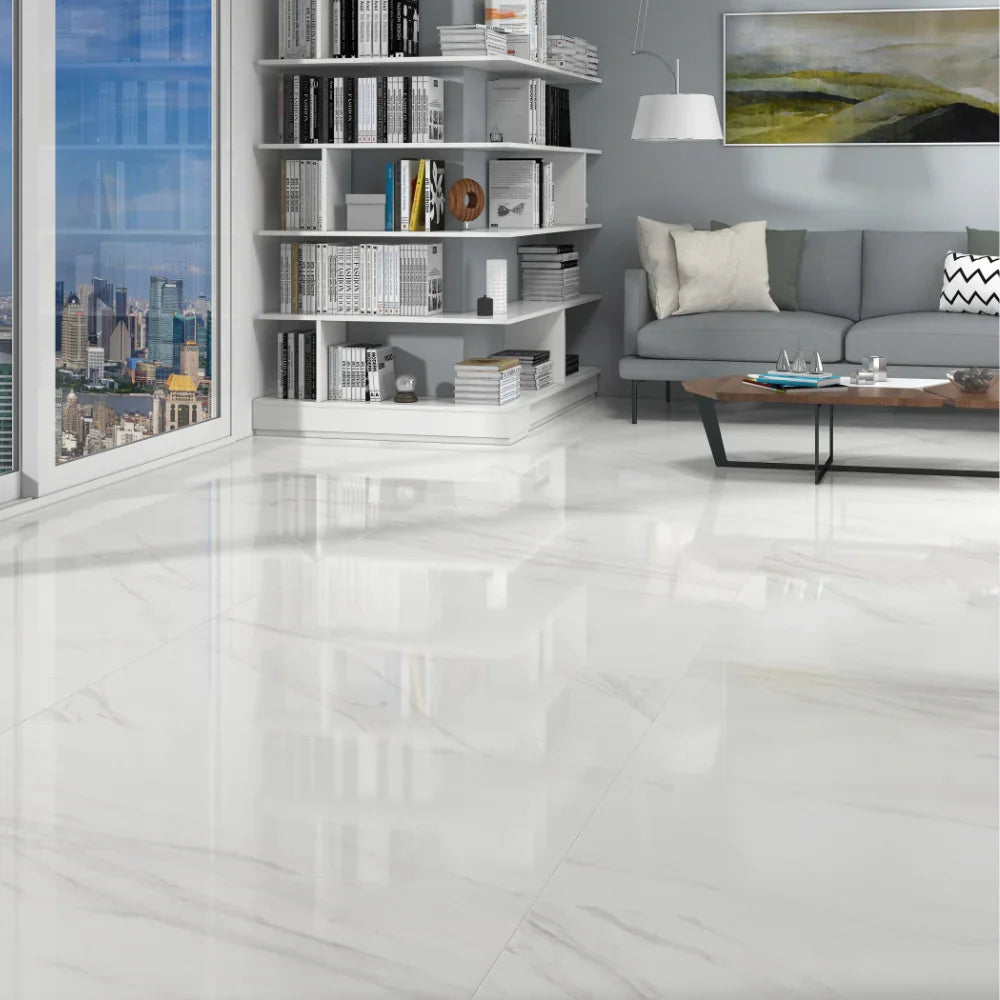
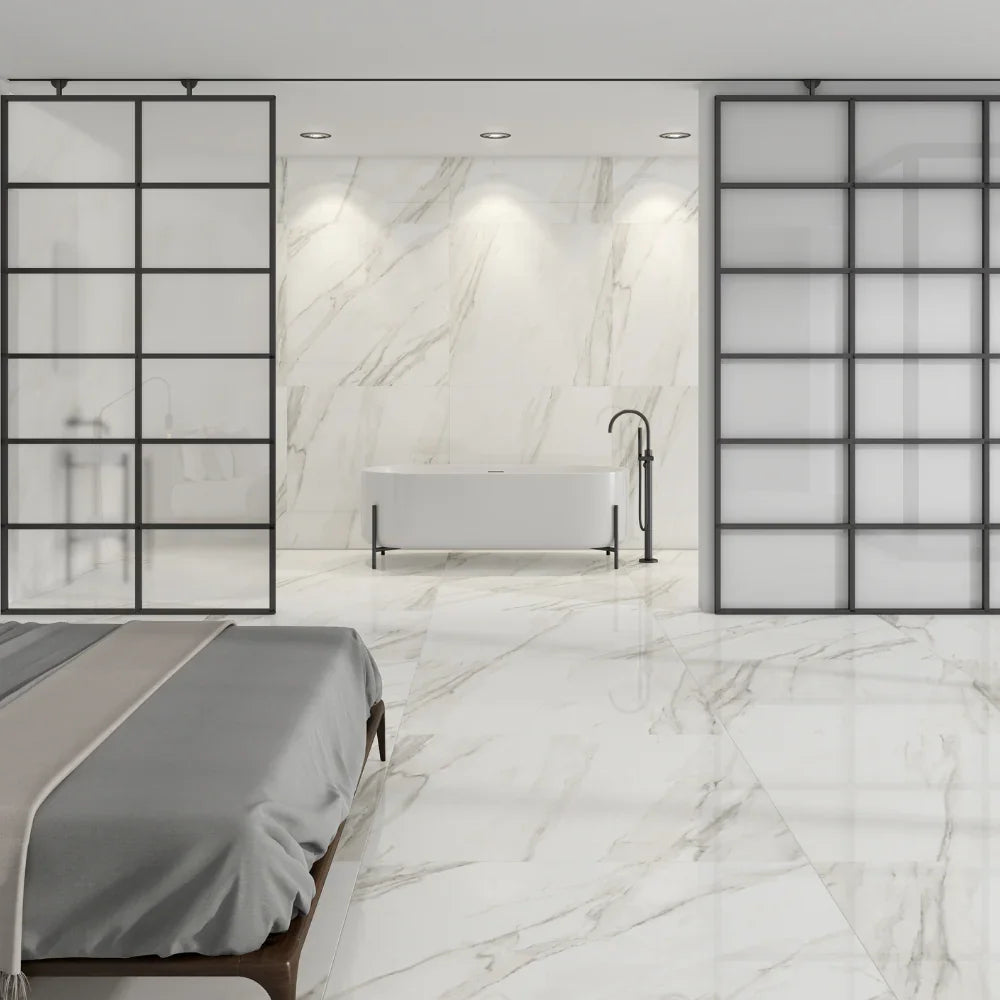
Calacata Mechida White Marble Porcelain Tile
Choose your option
Mosa White Porcelain Tile
Choose your option
Paris Smoke Porcelain Tile
Choose your option
Neptune Marble White Porcelain Tile
Choose your option
Dorset Bone Porcelain Tile 80 x 80cm
Choose your option
Treniz Mint Porcelain Tile
Choose your option
Roman White Marble Polished Porcelain Tile 80 x 80cm
Choose your option
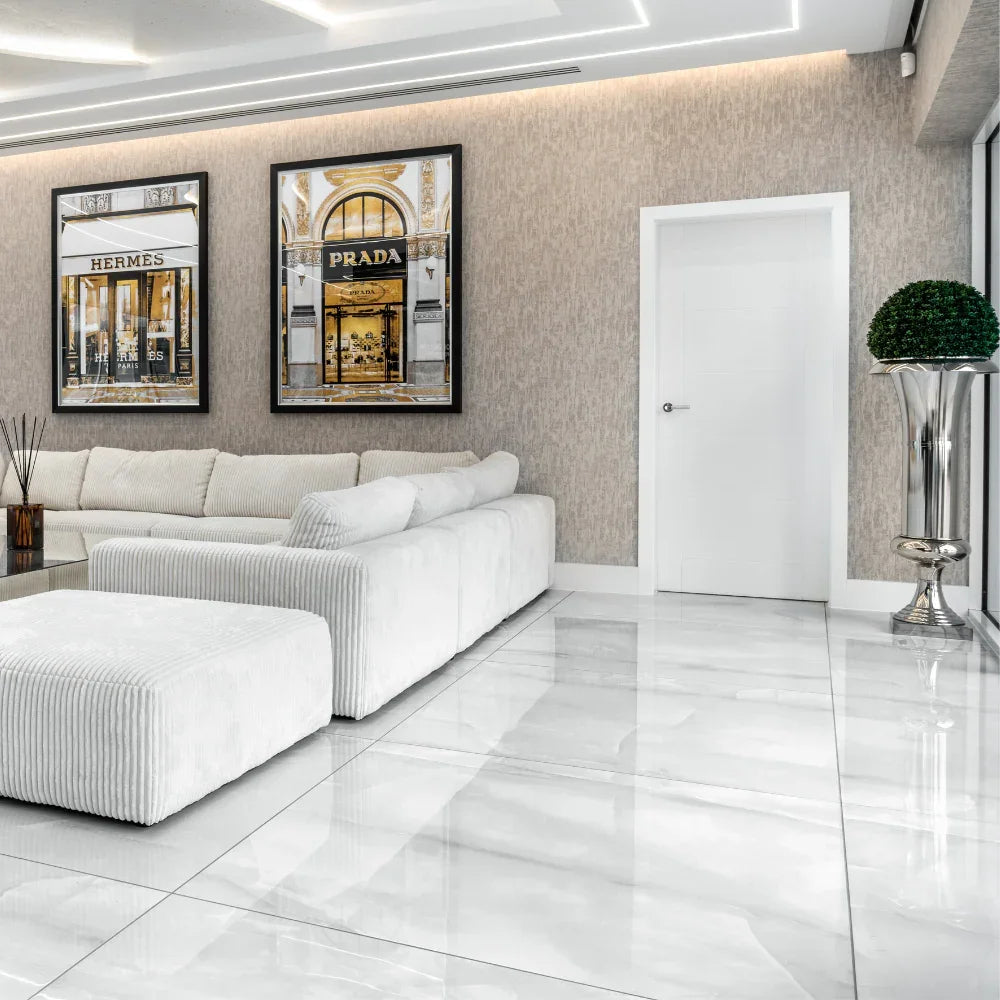
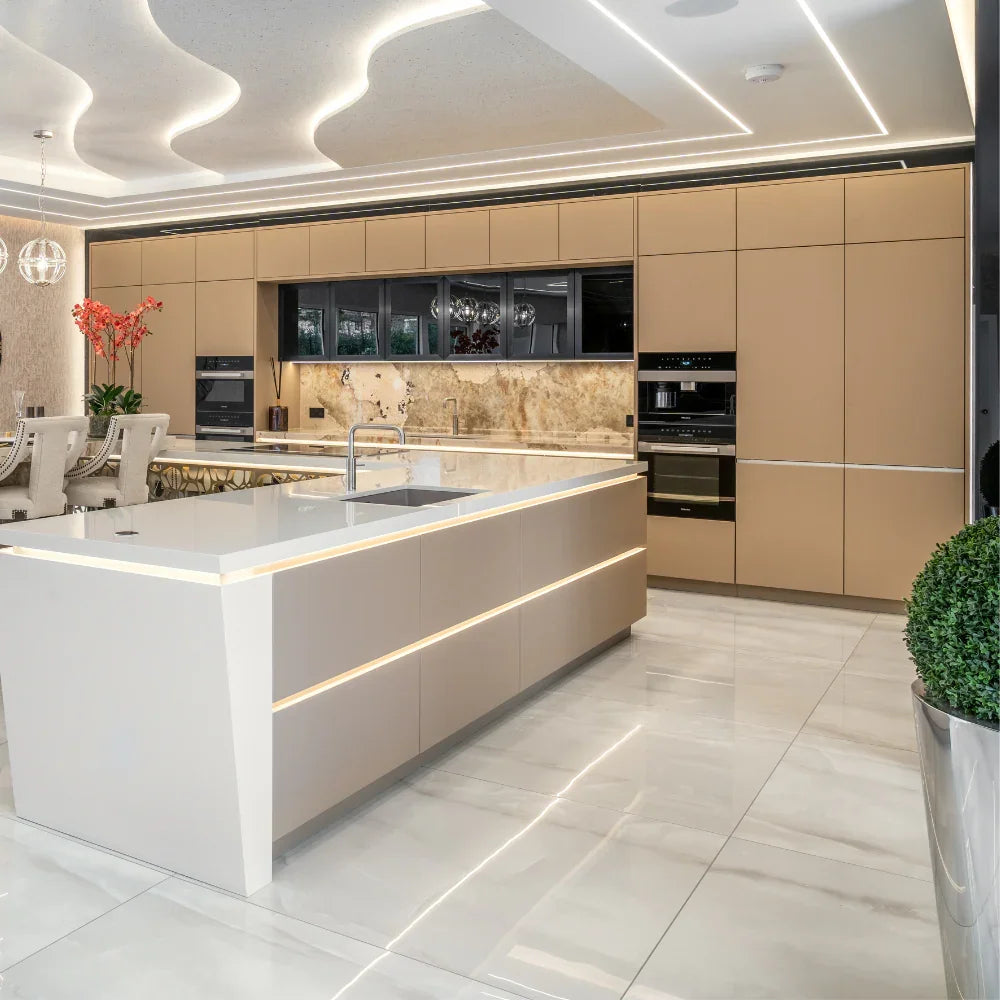
Madre White Porcelain Tile
Choose your option
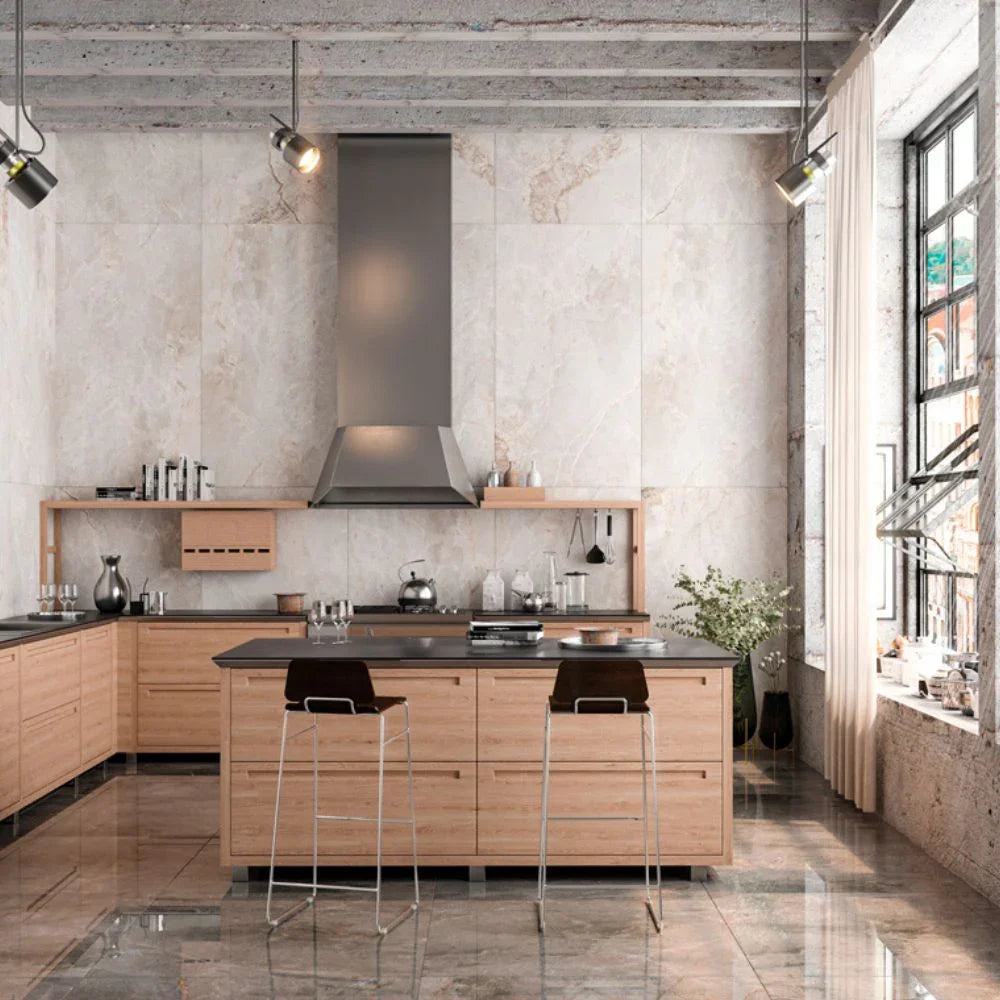
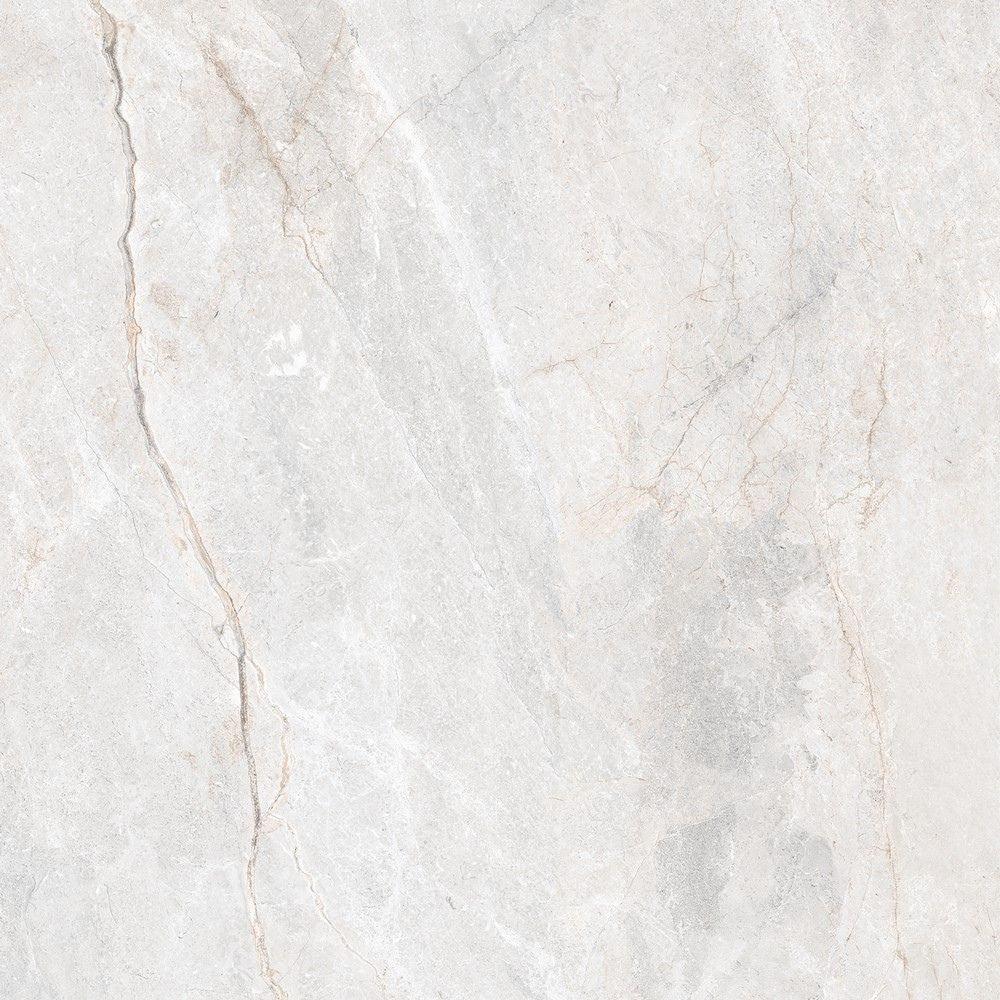
Tuscani Pearl Porcelain Tile
Choose your option
Muiz White Porcelain Tile 60 x 60cm
Choose your option
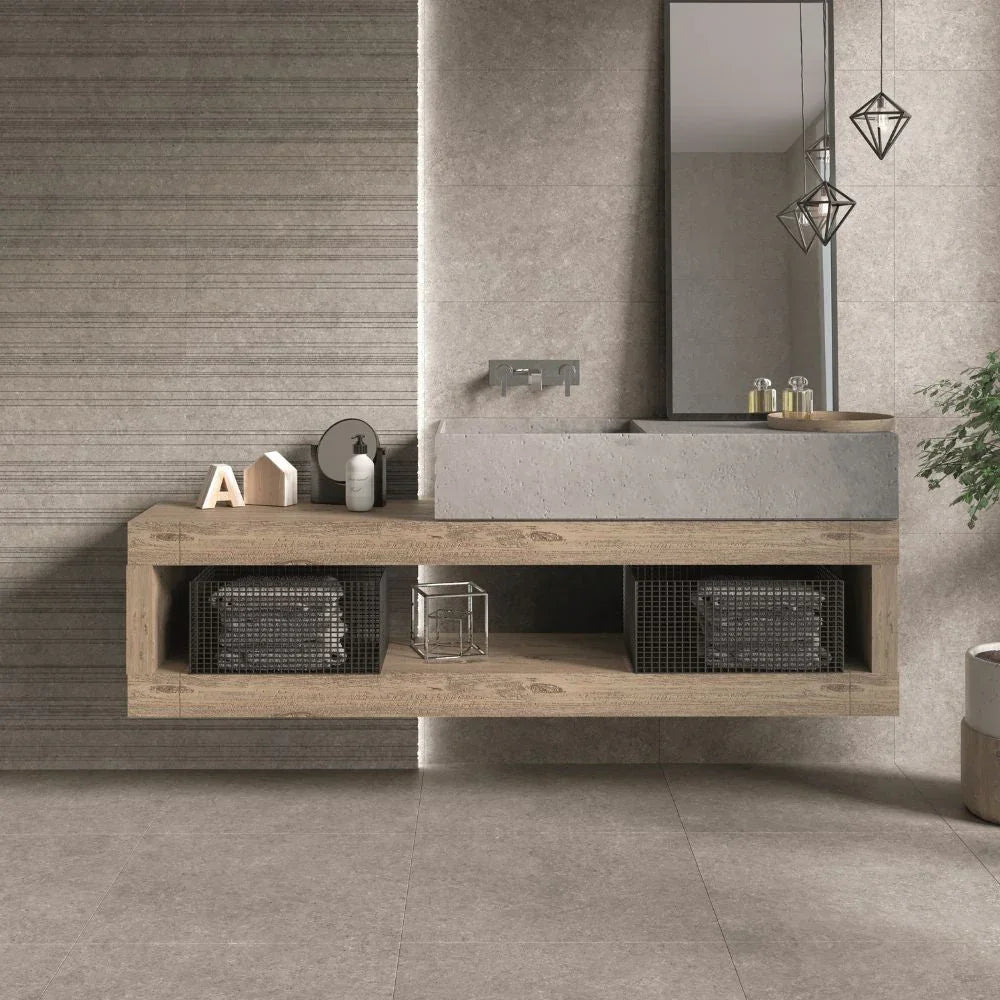
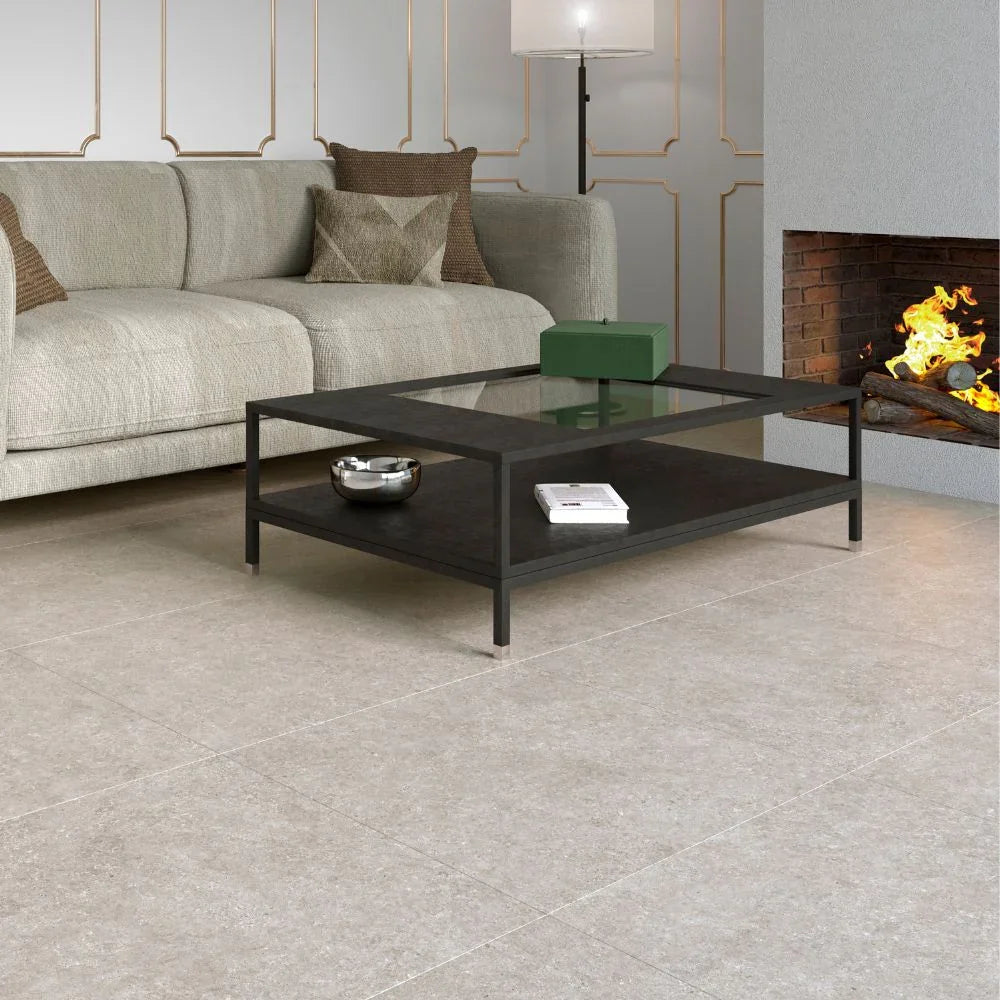
Townhall Taupe Porcelain Tile 30 x 60cm
Choose your option


Muiz Grey Porcelain Tile 60 x 60cm
Choose your option
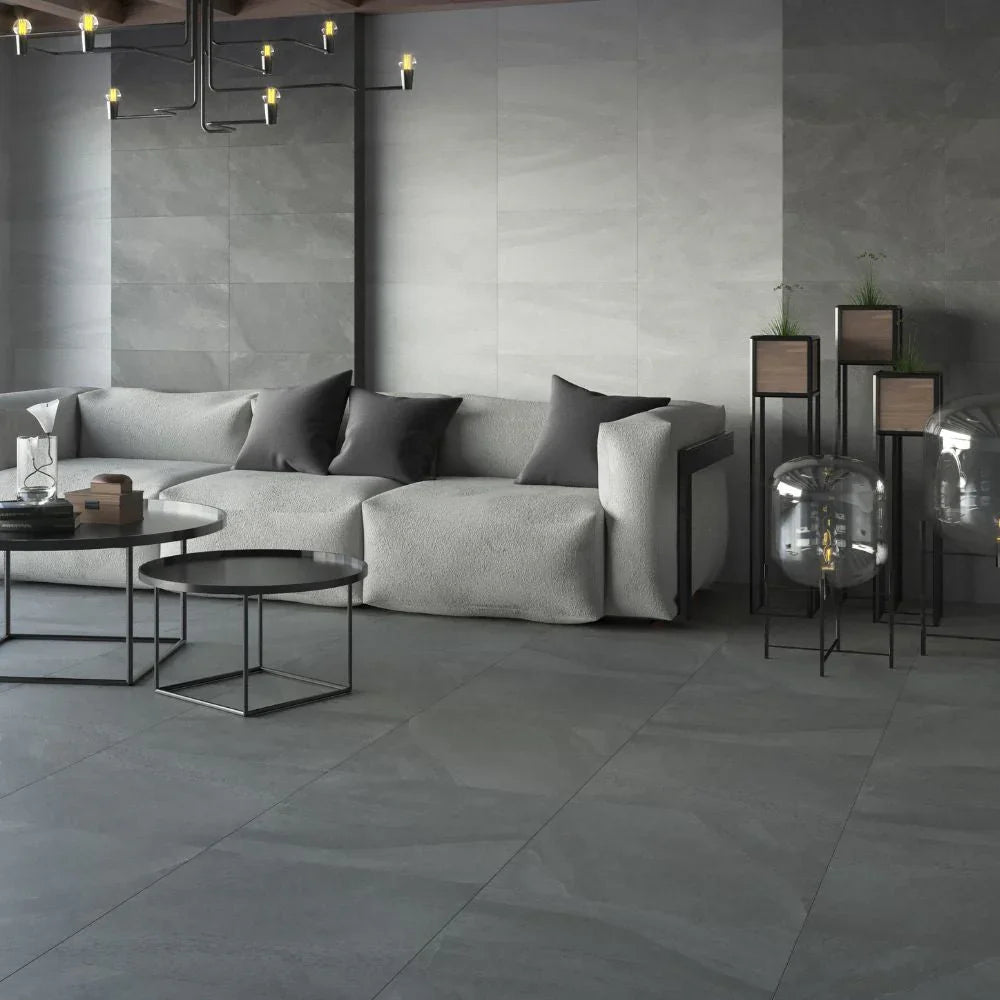
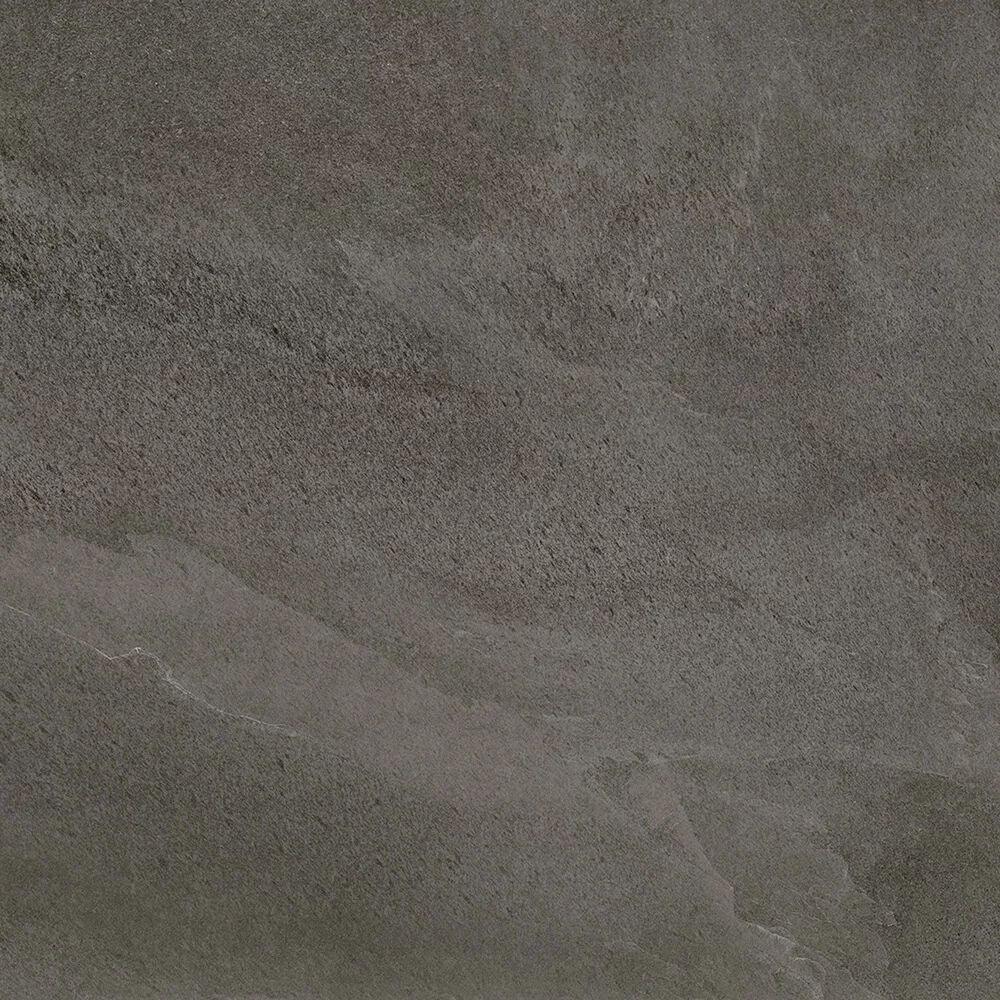
Muiz Dark Grey Porcelain Tile 60 x 60cm
Choose your option
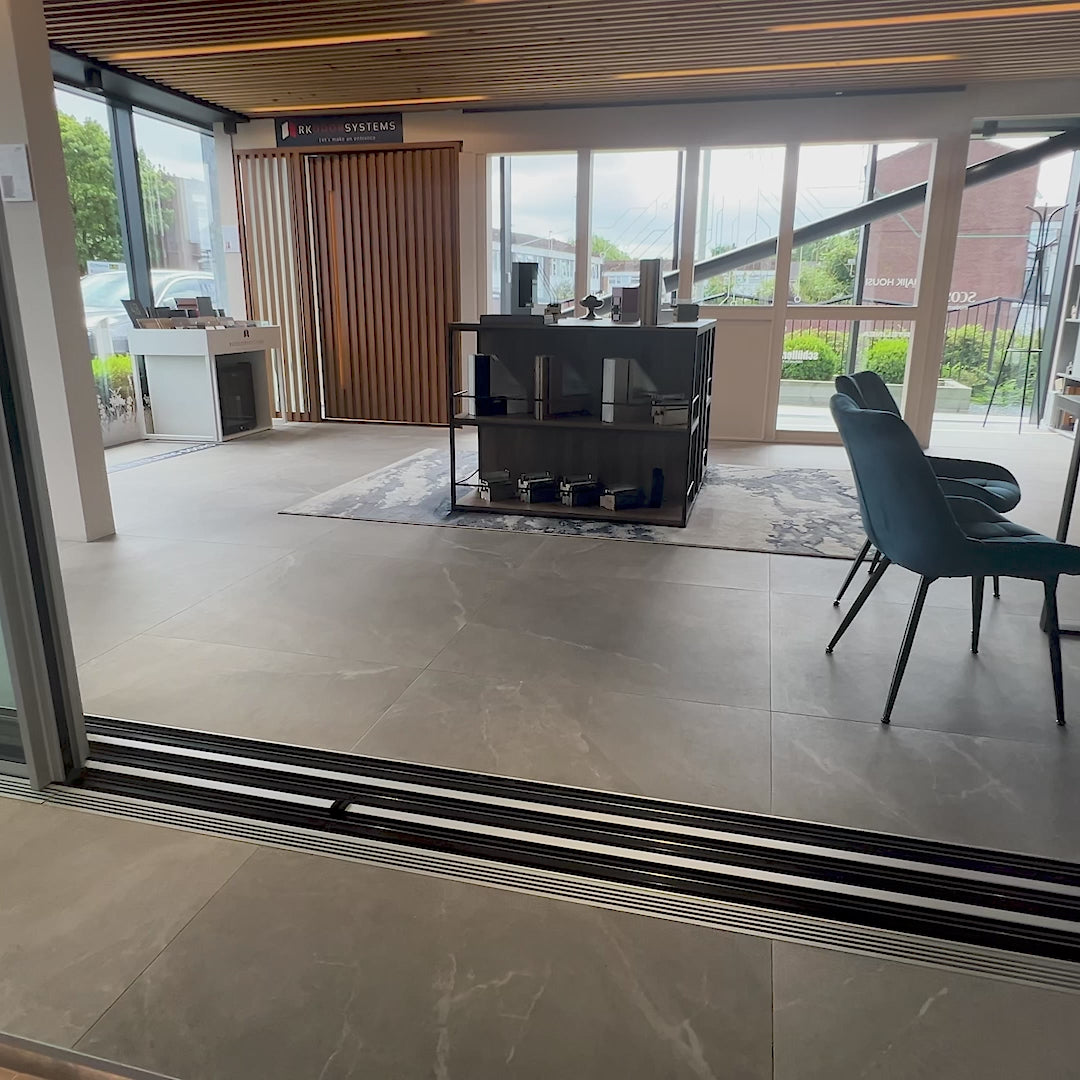
Baccoi Grey Porcelain Tile 100 x 100cm
Choose your option
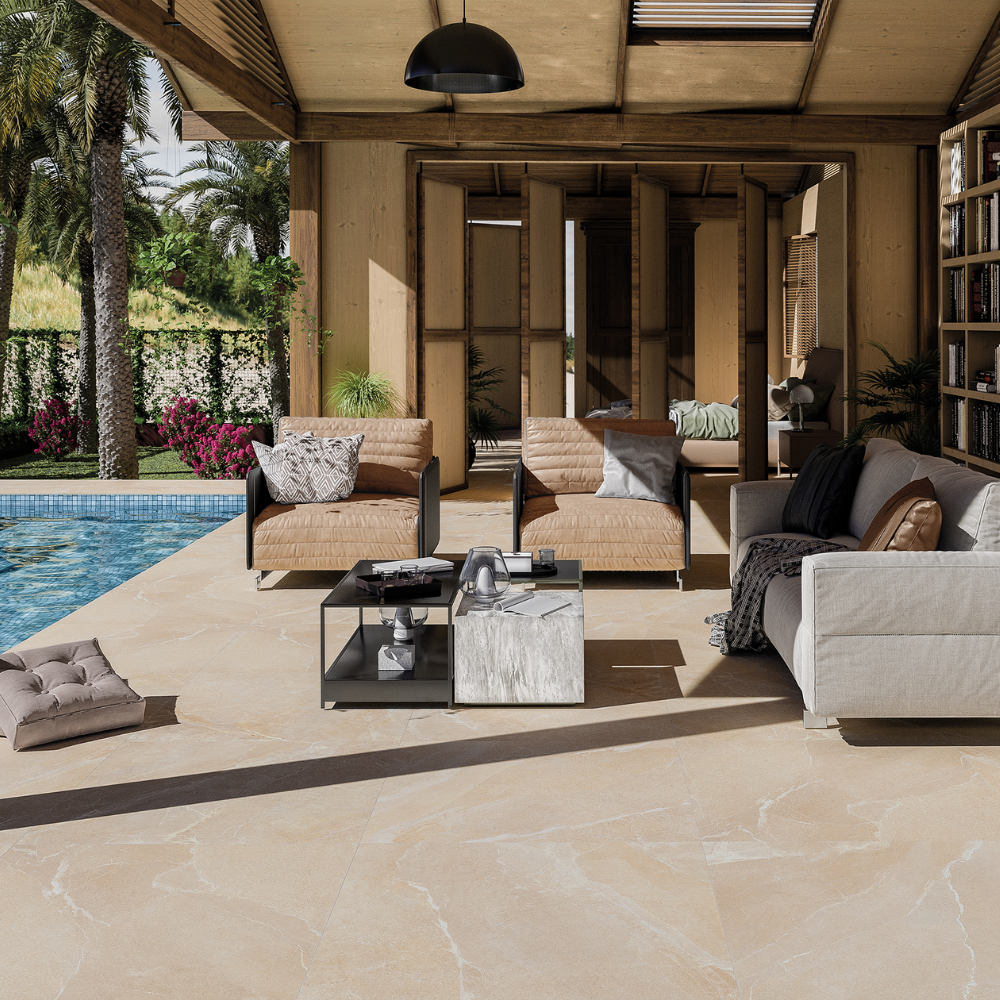
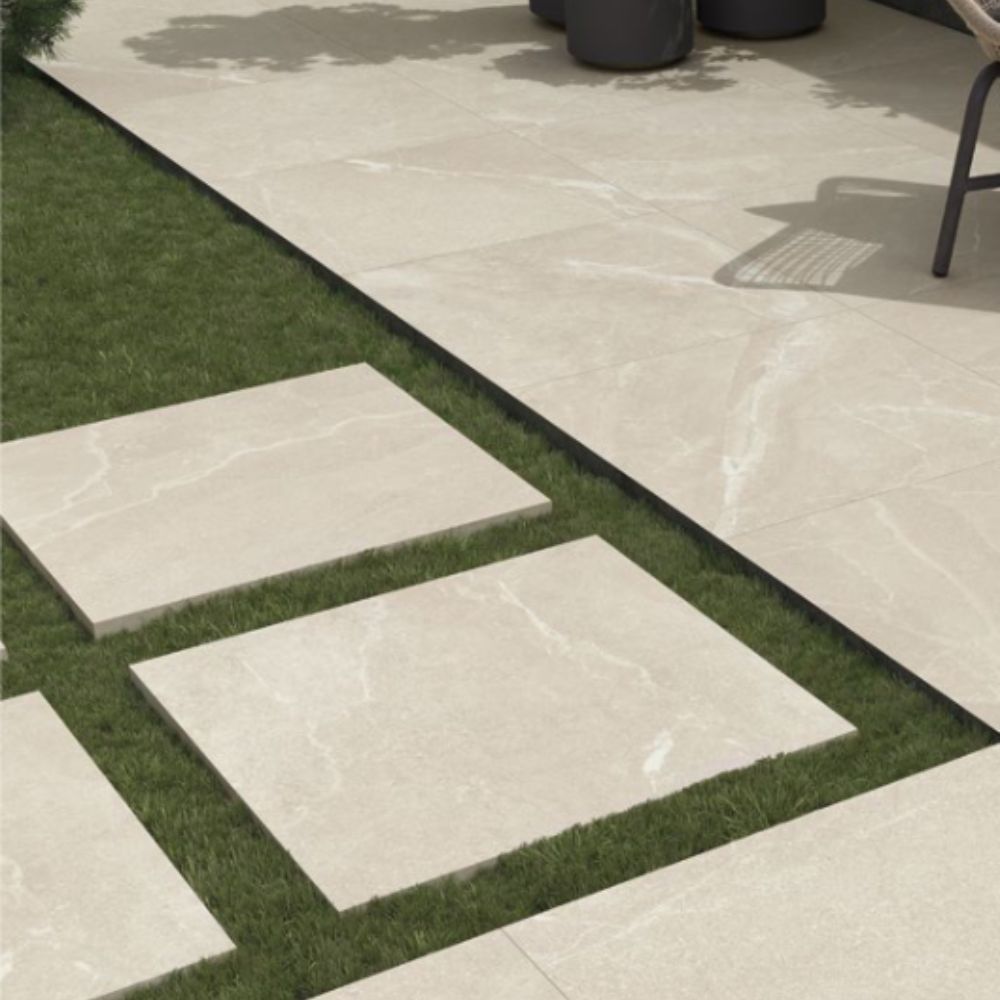
Baccoi Beige Porcelain Tile 100 x 100cm
Choose your option


Townhall White Porcelain Tile
Choose your option