
Collection:
Hexagonal Wall Tiles
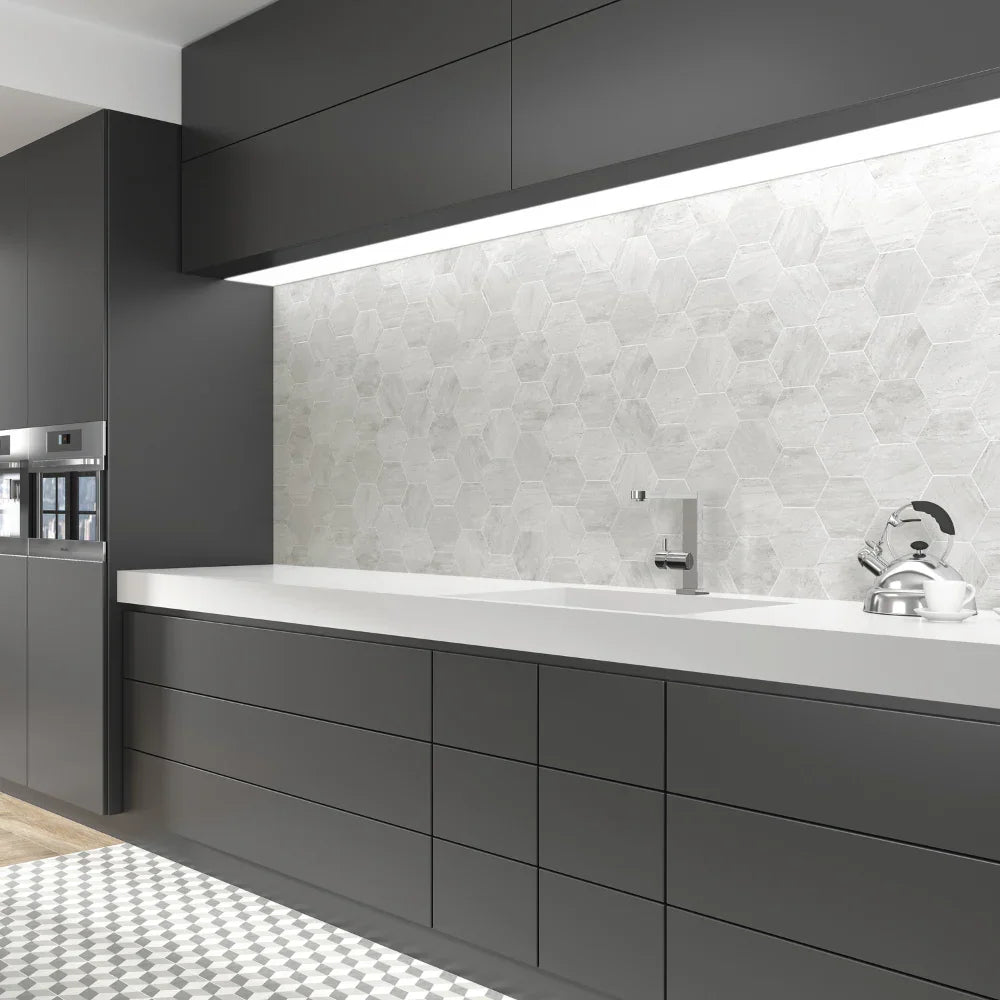
Hexagonal wall tiles in grey stone and white marble effect porcelain, for feature walls, shower niches and splashbacks.
2 products
Filter
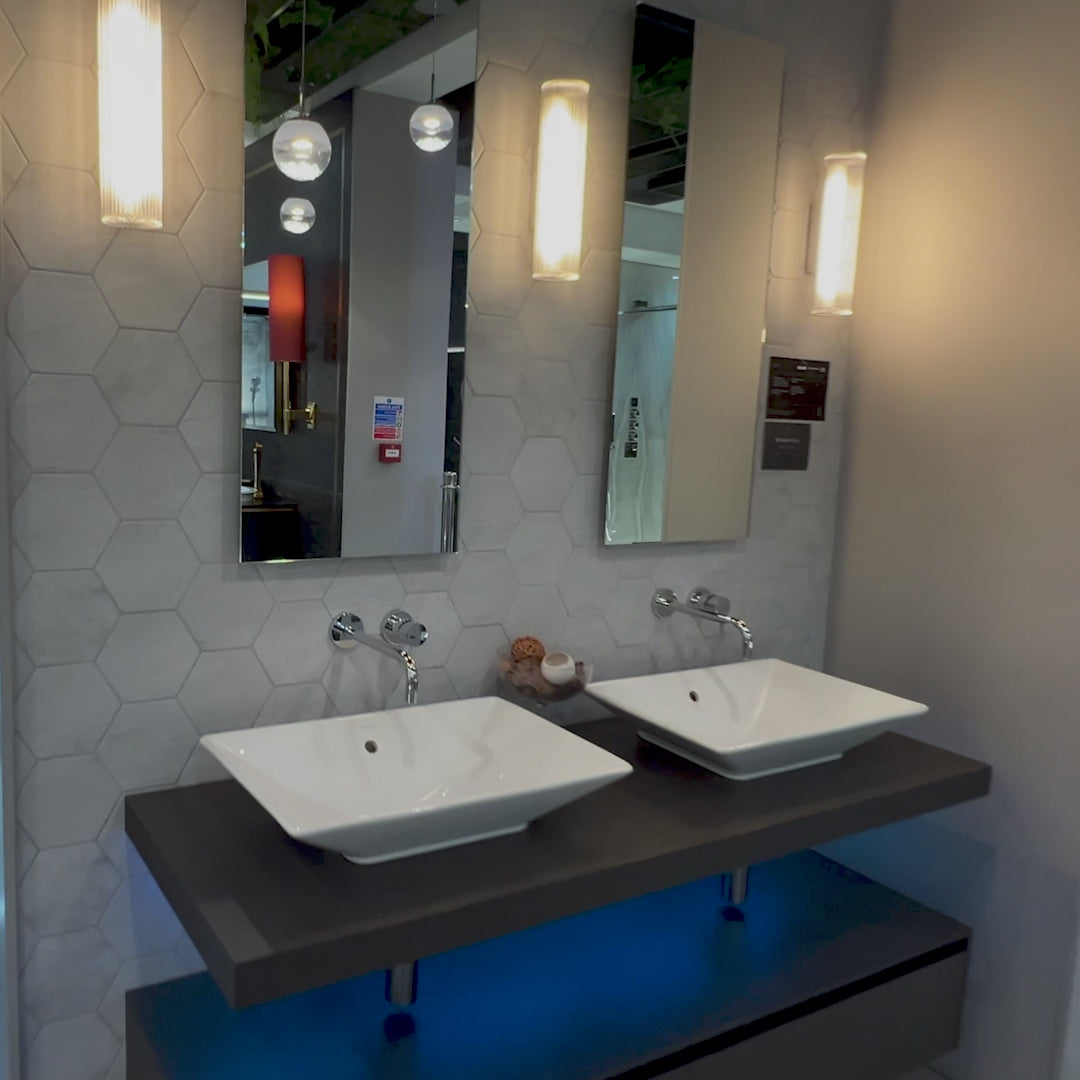
Bordaux Hexagon Grey Porcelain Tile 13.9 x 16cm
Choose your option
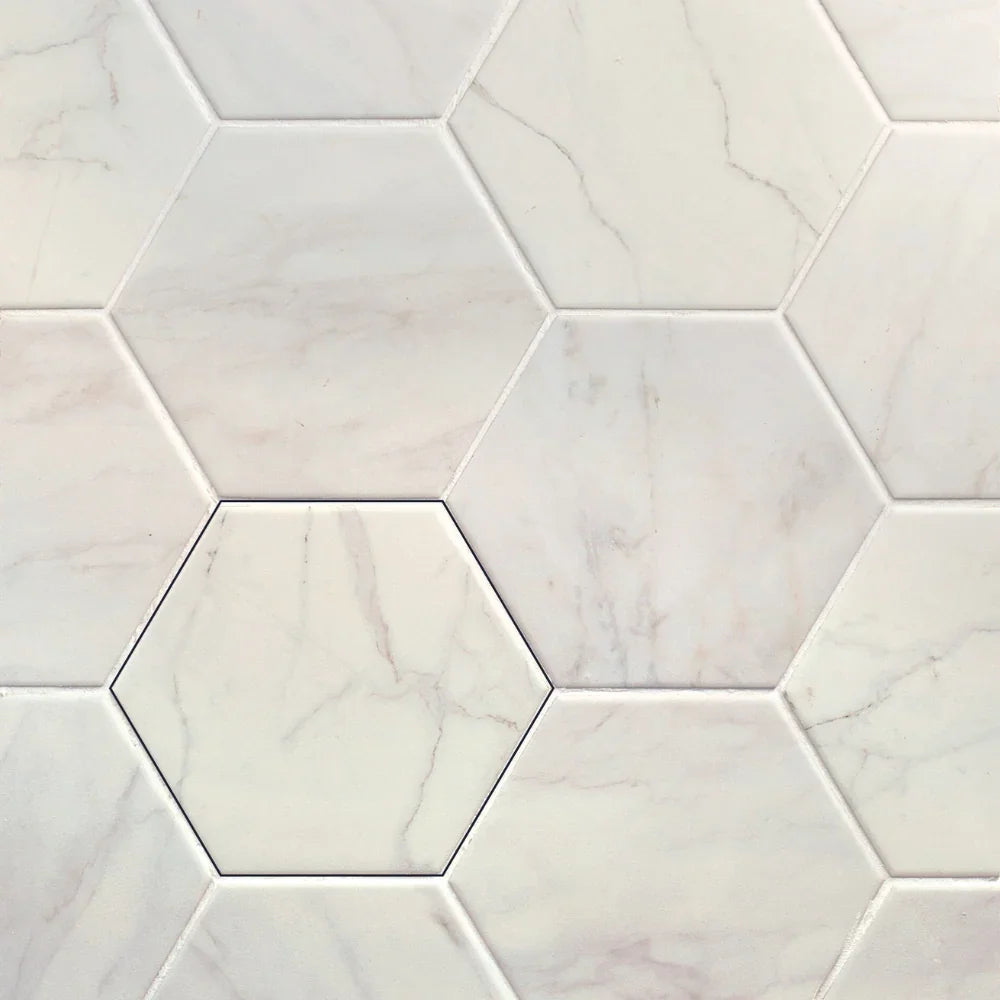
Bordaux Hexagon White Porcelain Tile 14 x 16cm
Choose your option
Hexagonal Wall Tiles at ROCCIA
Pattern at eye level
On a wall, a hexagon is seen close up, so its shape and the line of each joint become part of the design. A small area is often enough: a panel behind a basin, the back of a shelf or the inside of a shower niche. Used this way, hexagons add detail to a room without the commitment of tiling every wall. A hexagon panel is also a good way to add character to a new-build bathroom or kitchen, where plain walls can feel flat.
Two finishes
- White marble effect gives a light, classic panel. Bordaux Hexagon White suits bathrooms and kitchens with white or pale fittings.
- Grey stone effect adds depth against white walls. Bordaux Hexagon Grey is matt, so it reads softly under bright light.
- A fading pattern of grey into white makes a wall look as if it is changing colour.
Edges and transitions
Hexagons can stop with a straight cut and a trim, or with an irregular stepped edge that blends into a painted or plain-tiled wall. The stepped edge works well when the tiles flow from a floor up onto a wall, or when a panel needs to look less formal. Whichever you choose, the edge should be decided before the first tile is fixed, as it sets the position of every row.
Fixing on walls
Allow time for setting out, as the angled joints take longer to line up than a square grid. A laser level helps keep the rows straight across the wall. Use a spacer that matches the joint you want, and a grout colour that suits the look: matching for subtle, contrasting for graphic.
See both hexagons in Hexagon Tiles, find splashback ideas in Hexagon Kitchen Tiles, or compare formats in Small Wall Tiles.
FAQs
Where do hexagonal wall tiles work best?
Where do hexagonal wall tiles work best?
As a feature panel behind a basin or hob, inside a shower niche, or on a single accent wall.
What's the difference between a stepped and a straight hexagon edge?
What's the difference between a stepped and a straight hexagon edge?
A straight edge is cut and finished with a trim for a formal look. A stepped edge follows the shape of the tiles for a softer finish.
Can hexagonal tiles be used in a shower?
Can hexagonal tiles be used in a shower?
Yes, on a waterproofed wall with a grout suitable for wet areas.
Should I use the same hexagon on the floor and wall?
Should I use the same hexagon on the floor and wall?
You can. Running one hexagon from floor to wall creates a continuous pattern, especially in a shower.
Do hexagon wall tiles need a special adhesive?
Do hexagon wall tiles need a special adhesive?
A standard wall tile adhesive suitable for porcelain is usually enough. Check with your installer.
Are hexagonal wall tile samples available?
Are hexagonal wall tile samples available?
Not online. If you need to check colour or finish, our team can help before you place an order.
Explore More Tiles
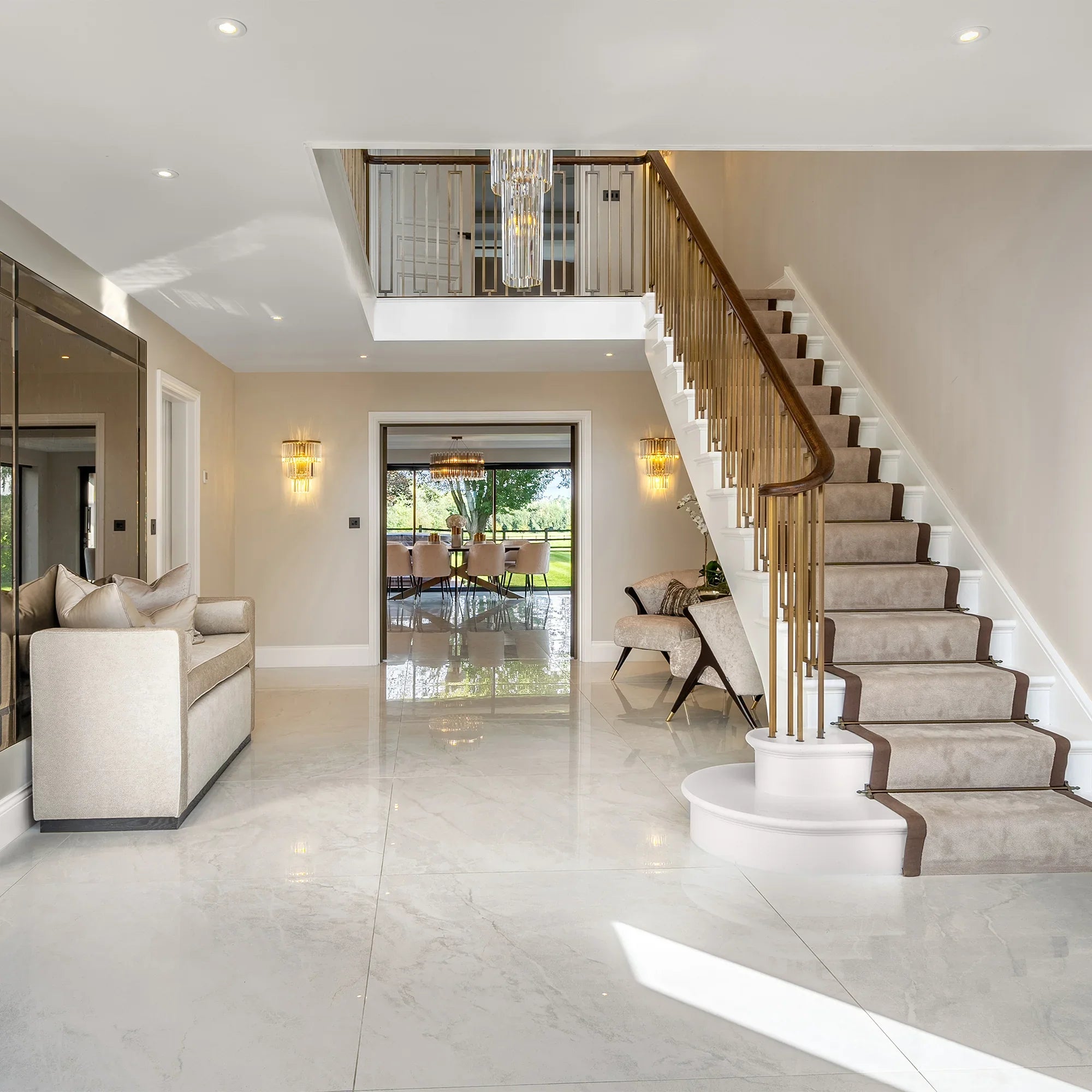
Mosa White Porcelain Tile
Choose your option
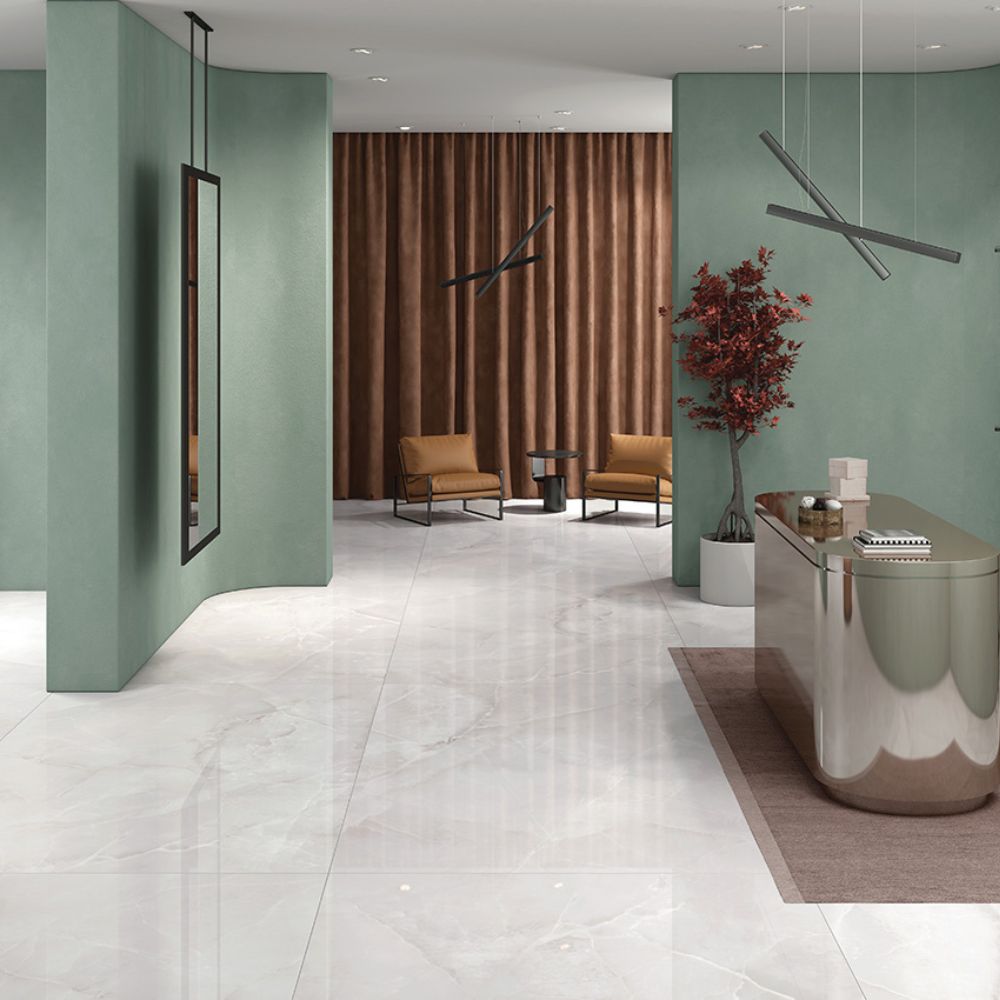
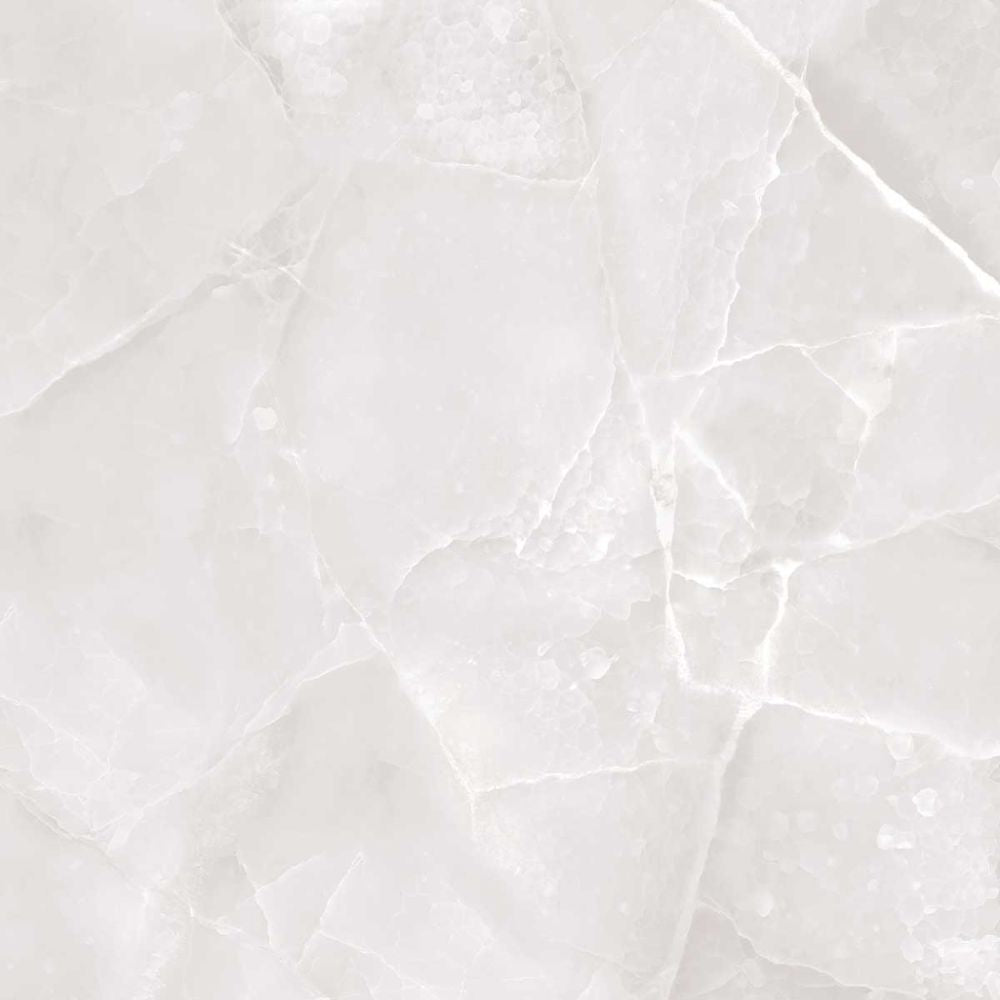
Paris Smoke Porcelain Tile
Choose your option
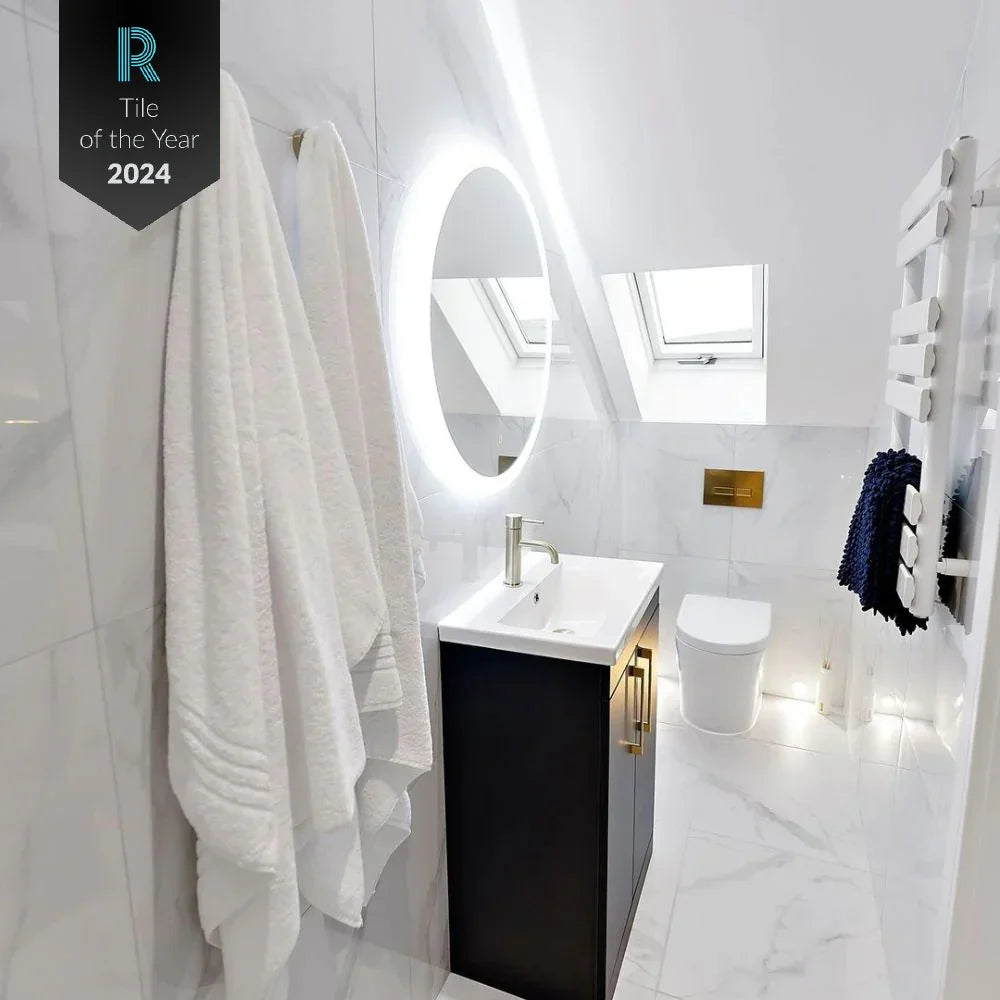
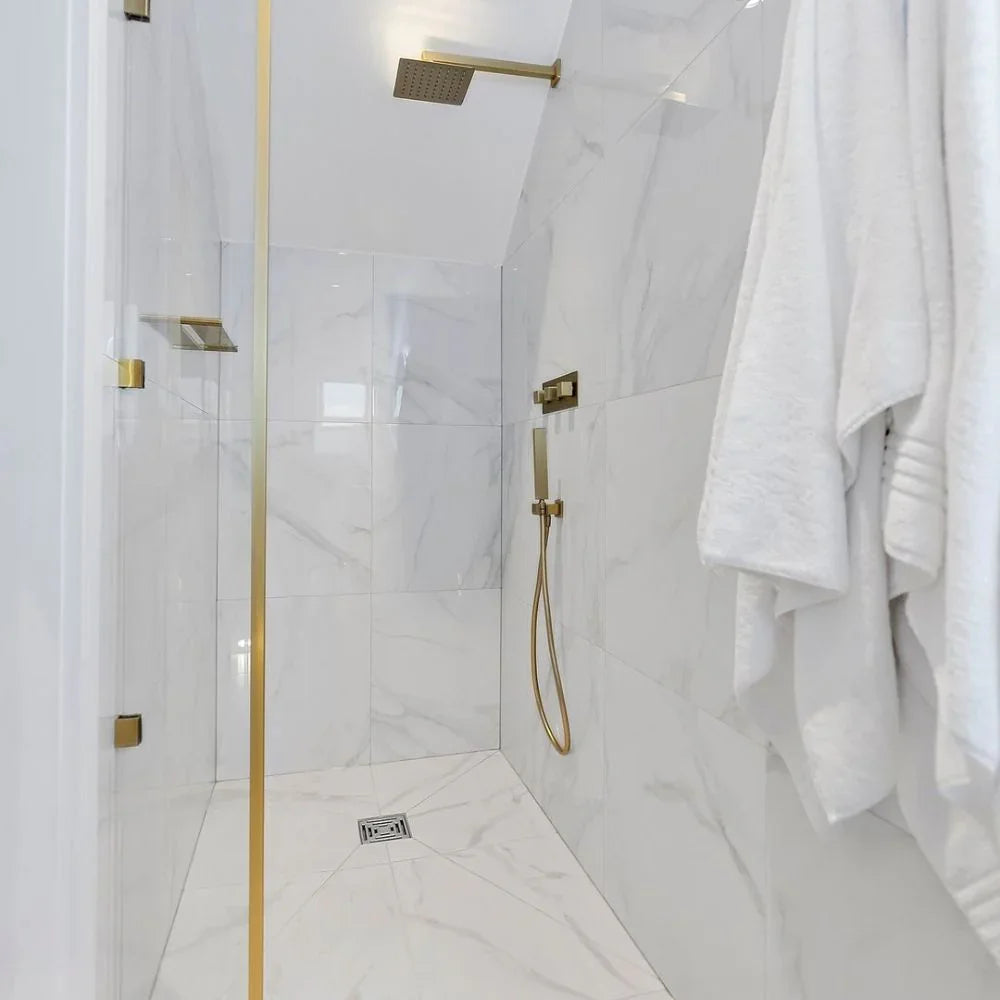
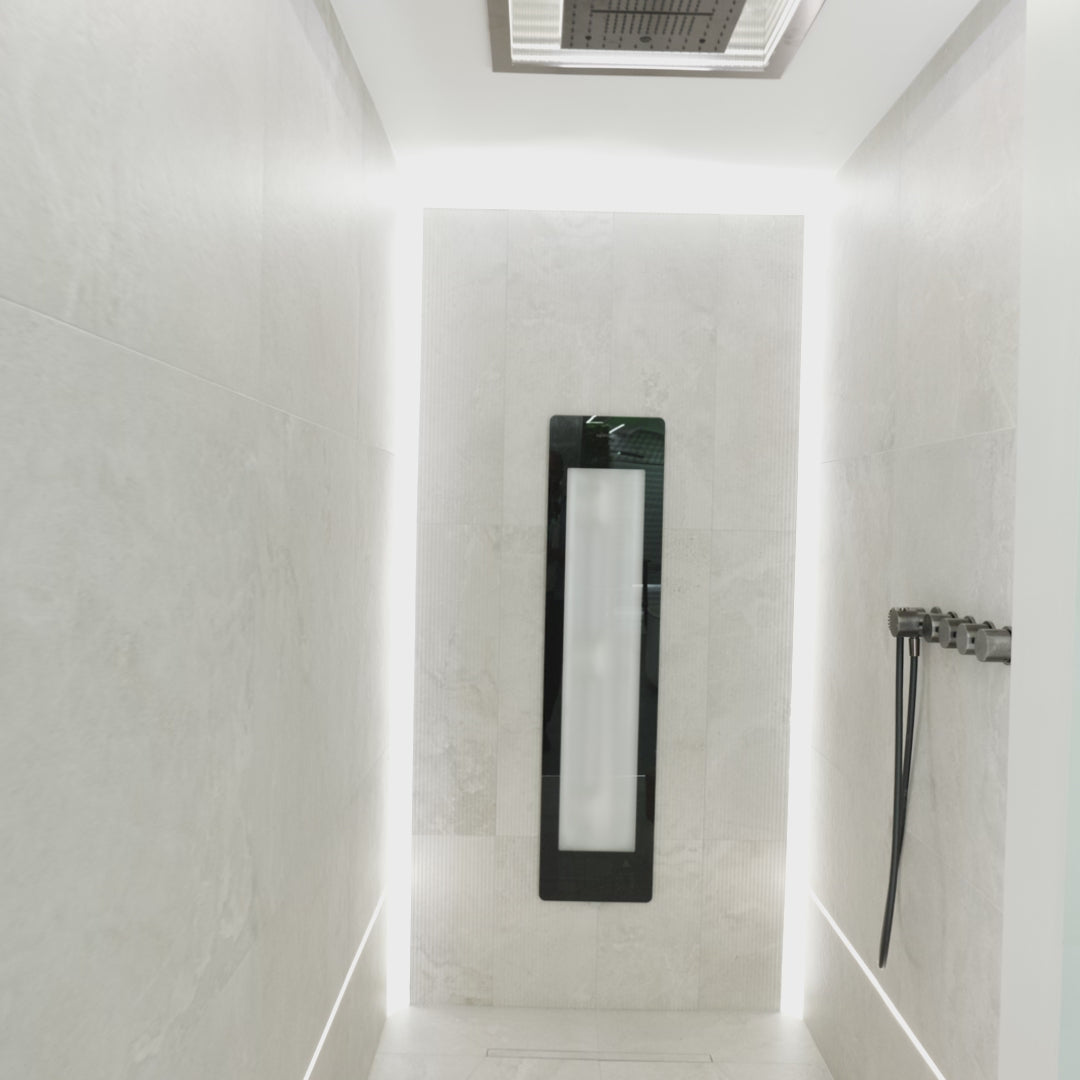
Neptune Marble White Porcelain Tile
Choose your option
Dorset Bone Porcelain Tile 80 x 80cm
Choose your option
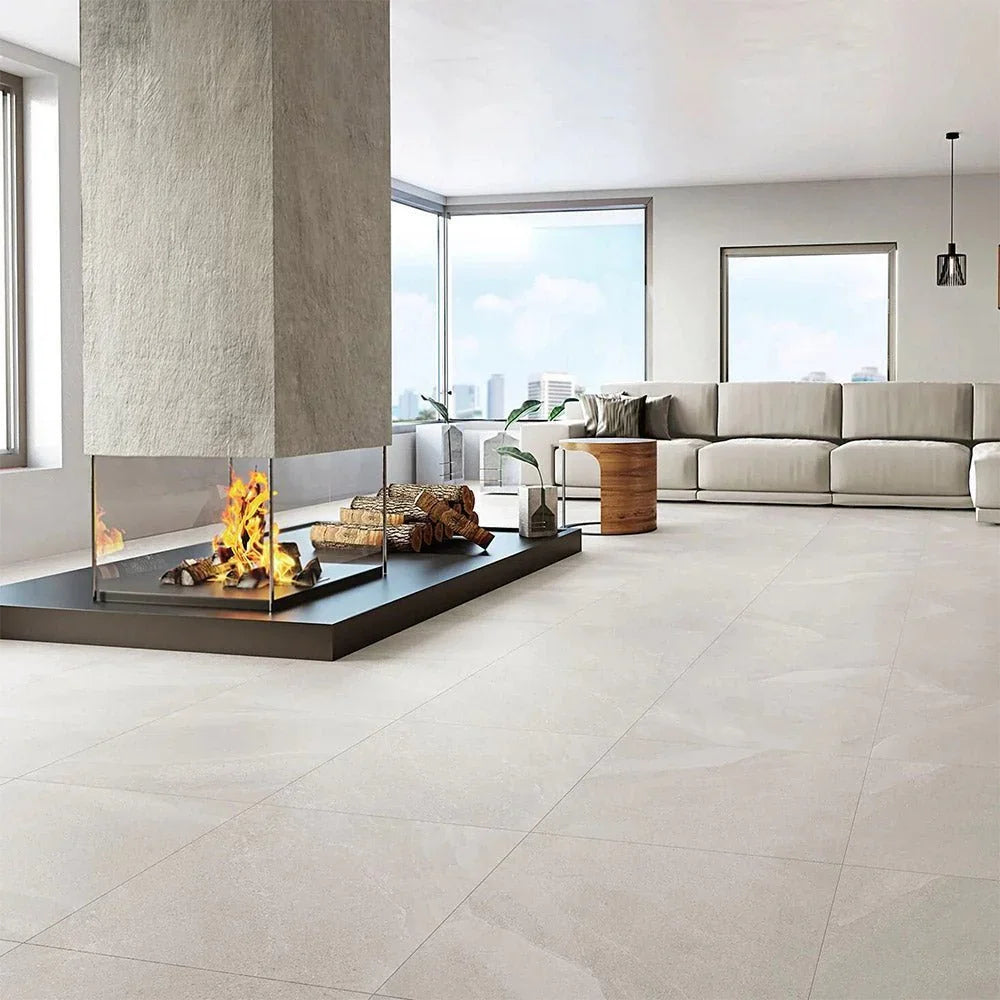

Muiz White Porcelain Tile 60 x 60cm
Choose your option
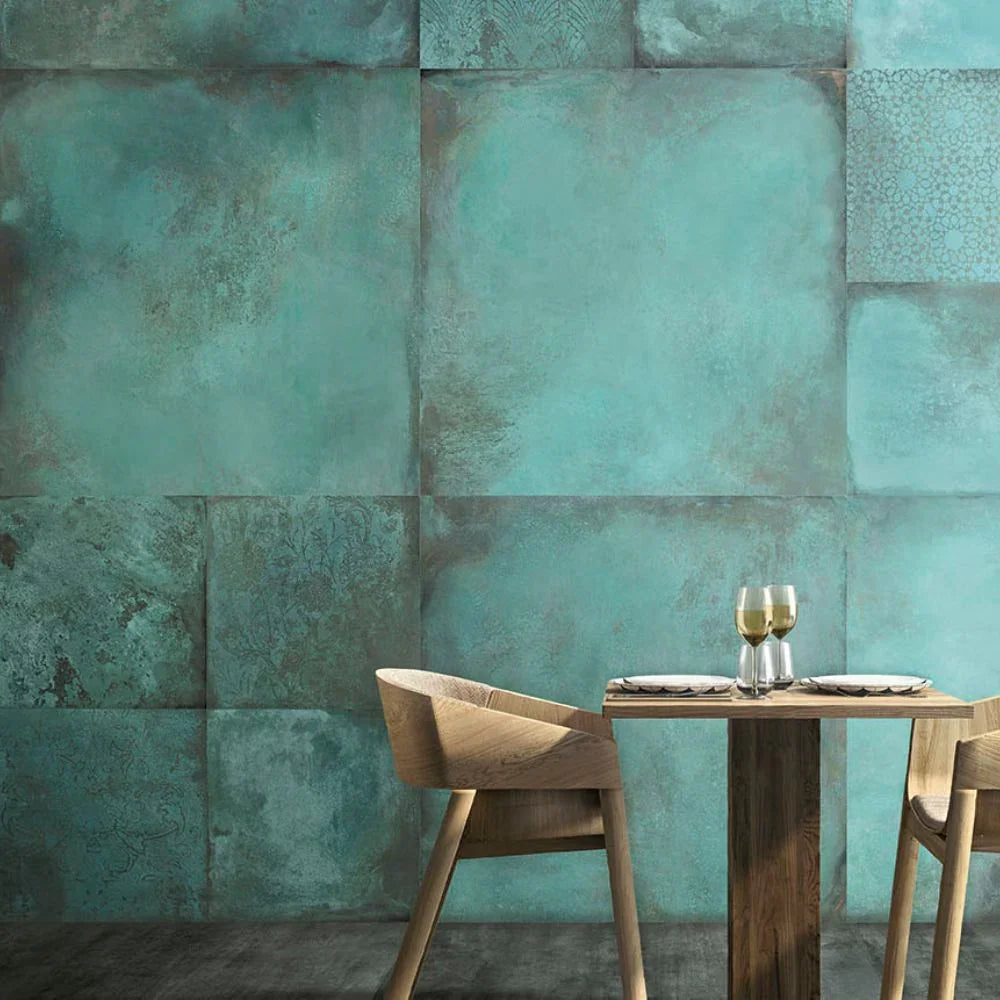

Treniz Mint Porcelain Tile
Choose your option
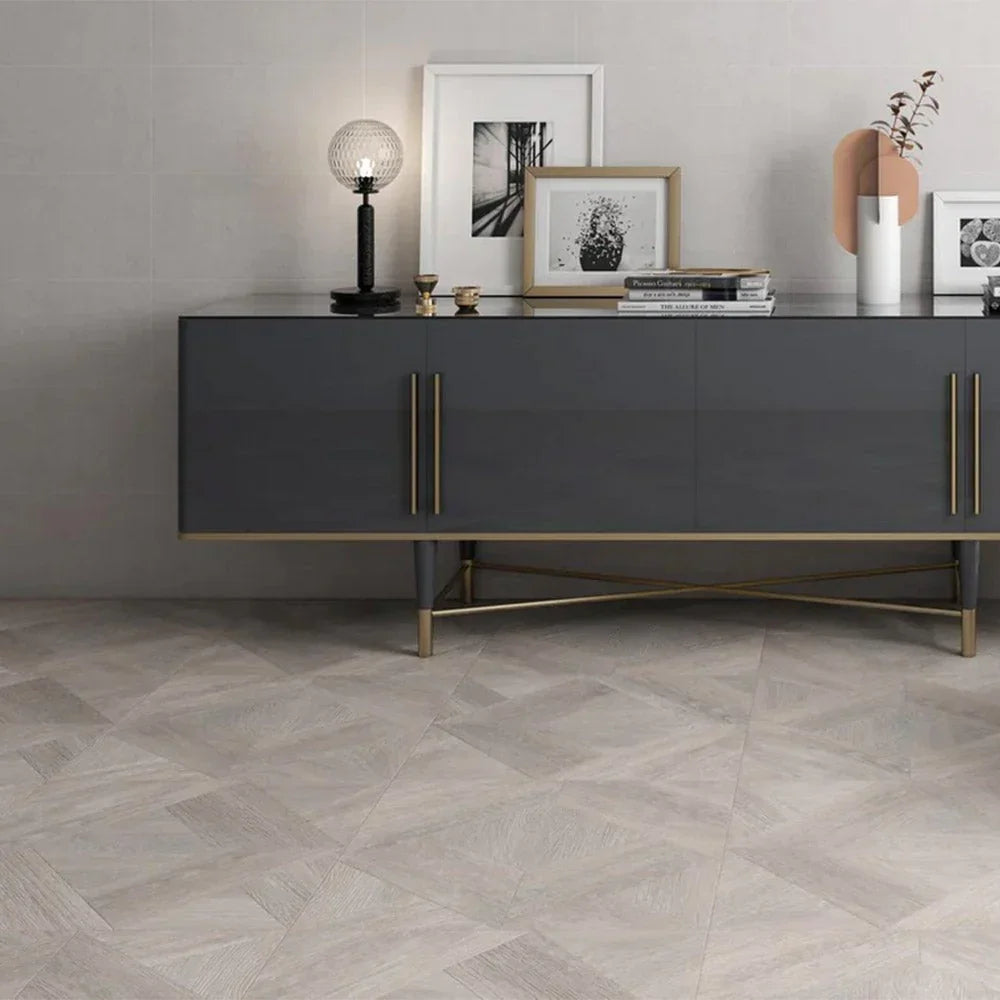
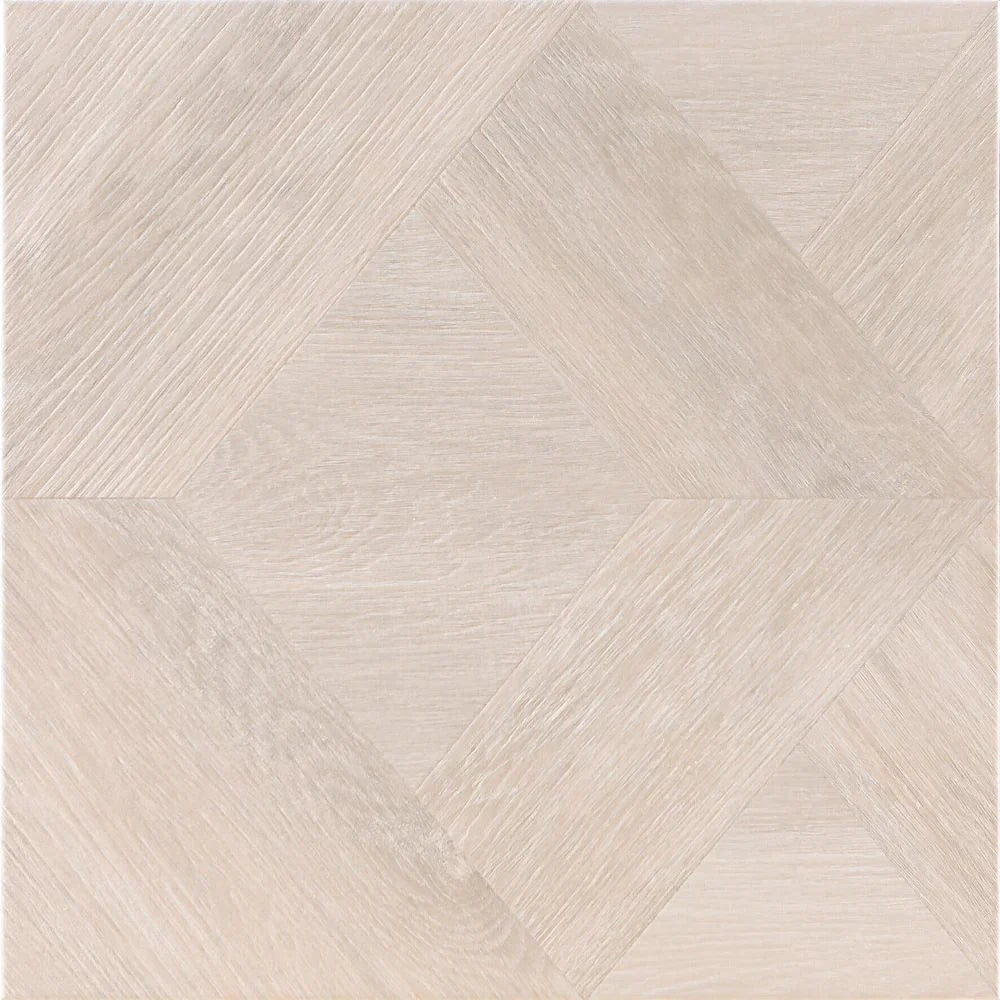
Green Park Bone Porcelain Tile 60 x 60cm
Choose your option
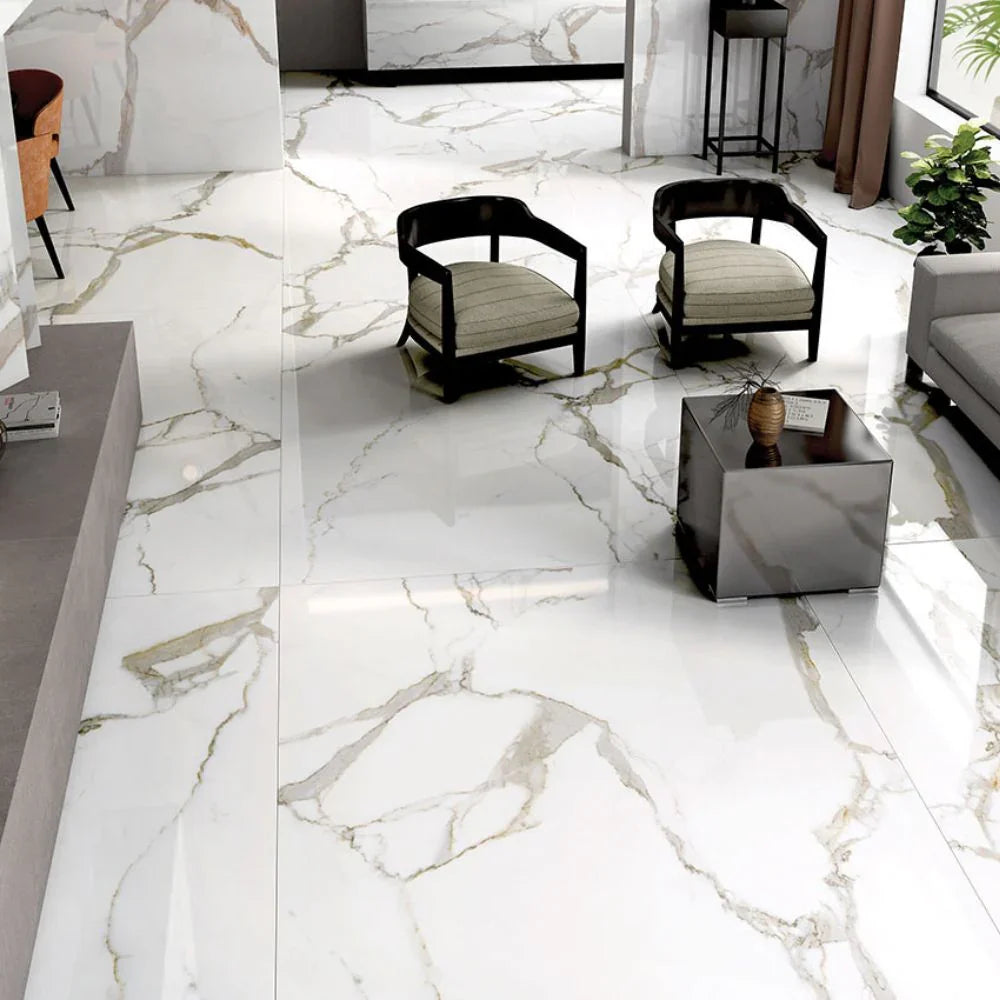
Roman White Marble Polished Porcelain Tile 80 x 80cm
Choose your option
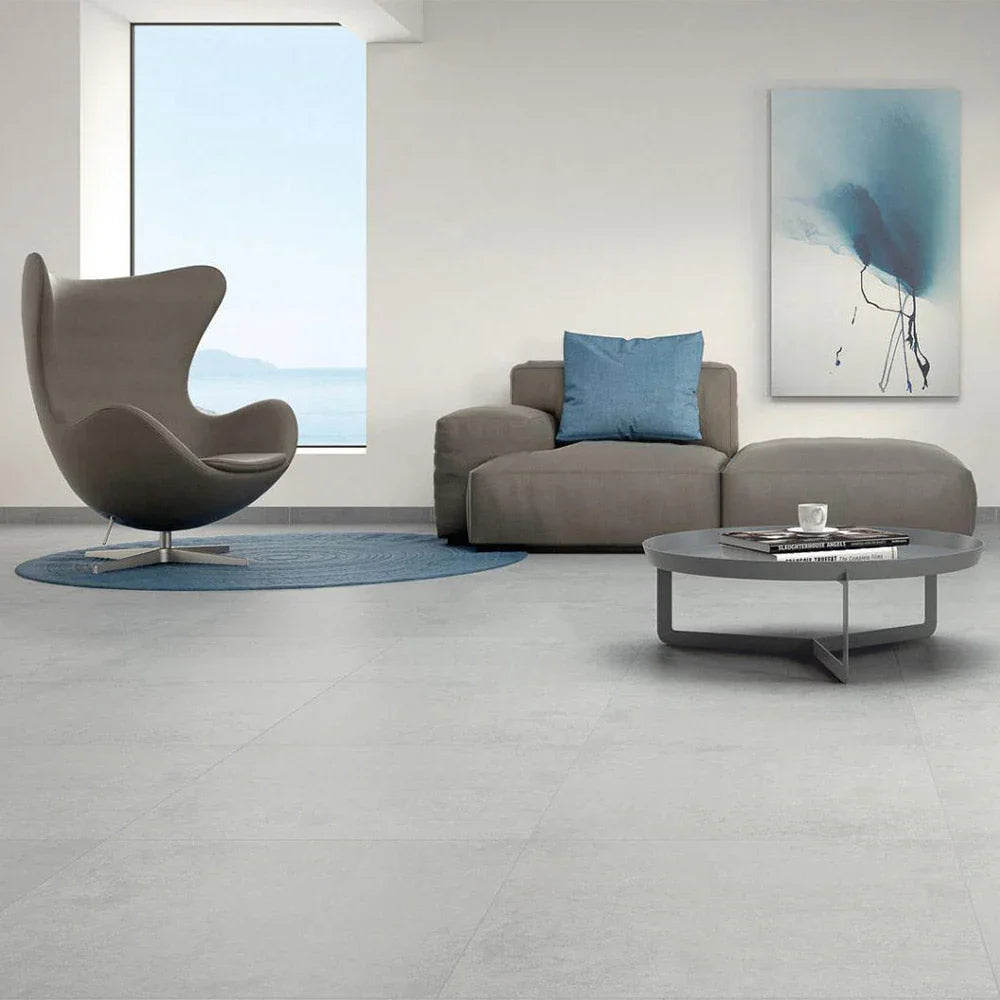

Triumph Riga Pearl Porcelain Tile 60 x 60cm
Choose your option


Azzura White Porcelain Tile
Choose your option


Azzura Taupe Porcelain Tile
Choose your option
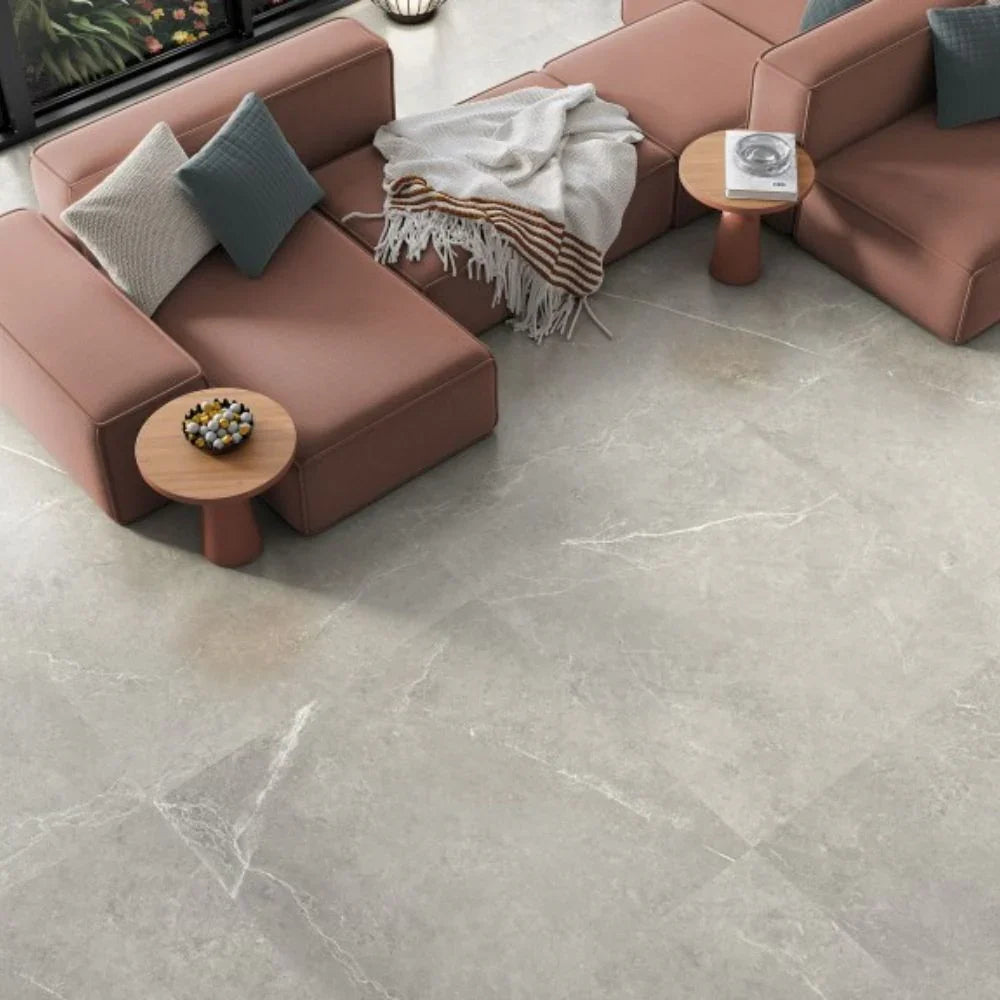
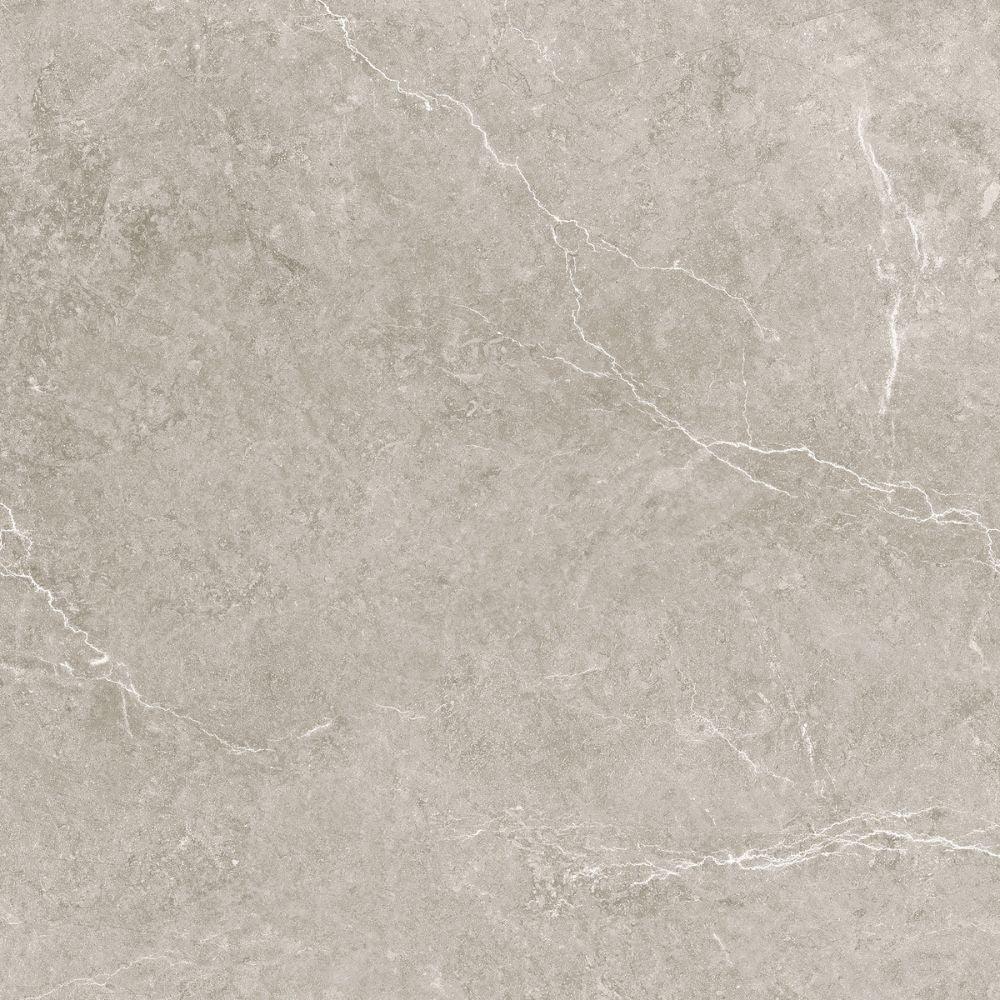
Nieve Grey Porcelain Tile 60 x 60cm
Choose your option
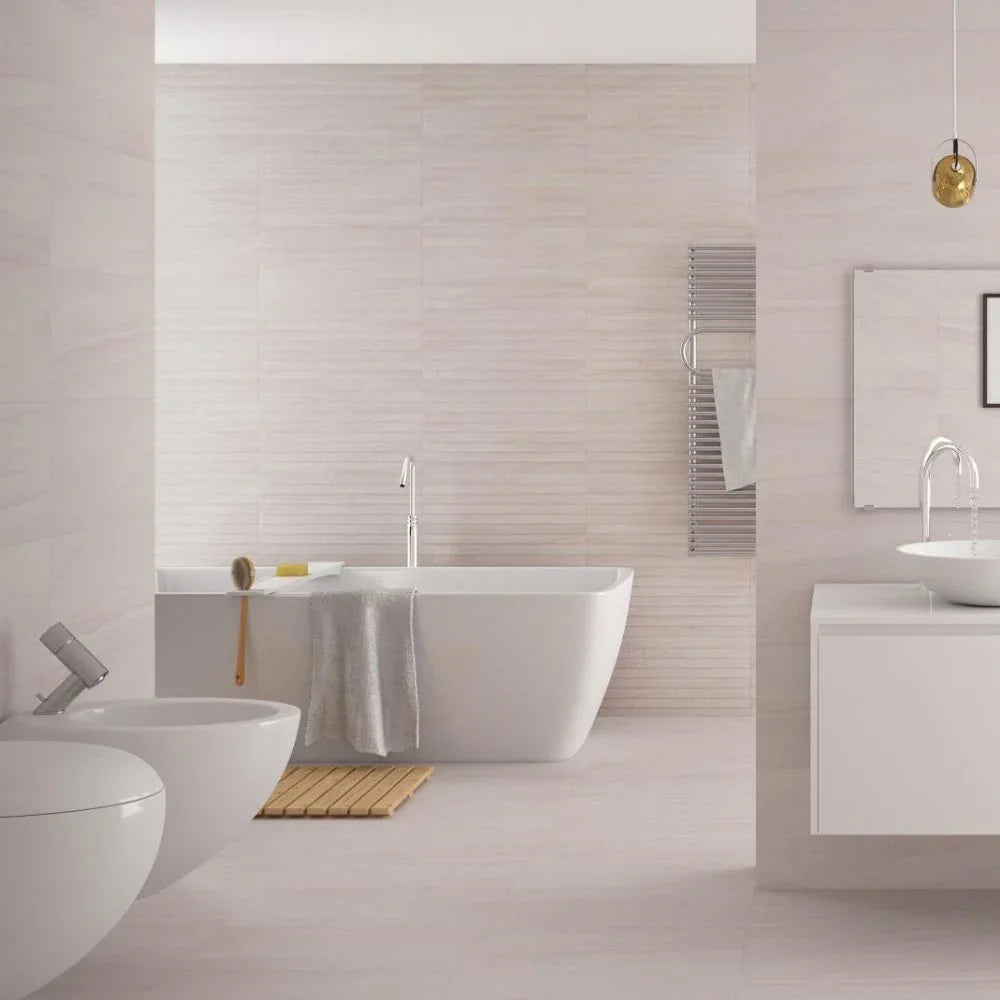
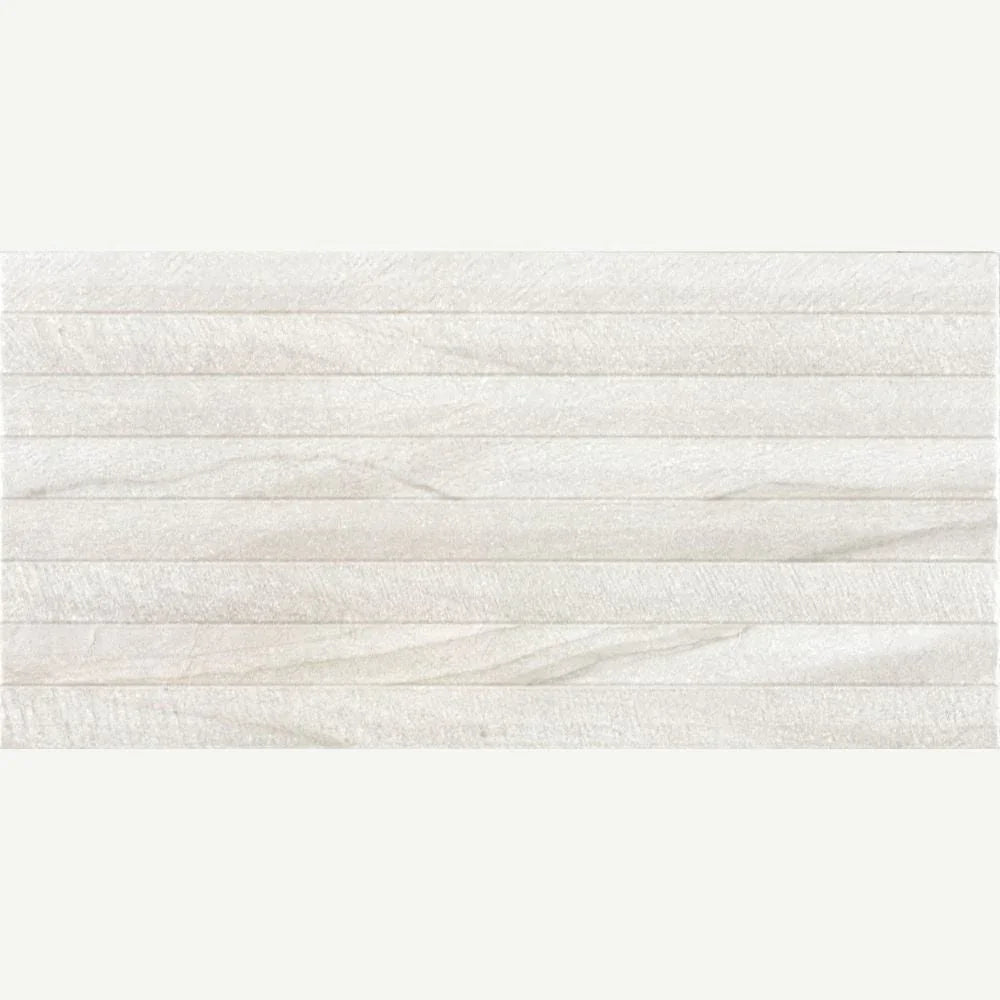
Revolution RLV Perla Concrete Effect Porcelain Tile 30.3 x 61.3cm
Choose your option
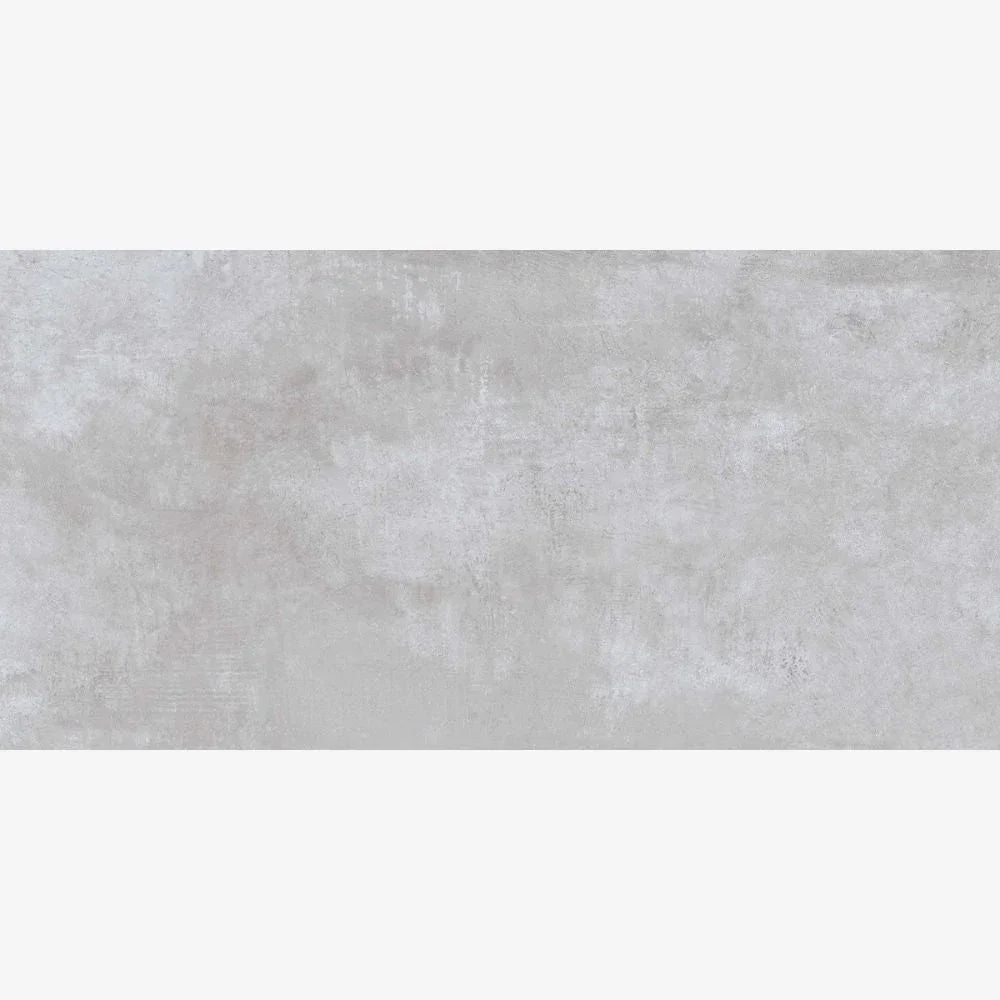
Pro-Tech Grey 6mm Porcelain Tile 60 x 120cm
Choose your option
Arch-Tech Grey Porcelain Tile 120 x 120cm
Choose your option
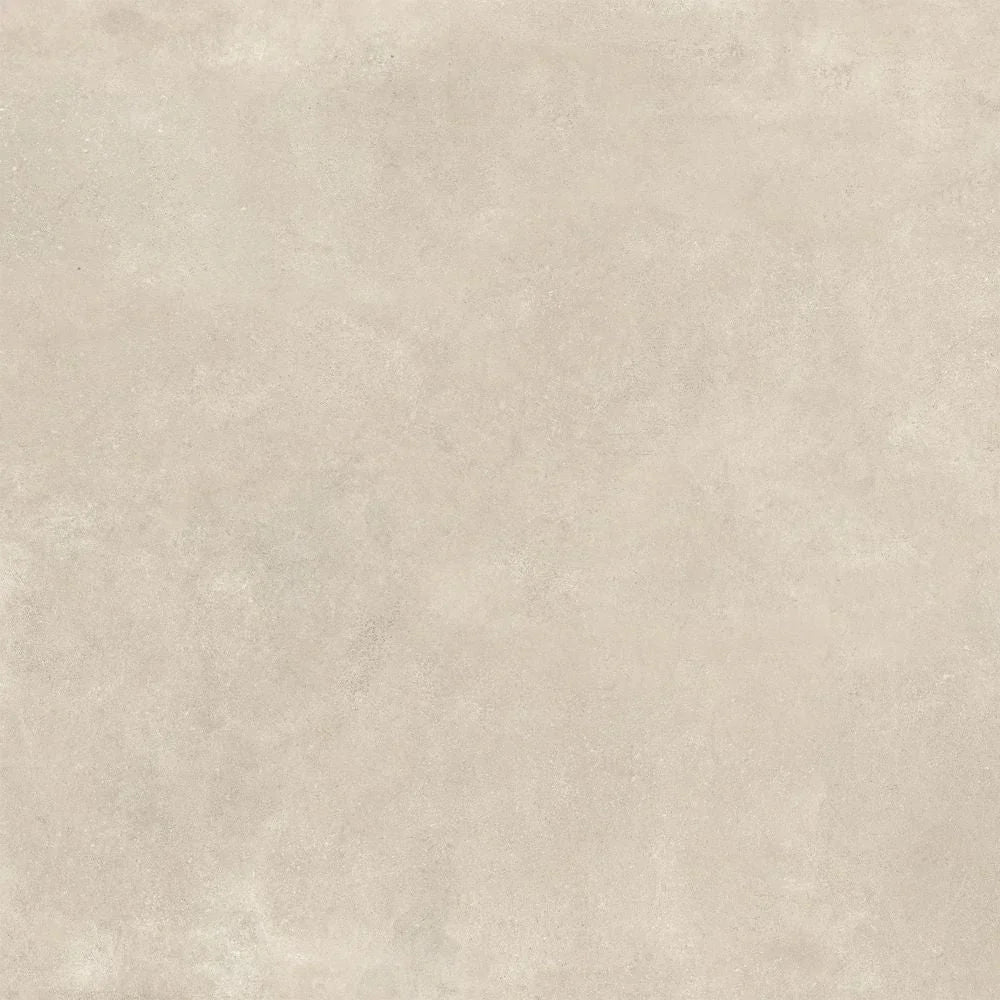
Arch-Tech Sand Porcelain Tile 120 x 120cm
Choose your option
Mosa White Porcelain Tile
Choose your option
Paris Smoke Porcelain Tile
Choose your option
Neptune Marble White Porcelain Tile
Choose your option
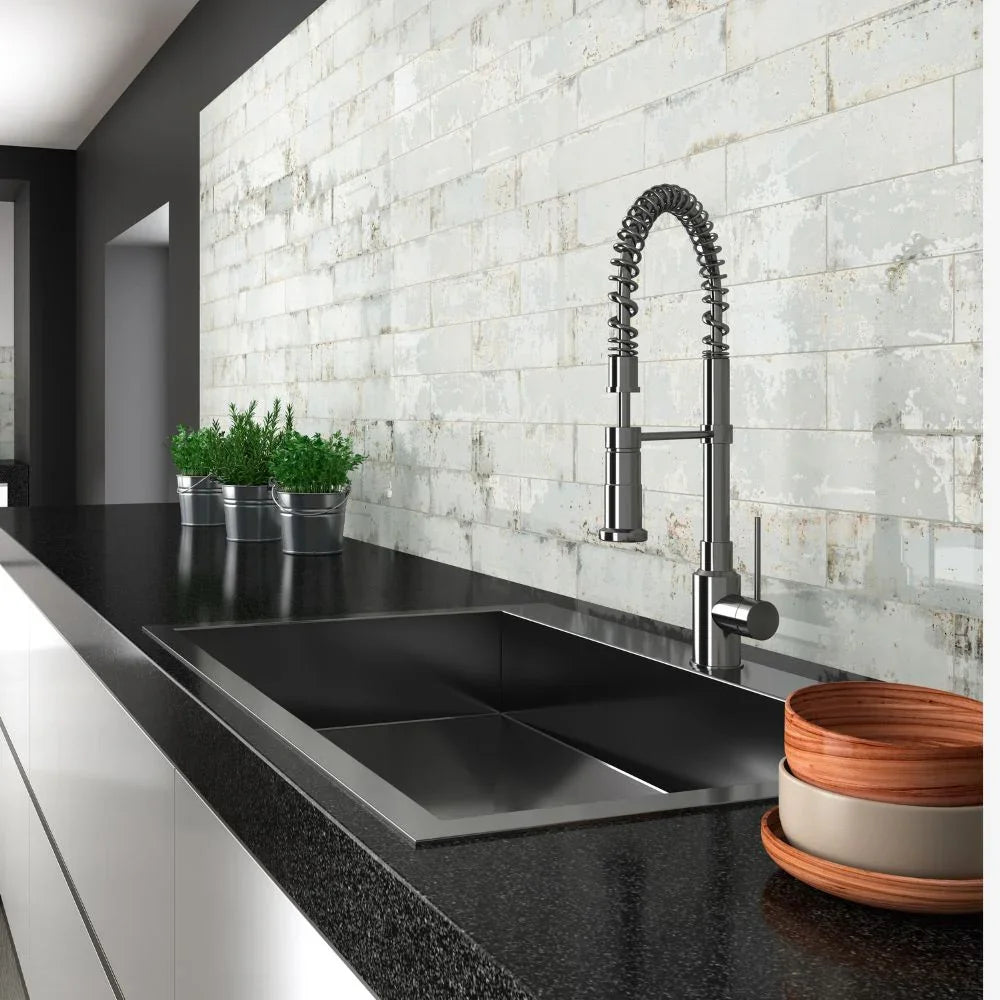
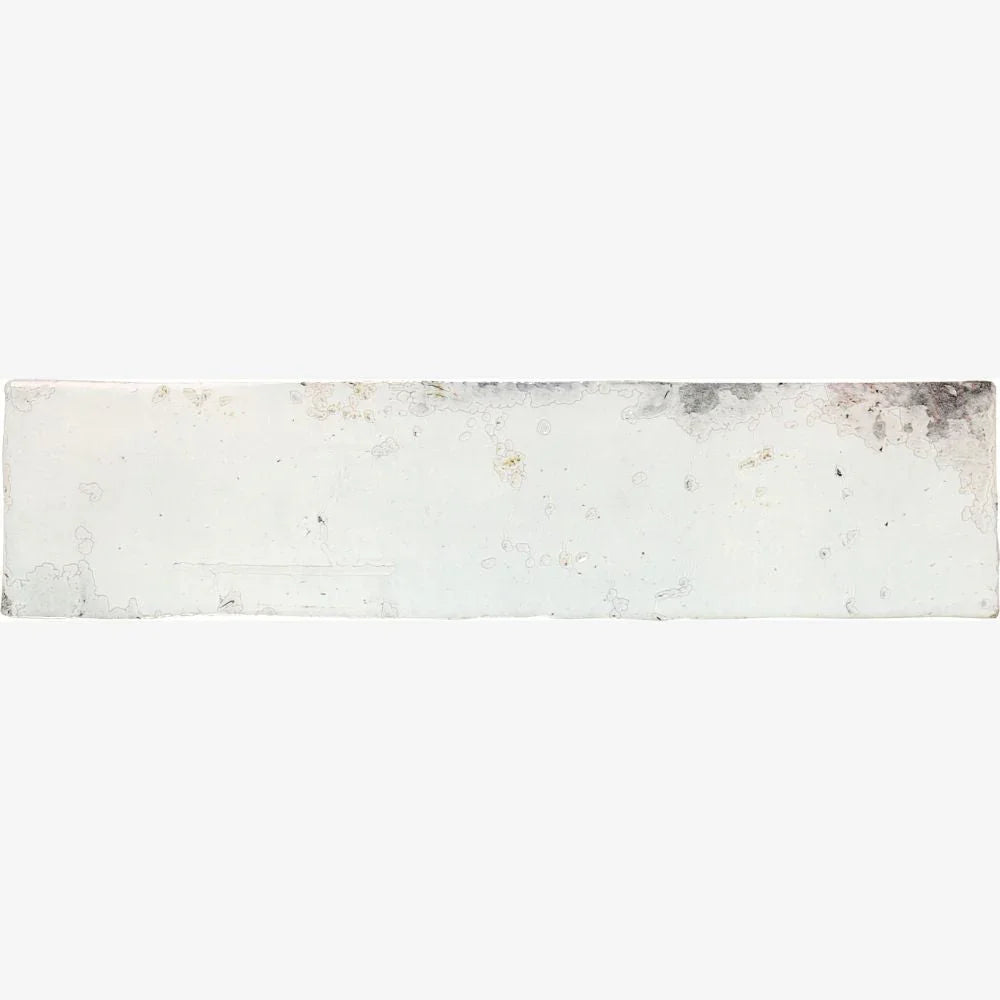
Iron Ore Subway Tile 7.5 x 30cm
Choose your option
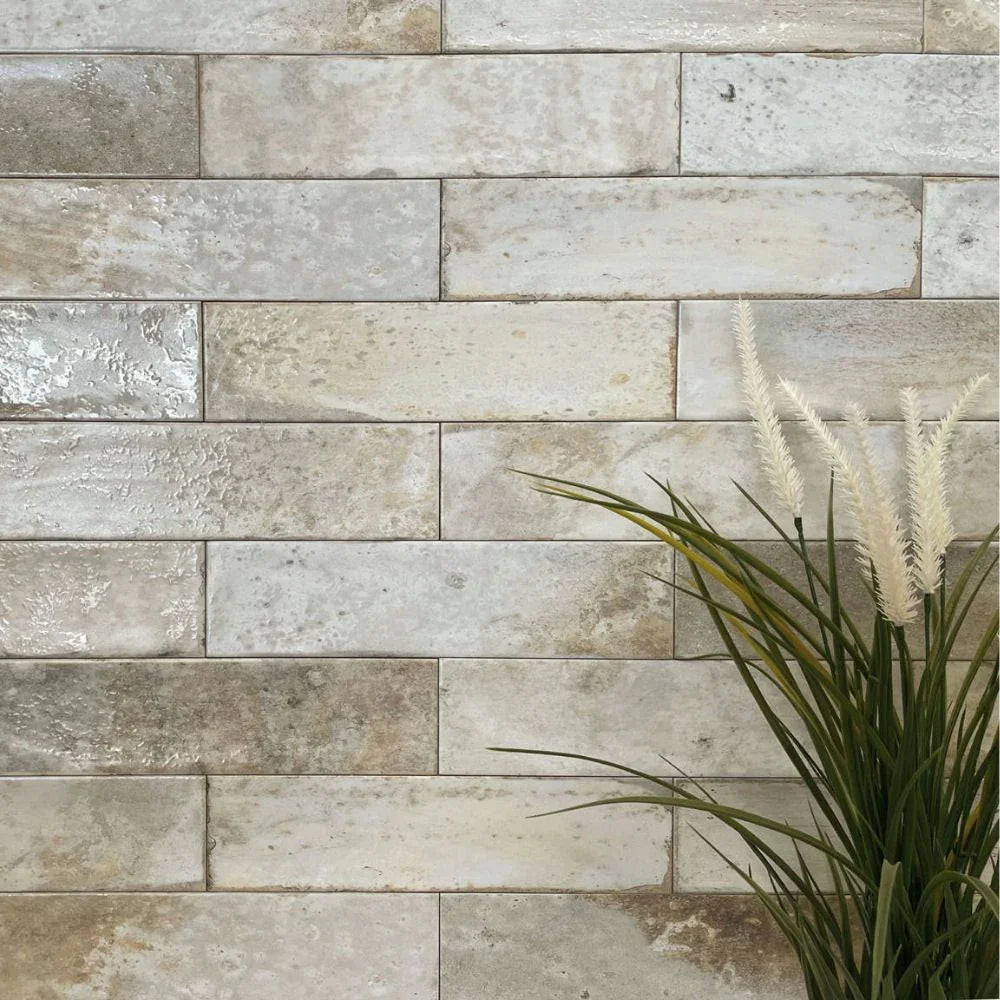
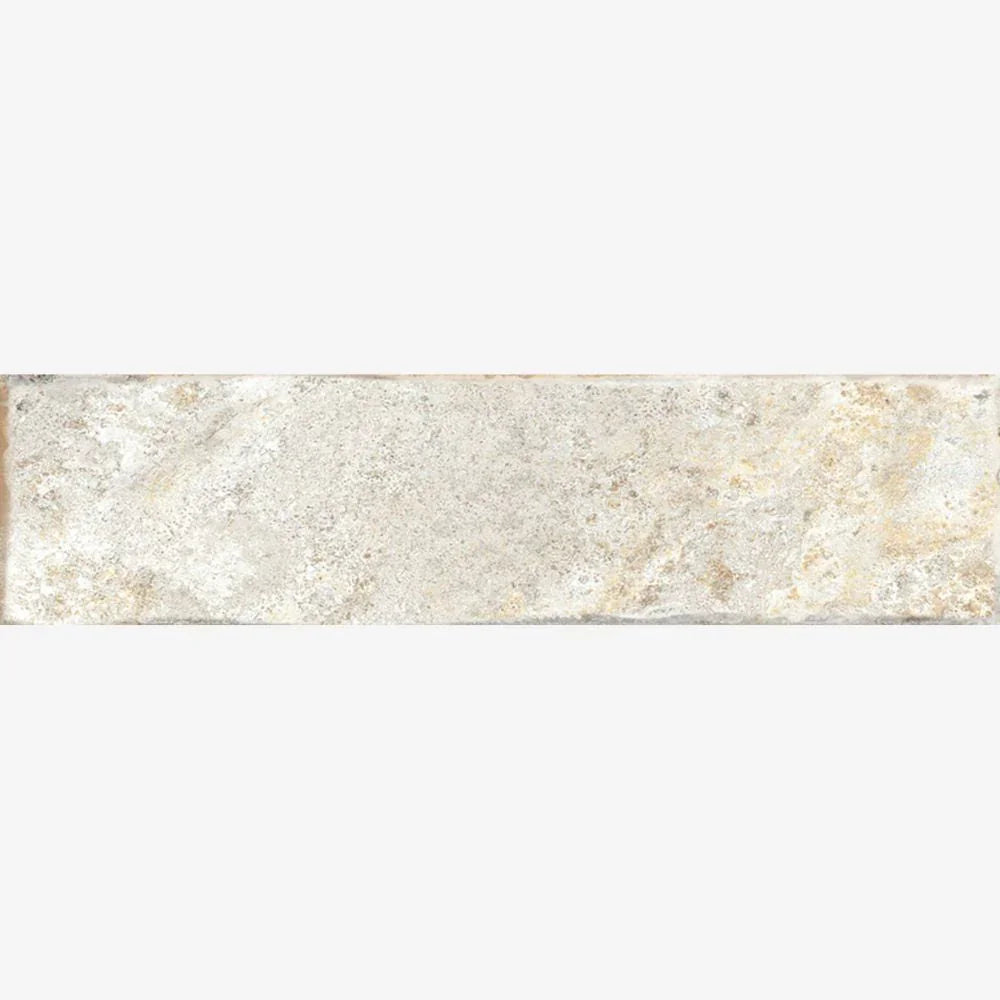
Alpi Beige Subway Tile 7.5 x 30cm
Choose your option
Dorset Bone Porcelain Tile 80 x 80cm
Choose your option
Muiz White Porcelain Tile 60 x 60cm
Choose your option
Treniz Mint Porcelain Tile
Choose your option
Paris Smoke Porcelain Tile
Choose your option
Neptune Marble White Porcelain Tile
Choose your option
Roman White Marble Polished Porcelain Tile 80 x 80cm
Choose your option
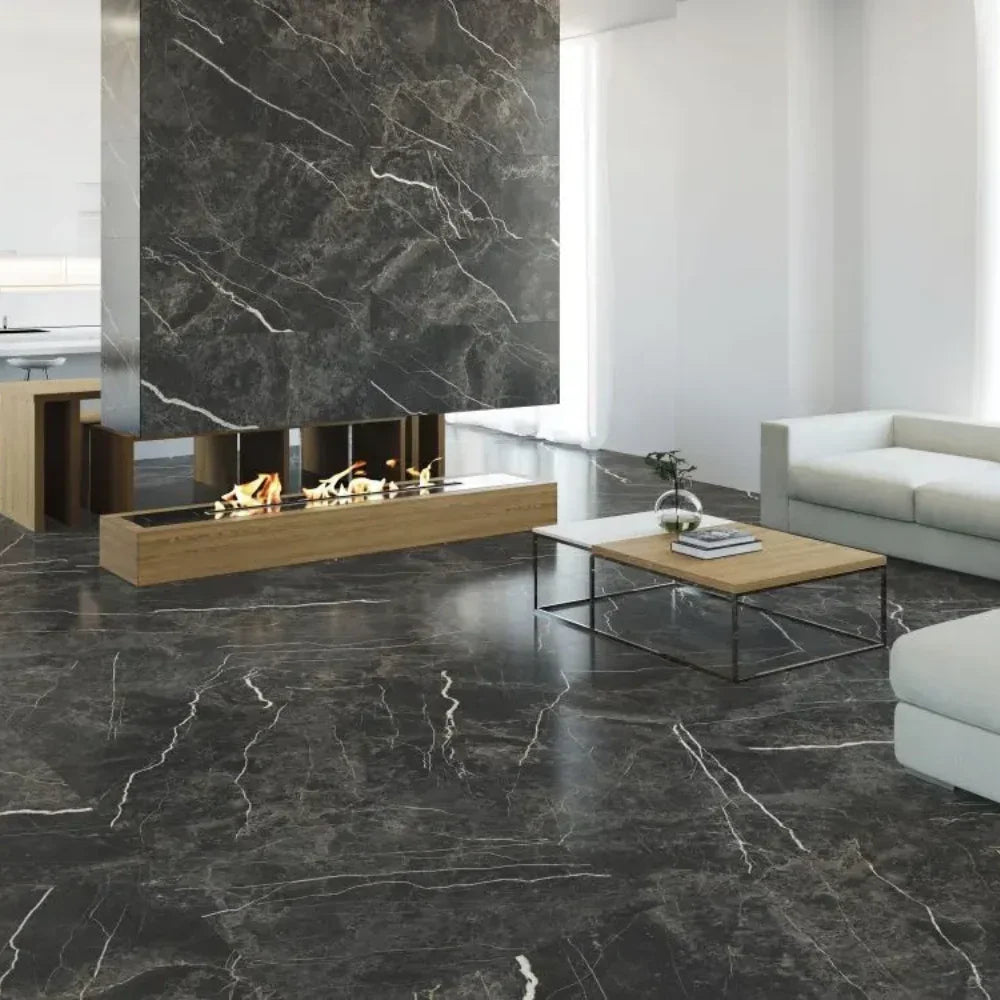
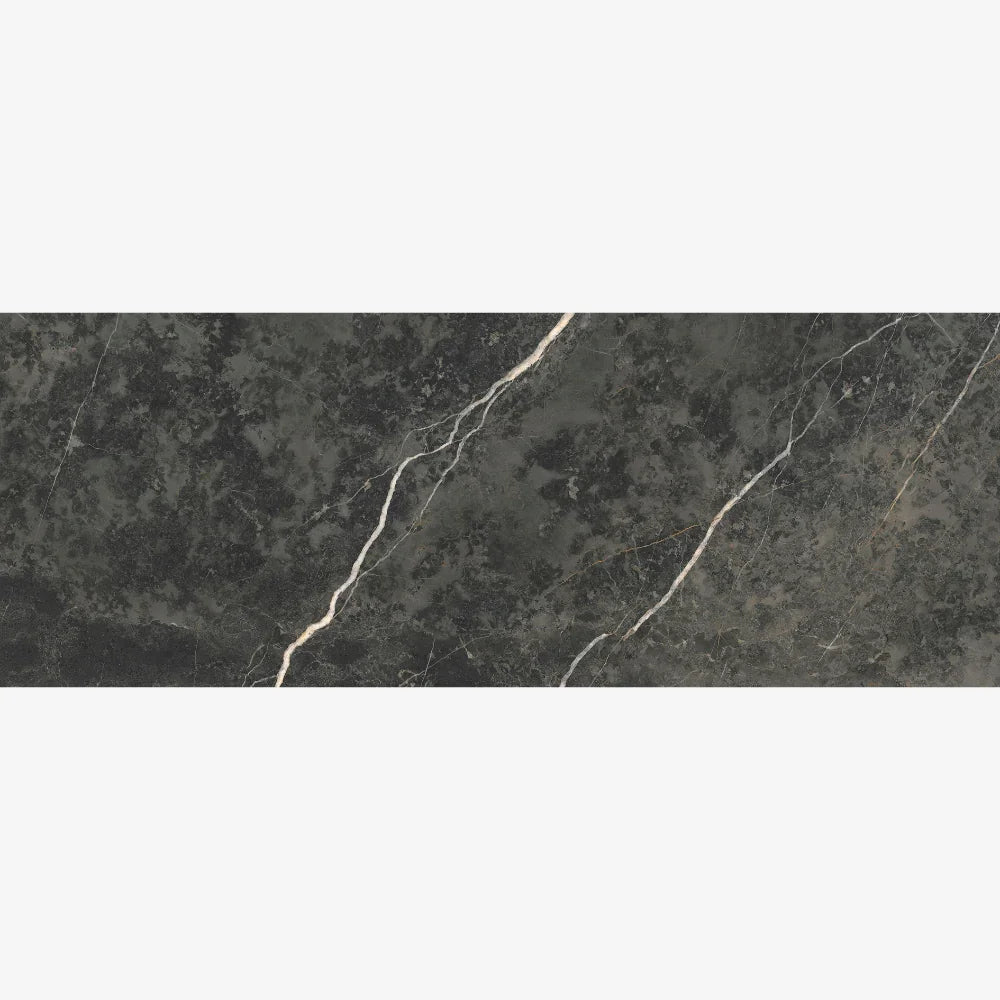
Charming Black Marble Porcelain Tile 90 x 90cm
Choose your option
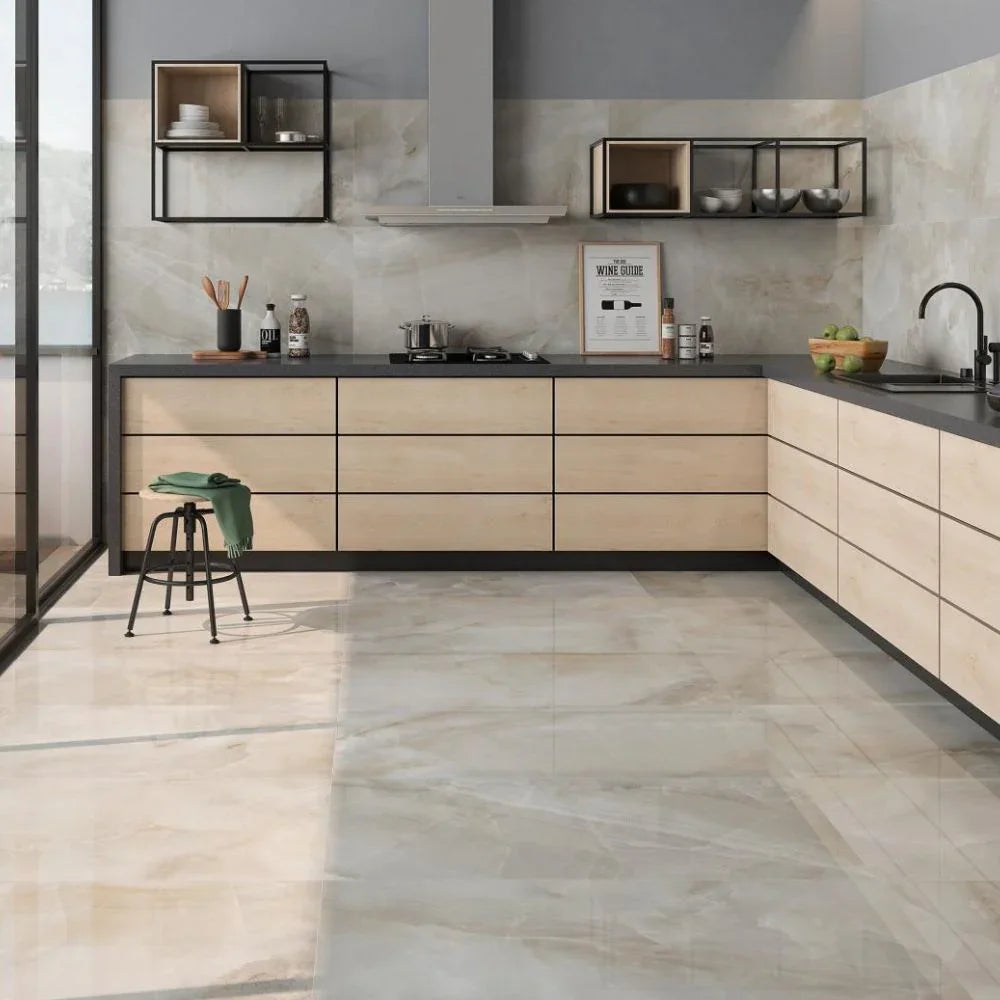
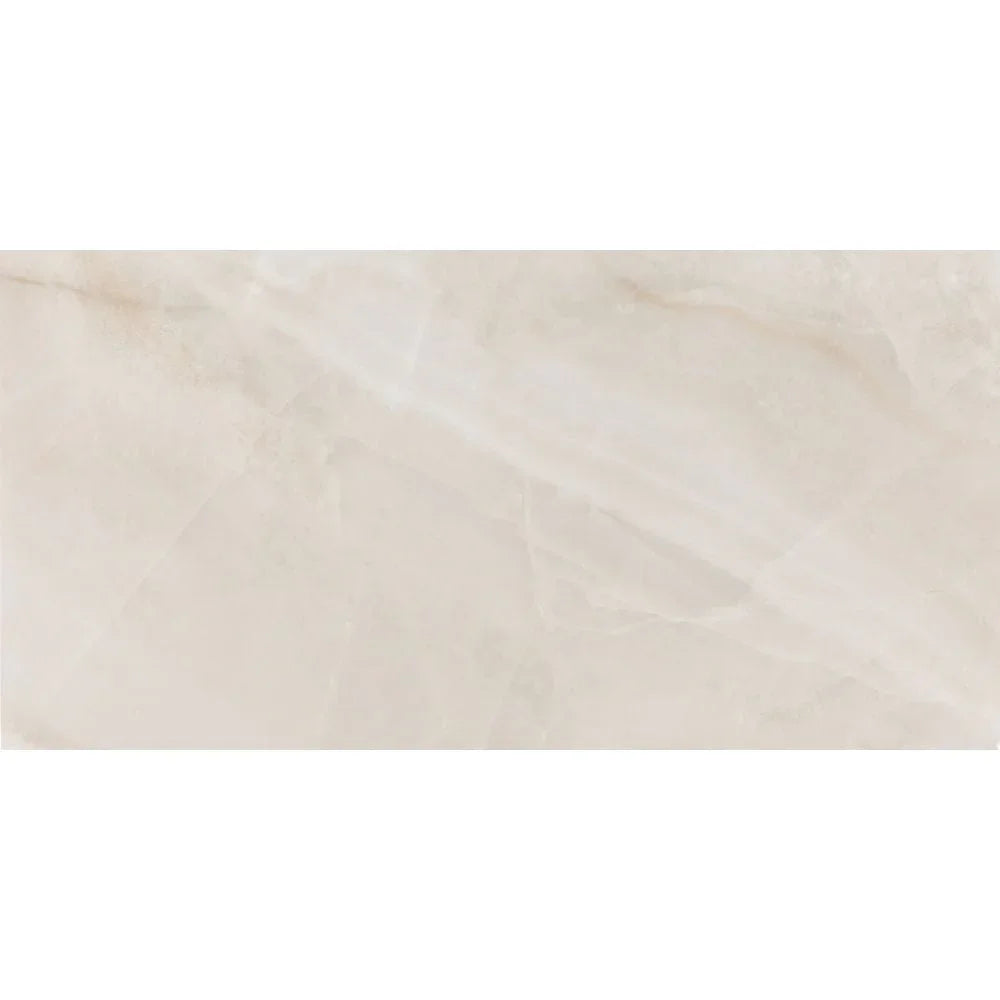
Nichet Beige Porcelain Tile 60 x 120cm
Choose your option
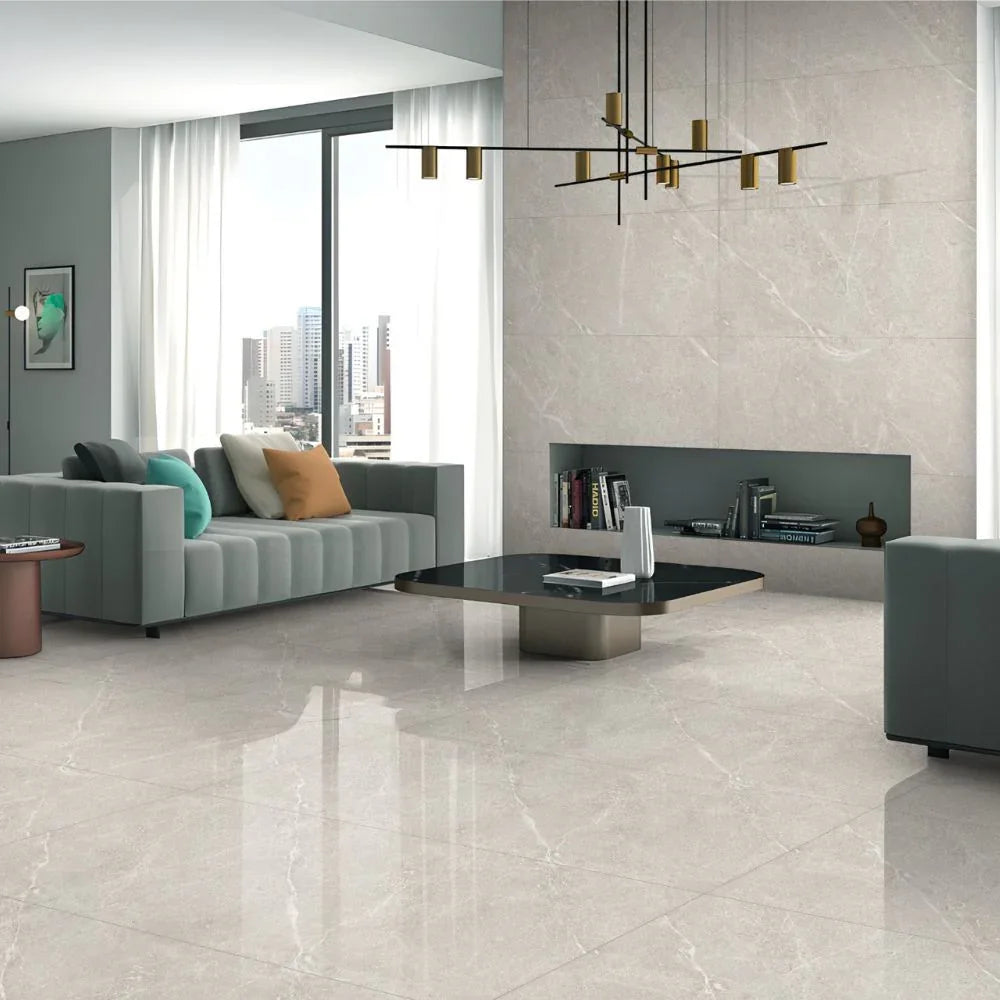
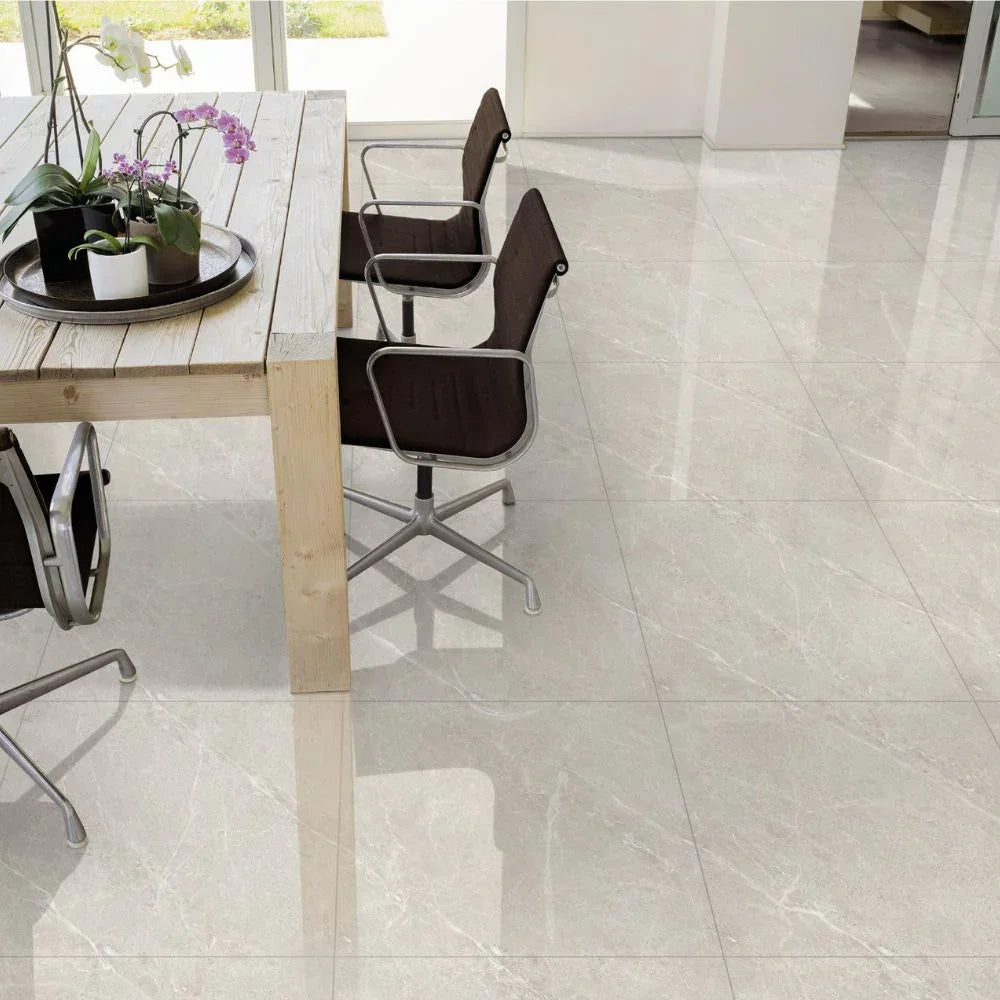
Alcantras Marble Porcelain Tile 60 x 60cm
Choose your option
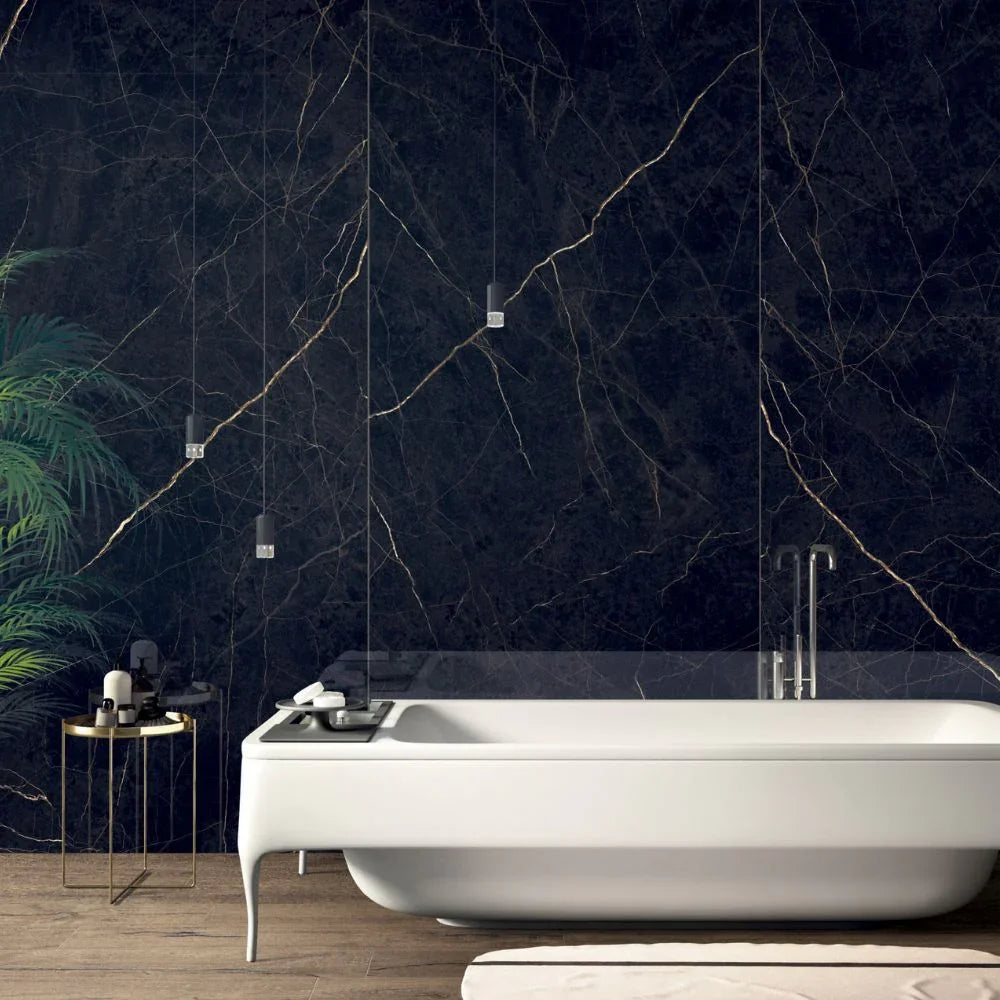
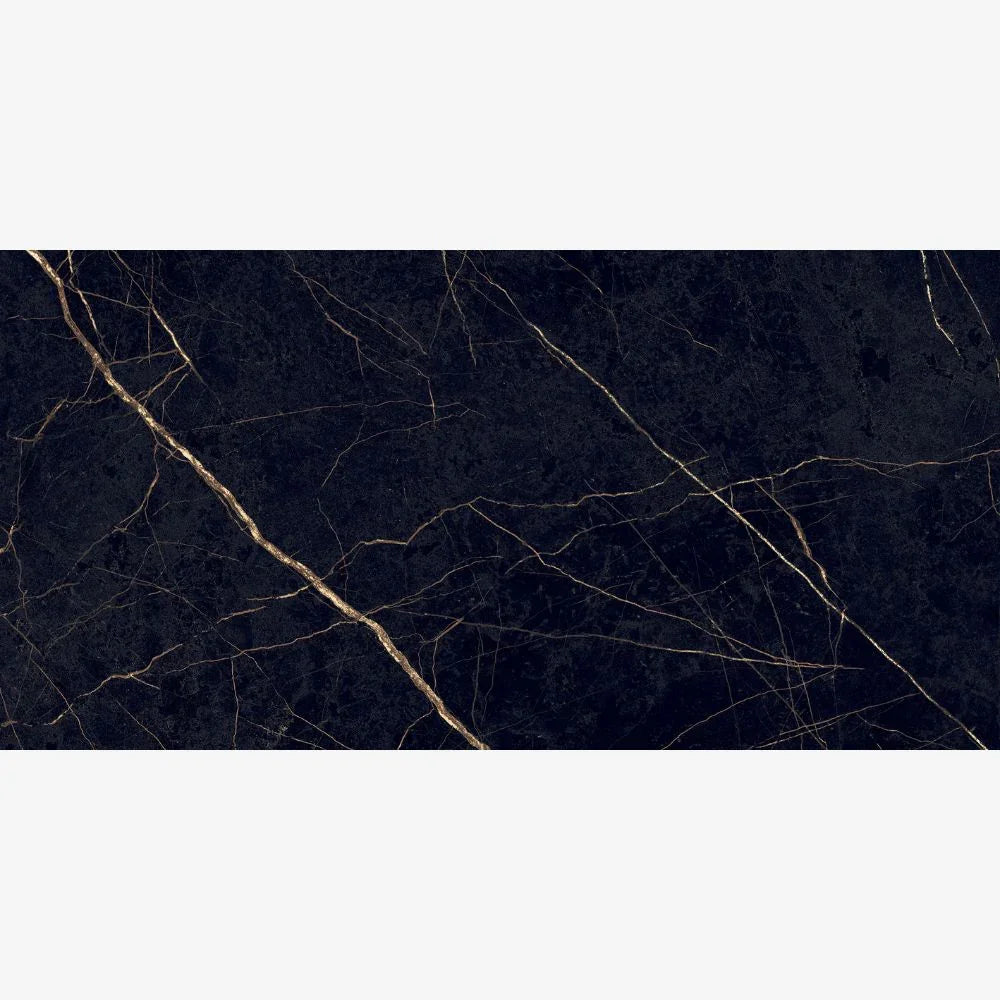
Evolvere Black / Gold Porcelain Tile 60 x 120cm
Choose your option
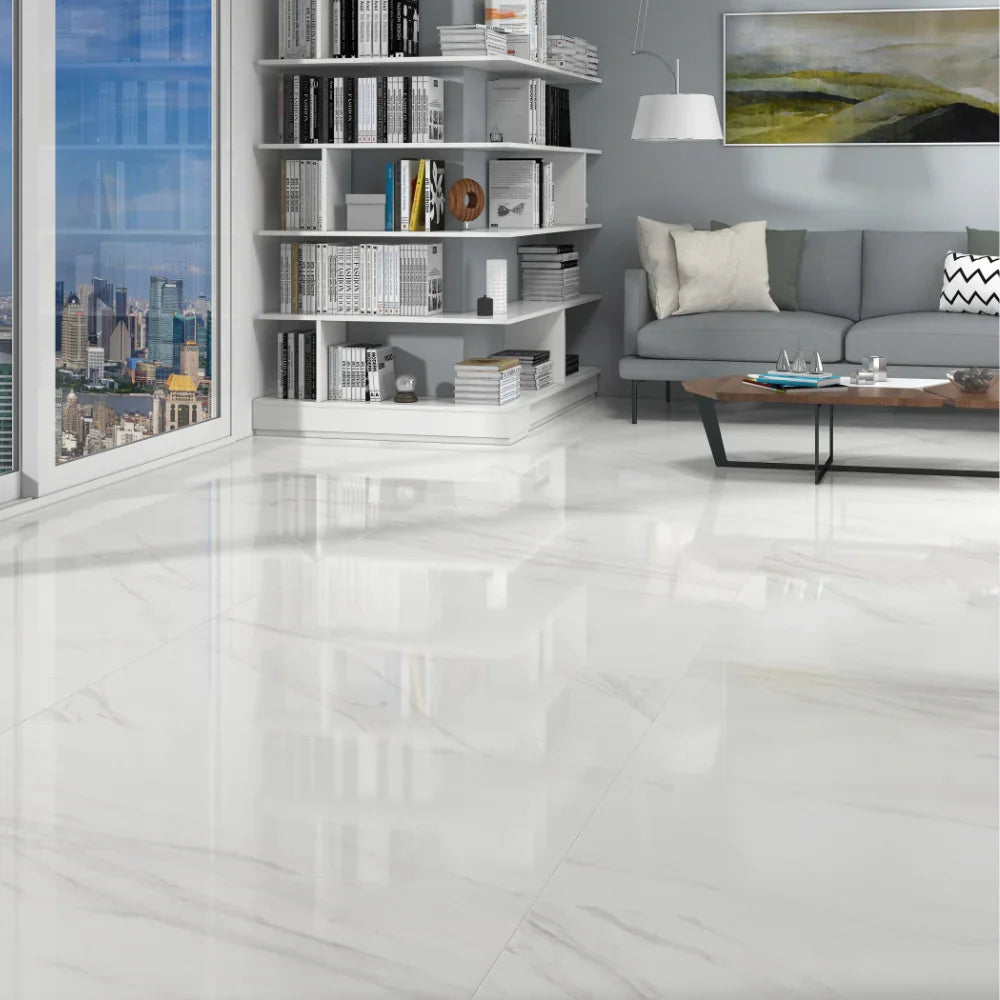
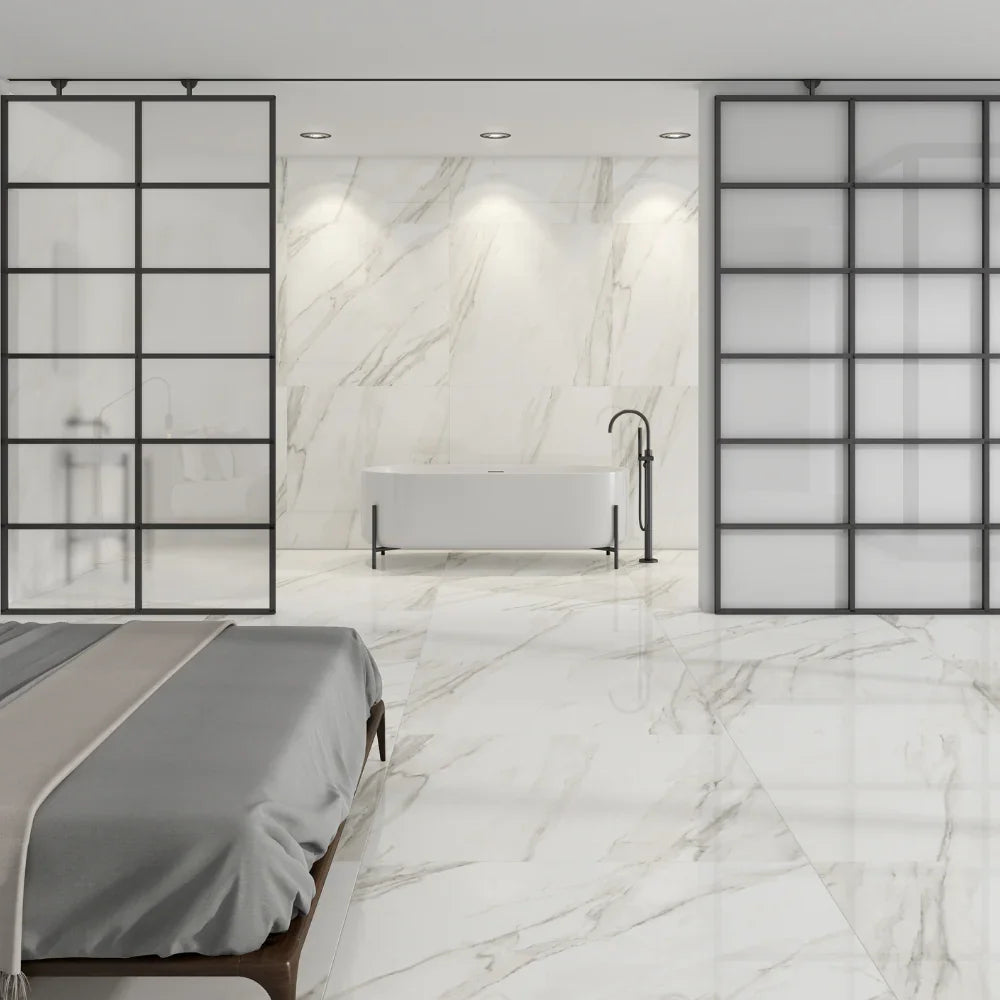
Calacata Mechida White Marble Porcelain Tile
Choose your option
Mosa White Porcelain Tile
Choose your option
Paris Smoke Porcelain Tile
Choose your option
Neptune Marble White Porcelain Tile
Choose your option
Dorset Bone Porcelain Tile 80 x 80cm
Choose your option
Treniz Mint Porcelain Tile
Choose your option
Roman White Marble Polished Porcelain Tile 80 x 80cm
Choose your option
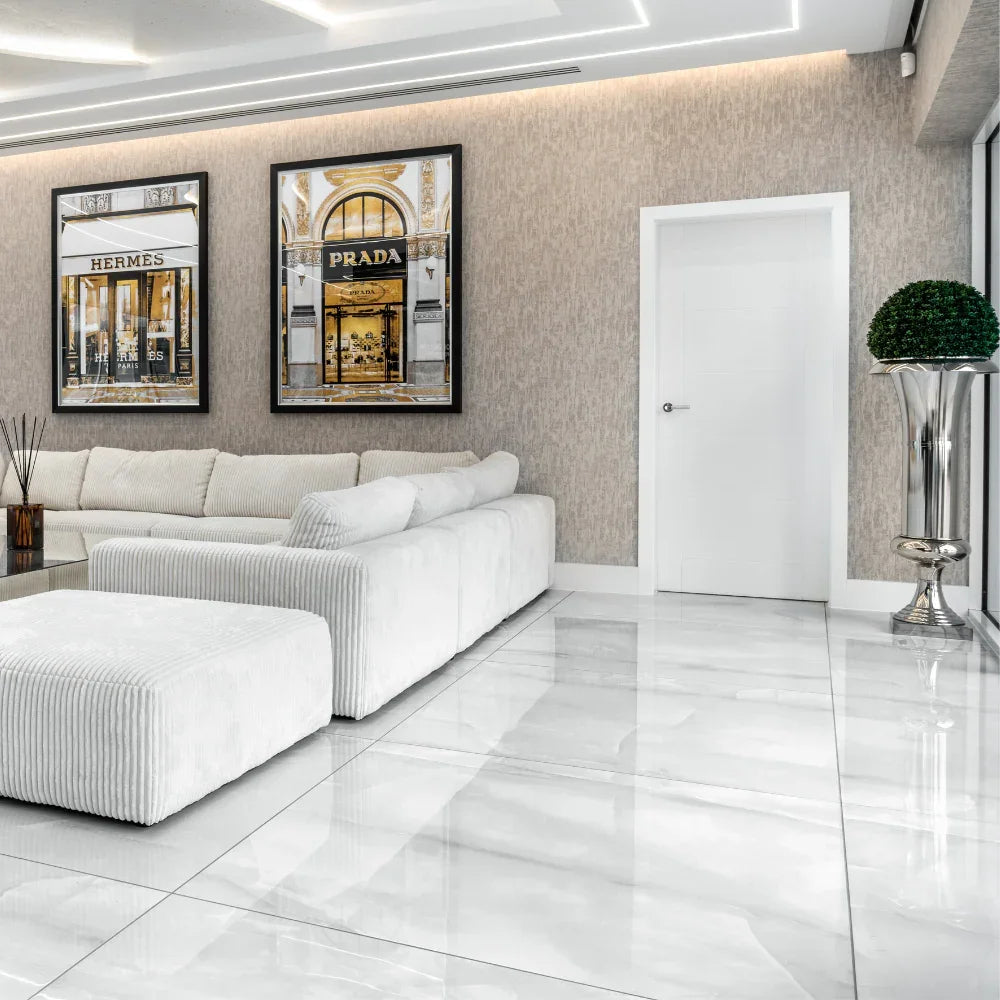
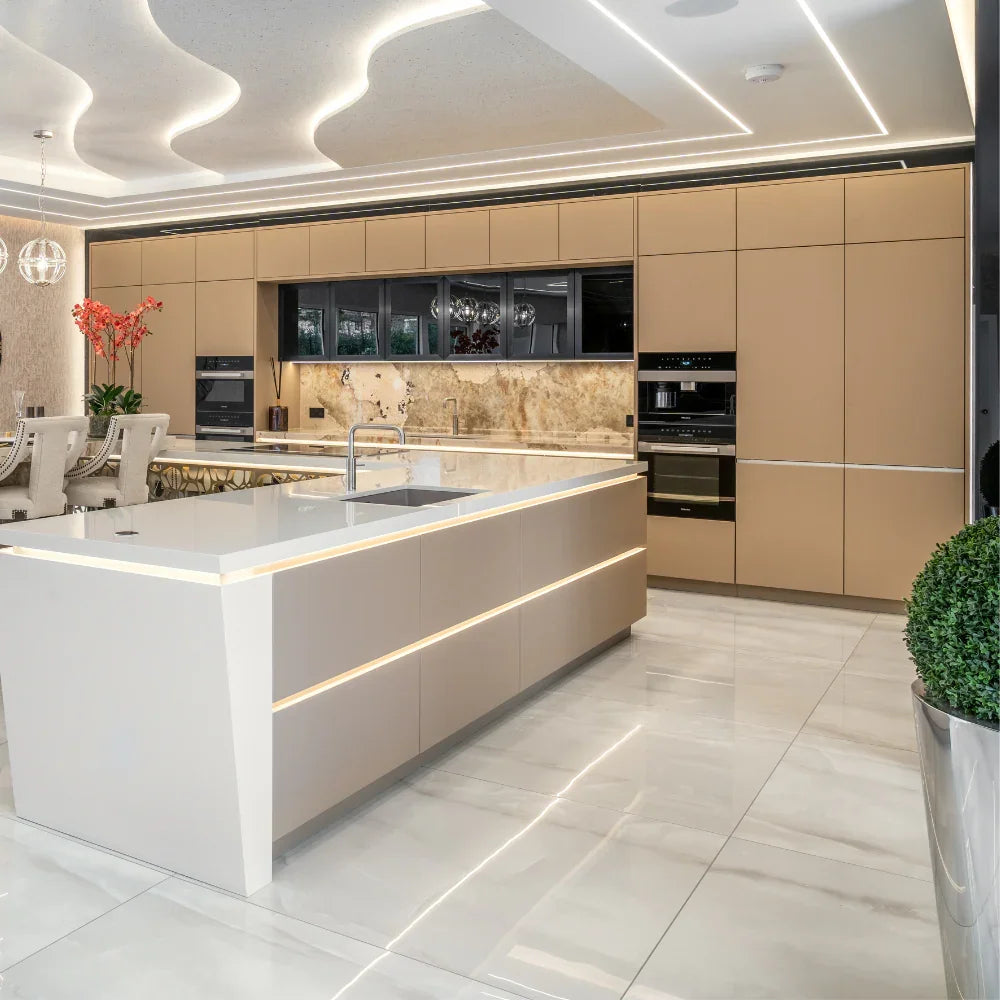
Madre White Porcelain Tile
Choose your option
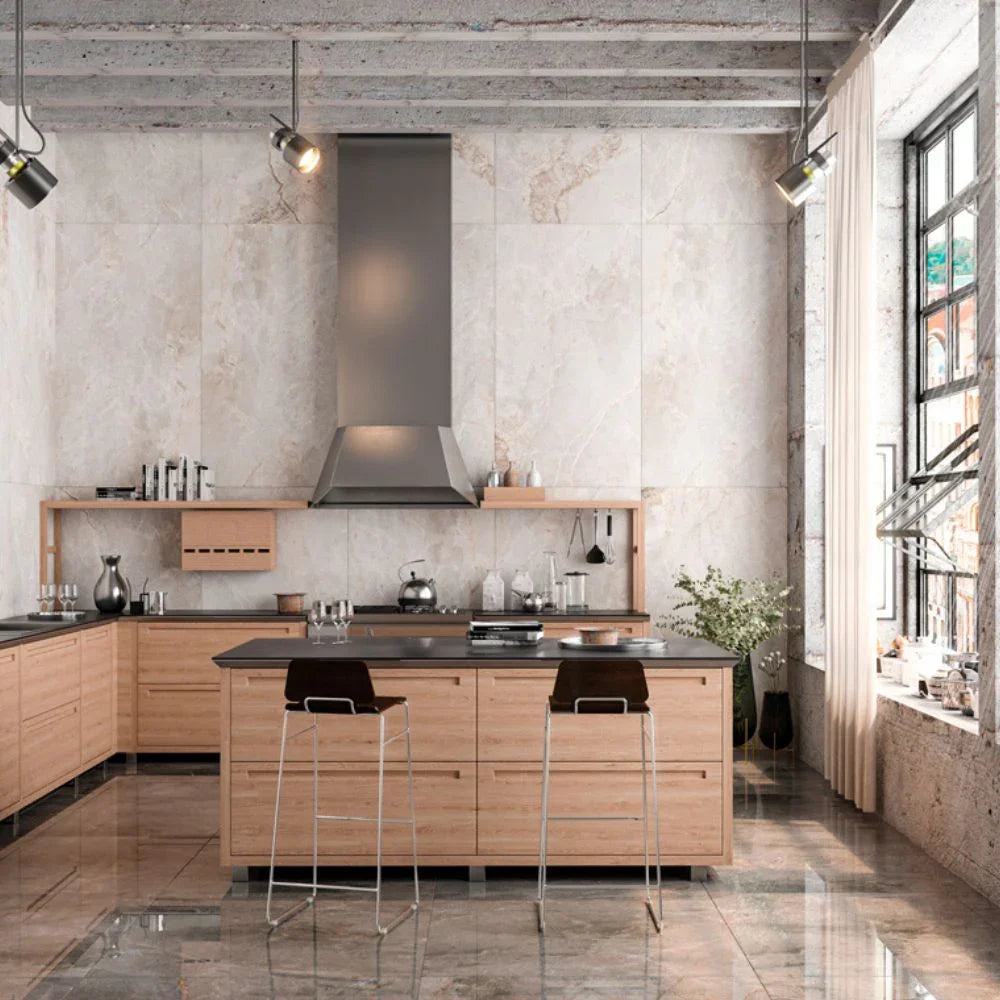
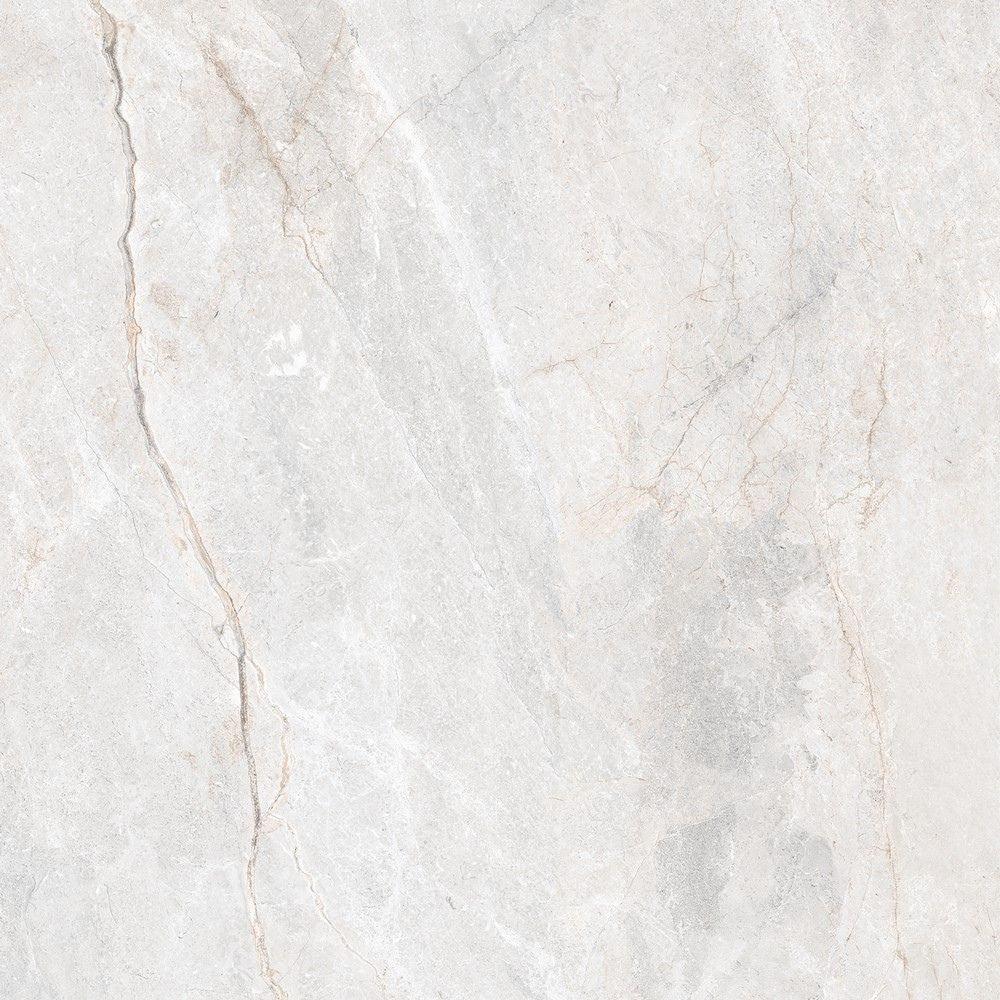
Tuscani Pearl Porcelain Tile
Choose your option
Muiz White Porcelain Tile 60 x 60cm
Choose your option
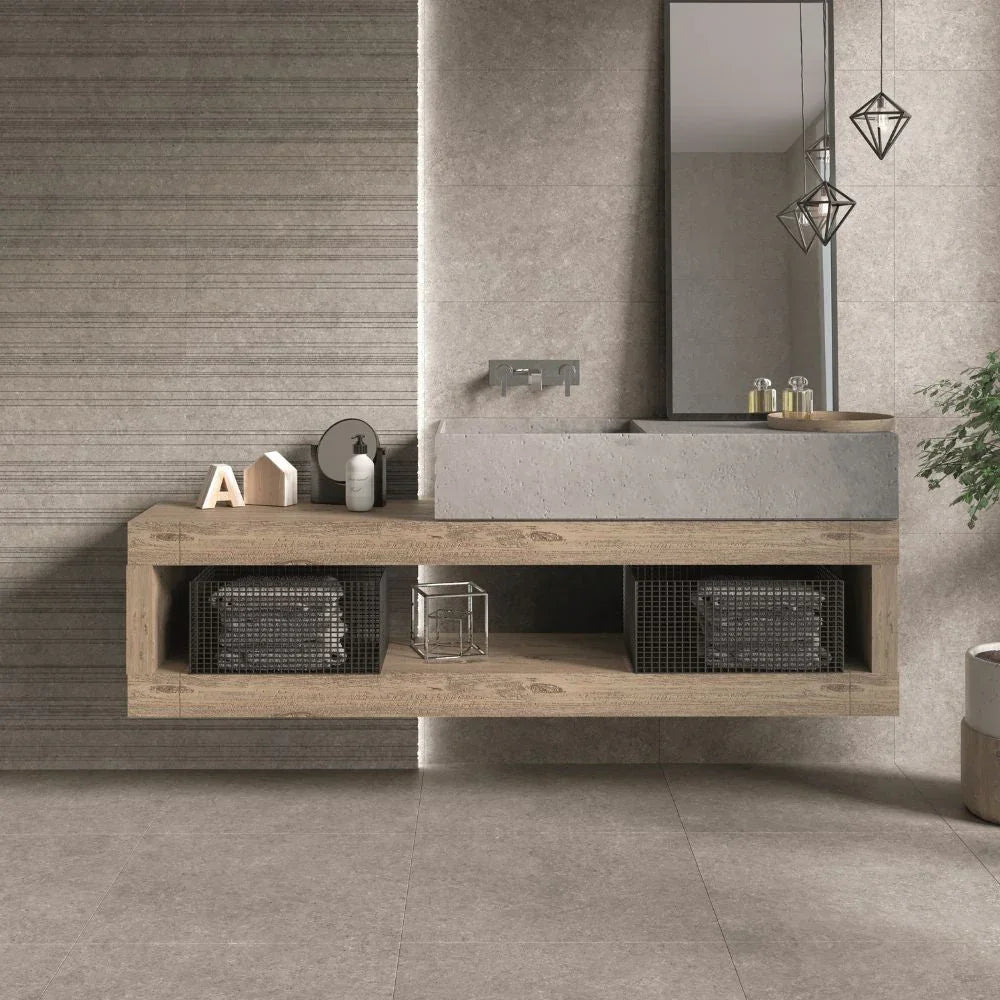
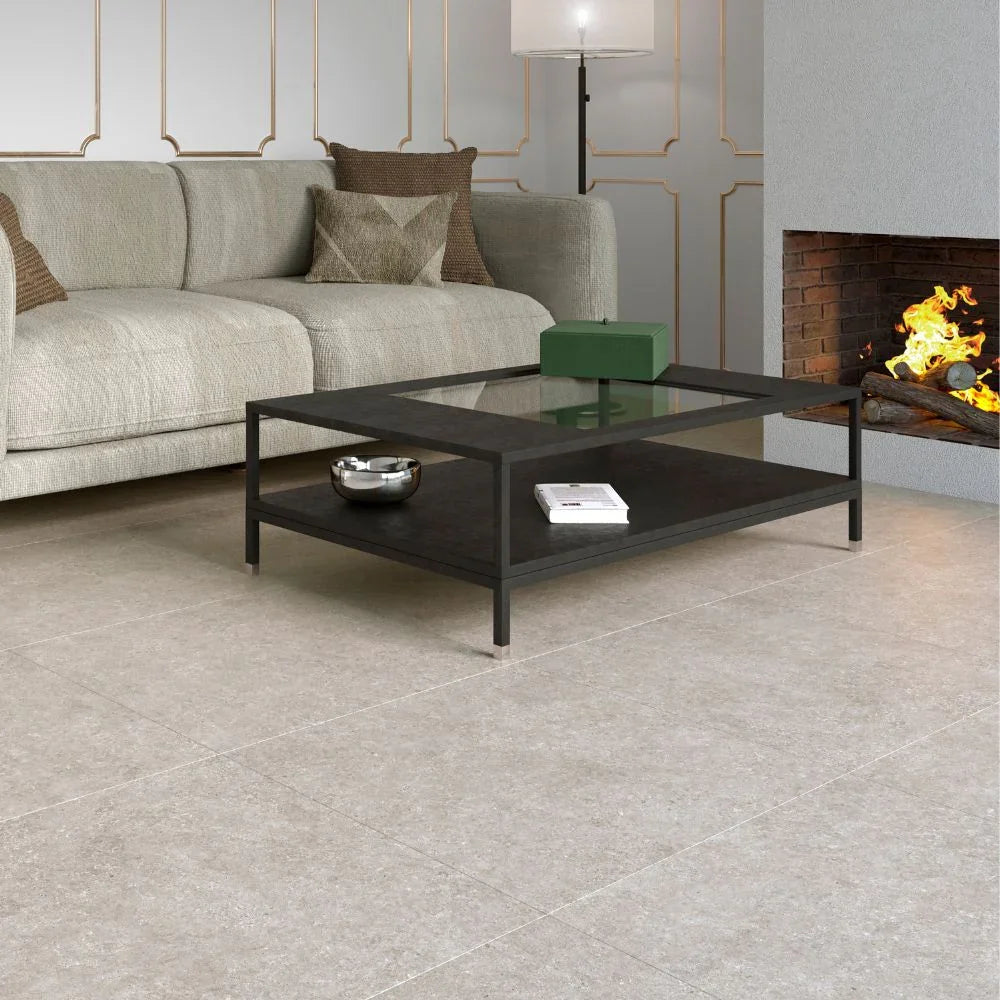
Townhall Taupe Porcelain Tile 30 x 60cm
Choose your option
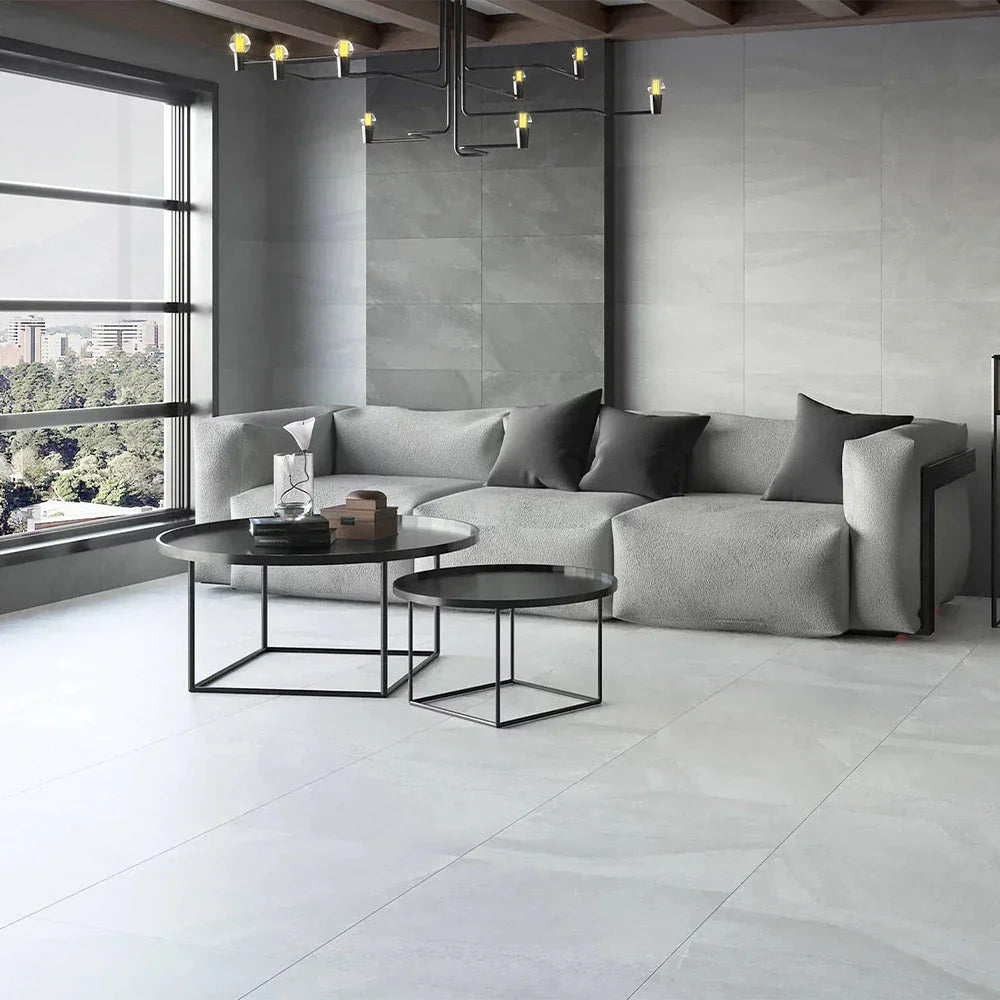
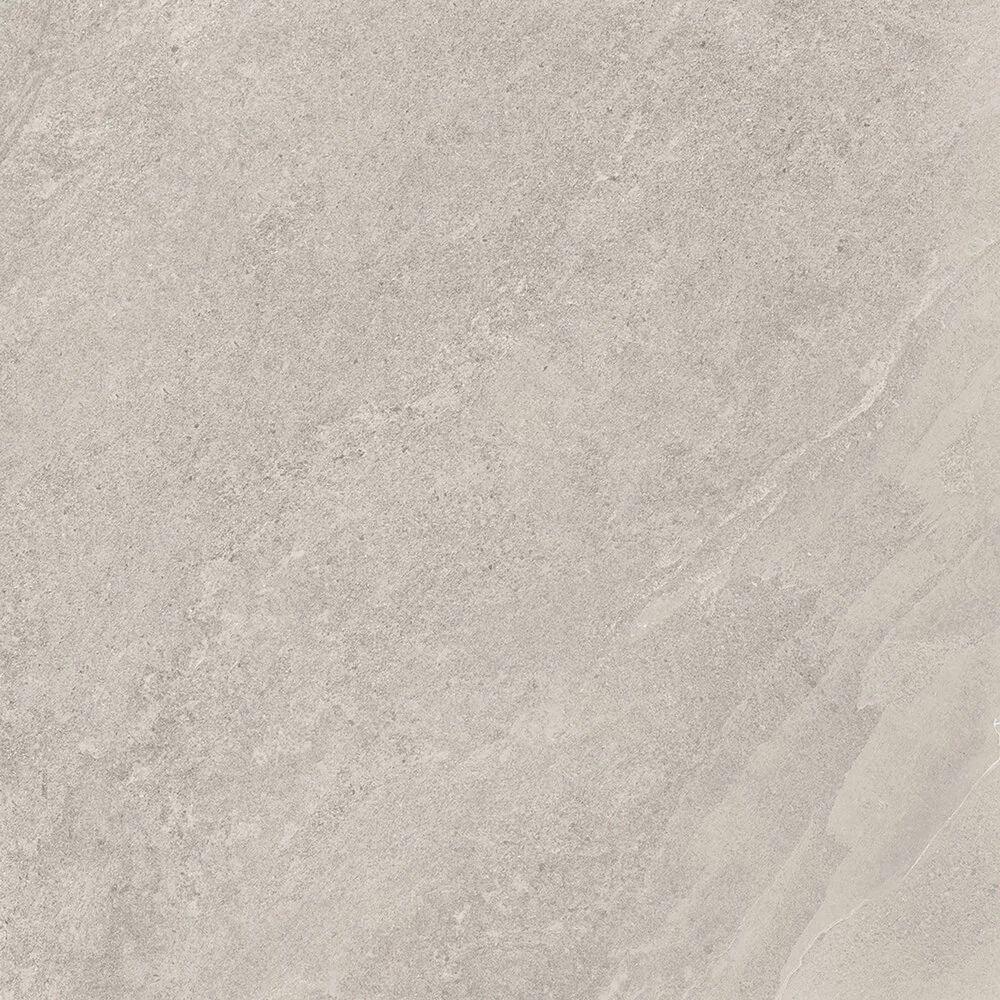
Muiz Grey Porcelain Tile 60 x 60cm
Choose your option
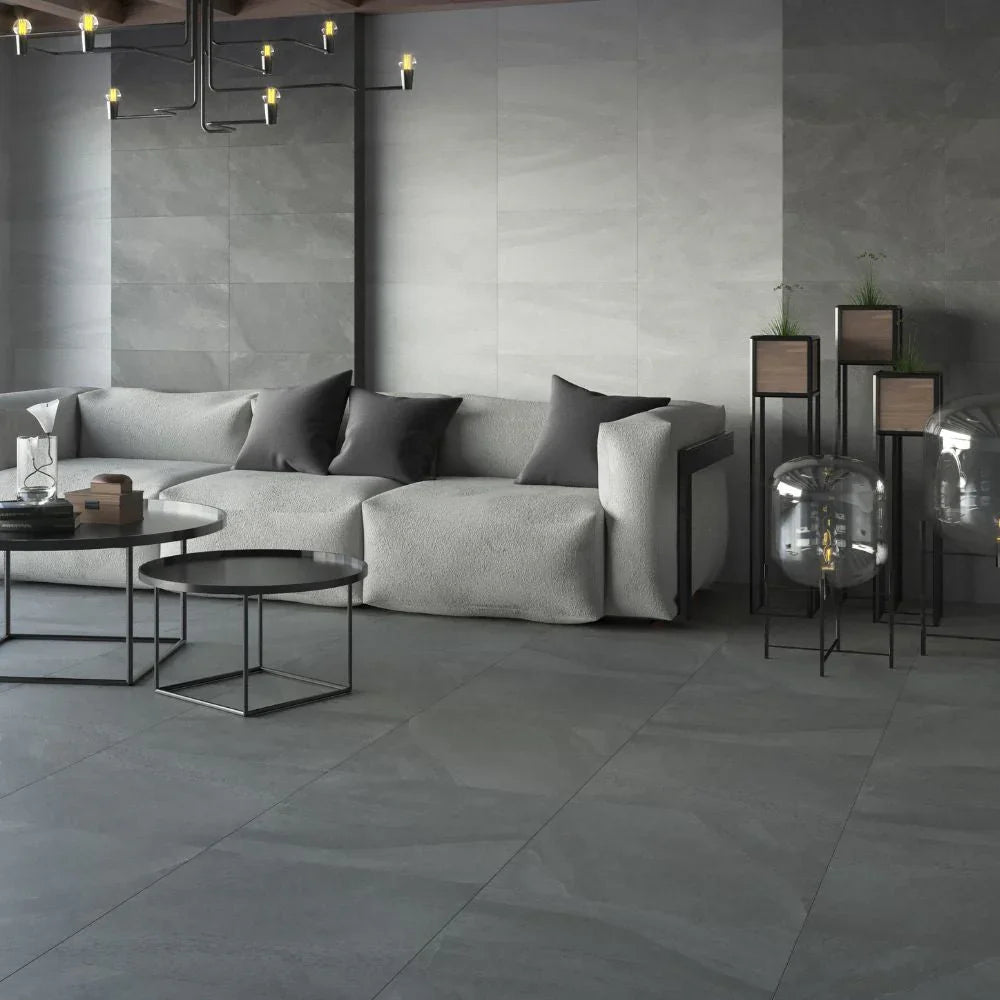
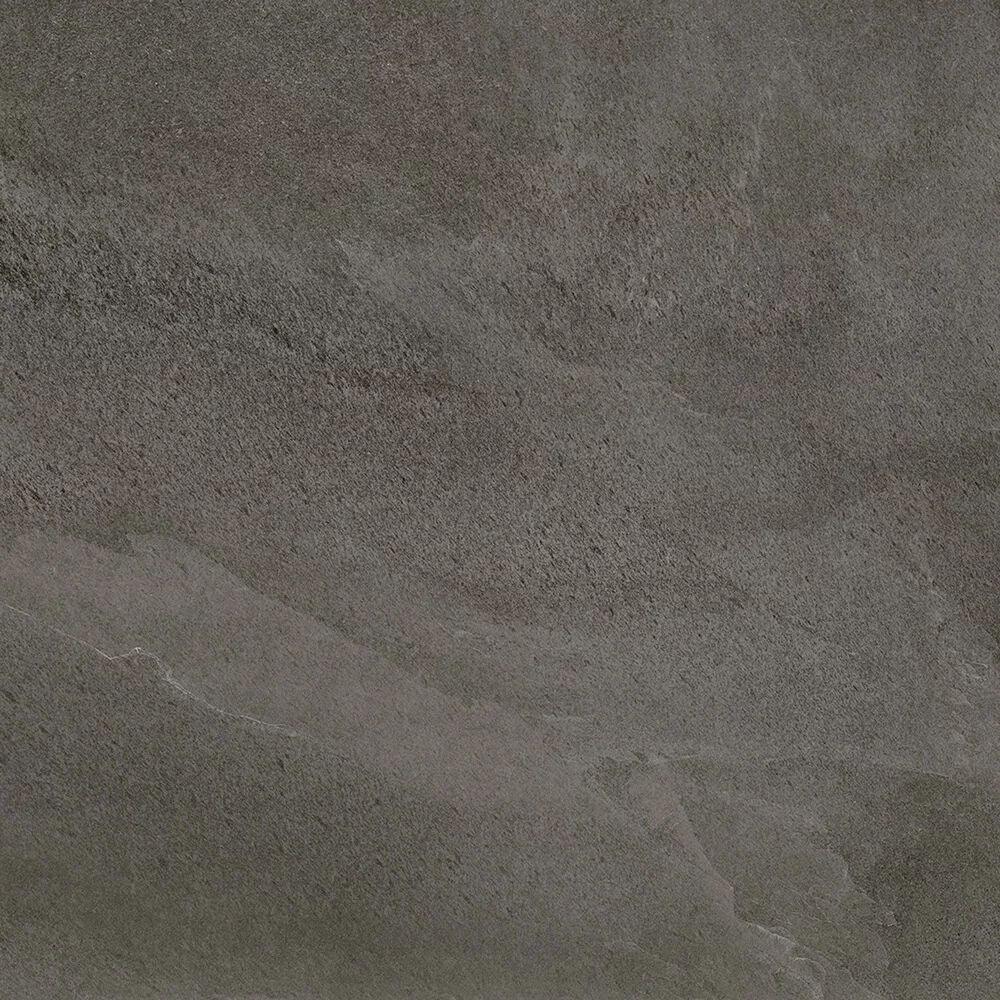
Muiz Dark Grey Porcelain Tile 60 x 60cm
Choose your option
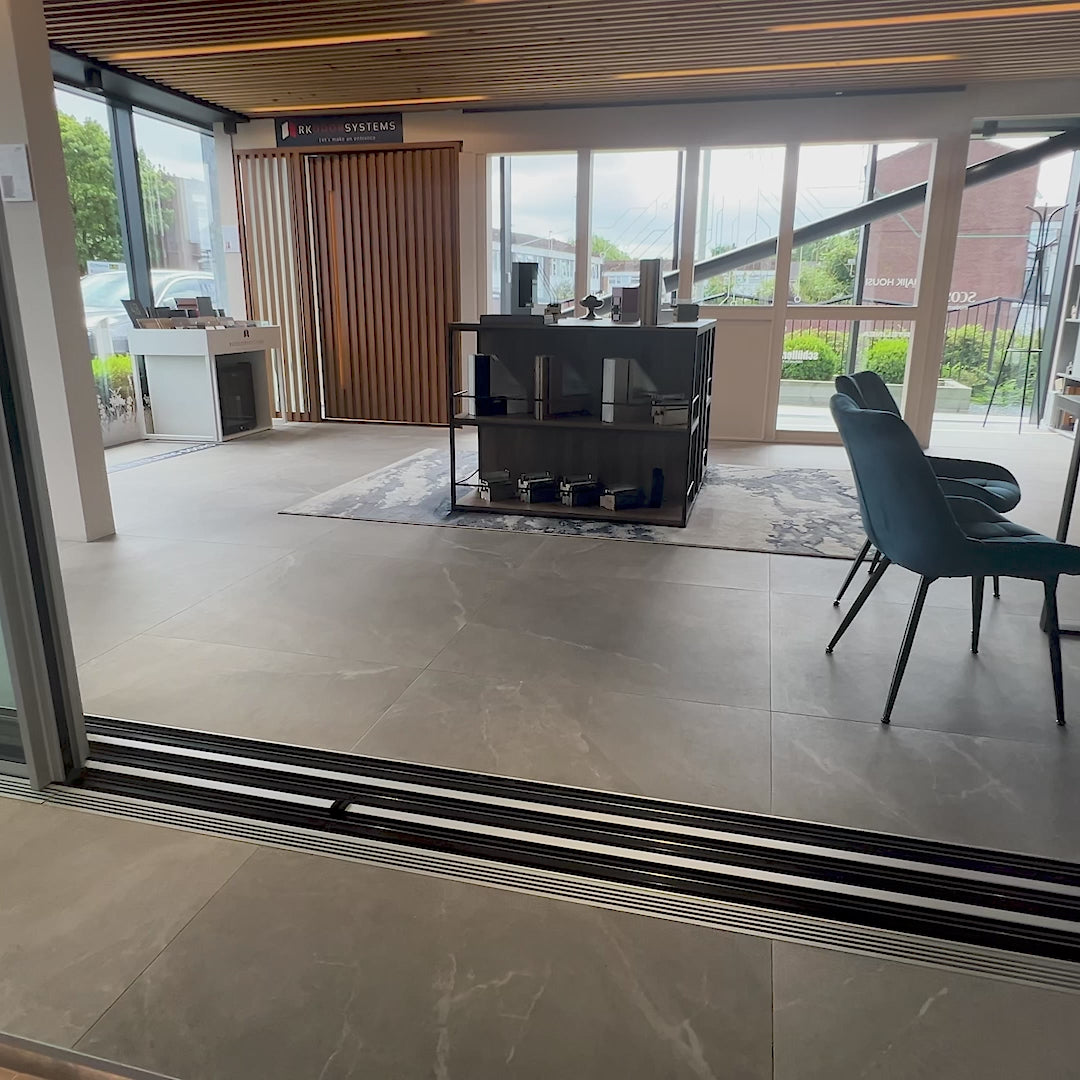
Baccoi Grey Porcelain Tile 100 x 100cm
Choose your option
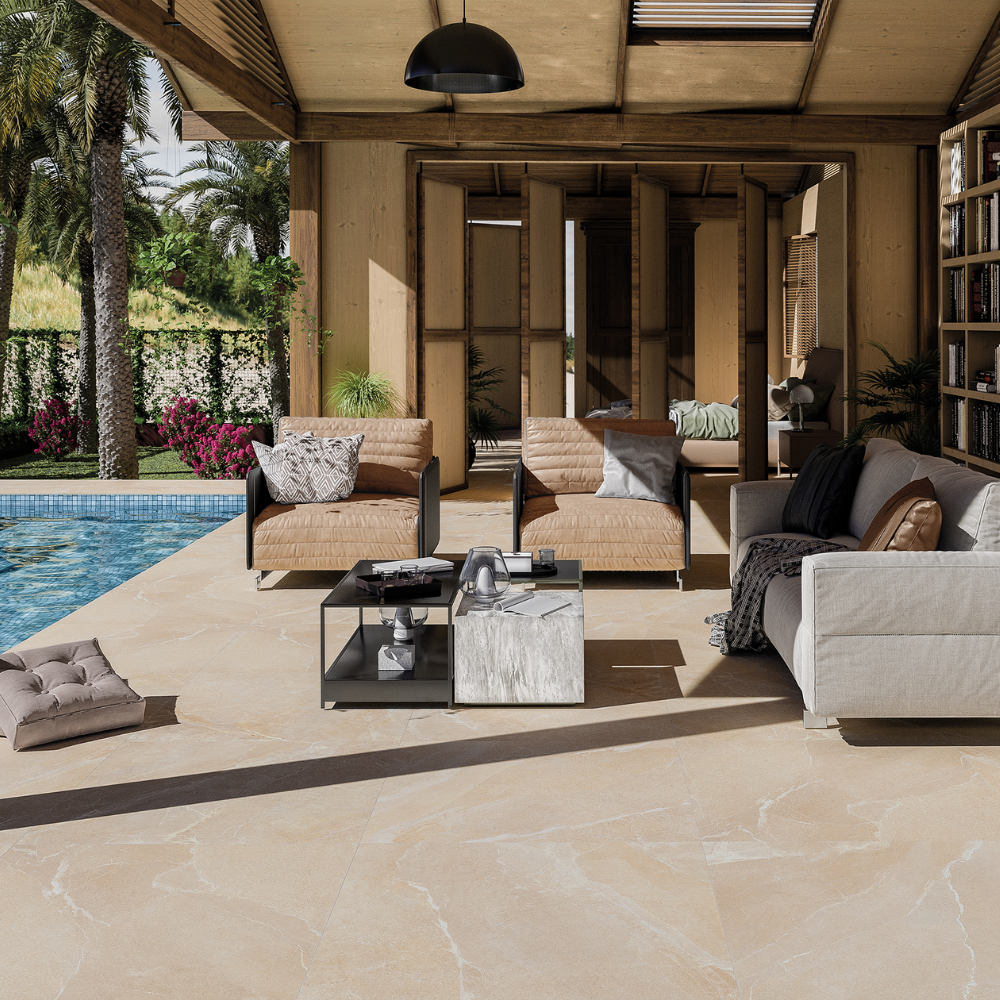
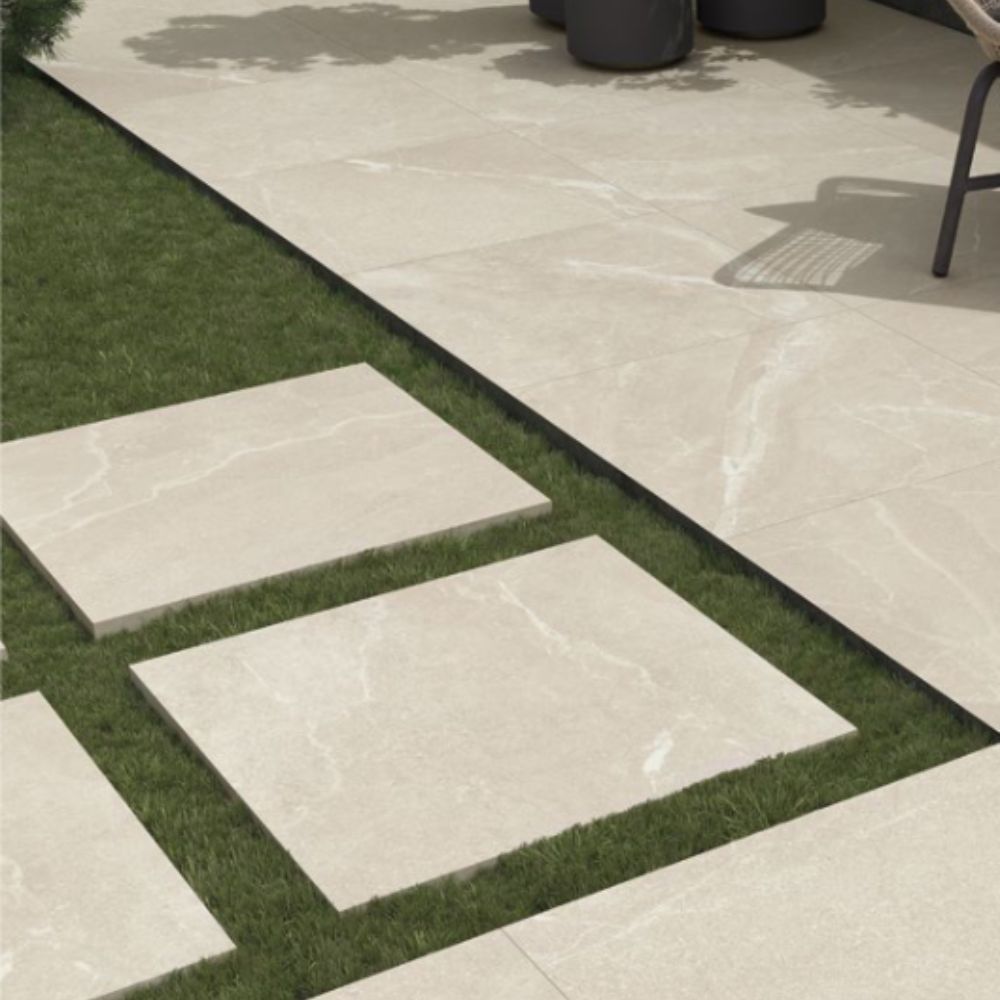
Baccoi Beige Porcelain Tile 100 x 100cm
Choose your option
Townhall White Porcelain Tile
Choose your option