
ROCCIA Design Centre
Opening Times:
Mon-Fri: 9:00am - 5:30pm
Sat: 9:00am - 5:00pm
Sun: 10:00am - 4:00pm
Easter 2026 Opening Times:
Easter Friday: 10am - 4pm
Easter Saturday: Open as Usual
Easter Sunday: CLOSED
Easter Monday: 10am - 4pm
The showroom times will operate as usual from Tuesday 7th April onwards.
Tiles On Display

Design & Ideas

Warm vs Cool Interiors: Choosing the Right Direction for Your Home
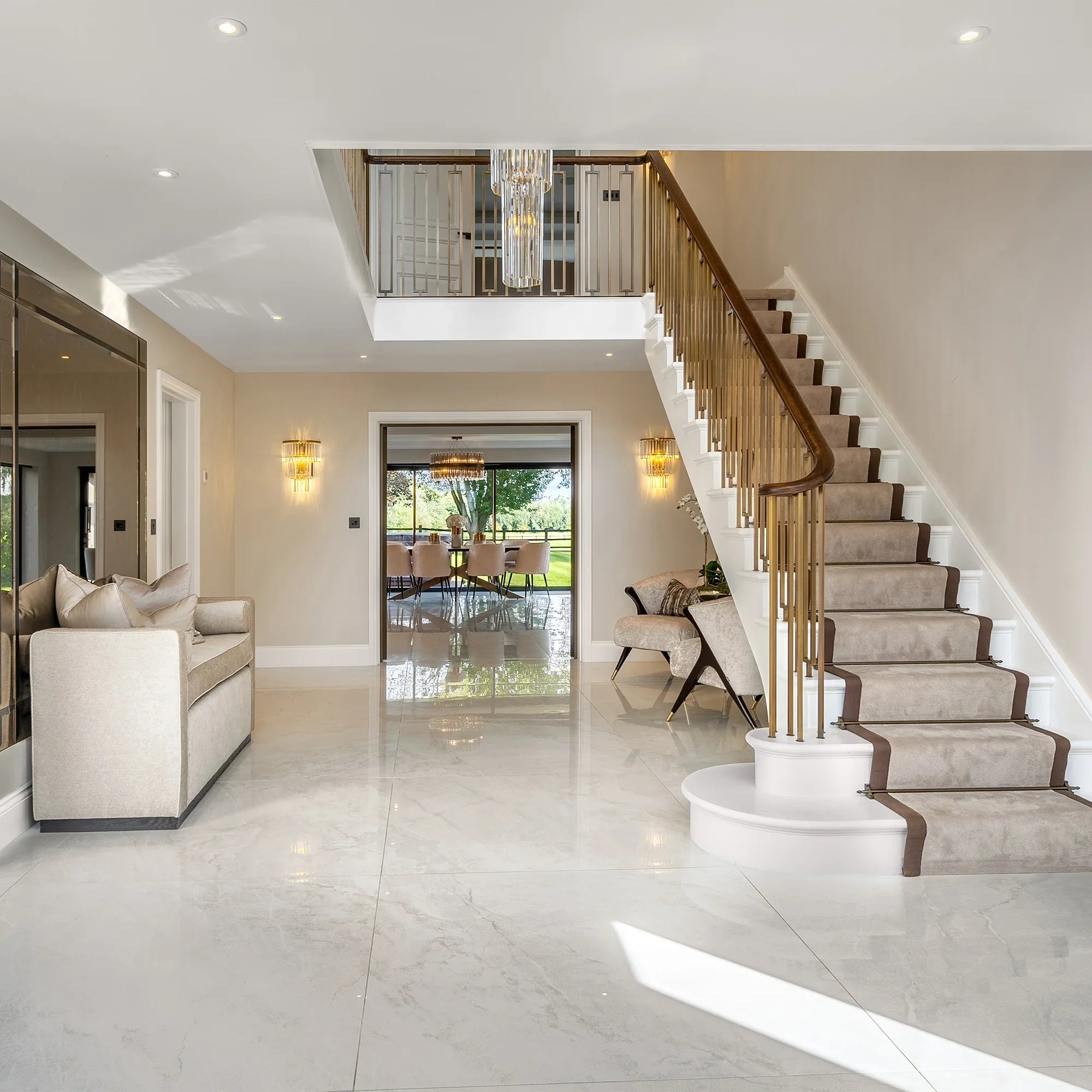
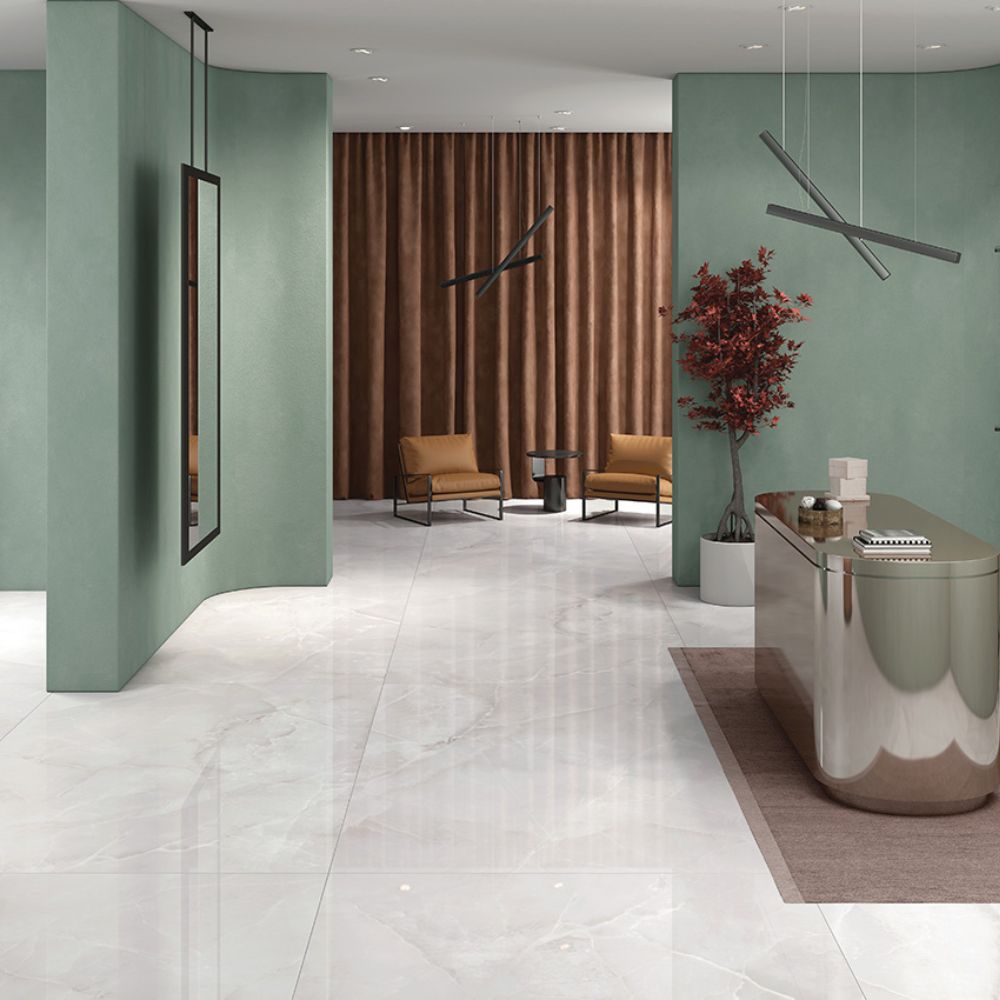
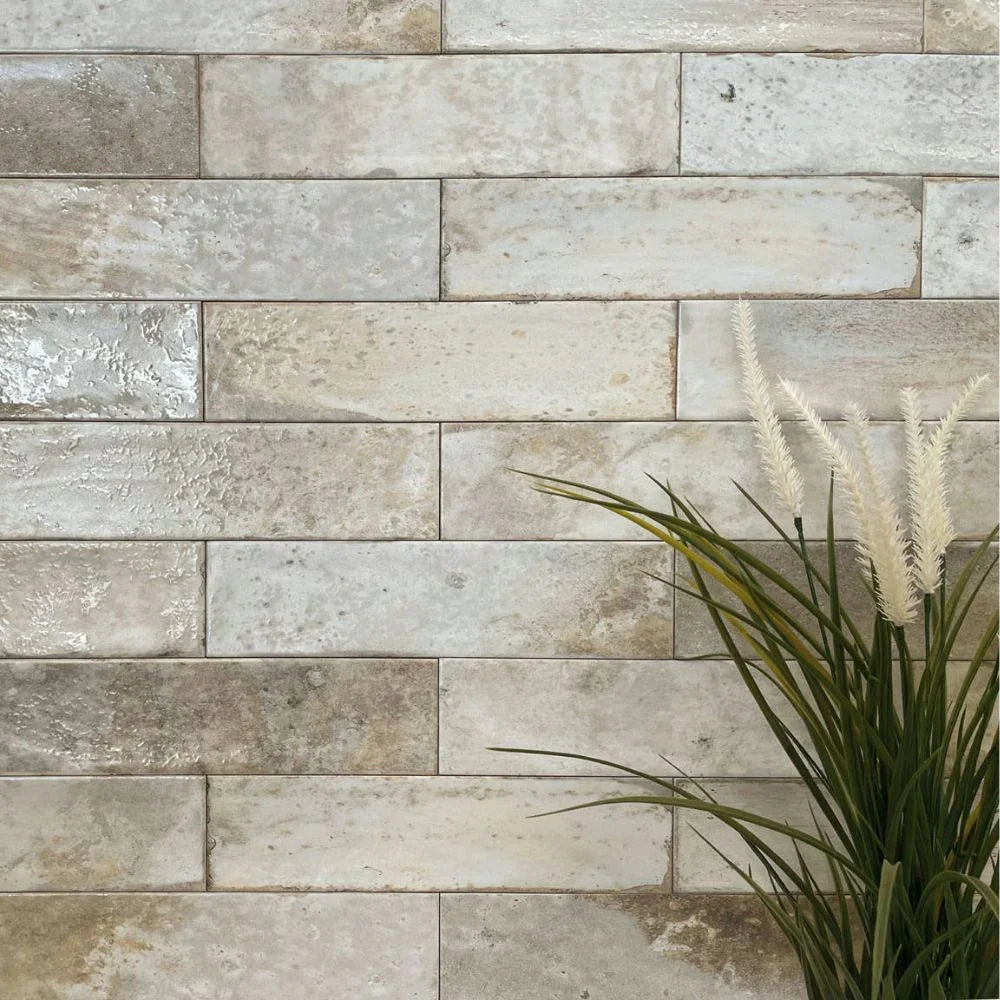
Warm vs Cool Interiors: Choosing the Right Direction for Your Home When it comes to interior design, one of the most powerful tools you can use is understanding the difference between warm vs cool interiors. At first glance, it may seem like a simple choice between warm colors and cool colors, but in reality, it’s far more nuanced. The balance of warm and cool tones influences how a space feels, how light moves through it, and how comfortable it is to live in. Whether you’re choosing paint colors, tiles or surfaces, understanding warm vs cool colors helps you create a home that feels cohesive, calm and intentional. Understanding Warm vs Cool Interiors The foundation of warm vs cool interiors begins with the color wheel. Warm hues, such as reds, yellows and oranges, tend to feel inviting and energising, while cool hues, including blues, greens and cool grays create a calmer, more restrained atmosphere. But the real difference lies in undertones. Warm undertones add softness and warmth, often found in warm neutrals like beige, sand or cream. Cool undertones, by contrast, appear in shades such as cool white, grey or light blues, creating a more crisp and airy feel. This is why two similar colors can feel completely different in the same room — subtle undertones shift the entire mood. The Role of Natural Light and Artificial Lighting Light plays a defining role in how warm and cool tones are perceived. A north facing room typically receives cooler light, which can make colours feel slightly muted or flat. In these spaces, warmer tones can help counteract cooler light and create a more welcoming feel. South facing rooms, on the other hand, benefit from more light throughout the day. This allows cooler tones to work beautifully, balancing the brightness and preventing the space from feeling overly warm. Artificial lighting also has an impact. Warmer bulbs can make cool paint colors feel softer, while cooler lighting can emphasise crispness in a decorating scheme. This is why testing paint samples at different times of day is essential when choosing the right paint colour. Warm Interiors: Creating a Cosy and Inviting Atmosphere Warm interiors are often associated with comfort. They create spaces that feel relaxed, layered and welcoming. Designing with Warm Tones Using warm tones such as soft beiges, warm neutrals or muted terracotta shades helps create a cosy atmosphere. These tones reflect light gently, allowing rooms to feel warmer and more lived-in. Natural materials, such as wood and stone, enhance this effect, adding texture and depth to the space. Where Warm Works Best Warm interiors are particularly effective in: North facing rooms where light is cooler Living rooms and dining rooms where comfort matters Spaces designed as a cosy sanctuary They help add warmth and create an environment that feels inviting and easy to spend time in. Cool Interiors: Calm, Light and Contemporary Cool interiors take a different approach. Rather than warmth, they focus on clarity and calm. Designing with Cool Tones Cool tones, including cool neutrals, cool grays, soft greens and deep blues, create a sense of openness and stillness. These tones reflect light more directly, helping smaller rooms feel more spacious. In modern interiors, cool paint colors are often used to create a clean and contemporary aesthetic. Where Cool Works Best Cool interiors are ideal for: South facing rooms with strong natural light Small rooms where you want to create more space Home offices where calm and focus are important Cool shades can also help balance brighter environments, creating a more restful atmosphere. Mixing Warm and Cool Tones Successfully The most interesting interiors often sit somewhere between warm and cool. Mixing warm and cool tones allows you to create contrast and depth without overwhelming the space. For example, pairing cool walls with warm wood flooring can soften the overall look, while introducing warm accents into a cooler scheme can prevent it from feeling too stark. The key is to maintain balance. Let one temperature dominate, while the other supports it through smaller details. Why Undertones Matter More Than Colour One of the most important aspects of understanding warm vs cool colors is recognising undertones. A grey with warm undertones will feel completely different to one with cool undertones. Similarly, whites can shift between warm or cool depending on subtle variations in their base. This is why choosing paint colors should never rely on a small swatch alone. Larger paint samples allow you to see how tones change across a space and under different lighting conditions. Choosing the Right Direction for Your Space When deciding between warm or cool interiors, think about how you want the space to feel. A living room may benefit from warm tones to create a cosy, inviting environment, while a bathroom or kitchen might lean toward cooler tones for a fresh and clean aesthetic. It’s also important to consider flow. Moving gradually between warm and cool spaces helps maintain cohesion throughout the home, rather than creating abrupt contrasts between rooms. Final Thoughts: Designing with Balance and Intention Warm vs cool interiors isn’t about choosing one over the other, it’s about understanding how both work and using them intentionally. Warm hues create comfort and warmth. Cool hues bring calm and clarity. Together, they offer a full palette for designing spaces that feel balanced, considered and personal. By paying attention to undertones, light and materials, you can create interiors that not only look beautiful, but feel right, in every sense. Bringing Your Interior Vision Together with Roccia Whether you’re drawn to warm tones or cooler shades, the materials you choose will shape how your space feels. At Roccia, we offer a carefully curated collection of tiles and surfaces, from warm, textured finishes to sleek, contemporary options, helping you explore both directions with confidence. Visit one of our showrooms or shop online to discover materials that work beautifully within your home, and create interiors that feel balanced, inviting and uniquely yours. Frequently Asked Questions What are warm and cool colors in interior design? Warm colors include reds, oranges, and yellows, creating a cozy and inviting atmosphere. Cool colors, like blues, greens, and purples, evoke calmness and spaciousness. Understanding these helps you set the right mood for each room. How do I decide between warm and cool tones for my space? Consider your room’s natural light and function. North-facing rooms often benefit from warm tones to counter cooler light, while south-facing rooms can handle cool tones well. Also, think about the atmosphere you want—energizing or calming. Can I mix warm and cool colors in one room? Absolutely! Mixing warm and cool tones adds contrast and depth. The key is balance—choose one temperature as dominant and use the other for accents to keep the space harmonious and visually interesting. How do undertones affect my chosen colours? Undertones subtly influence how a color feels. For example, a grey with warm undertones feels softer and cozier, while one with cool undertones feels crisper. Testing paint samples in your actual space helps reveal these nuances. What role does lighting play in warm vs cool interiors? Lighting dramatically changes how colors appear. Natural and artificial light can warm up or cool down tones. That’s why it’s important to view your chosen colours at different times of day and under various lighting conditions before committing.

How to Create an Outdoor Dining Area Designed for Long Summer Evenings
How to Create an Outdoor Dining Area Designed for Long Summer Evenings There’s something distinctly different about outdoor dining in the summer. The pace slows, the light softens, and even a simple meal begins to feel more considered. But the most memorable outdoor dining spaces aren’t accidental, they’re carefully designed. A well-planned outdoor dining area should feel like a natural extension of the house. Not just a patio with a table, but a true garden dining room, a space that invites you to dine outdoors, relax and spend long evenings with family and guests. Whether you’re working with a terrace, balcony or larger garden, thoughtful design can transform any outdoor space into somewhere that feels both practical and beautifully inviting. Choosing the Right Setting for Your Outdoor Dining Space The success of an outdoor dining space often begins with its position. Locating your dining area close to the kitchen makes everyday use easier, whether it’s a quick breakfast outside or a relaxed evening meal. Easy access between indoor and outdoor spaces encourages more frequent use and makes entertaining feel effortless. Light also plays a key role. A spot that captures the evening sun creates a naturally warm and inviting atmosphere, while partial shade from a tree or pergola can make the space more comfortable during the day. The best outdoor dining areas feel connected to their surroundings, not placed as an afterthought. Grounding the Space: Patio, Decking and Surfaces To create a true outdoor dining area, the flooring needs to feel intentional. A defined patio or decking area helps establish structure and prevents the space from feeling temporary. Porcelain tiles or natural stone surfaces are ideal for outdoor dining because they are durable, weather-resistant and easy to maintain, particularly important in the UK where rain is frequent. Large format tiles can make the space feel more seamless and contemporary, while textured finishes add grip and practicality. Warmer tones, soft beige, sand or subtle grey, help create a cosy and aesthetically pleasing foundation. When the flooring is considered, the entire dining space feels more like a designed room rather than a loose arrangement of furniture. Creating a Garden Dining Room Feel An outdoor dining area works best when it feels like a room, even without walls. This can be achieved through layout and subtle boundaries. A pergola overhead, surrounding plants, or built-in features can help frame the space and create a sense of enclosure. Positioning furniture thoughtfully also defines the dining area. A central dining table, balanced with seating and soft landscaping, helps the space feel structured and inviting. In larger gardens, this approach allows you to build a true garden dining room, somewhere that feels separate from the rest of the garden while still connected to it. Choosing Outdoor Dining Furniture That Works Furniture plays both a practical and visual role in your outdoor dining space. A well-proportioned dining table should suit the size of the area, whether for everyday family use or larger gatherings. Extendable tables are particularly useful, allowing flexibility when hosting guests. Outdoor dining furniture should be durable enough to handle changing weather conditions. Materials such as wood, metal or rattan dining sets offer different styles, from traditional warmth to more contemporary, sleek finishes. Outdoor cushions soften the look and improve comfort, helping the space feel more relaxed and inviting. Choosing fabrics designed for outdoor use ensures they can withstand rain and regular use. Designing for Comfort: Seating and Layout Comfort is key if you want people to linger. Chairs should feel supportive enough for long meals, and the layout should allow easy movement around the table. In smaller spaces or on a balcony, built-in seating or compact dining sets can help maximise space without overcrowding it. In larger areas, mixing seating styles, such as benches with chairs, can create a more relaxed, less formal feel while still maintaining a cohesive design. Lighting for Long Summer Evenings As the evening sets in, lighting becomes one of the most important elements of the outdoor dining experience. Soft, layered lighting creates a warm glow that makes the space feel cosy rather than overly bright. Wall lights, pendant lighting under a pergola, or subtle ground lighting can all enhance the atmosphere. The aim is to create a setting where guests feel comfortable and relaxed, allowing the space to transition naturally from day to evening. Adding Warmth and Atmosphere To extend the use of your outdoor dining area beyond warm afternoons, consider adding features that bring warmth. A fire pit or outdoor heater can help keep guests warm on cooler evenings, making the space usable year round. These features also add a focal point, enhancing both the visual and social experience of the space. Natural elements such as plants, trees and soft textures further soften the environment, helping the space feel calm and connected to nature. Keeping the Design Cohesive A well-designed outdoor dining space should feel like part of the home’s overall style. Using a consistent palette of materials, colours and textures ensures the space feels cohesive. Whether your home leans more traditional or contemporary, the outdoor dining area should reflect that same aesthetic. Simple, neutral tones paired with natural materials often create the most timeless result, allowing the space to feel elegant without being overly styled. Small Outdoor Dining Spaces Done Well Even a compact outdoor space can become a lovely dining area with the right approach. On a terrace or balcony, a smaller dining set or foldable table can create a practical yet stylish solution. Keeping the layout simple and uncluttered helps the space feel more open. In smaller areas, every element matters, from the placement of the table to the choice of materials, so focusing on quality over quantity makes a noticeable difference. Final Thoughts: Designing a Space to Dine, Relax and Gather An outdoor dining space is more than just a place to eat, it’s a space designed for connection. With the right layout, durable materials and thoughtful details, you can create an outdoor dining area that feels both practical and beautifully considered. Whether hosting guests, enjoying a quiet breakfast or gathering for a family meal, the space should feel easy, relaxed and inviting. When designed well, outdoor dining becomes part of everyday life, not just something reserved for special occasions, but a natural extension of the home, made for long summer evenings. Bringing Your Outdoor Dining Space to Life Designing an outdoor dining space is as much about materials as it is layout. The right surfaces can completely transform how the space feels, from a simple patio into a considered extension of your home. At Roccia, we offer an extensive collection of porcelain and natural stone tiles suited to outdoor living. Whether you’re creating a seamless transition from kitchen to terrace or building a dedicated garden dining area, our team can help you explore options that balance durability with design. Visit one of our showrooms or shop online to discover materials, textures and finishes that bring your outdoor space together, and make it somewhere you’ll want to dine, relax and gather all summer long.

Large Format Tiles: Creating Seamless Floors and Walls
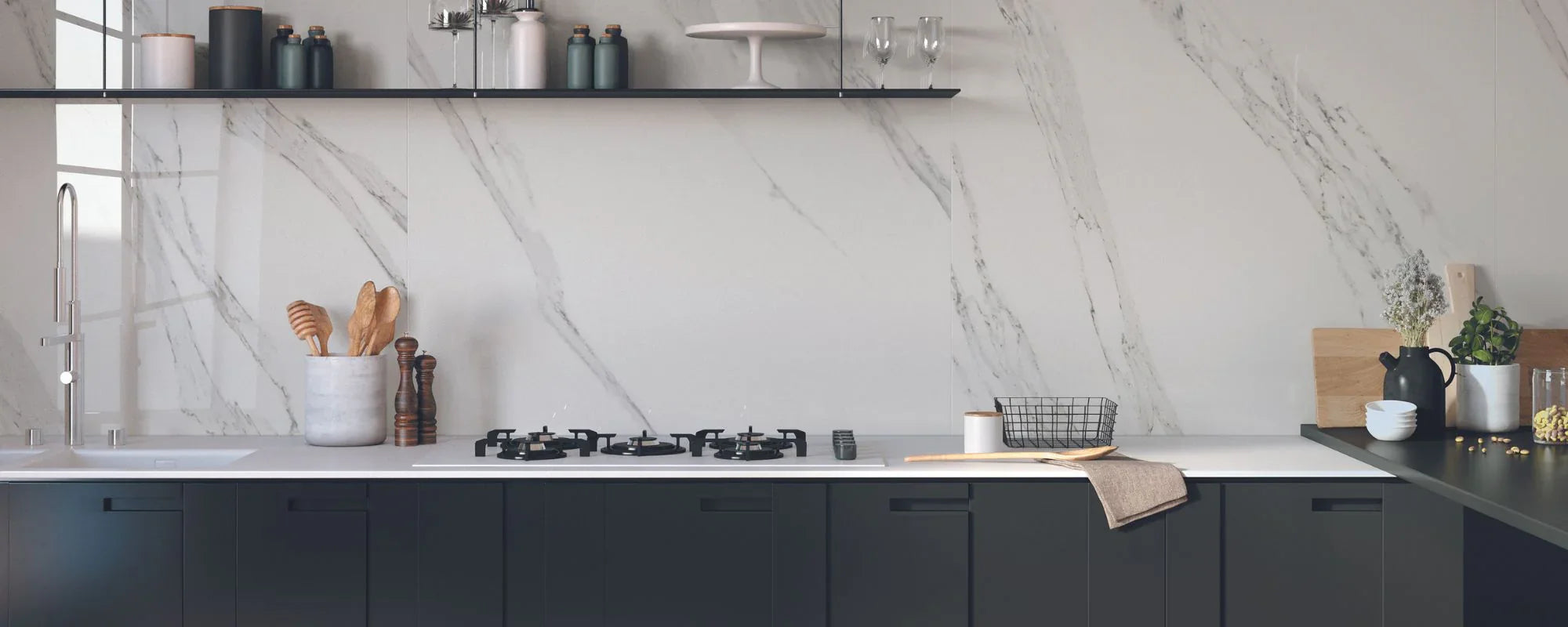
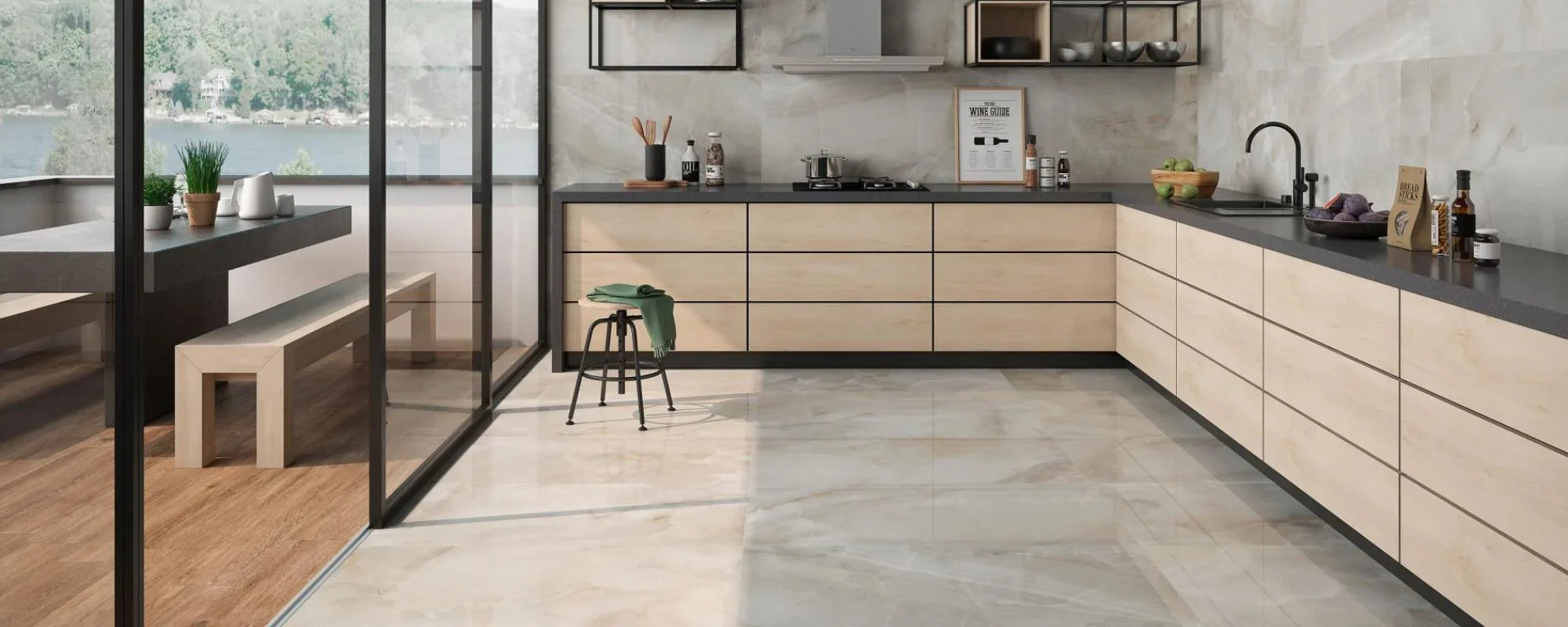
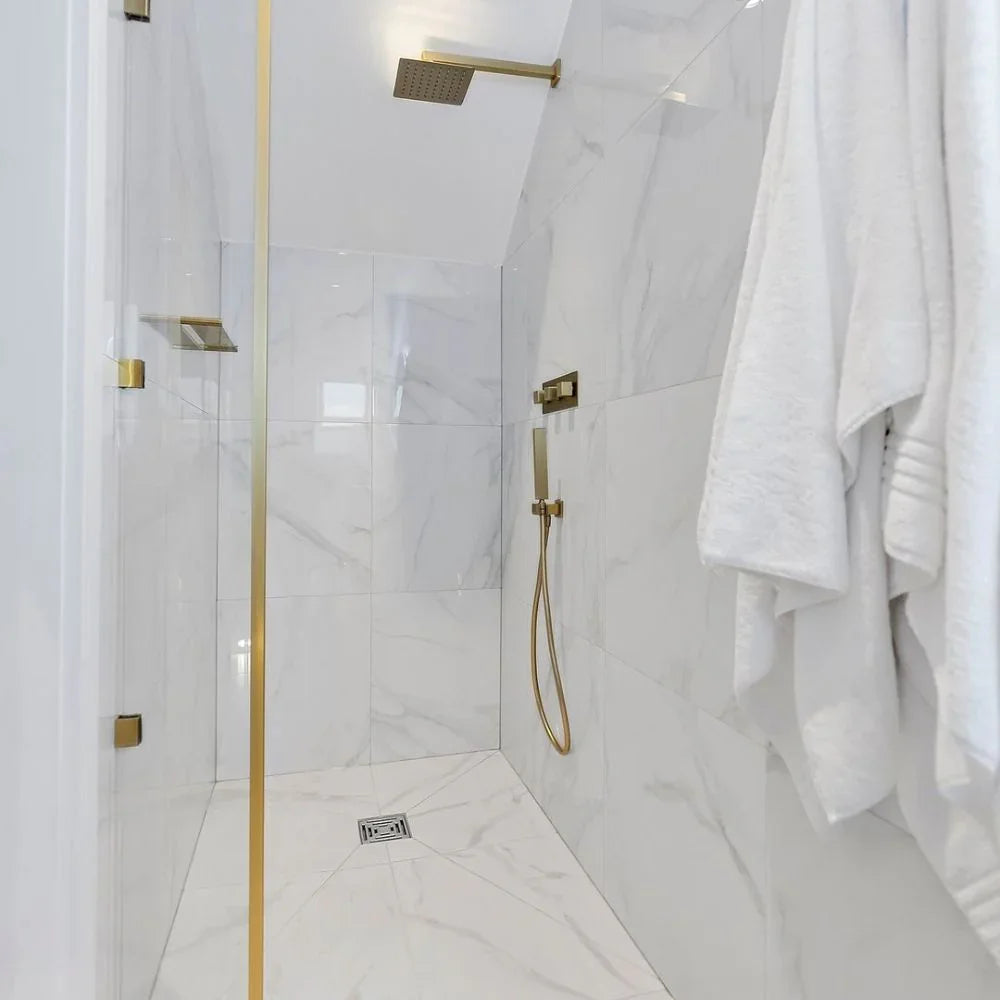
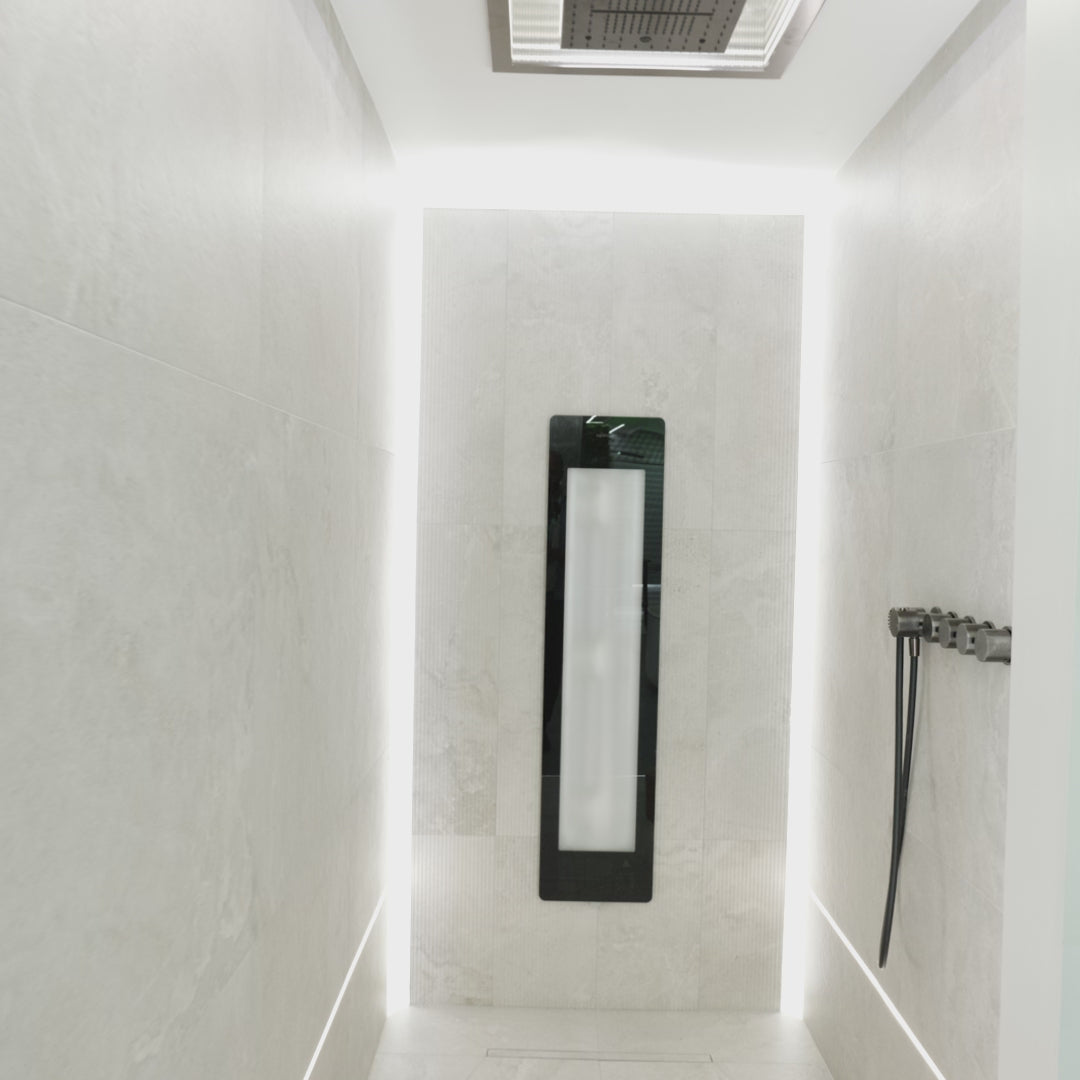
Large Format Tiles: Creating Seamless Floors and Walls Large format tiles have become one of the defining materials in modern home interiors. Where traditional tiles once created visual rhythm through smaller pieces and frequent grout lines, large tiles offer a more seamless approach. By covering more surface area with each tile, they reduce grout lines and allow floors and walls to appear calmer and more continuous. This shift toward large format tiles reflects a wider design movement toward simplicity, natural beauty and architectural surfaces. Whether used as large floor tiles in living rooms or as large wall tiles across bathroom walls, these tiles create interiors that feel sleek, contemporary and quietly luxurious. Large format tiles are available in a wide collection of sizes, finishes, and colors, giving homeowners the opportunity to design luxury interiors tailored to their personal style. What Are Large Format Tiles? Large format tiles generally refer to tiles that are significantly larger than traditional formats. While smaller tiles once dominated bathrooms and kitchens, modern format tiles often begin around 60×60 cm and extend to extra large tiles such as 120×120 cm slabs. Large format tiles are available in a wide range of size options, from 8cm x 40cm to 120cm x 120cm. Because of their scale, big tiles dramatically change how a room feels. With fewer grout lines breaking up the surface, floors and walls appear more seamless. This creates a spacious feel that works particularly well in contemporary home interiors. Large format tiles are typically manufactured from porcelain, making them durable, resistant and suitable for both residential and commercial spaces. These tiles are produced using high quality materials and advanced manufacturing processes, ensuring superior standards of durability, aesthetic appeal, and customer satisfaction. Their strength allows them to stand up to busy areas and high traffic areas while maintaining a long lasting finish. Why Large Tiles Are Transforming Interior Design Large tiles offer several practical perks that go beyond appearance. Key elements of large format tiles include exceptional durability, versatile design options, and suitability for both indoor and outdoor spaces, making them a functional and stylish choice for a variety of environments. A Cleaner, Seamless Look One of the most noticeable benefits of large format floor tiles is the reduction of grout lines. Fewer grout lines mean the overall surface feels more continuous and less visually busy. This seamless effect allows materials such as marble-effect porcelain, stone-effect tiles or terrazzo-inspired designs to appear more authentic, highlighting their natural beauty. Creating a Spacious Feel Large tiles can make even medium-sized rooms feel more open. Because the eye encounters fewer visual interruptions across the floor or wall, the space appears larger and more unified. This makes large format tiles an ideal option for bathrooms, kitchens and hallways where maintaining a sense of openness is important. Additionally, large format tiles suit a wide range of interior styles and preferences, making them a versatile choice for different spaces. Durable Flooring for Busy Areas Large floor tiles are particularly practical in busy areas of the home. Porcelain large format tiles are tough, durable and resistant to moisture and wear, making them ideal for kitchens, hallways and family living spaces. Their low maintenance surface also means they are easy to maintain over time. These qualities make large format tiles the perfect tiles for high-traffic and busy areas in the home. Choosing the Right Large Tiles for Floors and Walls Large format tiles come in a wide variety of styles, textures, and colours, giving you plenty of options to match your design vision. It’s important to consider how different tile sizes and finishes will work within your space to create a balanced and harmonious look. Take some time to explore the extensive range of large format tiles available so you can select the perfect tiles for your project. Large Floor Tiles for Spacious Living Areas Large floor tiles are ideal for open-plan living rooms, kitchens, and other spacious areas. Their generous size helps to unify the floor surface, creating a smooth, continuous look that visually connects different parts of your home. Porcelain large floor tiles are especially well-suited to high-traffic zones because of their durability and resistance to wear, making them a practical choice for busy family spaces. Large Wall Tiles for Sleek Bathrooms In bathrooms, large wall tiles are a game-changer. By minimising grout lines, they create a clean, sleek surface that feels calm and spa-like. Installing large wall tiles across bathroom walls not only enhances the room’s aesthetic but also makes cleaning easier. This approach transforms your bathroom into a serene retreat with a modern, seamless look. Large Format Tiles in Kitchen Design Large format tiles are an excellent choice for kitchens, where both style and functionality are essential. Their expansive size helps create a seamless floor surface that visually enlarges the space, complementing modern cabinetry and open-plan layouts. The reduced grout lines not only enhance the kitchen’s sleek, contemporary look but also make cleaning easier in this high-traffic area. Available in a diverse range of colours and finishes, large tiles can be tailored to suit various kitchen styles, from minimalist and modern to warm and rustic, offering both durability and aesthetic appeal for one of the most used rooms in the home. The Role of Finish and Texture Surface finish plays a key role in the final look of large format tiles. Matt Finishes for Modern Interiors Matt finishes remain a popular choice for contemporary interiors. They create a soft, understated aesthetic that works beautifully with natural textures and neutral colours such as beige, grey and stone tones. Matt porcelain tiles are also practical for floors in bathrooms and kitchens, where slip resistance is important. Polished Surfaces for Light Reflection Polished large tiles reflect light across the room, helping enhance brightness in spaces with limited natural light. This finish works particularly well on walls, where the polished surface highlights veining and colour variation within the tile. Colours and Styles in Large Format Tiles Today’s extensive range of large format tiles includes everything from natural stone-inspired designs to more contemporary surfaces. Stone-effect porcelain tiles often replicate the textures and tones of limestone, marble or rustic stone. These tiles allow homeowners to achieve the look of natural stone while benefiting from the durability and practicality of porcelain. Large format collections also feature a wide range of colours, from soft beige and warm grey to deeper shades such as blue, green or charcoal. These colours allow designers to create different moods while maintaining the clean aesthetic that large tiles provide. Designing Kitchens and Bathrooms with Large Format Tiles Large tiles can be used creatively across floors and walls to enhance interior design. In kitchens, large floor tiles create a strong foundation that complements modern cabinetry and open layouts. The seamless flooring helps the room feel more spacious and cohesive. In bathrooms, large wall tiles minimise grout lines and make surfaces easier to maintain. When used across both floors and walls, they create an immersive, spa-like atmosphere. This approach is particularly effective in contemporary bathroom interiors where calm surfaces are preferred over busy patterns. Natural Stone and Stone-Effect Alternatives While natural stone slabs offer unique character, stone-effect porcelain tiles provide a practical alternative. Porcelain large format tiles replicate the natural textures and colours of real stone while offering greater resistance to moisture and staining. For homeowners renovating bathrooms or kitchens, this makes them an ideal option that balances beauty with practicality. Stone-effect collections also provide consistency in colour and pattern, allowing designers to achieve a cohesive look across large surfaces. Practical Considerations When Installing Large Tiles Large format tiles require careful installation to ensure a flawless finish. Because the tiles are bigger, the surface beneath them must be perfectly level. Professional installation helps prevent uneven edges between tiles and ensures the adhesive fully supports the tile surface. When installed correctly, large format floor tiles create a durable, long lasting finish that can stand up to everyday use. Final Thoughts: Seamless Surfaces for Modern Interiors Large format tiles represent a shift toward cleaner, calmer design. By reducing grout lines and emphasising material surfaces, they allow floors and walls to feel more architectural and less cluttered. Whether chosen for living rooms, bathrooms or hallways, large format tiles create interiors that feel spacious, modern and stylish. Their durability, low maintenance qualities and extensive range of colours and textures make them one of the most versatile flooring and wall solutions available today. For homeowners exploring new ideas for their next project, large format tiles offer a simple yet powerful way to transform a space, bringing together practicality, beauty and contemporary design.