
Collection:
Bathroom Tiles
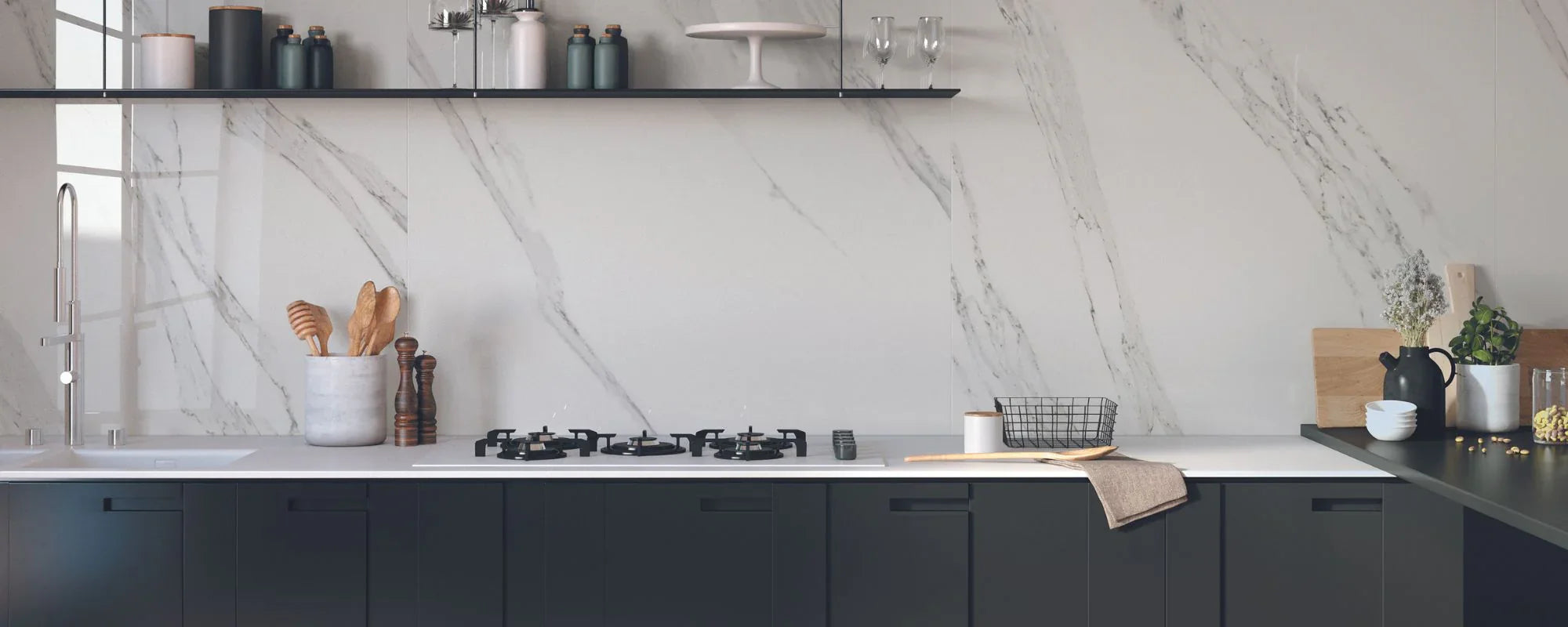
Bathroom tiles set the atmosphere around the bath, basin and shower. Soft stone effects can create a quiet backdrop, while colour, veining, or decorative detail gives the room more personality. Explore surfaces that work with the furniture and fittings you have in mind, from compact cloakrooms to larger bathrooms.
46 of 441 products
Filter
Berundi Mirror Porcelain Tile 60 x 60cm
Choose your option
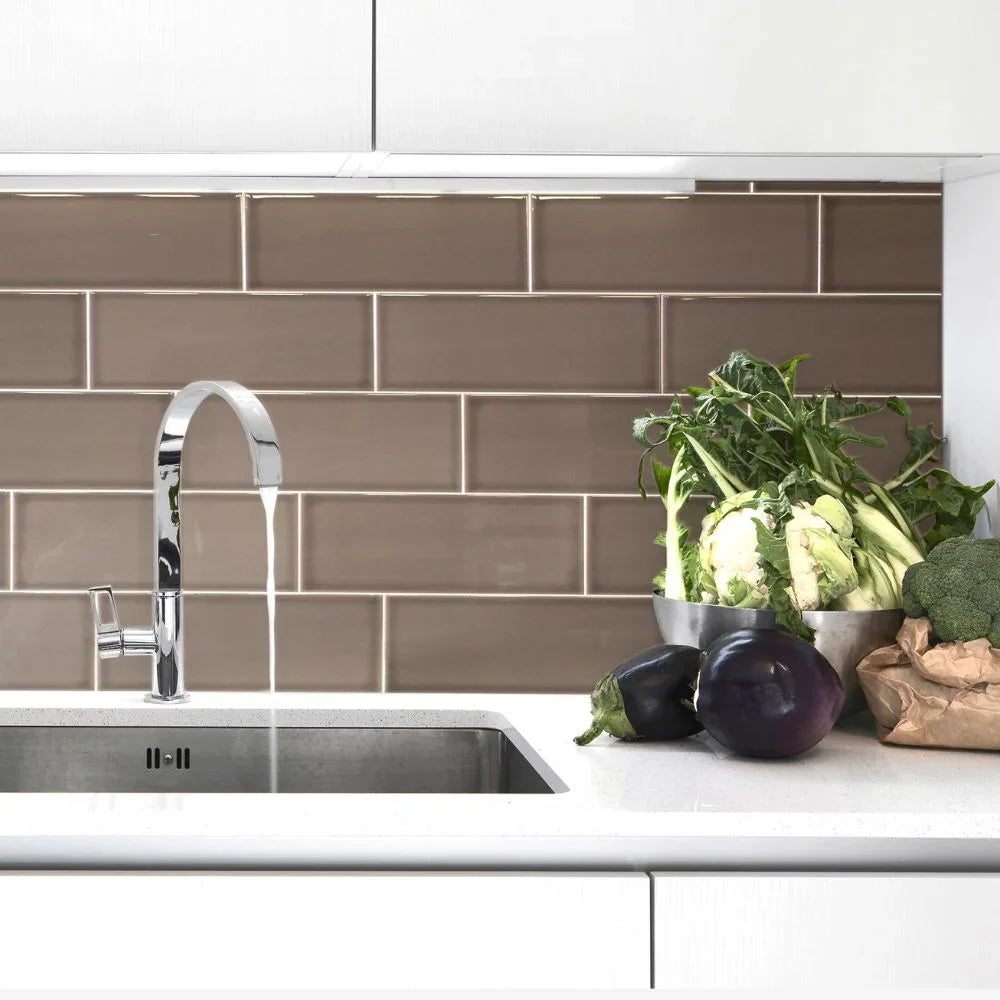
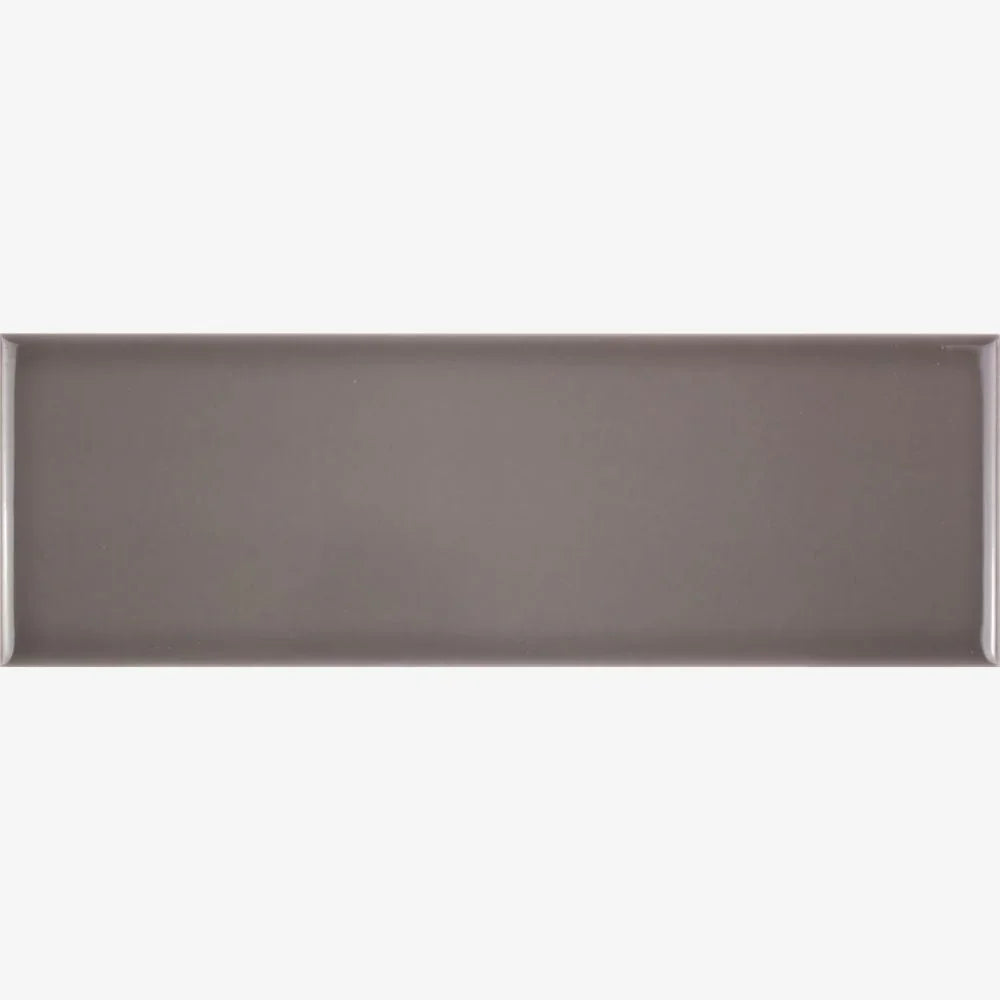
Daurmont Grey Subway Tile 10 x 30cm
Choose your option
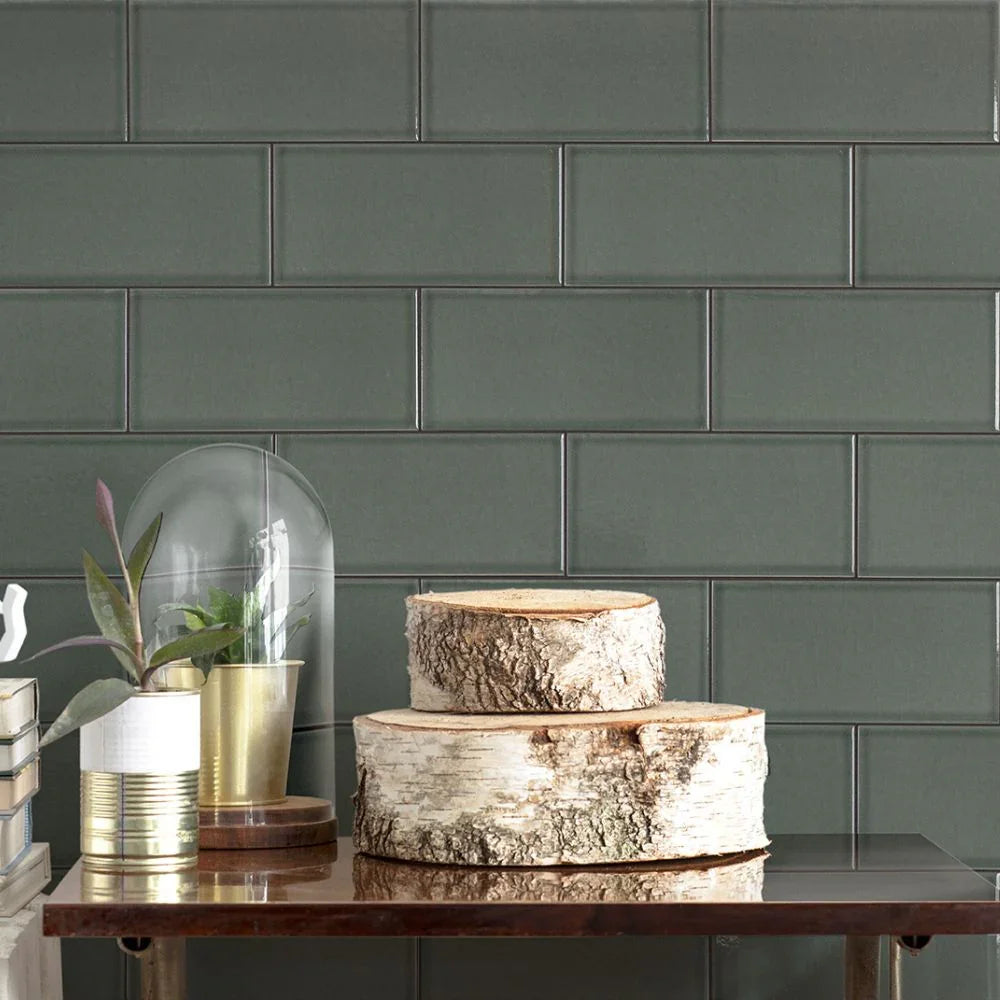
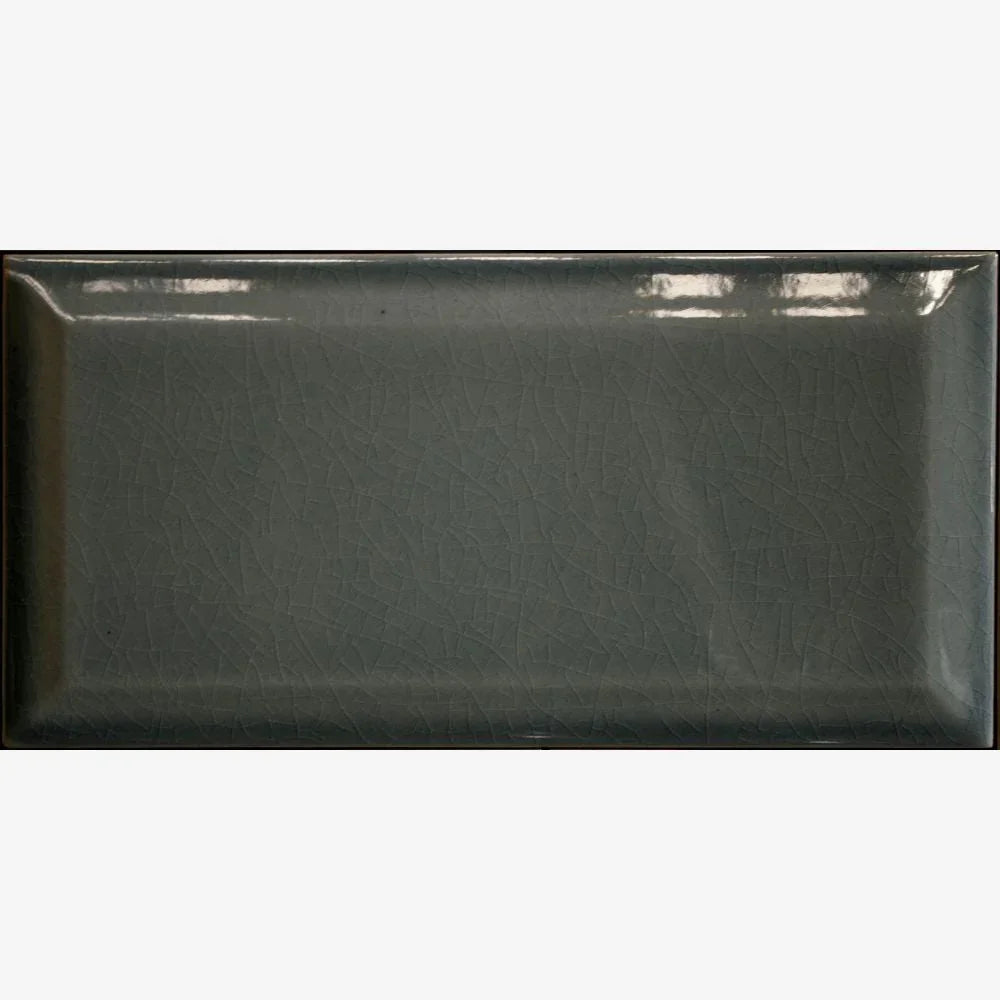
Crakele Fog Subway Tile 10 x 20cm
Choose your option
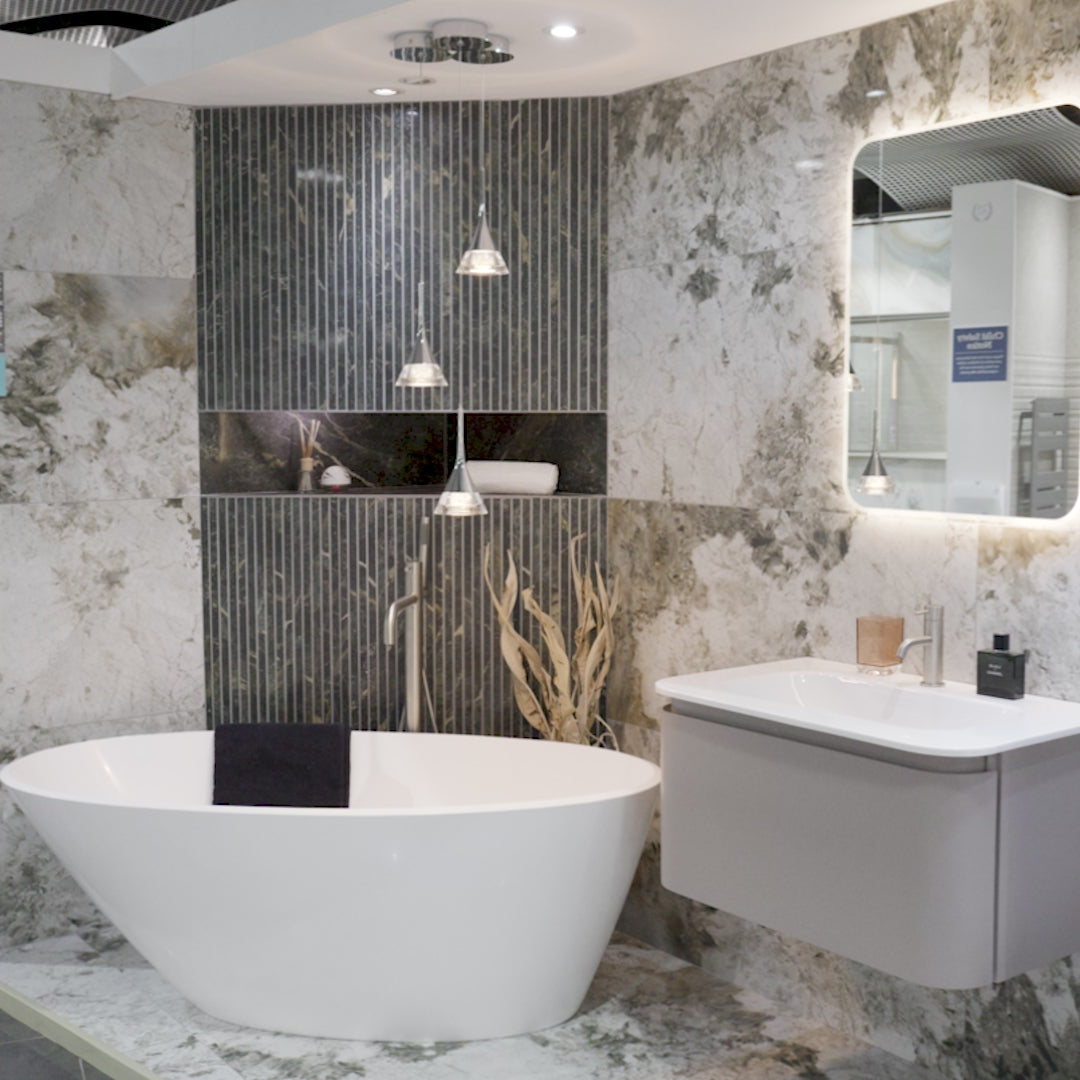
Aldo Grey Porcelain Tile 60 x 120cm
Choose your option
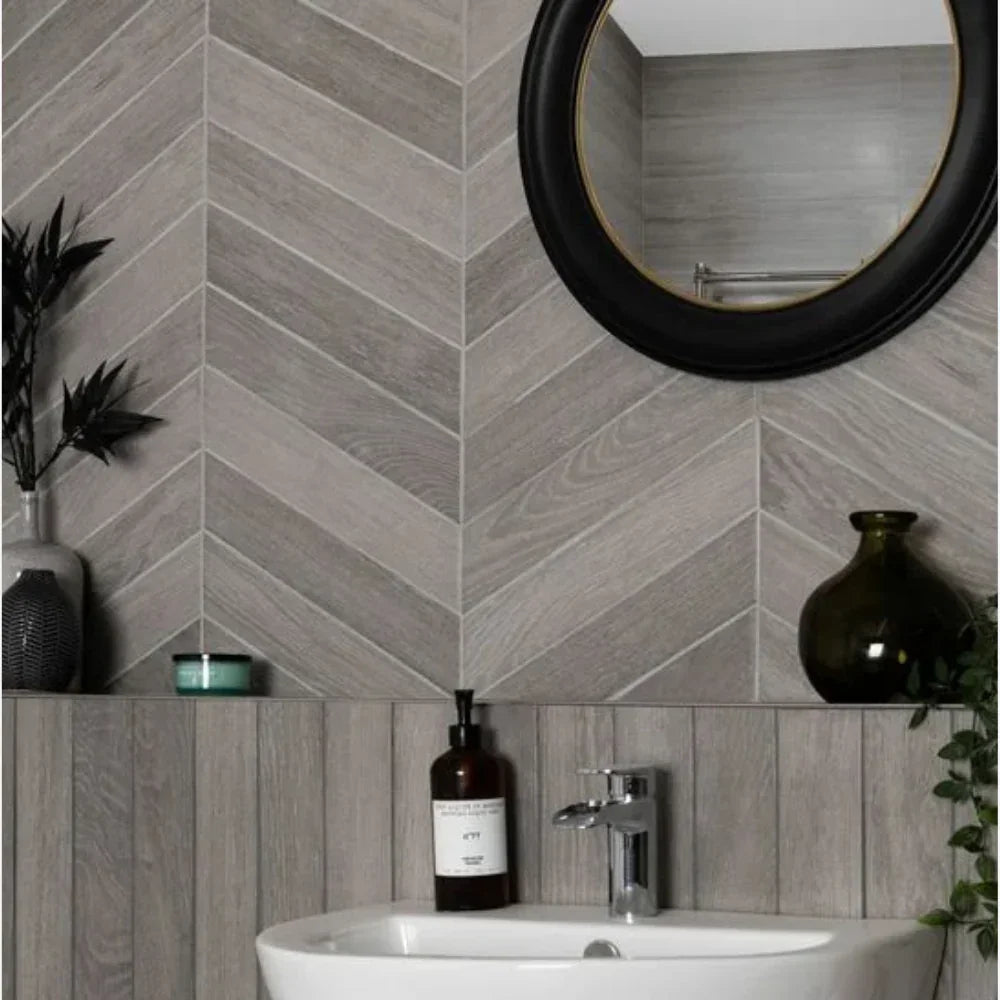
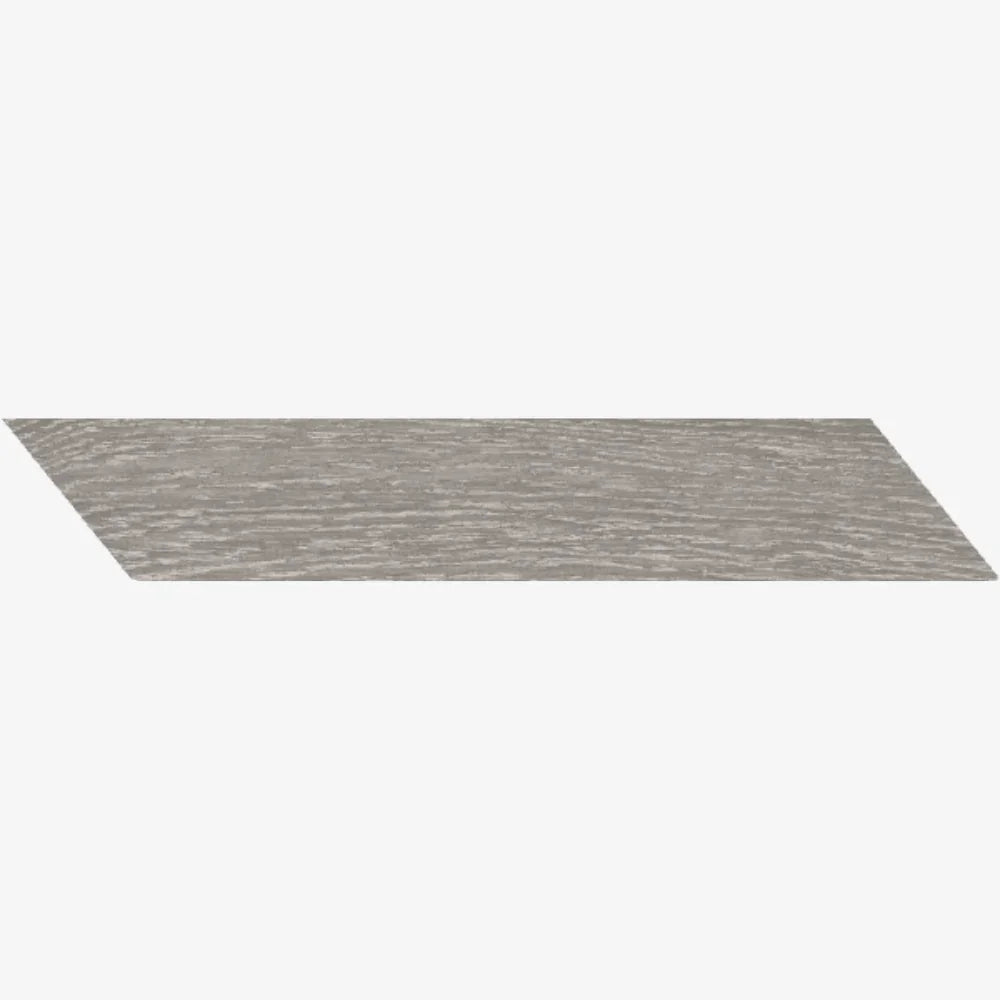
Avana Chevron Grey Porcelain Tile 8 x 40cm
Choose your option

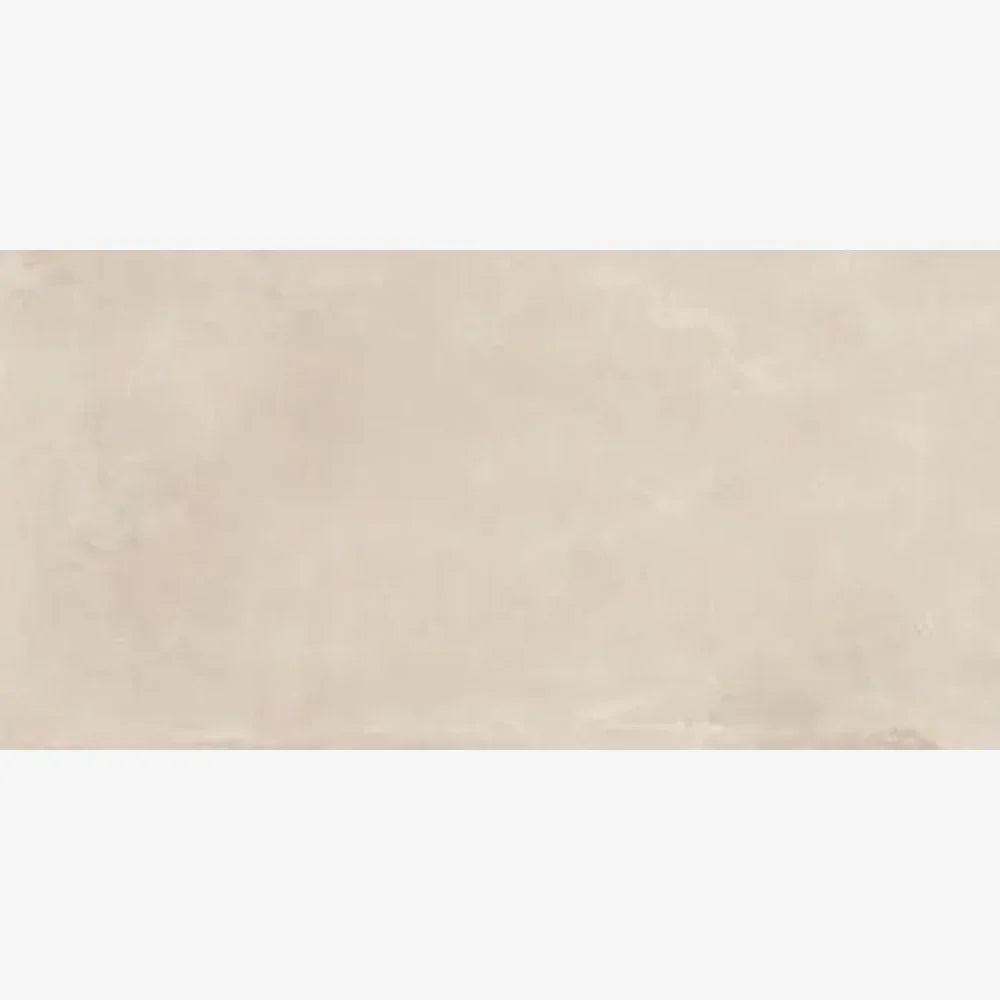
Azzura Ivory Porcelain Tile
Choose your option
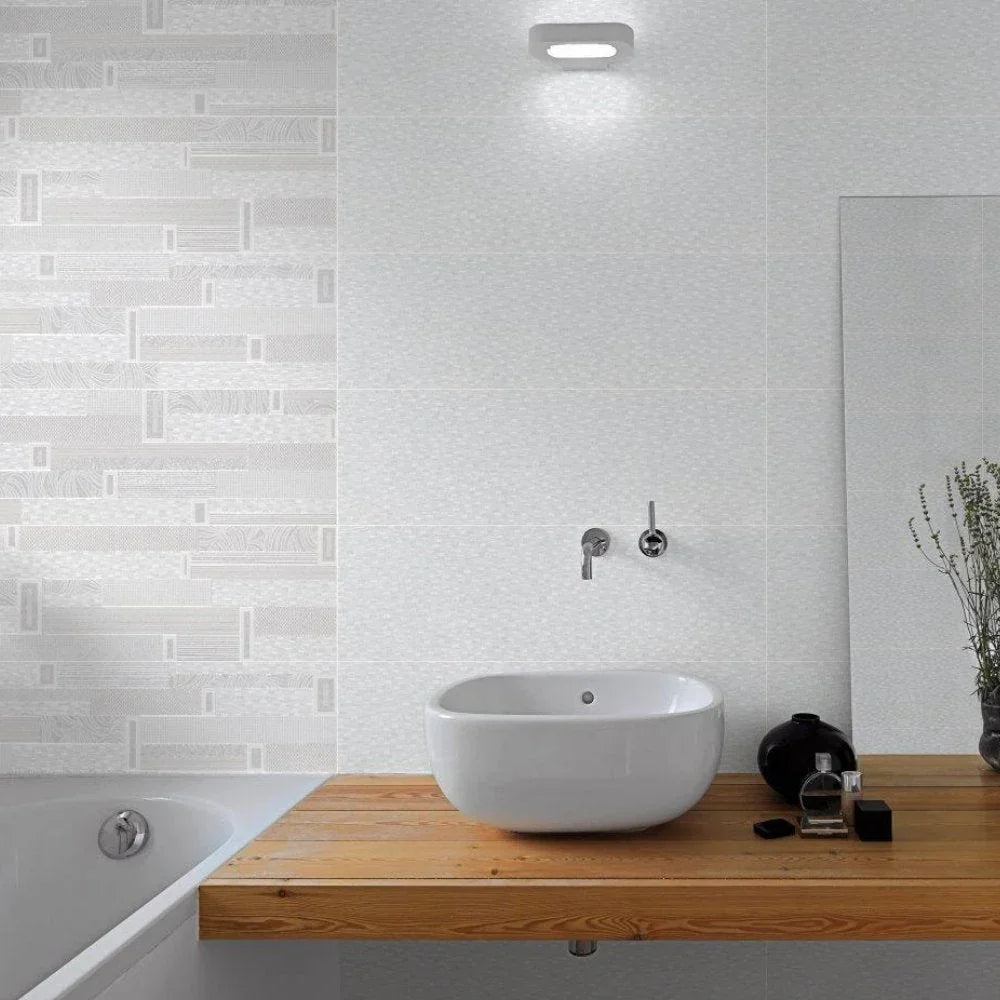
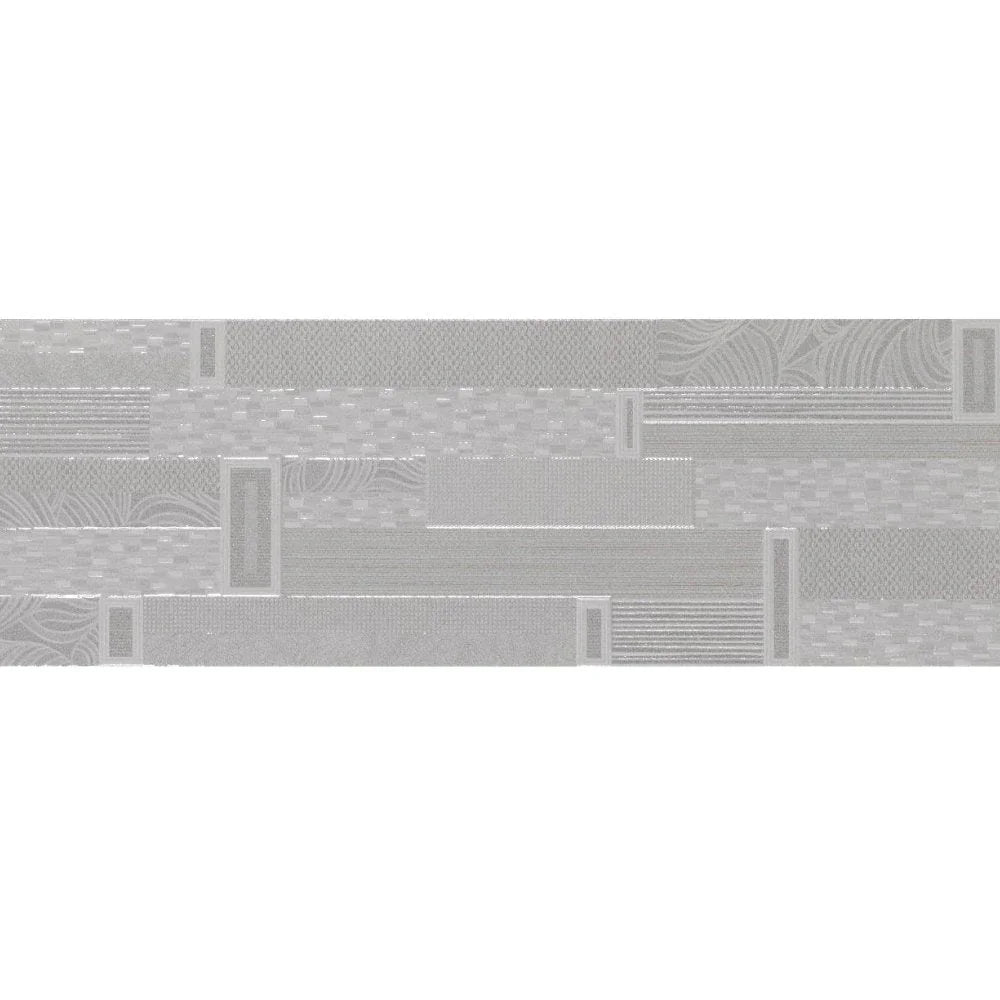
Cargo White Wall Tile 20 x 60cm
Choose your option
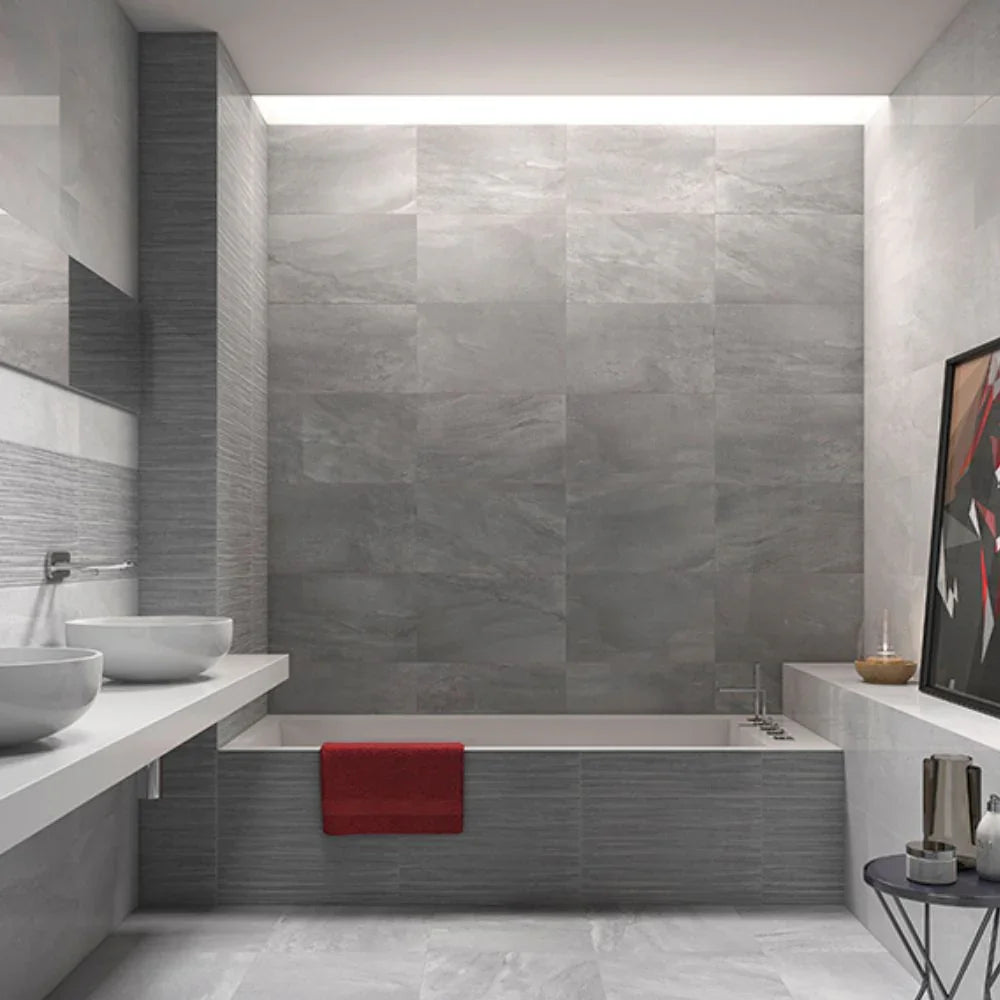
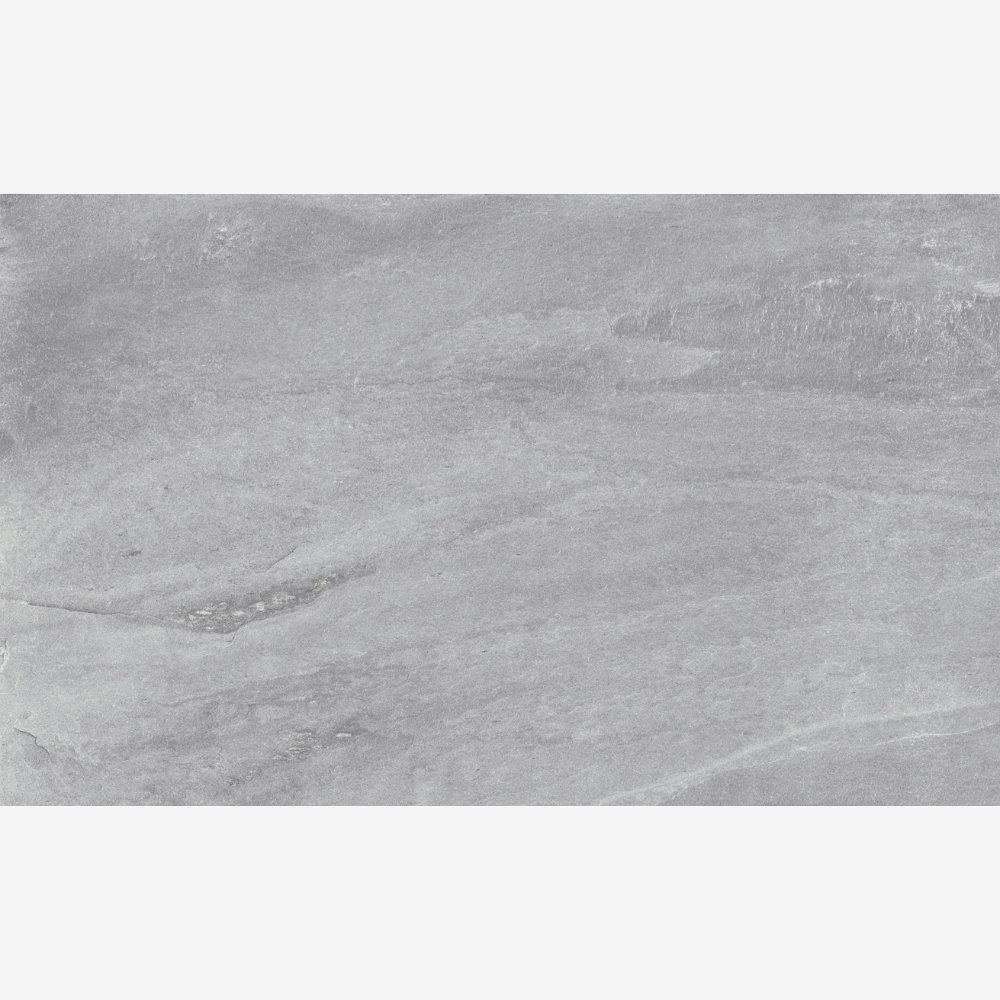
Fruede Grey Wall Tile
Choose your option
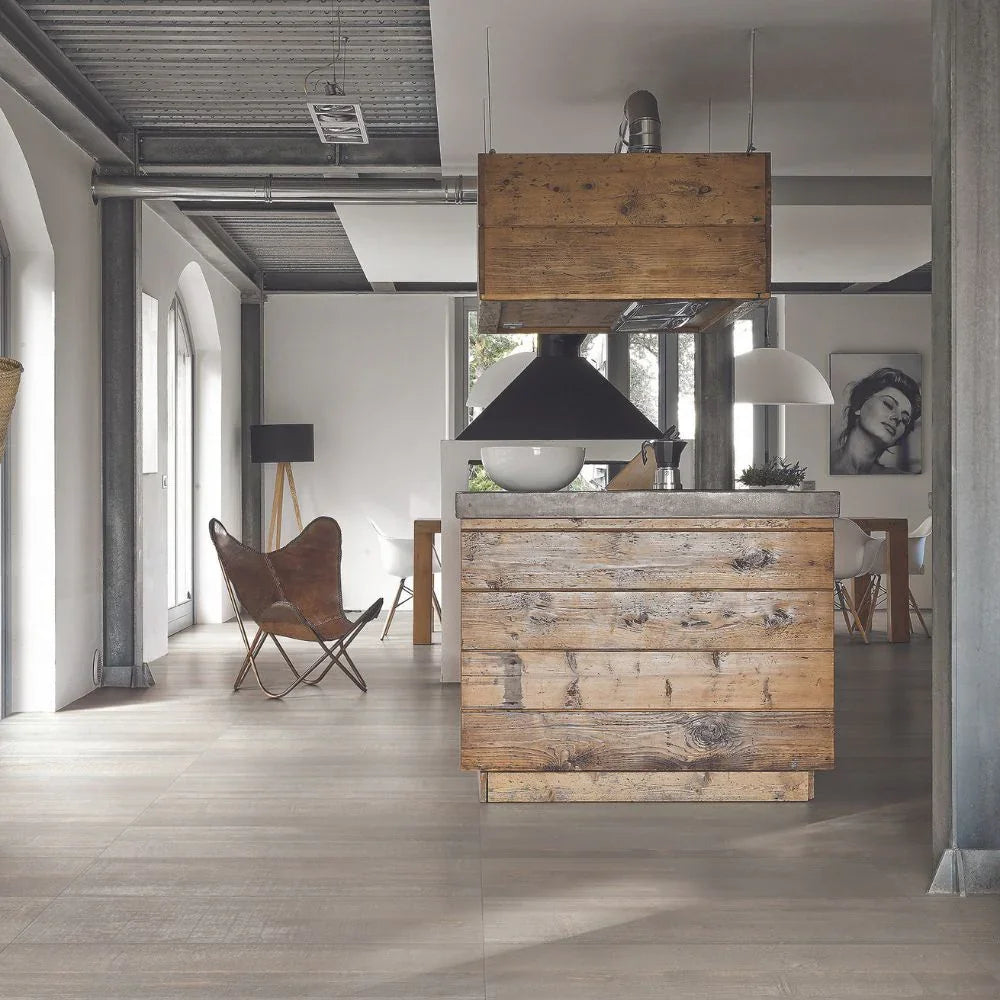
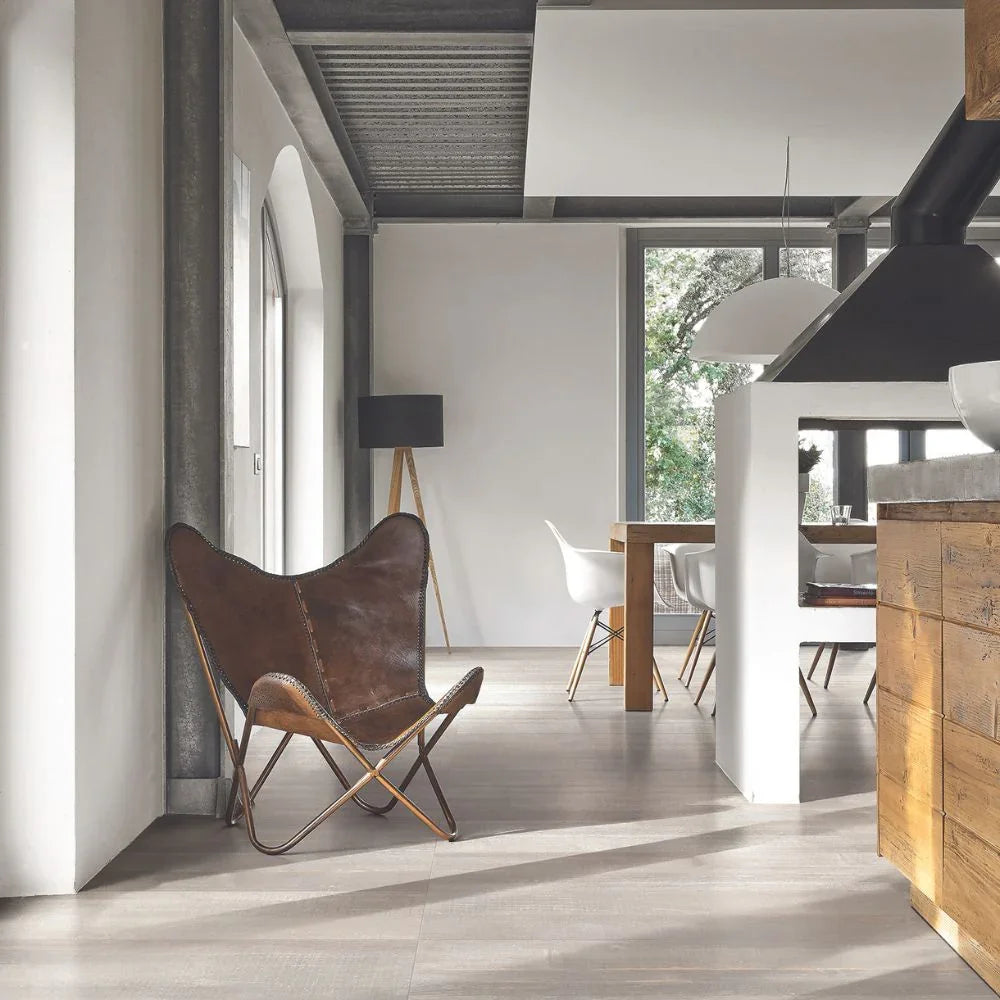
Classic Deco Wood Light Grey Porcelain Tile 20 x 120cm
Choose your option
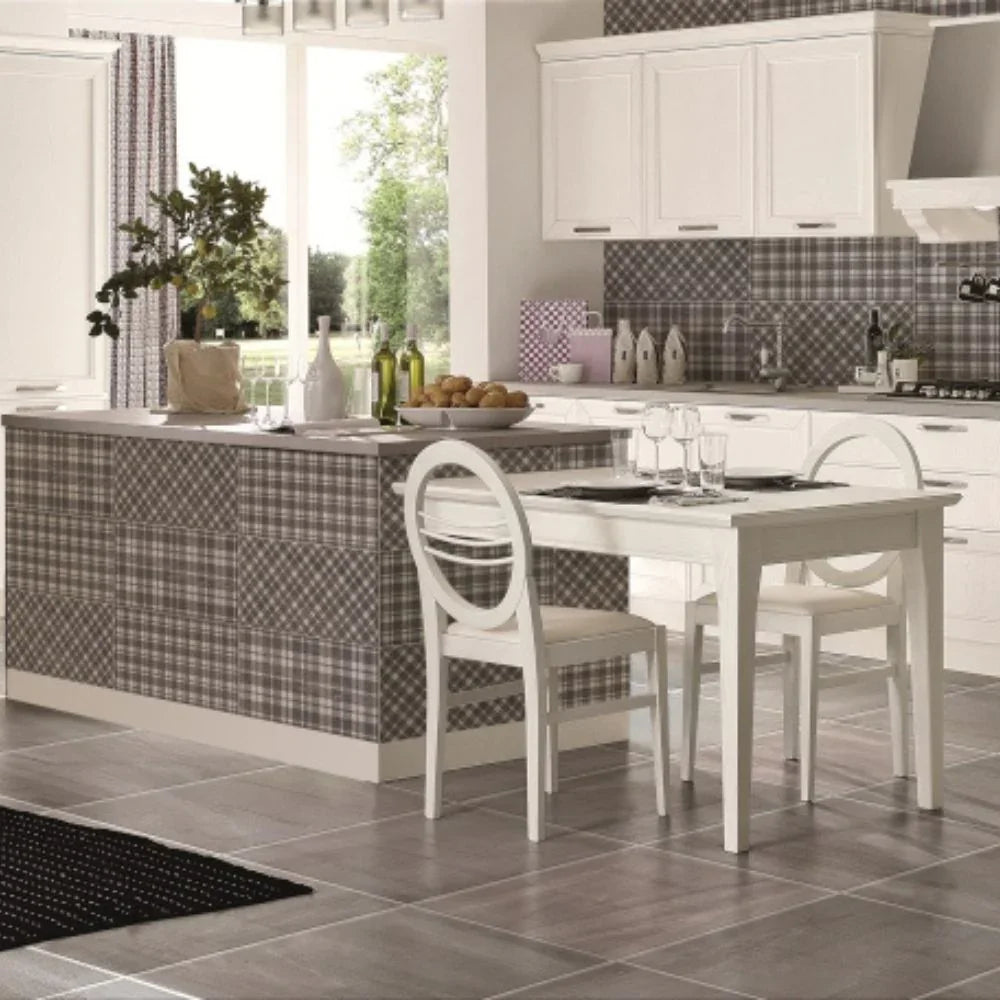
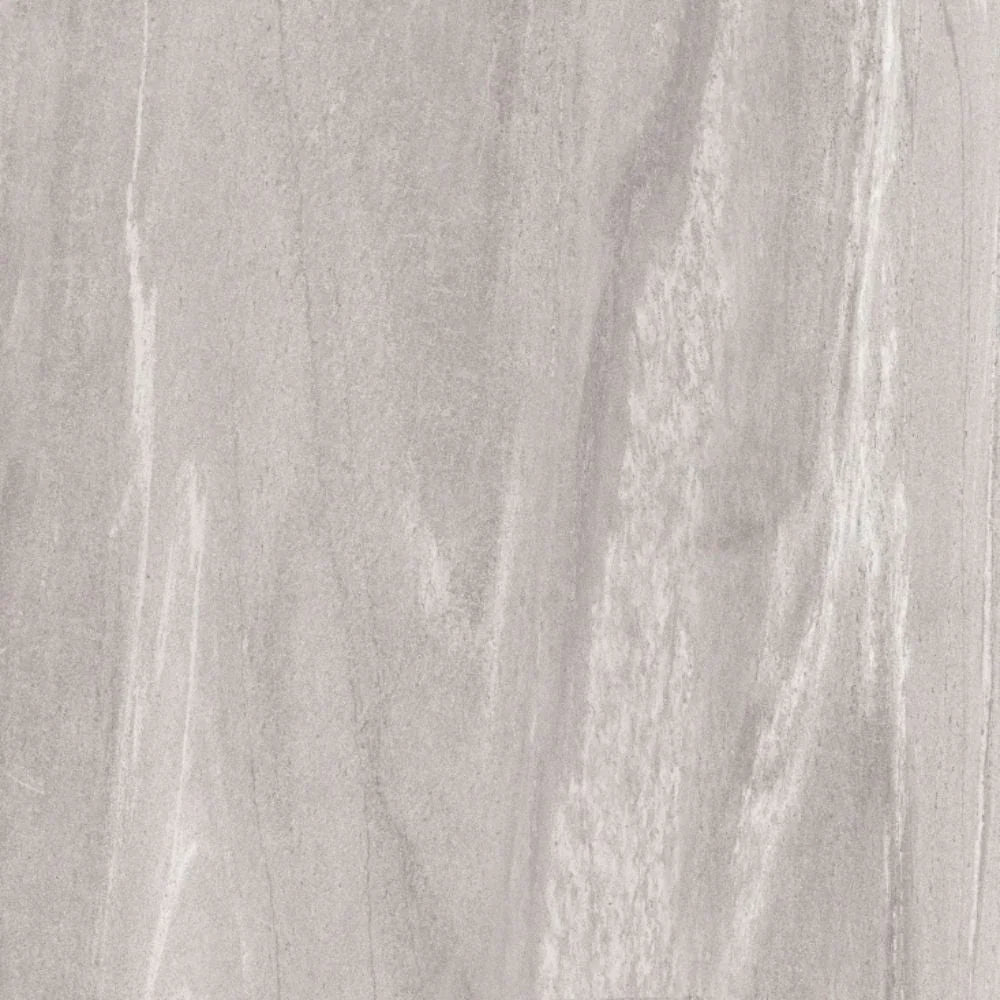
Artro Grey Porcelain Tile
Choose your option
Bathroom Tiles at ROCCIA
Find the feeling before the finish
Tiles often cover more of a bathroom than any other material, so their effect goes beyond one decorative feature. Think about whether you want the room to feel softly layered, crisp and open, or more expressive.
Tuscani Pearl’s pale base and warm taupe veining create movement without a strong colour contrast. A surface like this can carry interest across the room while keeping the palette gentle.
Bring the fittings into the picture
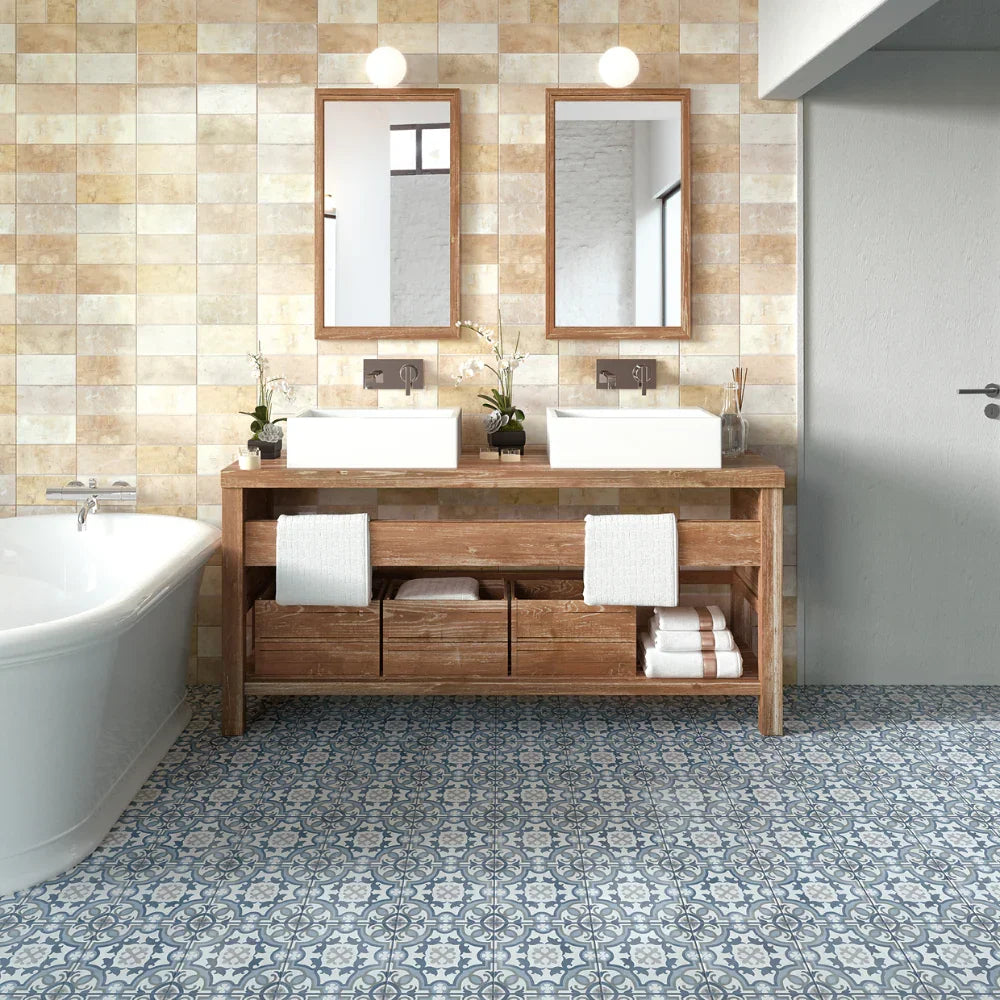
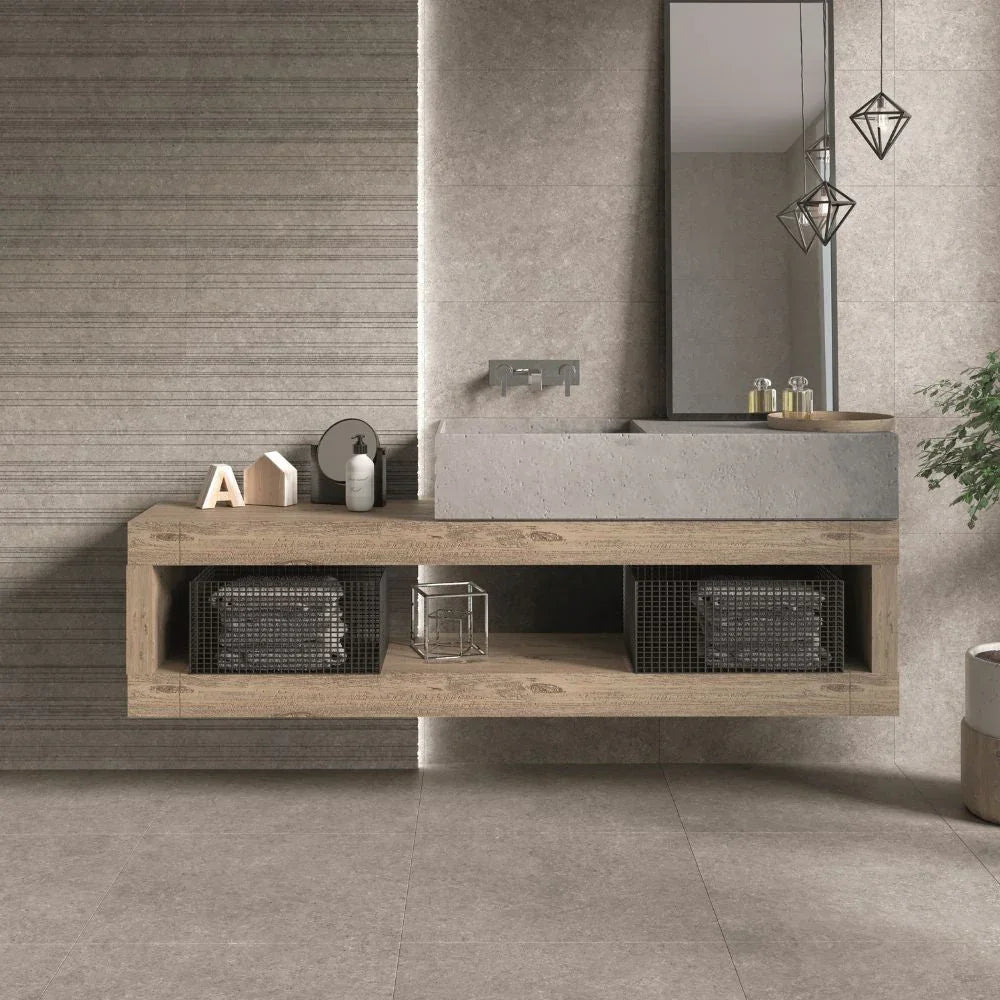
Compare tile samples with your planned vanity, basin and metal finishes. White sanitaryware provides a clear reference: some neutrals look warmer beside it, while others appear cooler.
- Warmth: timber furniture and warm metals can connect with beige or taupe undertones.
- Contrast: darker furniture and fittings stand out more clearly against pale surfaces.
Where the furniture is simple, Dorset Bone Decor introduces fine linear detail behind a vanity without adding another dominant colour.
Choose continuity or a focal point
Carrying a related surface across walls and floor can make the bathroom feel connected. Changing the format or finish gives each area its own role within that palette.
Alternatively, concentrate detail in one place. Glow White’s shimmering stone effect can bring light-catching interest to a wall, leaving surrounding surfaces quieter.
Explore Bathroom Wall Tiles for vertical surfaces and Bathroom Floor Tiles to complete the scheme underfoot.
FAQs
Should bathroom wall and floor tiles match?
Should bathroom wall and floor tiles match?
They can, but they don’t have to. A shared undertone can connect different designs, while a format change adds definition.
What is the difference between ceramic and porcelain bathroom tiles?
What is the difference between ceramic and porcelain bathroom tiles?
Porcelain offers options for both bathroom floors and walls, making it useful if you want to carry a look across the room. Ceramic tiles are a choice for bathroom walls. For floors and shower areas, check the individual tile’s suitability and slip-resistance information.
Can I mix finishes in a bathroom?
Can I mix finishes in a bathroom?
Yes. A reflective wall alongside a quieter matt surface can add depth. Compare samples together so the contrast feels deliberate.
Should the grout match on bathroom walls and floors?
Should the grout match on bathroom walls and floors?
Not necessarily. Using the same grout on both keeps the room calm; a slightly deeper shade on the floor hides wear, while walls can take a crisper colour.
Which tiles should I choose for a shower?
Which tiles should I choose for a shower?
Choose tiles specified for the location, with suitable slip resistance for a shower floor. Tiles alone don’t waterproof the installation.
How do I choose between several bathroom tiles?
How do I choose between several bathroom tiles?
Order a sample set and compare the tiles beside your basin, taps and vanity finish. White sanitaryware is a useful reference, as it shows whether a tile reads warm or cool. Iron Ore and Alpi Beige are worth including.
Explore More Tiles
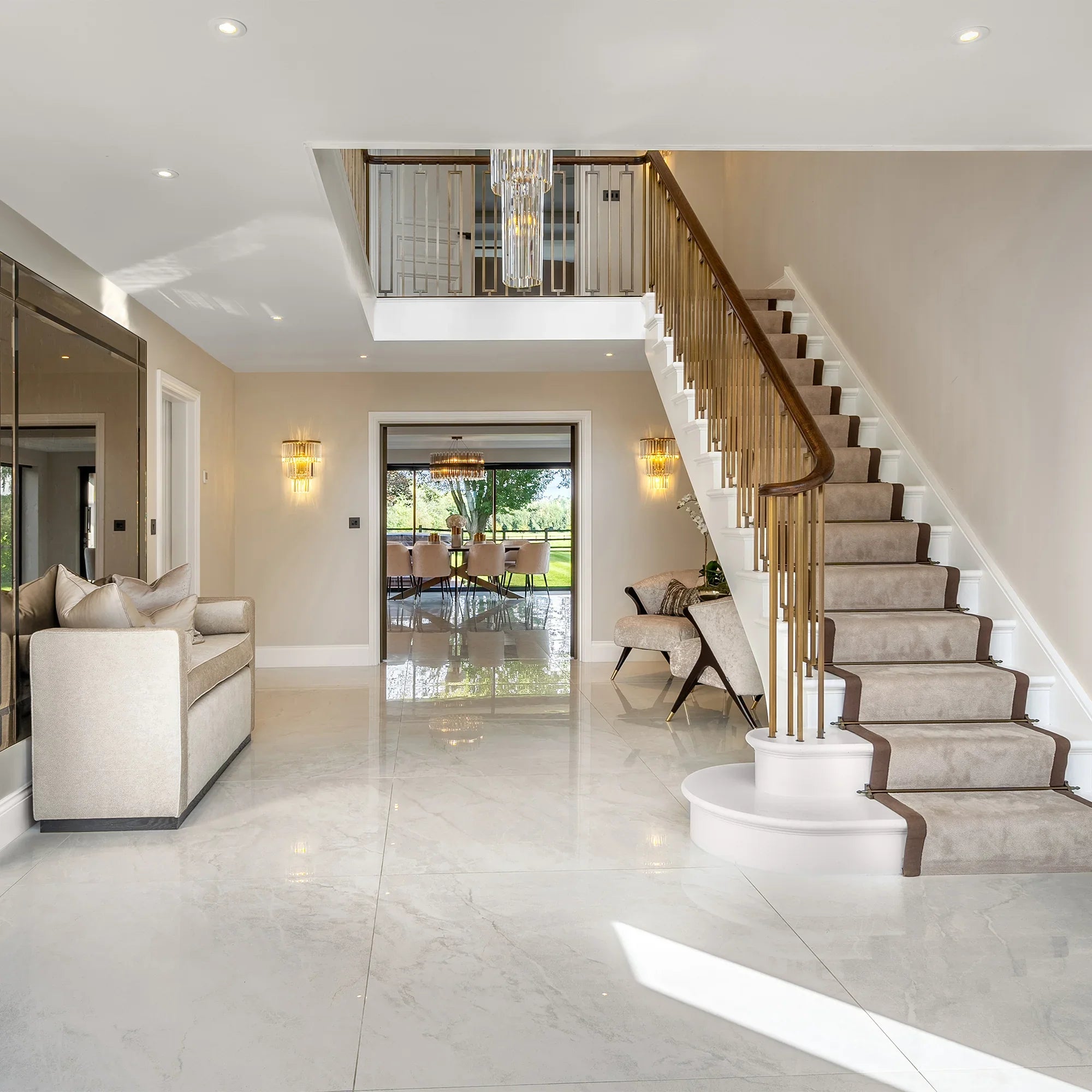
Mosa White Porcelain Tile
Choose your option
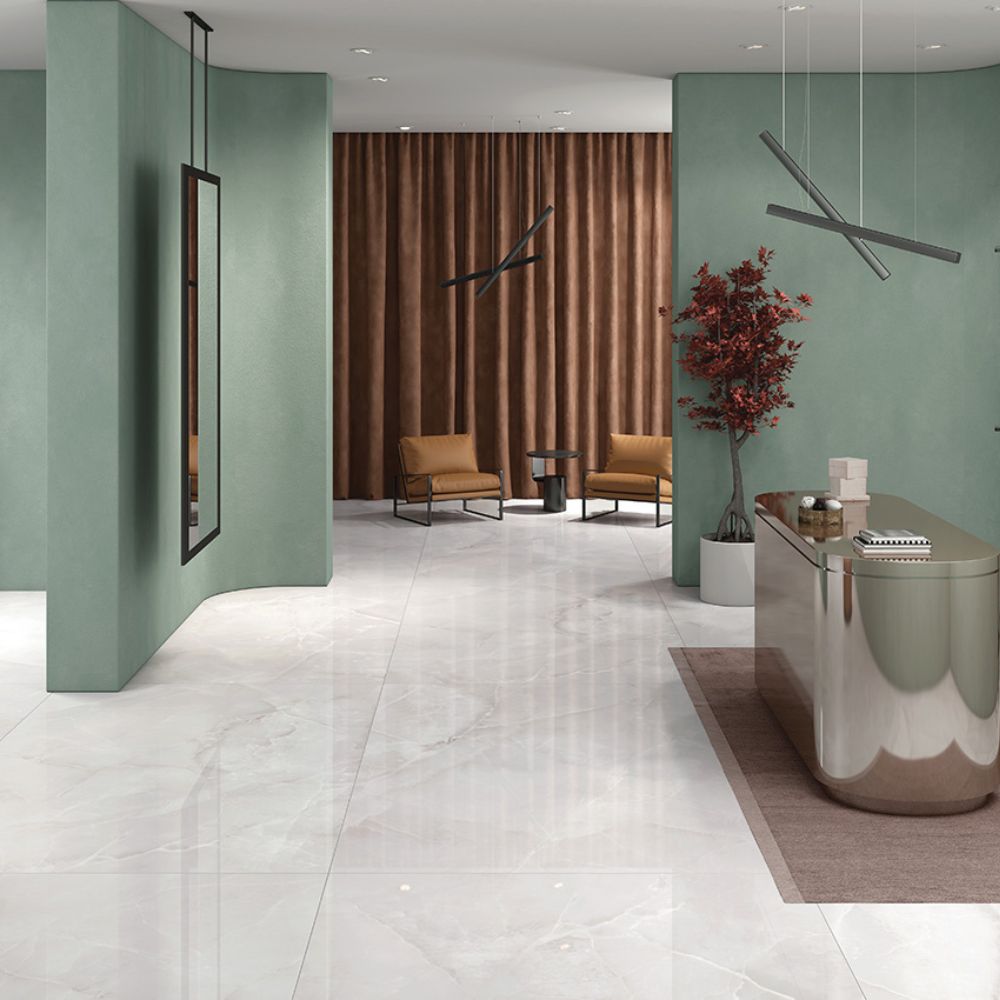
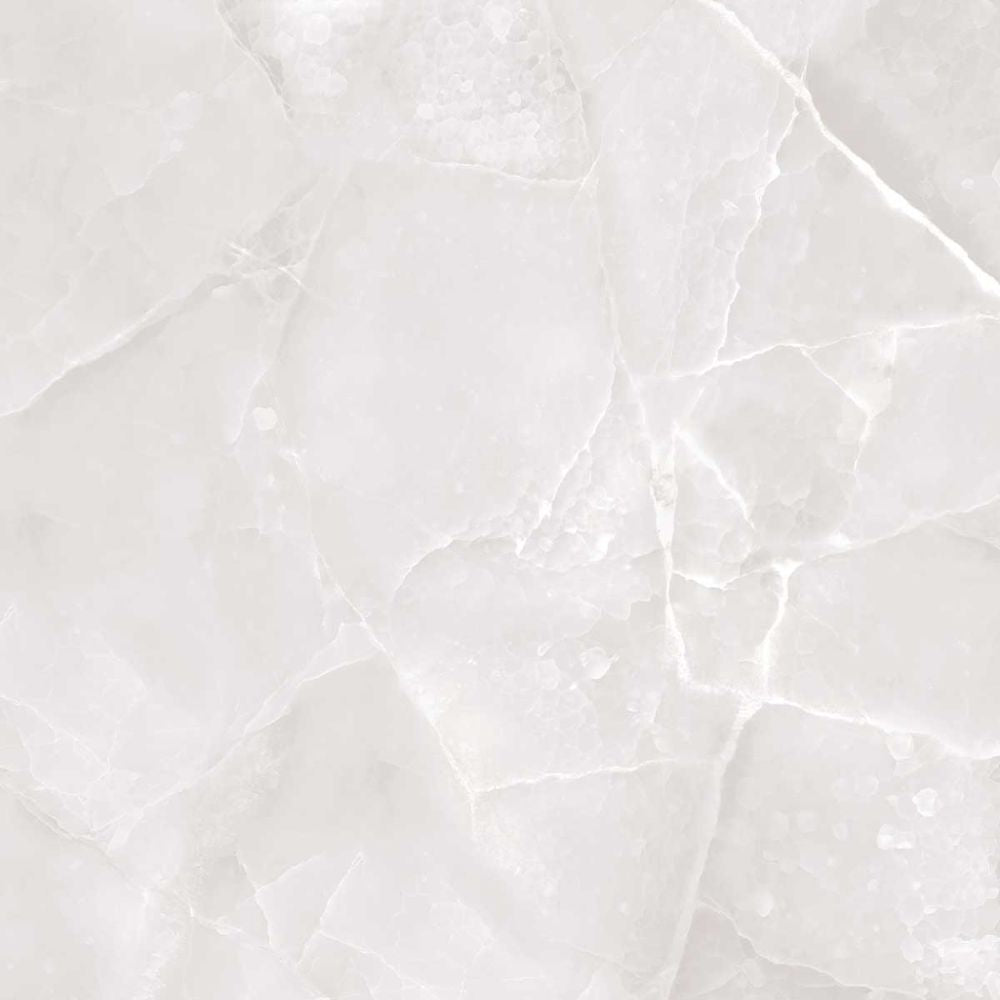
Paris Smoke Porcelain Tile
Choose your option
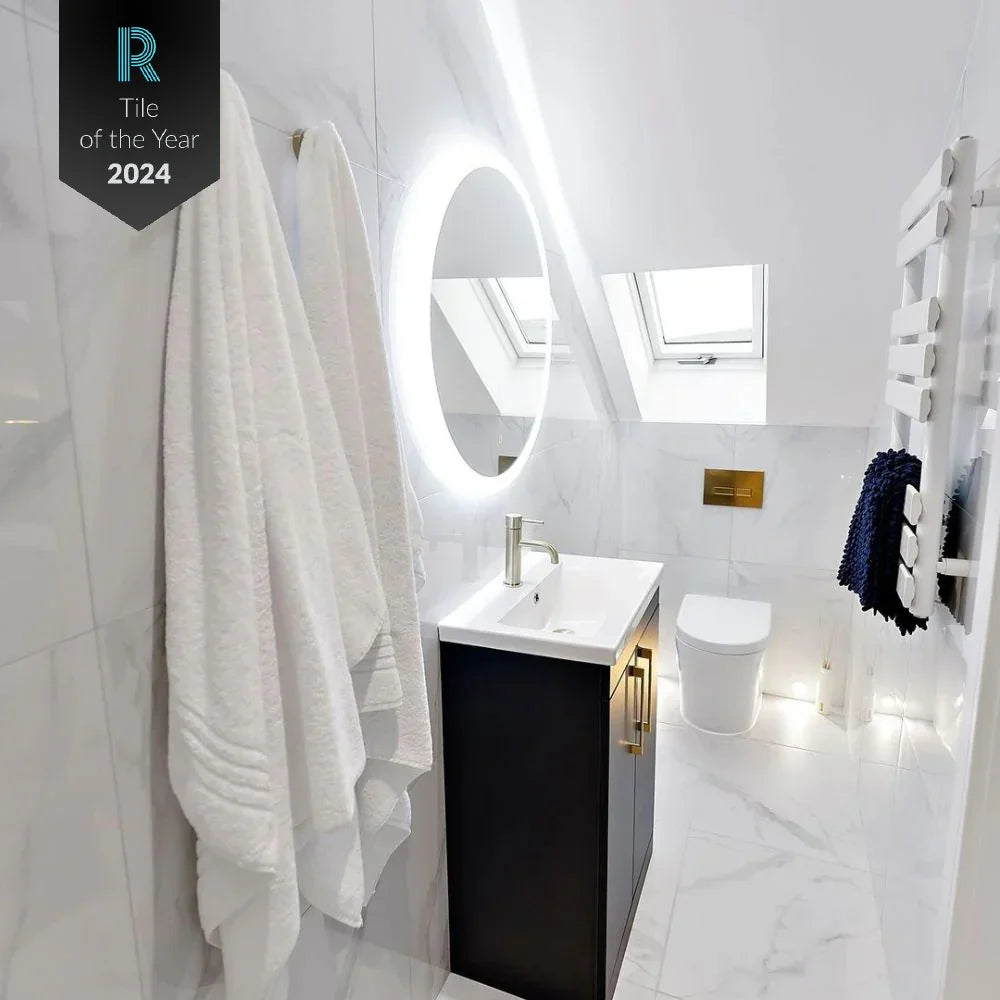
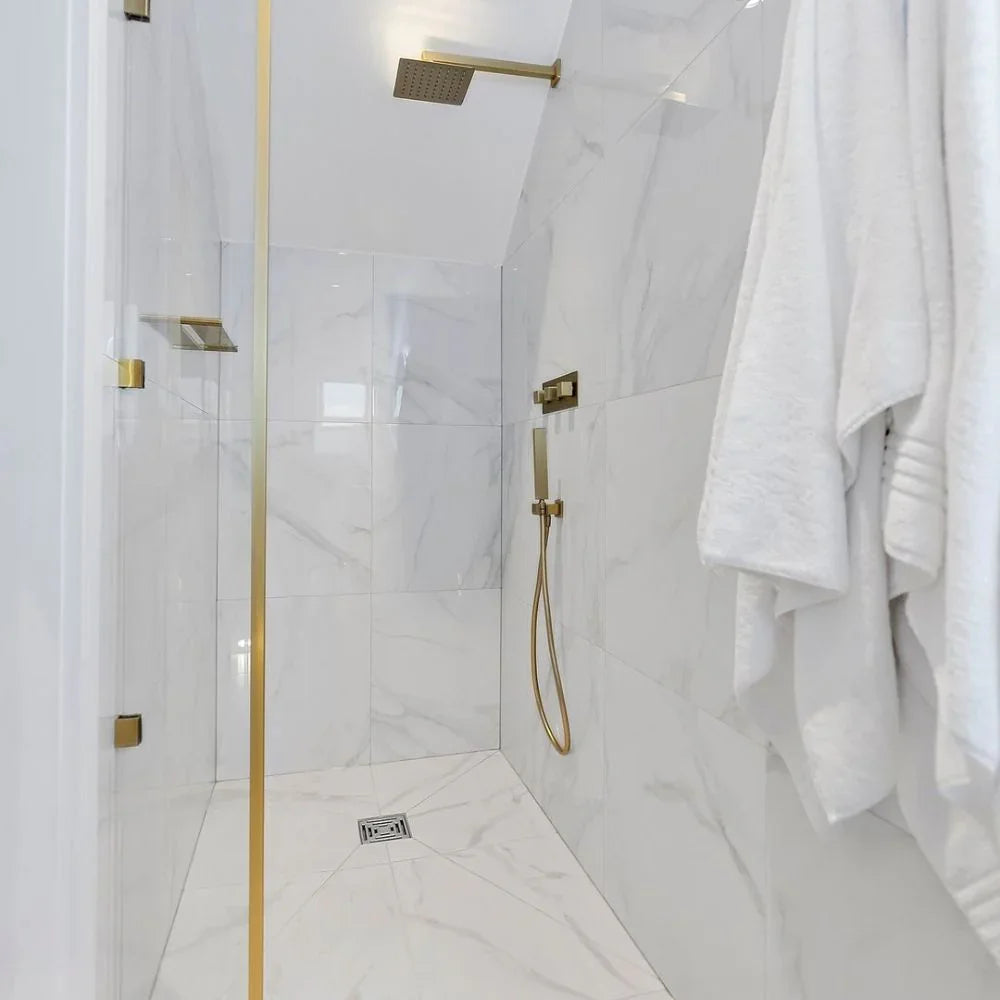
Neptune Marble White Porcelain Tile
Choose your option
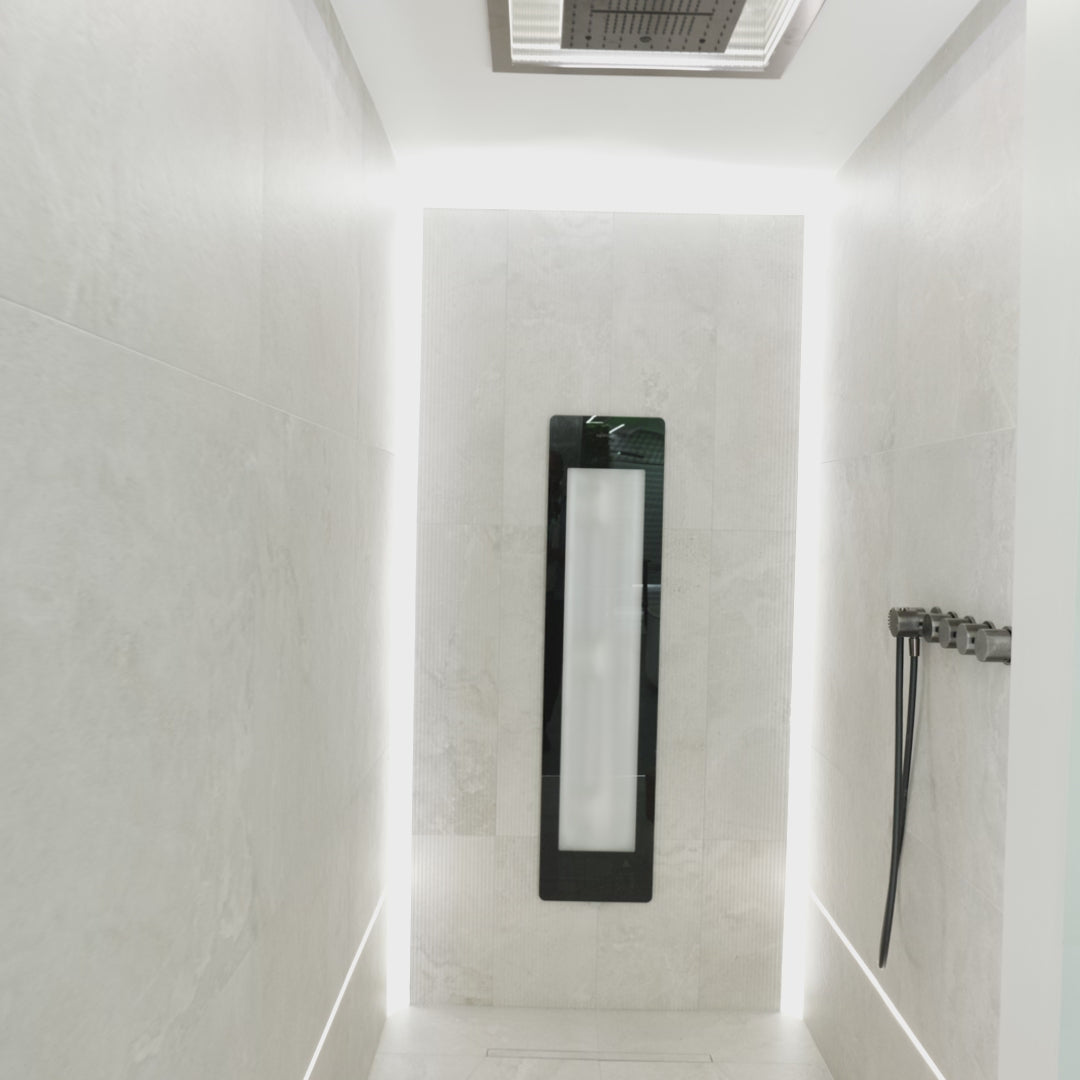
Dorset Bone Porcelain Tile 80 x 80cm
Choose your option
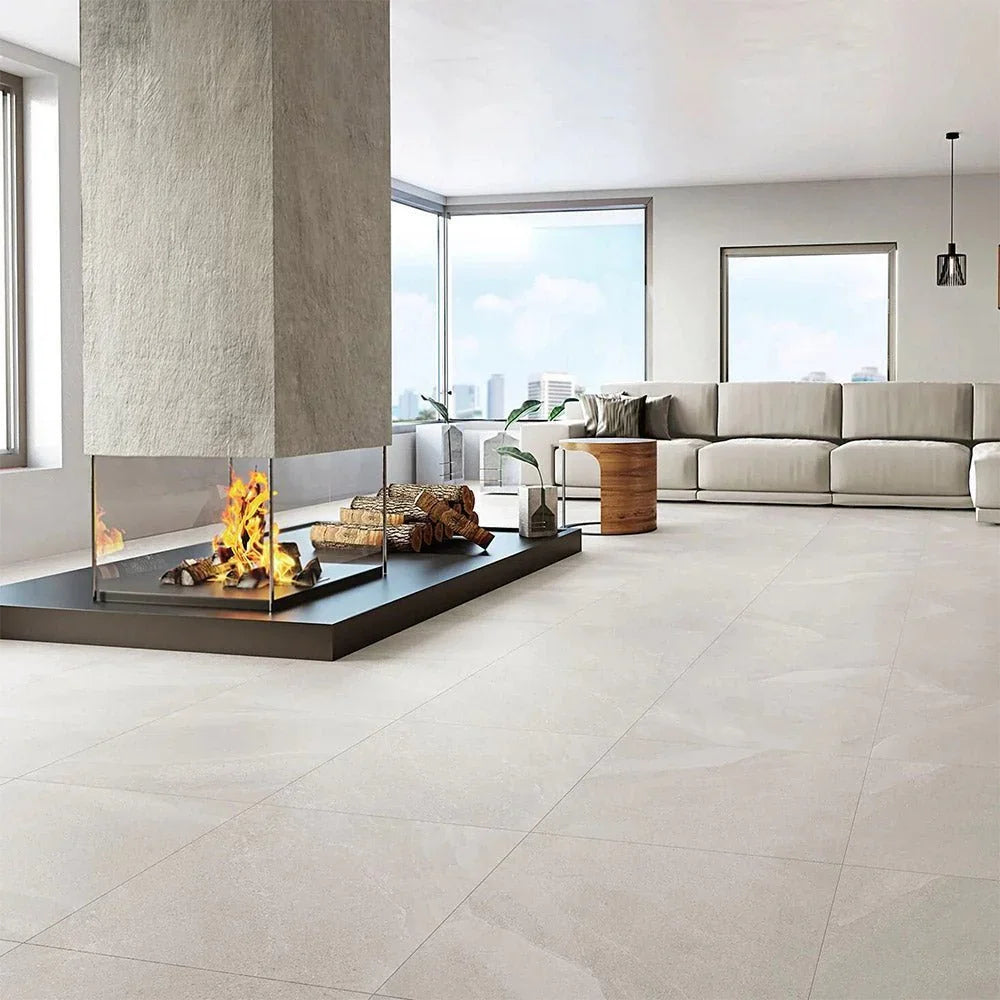

Muiz White Porcelain Tile 60 x 60cm
Choose your option
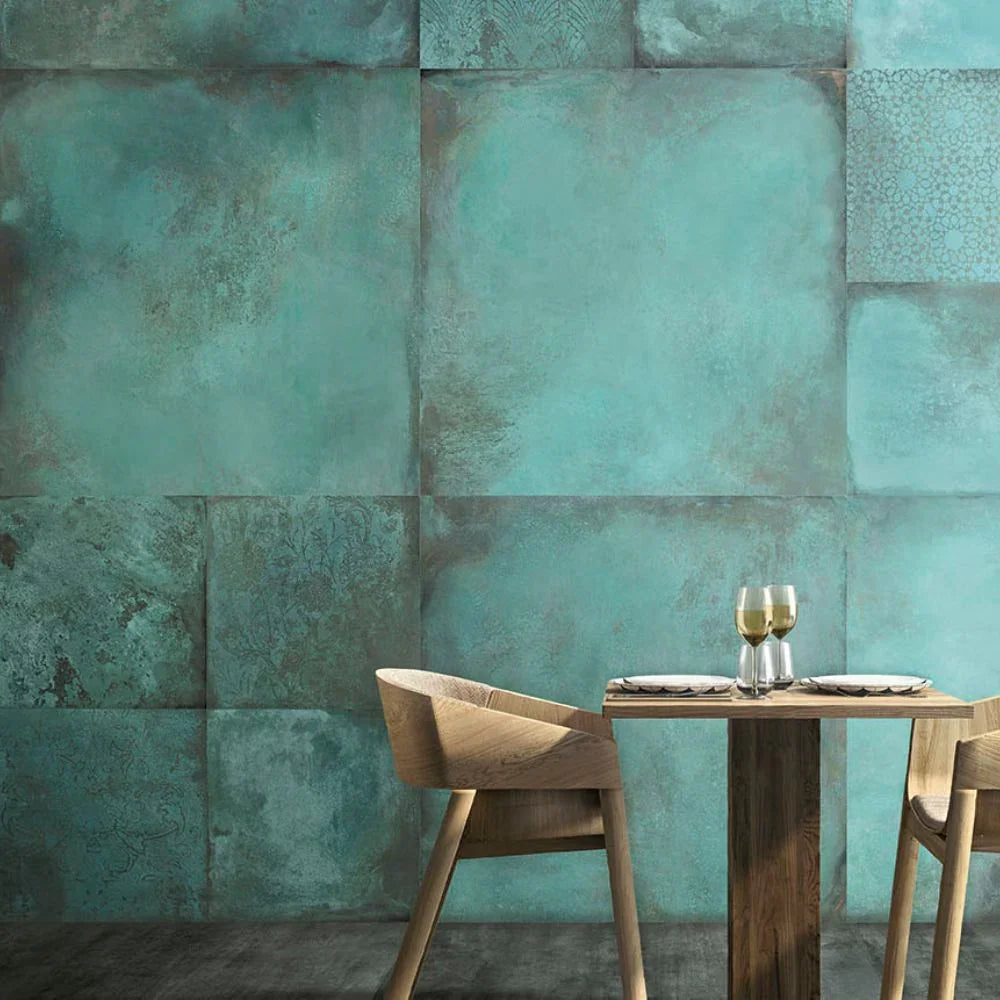

Treniz Mint Porcelain Tile
Choose your option
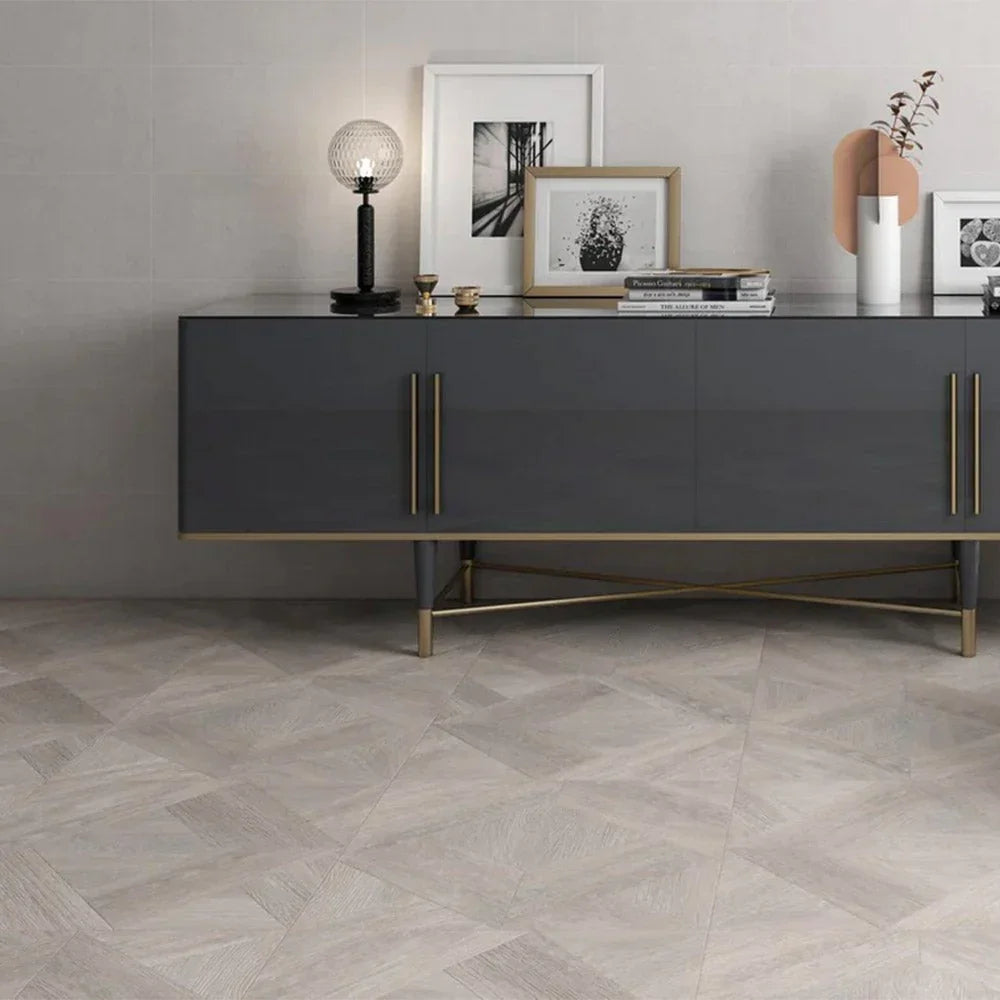
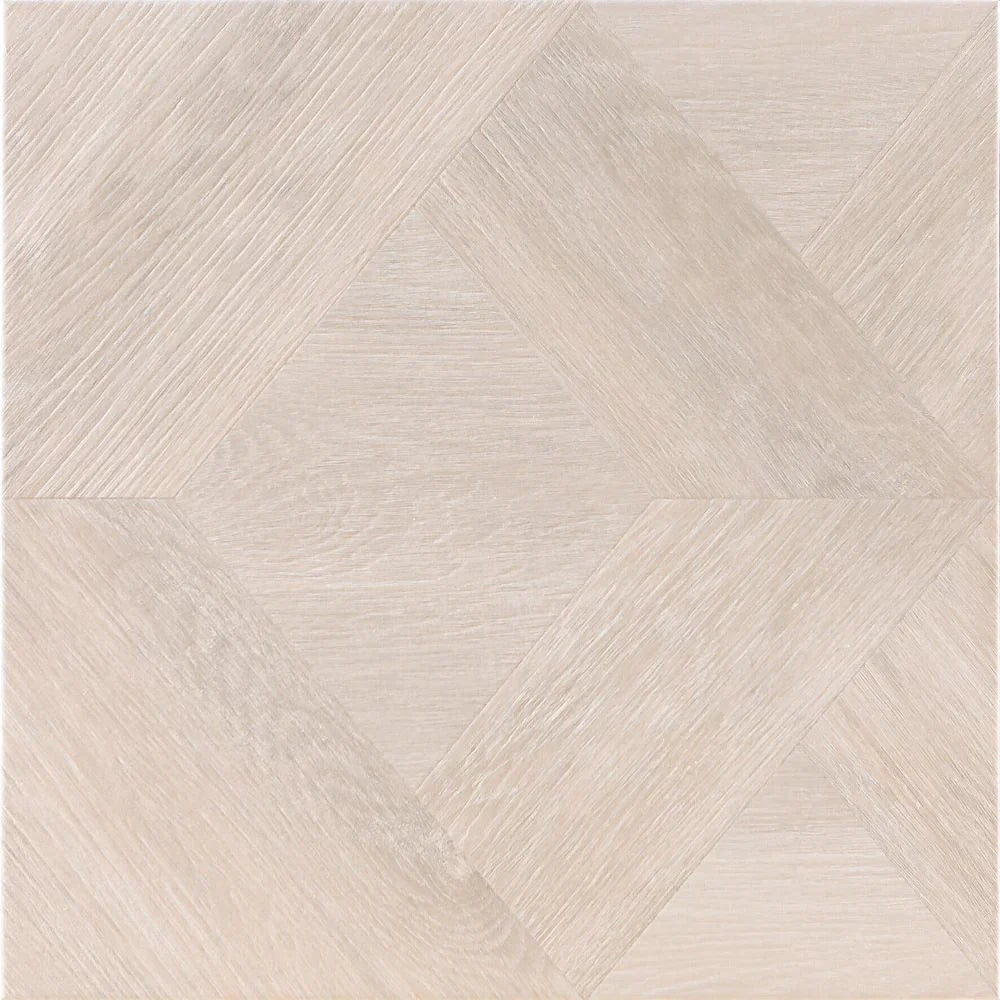
Green Park Bone Porcelain Tile 60 x 60cm
Choose your option
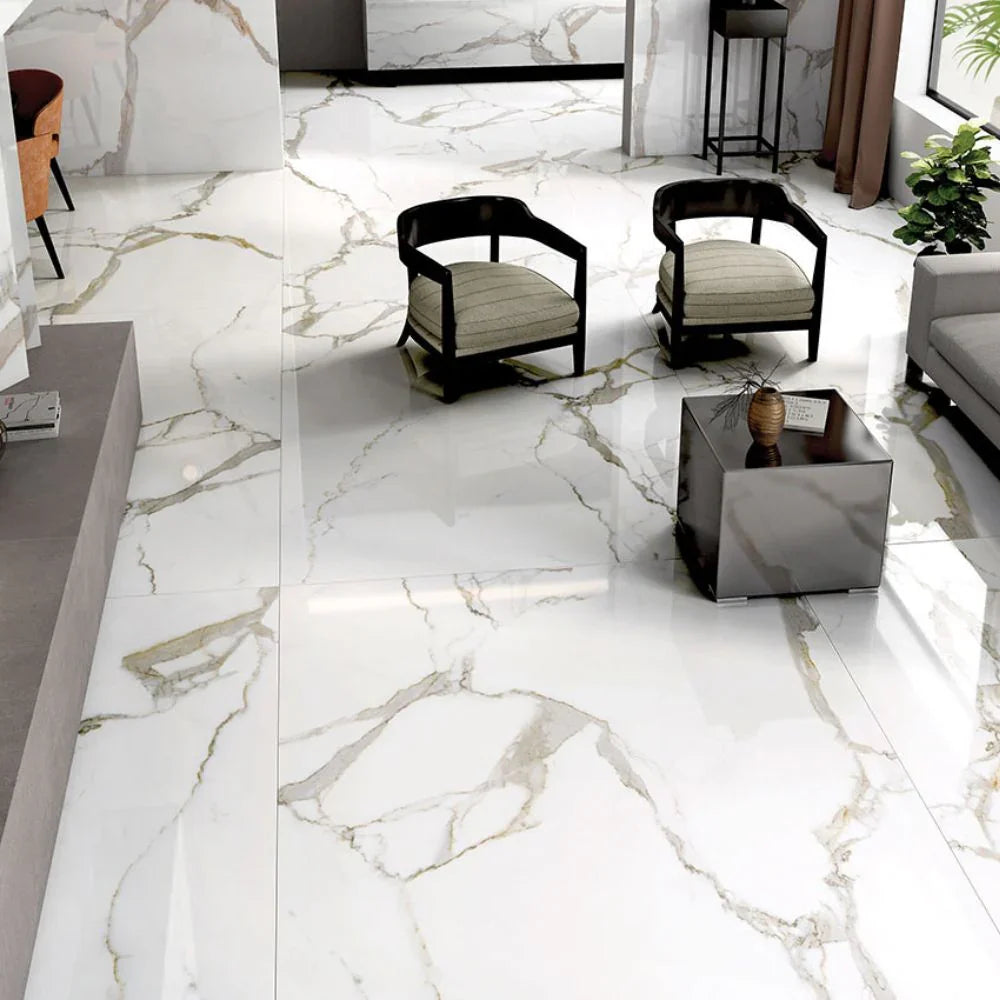
Roman White Marble Polished Porcelain Tile 80 x 80cm
Choose your option
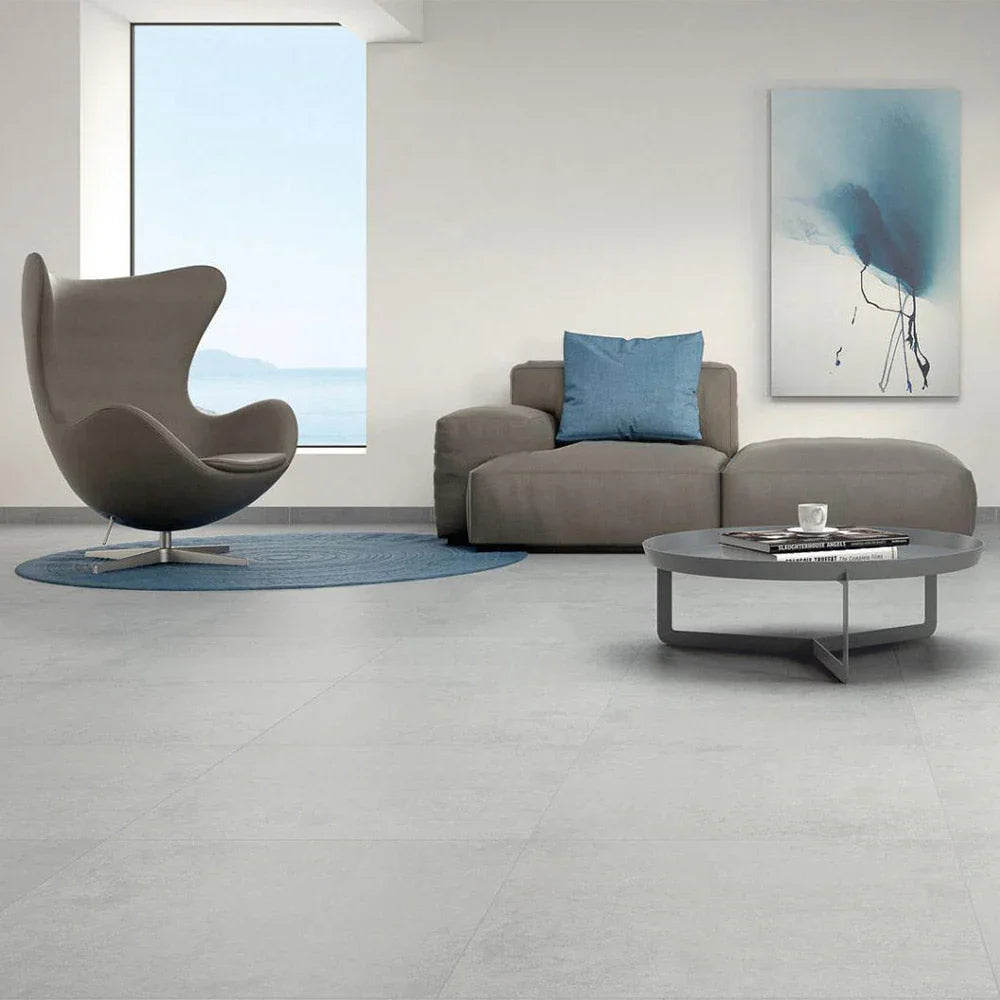

Triumph Riga Pearl Porcelain Tile 60 x 60cm
Choose your option


Azzura White Porcelain Tile
Choose your option


Azzura Taupe Porcelain Tile
Choose your option
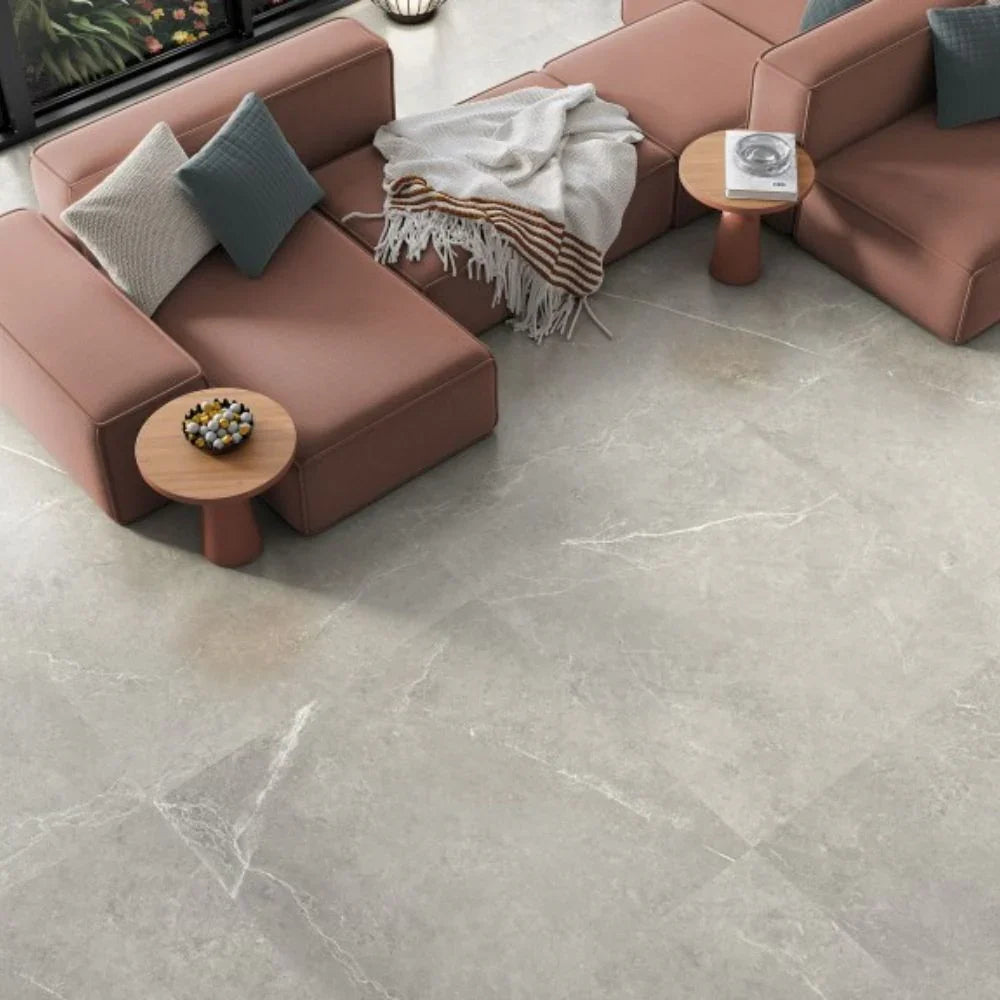
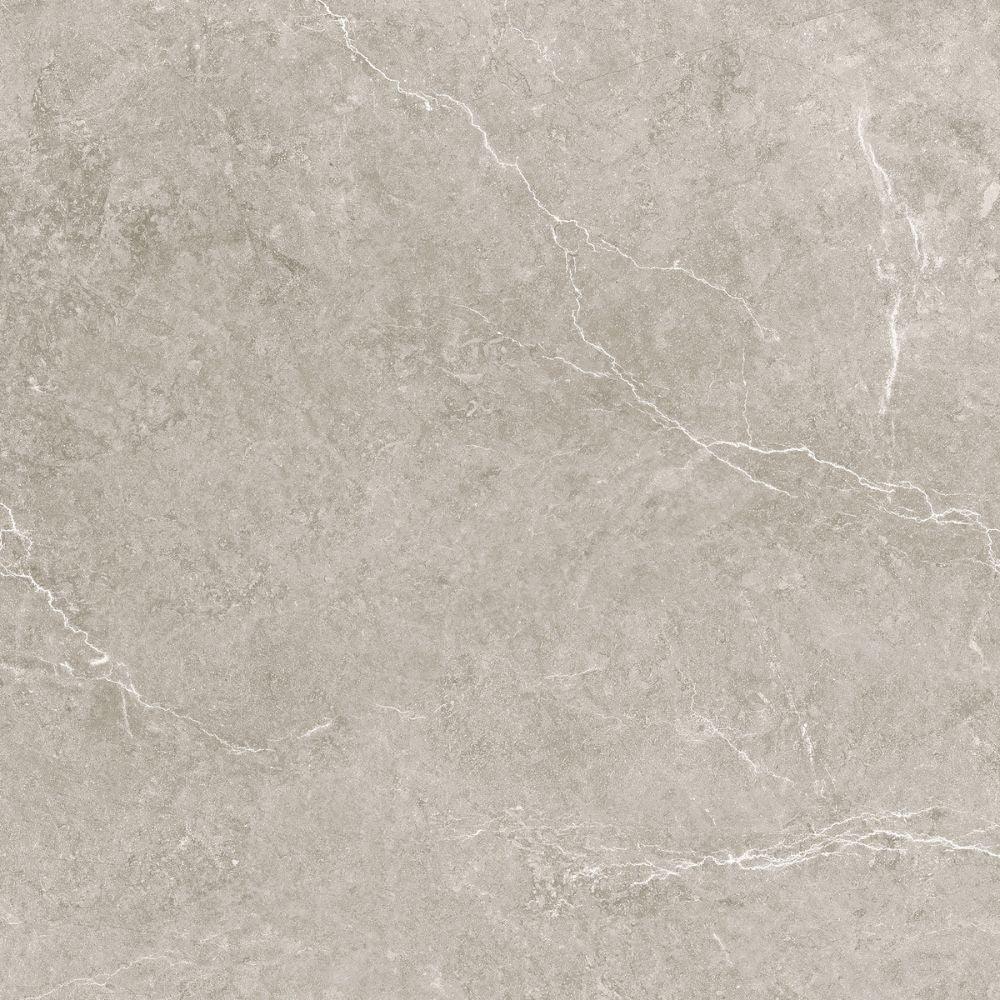
Nieve Grey Porcelain Tile 60 x 60cm
Choose your option
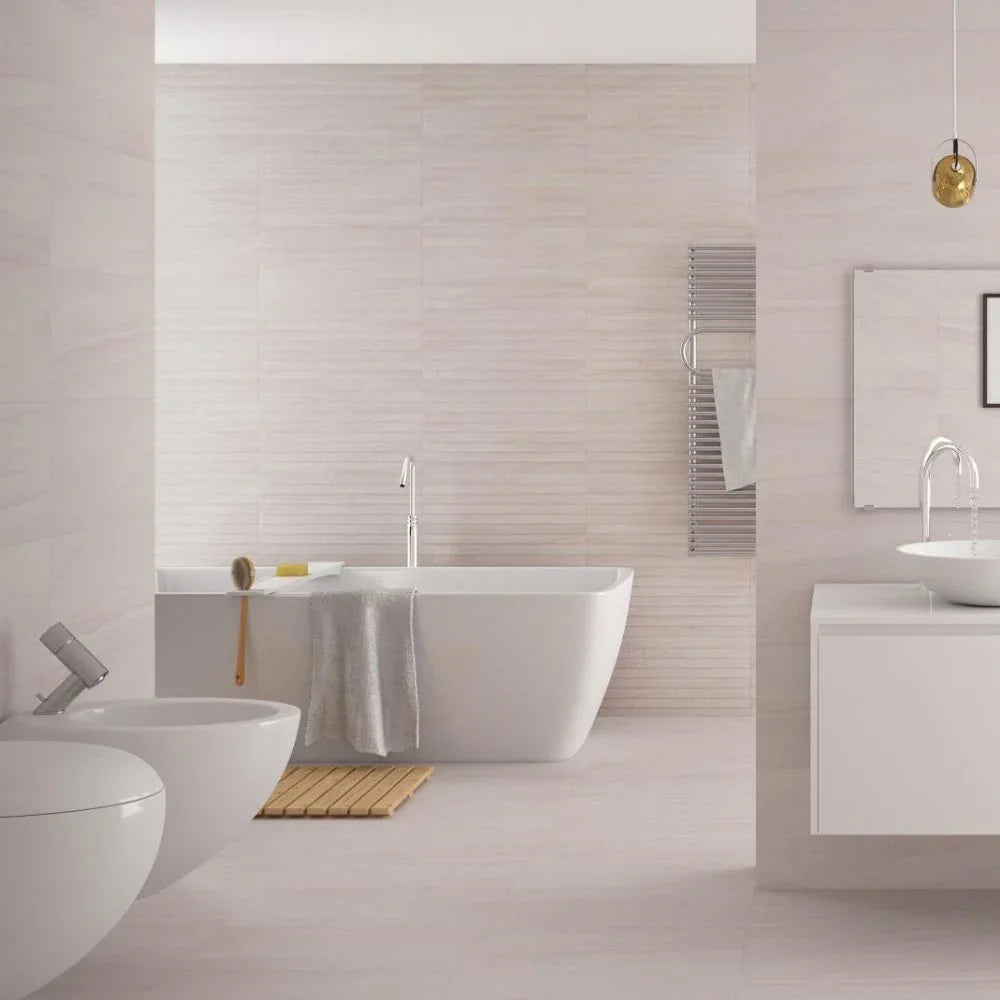
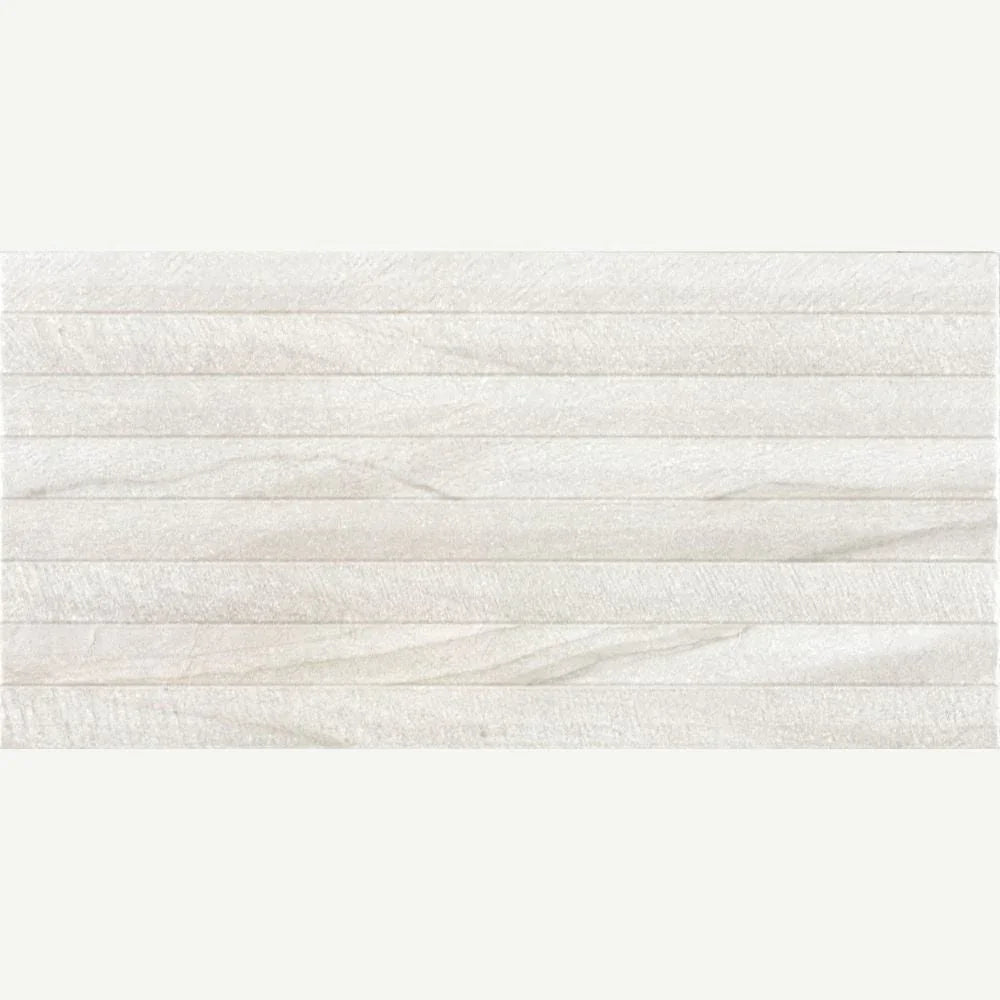
Revolution RLV Perla Concrete Effect Porcelain Tile 30.3 x 61.3cm
Choose your option
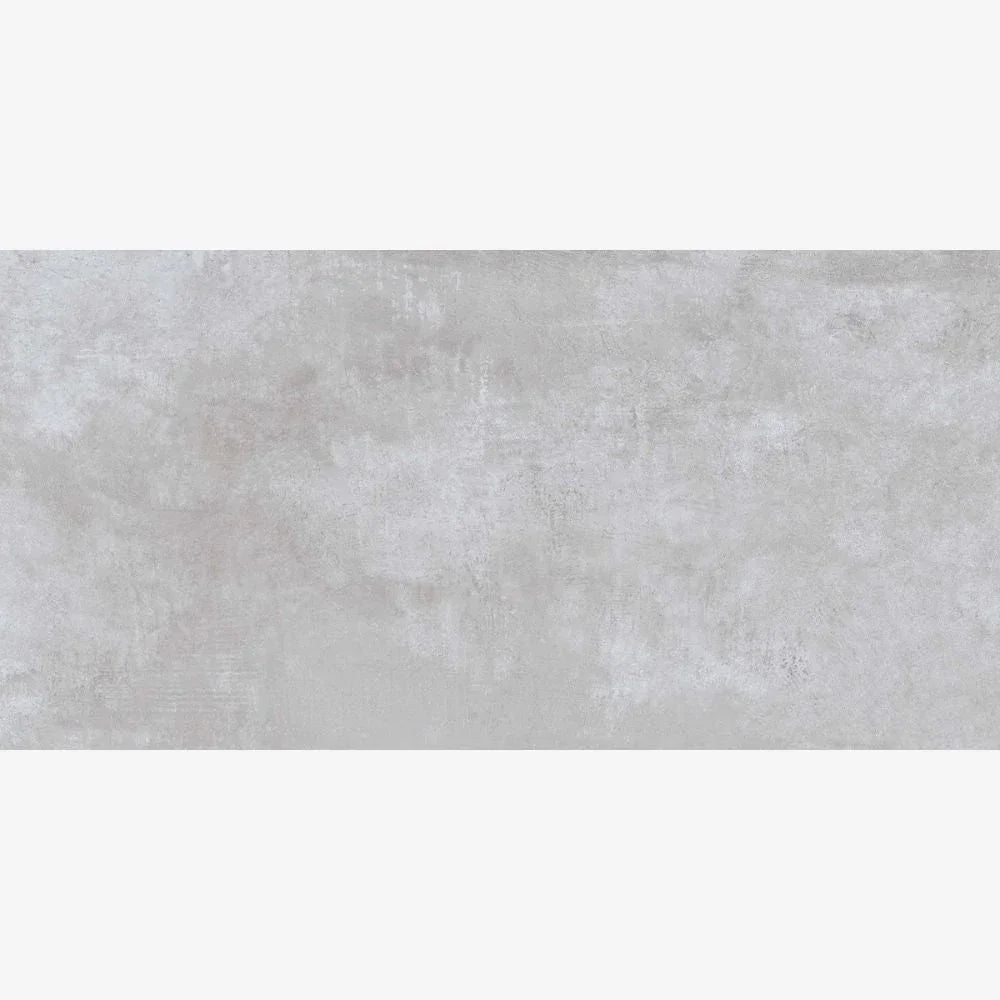
Pro-Tech Grey 6mm Porcelain Tile 60 x 120cm
Choose your option
Arch-Tech Grey Porcelain Tile 120 x 120cm
Choose your option

Arch-Tech Sand Porcelain Tile 120 x 120cm
Choose your option
Mosa White Porcelain Tile
Choose your option
Paris Smoke Porcelain Tile
Choose your option
Neptune Marble White Porcelain Tile
Choose your option
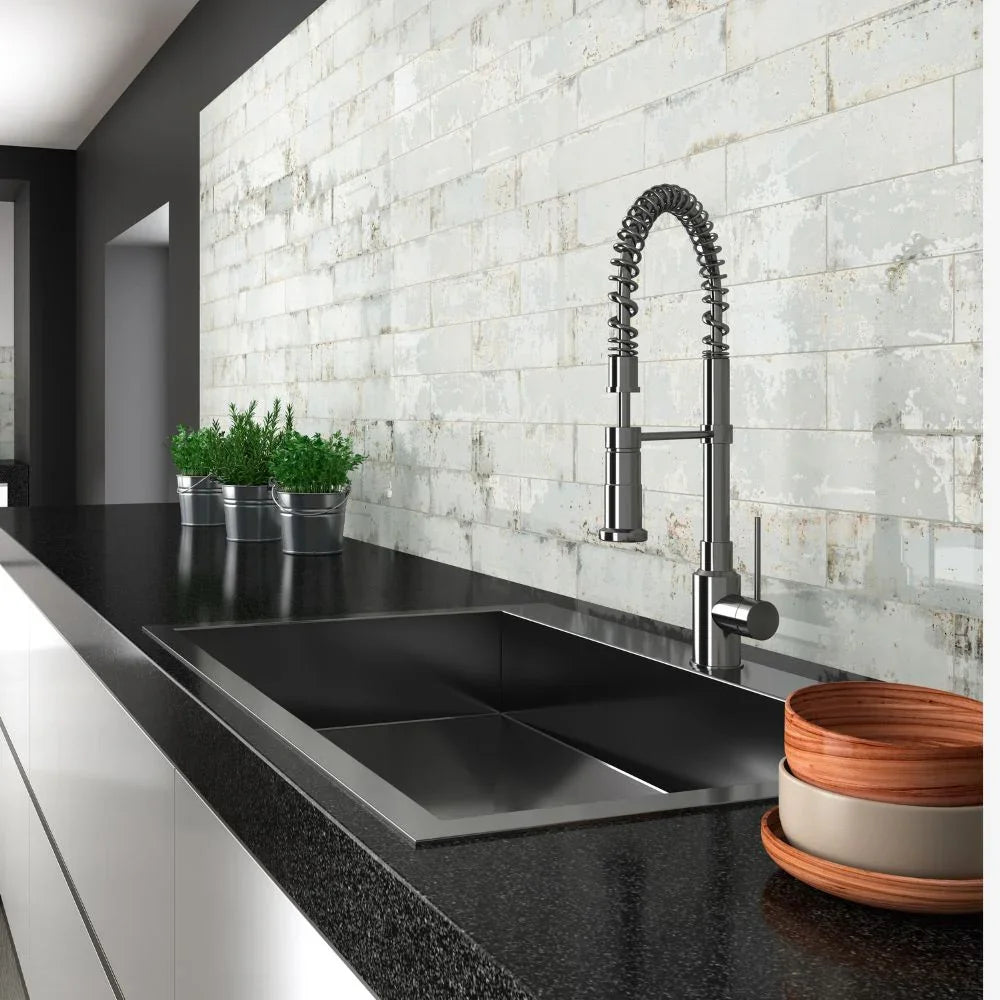
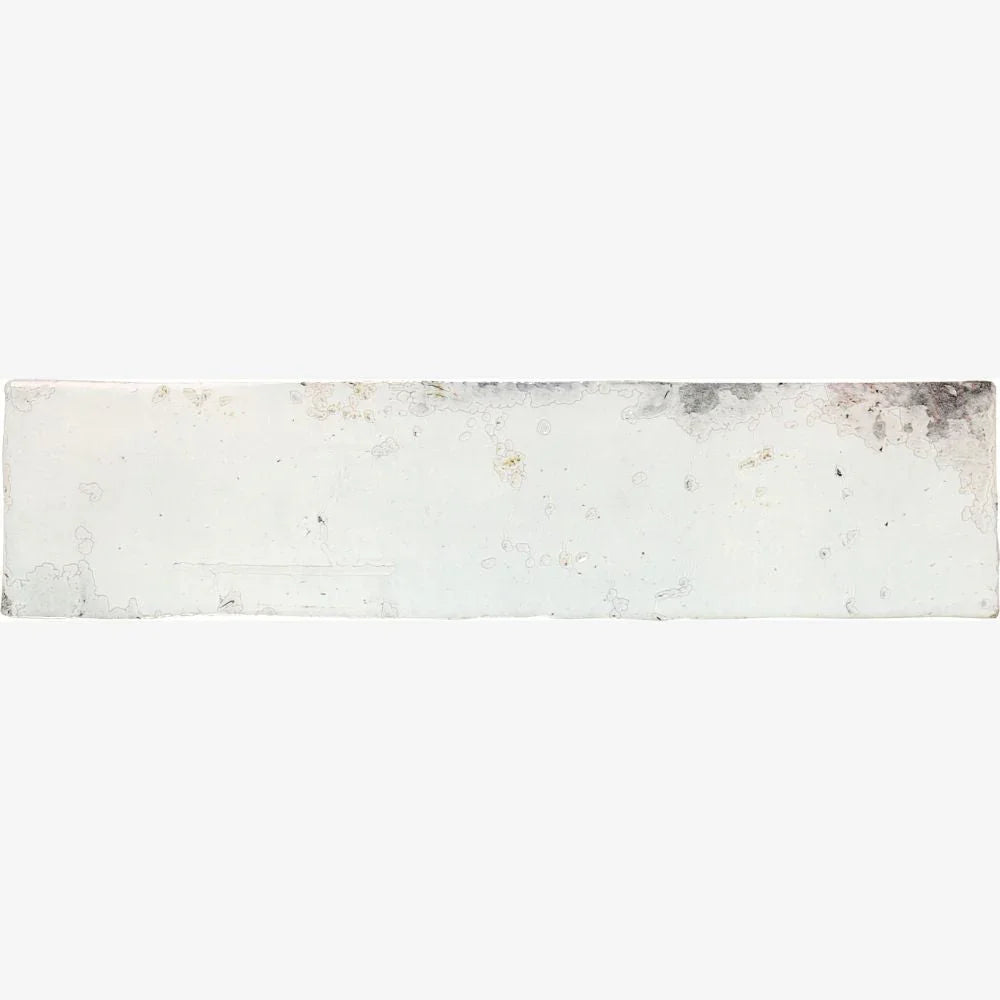
Iron Ore Subway Tile 7.5 x 30cm
Choose your option
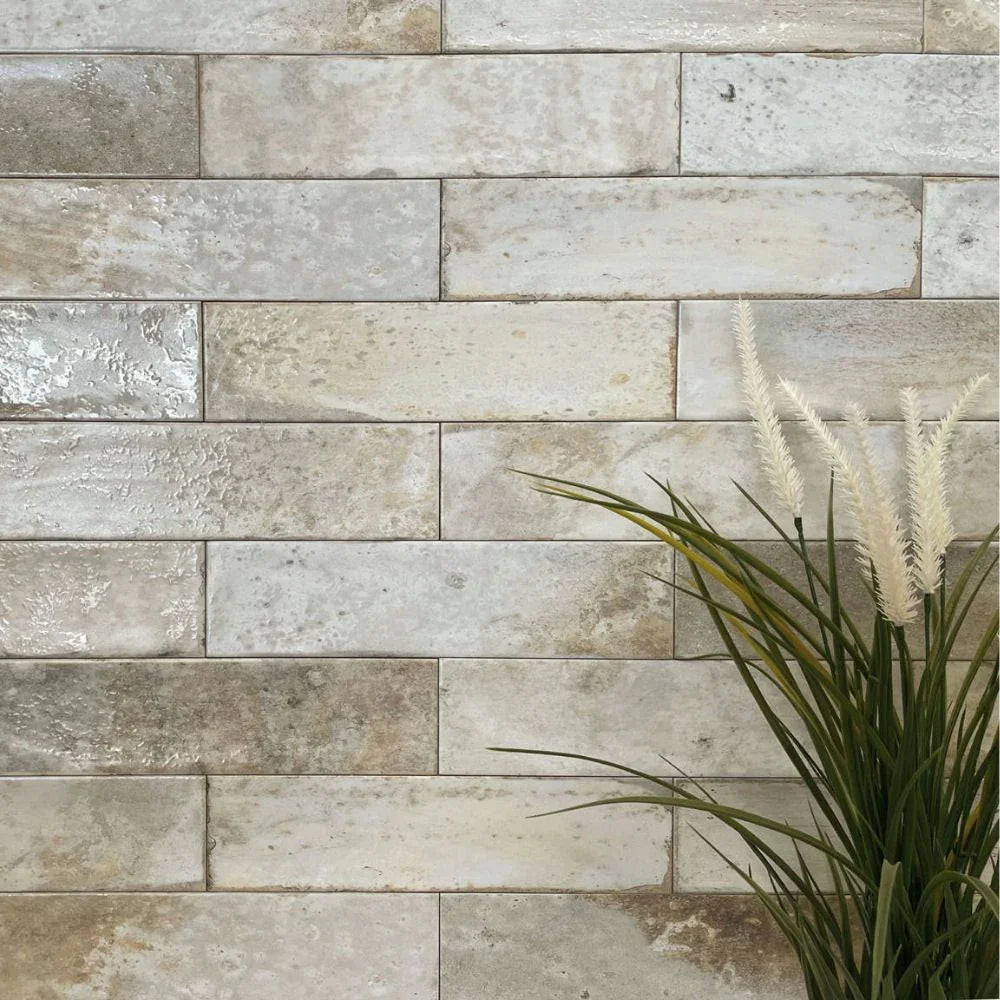
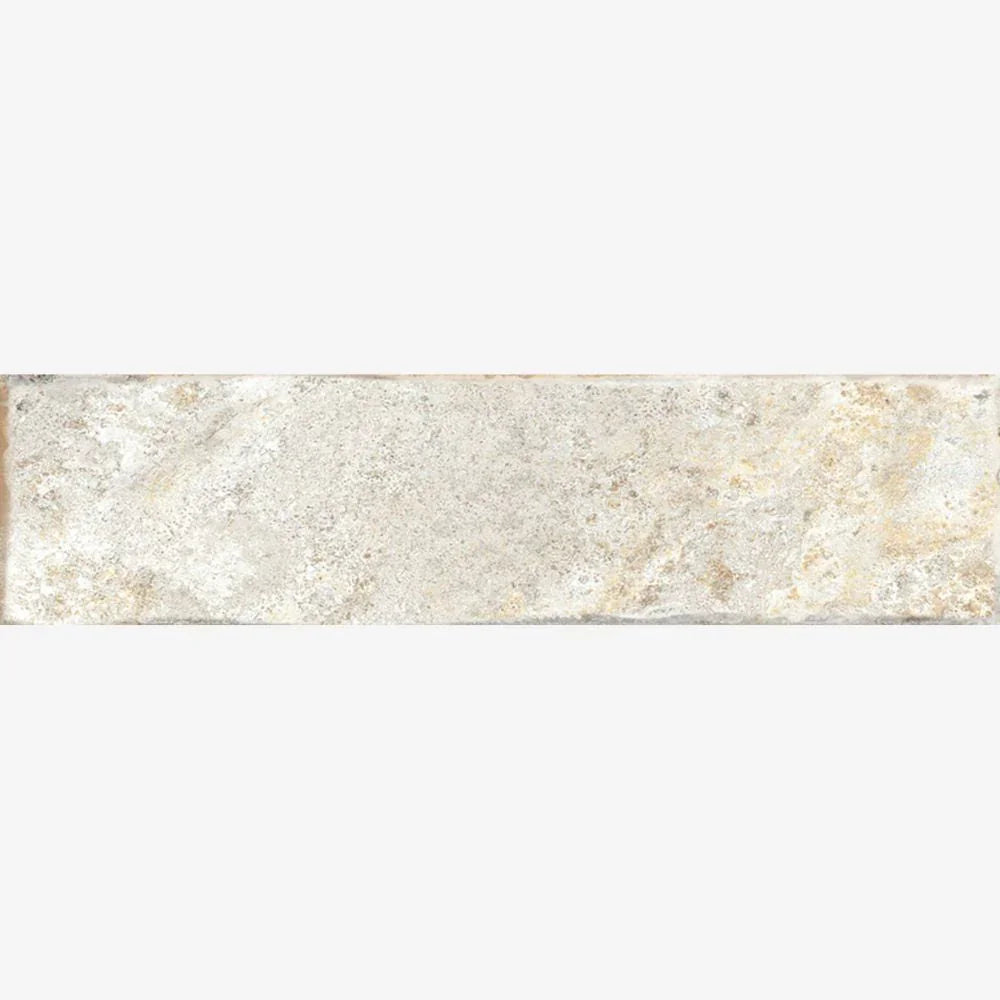
Alpi Beige Subway Tile 7.5 x 30cm
Choose your option
Dorset Bone Porcelain Tile 80 x 80cm
Choose your option
Muiz White Porcelain Tile 60 x 60cm
Choose your option
Treniz Mint Porcelain Tile
Choose your option
Paris Smoke Porcelain Tile
Choose your option
Neptune Marble White Porcelain Tile
Choose your option
Roman White Marble Polished Porcelain Tile 80 x 80cm
Choose your option
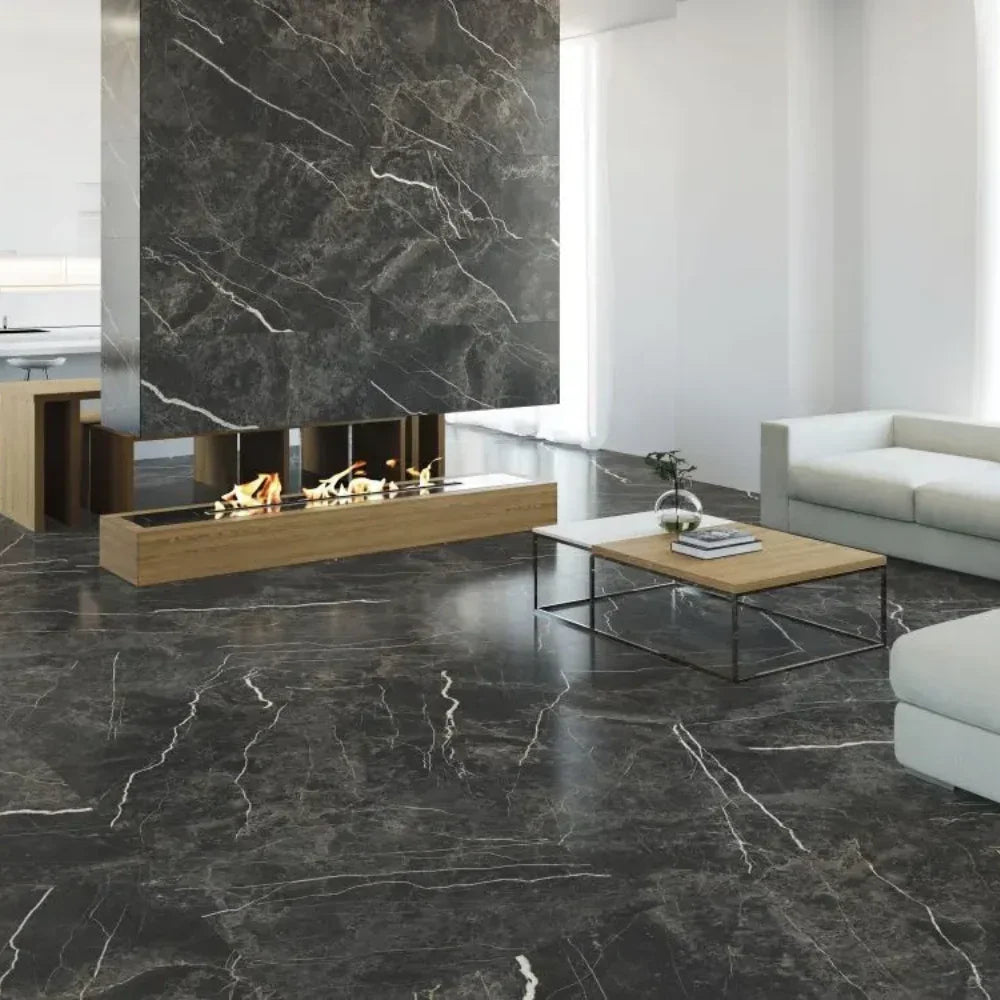
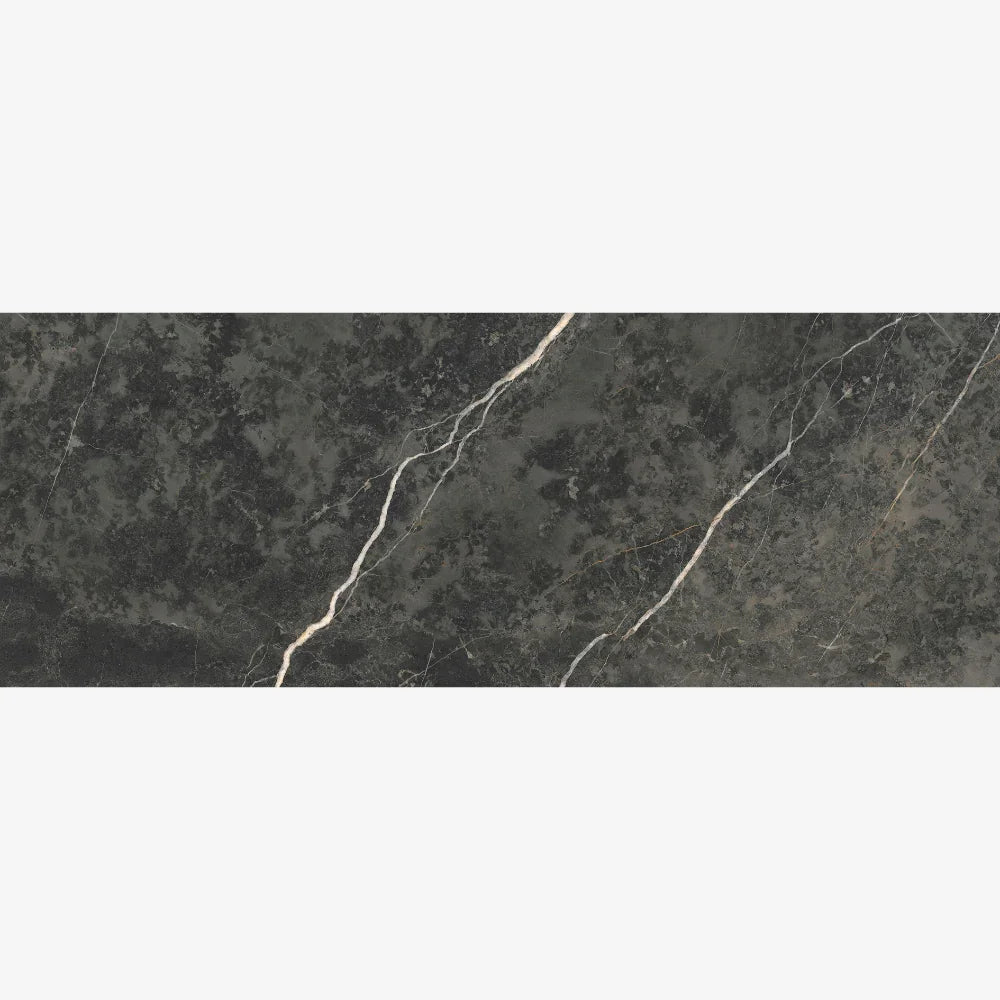
Charming Black Marble Porcelain Tile 90 x 90cm
Choose your option
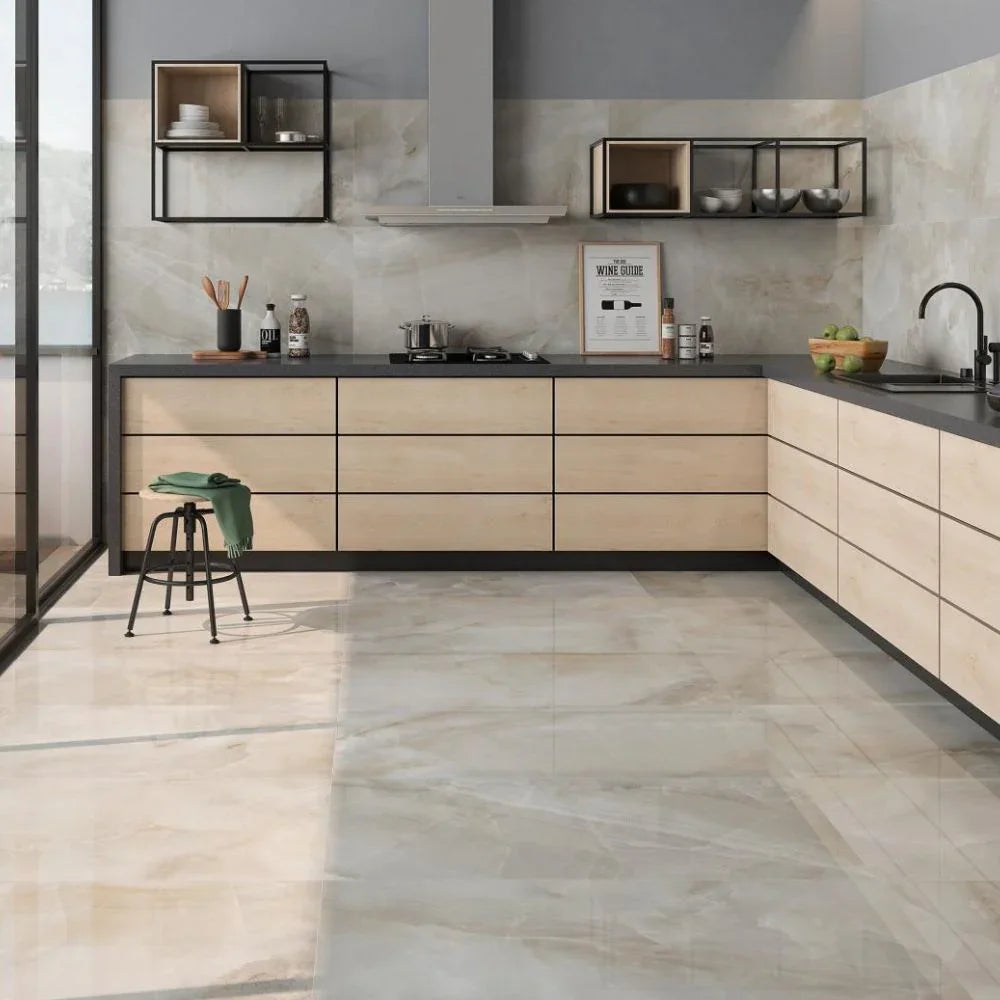
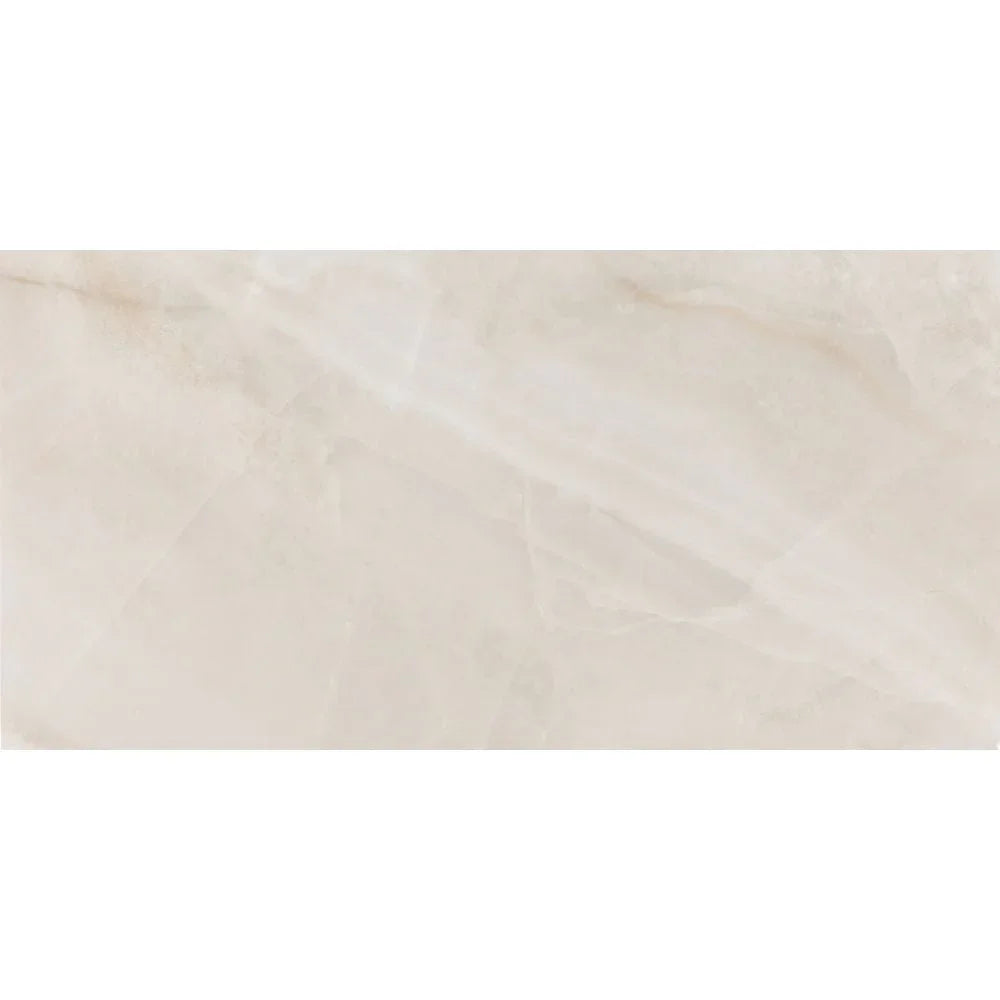
Nichet Beige Porcelain Tile 60 x 120cm
Choose your option
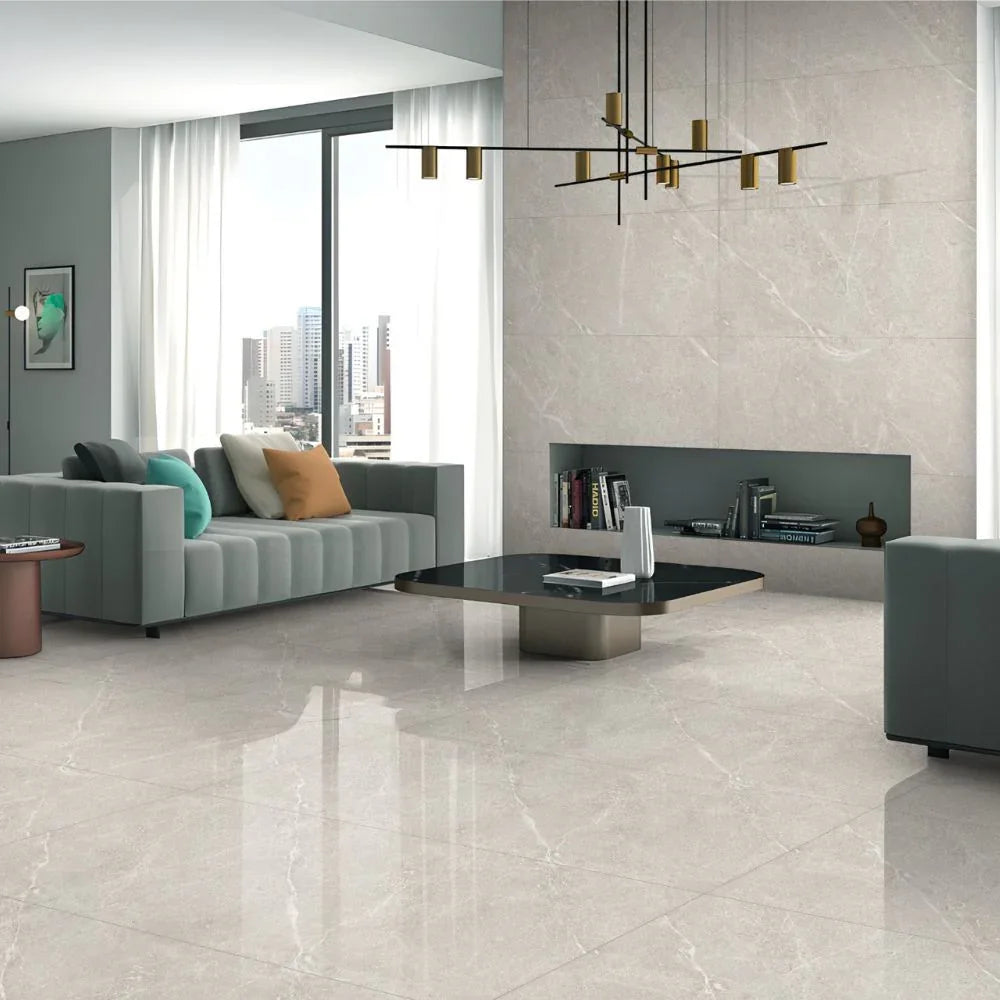
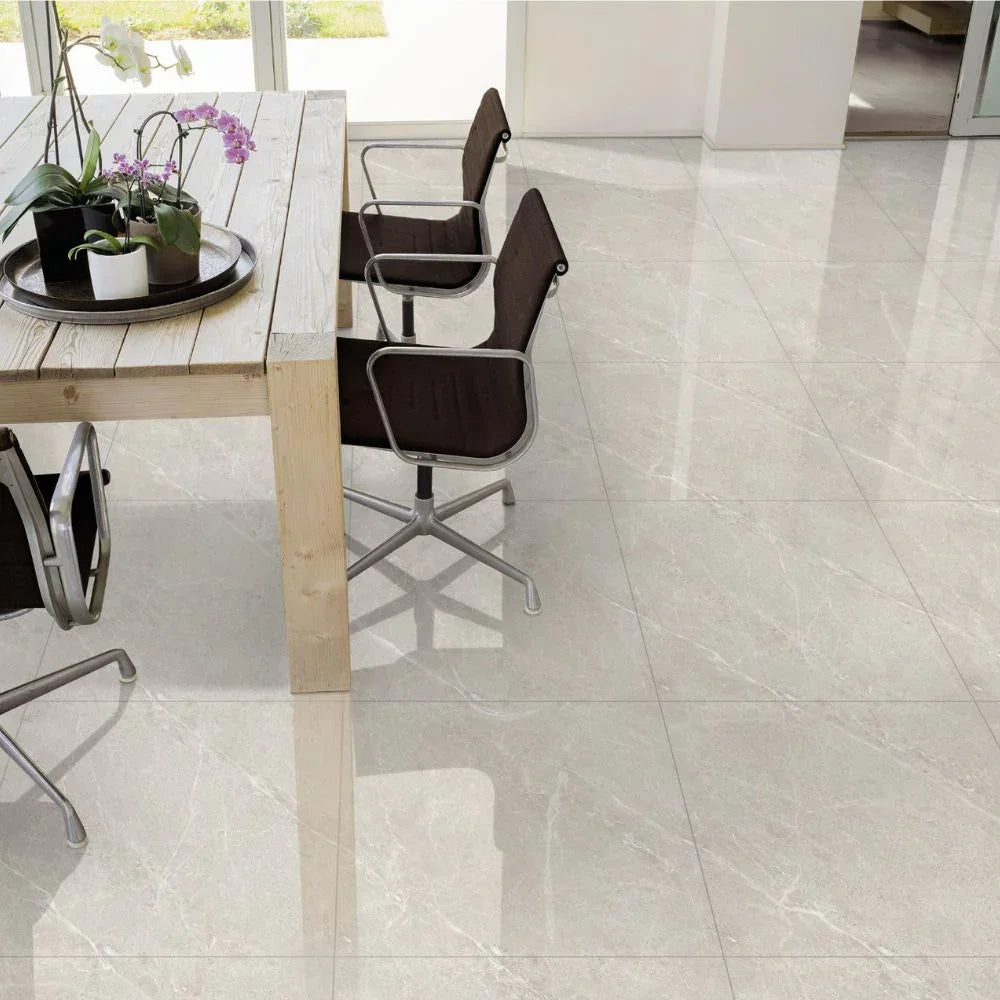
Alcantras Marble Porcelain Tile 60 x 60cm
Choose your option
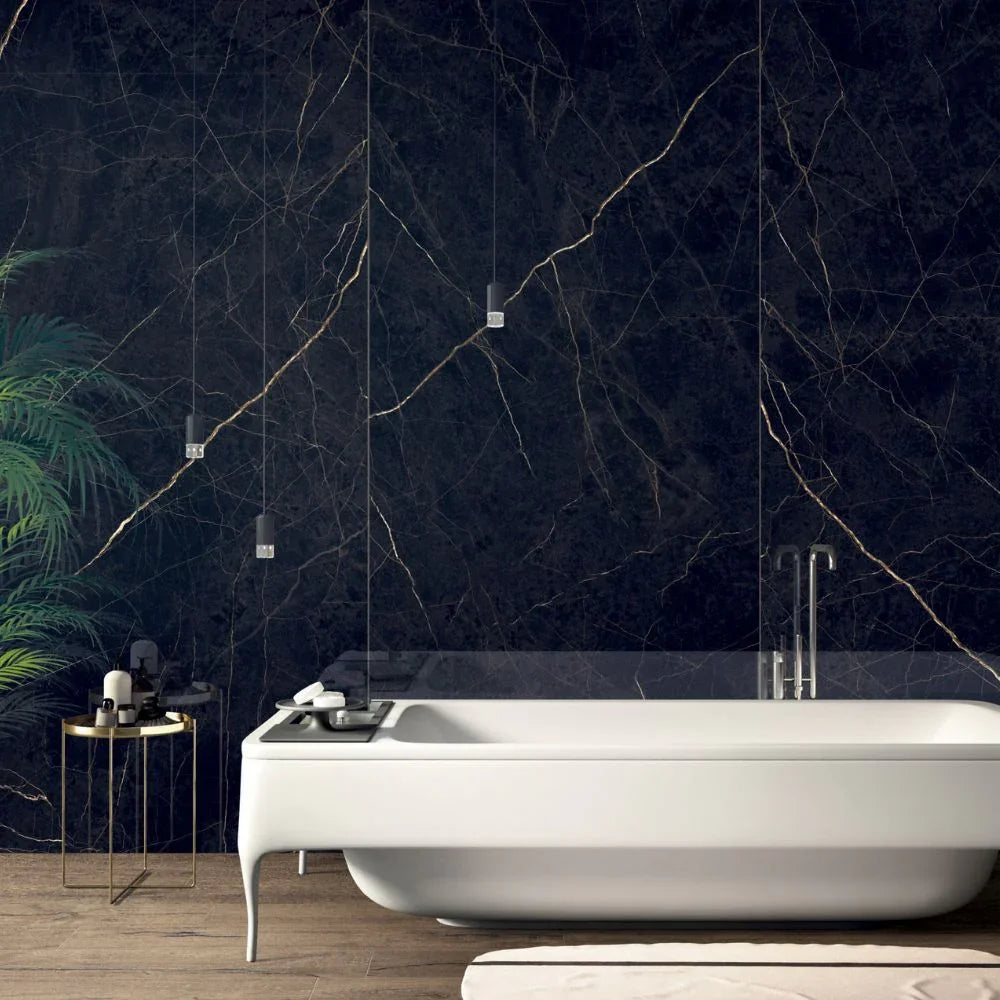
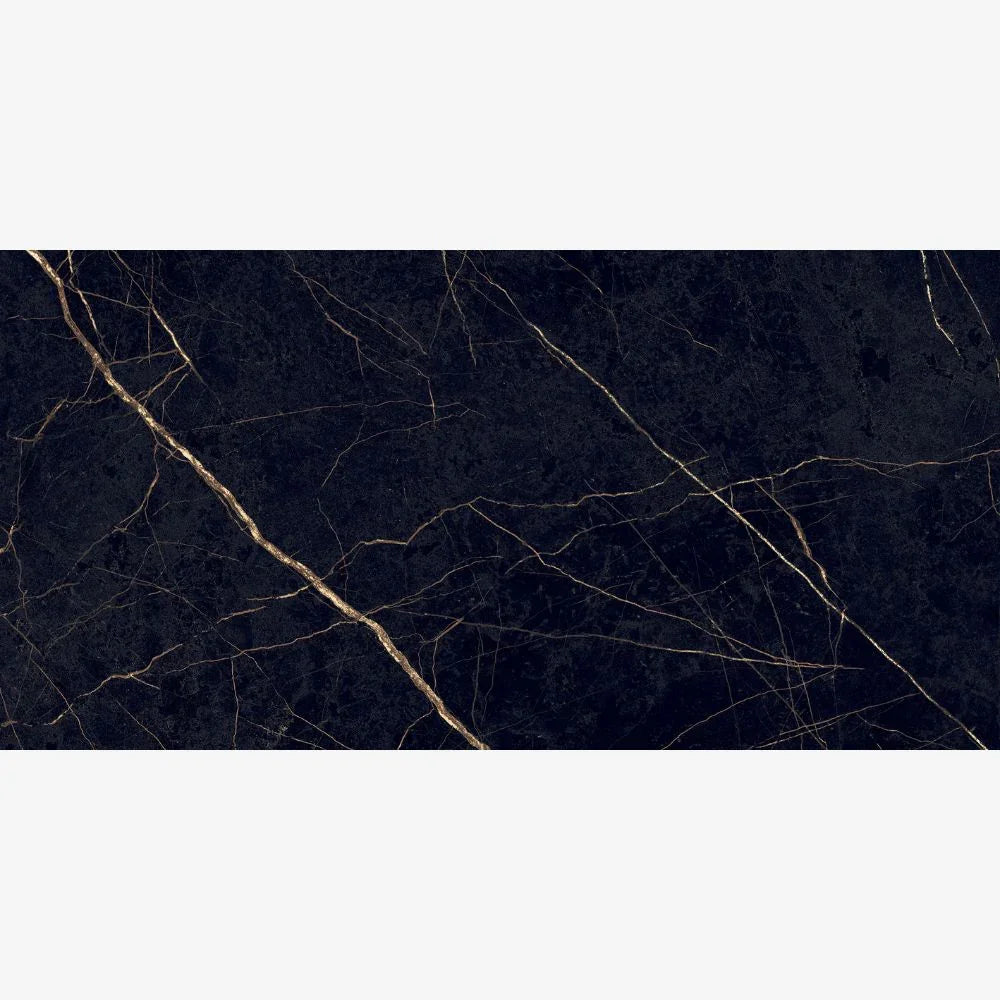
Evolvere Black / Gold Porcelain Tile 60 x 120cm
Choose your option
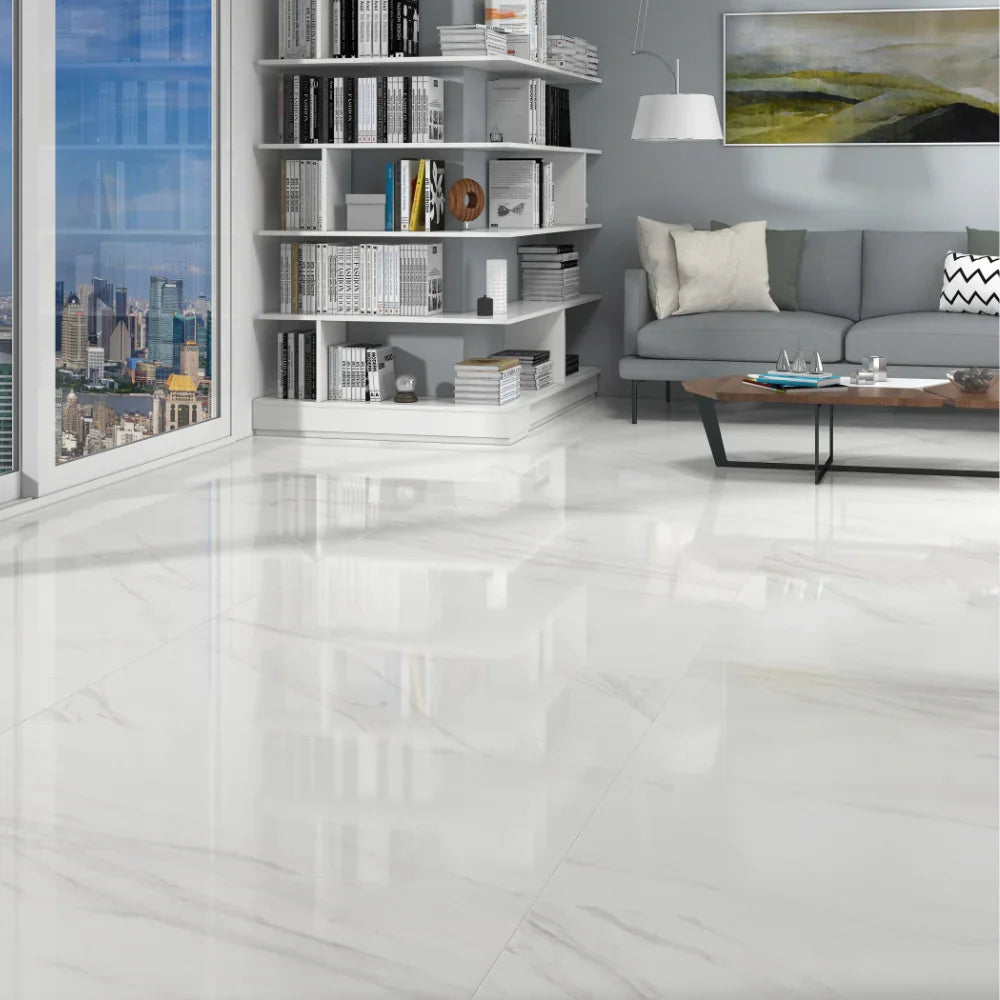
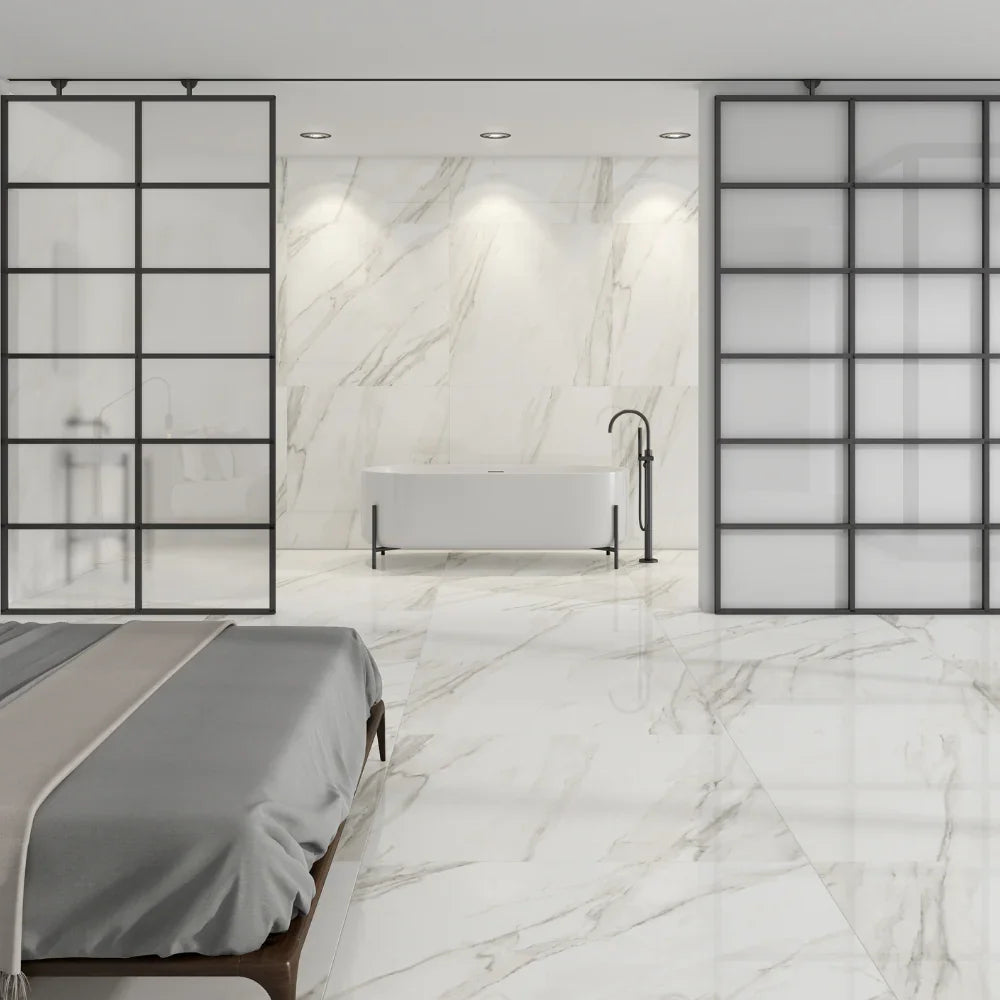
Calacata Mechida White Marble Porcelain Tile
Choose your option
Mosa White Porcelain Tile
Choose your option
Paris Smoke Porcelain Tile
Choose your option
Neptune Marble White Porcelain Tile
Choose your option
Dorset Bone Porcelain Tile 80 x 80cm
Choose your option
Treniz Mint Porcelain Tile
Choose your option
Roman White Marble Polished Porcelain Tile 80 x 80cm
Choose your option
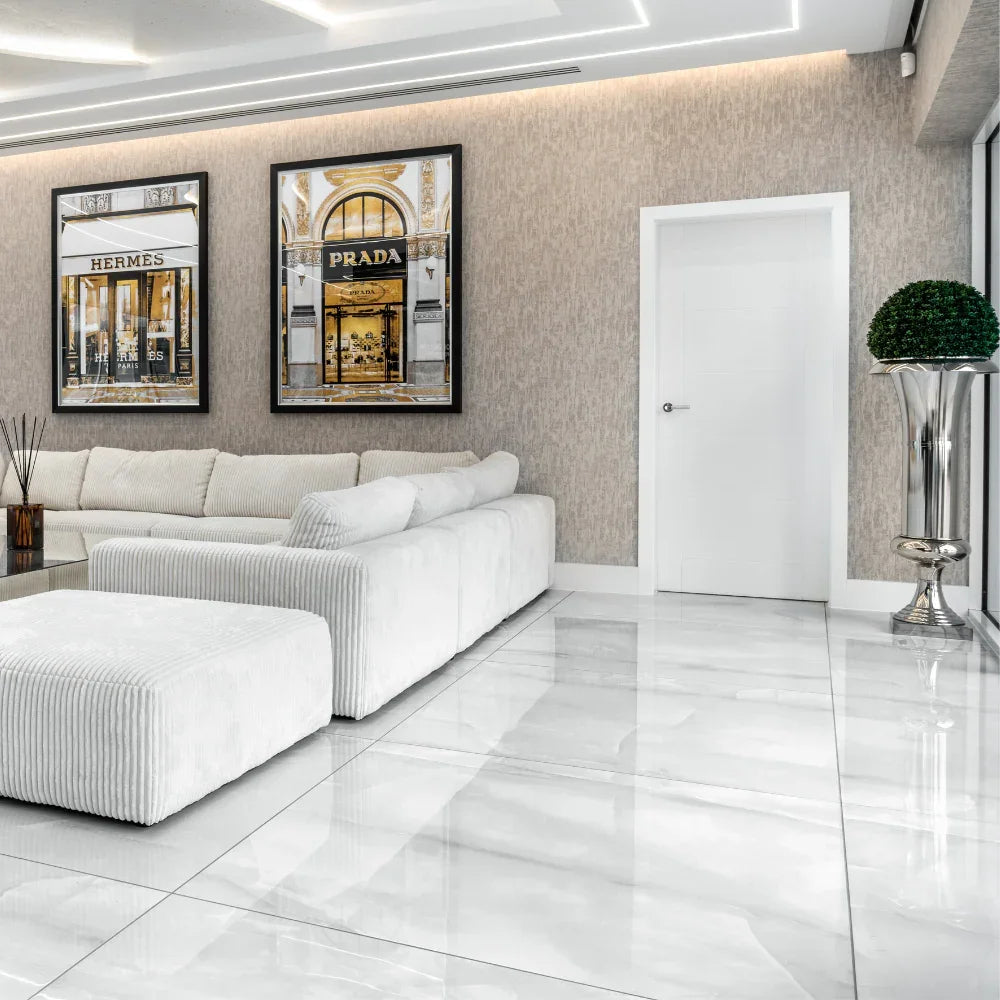
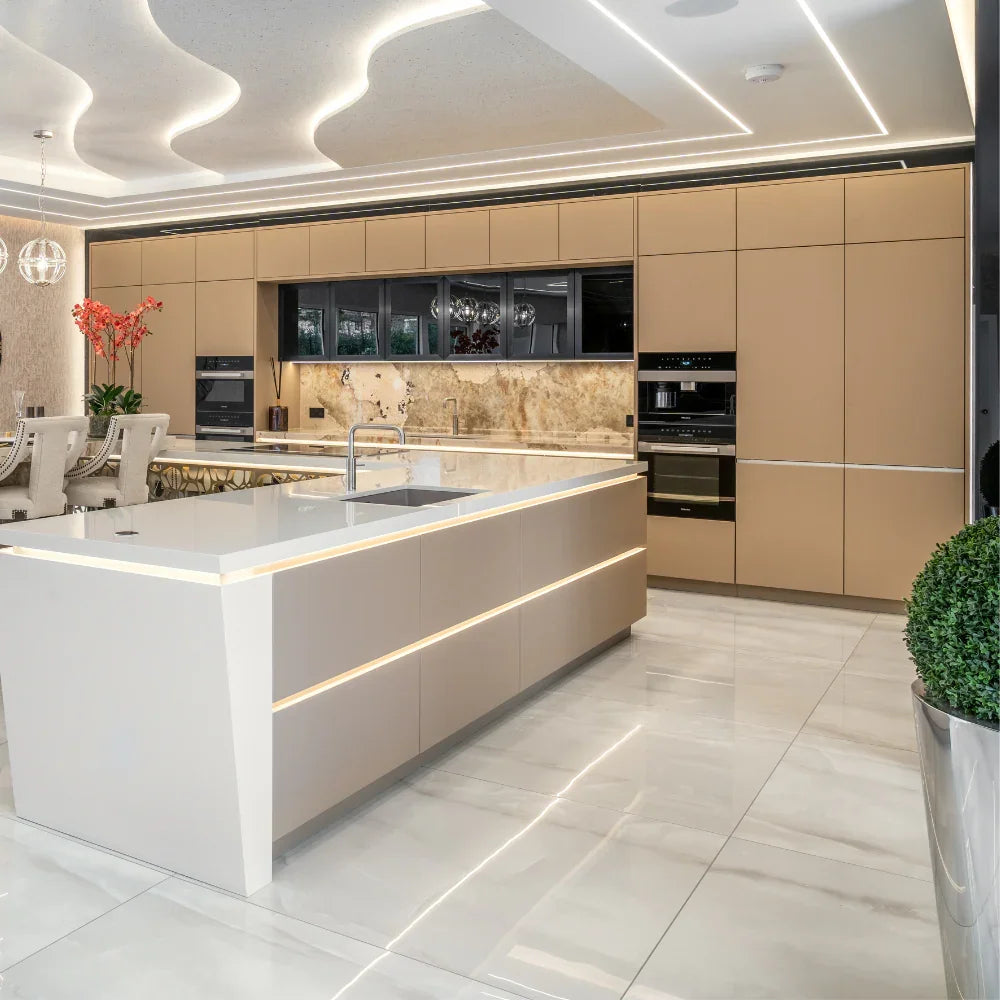
Madre White Porcelain Tile
Choose your option
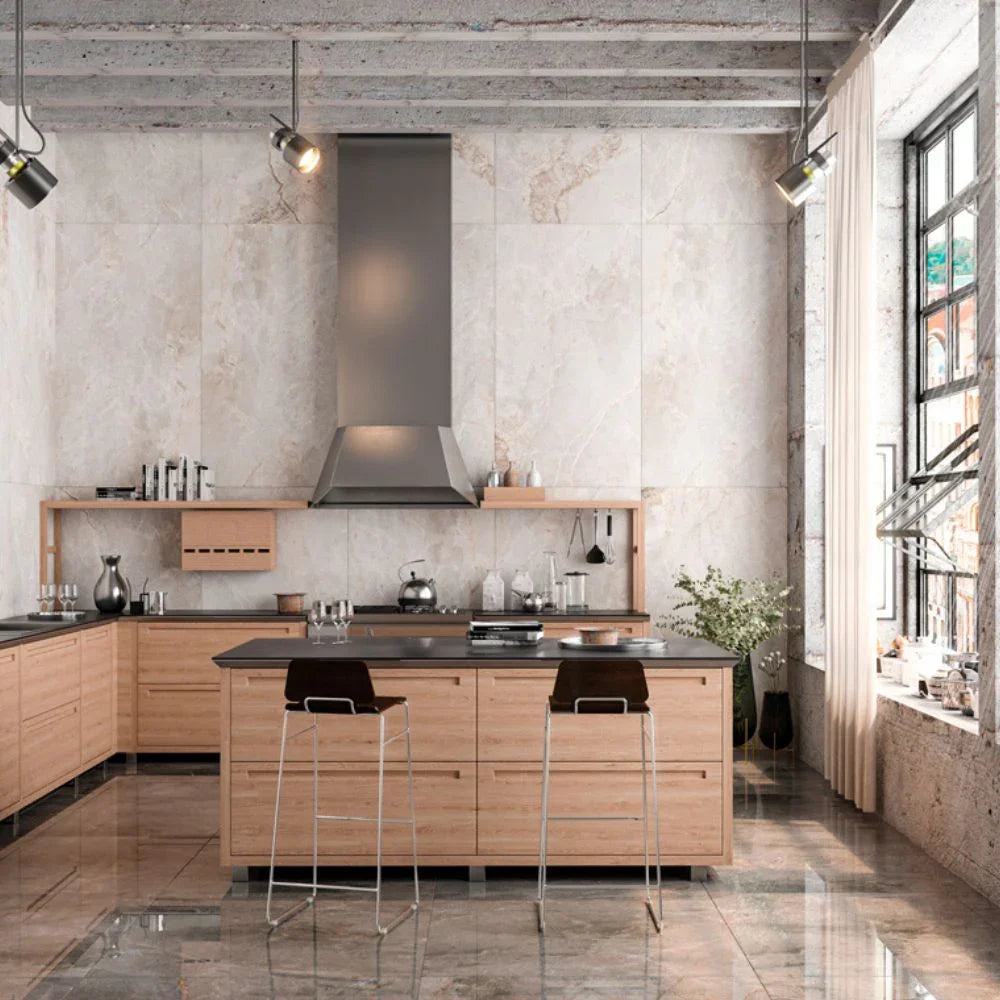
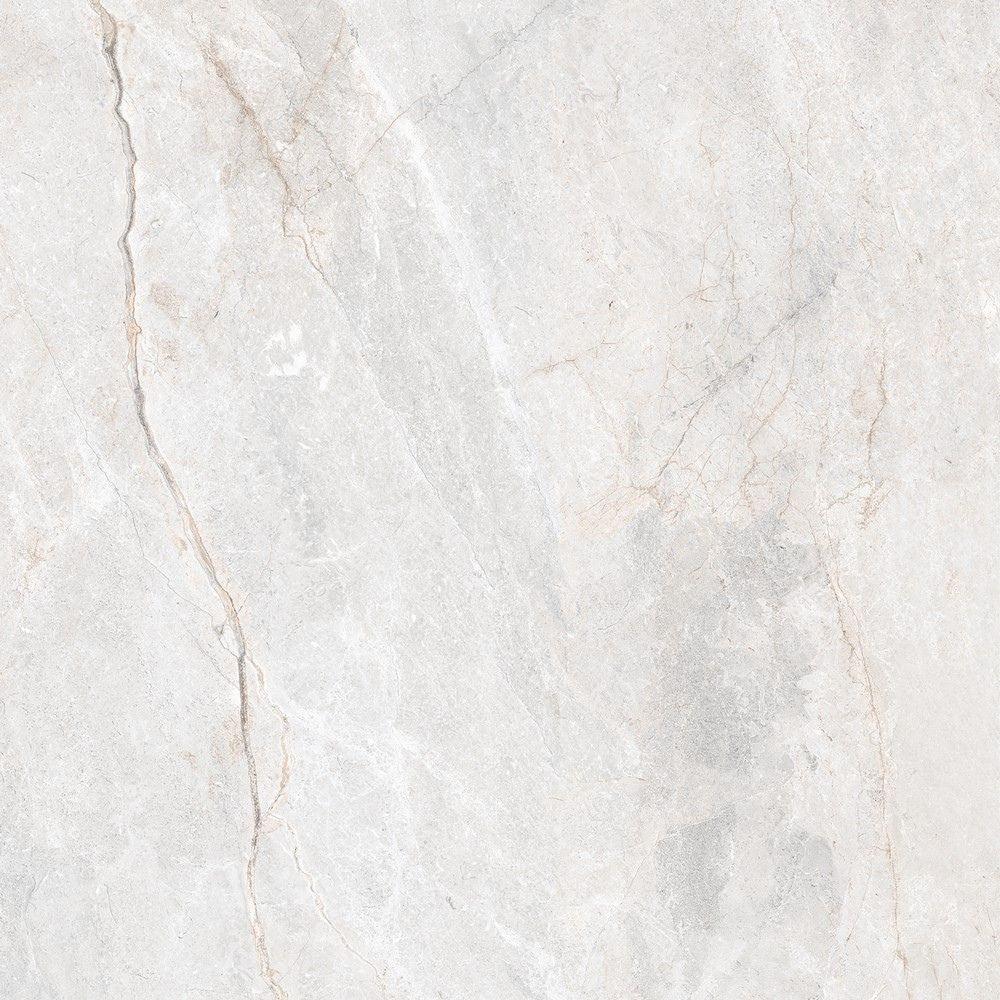
Tuscani Pearl Porcelain Tile
Choose your option
Muiz White Porcelain Tile 60 x 60cm
Choose your option
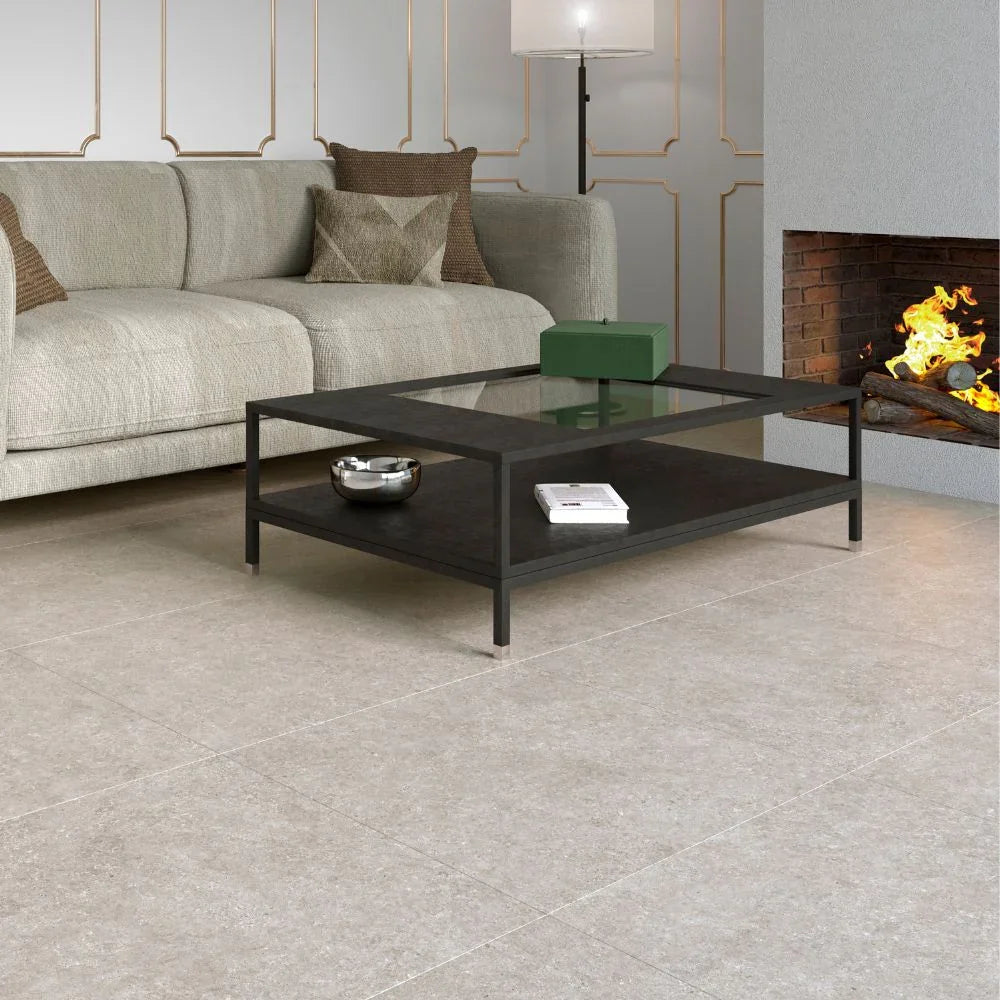
Townhall Taupe Porcelain Tile 30 x 60cm
Choose your option
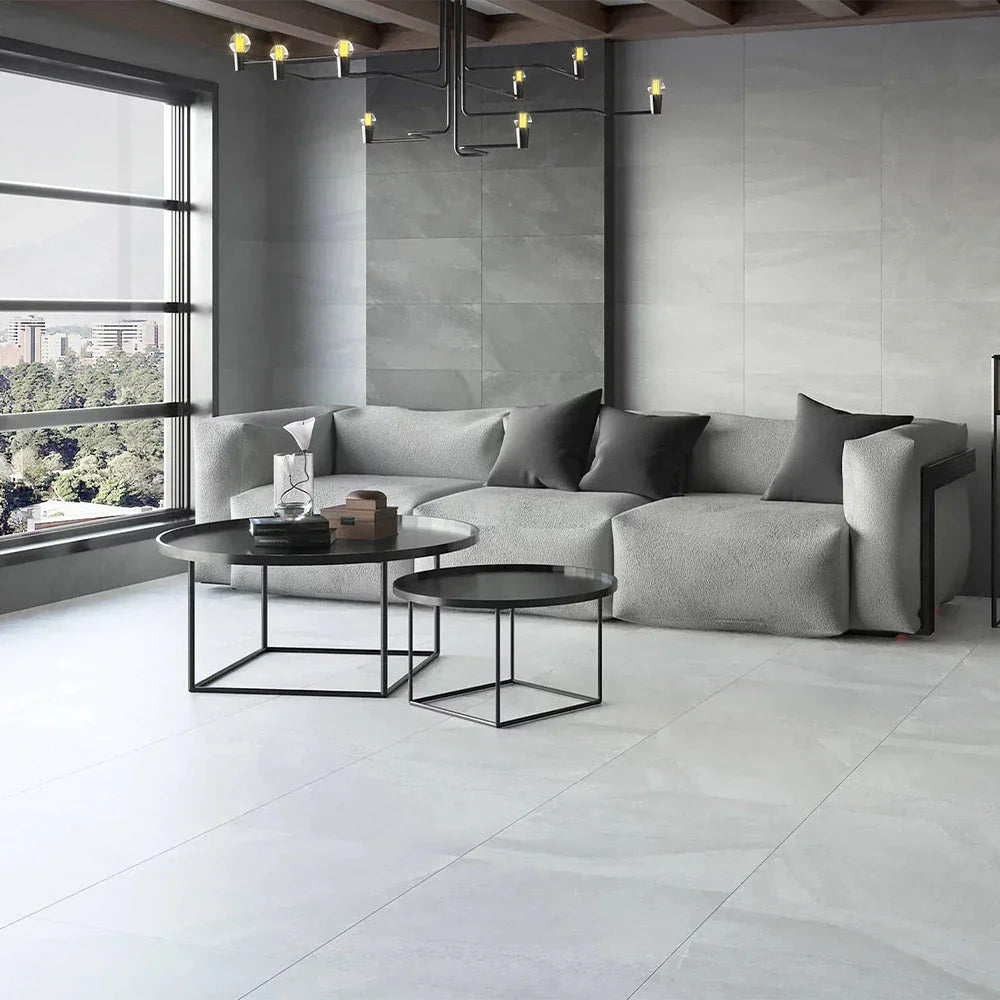
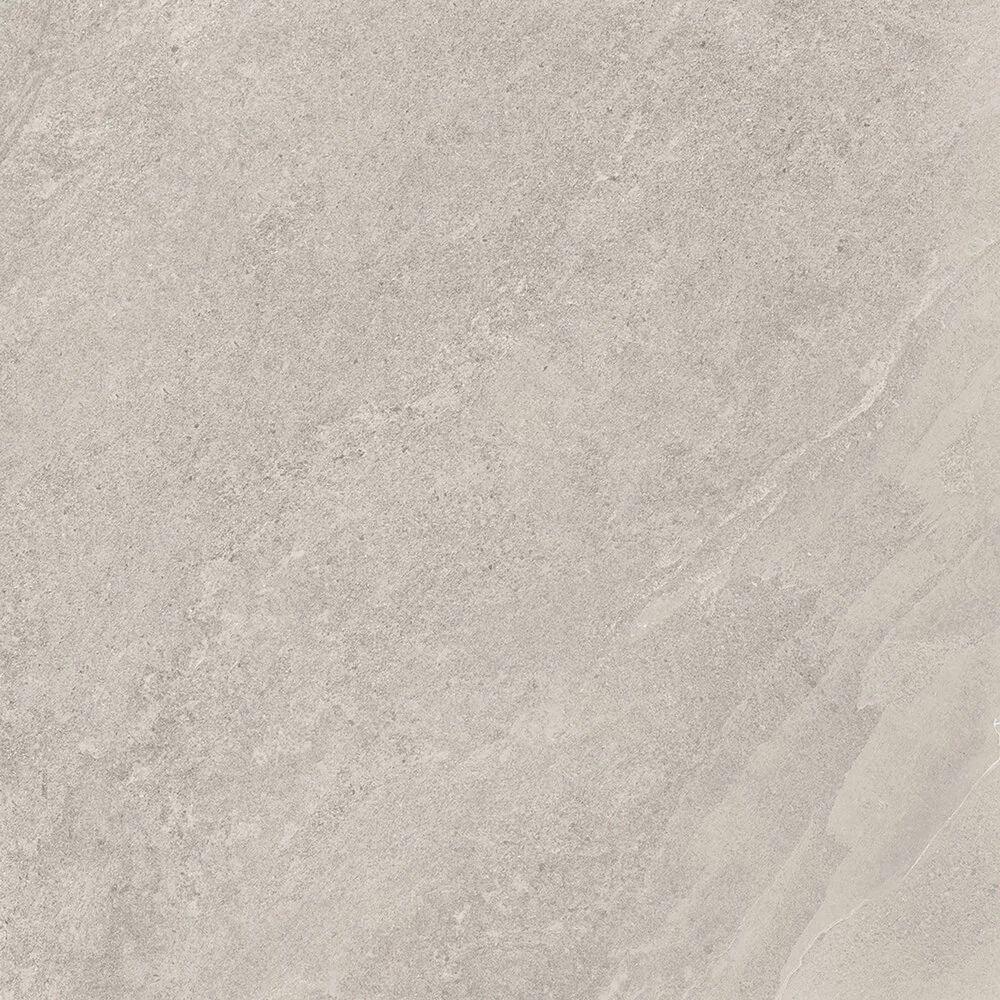
Muiz Grey Porcelain Tile 60 x 60cm
Choose your option
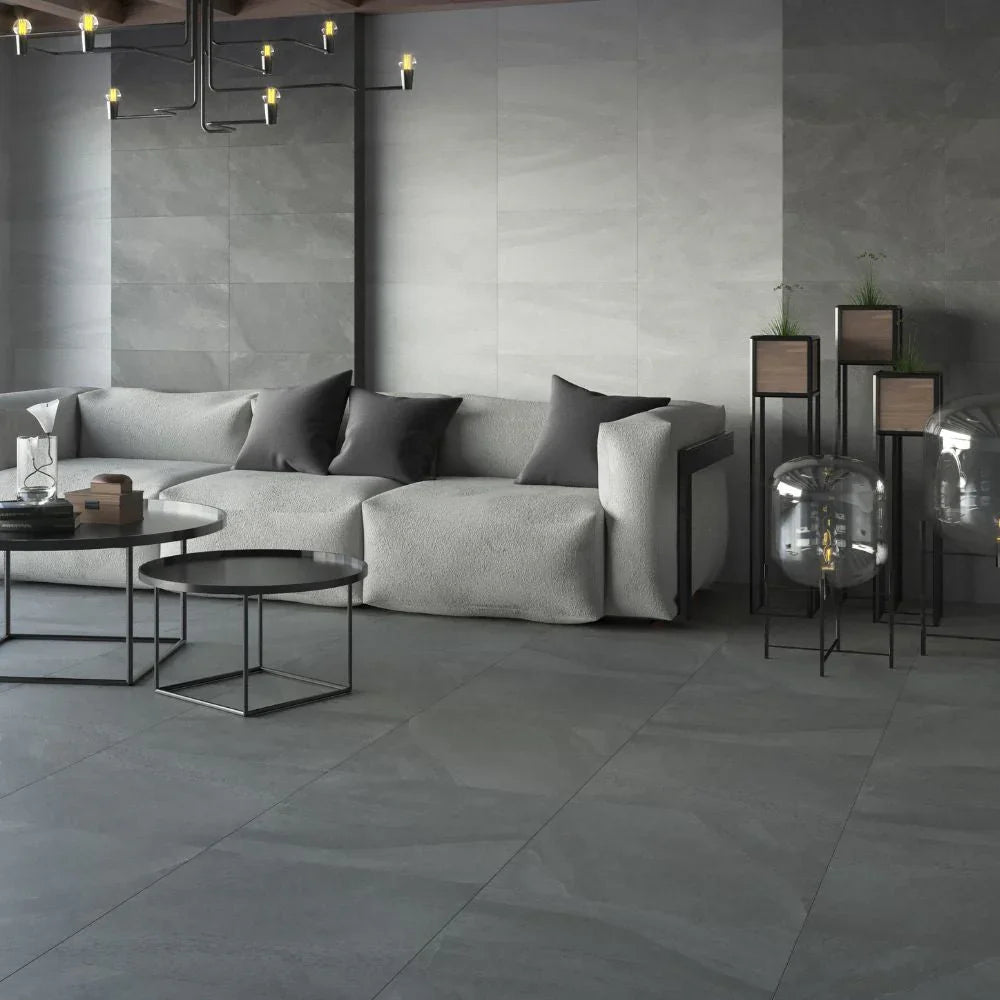
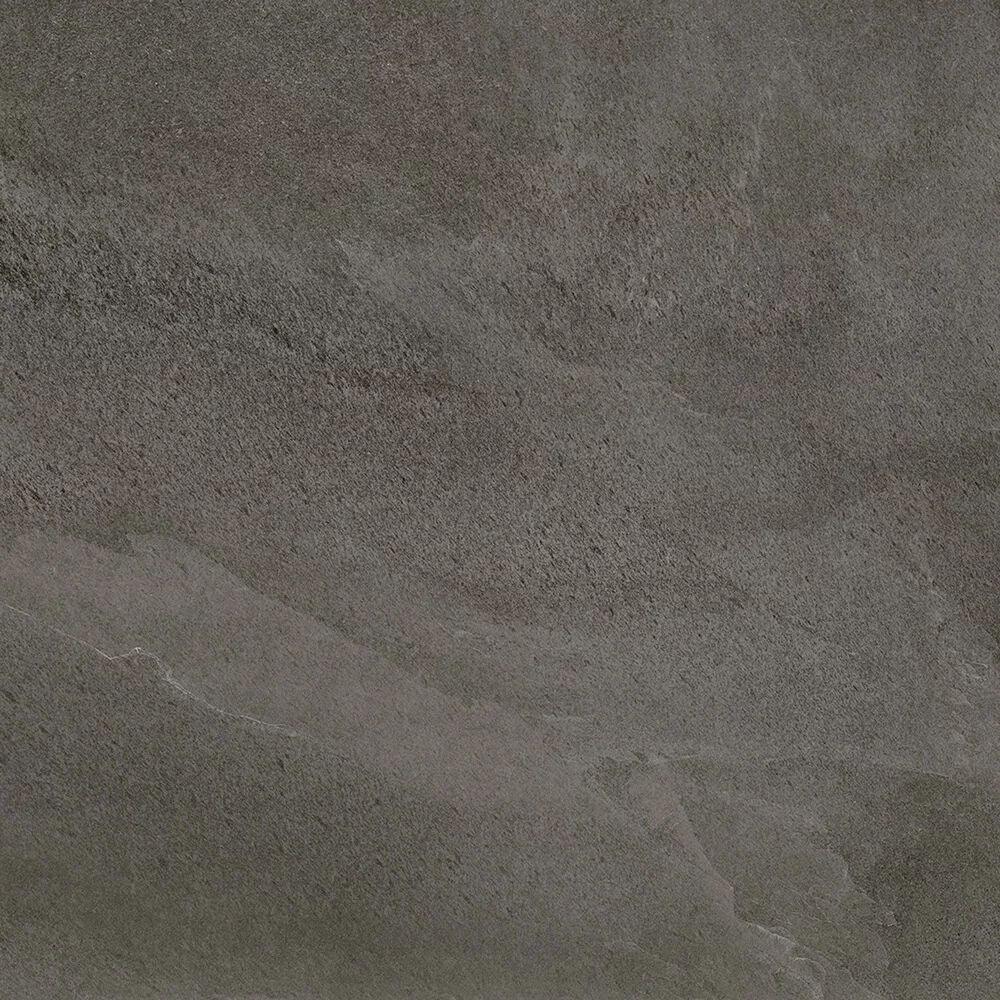
Muiz Dark Grey Porcelain Tile 60 x 60cm
Choose your option
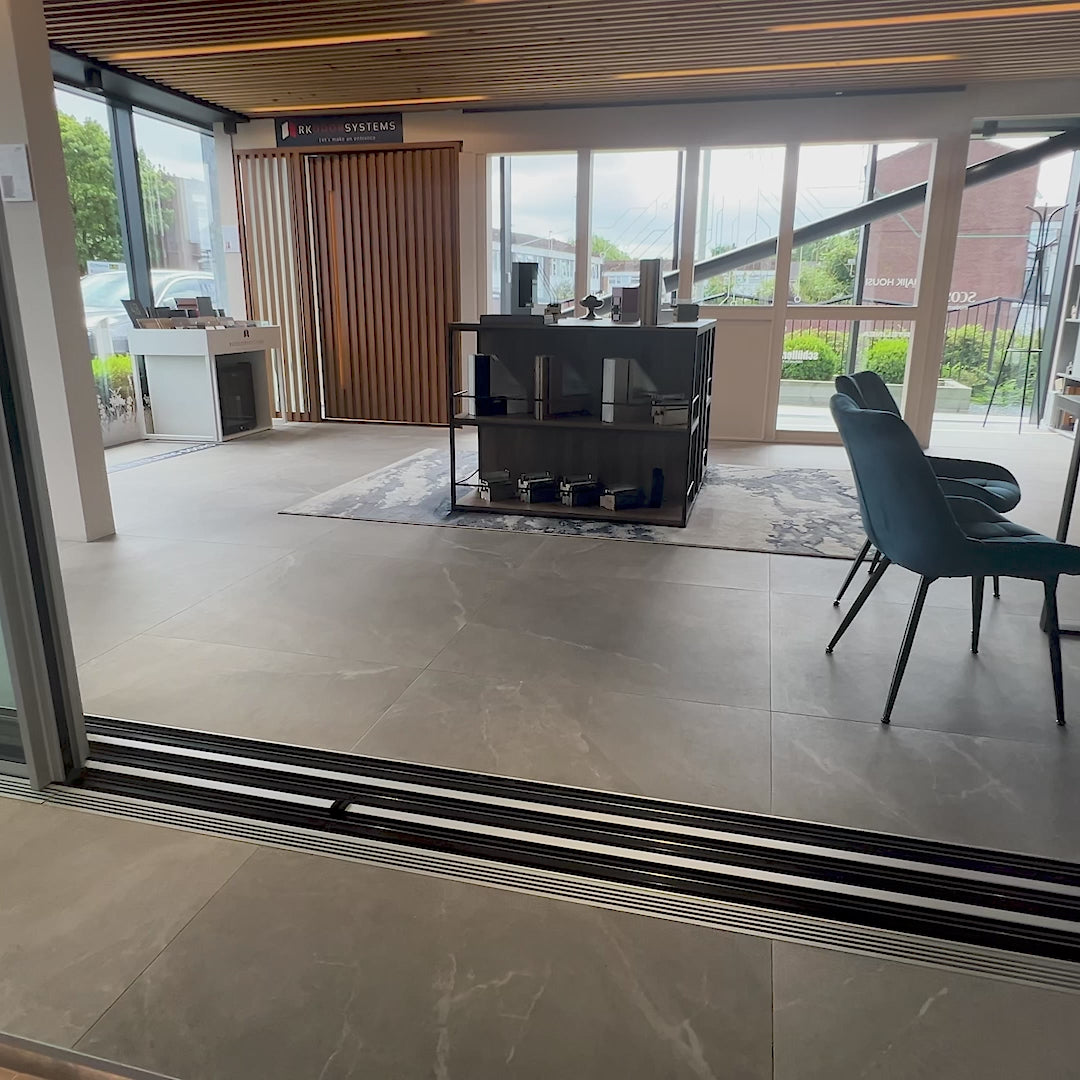
Baccoi Grey Porcelain Tile 100 x 100cm
Choose your option
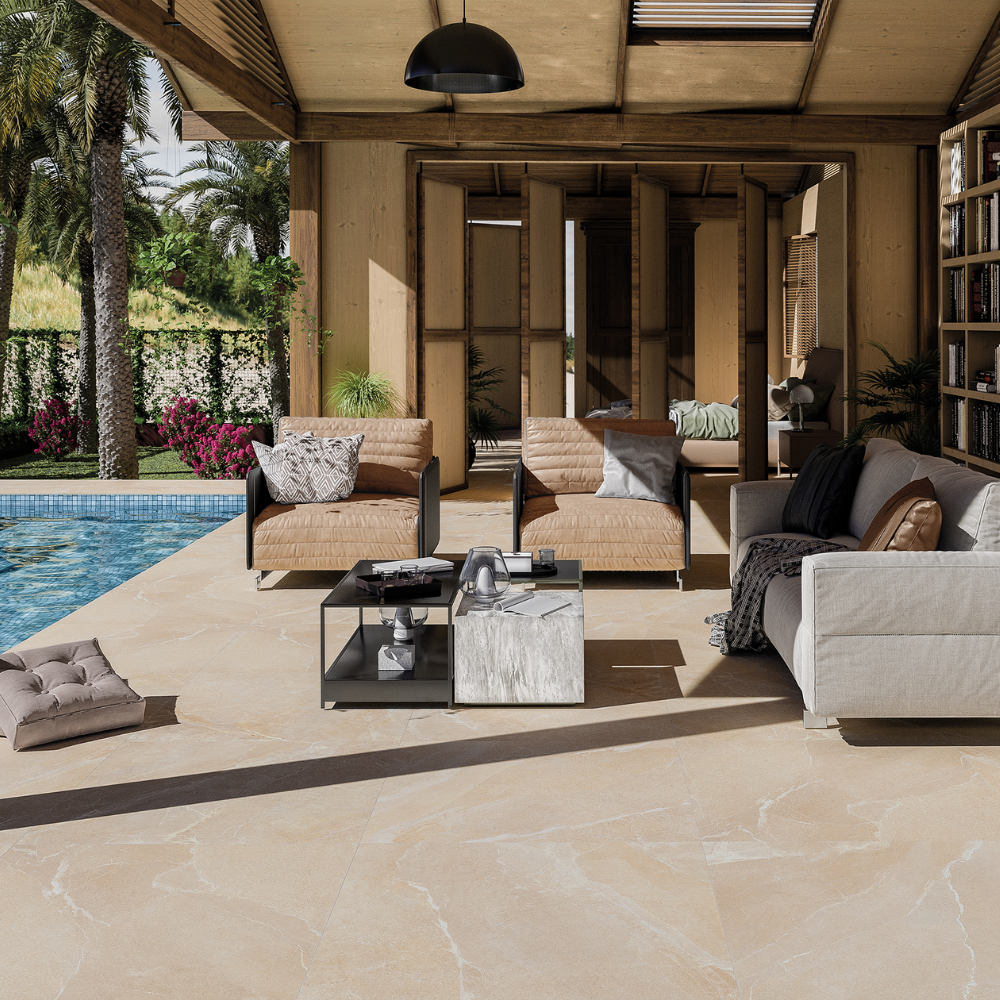
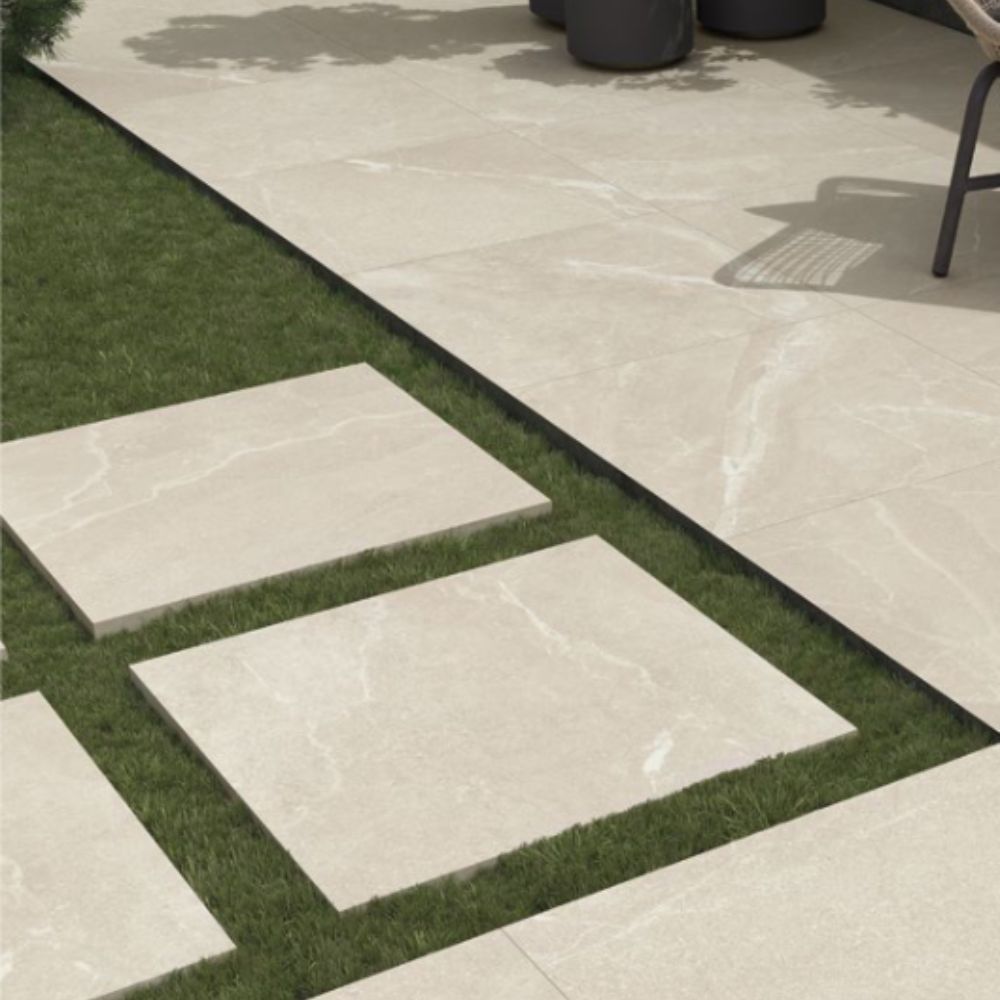
Baccoi Beige Porcelain Tile 100 x 100cm
Choose your option
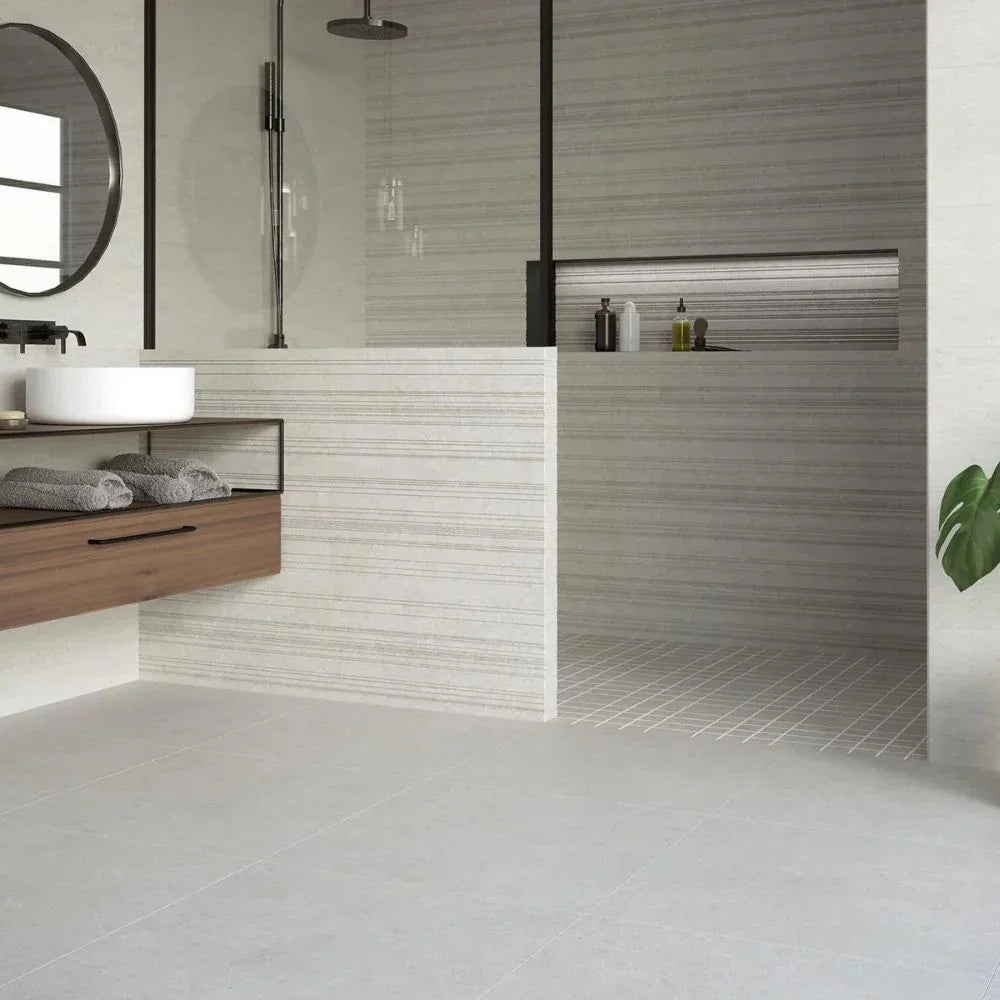
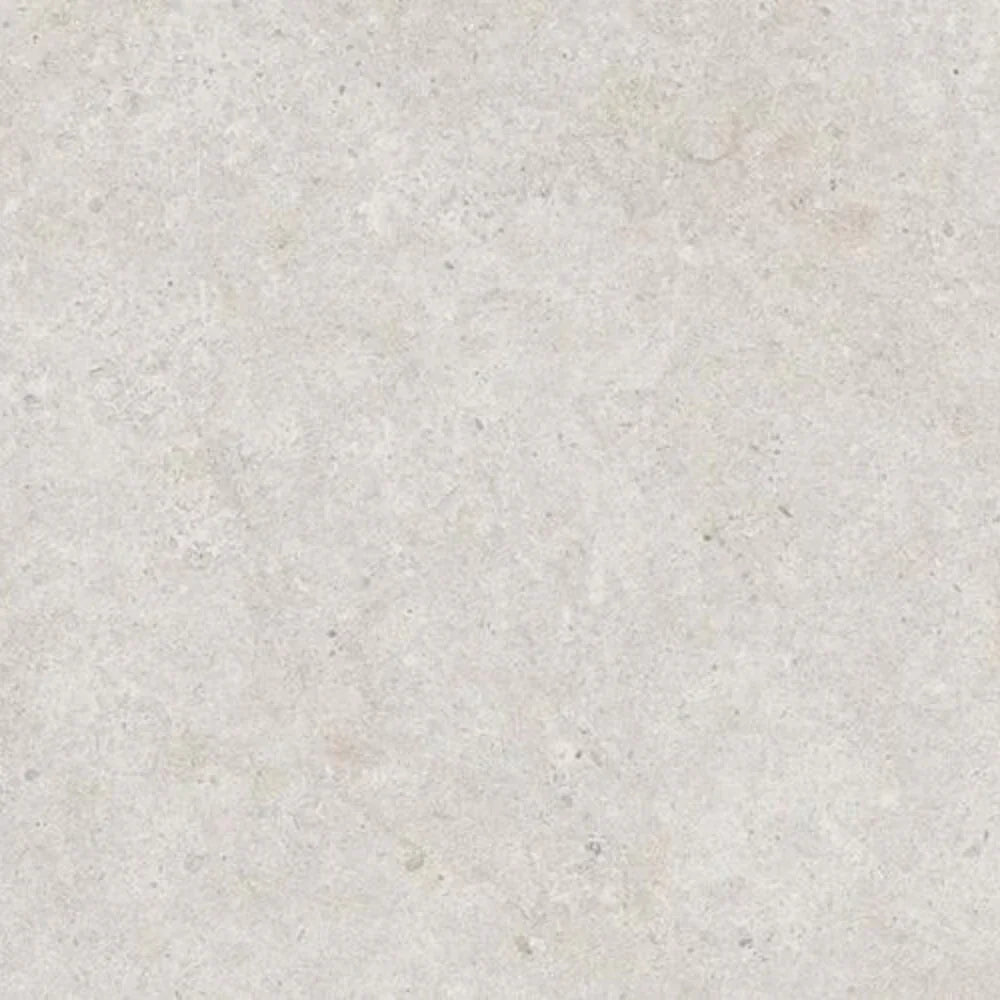
Townhall White Porcelain Tile
Choose your option