How to Choose Tiles for Your First Home: A Beginner’s Guide
Choosing tiles for your first home can feel like a big decision... and it is. Many homeowners are now moving away from traditional carpet flooring in bedrooms, opting for tiles instead due to their cleanliness, modern aesthetics, and the option to add comfort with rugs, especially in warm or minimalist settings. Tiles shape how your space looks, how it functions, and how it stands up to daily life, chosen for their ability to stand the test of time and withstand wear in busy areas. From kitchen floors to bathroom walls, the right tiles bring everything together, creating a home that feels both practical and beautifully considered.
The good news is that learning how to choose tiles doesn’t have to be overwhelming. Once you understand the basics, tile material, size, finish, and layout, the process becomes fairly straightforward, even for beginners.
Why Tiles Matter in Everyday Living
Tiles are one of the hardest-working surfaces in any home. They need to be durable, easy to maintain, and suitable for how each room is used.
In high traffic areas such as kitchens, hallways, and living areas, your tiles will experience constant wear. In bathrooms, they must be water resistant and safe underfoot. And throughout the home, they influence the overall interior style, from clean lines and modern finishes to softer, more textured spaces.
Choosing the right tiles is about balancing practicality with personal style, ensuring your home looks great now and continues to work well into the future, while also complementing and enhancing the overall decor of each room.
Start with the Space: Choosing Tiles Room by Room
Before selecting colours or patterns, it’s important to think about where your tiles will be used. For example, while hardwood is a traditional choice for living room flooring, wood-look porcelain tiles offer a durable and stylish alternative that combines the appearance of wood with the practicality and easy maintenance of tile, making them ideal for cozy and modern living spaces.
Kitchens and Living Areas
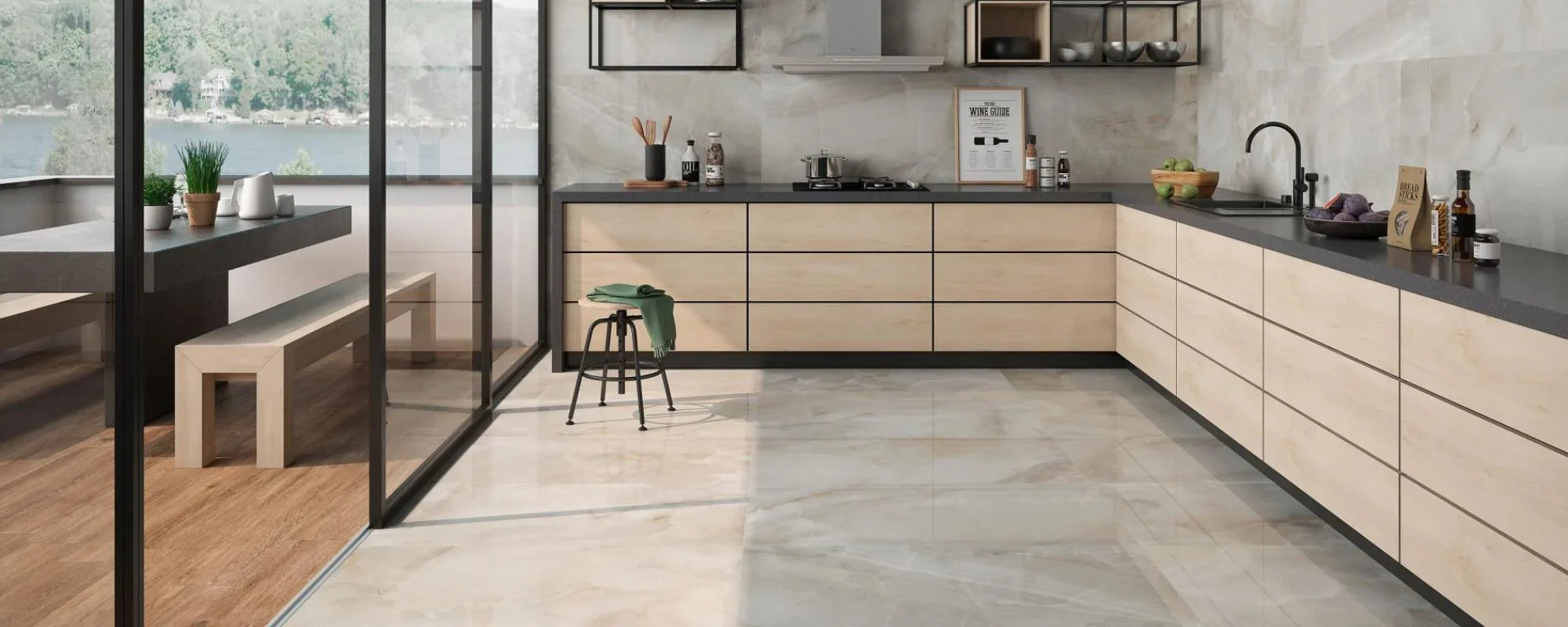
For busy living spaces, durability is essential. Porcelain kitchen tiles are often the ideal choice here, as they are highly durable, resistant to stains, and offer easy maintenance. This makes them a true all rounder for first homes.
They also work beautifully with underfloor heating, helping create a comfortable and practical environment.
Bathrooms
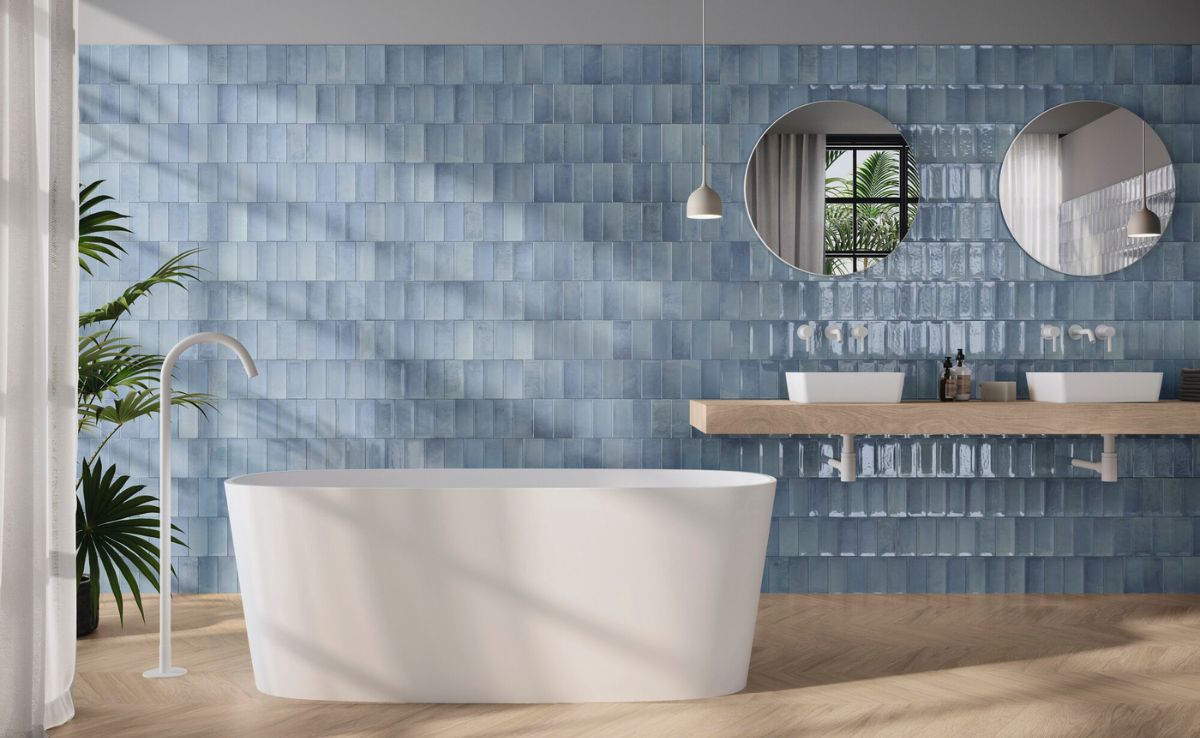
In a bathroom, safety and moisture resistance are key. Always opt for water resistant bathroom floor tiles, and consider a textured finish to improve slip resistance.
For shower floors in particular, smaller tiles or mosaics are often the better option, while bathroom wall tiles can be chosen for style and easy maintenance. The increased grout lines provide more grip, making them safer when wet.
Hallways and Entryways
Entryways are high traffic areas that require hardy materials. Floor tiles designed for heavy use should be able to withstand heavy use, dirt, and moisture brought in from outside.
Darker colours or textured finishes are a great choice, as they help mask scuffs and stains while maintaining a clean, practical look.
Choosing the Right Tile Material
Understanding tile material is one of the most important steps when learning how to choose tiles for your first home. Concrete is a common substrate for tiles and is also used as a durable finish in outdoor spaces, offering excellent compatibility with various tile types and fitting well with modern or natural-look designs.
Porcelain Tiles: The Ideal Choice for First Homes
Porcelain tiles are widely considered the best all-round option. They are:
- Extremely durable
- Resistant to moisture and stains
- Suitable for both walls and floors
- Easy to clean and maintain
This makes porcelain tiles particularly well suited to high traffic areas like kitchens and living rooms.
Ceramic Tiles: A Cost-Effective Wall Option
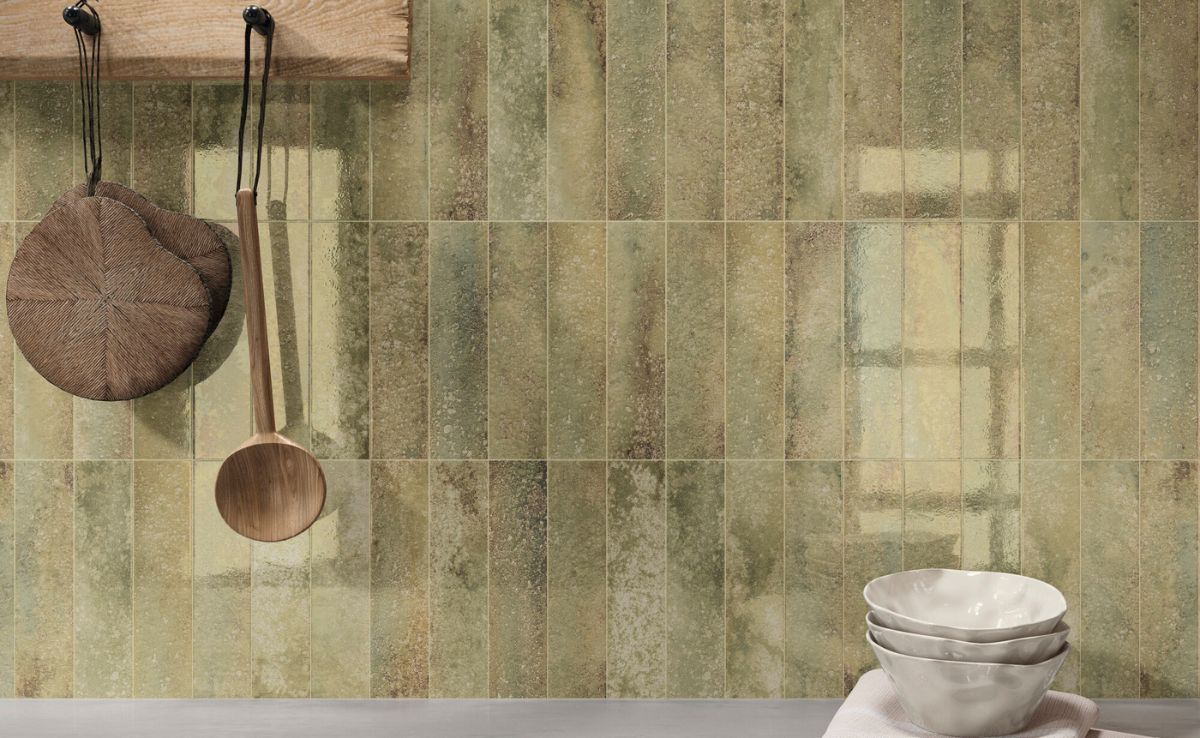
An introduction to ceramic tiles shows that ceramic tiles are typically lighter and more cost effective, making them a great choice for wall tiles, such as splash backs or bathroom walls.
However, they are less durable than porcelain, so they are usually better suited to lower-impact areas.
Natural Stone Tiles: Beautiful but Require Care
Natural stone tiles, including marble, travertine, and slate, offer a unique, luxurious look with natural variation and texture, and bespoke designs can be achieved through Roccia Engineering’s tile crafting.
However, natural stone is porous and will require sealing to prevent stains. This sealing process may need to be repeated every 1–2 years, depending on the material and how the space is used.
While real stone can add character and depth, it does come with extra maintenance compared to porcelain or ceramic tiles.
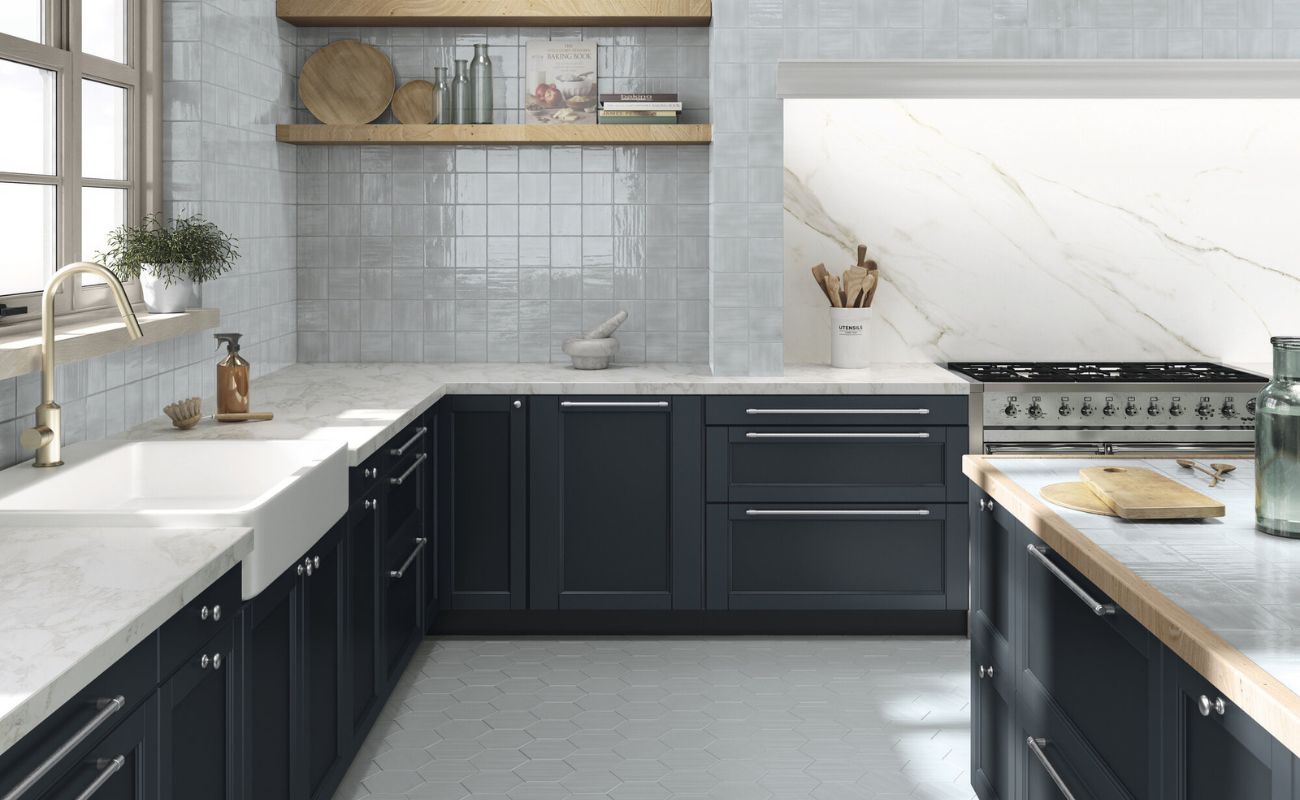
Tile Size and Layout: Getting the Balance Right
Choosing the right size tile for your room can significantly impact the overall look.
Large format tiles are often used to create a seamless finish with fewer grout lines, helping a space feel more open and less cluttered. However, in a very small room, overly large tiles can sometimes appear uneven if not laid carefully.
On the other hand, smaller tiles in a large room can create a fussier appearance due to the increased number of grout lines.
The key is balance, choosing a tile size that suits the proportions of your space while maintaining clean lines and a cohesive layout.
Grout: The Detail That Changes Everything
Grout may seem like a small detail, but it plays a big role in the final look, especially when paired with new tile arrivals that feature distinct shapes or patterns.
Using the right grout can either blend tiles together or highlight their pattern.
- Matching grout creates a seamless finish, allowing the surface to feel calm and continuous.
- Contrasting grout emphasises the layout, drawing attention to shapes and patterns.
For most first homes, a softer, matching grout is often the easier and more timeless option.
Choosing Colours and Styles That Last
When selecting colours, it’s easy to be drawn to trends. But for your first home, timeless ceramic tiles in versatile styles are often the best choice.
Neutral colours, simple patterns, and natural textures create a backdrop that works with changing décor over time. They also enhance resale value, making them a smart long-term investment.
Whether you prefer warm tones inspired by wood and stone, or cooler shades with a modern feel, ceramic kitchen tiles in these finishes can help you aim for a look that feels natural to your space and your daily life.
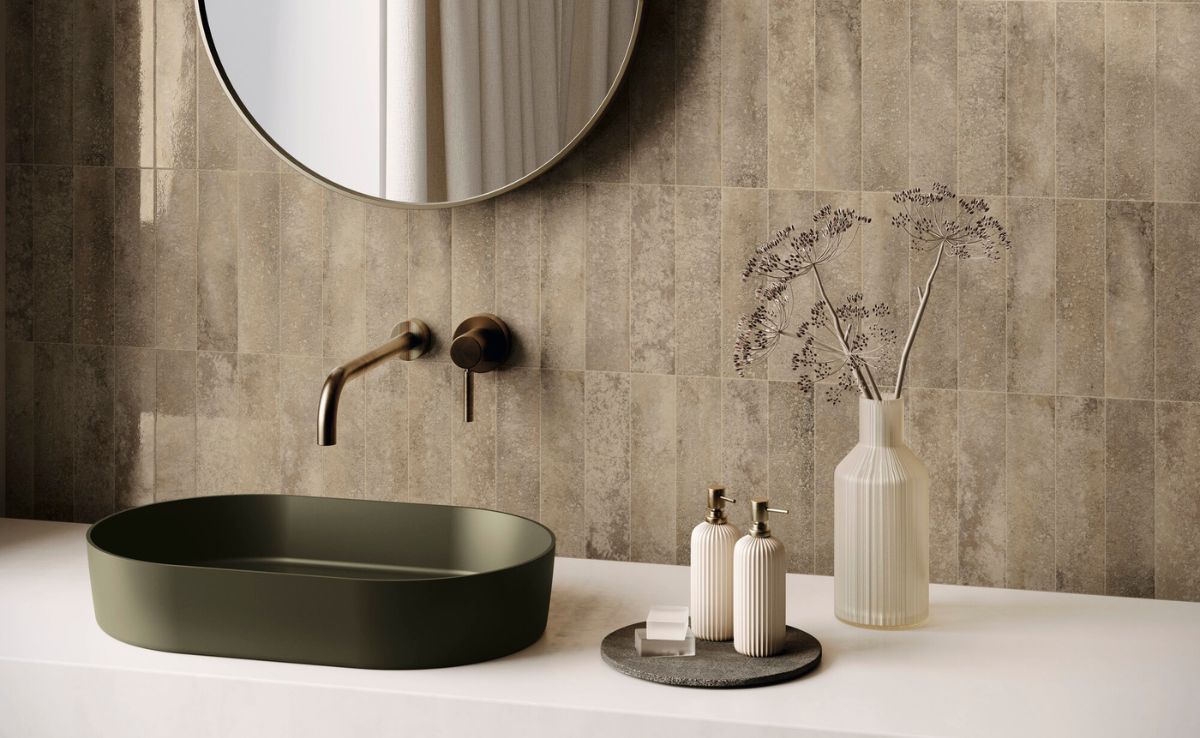
Finishes: Matte vs Glossy Tiles
The finish of your tiles affects both appearance and practicality.
- Matte finishes are ideal for floors, as they provide better grip and hide marks more easily. A wide range of matt tiles makes it easy to find a style that suits your scheme.
- Glossy tiles reflect light, making them a great choice for smaller or darker rooms where you want to enhance brightness.
Combining finishes, such as matte floor tiles with glossy wall tiles, can also add depth and subtle contrast.
Practical Considerations First-Time Buyers Shouldn’t Miss
Beyond style, there are a few practical details that make a big difference. During installation or handling, remember that tile shards can be as sharp as glass, so always use protective gear to ensure safety.
Order Extra Tiles
Always order 10–15% more tiles than your measured square metre area. This allows for cuts, breakages, and future repairs.
View Samples in Real Light
Physical samples should always be viewed in the actual lighting of your room. Colours can appear very different depending on natural and artificial light.
Maintenance and Longevity
Timeless tiles made from durable materials like porcelain or ceramic are generally easy to maintain. Regular cleaning and occasional sealing (where required) will keep them looking their best.
Creating a Cohesive Look Across Your Home
To create a sense of flow, try to keep your tile choices connected across different rooms.
This doesn’t mean everything has to match exactly, but using similar tones, textures, or materials helps your home feel more cohesive and thoughtfully designed. Incorporating luxury tile materials and designs, such as marble or handcrafted ceramic wall tiles, can elevate the aesthetic appeal and create a truly luxurious atmosphere throughout your home.
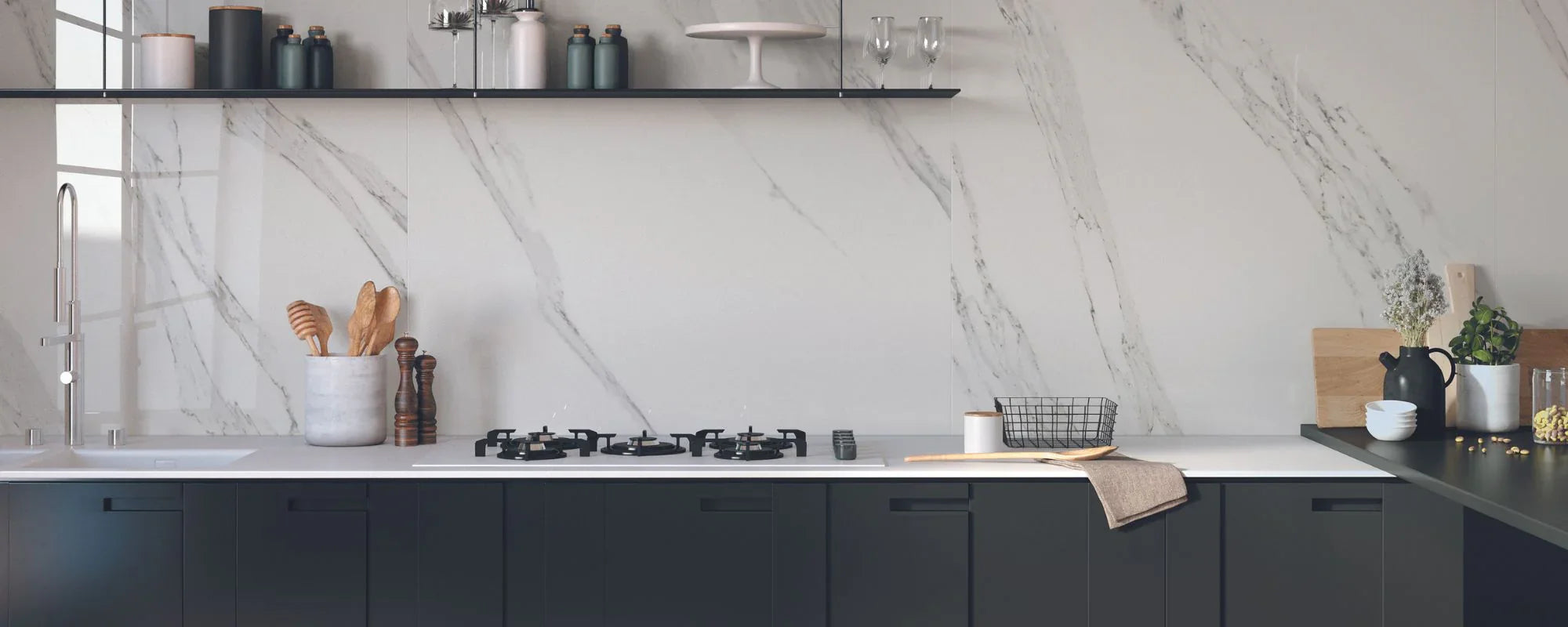
For example, a stone-effect porcelain tile can run through a kitchen and into a living space, creating a seamless transition.
Final Thoughts: Choosing Tiles with Confidence
Choosing tiles for your first home is about more than just picking a surface, it’s about creating a space that works for your life.
Focus on durability, simplicity, and timeless design. Choose materials that suit your daily routine, finishes that feel practical, and colours that you’ll continue to love over time.
With the right approach, the process becomes not only manageable, but genuinely enjoyable.
Bringing Your Vision to Life with Roccia
At Roccia, we understand that choosing tiles is a key part of designing your home.
Our collection of porcelain tiles, ceramic tiles, and natural stone surfaces is carefully curated to suit modern living, combining durability with refined design. Whether you’re looking for large format tiles, textured finishes, or timeless neutral colours, our team is here to help you find the right tiles for your space.
Visit one of our showrooms or explore online to discover materials that bring your home together beautifully. You can also browse our dedicated tiles page, where you’ll find a wide selection of options in our online catalog.