
Collection:
Tile Sealant
Silicone sealant for the joints grout can’t handle: around baths, trays and worktops, at internal corners and in wet areas, indoors and out.
2 products
Filter


Kelmore Silicone Finish | 310ml
Choose your option


Mapesil AC Silicone | 310ml
Choose your option
Tile Sealant at ROCCIA
Where silicone takes over from grout
Grout is rigid once it has set, so it tends to crack where two surfaces move against each other. Silicone sealant stays flexible, which makes it the right finish wherever tiles meet a bath, shower tray, basin or worktop, at internal corners and along the junction between wall and floor. In a shower, these sealed joints are what keep water out of the wall behind.
Choosing a sealant
- Colour-matched silicone lets a sealed corner read as part of the grout line rather than a separate strip. Kelmore Silicone Finish comes in 17 colours, has a mould-resistant formula and is low odour, for walls, floors and wet areas indoors and out.
- White acetic silicone is a dependable choice for ceramic in damp rooms and around pools. Mapesil AC is solvent free and suitable for internal and external use.
Getting a clean joint
Silicone needs a clean, dry and dust-free joint to bond. Remove any old sealant completely rather than sealing over it, and mask either side with tape for a straight edge. When sealing around a bath, fill it with water first so the joint is set at its widest and does not pull apart when the bath is in use.
Living with sealed joints
Silicone is usually the first part of a tiled room to show wear. Clean it gently, keep the room ventilated, and replace a joint that has discoloured or lifted instead of patching it. A fresh bead of a matching colour is a quick way to make an older bathroom look cared for.
Complete the installation with Tile Adhesive and Tile Grout, or browse Shower Tiles for the surfaces around the tray.
FAQs
Do I need silicone as well as grout?
Do I need silicone as well as grout?
Yes, at movement points: around baths, trays, basins and worktops, and at internal corners. Grout is rigid and tends to crack there.
What's the difference between grout and silicone sealant?
What's the difference between grout and silicone sealant?
Grout is a rigid filler for the joints between tiles. Silicone stays flexible after it cures, so it seals the joints where surfaces move.
Is silicone sealant suitable for showers?
Is silicone sealant suitable for showers?
Yes. Kelmore Silicone Finish is made for wet areas and has a mould-resistant formula, and Mapesil AC is suitable for damp settings and swimming pools.
How soon can the area get wet after sealing?
How soon can the area get wet after sealing?
It depends on the product and the room conditions. Check the curing time on the cartridge before using the shower or bath.
Can I apply new silicone over old?
Can I apply new silicone over old?
No. New silicone won't bond reliably to old sealant, so cut the old bead out and clean the joint first.
Can I match the silicone to my grout?
Can I match the silicone to my grout?
Yes. Kelmore silicones are made to match the Kelmore Flex15 grout colours, so a sealed corner and the joints beside it look the same. Find the grout in Tile Grout.
Explore More Tiles
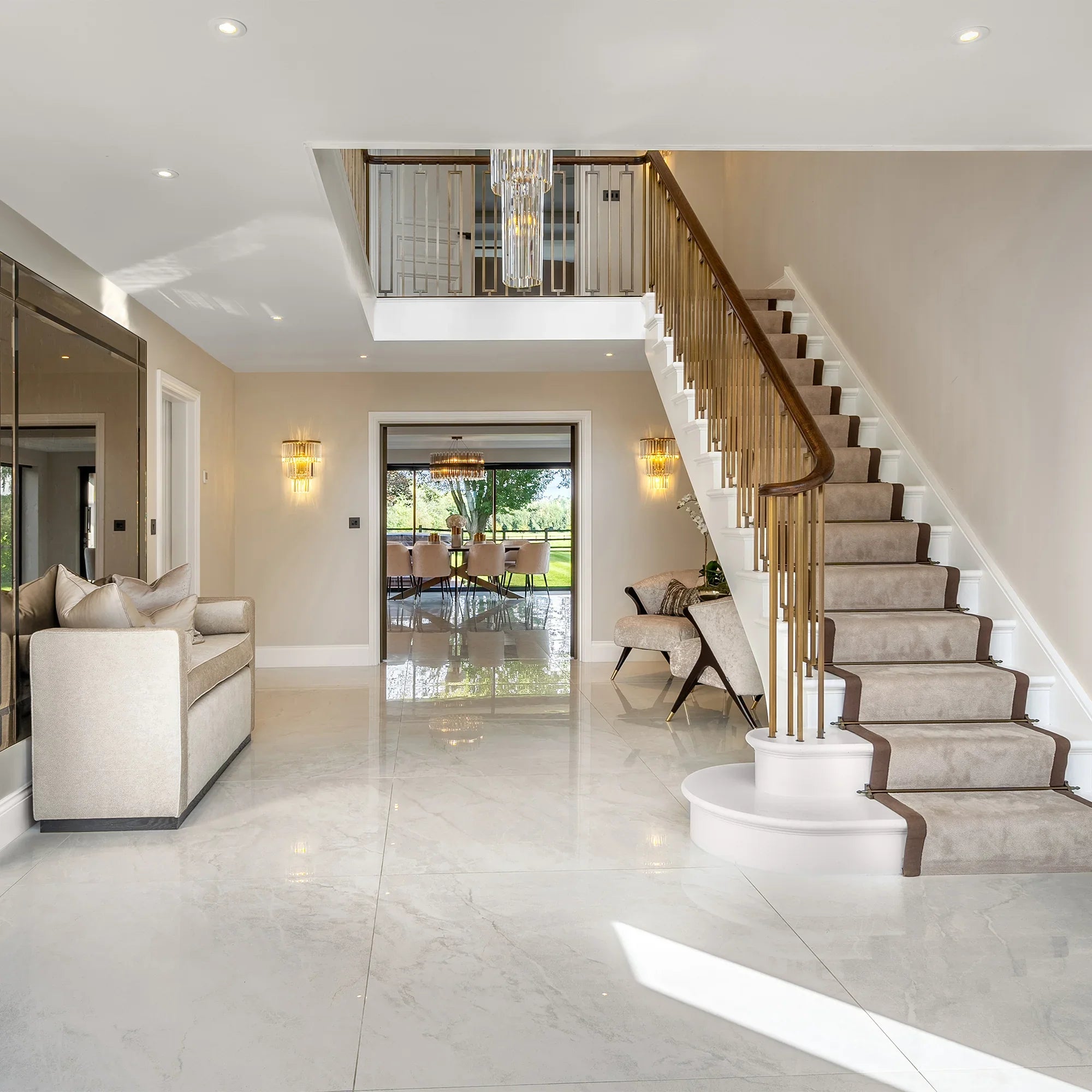
Mosa White Porcelain Tile
Choose your option
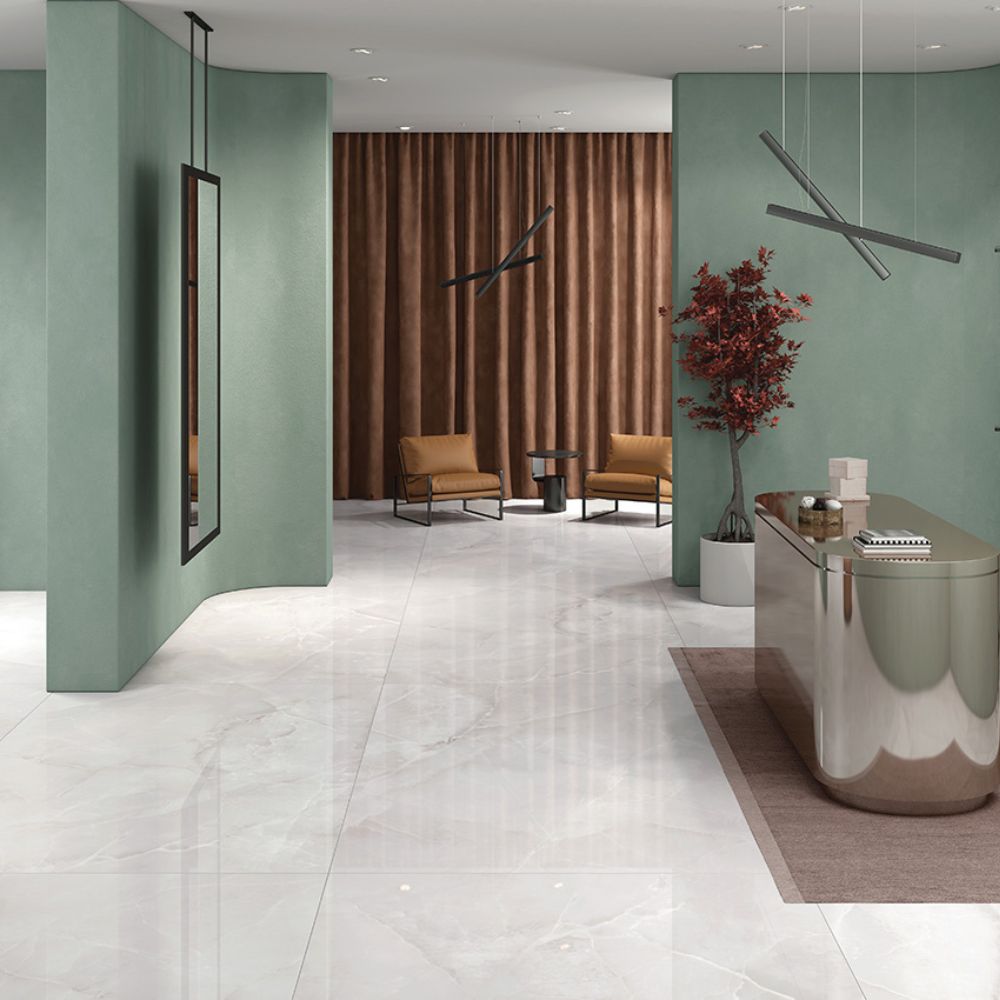
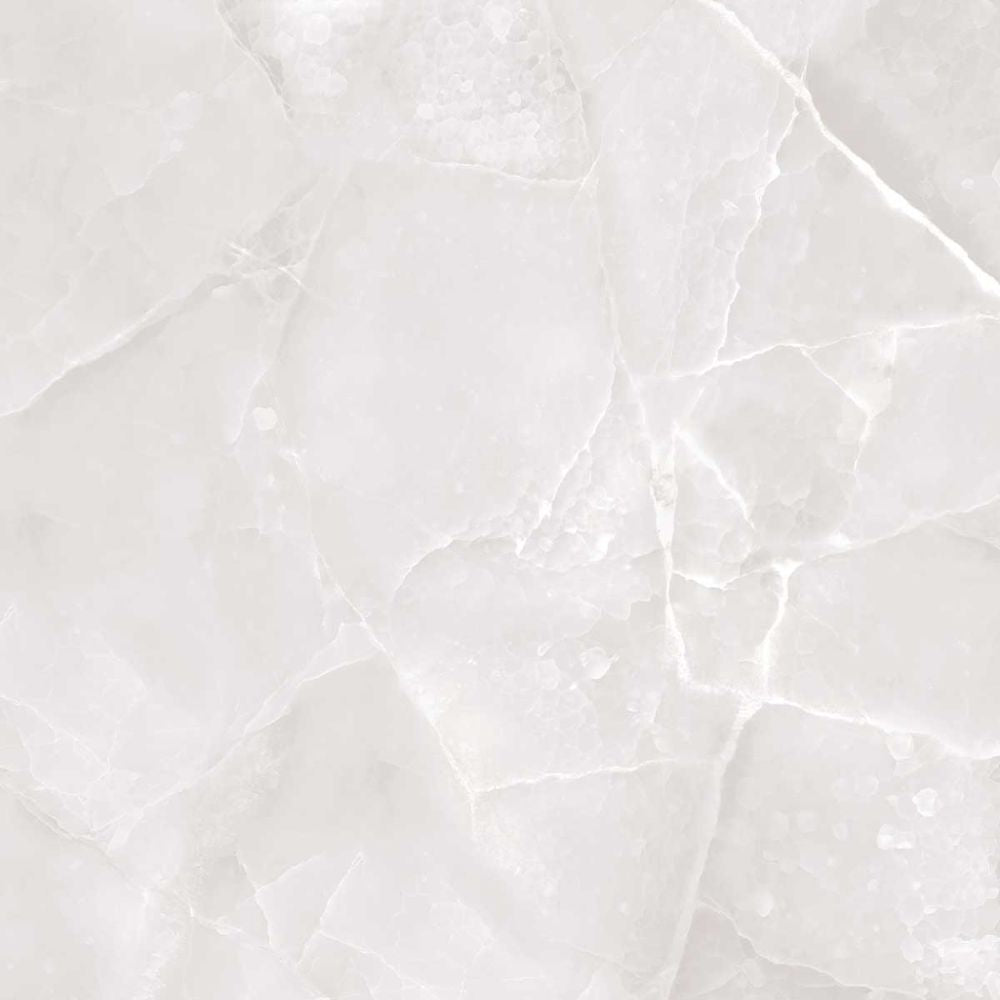
Paris Smoke Porcelain Tile
Choose your option
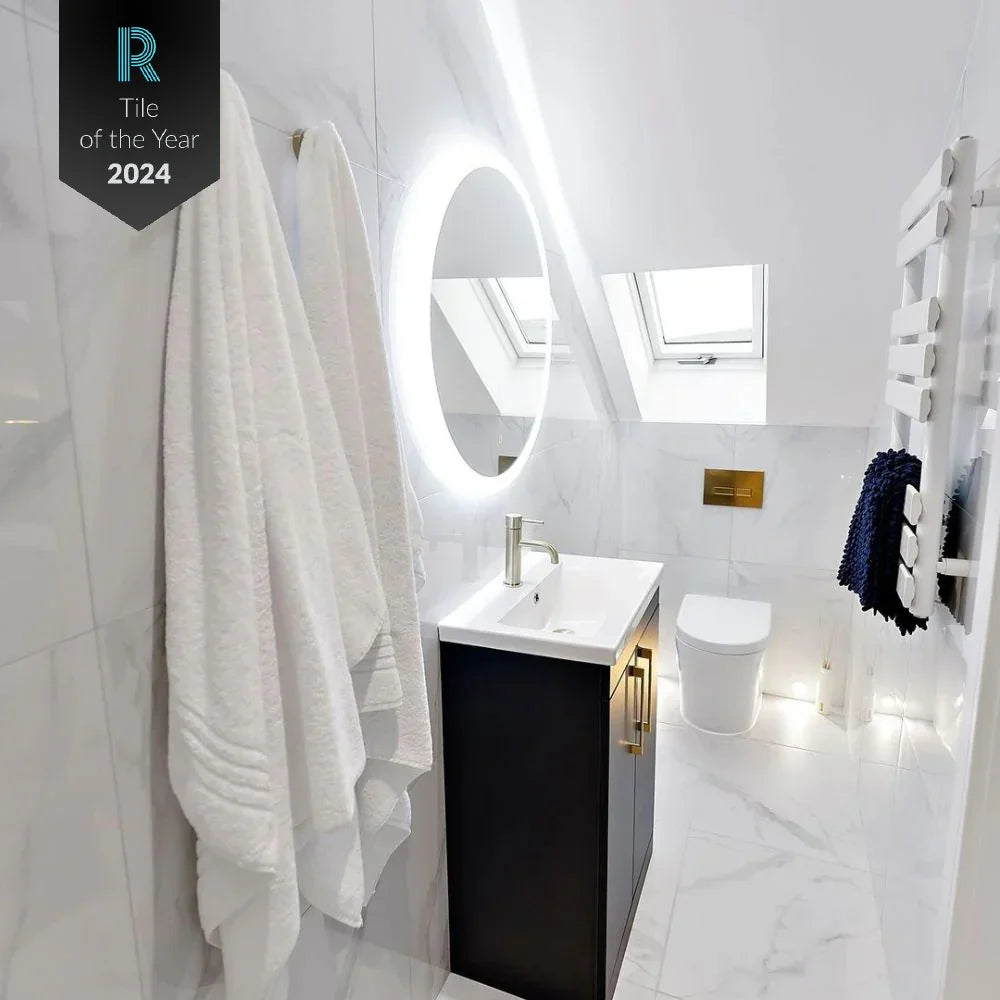
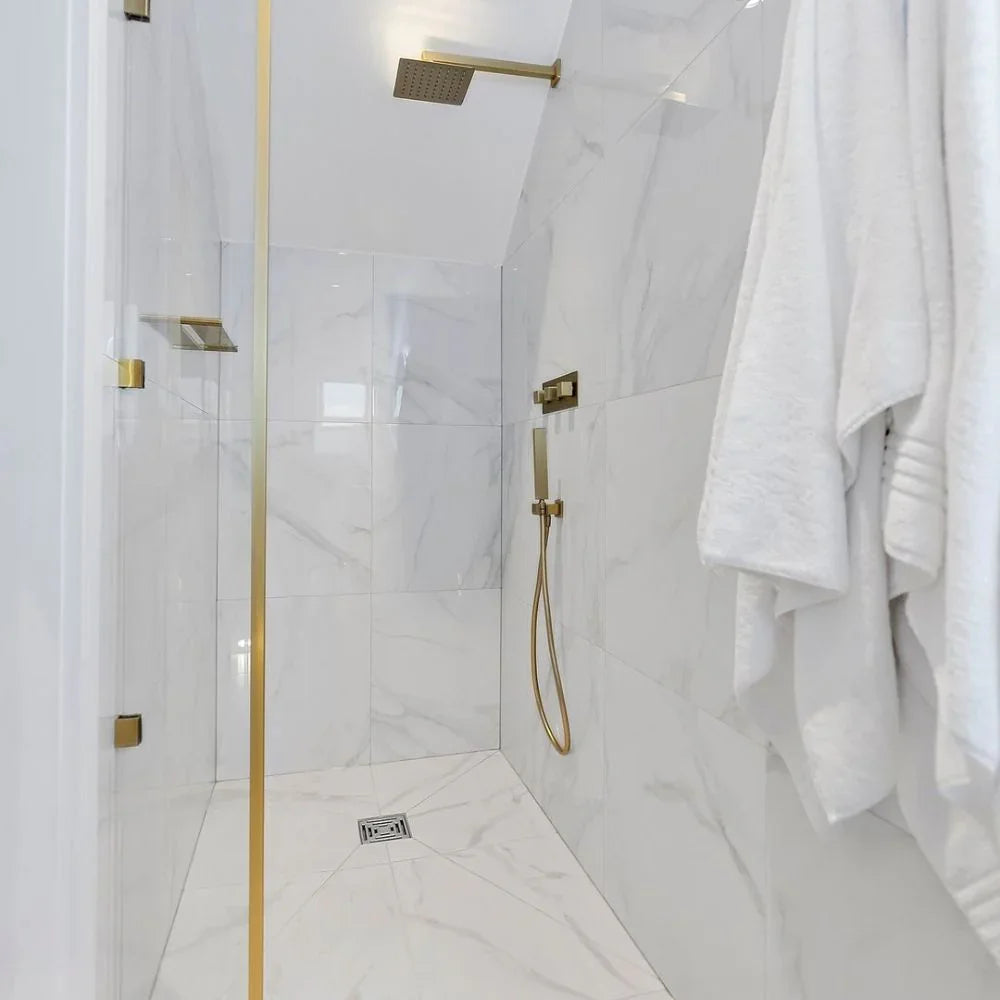
Neptune Marble White Porcelain Tile
Choose your option
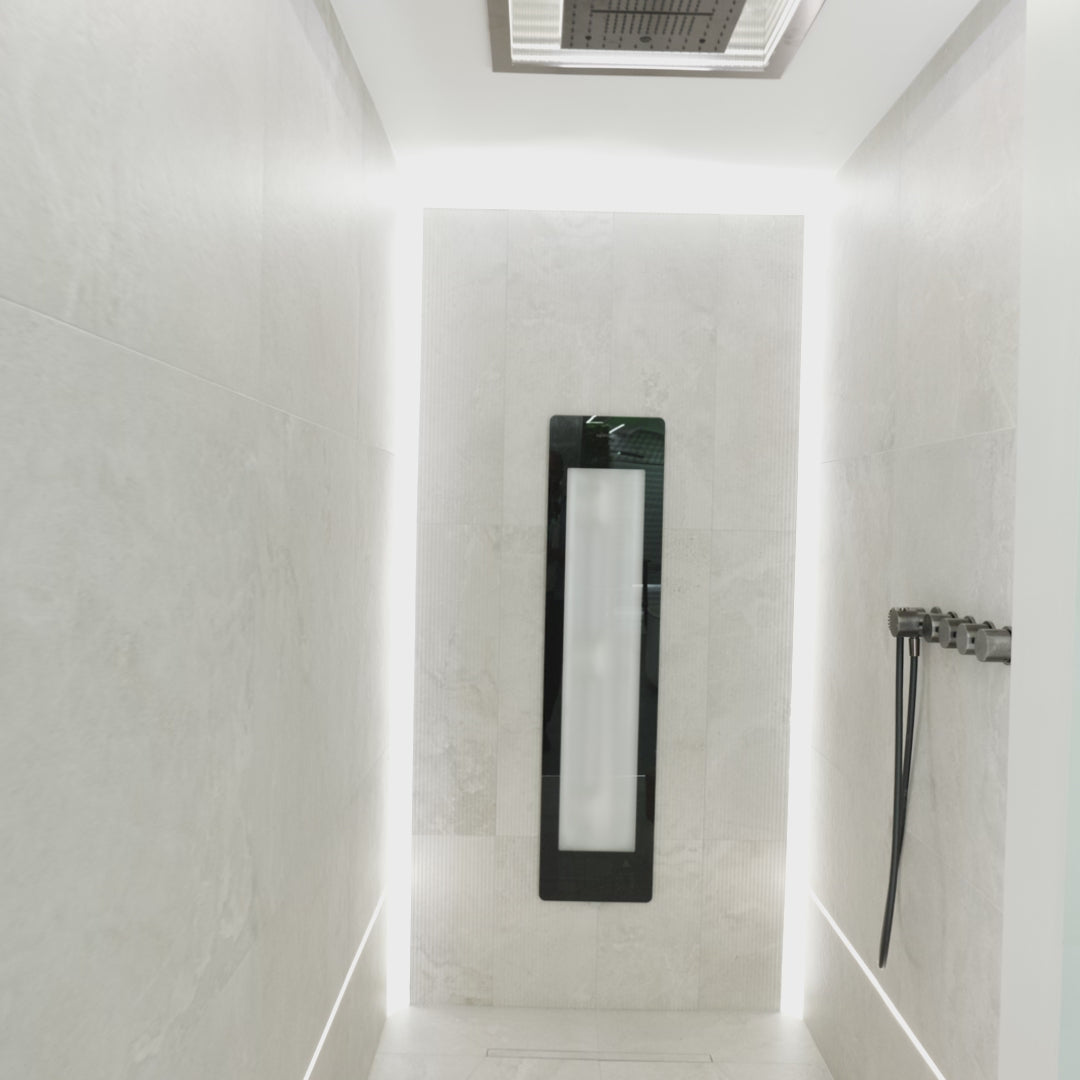
Dorset Bone Porcelain Tile 80 x 80cm
Choose your option
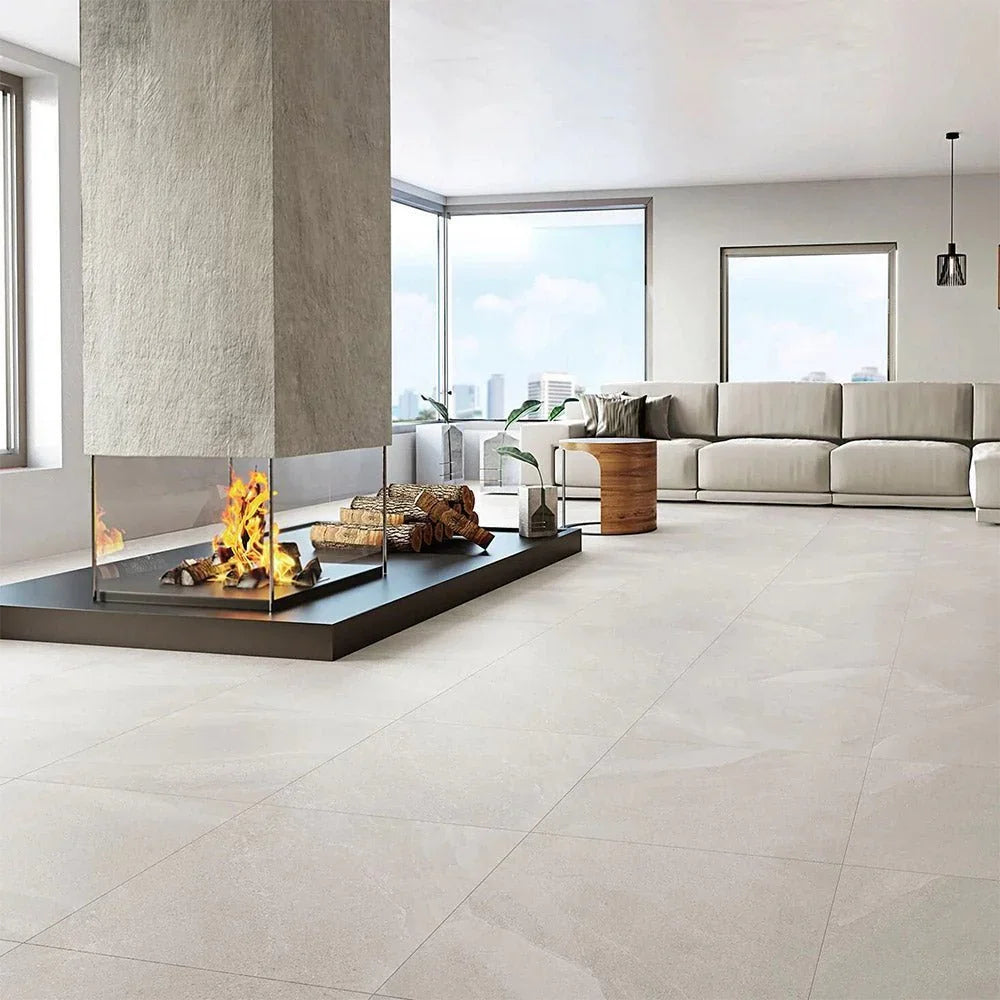

Muiz White Porcelain Tile 60 x 60cm
Choose your option
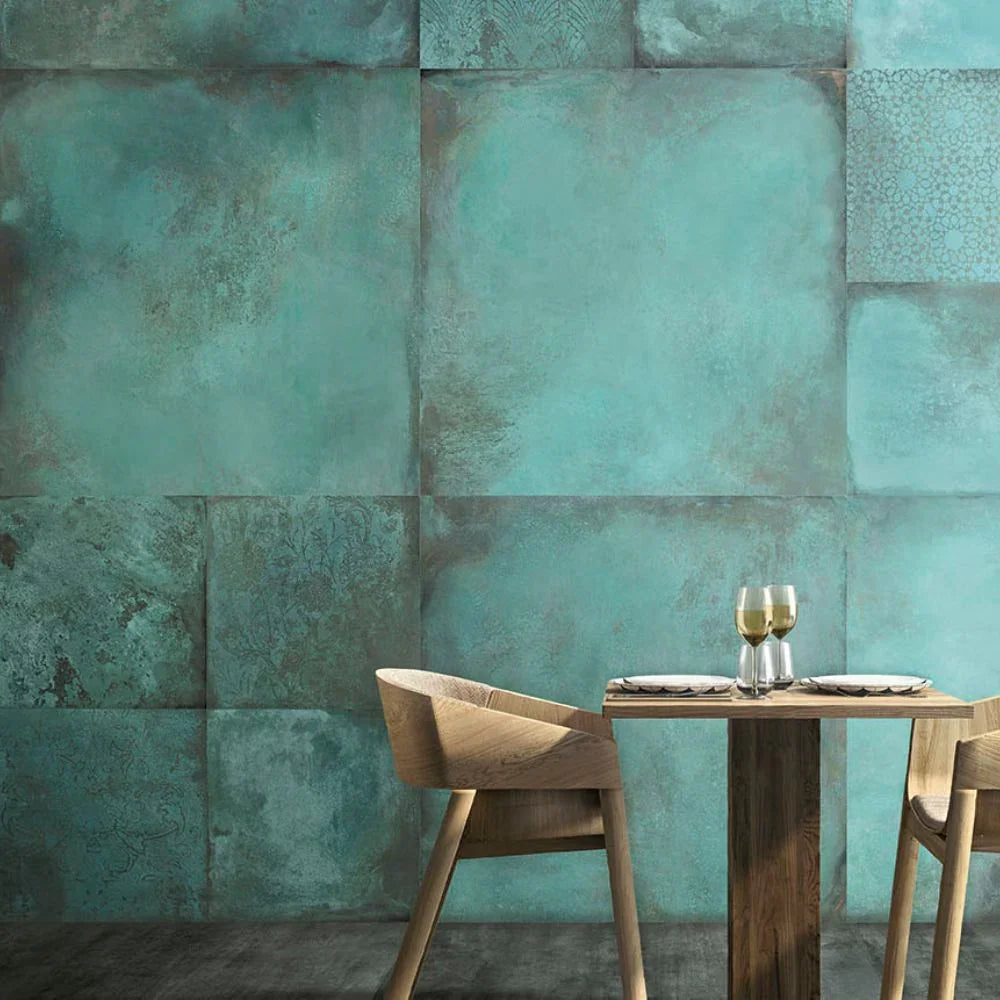

Treniz Mint Porcelain Tile
Choose your option
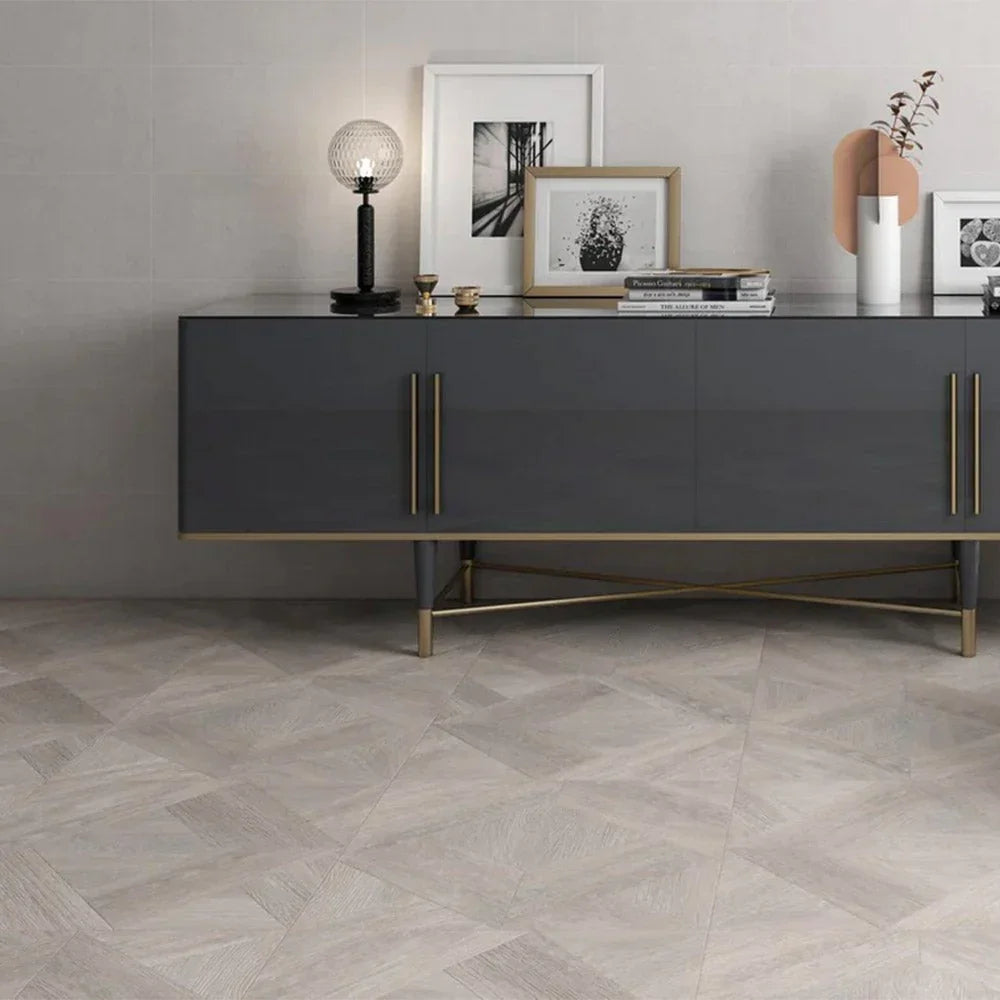
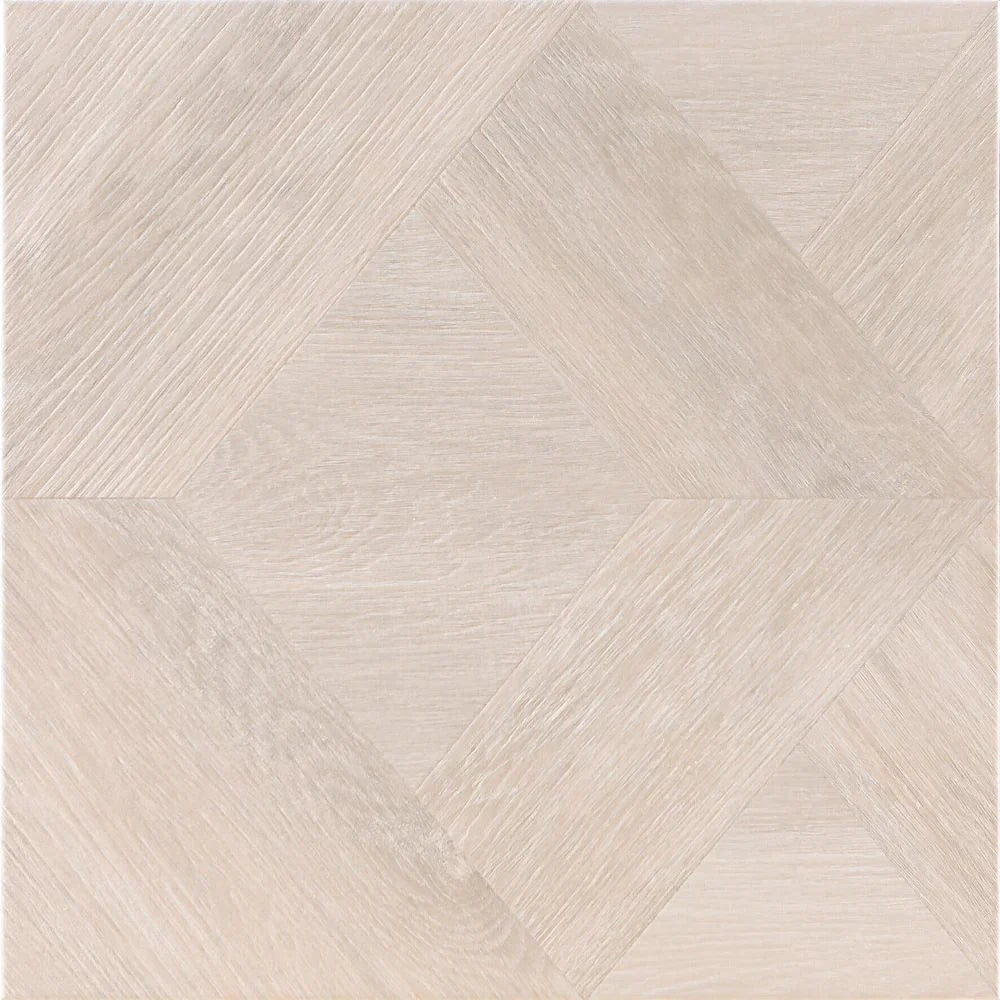
Green Park Bone Porcelain Tile 60 x 60cm
Choose your option
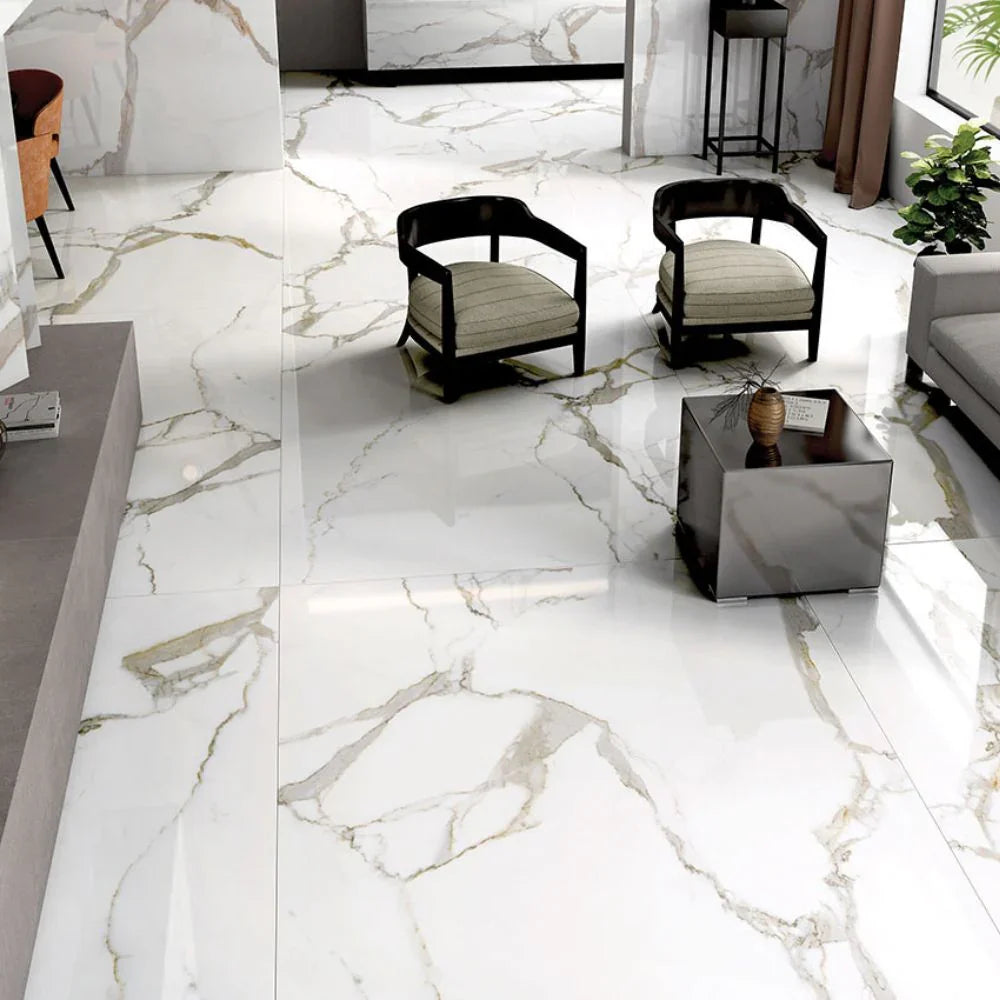
Roman White Marble Polished Porcelain Tile 80 x 80cm
Choose your option
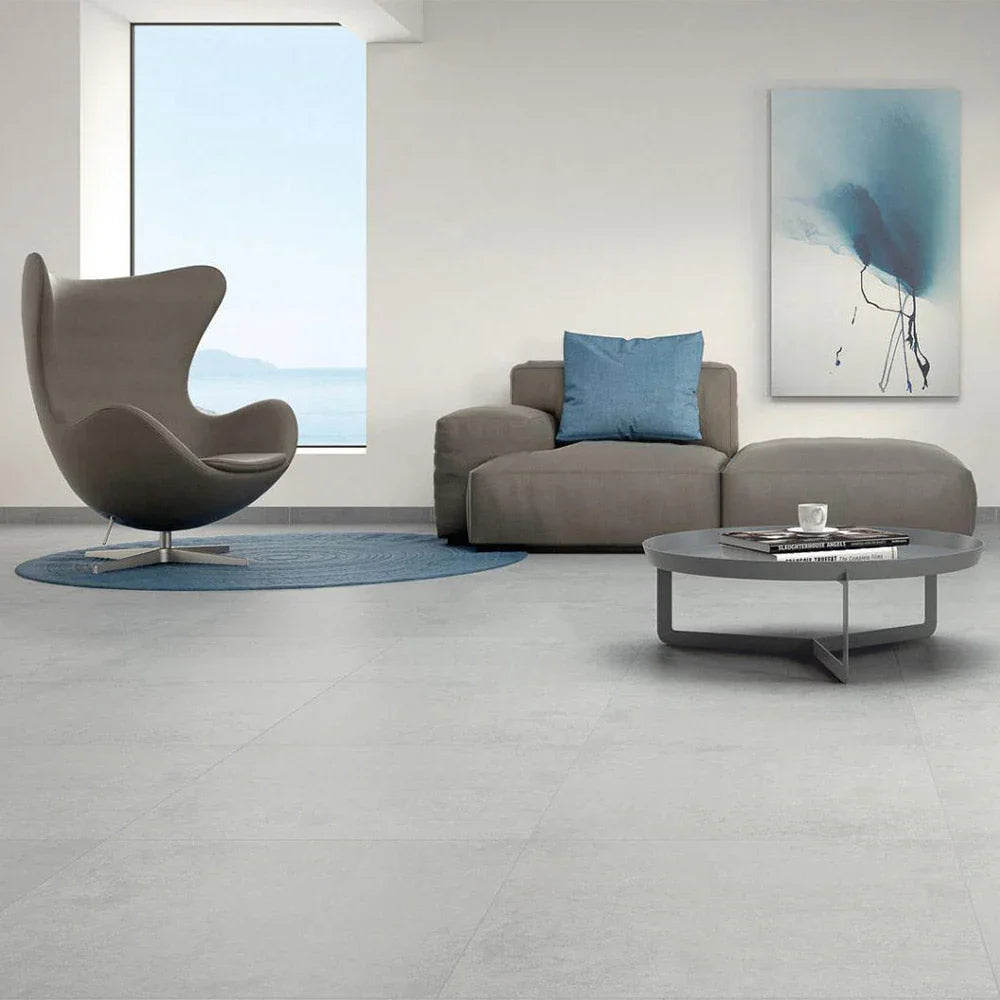

Triumph Riga Pearl Porcelain Tile 60 x 60cm
Choose your option


Azzura White Porcelain Tile
Choose your option


Azzura Taupe Porcelain Tile
Choose your option
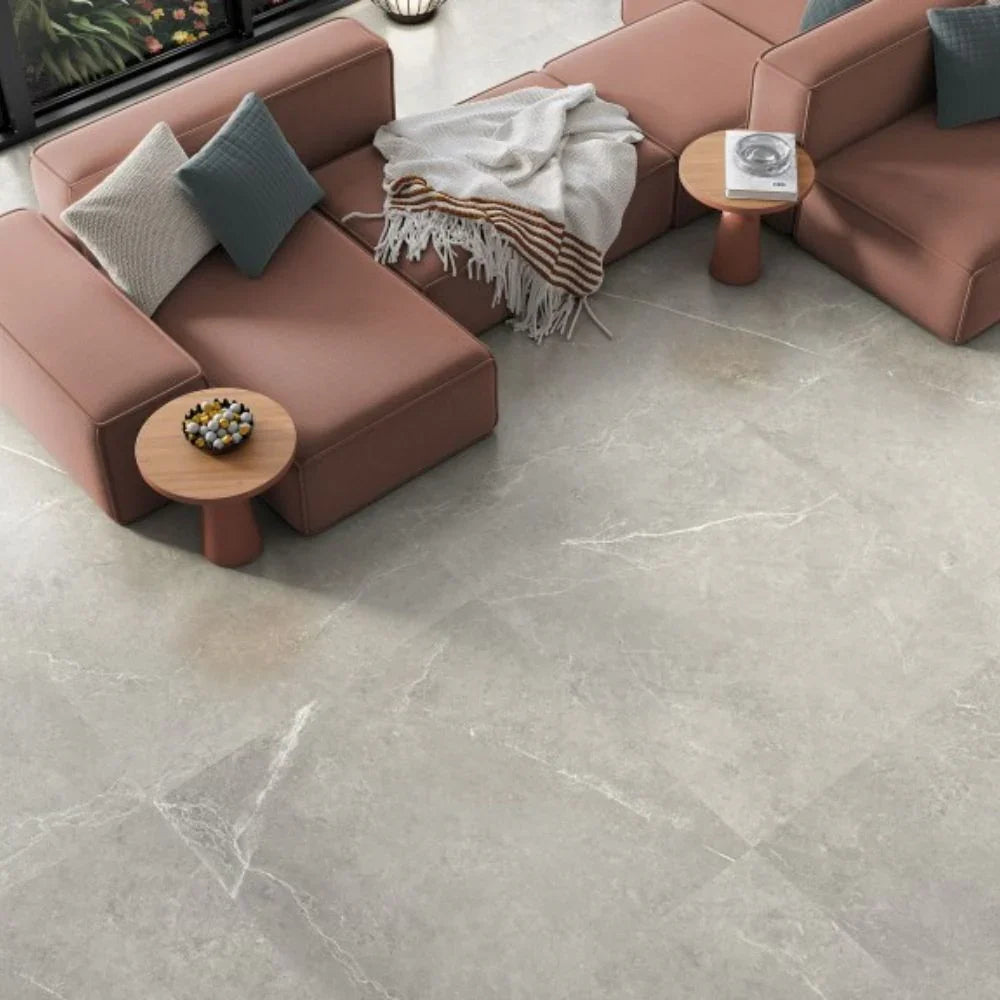
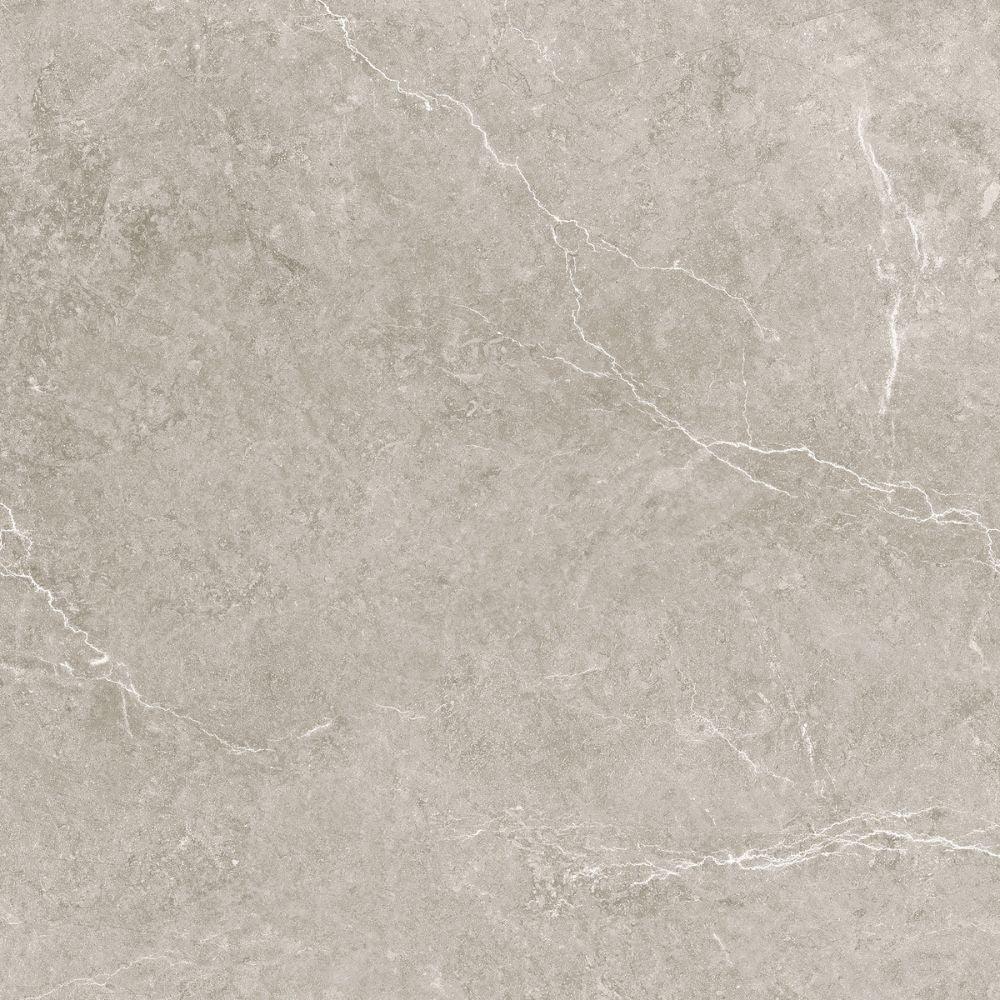
Nieve Grey Porcelain Tile 60 x 60cm
Choose your option
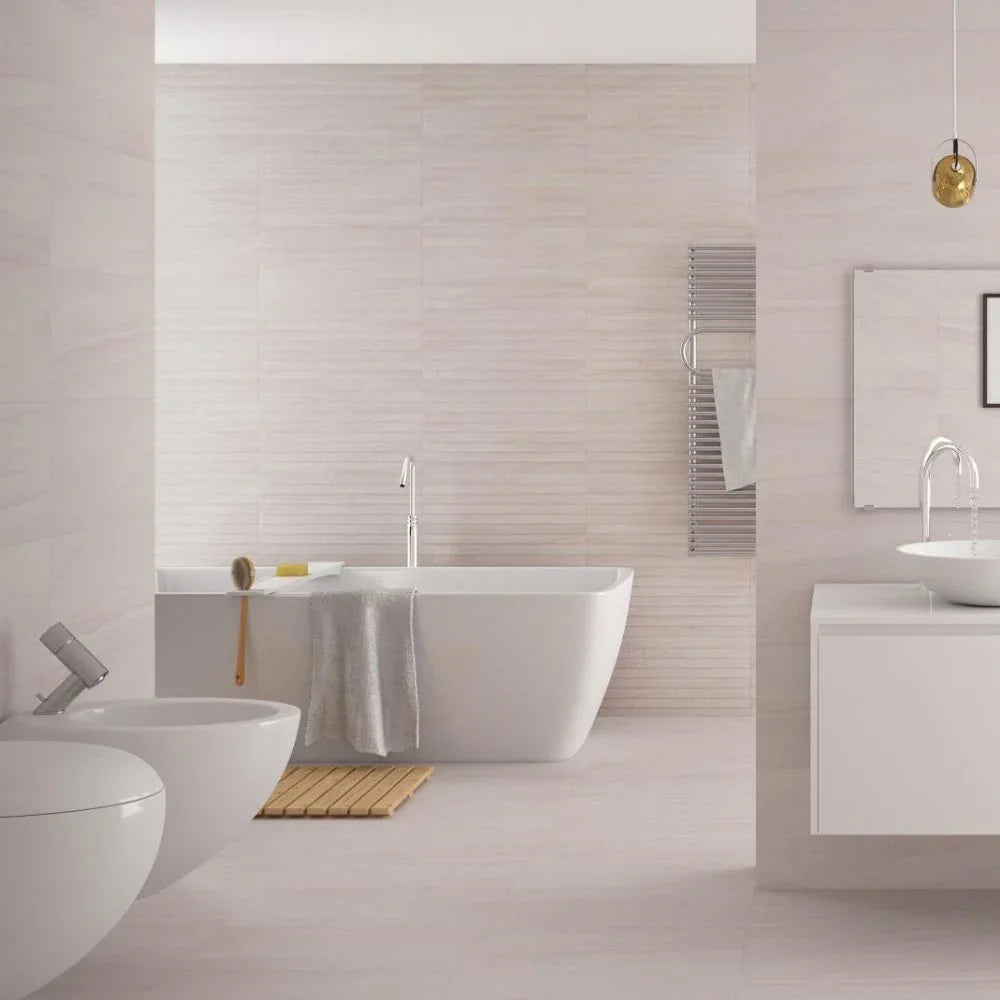
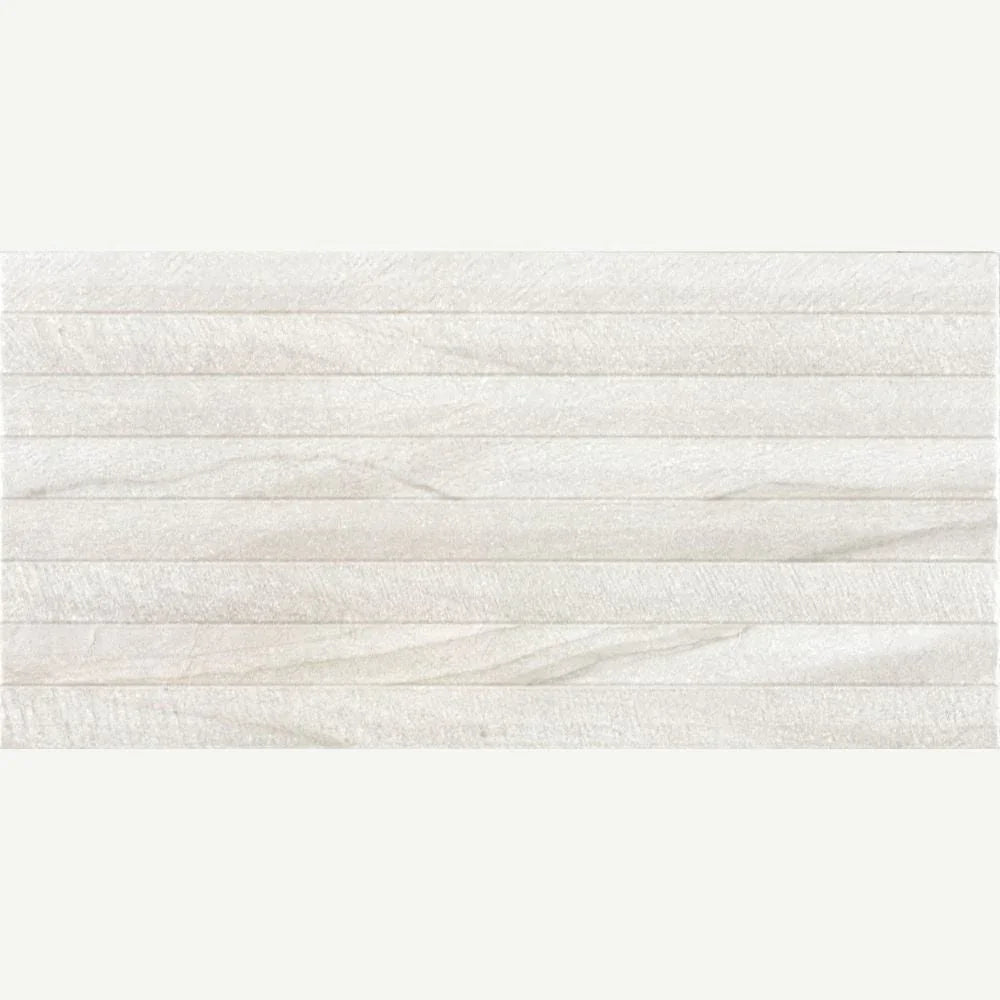
Revolution RLV Perla Concrete Effect Porcelain Tile 30.3 x 61.3cm
Choose your option
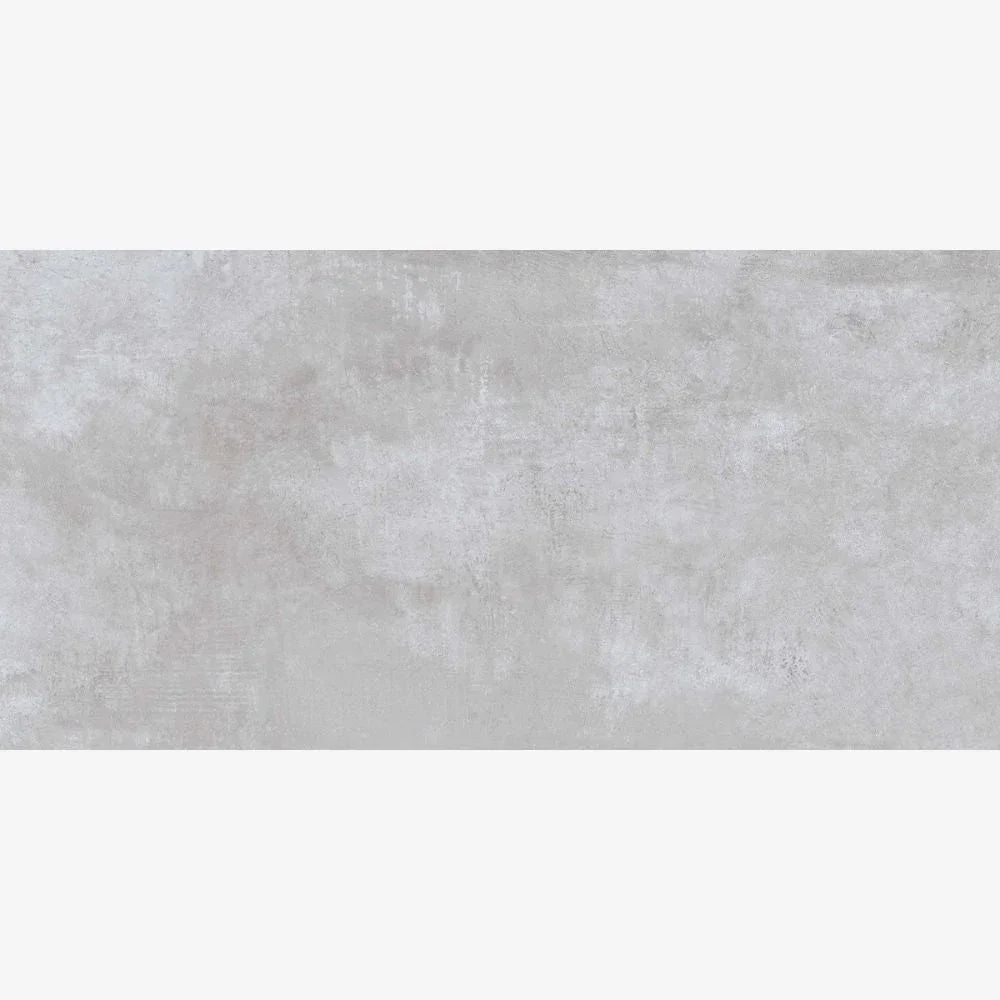
Pro-Tech Grey 6mm Porcelain Tile 60 x 120cm
Choose your option
Arch-Tech Grey Porcelain Tile 120 x 120cm
Choose your option

Arch-Tech Sand Porcelain Tile 120 x 120cm
Choose your option
Mosa White Porcelain Tile
Choose your option
Paris Smoke Porcelain Tile
Choose your option
Neptune Marble White Porcelain Tile
Choose your option
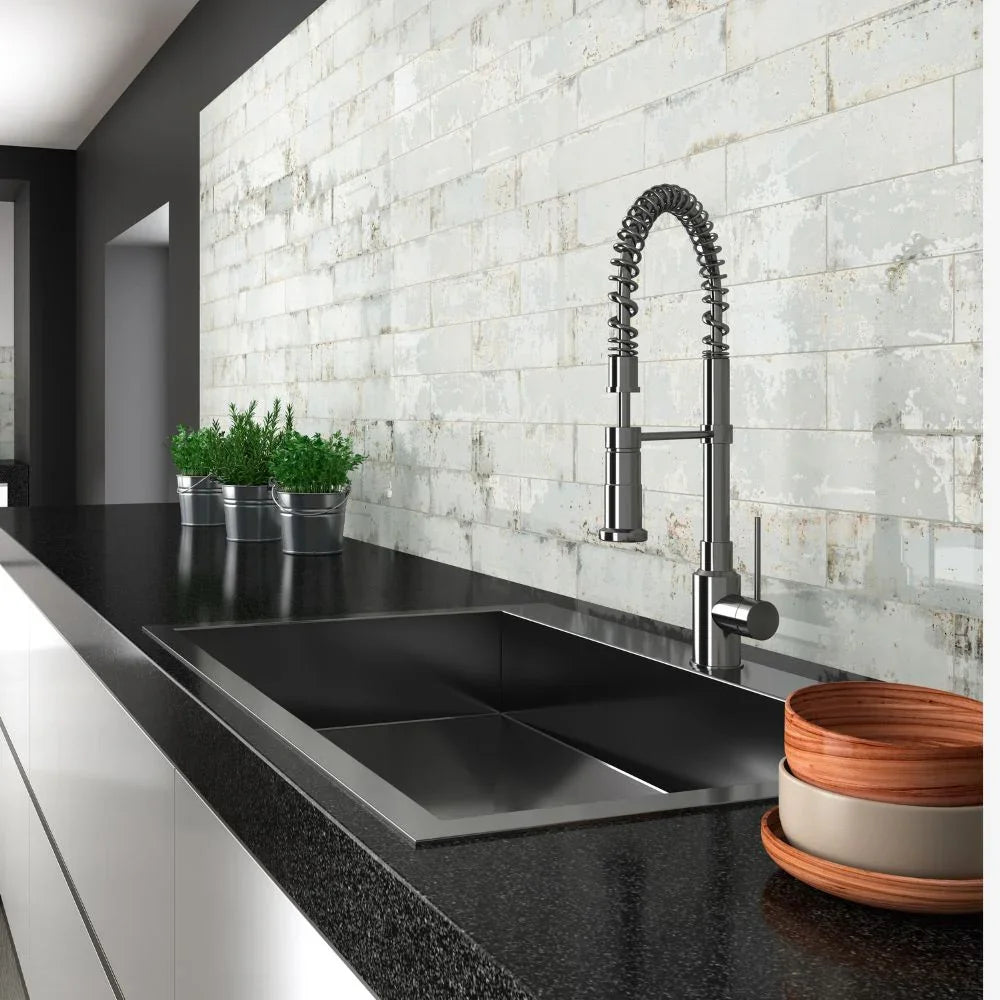
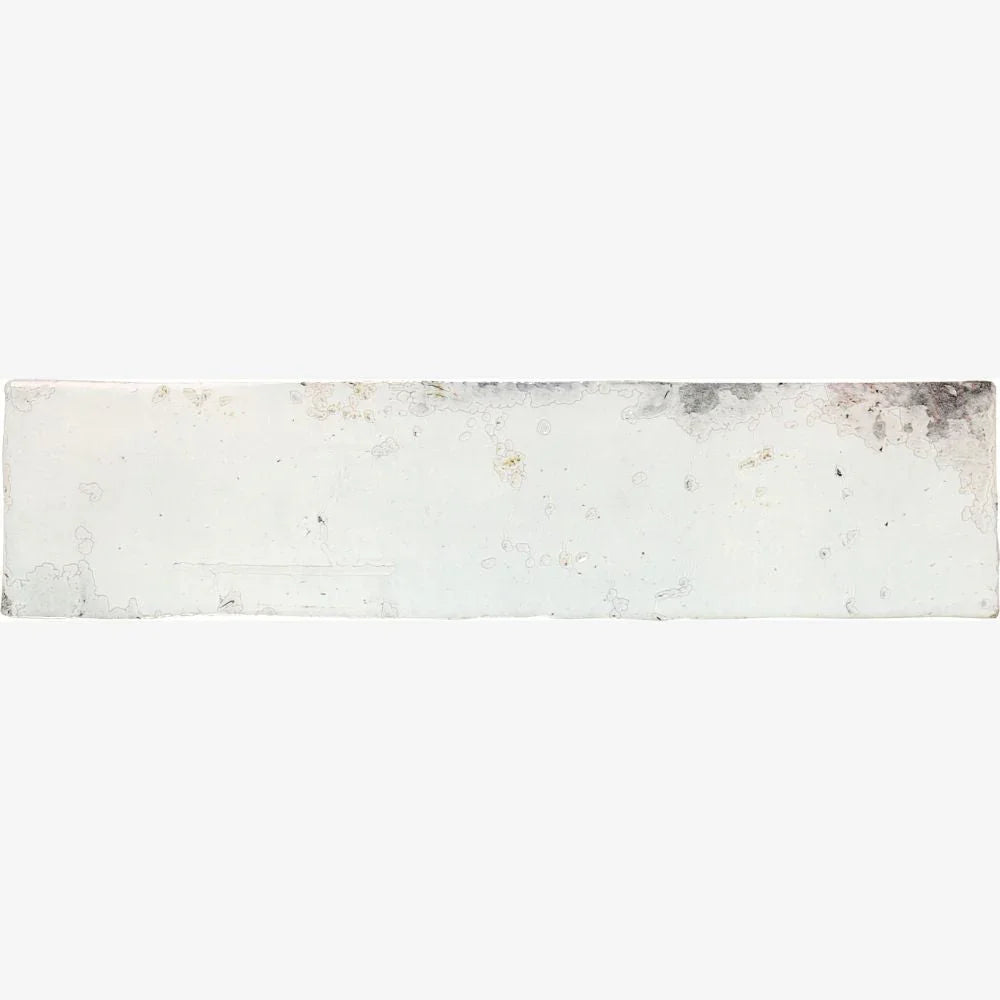
Iron Ore Subway Tile 7.5 x 30cm
Choose your option
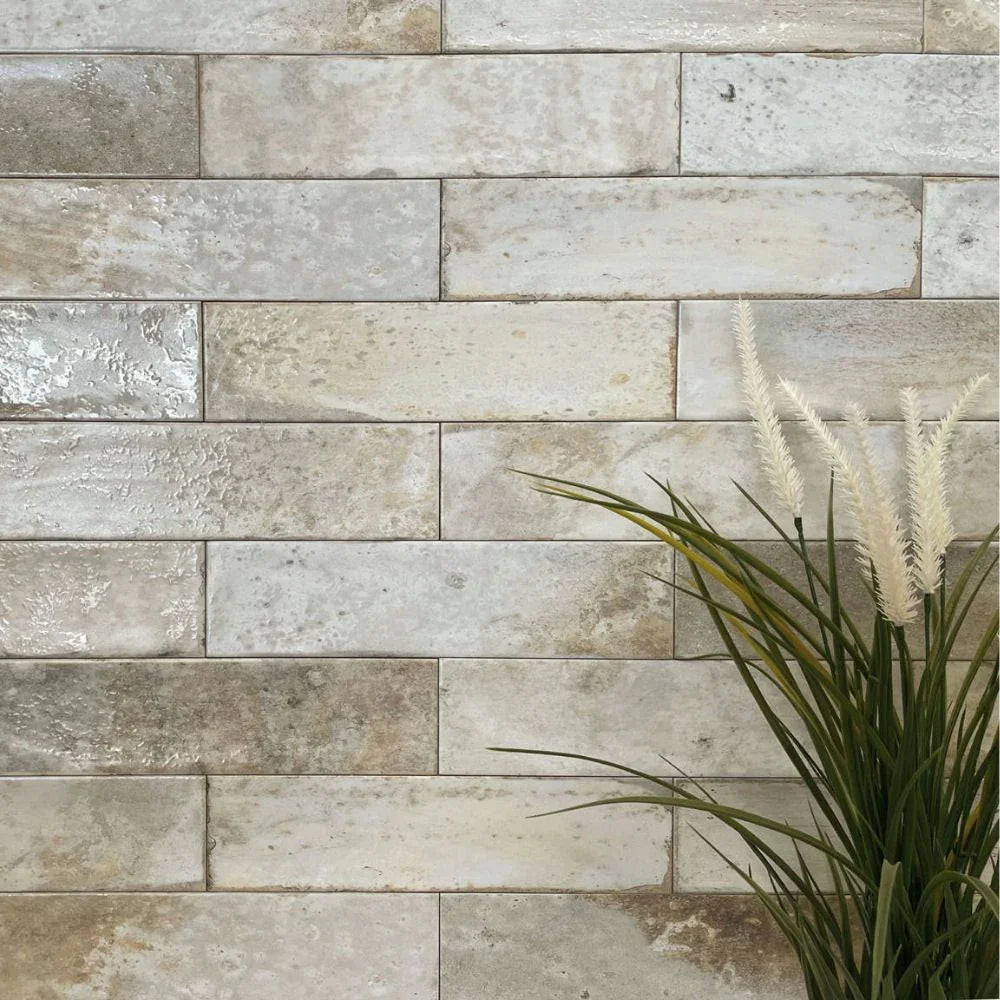
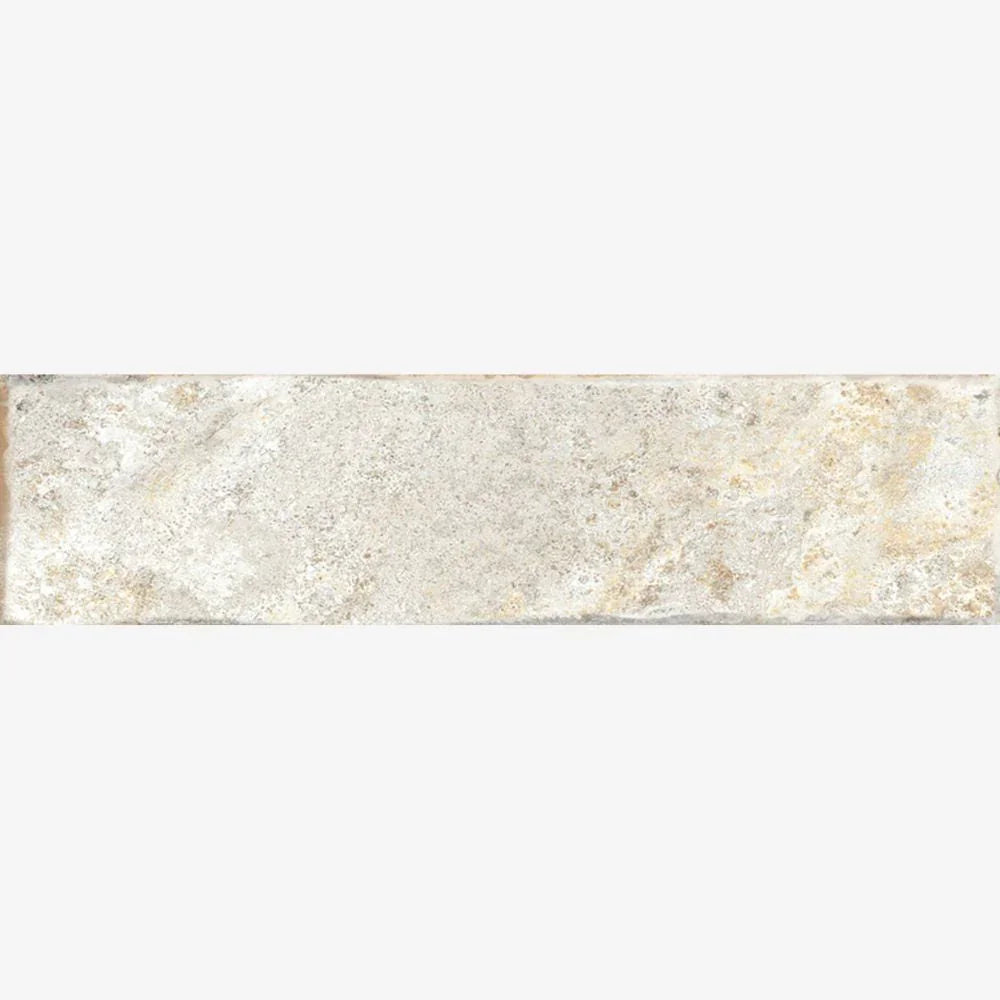
Alpi Beige Subway Tile 7.5 x 30cm
Choose your option
Dorset Bone Porcelain Tile 80 x 80cm
Choose your option
Muiz White Porcelain Tile 60 x 60cm
Choose your option
Treniz Mint Porcelain Tile
Choose your option
Paris Smoke Porcelain Tile
Choose your option
Neptune Marble White Porcelain Tile
Choose your option
Roman White Marble Polished Porcelain Tile 80 x 80cm
Choose your option
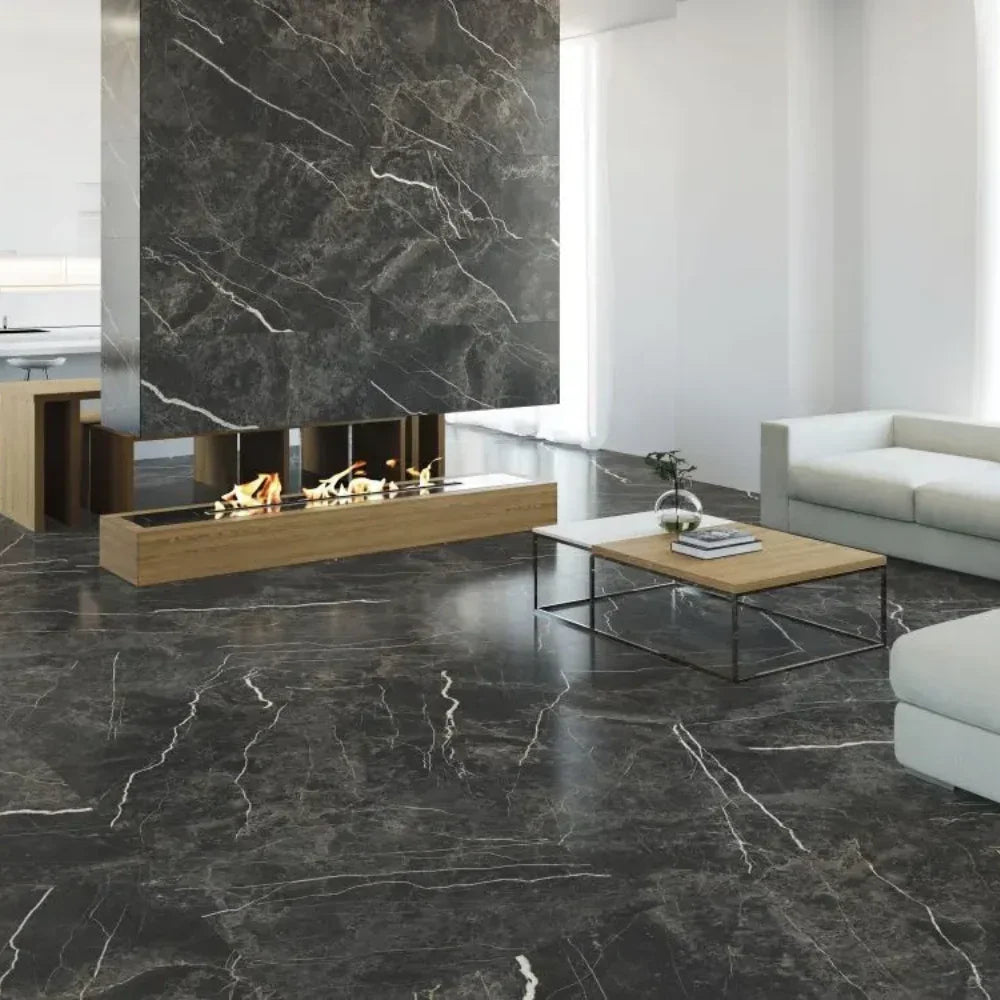
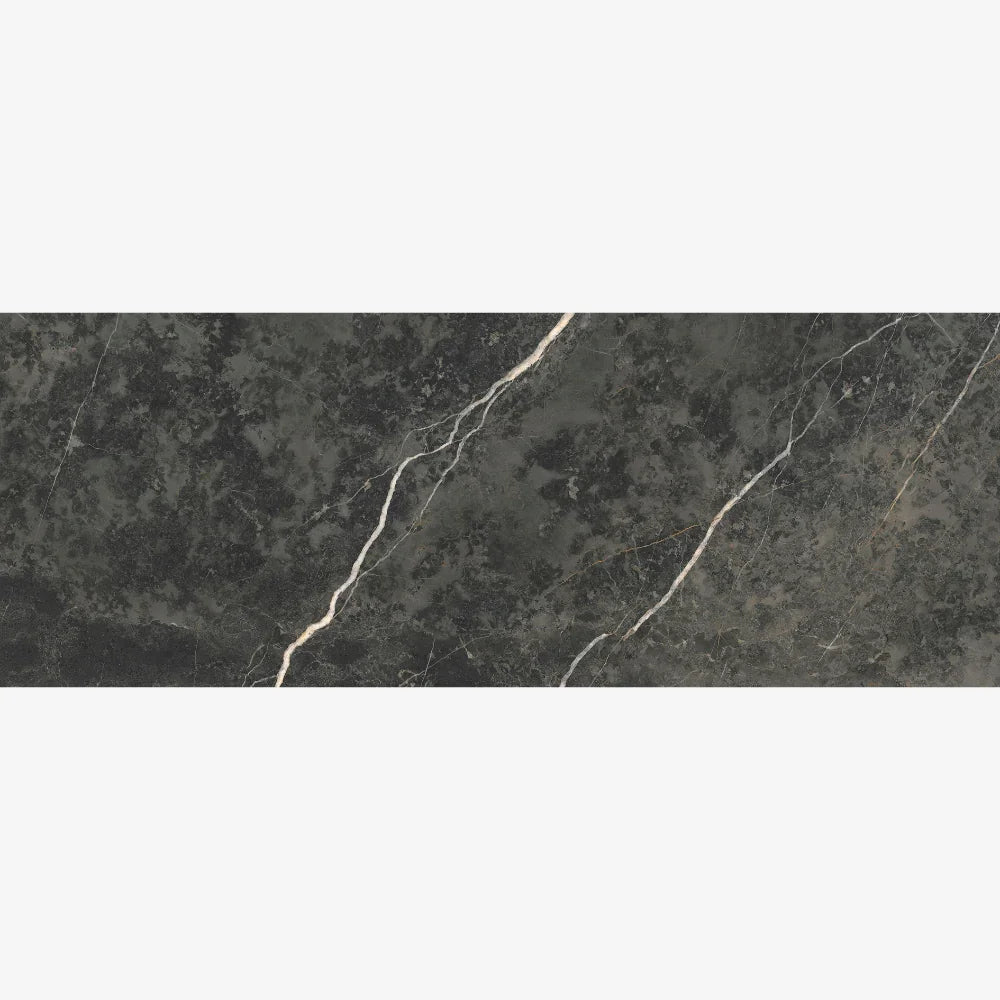
Charming Black Marble Porcelain Tile 90 x 90cm
Choose your option
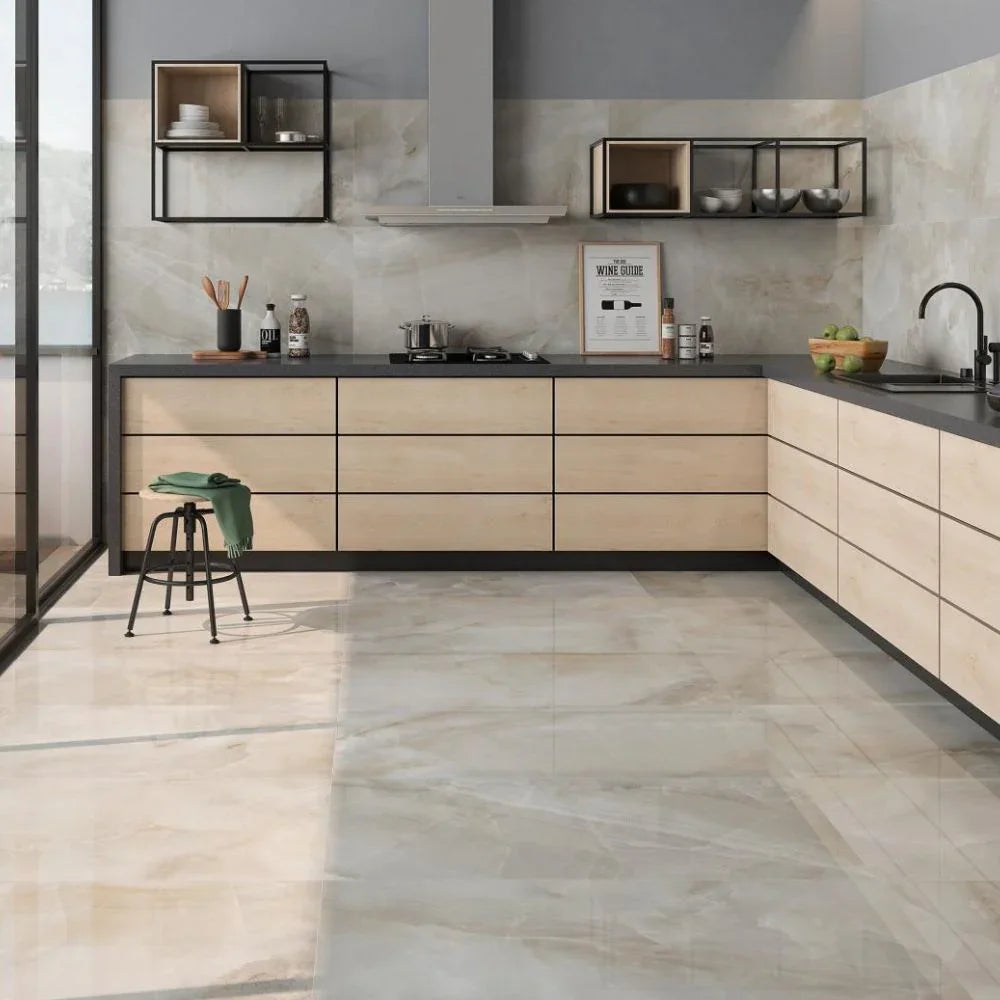
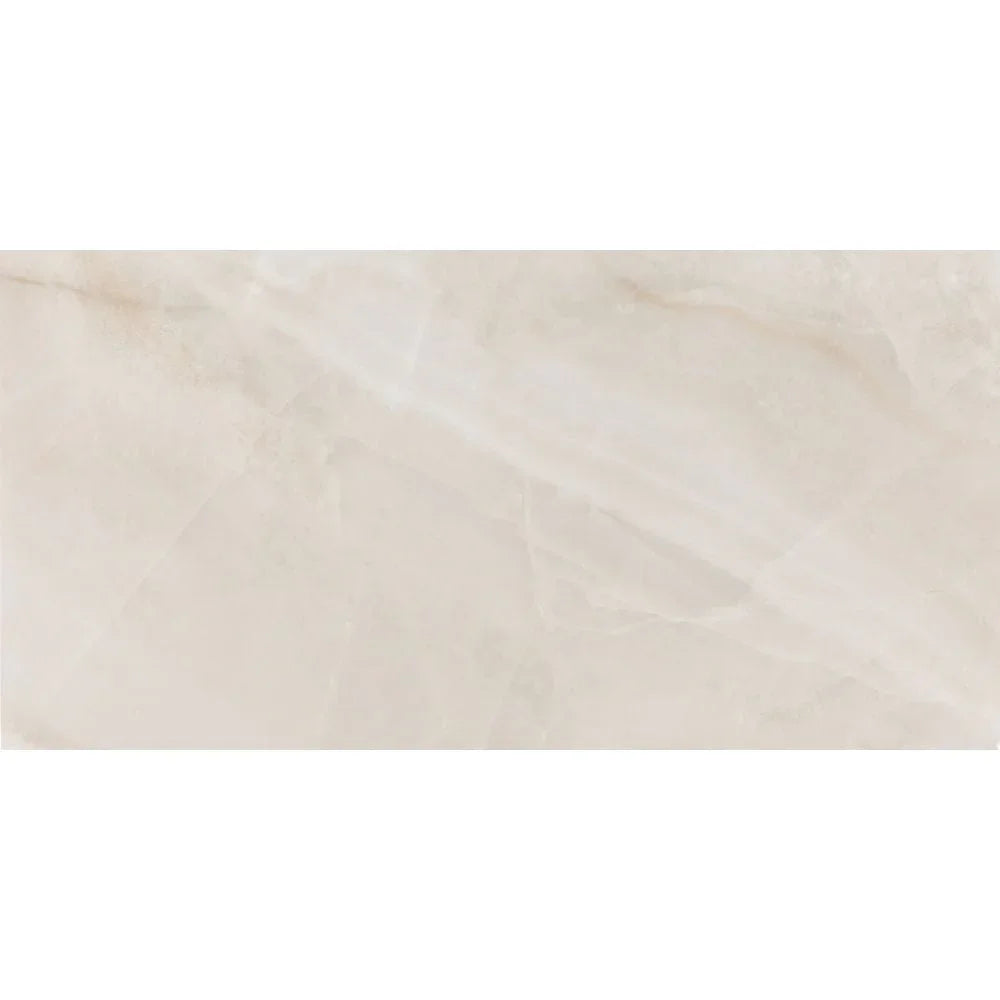
Nichet Beige Porcelain Tile 60 x 120cm
Choose your option
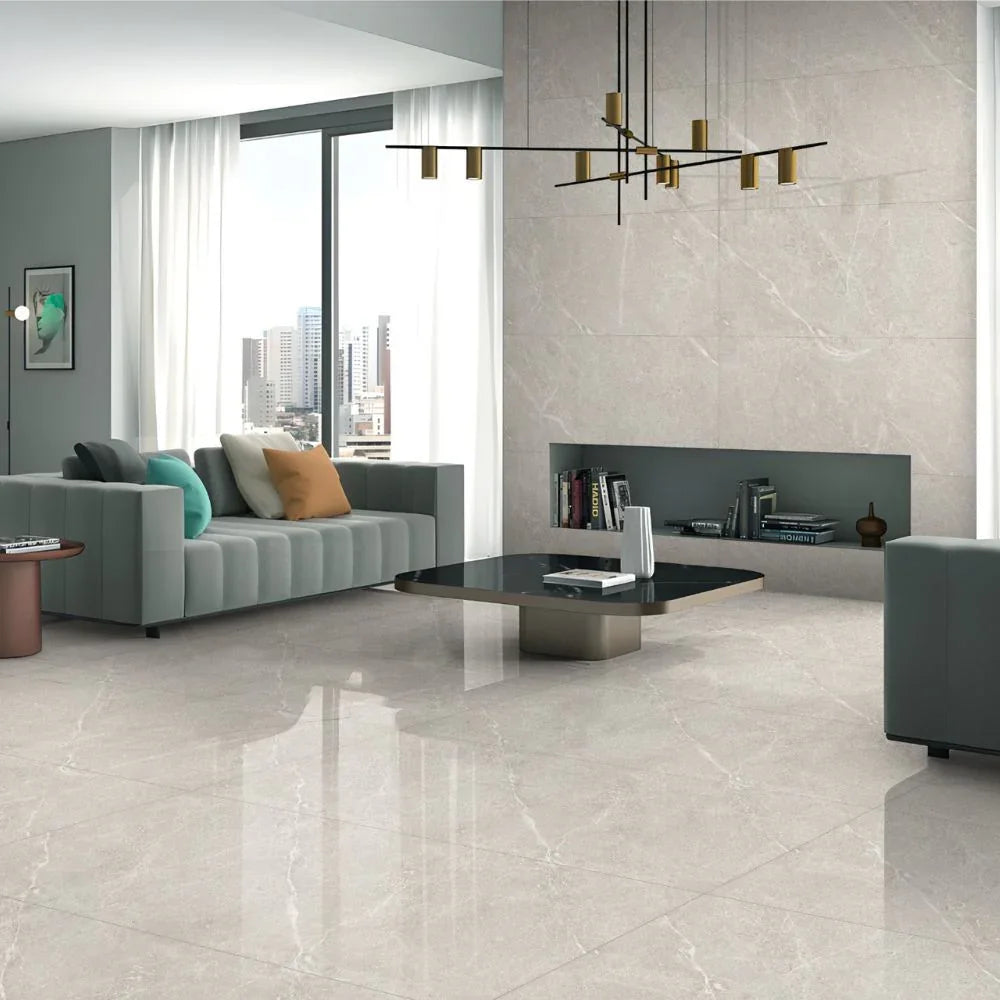
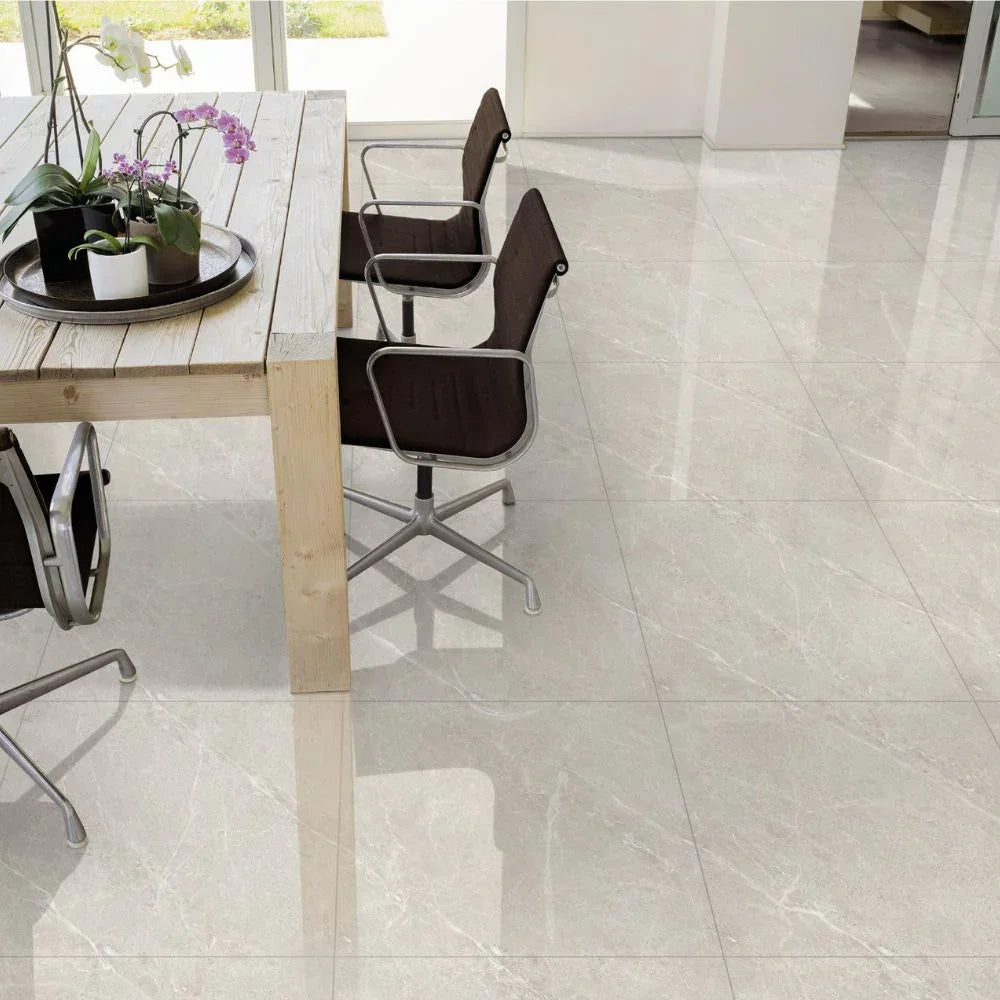
Alcantras Marble Porcelain Tile 60 x 60cm
Choose your option
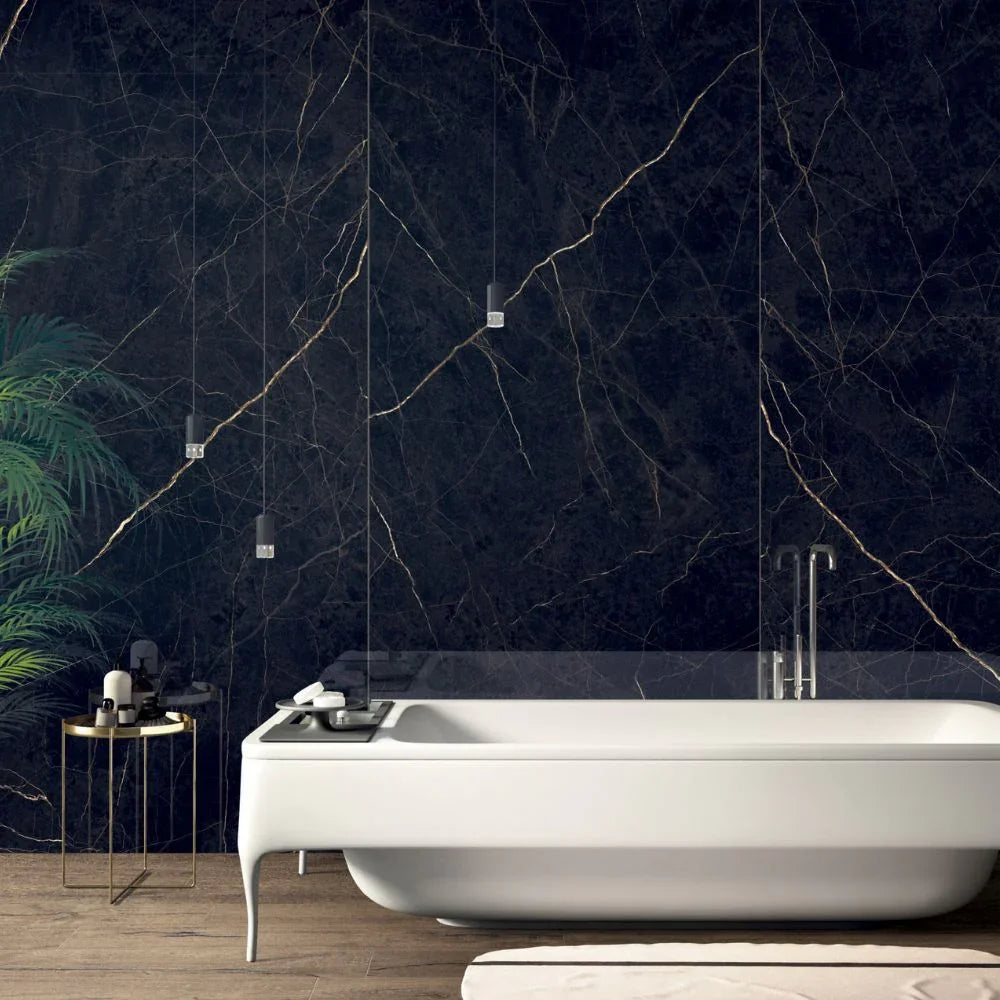
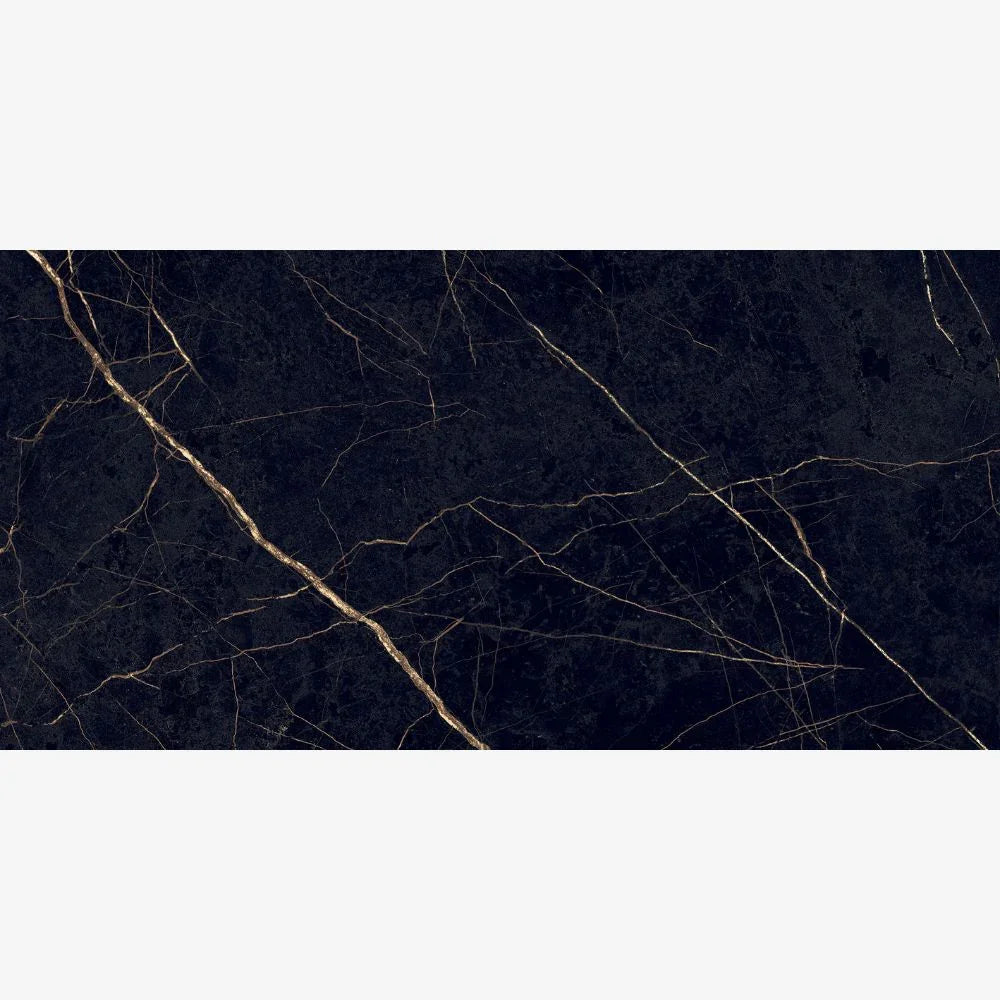
Evolvere Black / Gold Porcelain Tile 60 x 120cm
Choose your option
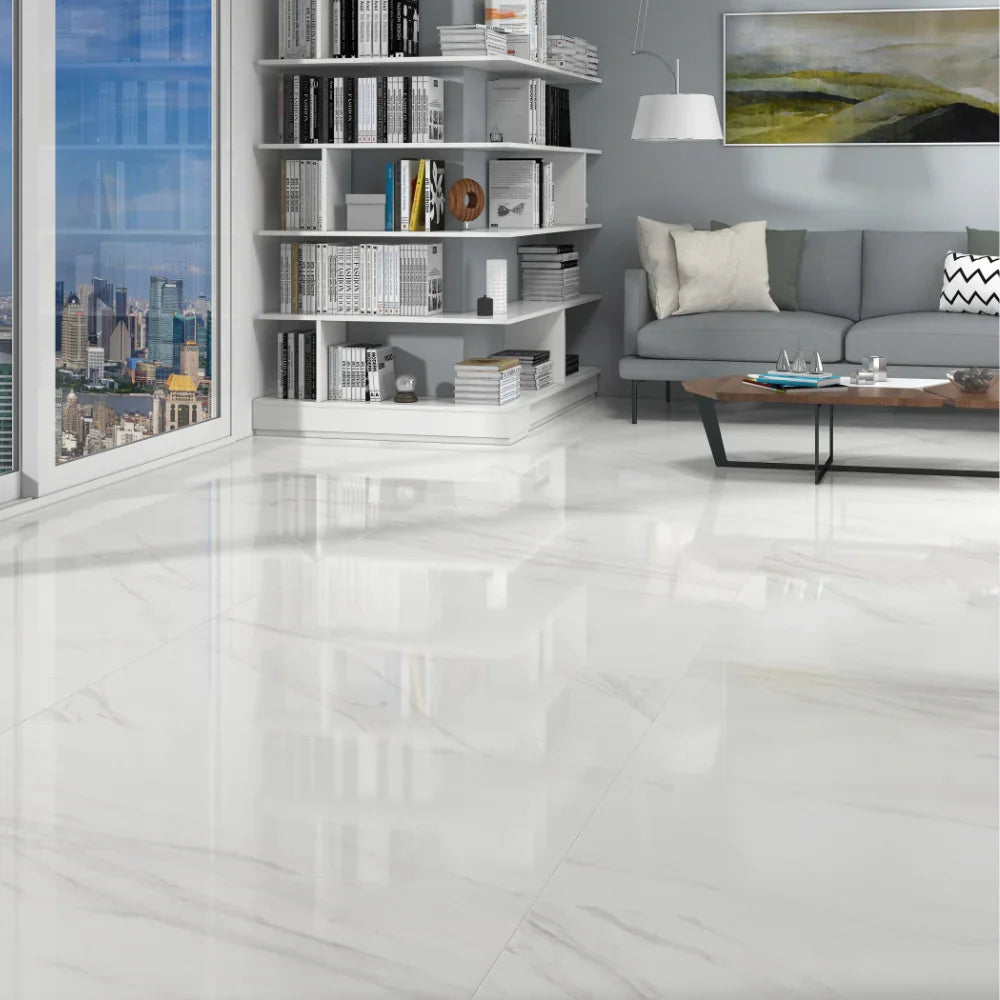
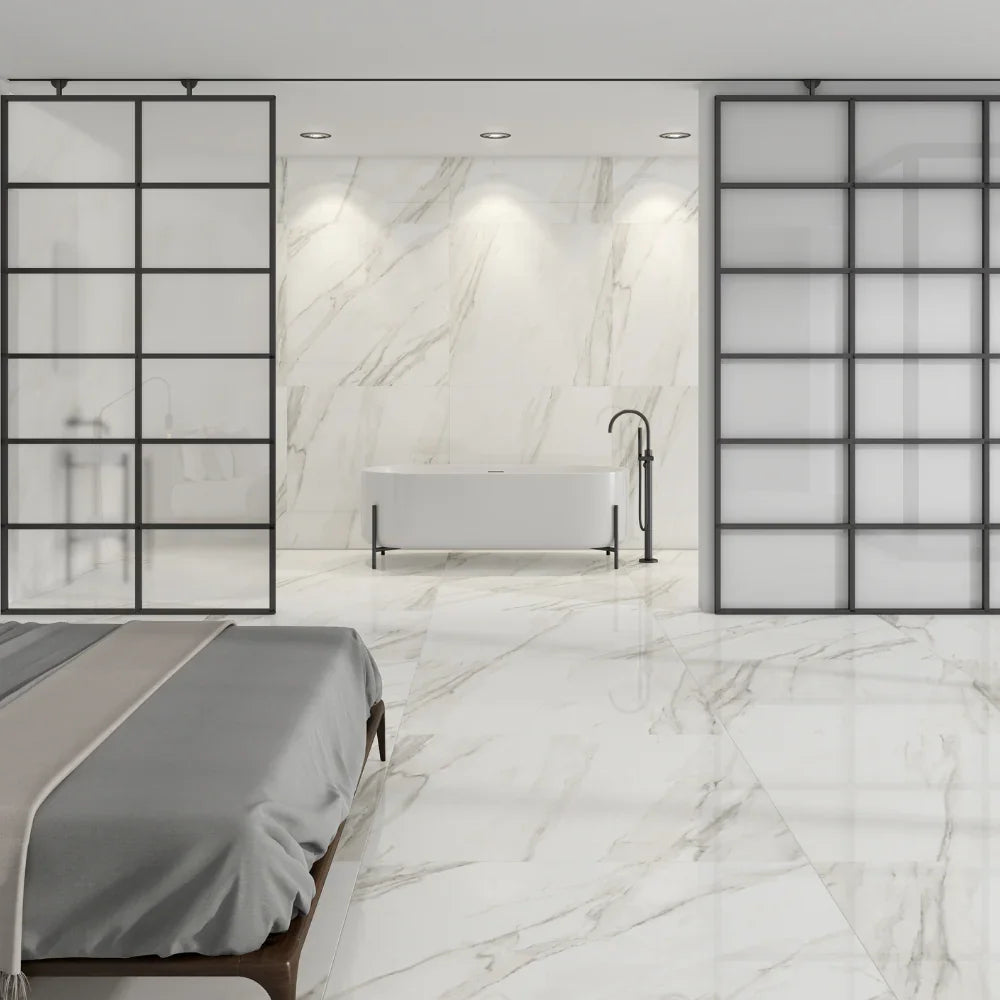
Calacata Mechida White Marble Porcelain Tile
Choose your option
Mosa White Porcelain Tile
Choose your option
Paris Smoke Porcelain Tile
Choose your option
Neptune Marble White Porcelain Tile
Choose your option
Dorset Bone Porcelain Tile 80 x 80cm
Choose your option
Treniz Mint Porcelain Tile
Choose your option
Roman White Marble Polished Porcelain Tile 80 x 80cm
Choose your option

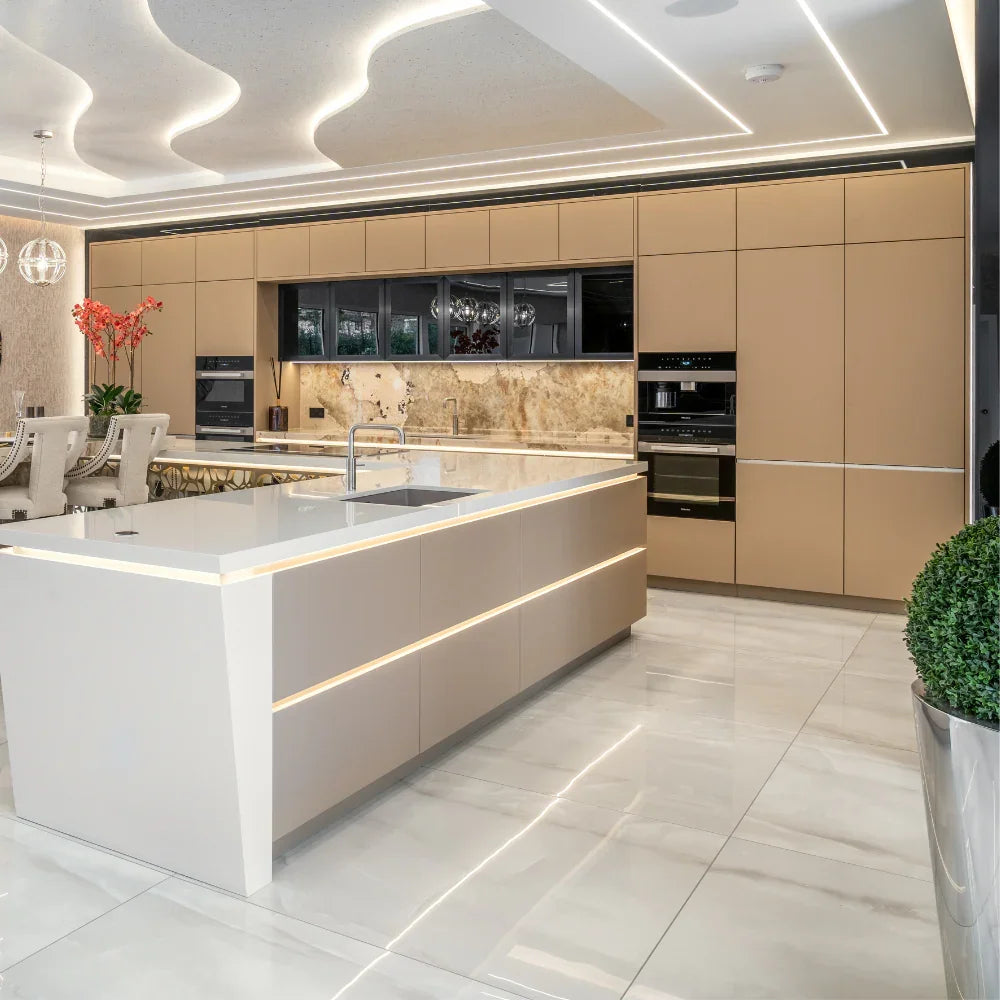
Madre White Porcelain Tile
Choose your option
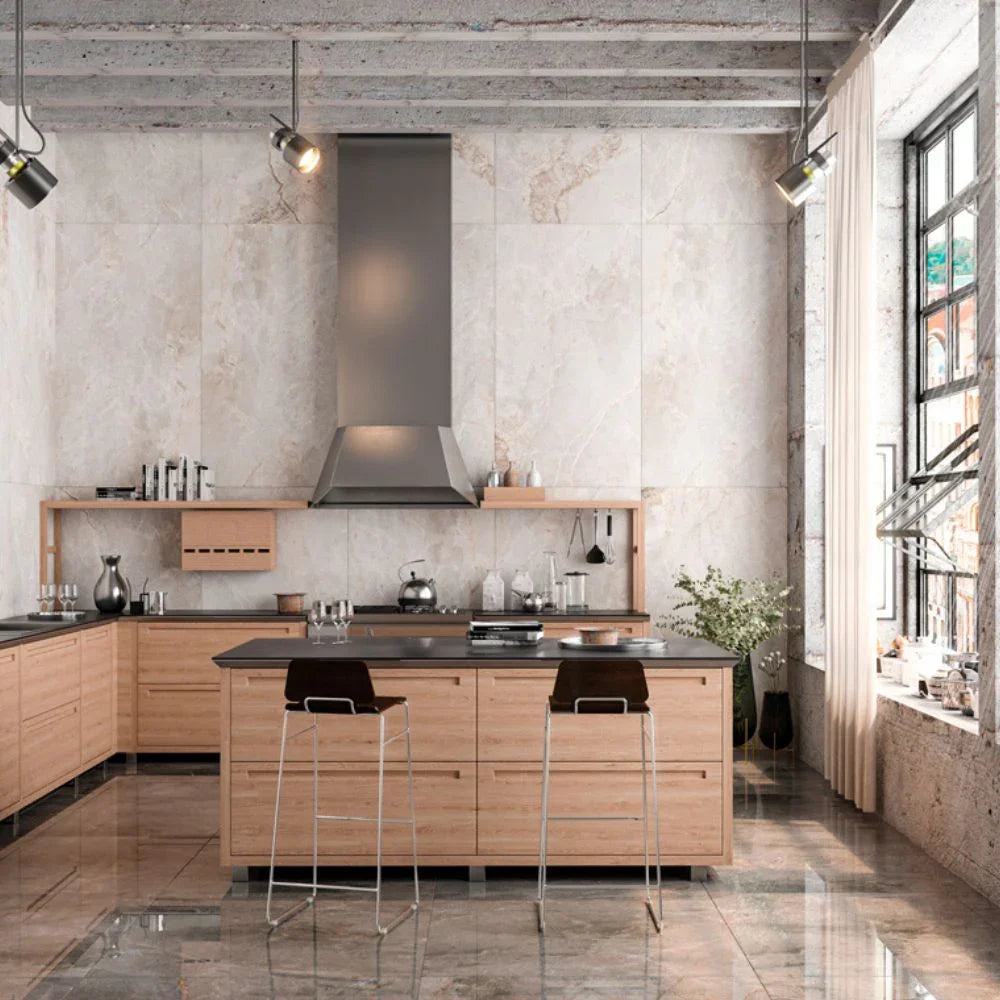
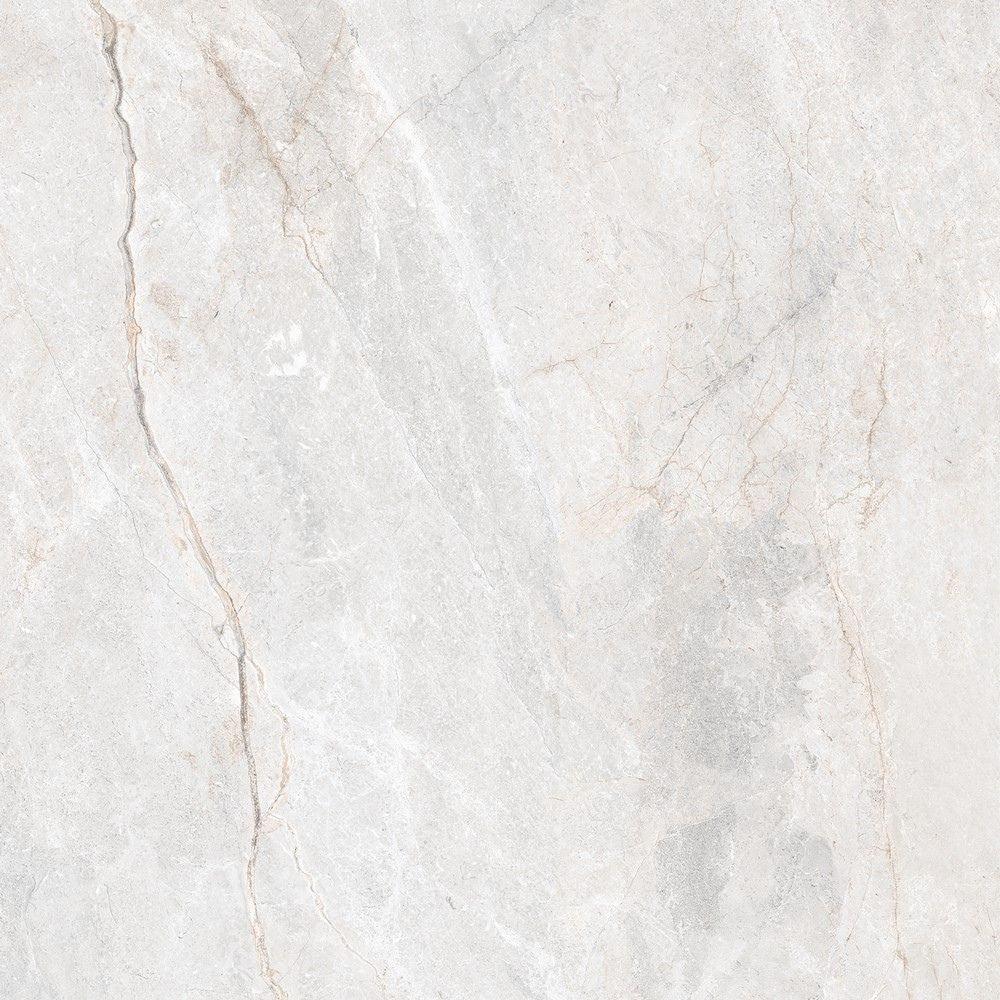
Tuscani Pearl Porcelain Tile
Choose your option
Muiz White Porcelain Tile 60 x 60cm
Choose your option
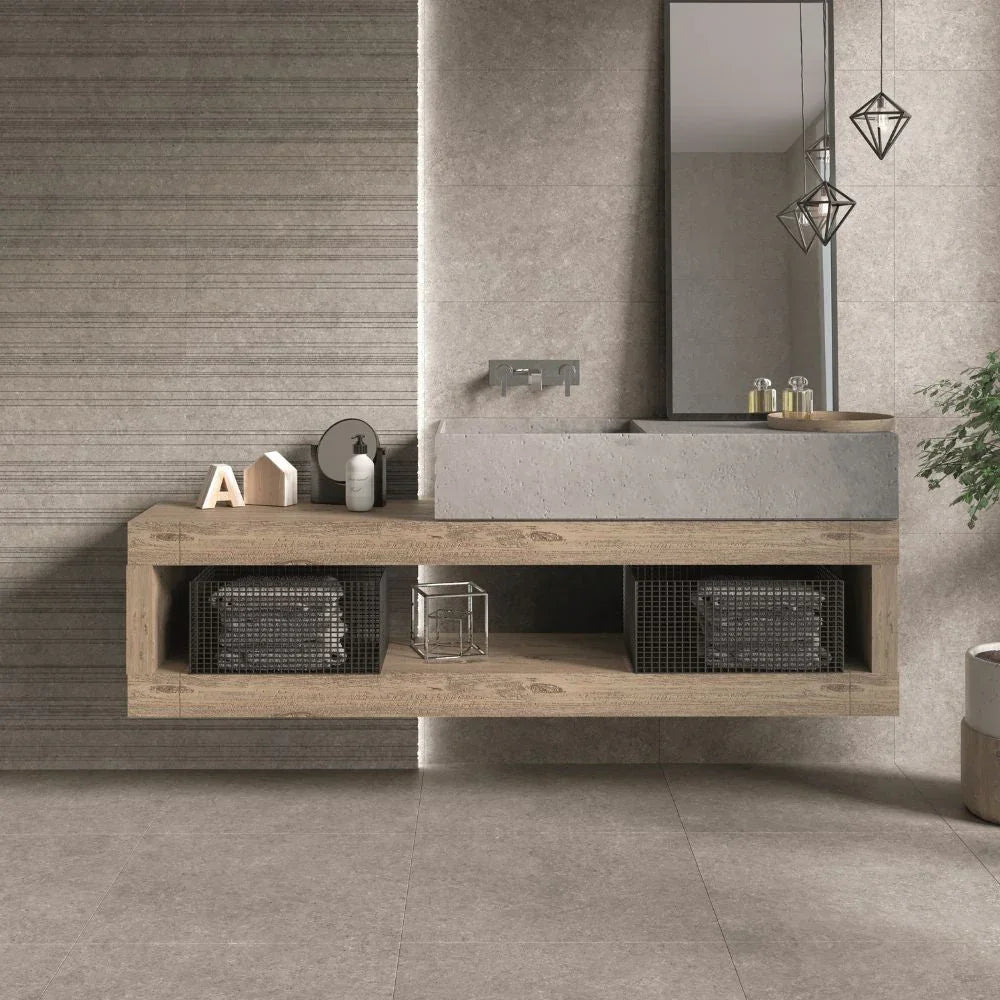
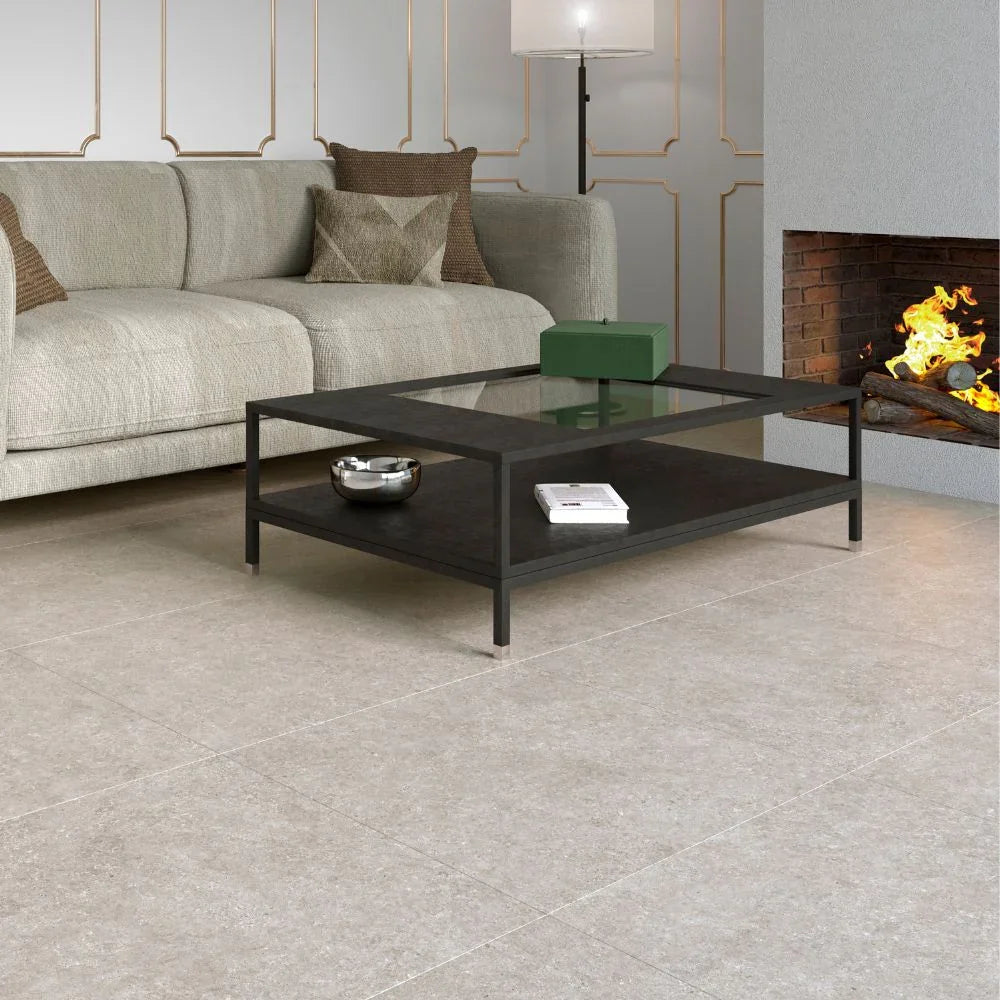
Townhall Taupe Porcelain Tile 30 x 60cm
Choose your option
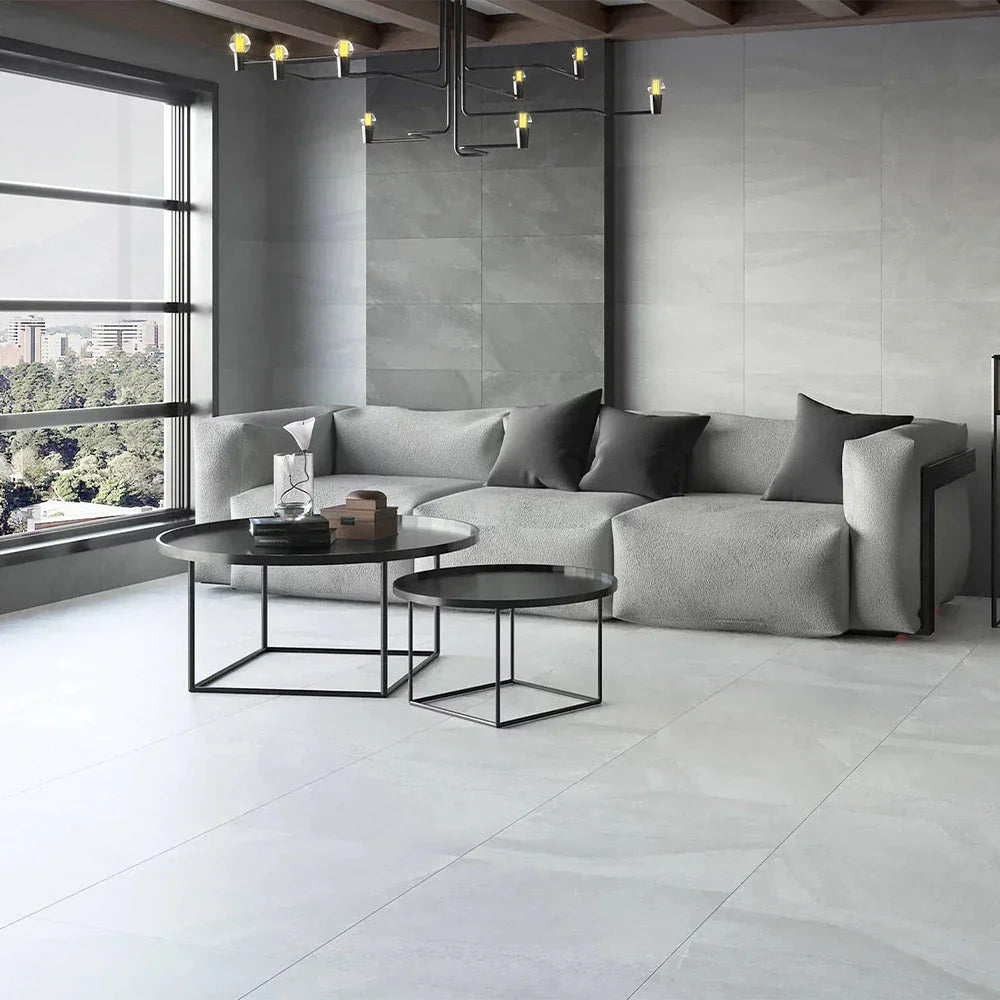
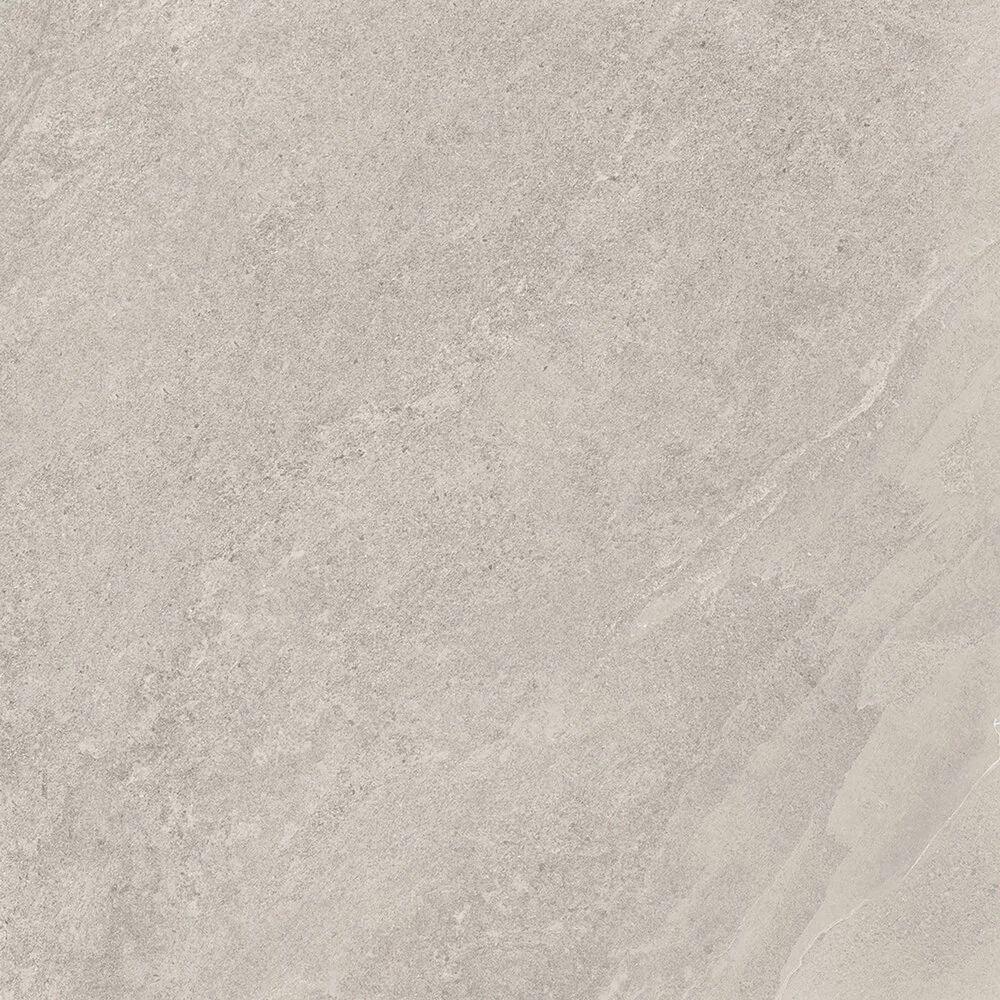
Muiz Grey Porcelain Tile 60 x 60cm
Choose your option
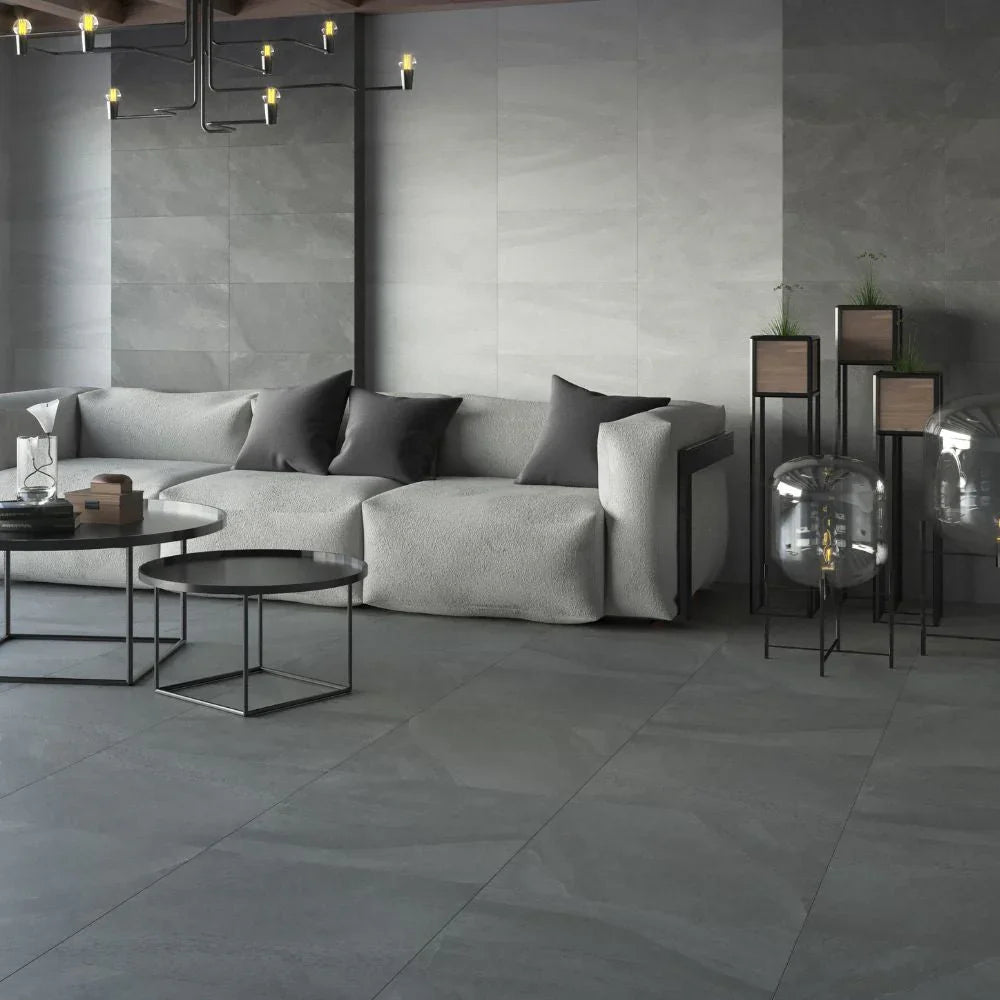
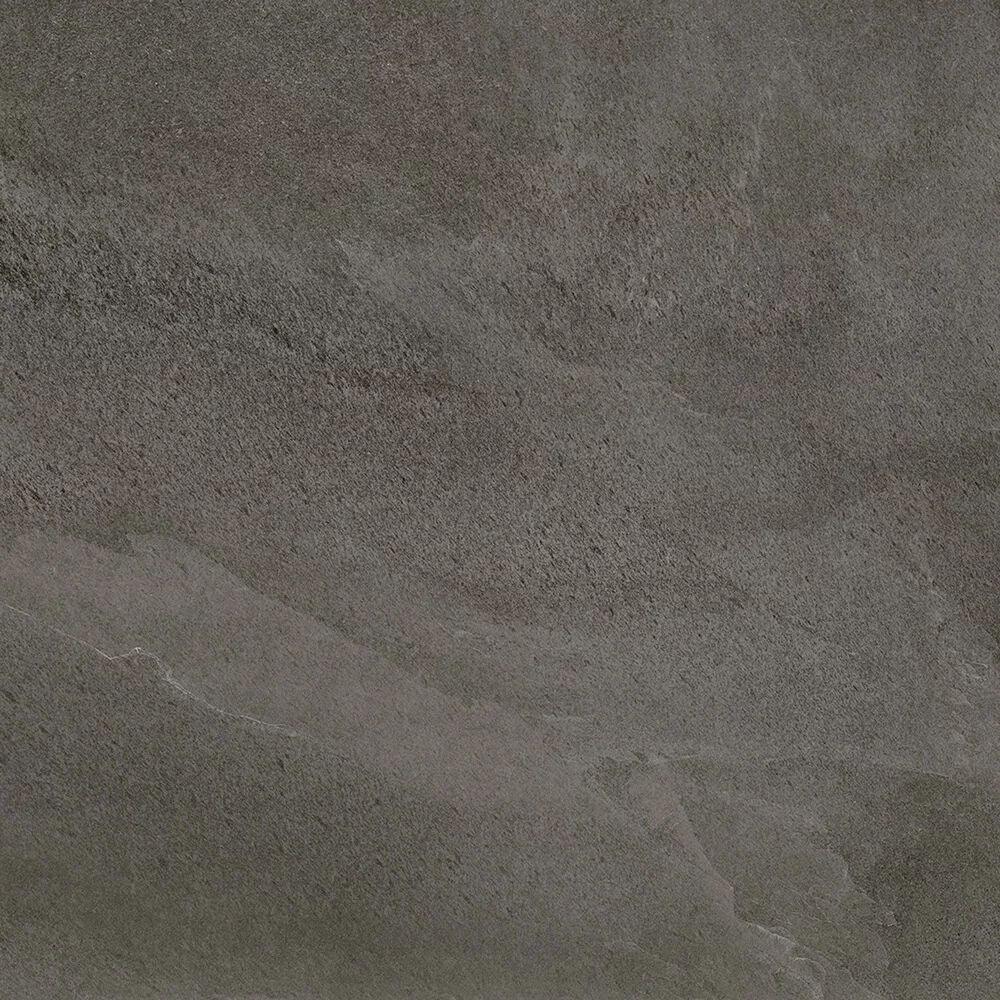
Muiz Dark Grey Porcelain Tile 60 x 60cm
Choose your option
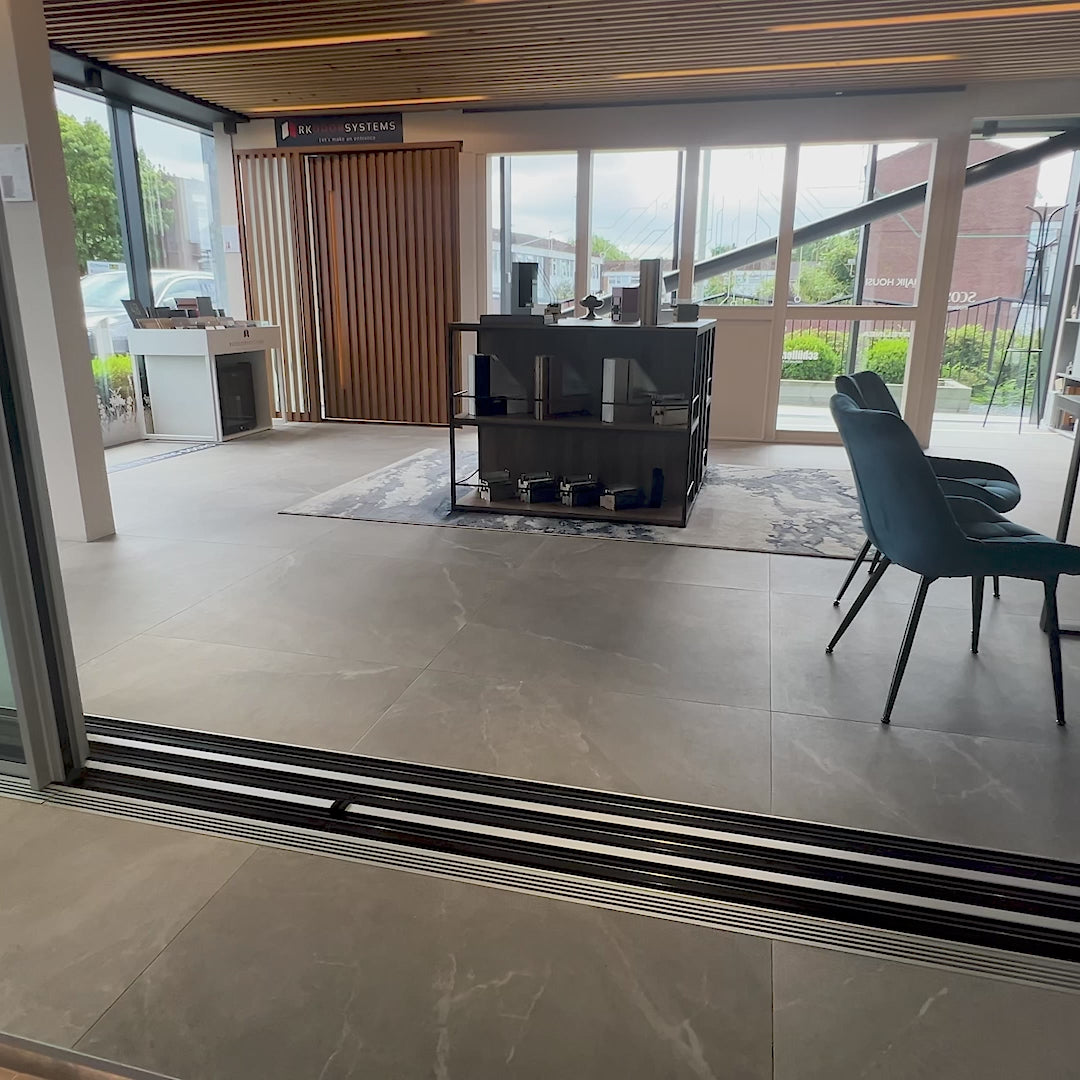
Baccoi Grey Porcelain Tile 100 x 100cm
Choose your option
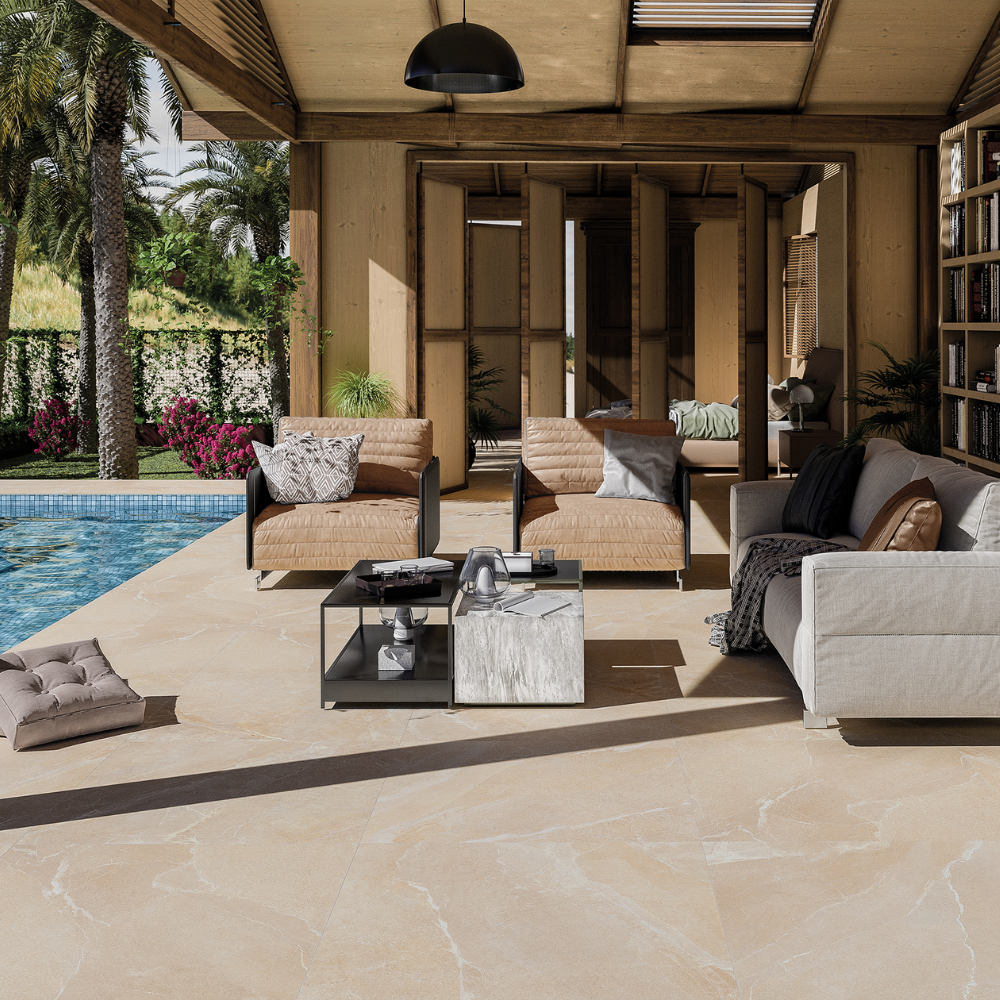
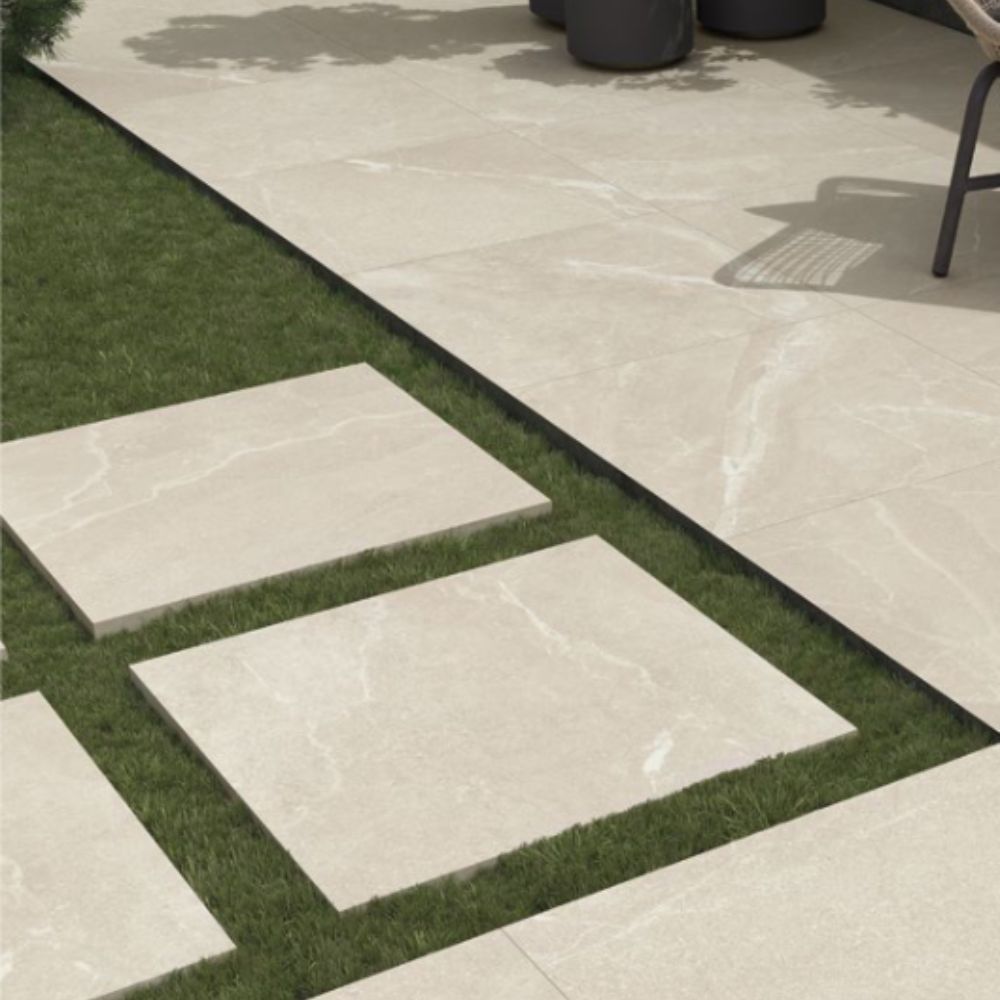
Baccoi Beige Porcelain Tile 100 x 100cm
Choose your option
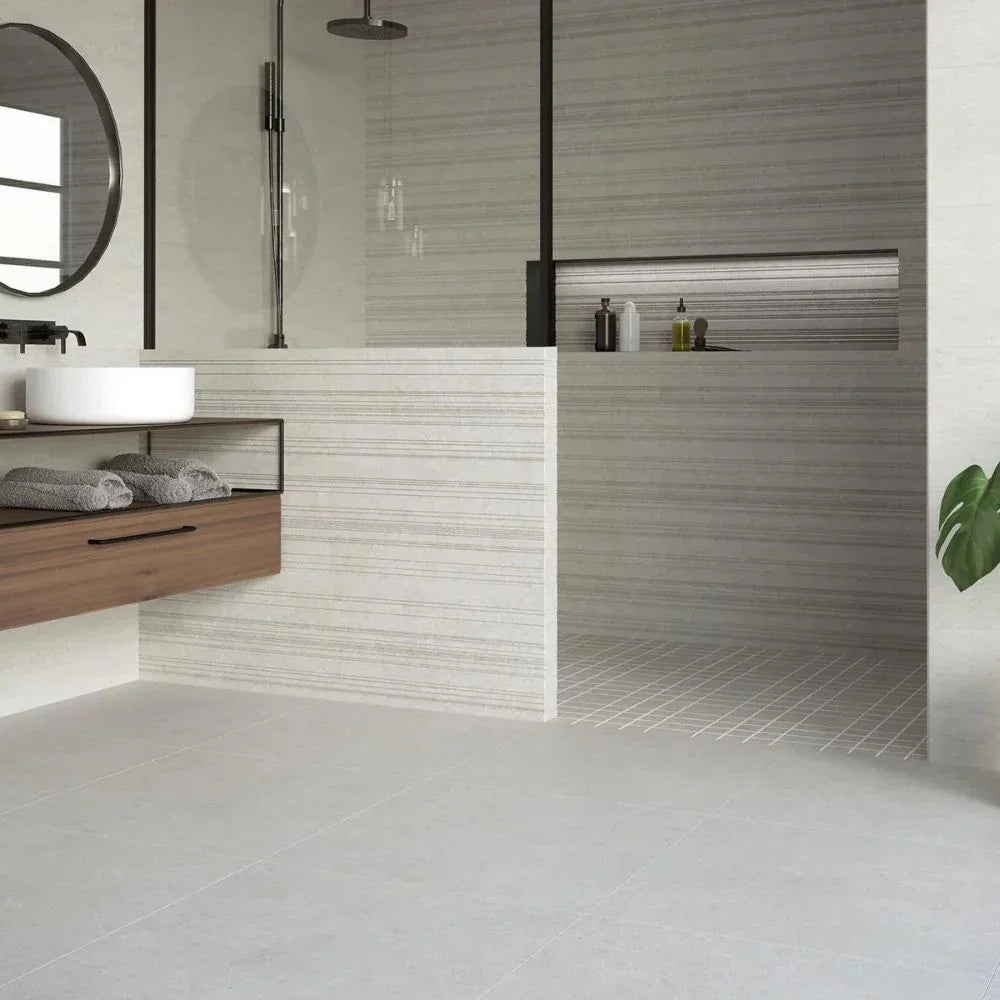
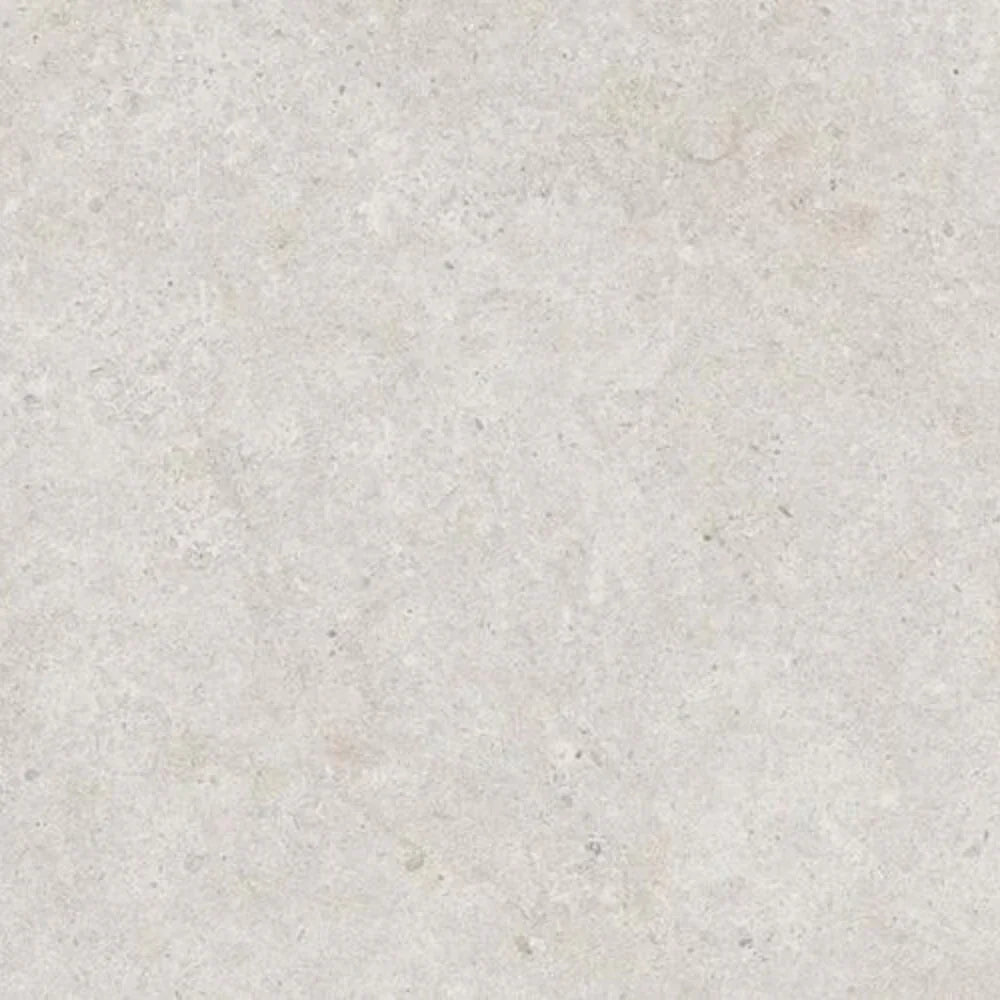
Townhall White Porcelain Tile
Choose your option