
Collection:
Tile Adhesive
Tile adhesives are essential materials that securely bond tiles to surfaces, ensuring durability and stability in tiling projects. They come in various types, such as cementitious and ready-mixed, each suited for different tile materials and applications.
9 products
Filter


Kelmore MoreFlex Standard S1 Wall & Floor Tile Adhesive
Choose your option


Kelmore MoreFlex Rapid S1 Wall & Floor Tile Adhesive
Choose your option

Kelmore MegaFlex Standard S2 Wall & Floor Tile Adhesive
Choose your option

Kelmore LevelMore Rapid 30 Levelling & Smoothing Compound 20kg
Choose your option


Kelmore MoreFlex SemiRapid S1 Wall & Floor Tile Adhesive
Choose your option

Kelmore LevelMore Flow Levelling & Smoothing Compound 20kg
Choose your option

Kelmore LevelMore Flex&Fibre Levelling & Smoothing Compound 20kg
Choose your option

Kelmore LevelMore Pro 2 Part Levelling & Smoothing Compound 20kg + 4.5L Pouch
Choose your option

Kelmore MegaFlex Rapid S2 Wall & Floor Tile Adhesive
Choose your option
Introduction to Tile Adhesives
Tile adhesives are a crucial component in any tiling project, ensuring a strong and durable bond between the tile and the surface. Choosing the right tile adhesive can be overwhelming, but by considering factors such as the type of tile, surface, and application, you can make an informed decision. Cementitious tile adhesives are a popular choice for many projects, offering a reliable and long-lasting bond. When selecting a tile adhesive, it’s essential to read the packaging and follow the manufacturer’s instructions to ensure a successful installation. Depending on the job, you may need to use a specific type of adhesive, such as a flexible or cement-based option.
Types of Tile Adhesives
There are various types of tile materials available, including ready-mixed, cement-based, and epoxy-based options. Each type of adhesive has its own unique characteristics and is suitable for different applications and surfaces. For example, cement-based adhesives are ideal for large format tiles and floors, while epoxy-based adhesives are better suited for walls and areas with high water exposure. When choosing a tile adhesive, it’s essential to consider the specific needs of your project and select a product that is capable of withstanding the conditions. By taking the time to research and select the right adhesive, you can ensure a strong and durable bond that will last for years.
Choosing the Right Adhesive
To choose the right tile adhesive, you need to consider several factors, including the type of tile, surface, and application. It’s also essential to take into account the level of flexibility and water resistance required for your project. By considering these factors and selecting a suitable adhesive, you can ensure a successful installation that meets your needs. When in doubt, it’s always best to consult with a professional or refer to the manufacturer’s instructions to ensure you’re using the right product for the job. By putting in the effort to choose the right adhesive, you can avoid common mistakes and achieve a professional-looking finish.
Floor Tile Considerations
When it comes to floor tile installations, it’s essential to use a tile adhesive that is specifically designed for floors. Floor tile adhesives need to be capable of withstanding heavy foot traffic and potential water exposure. By using a suitable floor tile adhesive, you can ensure a strong and durable bond that will last for years. It’s also essential to consider the thickness of the adhesive and the surface preparation required to ensure a successful installation. By taking the time to prepare the surface and apply the adhesive correctly, you can create a beautiful and long-lasting floor tile installation.
Surface Preparation
Surface preparation is a critical step in any tiling project, and it’s essential to ensure the surface is clean, dry, and free of debris. By preparing the surface correctly, you can ensure a strong and durable bond between the tile and the adhesive. It’s also essential to remove any old adhesive or debris from the surface to prevent any issues with the new installation. By taking the time to prepare the surface, you can avoid common mistakes and ensure a successful installation. A clean and well-prepared surface is essential for achieving a professional-looking finish and ensuring the longevity of the tile installation.
Application and Installation
When applying and installing tile adhesive, it’s essential to follow the manufacturer’s instructions and take necessary precautions. By using a suitable trowel and applying the adhesive at the correct thickness, you can ensure a strong and durable bond. It’s also essential to work quickly and efficiently to avoid any issues with the adhesive setting too quickly. By taking the time to apply the adhesive correctly, you can ensure a successful installation that meets your needs. It’s also essential to consult the manufacturer’s instructions and take necessary action to ensure the adhesive is applied correctly and safely.
Order Your Tile Adhesives Today
Ready to get started on your tiling project? Order now online from our extensive range of tile adhesives! We pride ourselves on maintaining huge stocks to ensure you get the products you need without delay. Enjoy low, competitive prices that make your purchase even better. Plus, with reliable UK delivery, your tile adhesives will arrive quickly and safely right to your doorstep. Don’t wait, shop now and take the first step toward a perfect tile installation!
FAQs
How do I remove tile adhesive from a surface?
How do I remove tile adhesive from a surface?
Removing tile adhesive can be done using several methods depending on the type and condition of the adhesive. Common methods include scraping with a putty knife or scraper, applying heat with a heat gun to soften the adhesive, or using chemical adhesive removers. Always follow safety precautions and ensure proper ventilation when using chemicals or heat.
What is the difference between cementitious tile adhesive and ready mixed adhesive?
What is the difference between cementitious tile adhesive and ready mixed adhesive?
Cementitious tile adhesive is a powder that needs to be mixed with water before use and is ideal for large format tiles and floors due to its strong bonding capabilities. Ready mixed adhesive comes pre-mixed and is convenient for smaller jobs or wall tiles but may not be suitable for heavy-duty floor applications.
Can I use the same tile adhesive for both floor and wall tiles?
Can I use the same tile adhesive for both floor and wall tiles?
Not all tile adhesives are suitable for both floors and walls. Floor tile adhesive is formulated to withstand heavy foot traffic and potential water exposure, making it stronger and more durable. Wall tile adhesives may not have the same strength or flexibility, so it’s important to choose an adhesive suitable for your specific application.
How thick should the tile adhesive layer be?
How thick should the tile adhesive layer be?
The thickness of the tile adhesive layer depends on the type of tile and the surface being covered. Generally, a minimum thickness of 3mm is recommended for most applications, but for large format tiles or uneven surfaces, a thicker bed may be necessary. Always follow the manufacturer’s guidelines for the correct thickness.
What is porcelain tile adhesive, and when should I use it?
What is porcelain tile adhesive, and when should I use it?
Porcelain tile adhesive is specially formulated to bond porcelain tiles, which are denser and less porous than ceramic tiles. It often has enhanced adhesion and water resistance properties. Use porcelain tile adhesive when installing porcelain tiles to ensure a strong and lasting bond. For finishing your installation, don't forget to select a suitable tile sealant.
How long does tile adhesive take to dry?
How long does tile adhesive take to dry?
Drying time varies depending on the type of adhesive, ambient temperature, humidity, and thickness of the adhesive layer. Most tile adhesives set within 24 to 48 hours, but it’s important to consult the product packaging or manufacturer’s instructions for specific drying times before grouting or walking on the tiles.
Explore More Tiles
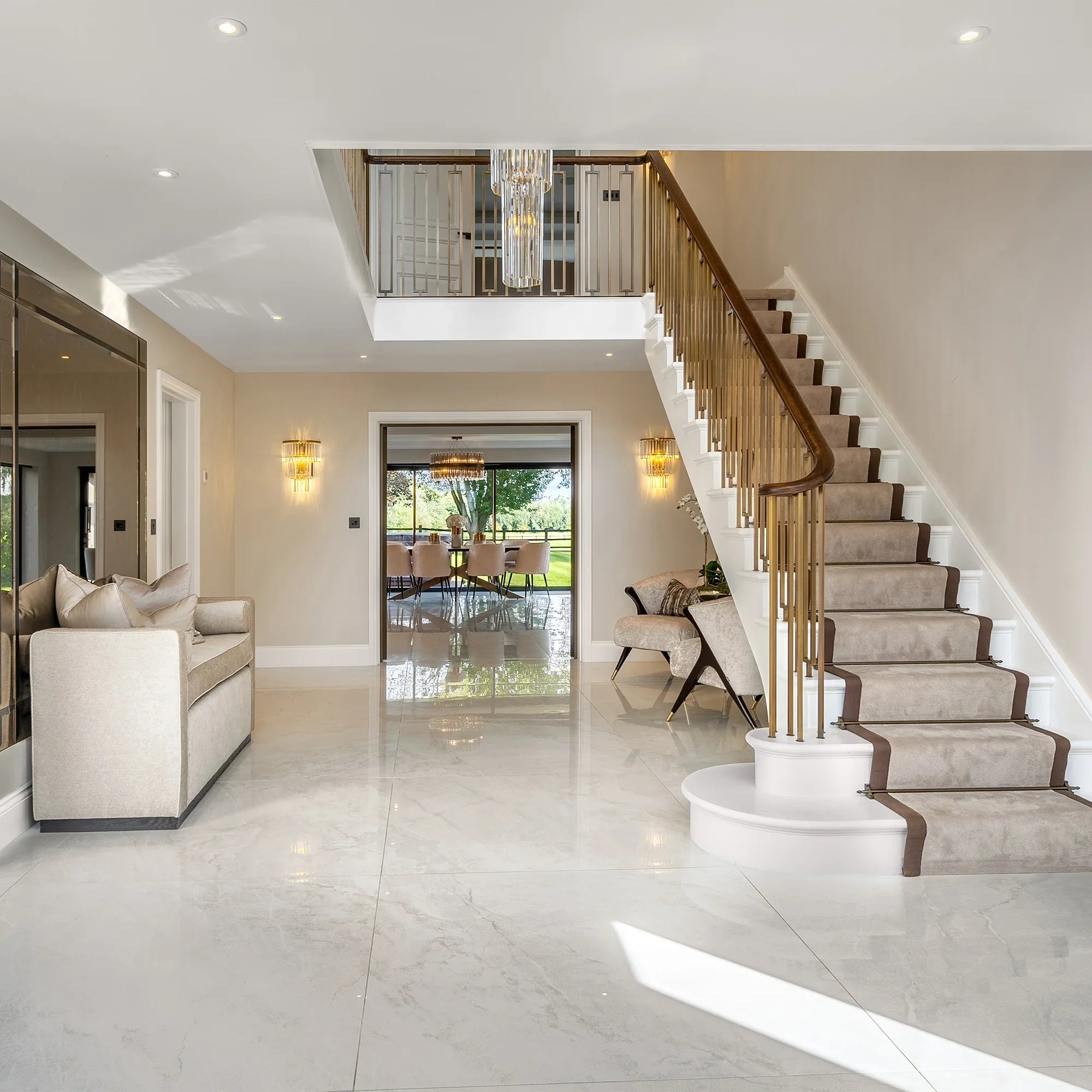
Mosa White Porcelain Tile
Choose your option
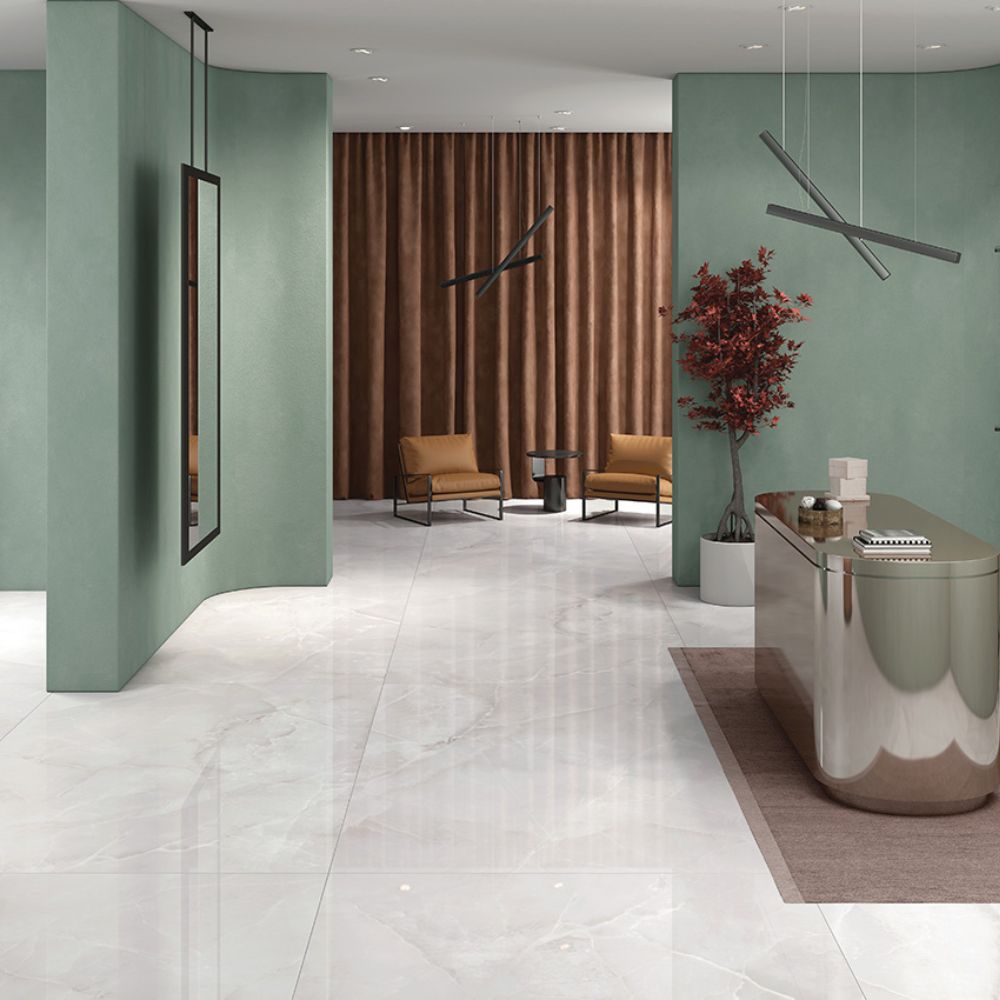
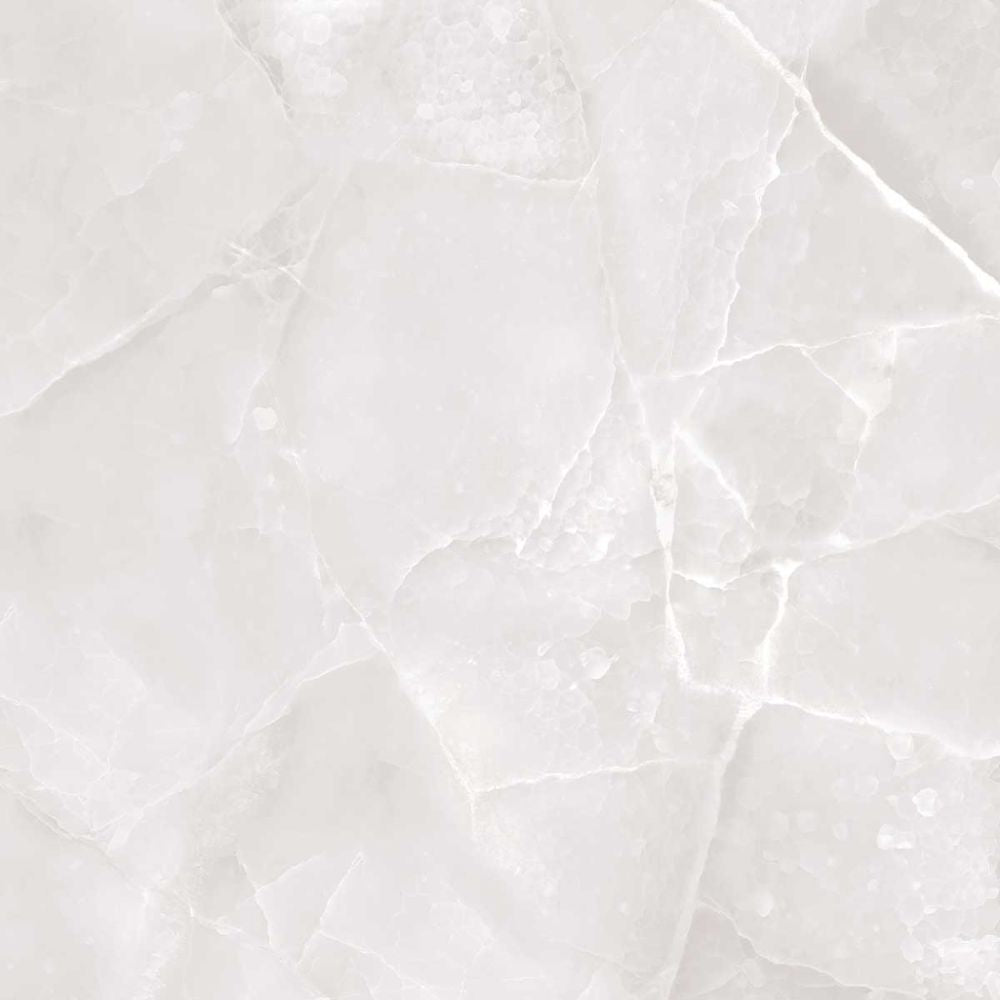
Paris Smoke Porcelain Tile
Choose your option
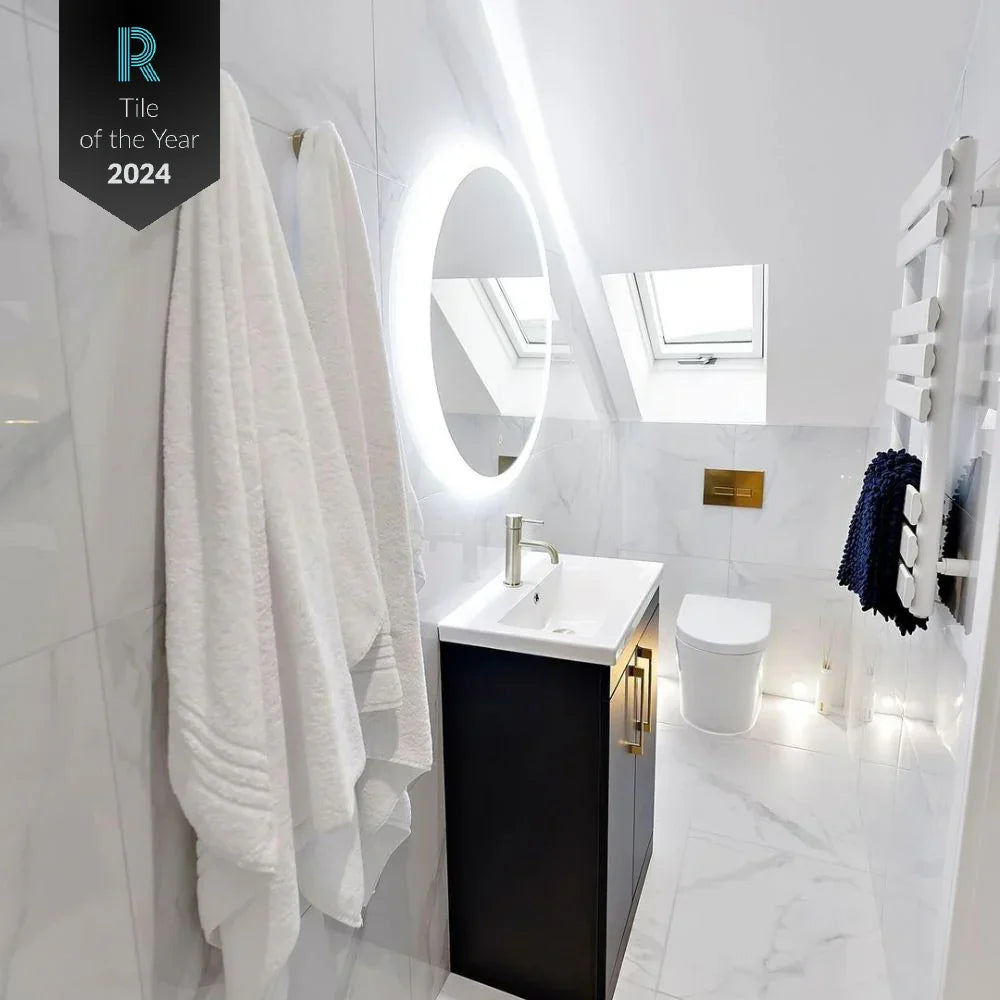
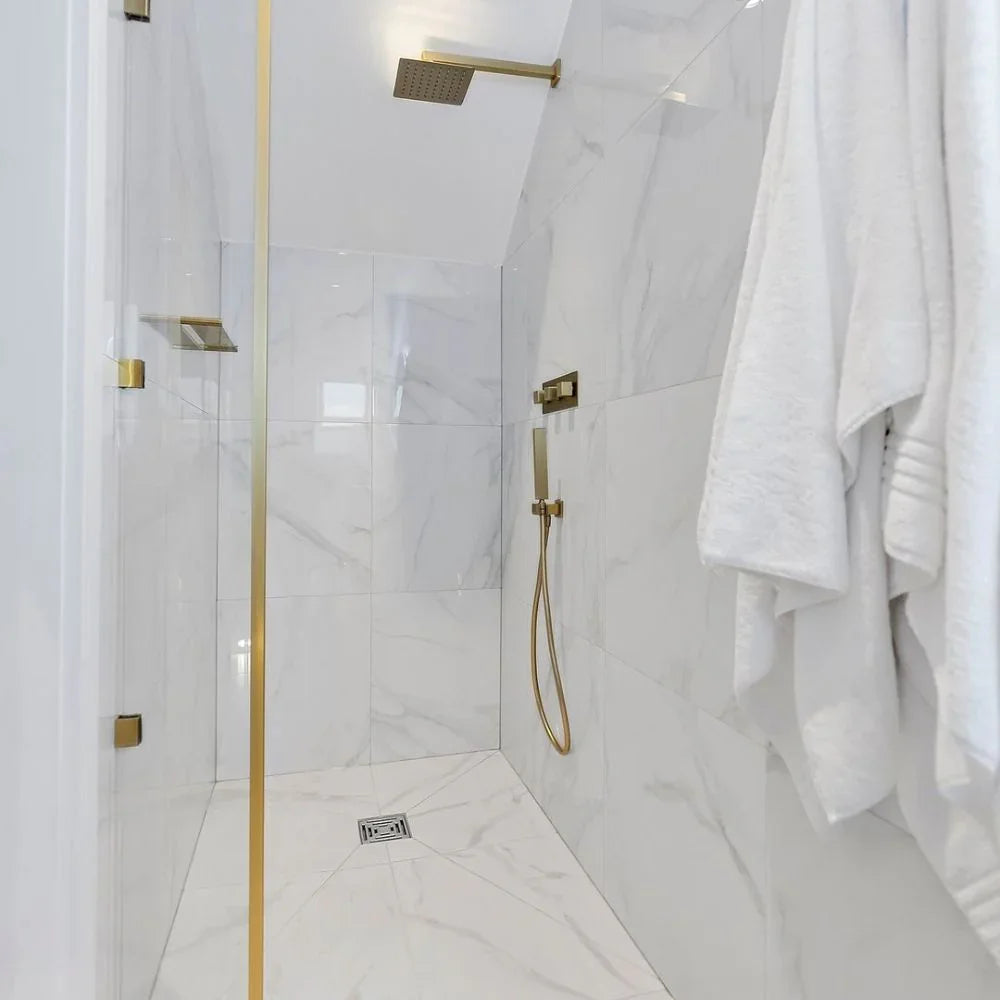
Neptune Marble White Porcelain Tile
Choose your option
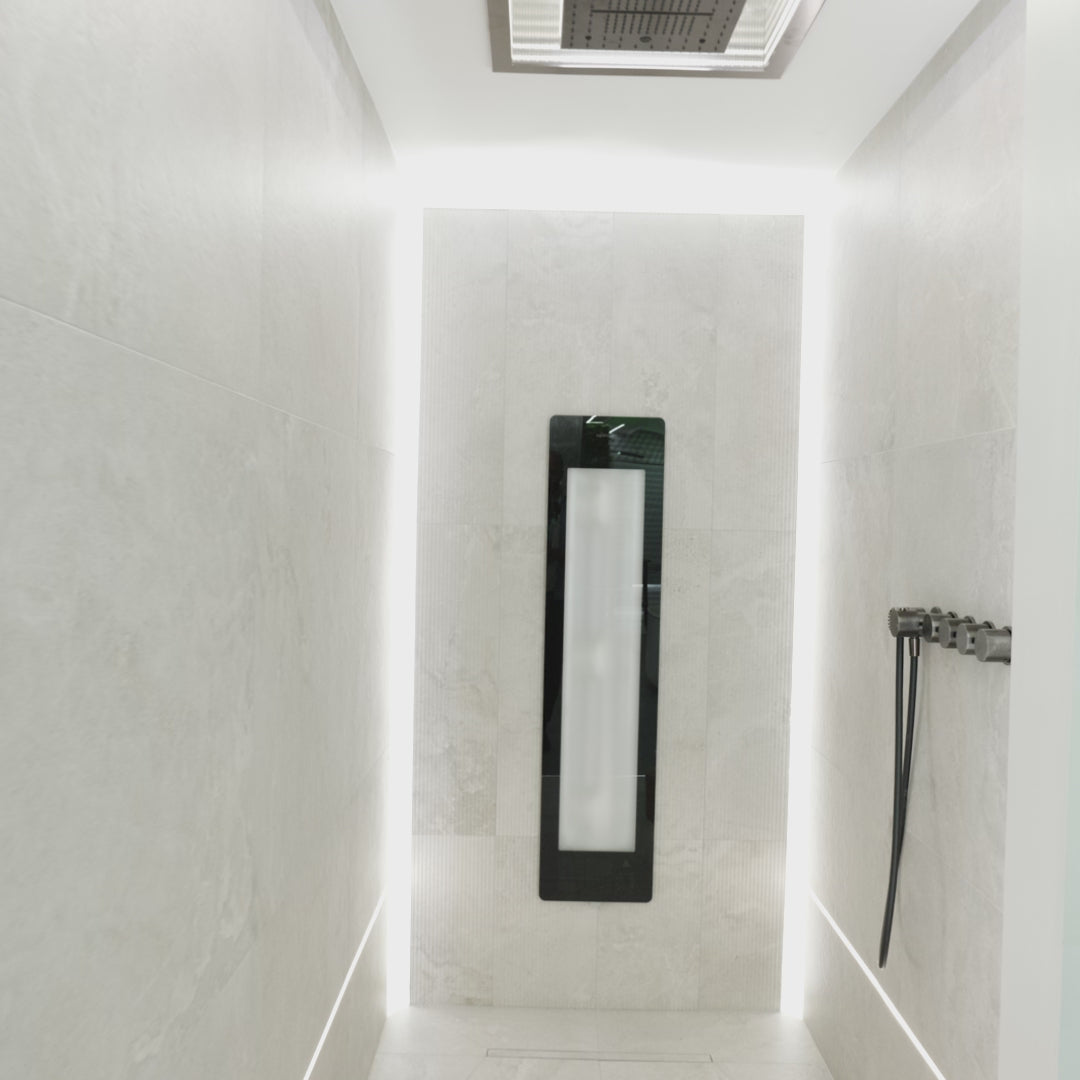
Dorset Bone Porcelain Tile 80 x 80cm
Choose your option
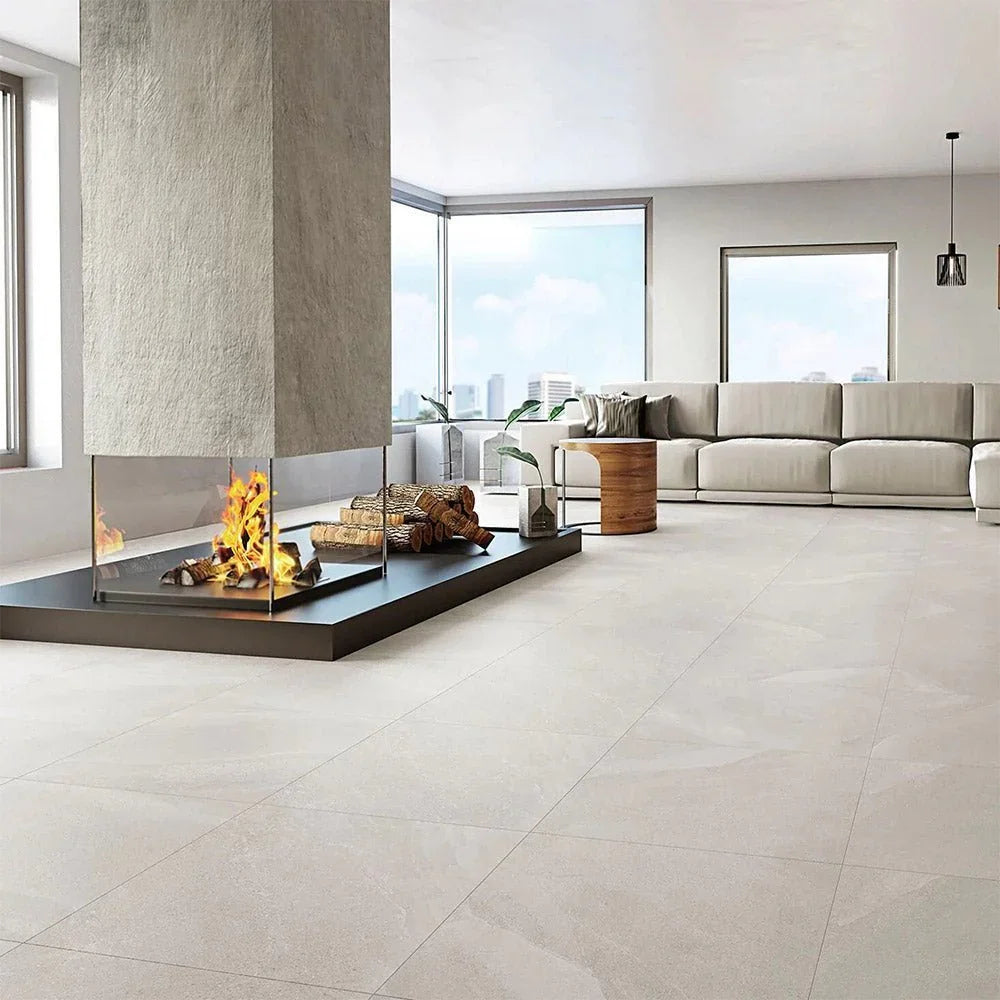

Muiz White Porcelain Tile 60 x 60cm
Choose your option
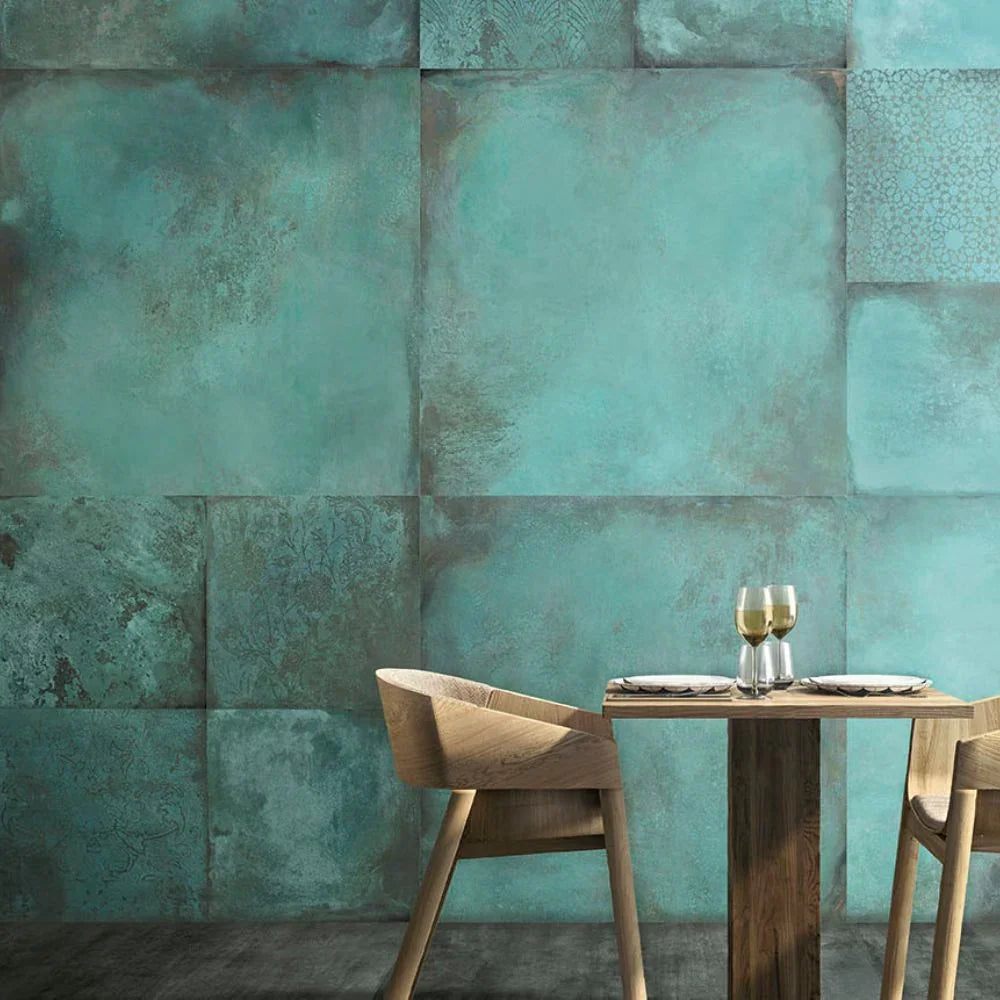
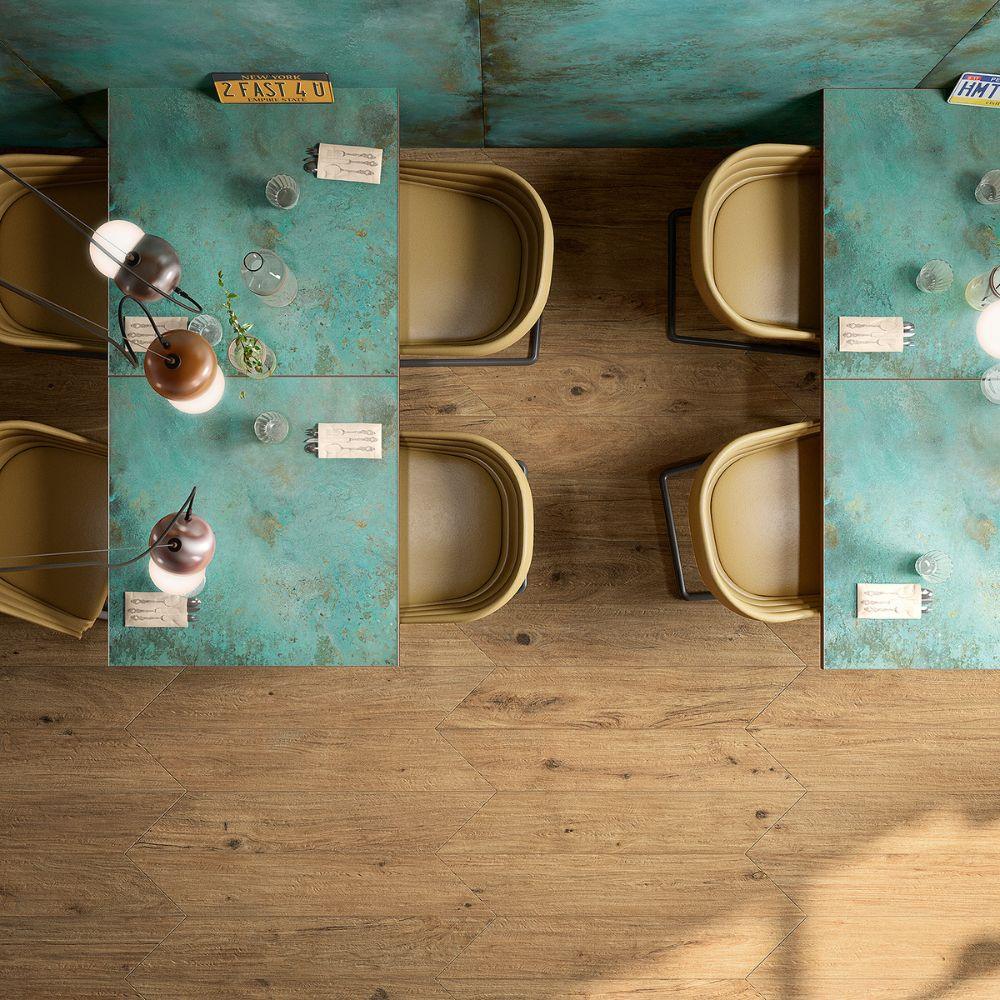
Treniz Mint Porcelain Tile
Choose your option
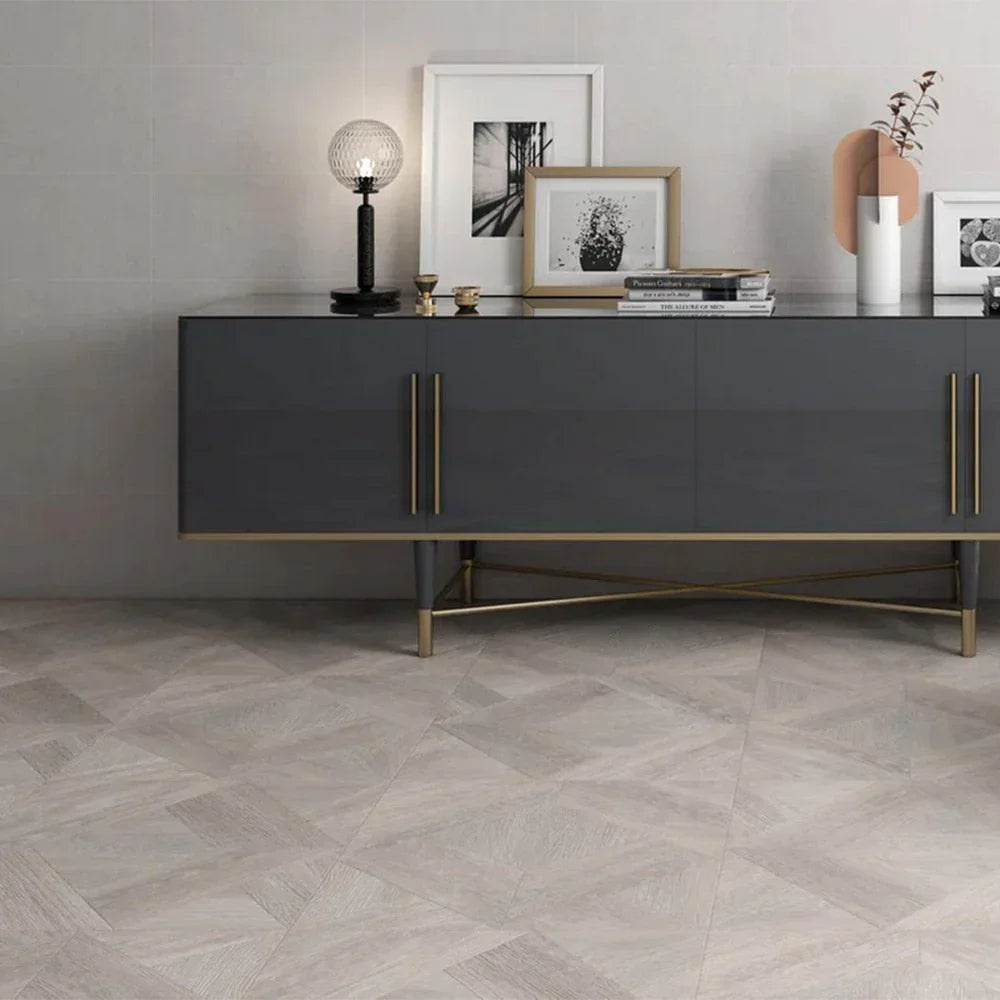
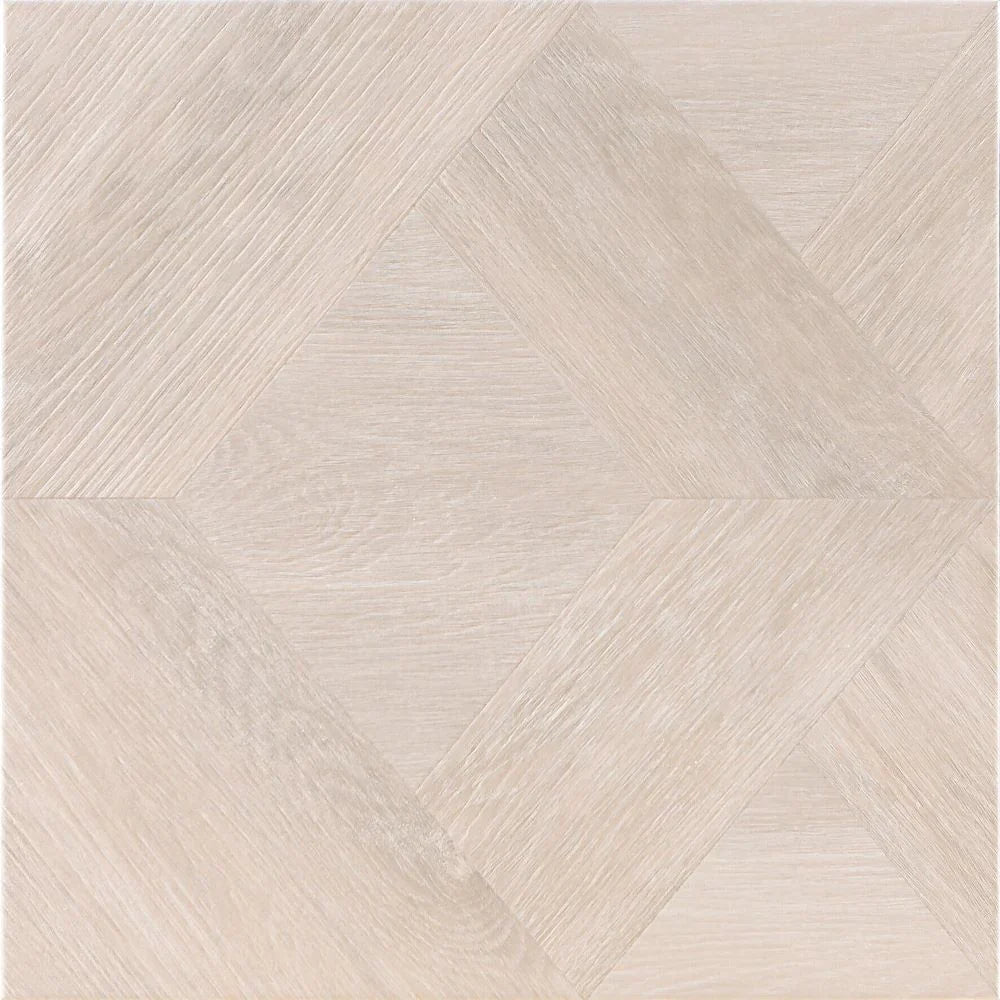
Green Park Bone Porcelain Tile 60 x 60cm
Choose your option
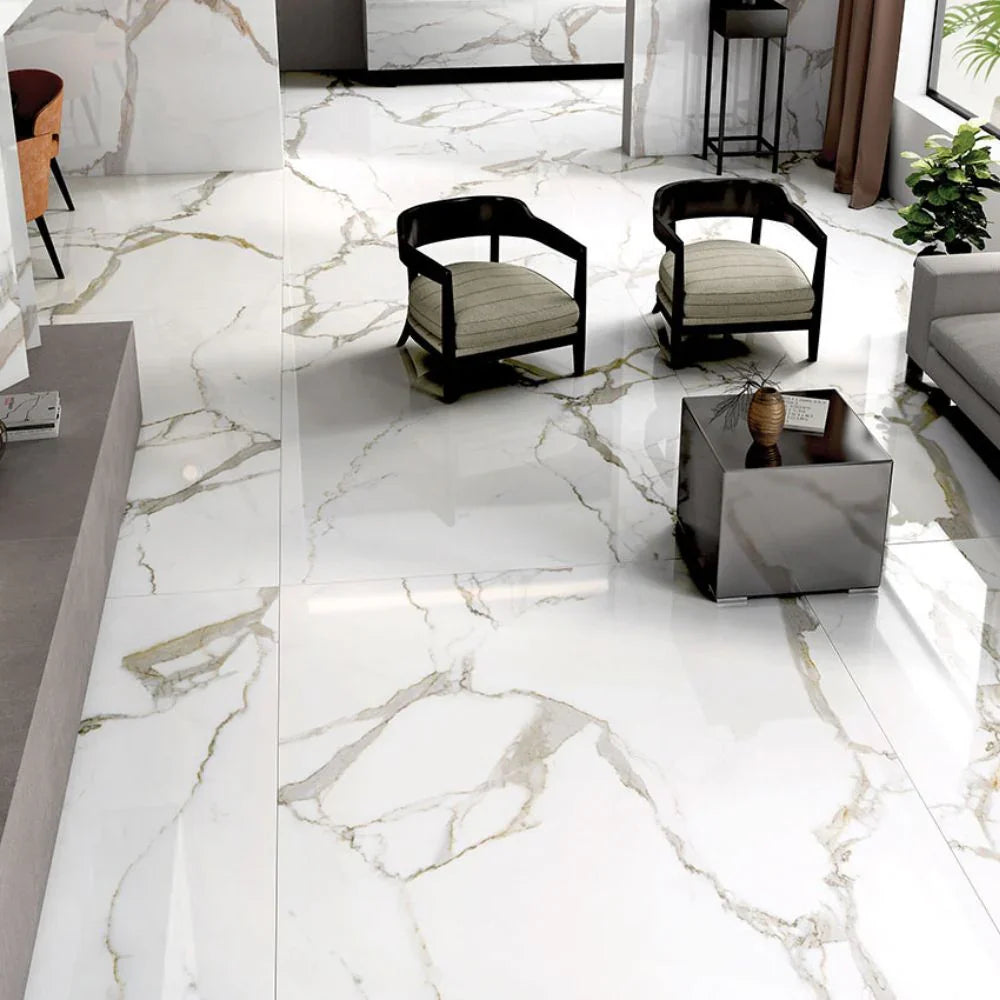
Roman White Marble Polished Porcelain Tile 80 x 80cm
Choose your option
Muiz White Porcelain Tile 60 x 60cm
Choose your option
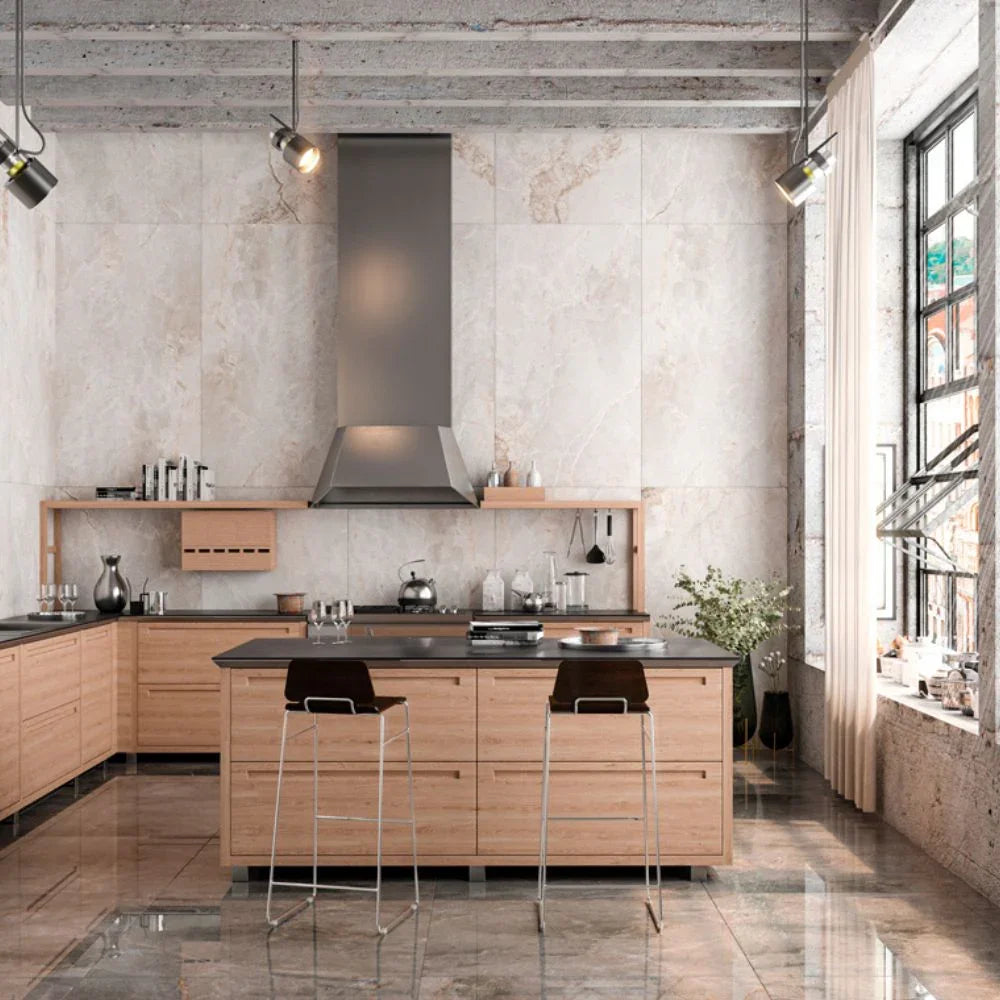
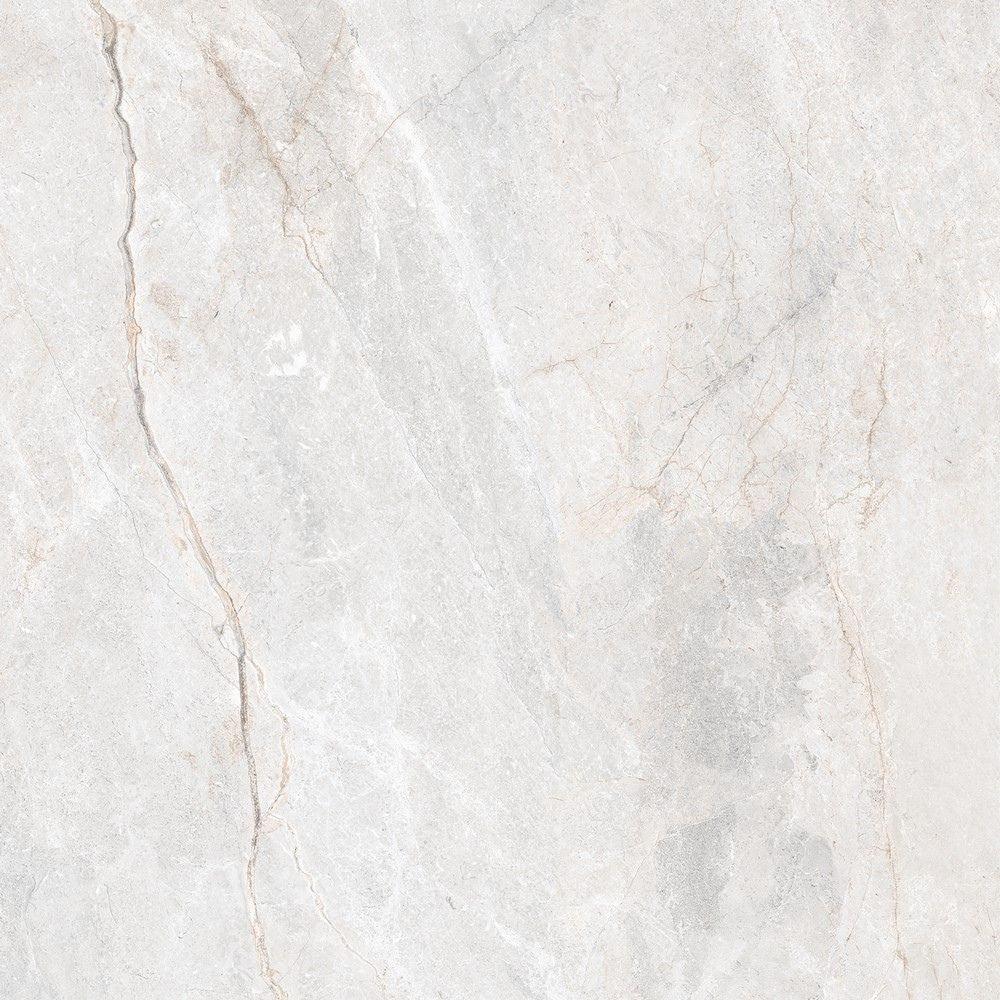
Tuscani Pearl Porcelain Tile
Choose your option
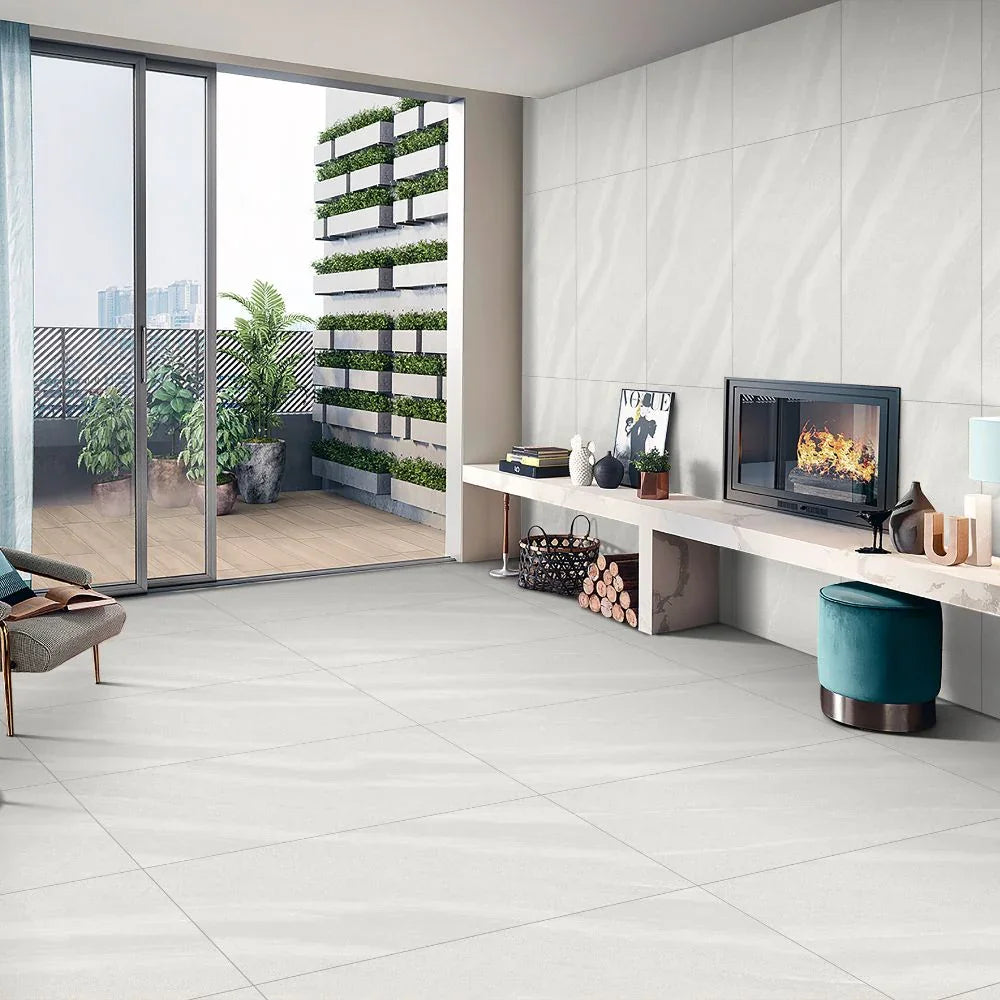
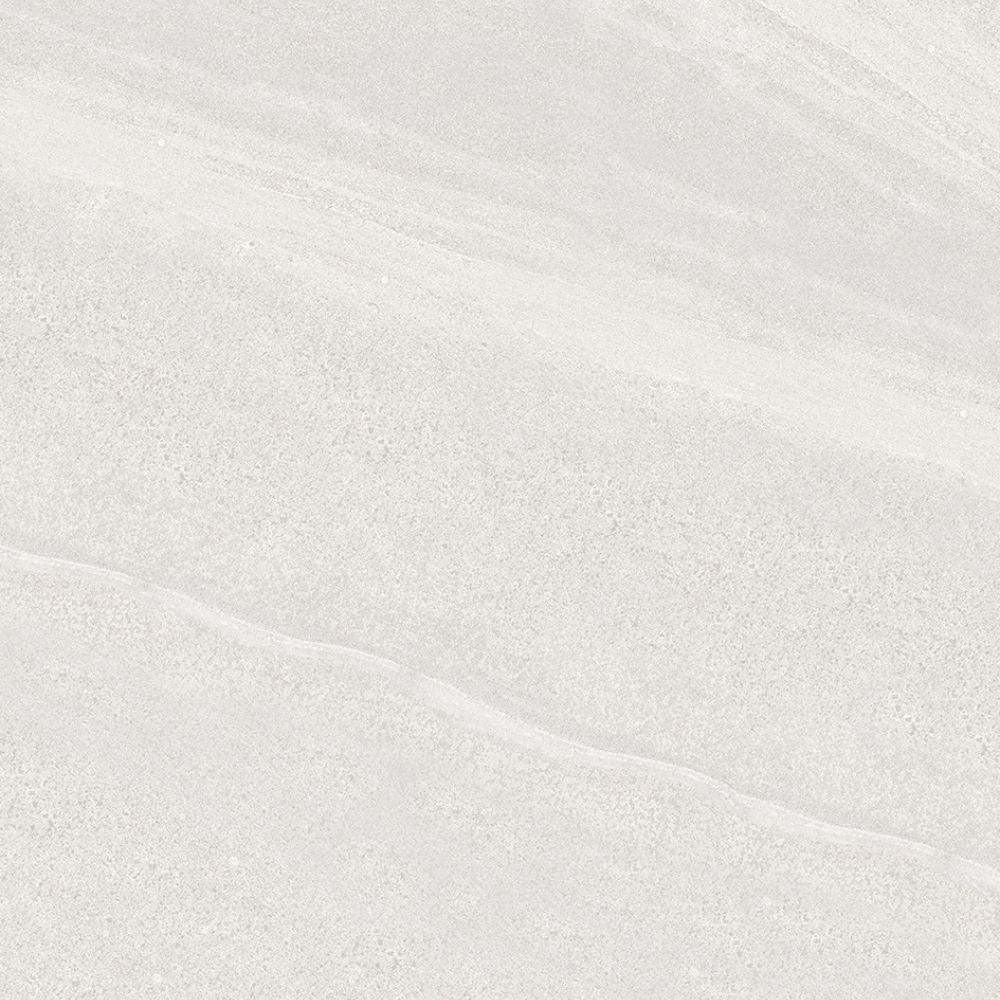
Glow White Sugar Effect Porcelain Tile
Choose your option
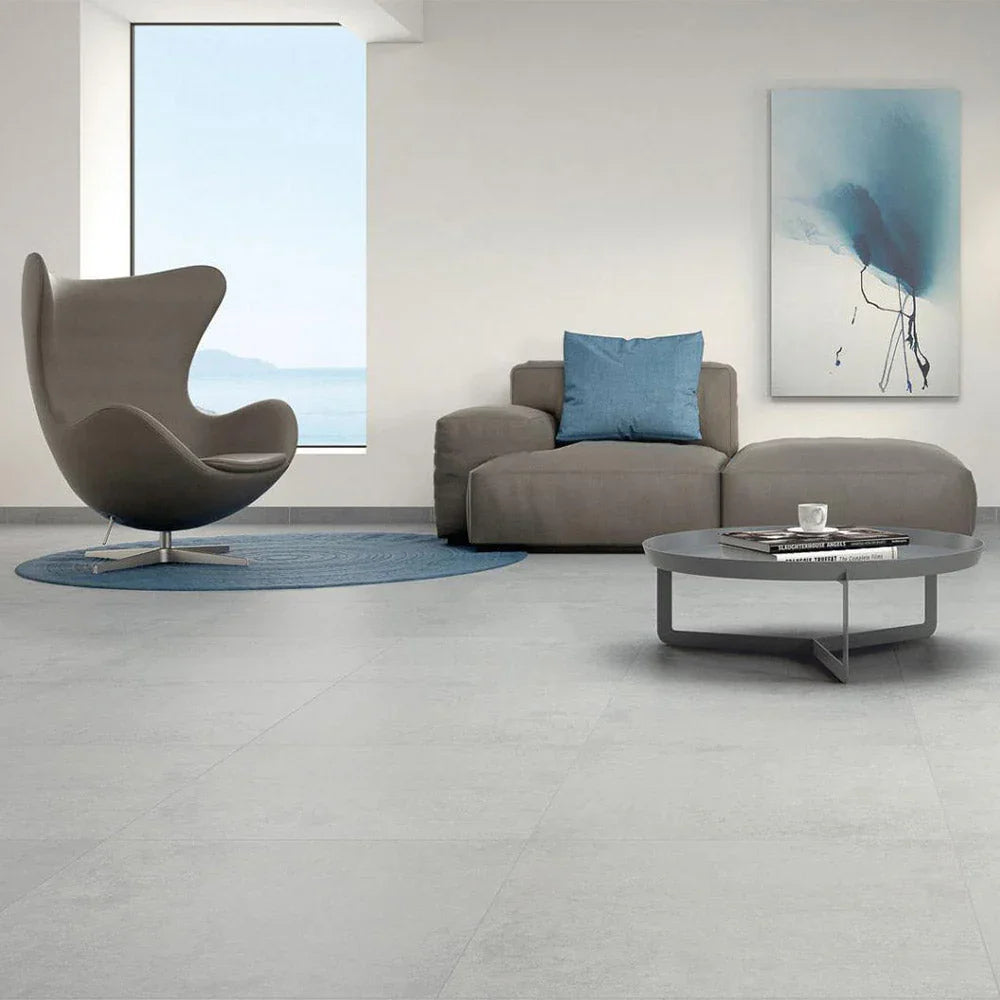
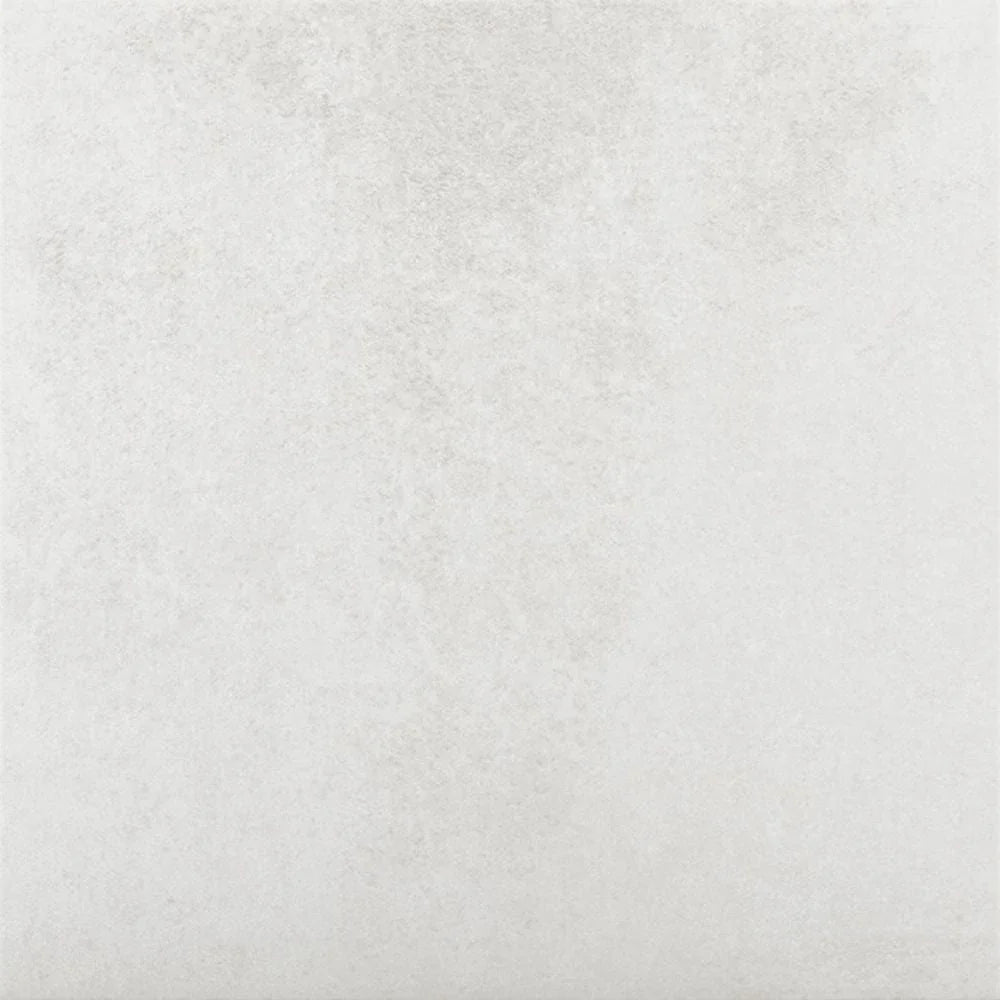
Triumph Riga Pearl Porcelain Tile 60 x 60cm
Choose your option
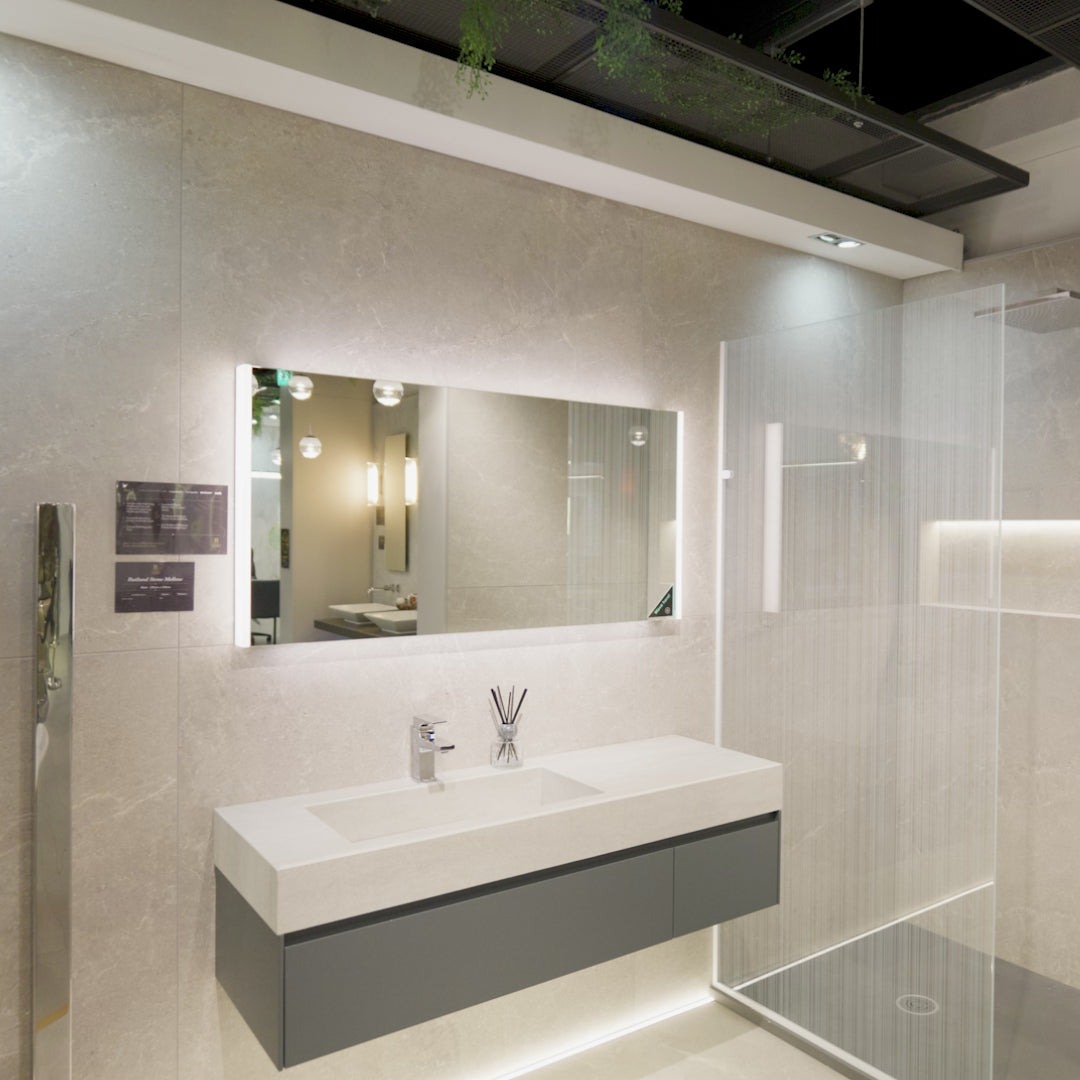
Rutland Stone Mellow Porcelain Tile
Choose your option
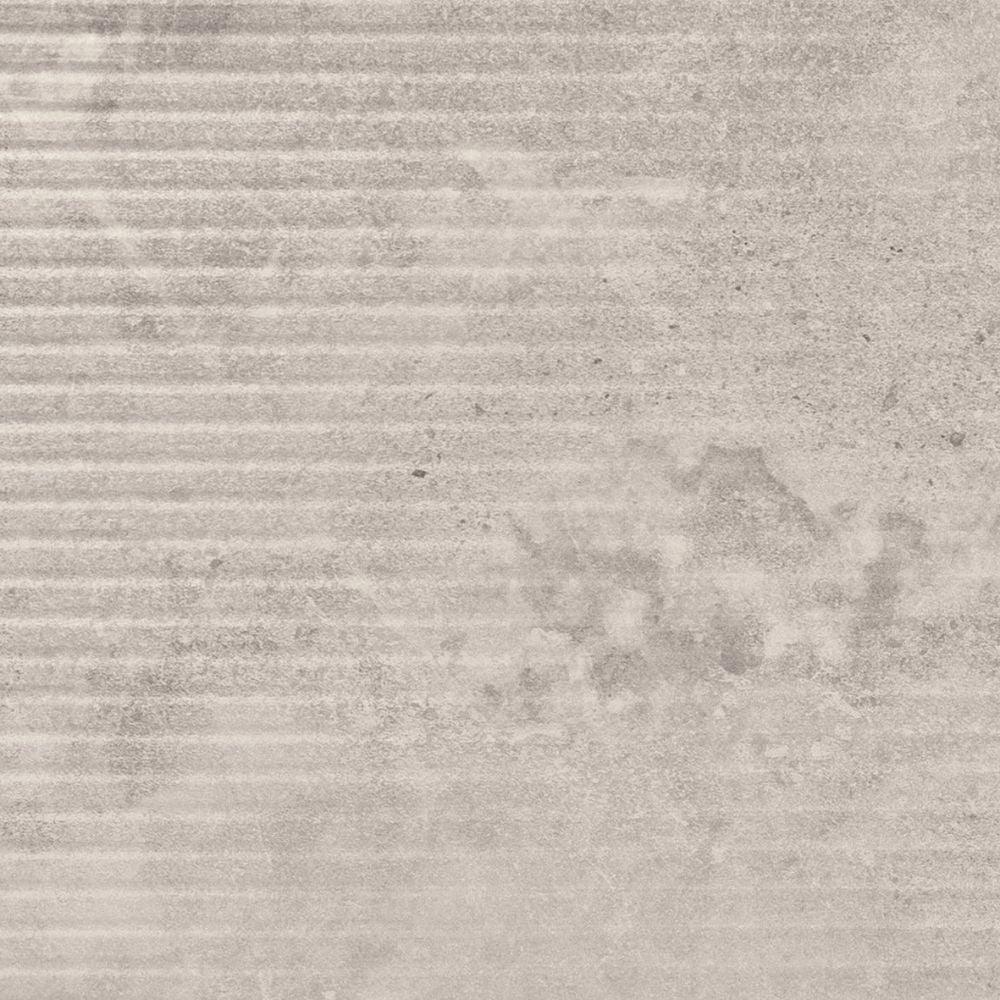
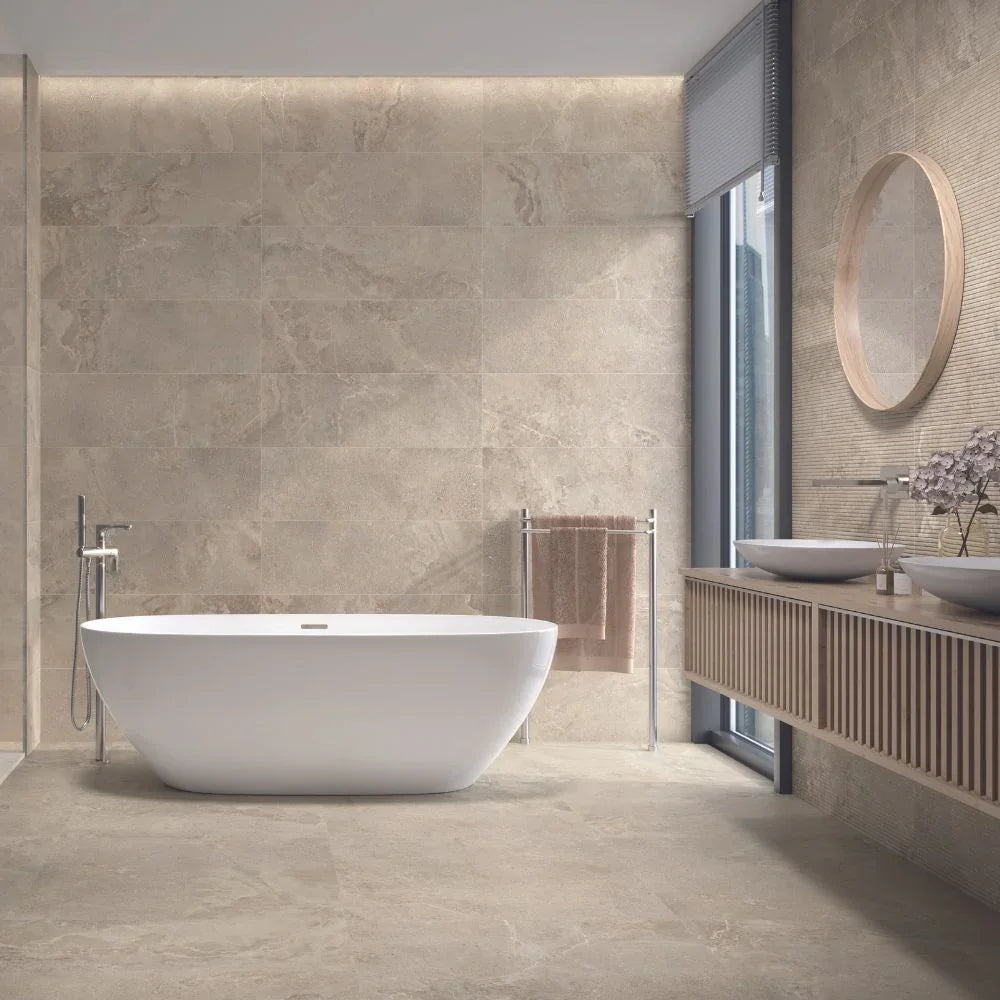
Dorset Bone Decor Wall Tile 30 x 90cm
Choose your option
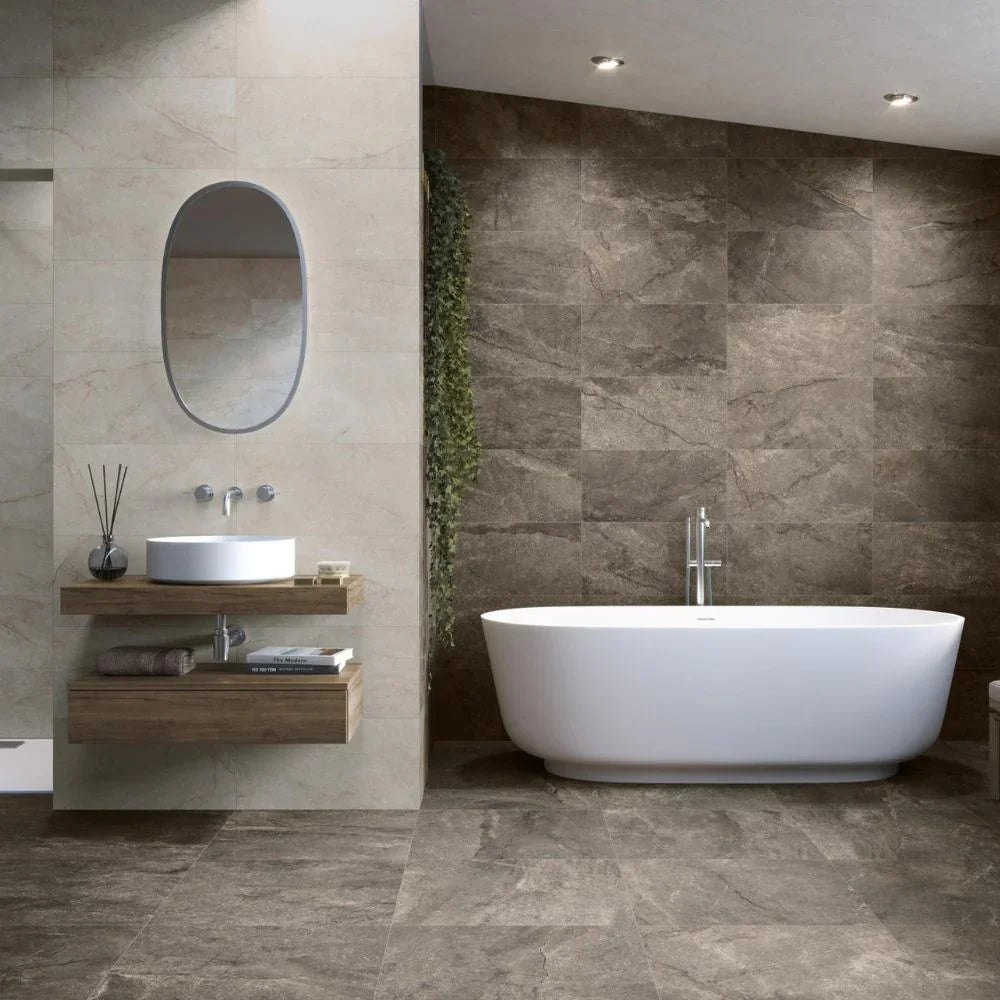
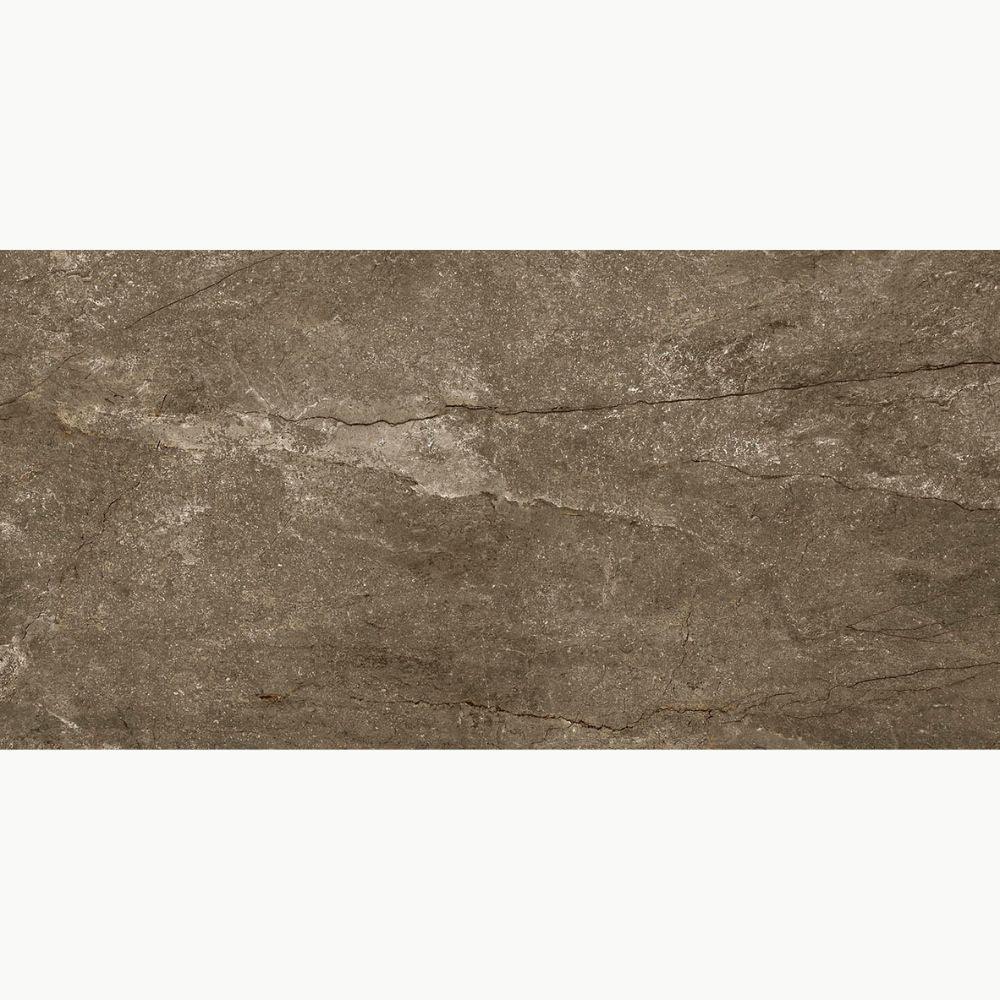
Wembley Moka Porcelain Tile 30 x 60cm
Choose your option
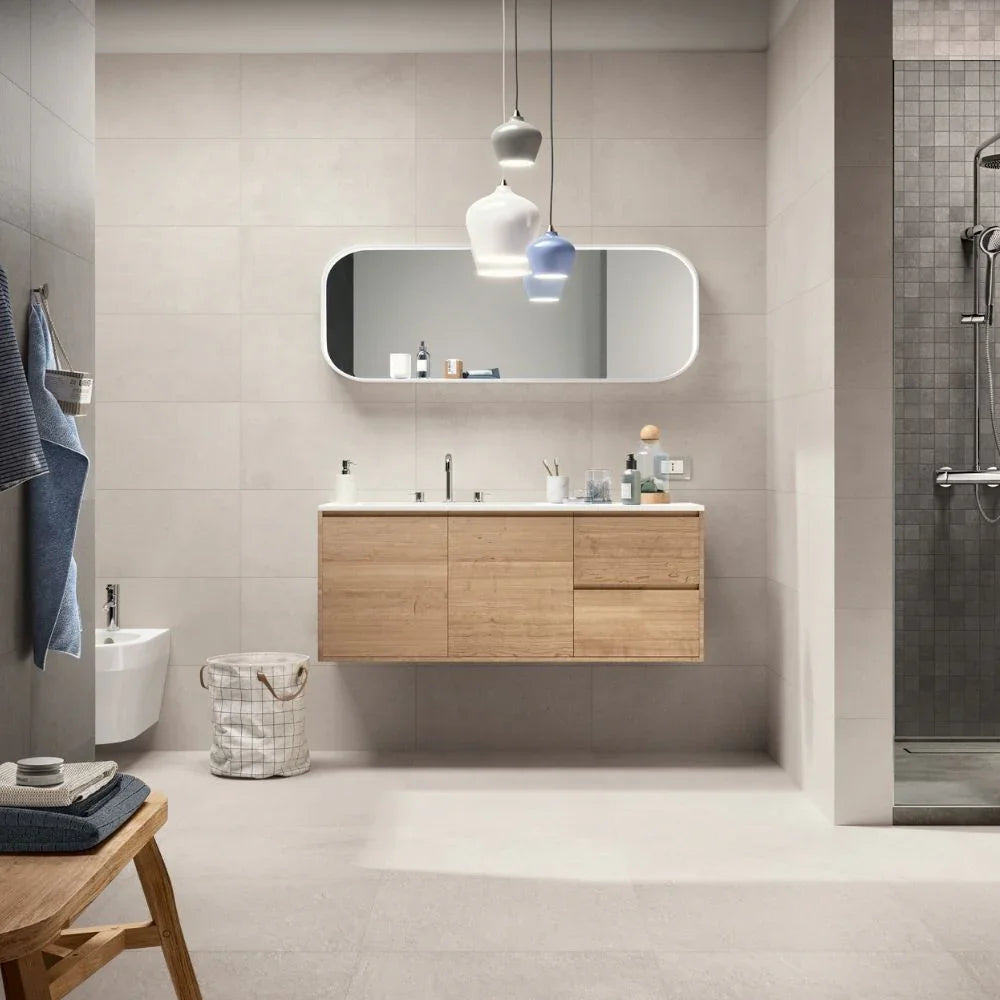
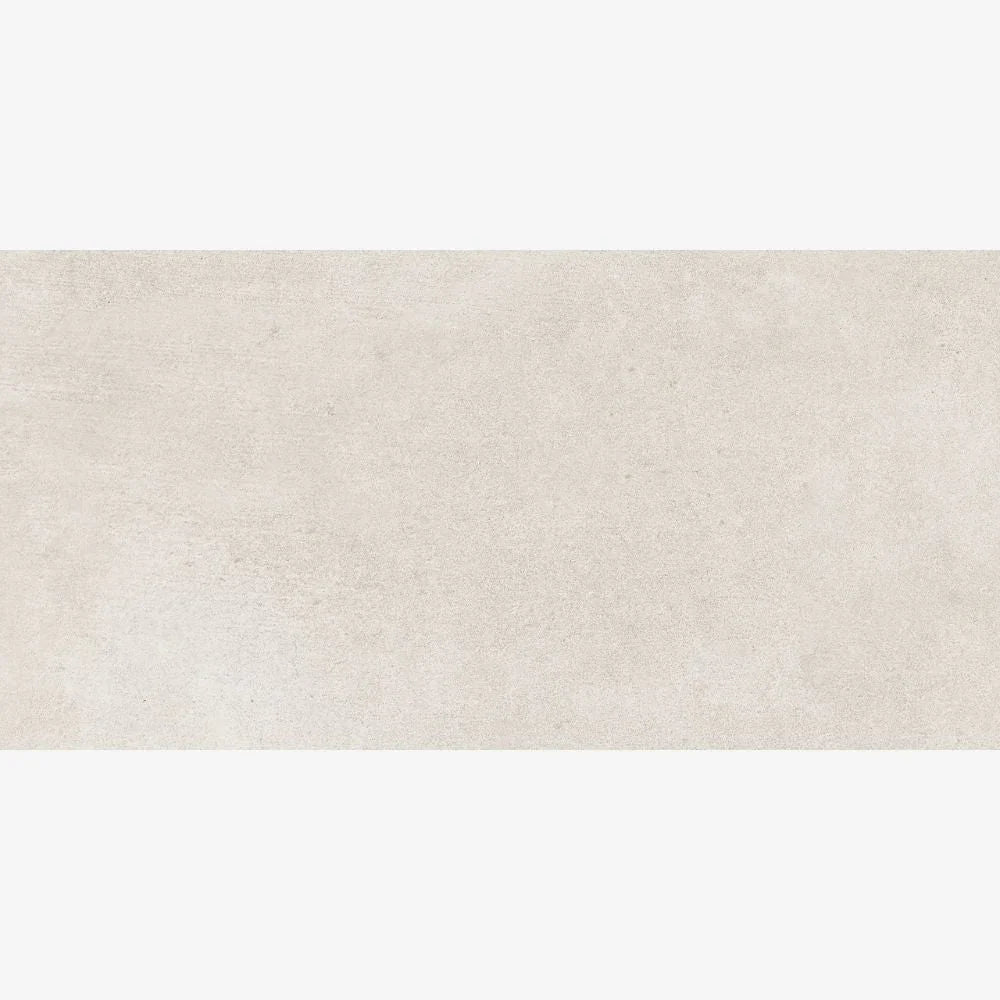
Bergamo Ghiaccio Porcelain Tile 30 x 60cm
Choose your option
Mosa White Porcelain Tile
Choose your option
Paris Smoke Porcelain Tile
Choose your option
Neptune Marble White Porcelain Tile
Choose your option
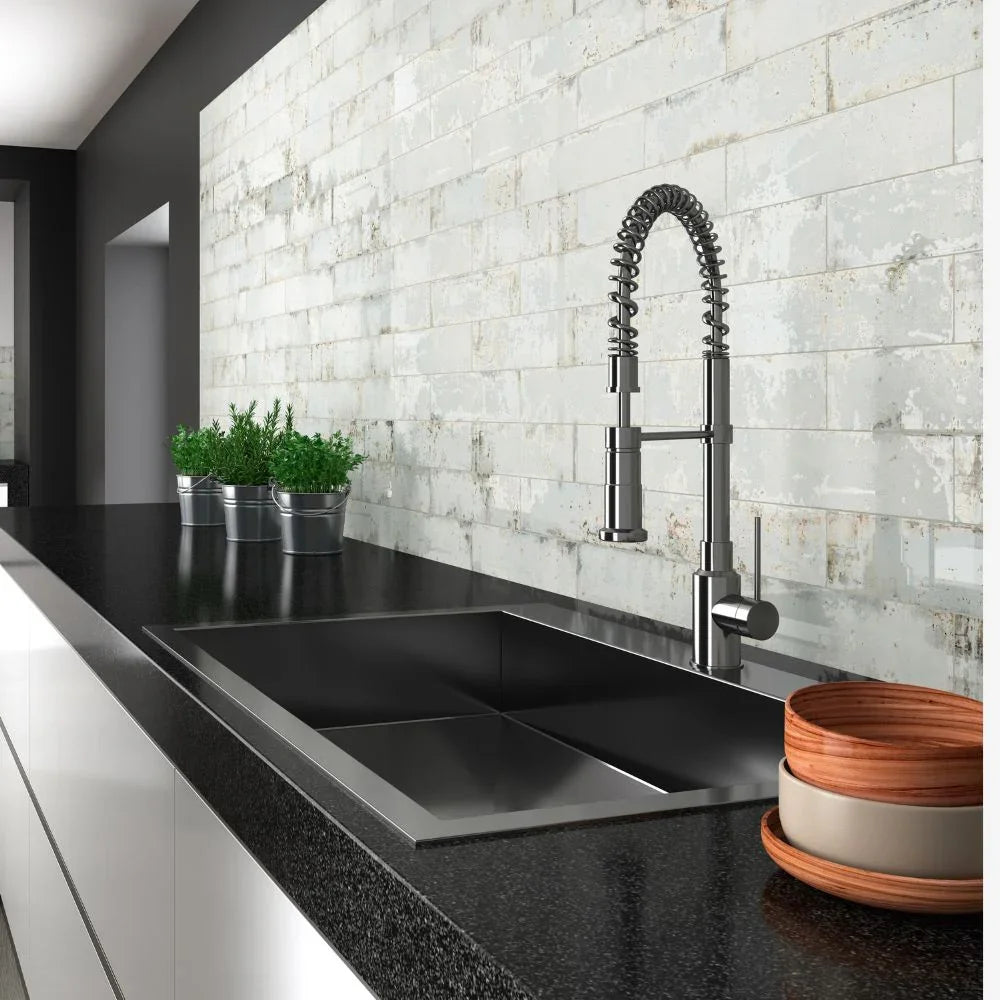
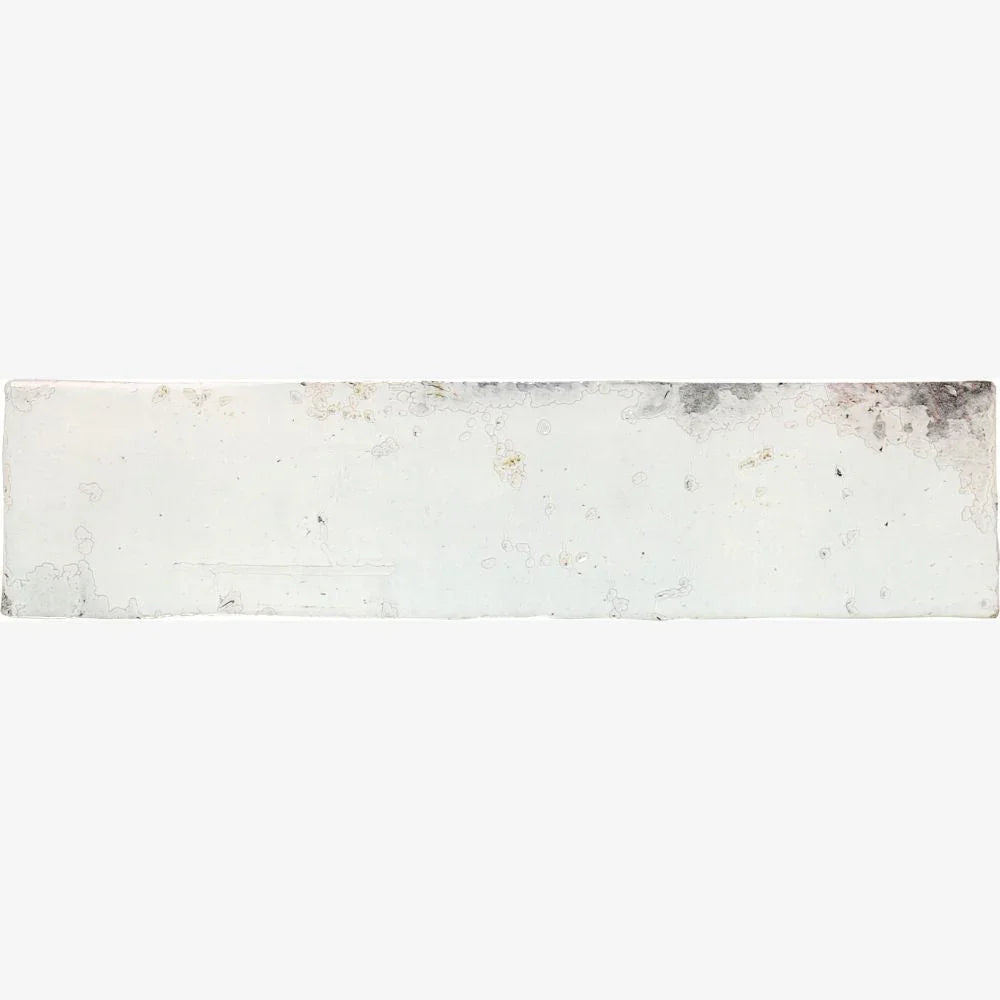
Iron Ore Subway Tile 7.5 x 30cm
Choose your option
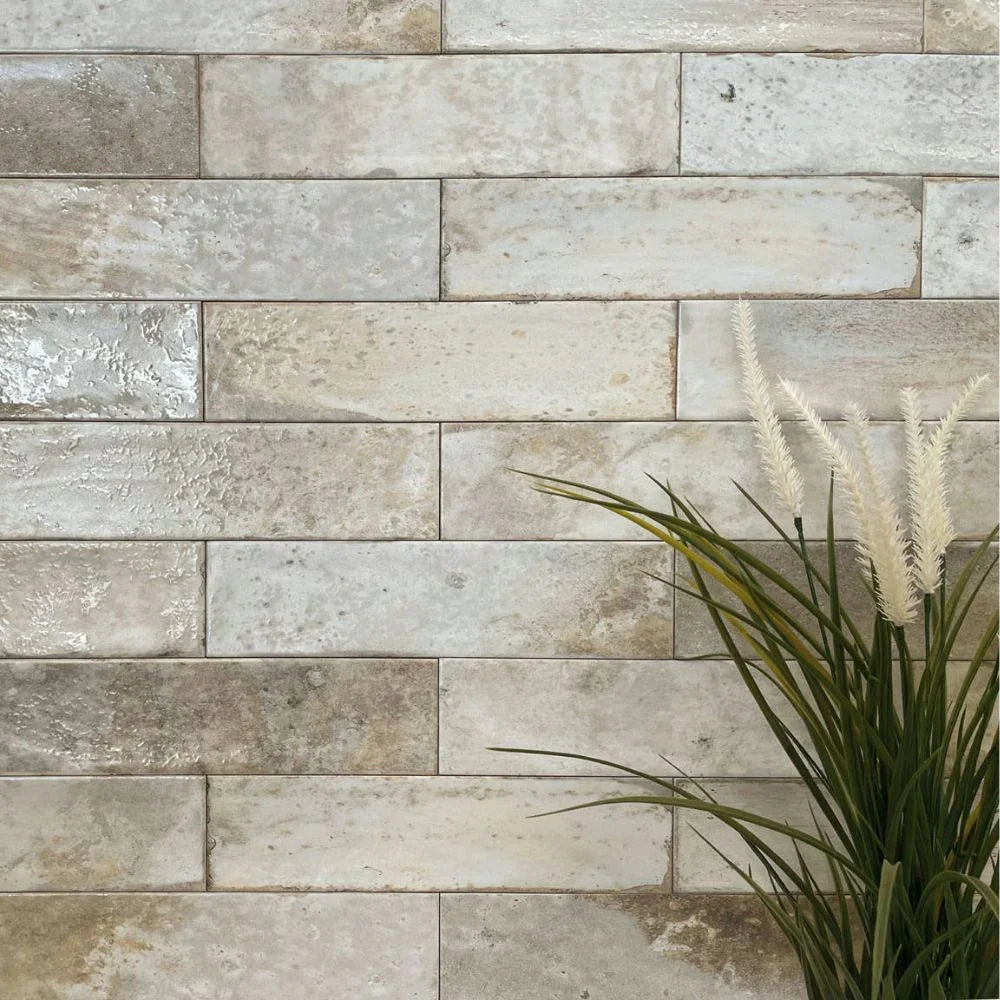
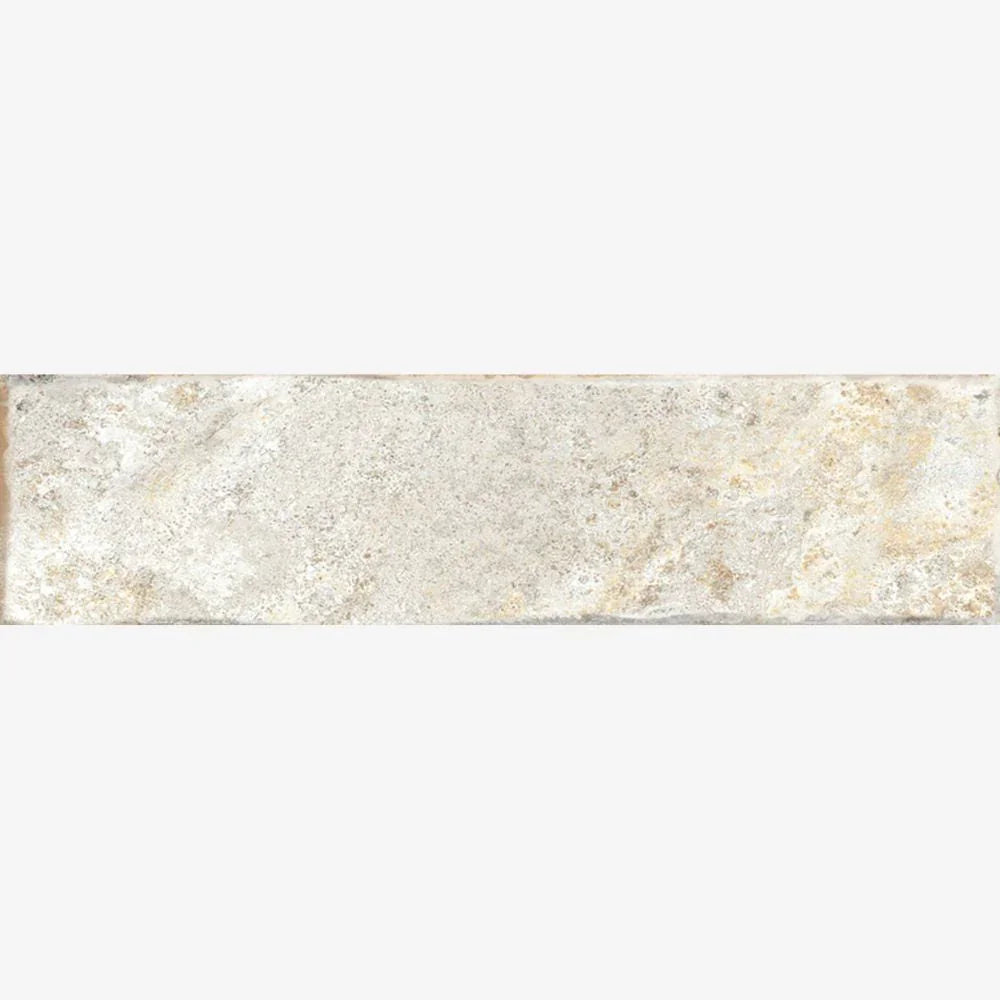
Alpi Beige Subway Tile 7.5 x 30cm
Choose your option
Dorset Bone Porcelain Tile 80 x 80cm
Choose your option
Muiz White Porcelain Tile 60 x 60cm
Choose your option
Treniz Mint Porcelain Tile
Choose your option
Paris Smoke Porcelain Tile
Choose your option
Neptune Marble White Porcelain Tile
Choose your option
Roman White Marble Polished Porcelain Tile 80 x 80cm
Choose your option
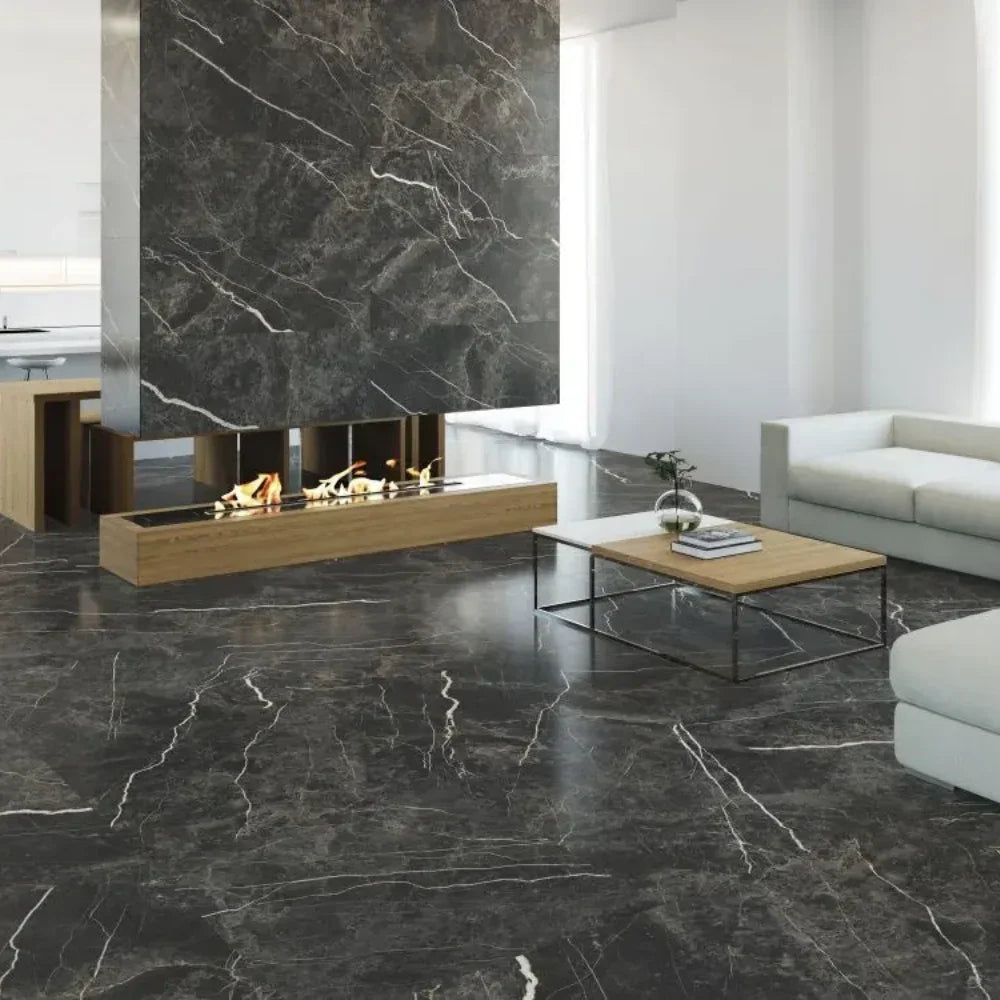
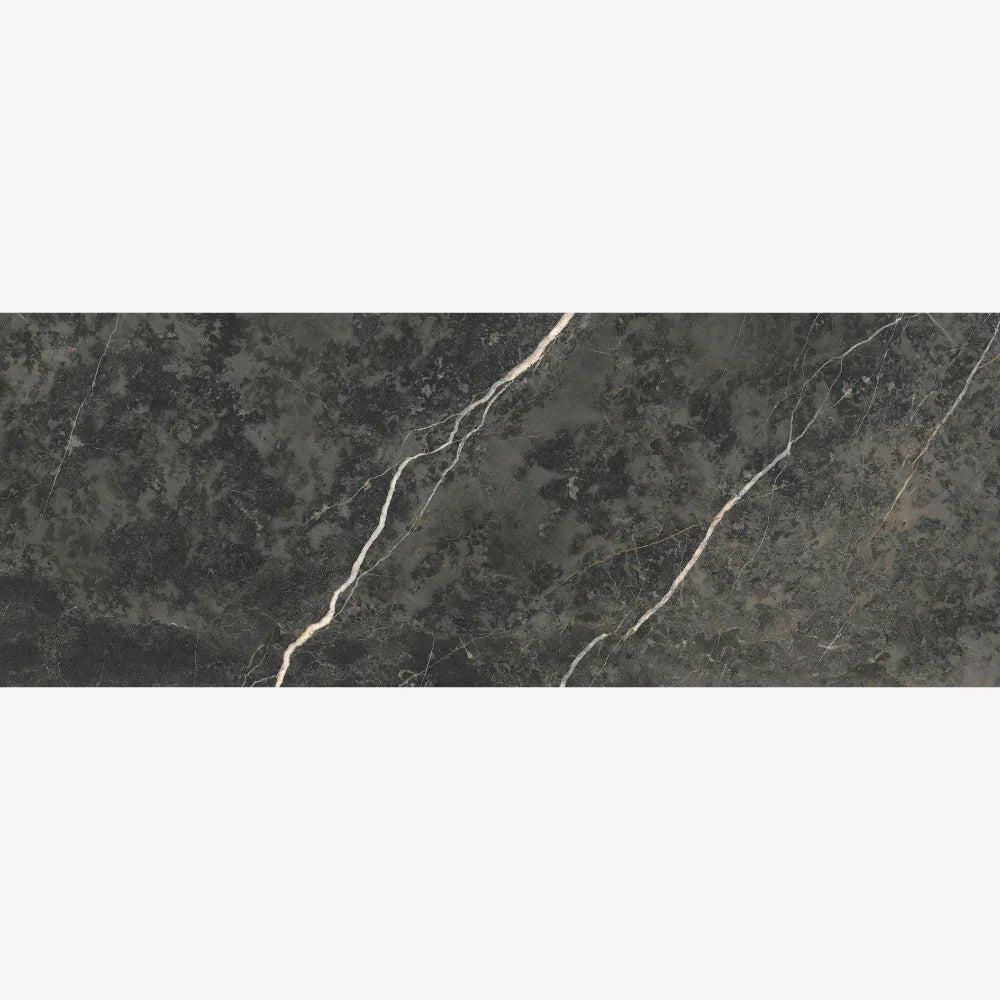
Charming Black Marble Porcelain Tile 90 x 90cm
Choose your option
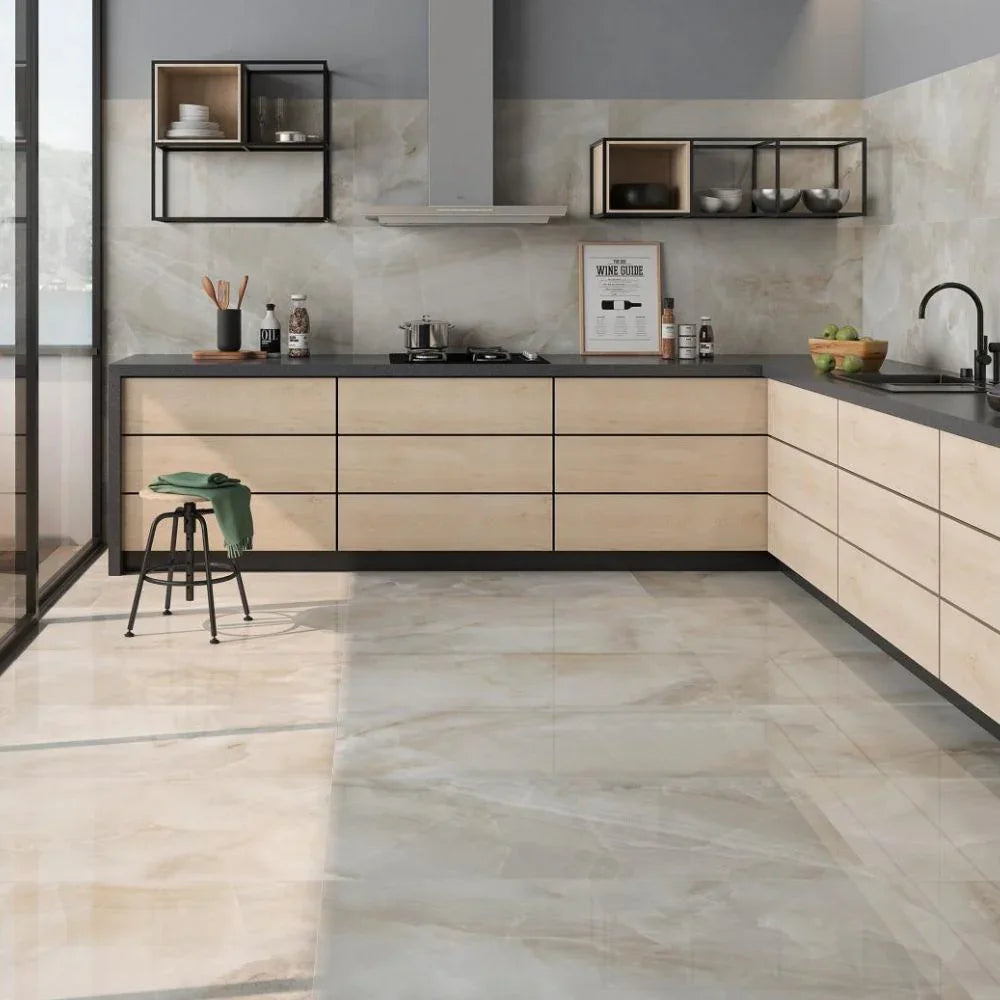
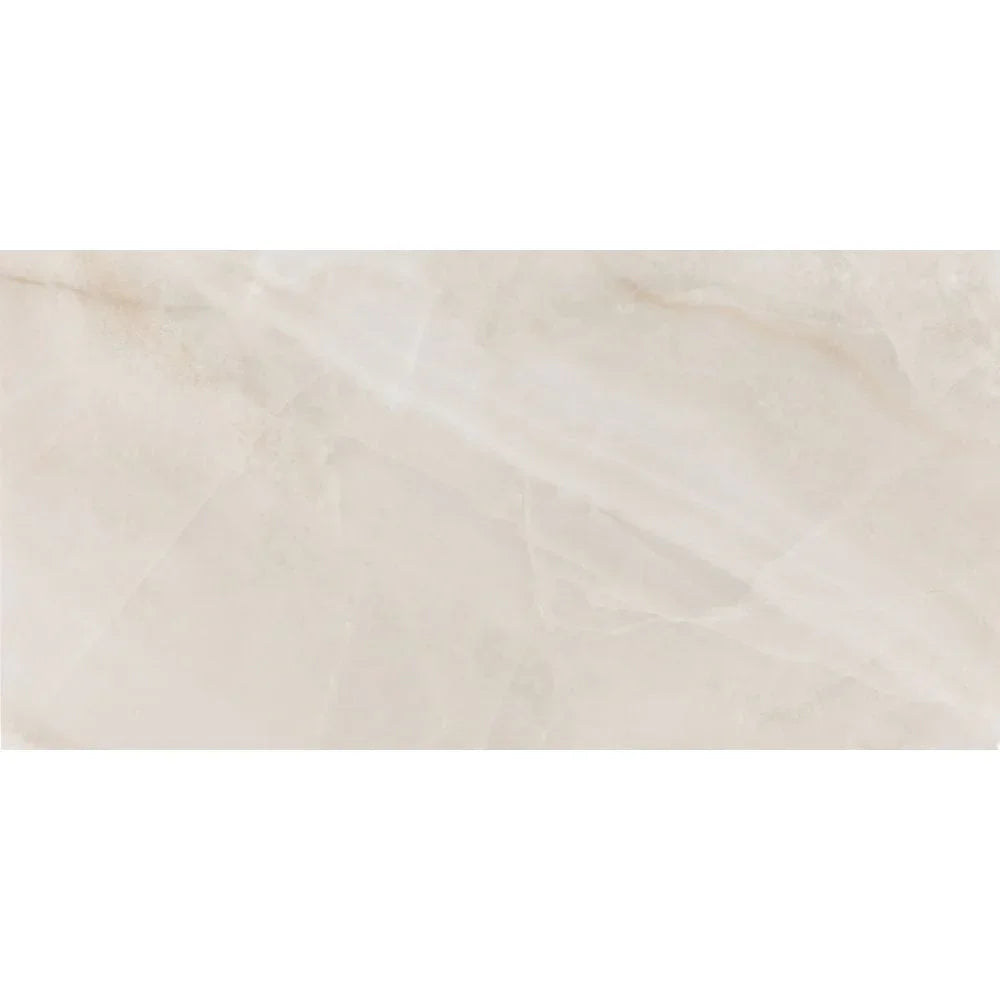
Nichet Beige Porcelain Tile 60 x 120cm
Choose your option
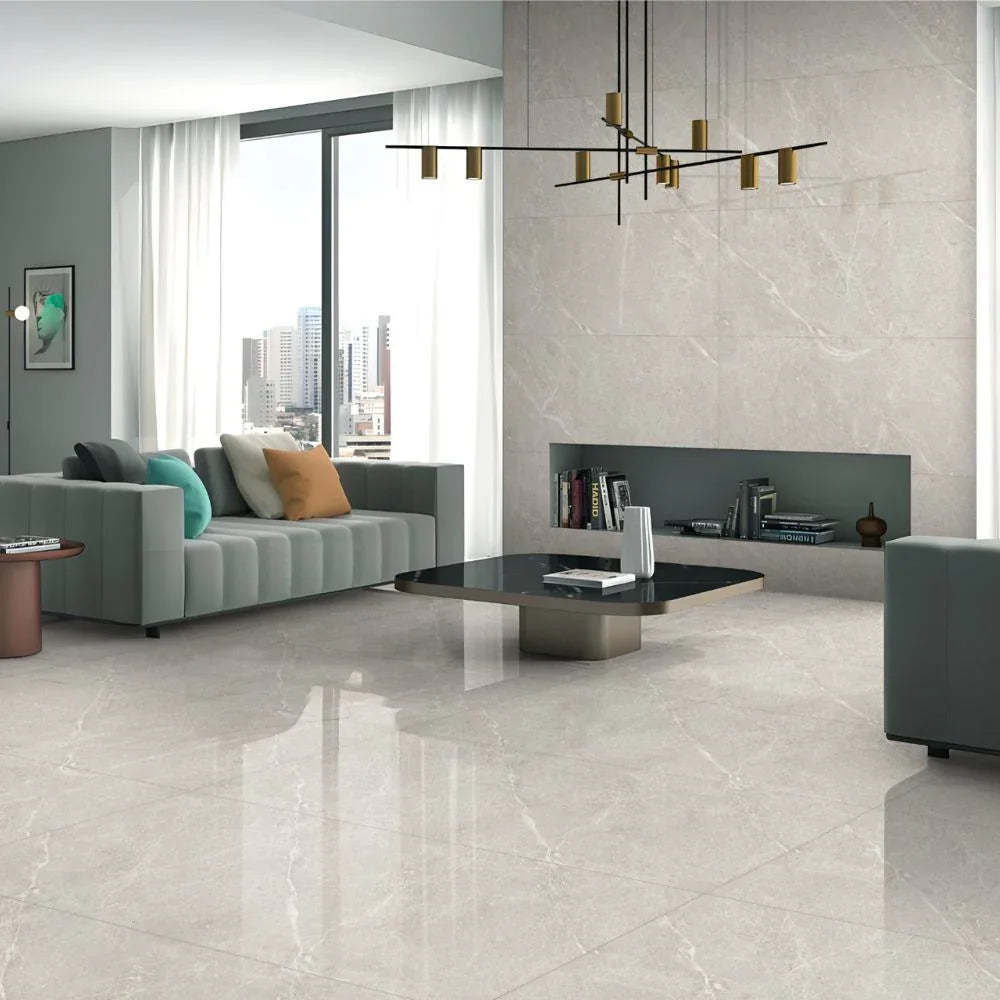
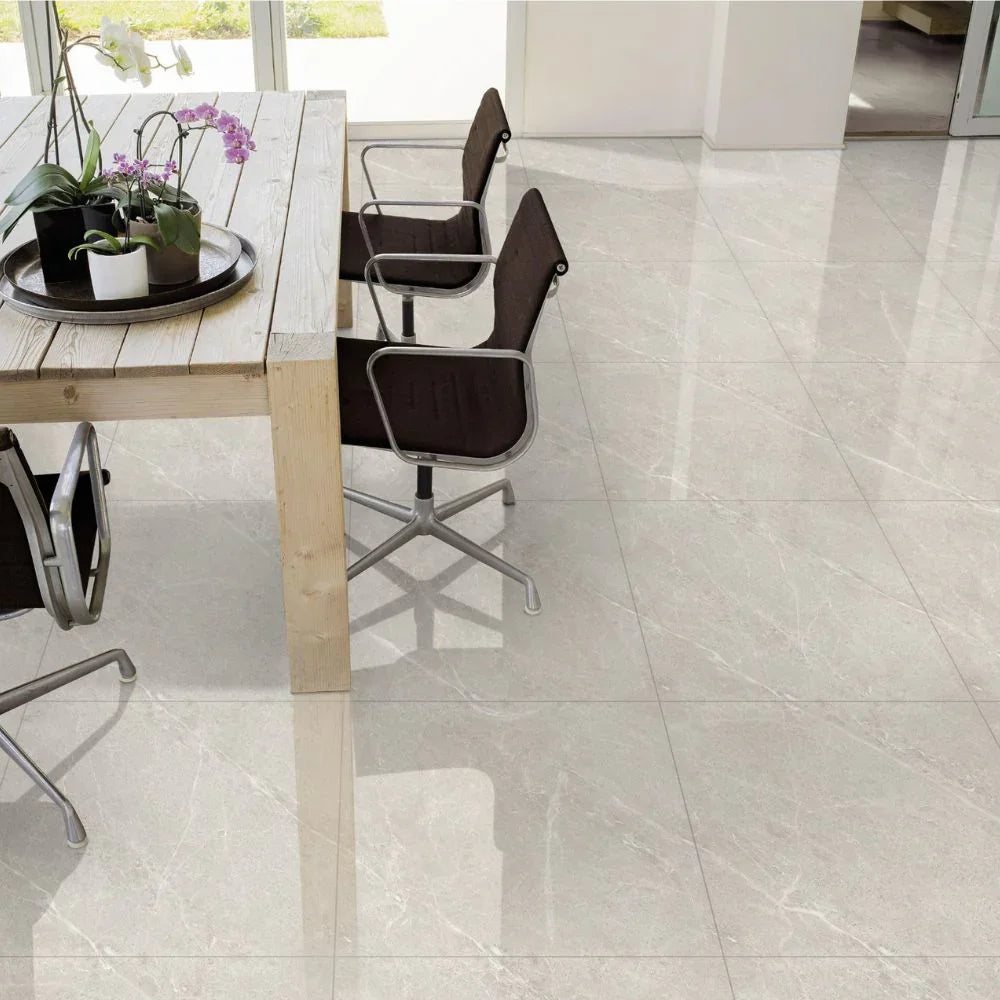
Alcantras Marble Porcelain Tile 60 x 60cm
Choose your option
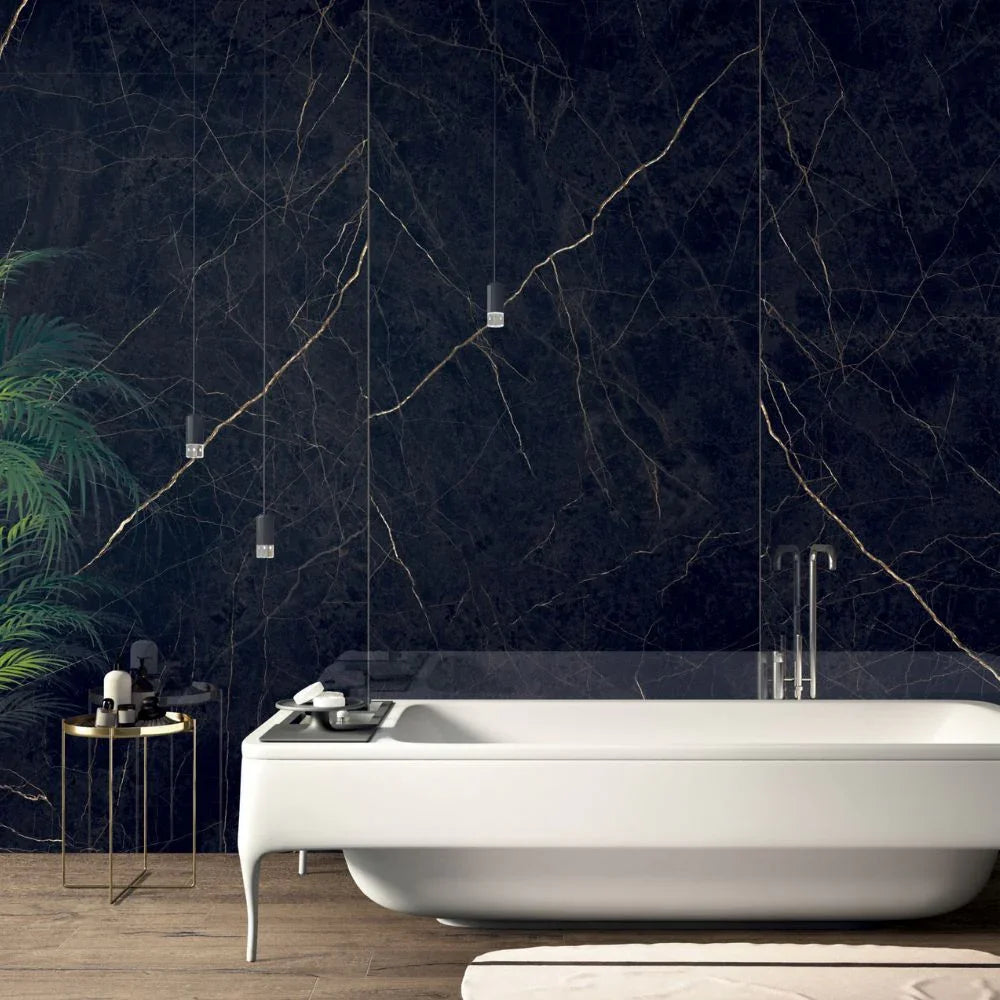
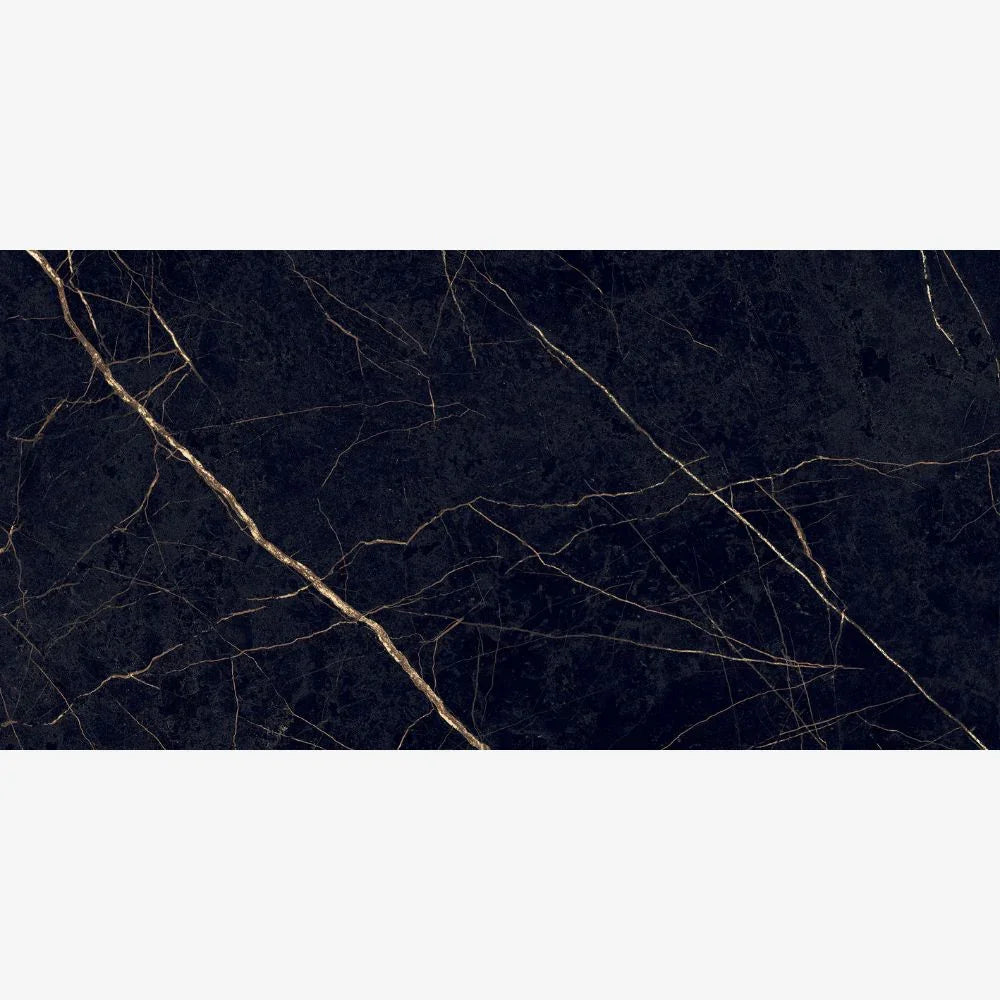
Evolvere Black / Gold Porcelain Tile 60 x 120cm
Choose your option
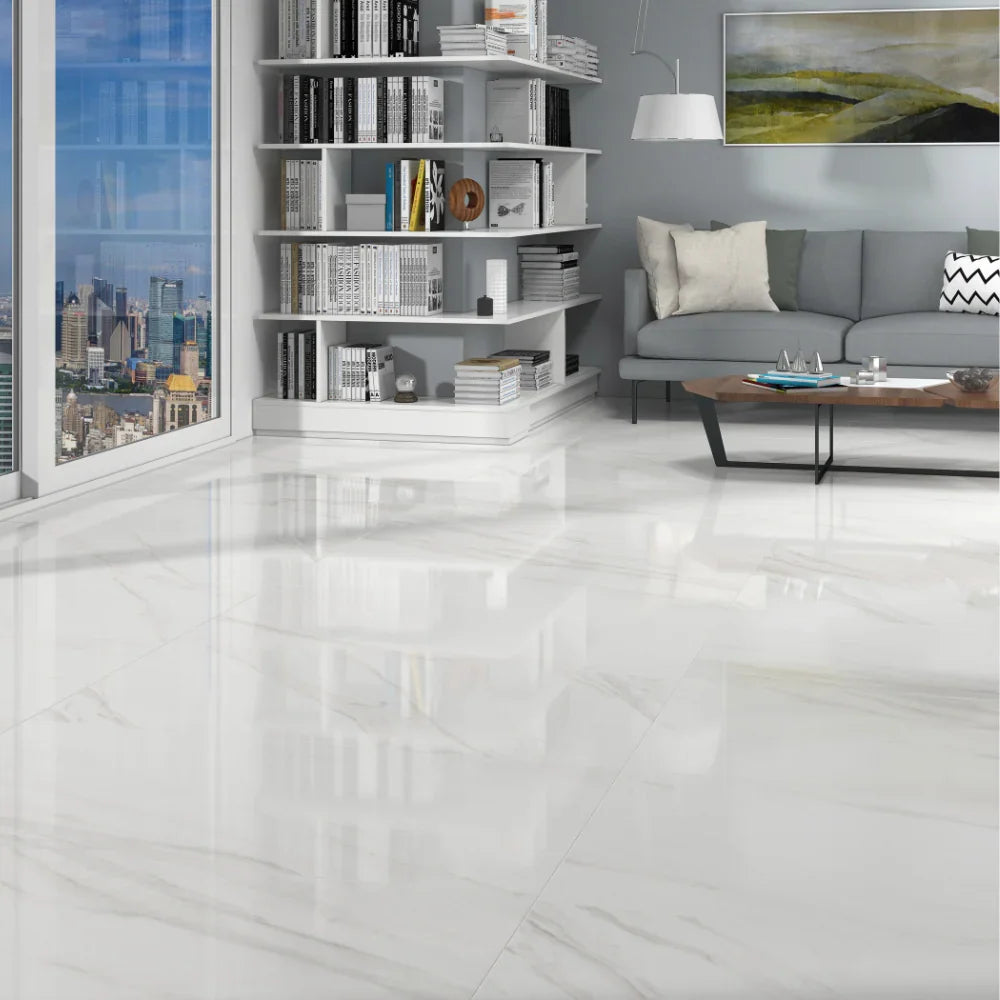
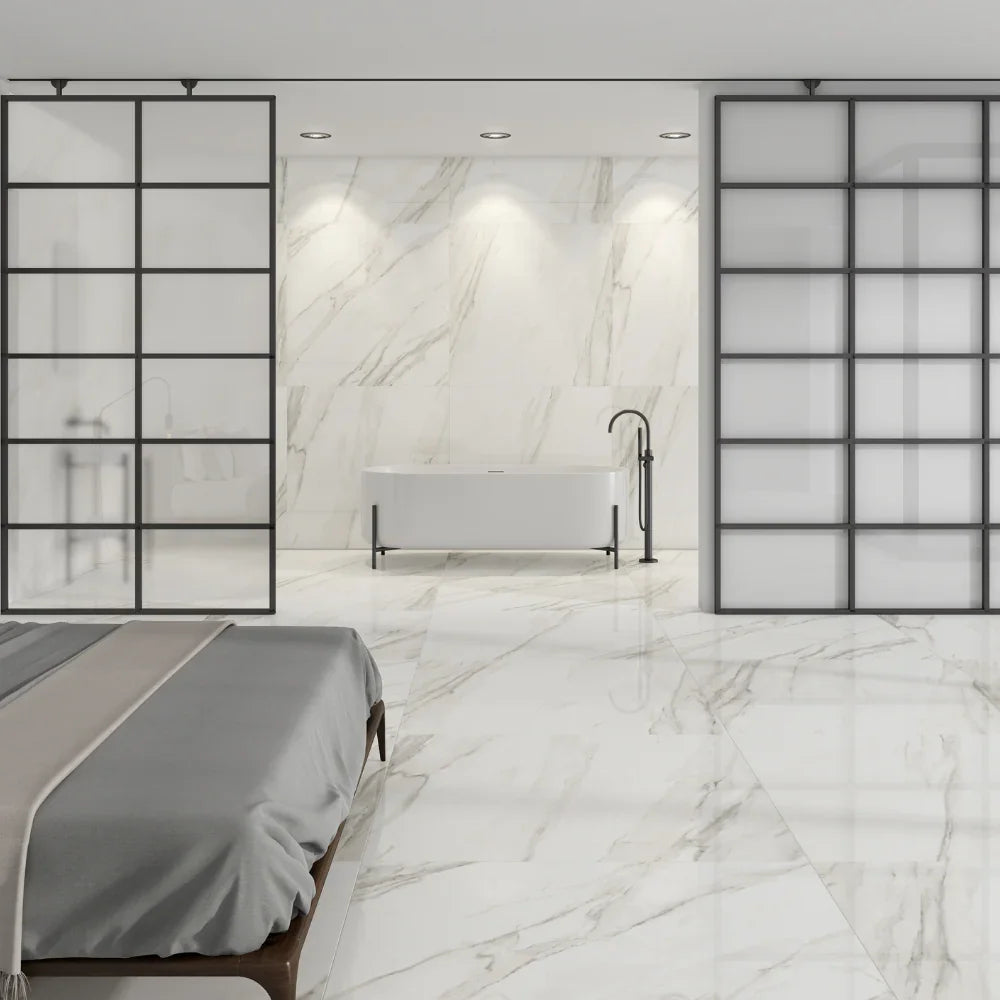
Calacata Mechida White Marble Porcelain Tile
Choose your option
Mosa White Porcelain Tile
Choose your option
Paris Smoke Porcelain Tile
Choose your option
Neptune Marble White Porcelain Tile
Choose your option
Dorset Bone Porcelain Tile 80 x 80cm
Choose your option
Treniz Mint Porcelain Tile
Choose your option
Roman White Marble Polished Porcelain Tile 80 x 80cm
Choose your option

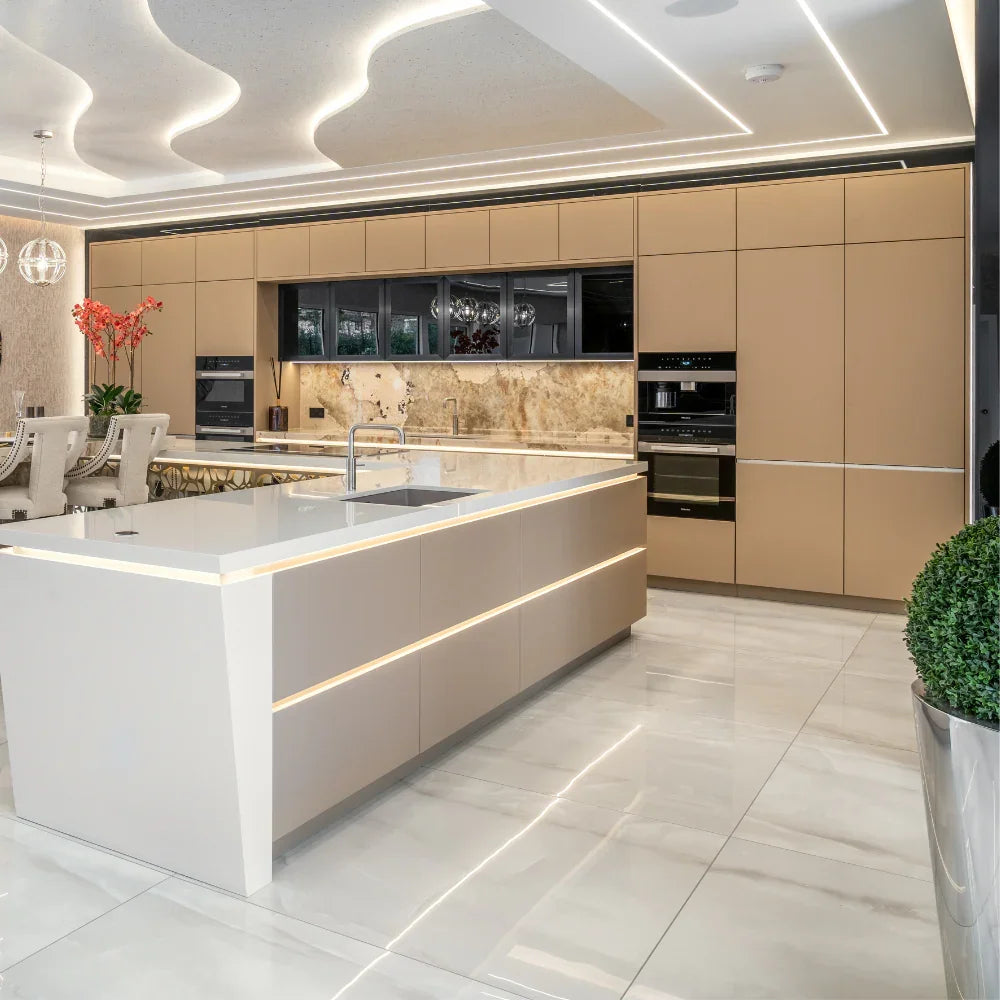
Madre White Porcelain Tile
Choose your option
Tuscani Pearl Porcelain Tile
Choose your option
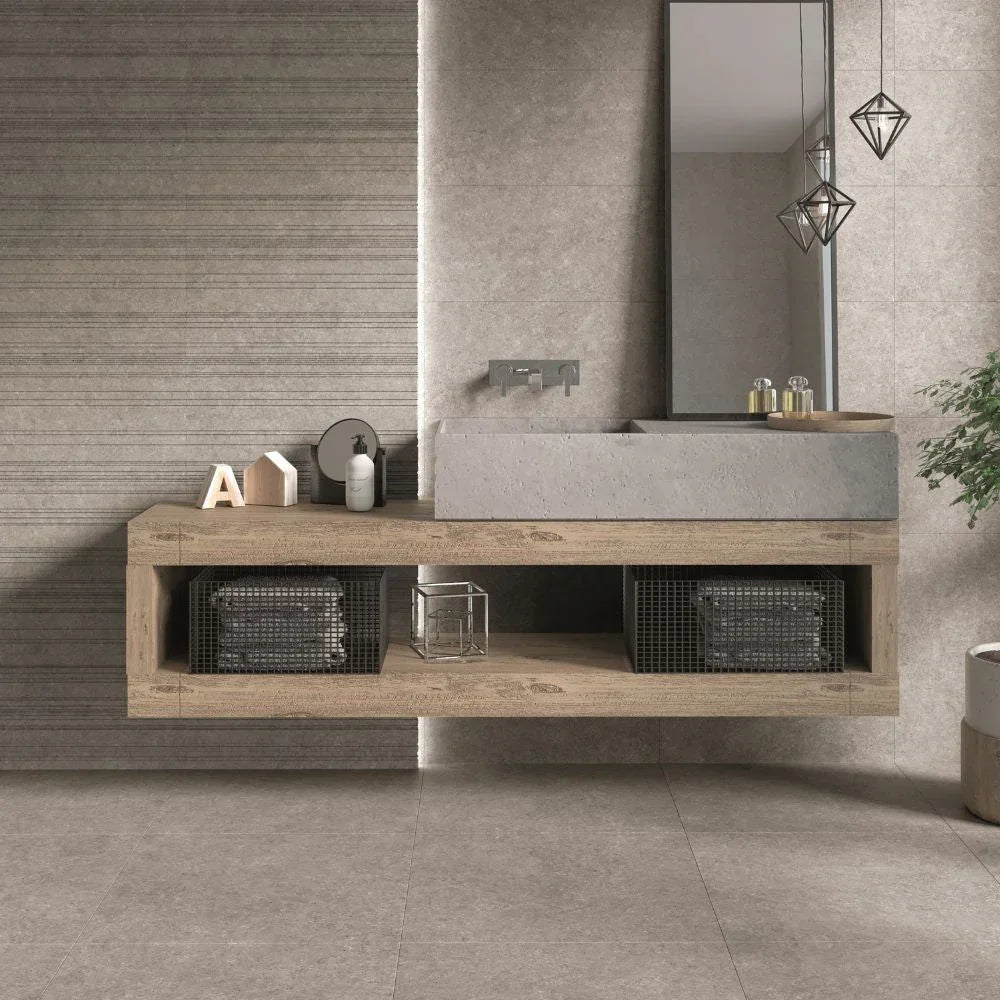
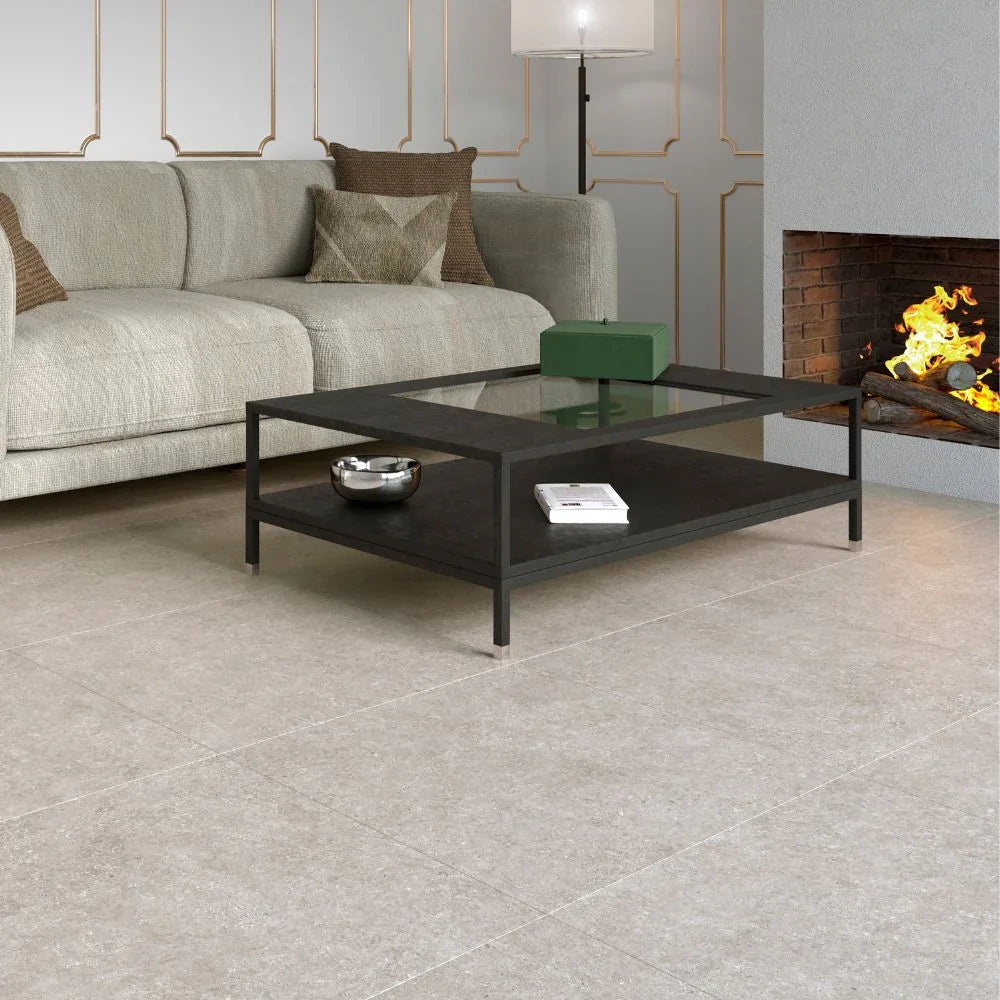
Townhall Taupe Porcelain Tile 30 x 60cm
Choose your option
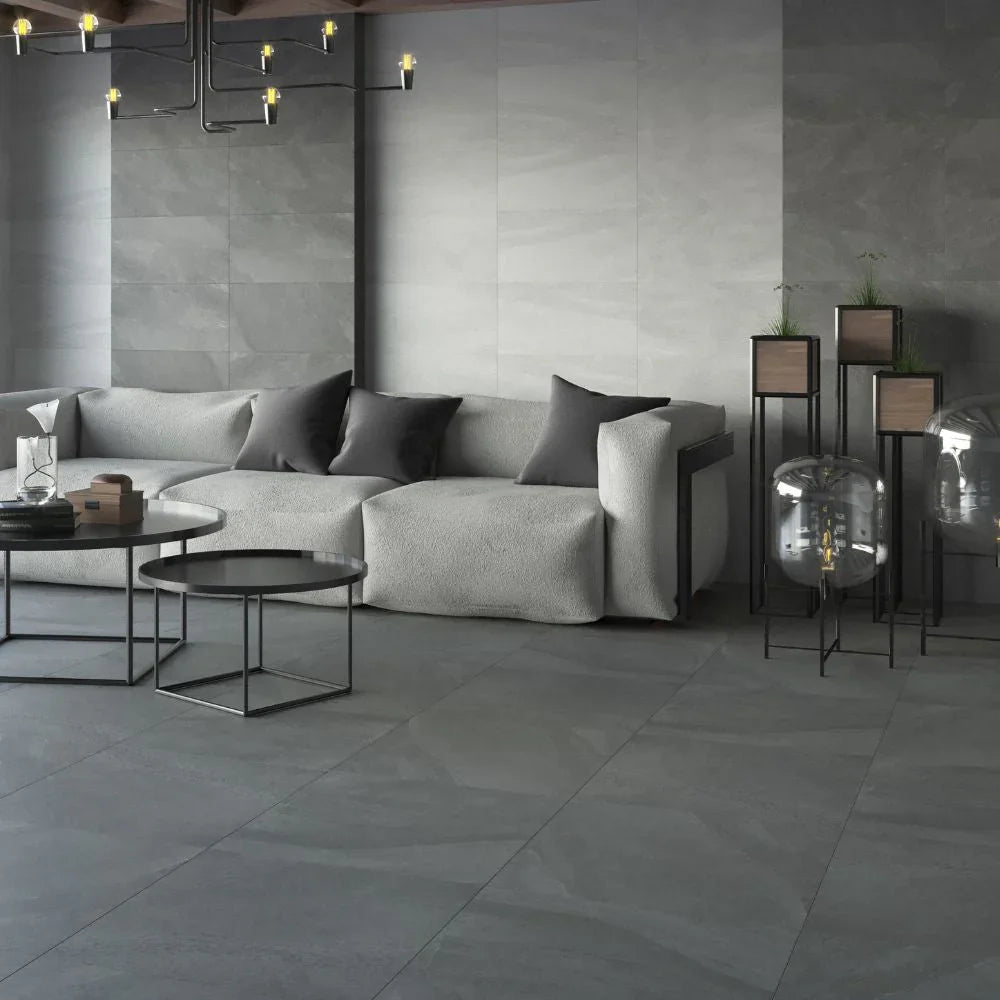
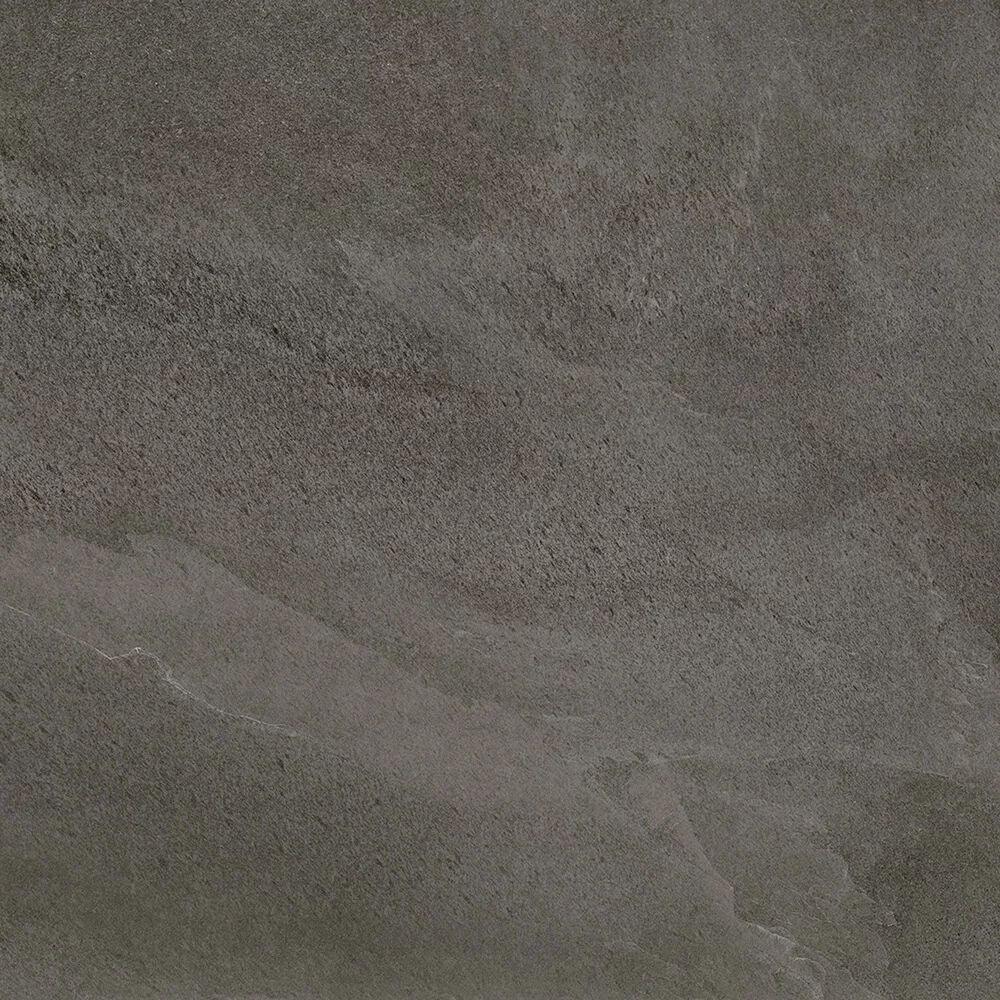
Muiz Dark Grey Porcelain Tile 60 x 60cm
Choose your option
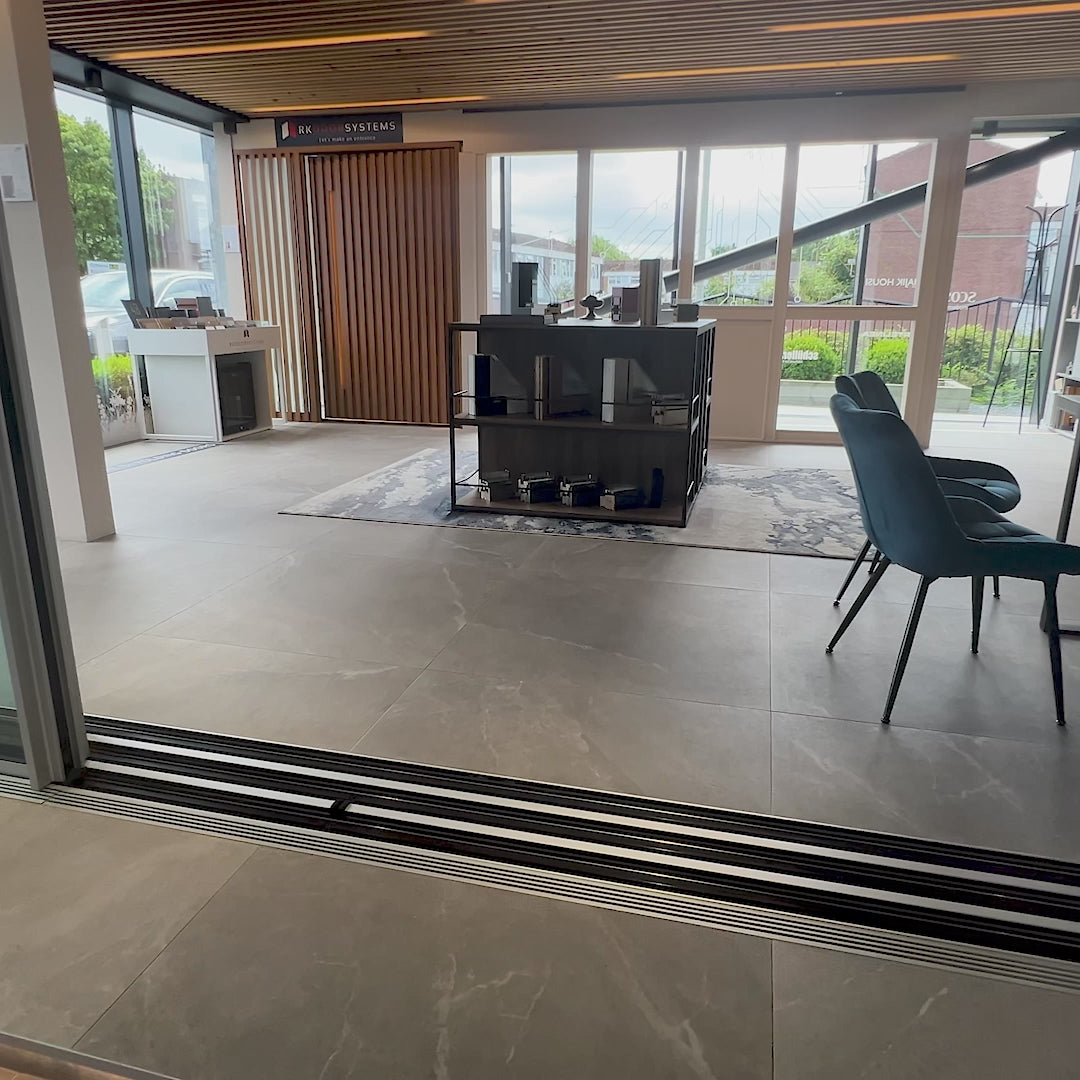
Baccoi Grey Porcelain Tile 100 x 100cm
Choose your option
Arch-Tech Grey Porcelain Tile 120 x 120cm
Choose your option
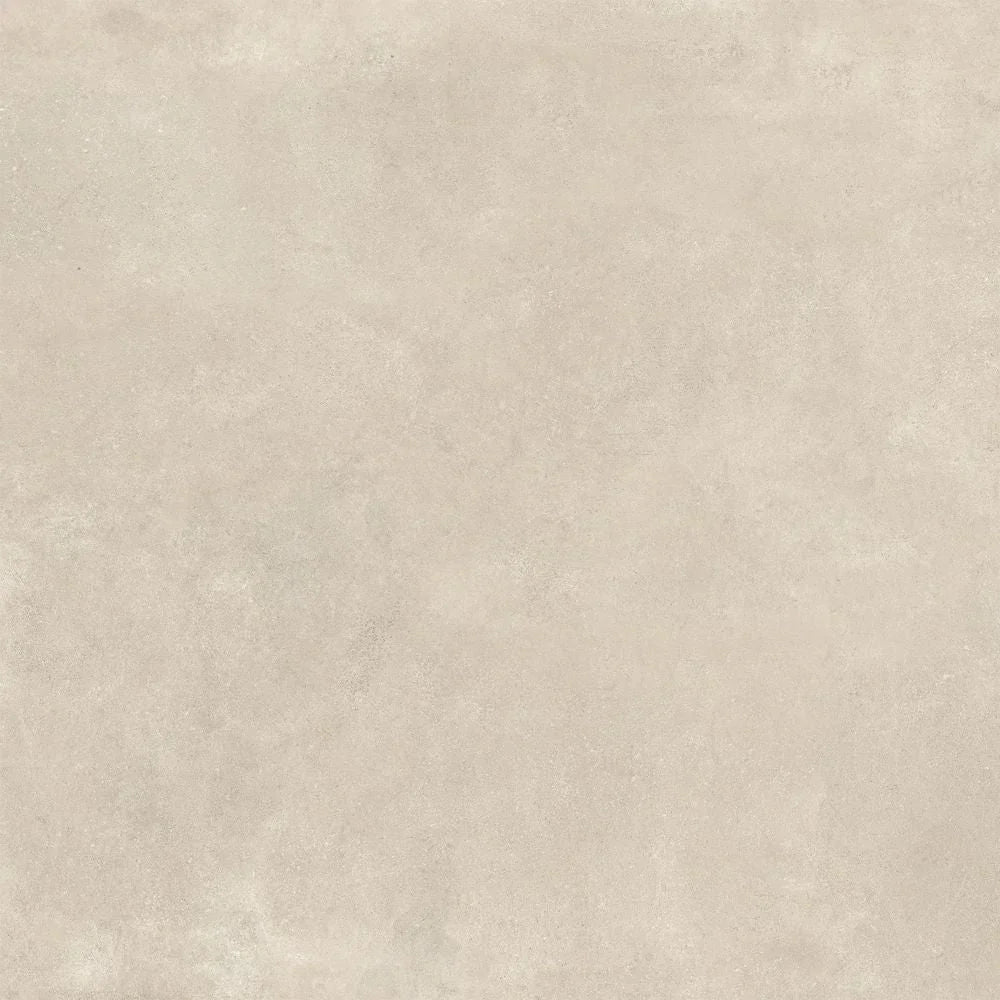
Arch-Tech Sand Porcelain Tile 120 x 120cm
Choose your option
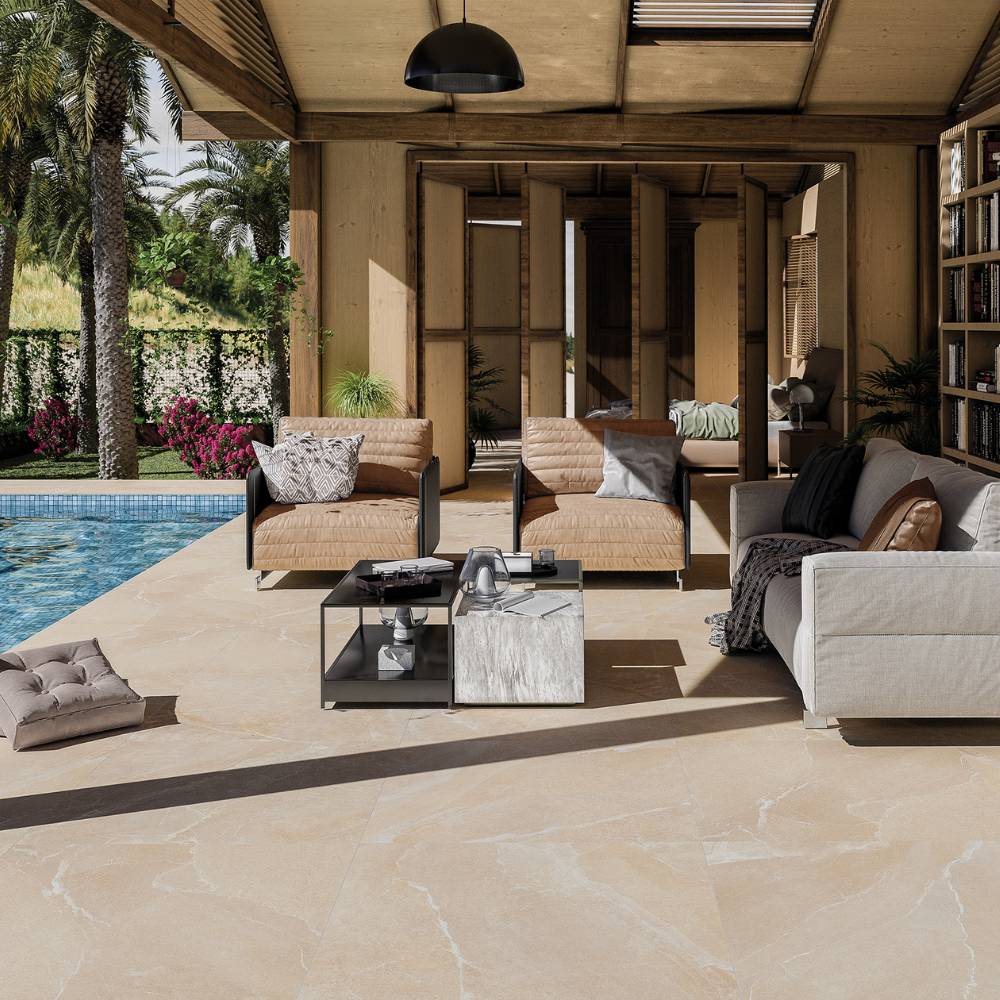
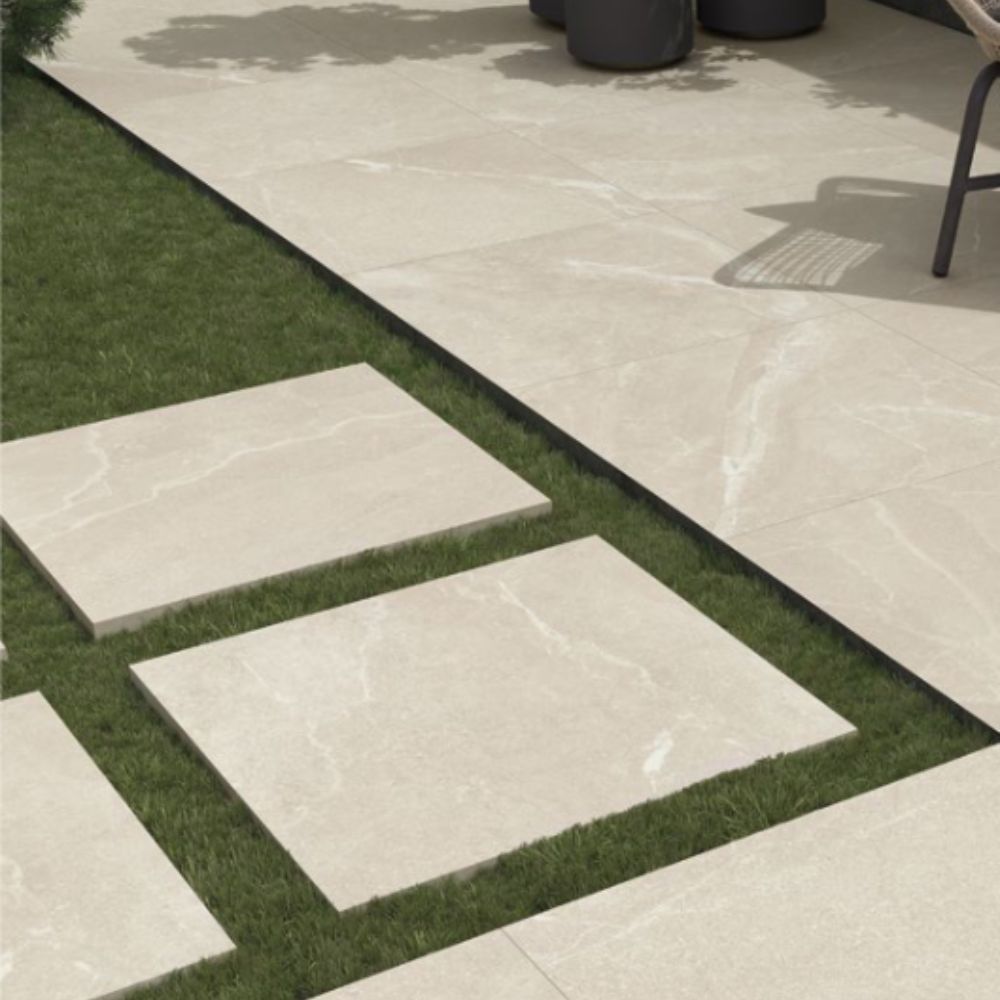
Baccoi Beige Porcelain Tile 100 x 100cm
Choose your option
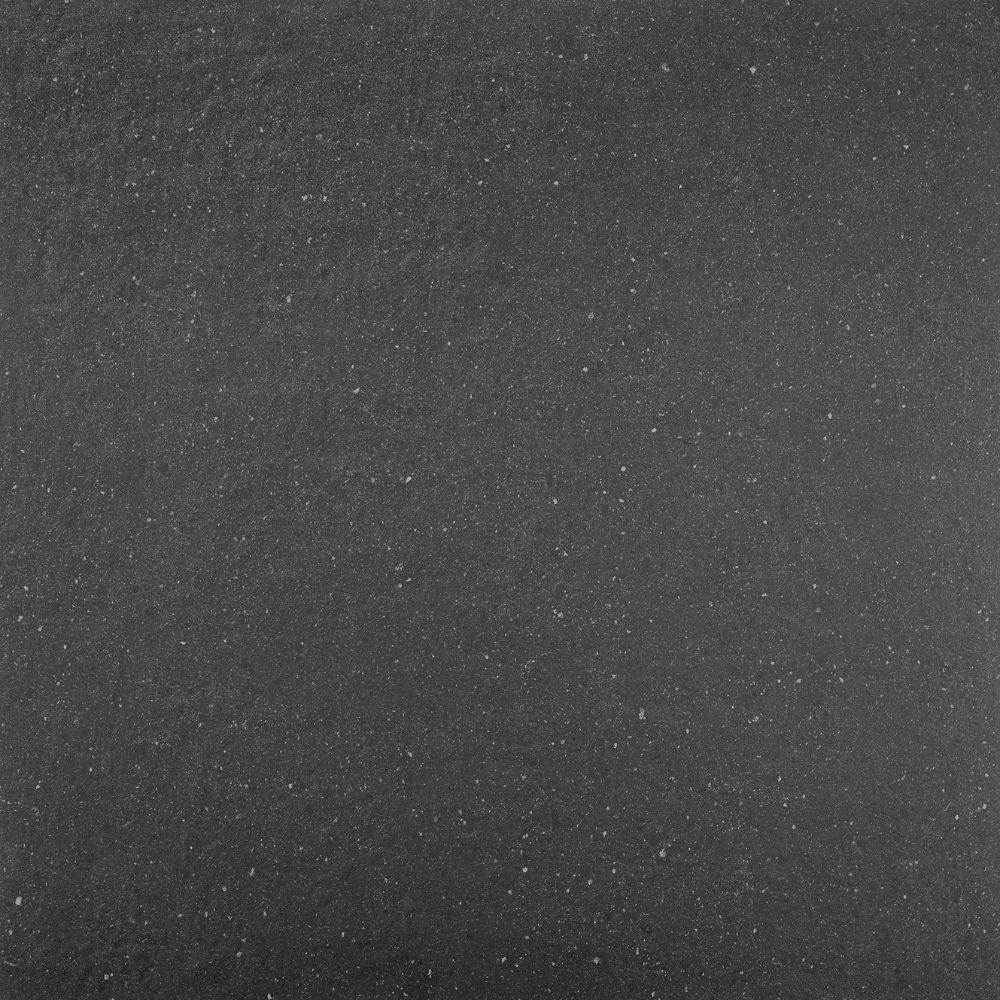
Direct Anthracite Porcelain Tile 60 x 60cm
Choose your option