Bathroom Metro Tiles: A Classic Trend for Modern Bathrooms
Bathroom Metro Tiles: A Classic Trend for Modern Bathrooms
Bathroom metro tiles have remained one of the most enduring choices in bathroom design, a classic look that continues to evolve alongside contemporary interiors. While tile trends shift toward larger formats and bold materials, metro tiles hold their place thanks to their timeless appeal, clean lines, and remarkable versatility.
Today, there is a wide variety of metro tiles available, with options in different sizes, styles, finishes, and colors to suit any bathroom design.
Whether used across full wall tiles, shower enclosures, or feature walls, metro tiles offer a perfect balance between practicality and style, making them ideal for both modern homes and more traditional spaces.
What Are Metro Tiles - and Why Do They Work So Well in Bathrooms?
Metro tiles, often referred to as subway tiles, originated in early underground transport stations, where glazed, water resistant wall tiles were needed to reflect light and withstand high traffic areas. Metro tiles originated in early 20th-century subway systems, particularly in Paris and New York, and the 'York' style draws inspiration from these classic urban environments.
Today, those same qualities make bathroom metro tiles a natural fit for wet environments. Their compact size, durability, and easy-clean surface allow them to perform beautifully in moisture-heavy areas such as showers and splash zones. Metro tiles are typically made from ceramic or porcelain, often feature a glossy finish and beveled edge, and traditionally measure 10x20 cm (4x8 inches).
From a design perspective, metro wall tiles also bring structure. Their linear shape introduces rhythm across bathroom walls, creating order without overwhelming the space. The glazed surface of metro tiles is resistant to moisture and stains, making them easy to clean and ideal for bathrooms.
Metro tiles are a cost-effective way to achieve a high-end look without the expense of larger stone slabs.
Subway Tiles vs Metro Brick Tiles: Understanding the Difference
While the terms are often used interchangeably, subtle differences exist between subway tiles and metro brick tiles.
Traditional subway tiles tend to have flatter faces and softer edges, creating a smoother, more contemporary surface once laid.
Metro brick tiles often feature a bevelled edge, adding depth and shadow lines across the wall. This bevelled detailing enhances the classic look, giving the tile more definition under changing light.
Both styles offer versatility, homeowners can choose between sleek minimalism or a more characterful, layered look depending on their style preferences.
Sizes, Finishes, and the Evolving Metro Tile Collection
Metro tiles now come in a wide range of sizes, finishes, proportions, and colours, far beyond the original small white format.
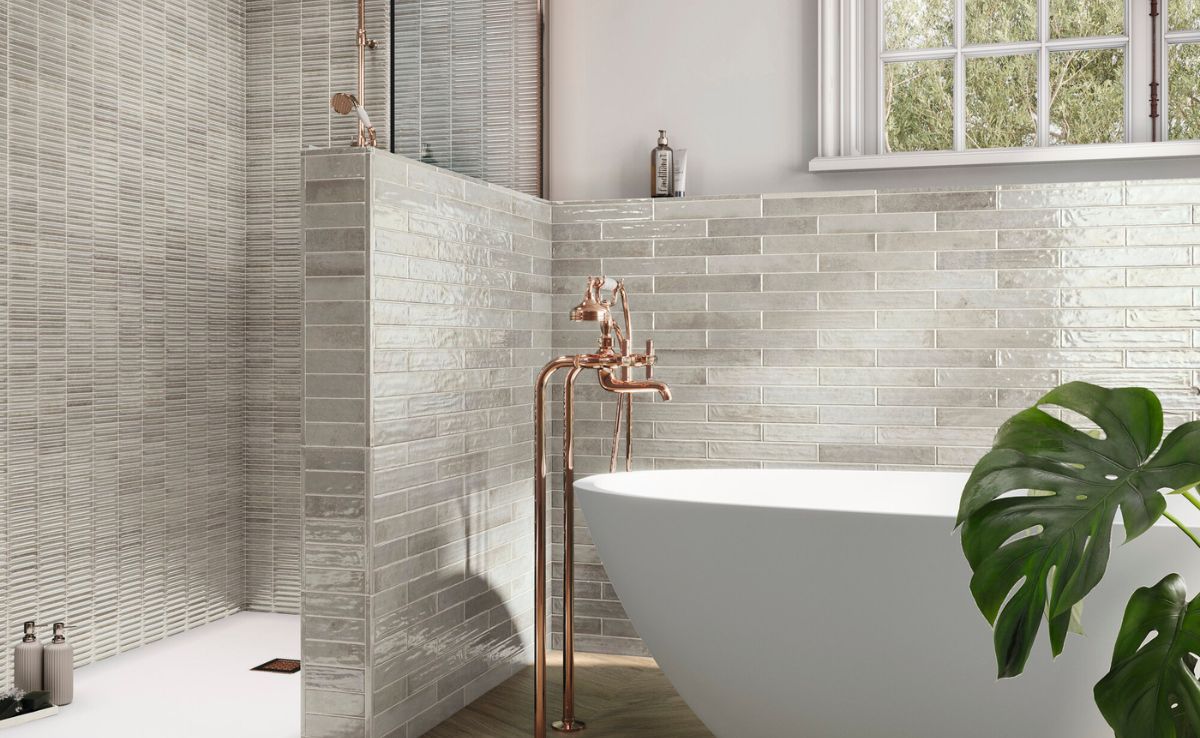
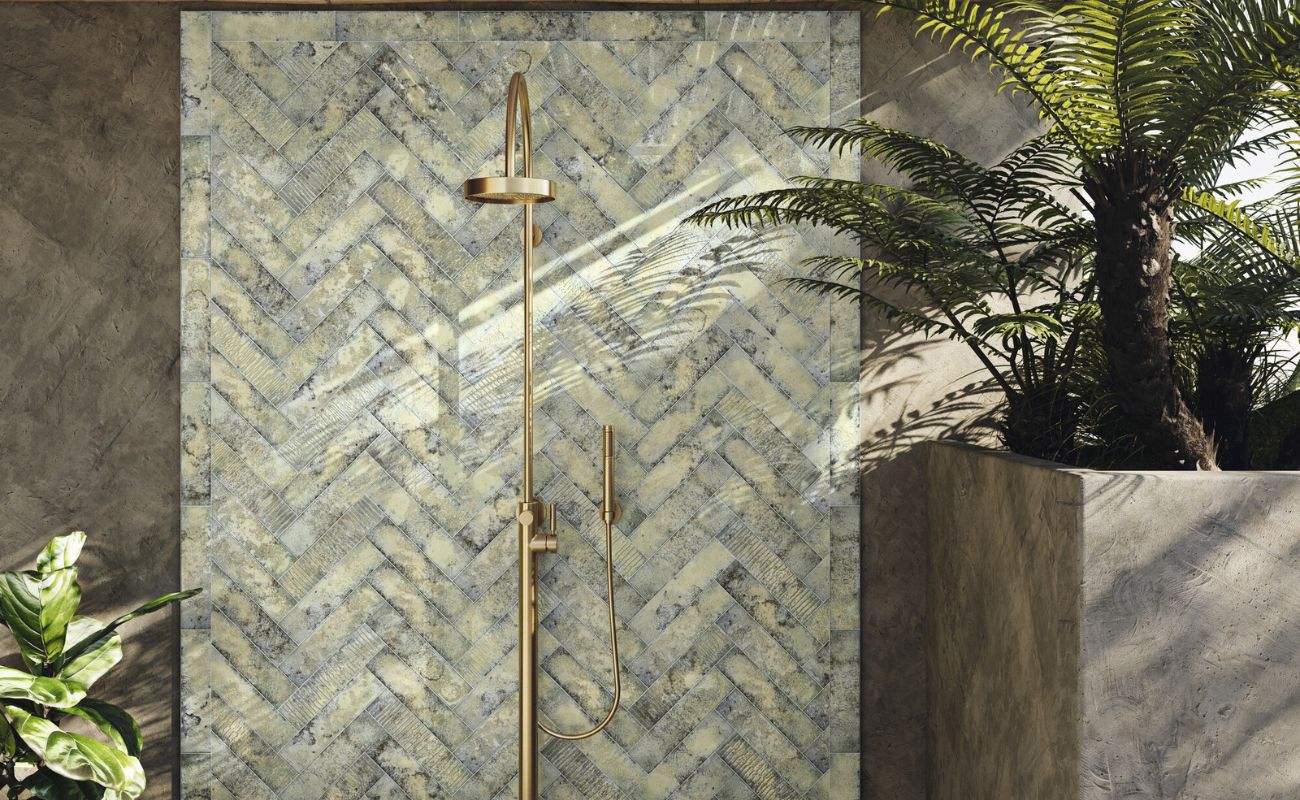
Elongated metro tiles can stretch visual height, while oversized options create fewer grout lines for a calmer finish. Skinny tiles lend themselves beautifully to herringbone or vertical patterns, introducing movement into the room.
Finish also plays a defining role:
- Gloss metro tiles reflect light, create a shimmering effect, and feel fresh, ideal for smaller bathrooms
- Matt finishes feel softer and more architectural
- Glazed surfaces offer the highest water resistance
From cream and white metro tiles to black and coloured variations, today’s metro tile collection offers a wide selection suited to different bathroom styles.
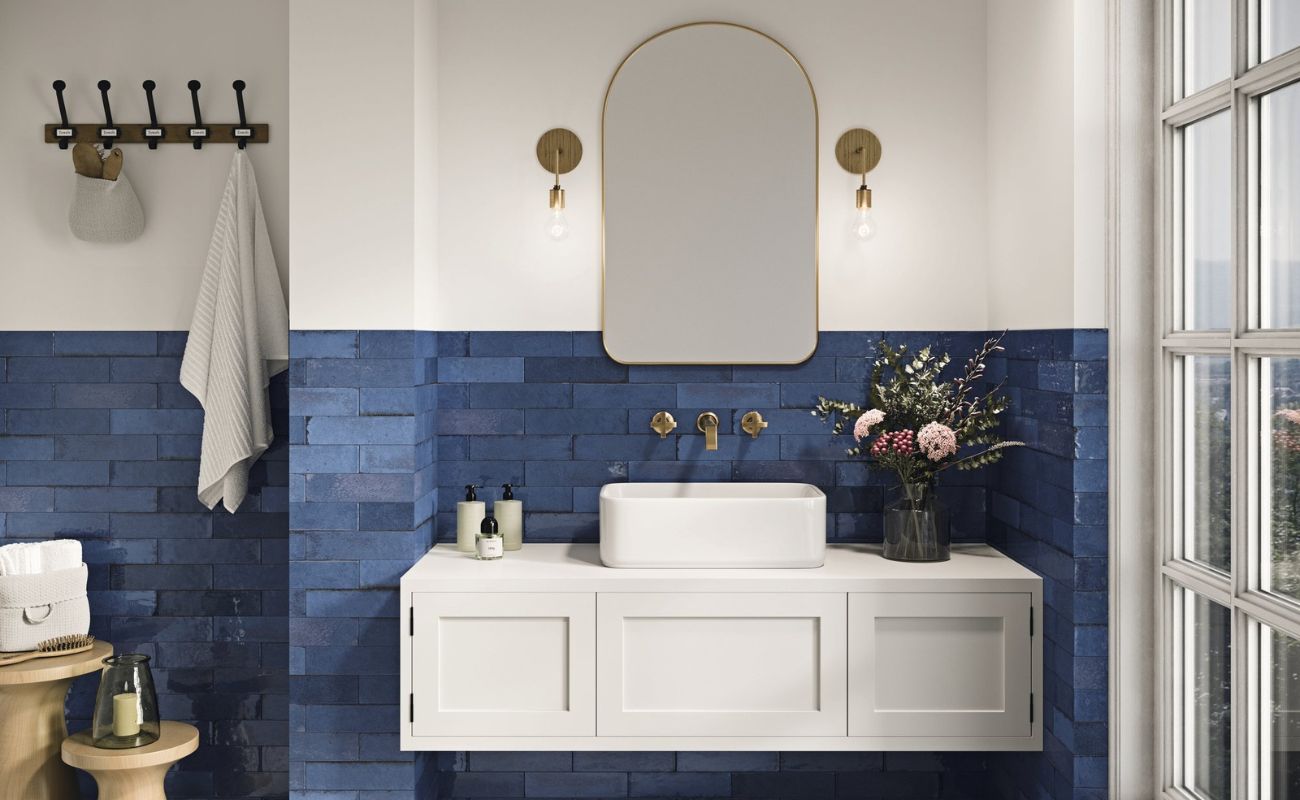
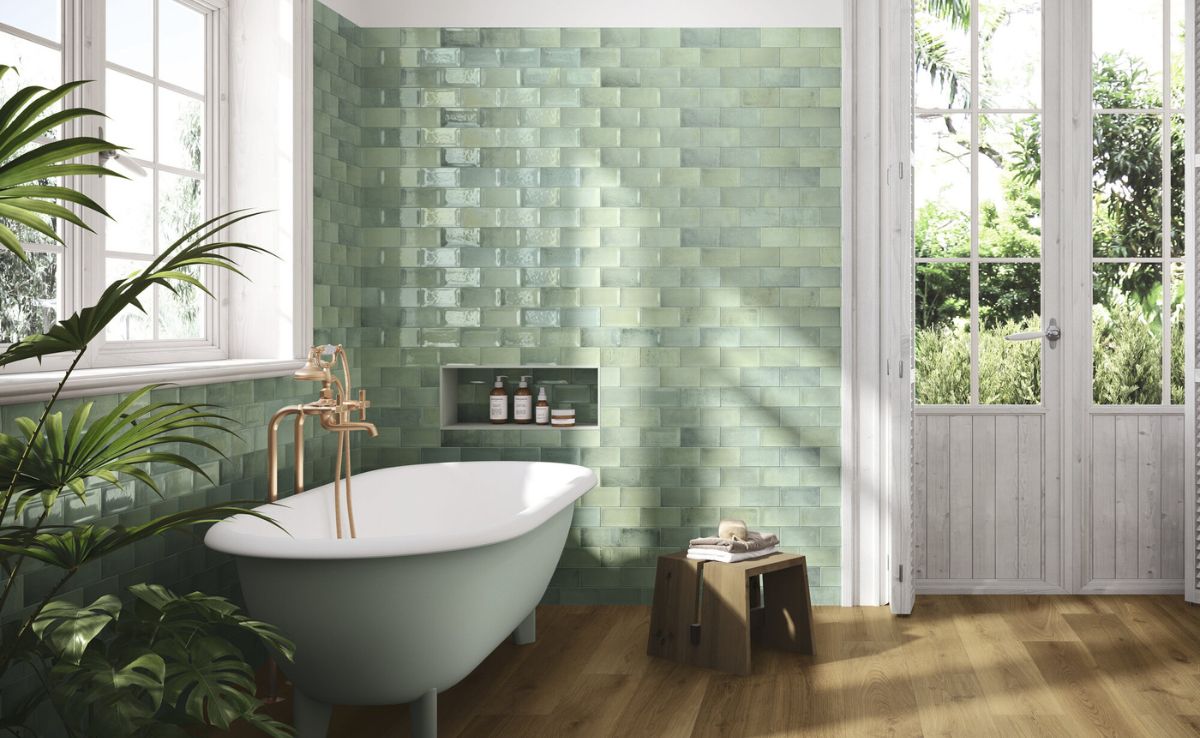
Metro tiles are available in a wide variety of colours, from classic white and black to bold tones like emerald green and navy blue, allowing you to create the perfect atmosphere for your bathroom.
Choosing the Right Metro Tiles for Your Bathroom Style
The beauty of metro tiles lies in how easily they complement surrounding materials.
White metro tiles remain a go-to for brightening bathrooms with limited natural light. Their reflective surface helps smaller spaces feel open and clean.
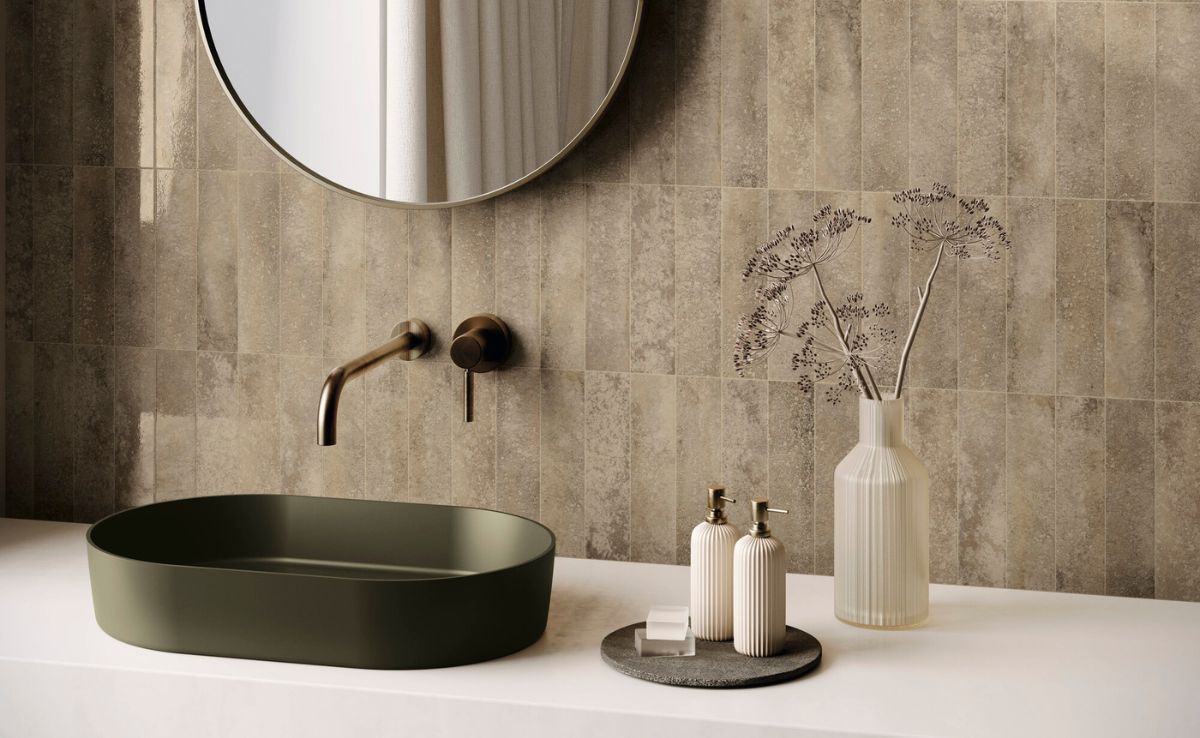
Darker tones, including black or deep green, create moodier, more contemporary bathrooms, particularly when paired with brass or matte black fittings.
For industrial bathrooms, matt metro wall tiles paired with concrete or wood finishes create texture and contrast. In more traditional homes, bevelled white tiles paired with polished chrome taps reinforce a classic aesthetic.
Layouts That Transform Metro Tile Walls
Layout is where metro tiles truly come to life.
Brick Bond: The Timeless Foundation
Brick bond remains the most recognisable layout, where tiles are staggered horizontally. This arrangement enhances the timeless appeal of metro tiles and suits both modern and traditional bathrooms.
Herringbone Patterns
Herringbone layouts introduce movement and craftsmanship. Often used in feature walls, shower niches, or backsplash-style vanity walls, this pattern adds detail without overwhelming the room.
Vertical Stacking
Vertically laid metro tiles are a growing trend in contemporary bathrooms. This orientation draws the eye upward, making ceilings feel higher and spaces more architectural.
Grout as a Design Element
Grout colour dramatically influences the final look. Matching grout creates a seamless surface, while contrasting grout emphasises tile shape and pattern.
Used thoughtfully, grout can shift metro tiles from subtle to striking.
Where to Use Bathroom Metro Tiles
Metro wall tiles are most commonly used in showers, behind basins, and across full bathroom walls.
Full-height tiling creates cohesion, while half-height applications paired with painted walls feel lighter and more decorative.
Feature walls behind vanities or bathtubs allow metro tiles to create focal points without dominating the entire room.
Because they’re durable and water resistant, metro tiles also work beautifully in kitchens, particularly as splash backs, reinforcing their cross-room versatility.
Installation and Practical Considerations
Because metro tiles are smaller format wall tiles, careful installation is essential.
Consistent spacing, level alignment, and clean grout lines all contribute to a refined result. Bathrooms require moisture-resistant substrates, particularly in shower areas.
Professional installation is recommended for intricate layouts like herringbone, where precision matters most.
Maintenance, Durability, and Everyday Care
Metro tiles are known for their easy maintenance, one of the reasons they remain so widely stocked and specified.
Glazed surfaces resist spills and stains, requiring only mild cleaners and a damp cloth to maintain their shine. Regular grout cleaning helps keep the installation looking fresh over time.
Their durability makes them ideal for busy family homes where bathrooms see daily use.
Styling Inspiration: Modern Ways to Use Metro Tiles
Metro tiles continue to inspire designers because of how easily they adapt.
A white gloss subway tile bathroom feels clean and spa-like. Black metro tiles paired with gold fittings create a sleek, luxurious contrast.
Coloured tiles, from soft cream to deep jewel tones, add personality, while bevelled metro brick tiles introduce subtle shadow and texture across walls.
From minimalist ensuites to industrial family bathrooms, metro tiles offer endless inspiration while maintaining a cohesive foundation.
Final Thoughts: Why Metro Tiles Remain a Bathroom Staple
Few wall tiles offer the same balance of affordability, durability, and stylistic flexibility as metro tiles.
Their ability to reflect light, complement varied materials, and adapt to evolving bathroom styles ensures they remain a classic trend within modern homes.
Whether you opt for gloss white, matt black, or a coloured metro selection, the result is a bathroom that feels timeless, practical, and effortlessly stylish.
Metro tile prices can vary, with options starting around £9.89 per sqm and going up to over £40 per sqm depending on the style and material.
Ready to transform your space? Shop our collection of metro tiles to find the perfect fit for your home.