
Embrace Warm Minimalism: The Tile Trend That’s Taking Over
Embrace Warm Minimalism: The Tile Trend That’s Taking Over
Warm minimalism is a refined interior design style and the latest trend in interior design, blending simplicity with comfort. Rather than stripping a space back to the bare minimum, this style focuses on thoughtful restraint, keeping only what adds value, warmth, or function. The result is a home that feels calm and uncluttered, yet inviting and deeply personal.
This aesthetic works particularly well in modern homes where clean architecture benefits from softer layers. Warm minimalism is characterised by a palette of earthy tones and creamy whites, including beige, sand, terracotta, light grey, olive greens, and creams, while avoiding stark whites. By introducing warmth through colour, material, and texture, warm minimalism creates interiors that feel lived-in rather than overly styled.
What Truly Defines Warm Minimalist Design?
At its core, warm minimalism is about balance. Clean lines and open layouts remain central, but they’re softened with natural finishes, gentle colour transitions, and tactile surfaces. The key elements of warm minimalism include cohesive colour palettes, the use of natural materials, and open, uncluttered layouts that foster a sense of calm. Instead of sharp contrasts, this style relies on tonal harmony, colours that sit close together on the spectrum and flow naturally from one space to the next.
While traditional minimalism emphasises a clean, functional aesthetic with a focus on simplicity and restraint, warm minimalism introduces warmth and comfort through textiles, earthy colours, and decorative touches, creating a cosy yet minimalist environment.
Furniture and finishes are chosen for longevity rather than trend. Pieces tend to be understated in form but rich in material, allowing quality and craftsmanship to speak for themselves. Every element feels intentional, contributing to uncluttered spaces and simple spaces that are visually calm and emotionally grounding. These design choices help achieve the inviting and balanced look of warm minimalism.
Creating a Calm Foundation Through Simplicity
A successful warm minimalist interior begins with a strong foundation. Decluttering is not just about removing excess, but about refining what remains. Open surfaces, clear sightlines, and open spaces with uncluttered layouts allow the architecture and materials to take centre stage.
Neutral base tones, such as off white, neutral colours, soft browns, warm greys, soft stone shades, and muted creams, are essential here. These colours create continuity throughout the home and provide a versatile backdrop for layering texture and subtle contrast. When used across walls, floors, or large surfaces, they help spaces feel cohesive and expansive rather than fragmented.
Layering textures is a key element in warm minimalism, using materials like linen, cotton, and jute to create visual interest and add depth to the serene palette.

How Tiles Support a Warm Minimalist Interior
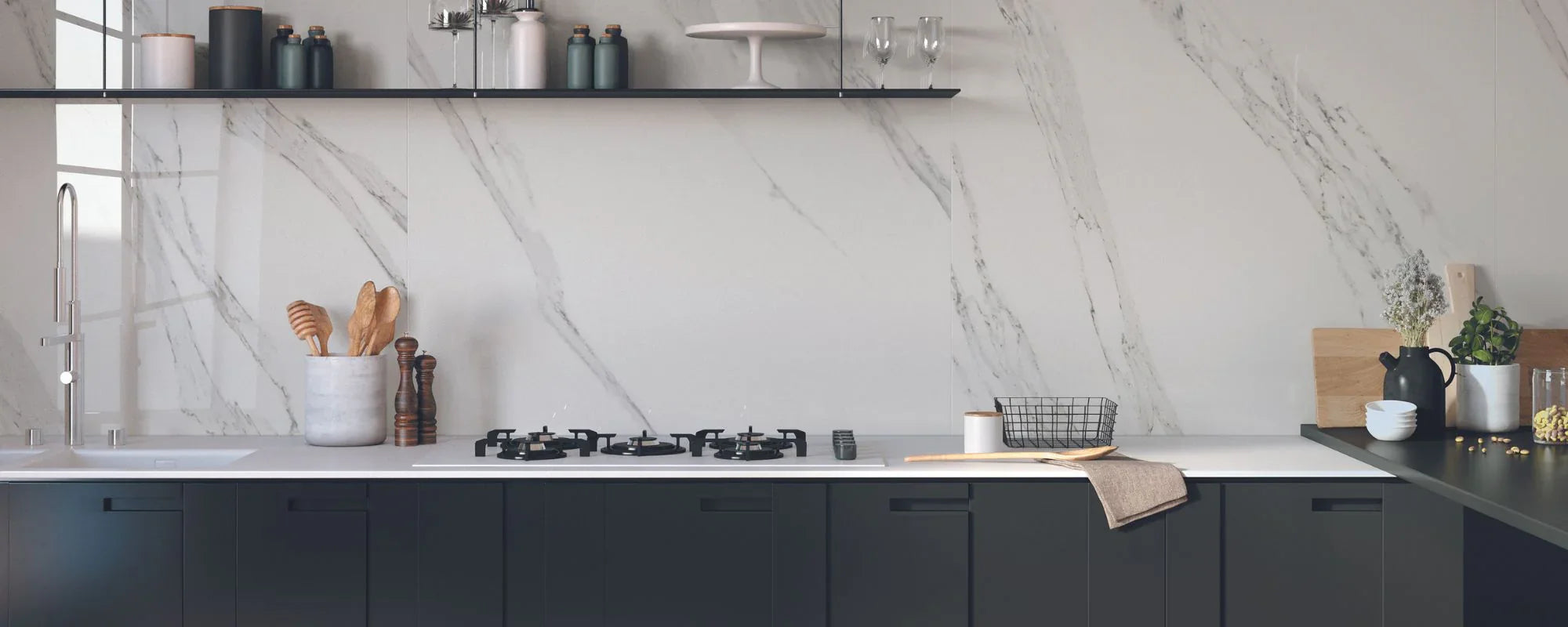
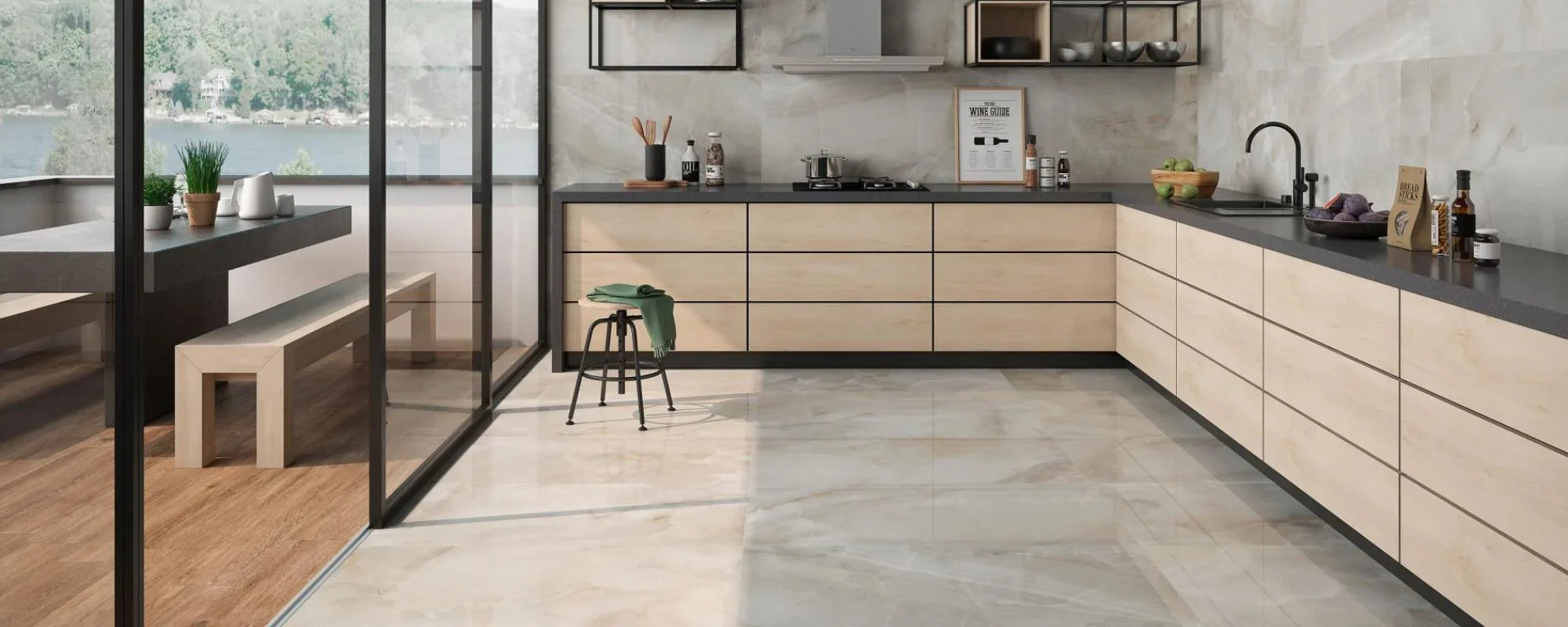
Tiles play a key role in warm minimalist design by providing a calm, consistent foundation that enhances both light and space. Using tiles with multiple textures, such as matte, glossy, or natural stone finishes, can add visual interest to the space. Neutral-toned tiles, such as soft greys, warm stone shades, and subtle beige hues, help create visual flow across floors and walls, allowing interiors to feel open and uncluttered.
Natural-effect tiles, including stone and concrete finishes, introduce texture without overwhelming the space. Their understated variation adds depth while maintaining a restrained aesthetic, making them ideal for larger surfaces where continuity is essential. Large-format tiles are particularly effective, reducing grout lines and reinforcing the seamless, pared-back look that defines warm minimalism.
Natural flooring options like blonde or light hardwood are also suitable for warm minimalism, either as an alternative or complement to tiles.
Beyond aesthetics, tiles support the practical side of this design style. Durable, low-maintenance surfaces ensure spaces remain functional for everyday living, while their longevity aligns with the warm minimalist focus on thoughtful, long-term design choices.
Soft Stone-Effect Tiles for a Natural Foundation
Stone-effect porcelain tiles are an ideal starting point for warm minimalist interiors, offering tactile textures that enhance the sensory appeal of a space. Their subtle variation and organic texture introduce depth without visual clutter, making them perfect for open-plan spaces, bathrooms, and kitchens. Common materials in warm minimalism include wood, linen, cotton, wool, stone, and ceramics, all of which contribute to a welcoming and authentic atmosphere. Neutral stone tones help anchor a room while allowing other materials, such as wood or linen, to bring softness and warmth. At ROCCIA, stone-effect tiles are designed to balance refined aesthetics with everyday durability.
Large Format Tiles for Seamless, Calm Spaces
Large format tiles naturally complement minimalist design by reducing grout lines and creating uninterrupted surfaces. This enhances the sense of open spaces and visual flow, particularly across floors and feature walls. In warm minimalist homes, larger tiles in muted tones help maintain simplicity while still feeling luxurious and considered.
Matt Finish Tiles for Subtle Texture and Depth
Matt tiles work beautifully in warm minimalist schemes, offering a soft, tactile finish with organic textures that absorb light rather than reflecting it. This creates a more relaxed and grounded atmosphere, especially in living areas and bathrooms. Warm minimalism also incorporates tactile richness with soft textures like bouclé and cashmere, enhancing the cosy and inviting feel. Matt surfaces pair effortlessly with natural materials, reinforcing the calm, understated character of the space.
Neutral Grey Tiles for Timeless Versatility
Grey tiles remain a key choice for warm minimalism due to their flexibility across styles and rooms. Softer grey tones sit comfortably between warm and cool palettes, making them easy to layer with wood, stone, and neutral furnishings. For a balanced look, grey tiles can be paired with warm tones such as beige, terracotta, and cream, reflecting the warm minimalism colour palette of earthy neutrals, muted tones, soft terracottas, olive greens, and creams, while avoiding stark whites. Whether used on floors or walls, grey tiles provide a timeless base that evolves effortlessly with changing interiors.

The Role of Natural Materials in Adding Warmth
Natural textures are what prevent minimal interiors from feeling cold or flat. Wood introduces warmth and organic variation, stone adds depth and permanence, while textiles such as linen and wool soften the overall look. Incorporating other natural materials like rattan, jute, and wool, as well as eco-friendly, breathable fabrics, further enhances the inviting atmosphere. These materials are preferred over manmade materials such as plastic, as they help maintain the authentic, cosy aesthetic of warm minimalism. By bringing character through their organic qualities, natural materials add personality and depth to the space without visual noise. Warm minimalism emphasises the use of natural materials like wood, linen, and cotton to create a cosy atmosphere.
Texture is just as important as colour. Pairing smooth surfaces with gently textured ones, for example, polished stone against natural wood creates visual interest while maintaining a restrained aesthetic. Layering different textures like chunky knits, soft rugs, and woven baskets adds depth and comfort, making the space feel rich and dimensional without becoming busy.
Using Light to Shape Mood and Atmosphere
Lighting plays a defining role in warm minimalist interiors. Rather than relying solely on bright overhead lighting, this style favours layered illumination. Warm lighting, with yellowish tones, is important in warm minimalism to create a cosy and calming atmosphere. Soft ambient light sets the mood, while accent lighting highlights architectural features and textures.
Warm light temperatures are key, helping to enhance natural materials and neutral tones and contribute to a calming atmosphere. During the day, natural light is embraced through unobstructed windows and light-filtering fabrics, ensuring spaces feel open, calm, and connected to their surroundings.
Introducing Organic Shapes and Gentle Movement
While minimalism often leans towards structure, warm minimalism allows for softness. Organic shapes, curved furniture, rounded edges, and sculptural forms introduce movement and life into the space. Greenery and natural elements breathe vitality into interiors, preventing them from feeling rigid and adding a sense of flow. Plants like fiddle-leaf figs or snake plants can be used to add life and natural texture to warm minimalist spaces.
Subtle curves work particularly well alongside clean architectural lines, creating contrast without disruption. Even small details, such as rounded accessories or softly contoured décor, can shift the overall feel of a room.

Personal Details Without Visual Clutter
Warm minimalism values personality, but in a curated way. Personal items are chosen carefully and displayed with intention, allowing each piece to stand on its own. Decorate with subtle, meaningful accessories, such as artwork, ceramics, and handcrafted objects, placing them thoughtfully to add personality without clutter. Consider making a standout bed or a unique piece of art the focal point of the room, setting the tone for the overall design. Bringing in greenery and simple elegant houseplants is a common practice in warm minimalism, helping to decorate and add personality while maintaining simplicity and order.
This approach ensures that personal touches enhance the space rather than overwhelm it. By focusing on quality over quantity, interiors feel expressive yet calm, with each detail contributing to the overall story of the home.
Practical Design for Everyday Living
Functionality underpins every warm minimalist space, especially in the bedroom where practical design is essential for comfort and relaxation. The bed is the central piece of furniture, chosen not only for its minimalist style but also for its ability to foster rest and tranquillity. Selecting the right furniture or bedding is about finding the perfect match for your personal comfort, ensuring a peaceful sleep environment without sacrificing comfort. Warm minimalism achieves its inviting look by incorporating natural and tactile materials like wood, stone, rattan, jute, wool, linen, and leather.
Storage solutions are integrated seamlessly, keeping everyday essentials out of sight while maintaining clean lines. Furniture often serves multiple purposes, offering both comfort and practicality without unnecessary embellishment.
Durability is also key. Materials are chosen not only for their appearance but for how they perform over time. This ensures the space remains beautiful, practical, and easy to live in, a crucial element of this design philosophy.
Bringing Warm Minimalism Together
Warm minimalism is ultimately about creating a home that feels intentional, balanced, and welcoming. By combining simplicity with texture, neutral tones with natural materials, and clean lines with soft forms, this style offers a timeless approach to interior design.
It’s a way of designing that prioritises how a space feels as much as how it looks, creating interiors that are calm, enduring, and deeply comfortable to live in.