Skip to content
Roccia.com

Biophilic Design Outdoors: Bringing Nature into Tile Choices

Written by: Halima Bapu

Biophilic Design Outdoors: Bringing Nature into Tile Choices

Introduction: What Is Biophilic Design and Why Does It Matter?

Biophilic design is more than just a passing trend, it’s a design philosophy rooted in our natural instinct to connect with the outdoors. Biophilic design is about connecting people with nature, fostering a sense of harmony and comfort within built environments. In an increasingly fast-paced, technology-driven world, biophilic design focuses on reintroducing nature into our living environments to create spaces that feel calmer, healthier, and more balanced.

At its core, biophilic design is about integrating natural elements such as light, texture, greenery, and organic materials into the built environment and creating spaces that foster a calming, nature-inspired atmosphere. Whether used indoors or outdoors, the aim is to foster a deeper connection with the natural world and enhance overall wellbeing. These principles are often used by interior designers to enhance living spaces, making bedrooms, entryways, and high-traffic rooms more harmonious and connected to nature.

For homeowners and interior designers designing gardens, patios, terraces, or outdoor kitchens, biophilic tile choices can enhance wellbeing and overall well being, allowing outdoor spaces to feel intentional, immersive, and restorative rather than purely functional.

In 2026, colour selections in biophilic design include earth tones, deep forest hues, and water hues as alternatives to bright botanical colours.

The Benefits of Biophilic Design in Outdoor Spaces

One of the most compelling reasons biophilic design has gained such momentum is its proven impact on wellbeing and health benefits. Biophilic design can enhance wellbeing by reducing stress and promoting health, establishing a restorative connection to nature. Spaces that reflect natural environments are known to reduce stress, improve mood, and promote a sense of calm, benefits that are especially valuable in outdoor living areas designed for relaxation and socialising.

Biophilic outdoor spaces encourage people to slow down. The use of natural materials such as natural stone and wood-look tiles creates grounded environments that feel timeless rather than trend-driven. These materials weather beautifully over time, reinforcing a sense of authenticity and connection to nature’s organic beauty.

There are also practical benefits. Natural textures can soften acoustics, reduce glare, and create more comfortable surfaces underfoot. Many biophilic design elements, such as terrariums, natural finishes, and outdoor surfaces, are low maintenance, requiring minimal upkeep while maintaining their aesthetic and environmental benefits. Earthy shades in interior design help to ground a room and promote a sense of security. When combined with greenery, hanging plants, potted plants, and thoughtful layout, biophilic design transforms outdoor areas into true extensions of the home, spaces that feel nurturing rather than purely decorative. Tiles in earthy tones, such as greens, browns, and blues, create a calming palette that evokes the outdoors.

Roccia.com

Core Principles of Biophilic Design

Natural Materials as the Foundation

A defining principle of biophilic design is the use of materials that feel honest and organic. Stone, natural wood, clay, and mineral-based finishes form the backbone of this natural aesthetic. In outdoor tile choices, this often translates to porcelain tiles that faithfully replicate natural stone, slate, limestone, or timber, offering the visual warmth of nature with the durability required for outdoor use and modern living.

The appeal lies in texture and variation. Subtle tonal shifts, visible grain, and tactile surfaces help create a sensory rich environment that feels alive and dynamic rather than flat or manufactured.

Visual and Sensory Connection to Nature

Biophilic spaces are designed to engage the senses. Beyond visual appeal, they invite touch, movement, and interaction. Textured tiles underfoot, softly honed stone surfaces, and organic shapes with natural patterns all contribute to a multi-sensory experience.

In outdoor design, this often means choosing tiles that respond beautifully to natural light, changing appearance throughout the day as sunlight shifts through large windows or open spaces. Matte and lightly textured finishes help avoid harsh glare while enhancing the natural character of the space and strengthening the visual connection to nature inside and out.

Organic Forms and Natural Patterns

Straight lines and sharp contrasts are softened in biophilic design by organic forms and patterns inspired by nature. Tiles with subtle veining, layered textures, or natural imperfections mimic the randomness found in stone formations, sand, and wood grain. Incorporating wood grains and wood effect tiles captures the warmth and texture of real wood while offering added benefits such as durability and water resistance. Wood-look tiles also provide the warmth and texture of real wood, with the added advantages of durability and ease of maintenance compared to real wood.

This sense of imperfection is intentional. It creates warmth and authenticity, helping outdoor spaces feel relaxed, welcoming, and grounded.

Choosing the Right Tiles for Biophilic Outdoor Design

Natural Stone and Stone-Effect Tiles

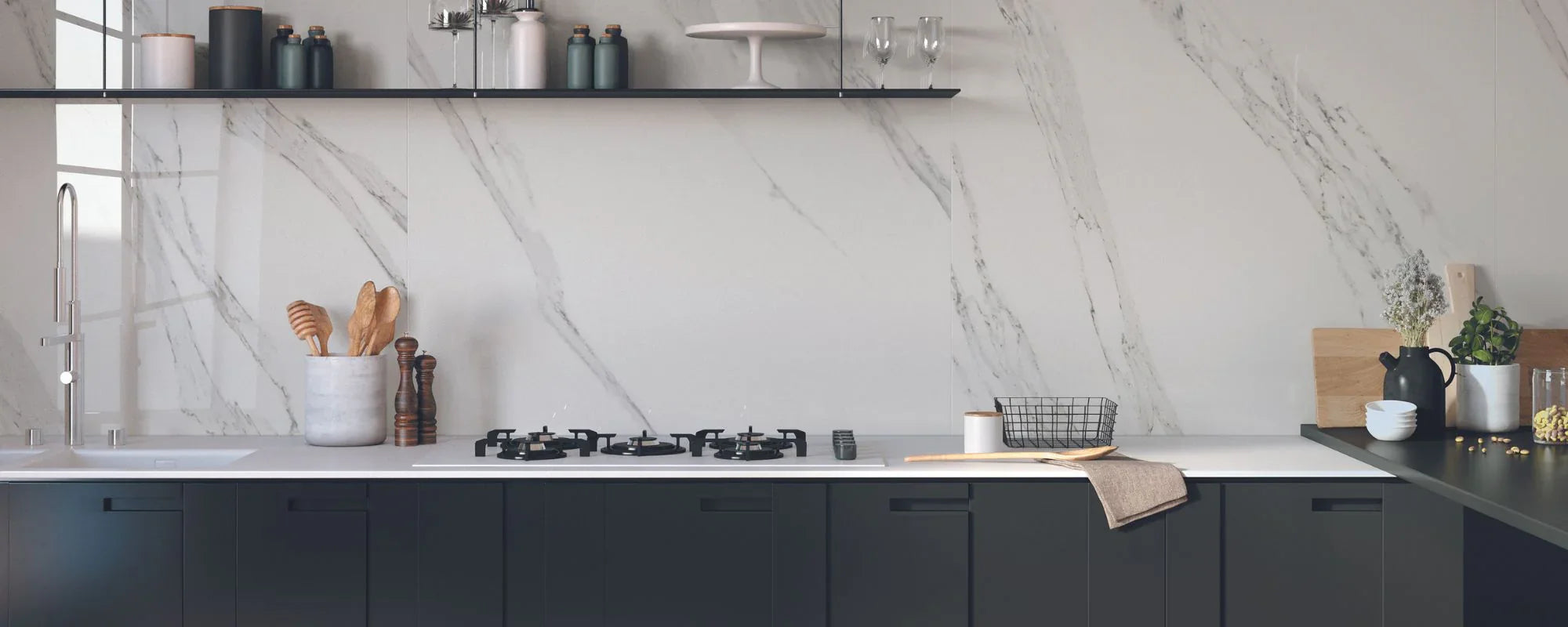
Natural stone tiles, such as limestone, slate, and marble, are an ideal choice for biophilic outdoor spaces. Their inherent variation adds depth and visual interest, while their mineral composition connects the space directly to the earth and the great outdoors.

For those seeking lower maintenance and enhanced durability, stone-effect porcelain tiles offer an excellent alternative. They replicate the look and texture of natural stone while providing many benefits such as superior resistance to weather, moisture, and temperature changes, making them perfect for patios, pathways, and outdoor dining areas.

Wood-Look Tiles for Warmth and Balance

Wood-look tiles are another cornerstone of biophilic outdoor design. They introduce warmth and a sense of comfort while maintaining the practicality required for outdoor environments. Used underfoot or as vertical cladding, wood-effect porcelain tiles soften stone-heavy designs and help balance hard landscaping with organic warmth.

They work particularly well when paired with planting, water features, natural finishes, and natural textiles, reinforcing the indoor-outdoor connection and bringing nature indoors.

Organic Textures and Subtle Patterning

Tiles with natural textures or gently patterned surfaces can elevate outdoor spaces without overwhelming them. Incorporating natural colours and organic textures helps create a calm, grounded environment that reflects the natural world. Rather than bold decorative motifs, biophilic design favours understated patterns that echo natural rhythms, ripples, grains, or layered surfaces that feel calm and intuitive.

Earthy tones, muted greys, and terracotta can further enhance the calmness and grounding of outdoor environments. These tiles add depth and visual interest while maintaining harmony with the surrounding landscape, incorporating natural elements and botanical prints that enhance the natural beauty of the space. Living walls are another advanced biophilic design feature that can be used to further integrate nature within outdoor spaces, providing both aesthetic and environmental benefits.

Roccia.com

Designing Outdoor Spaces with a Biophilic Approach

Blurring the Line Between Indoors and Outdoors

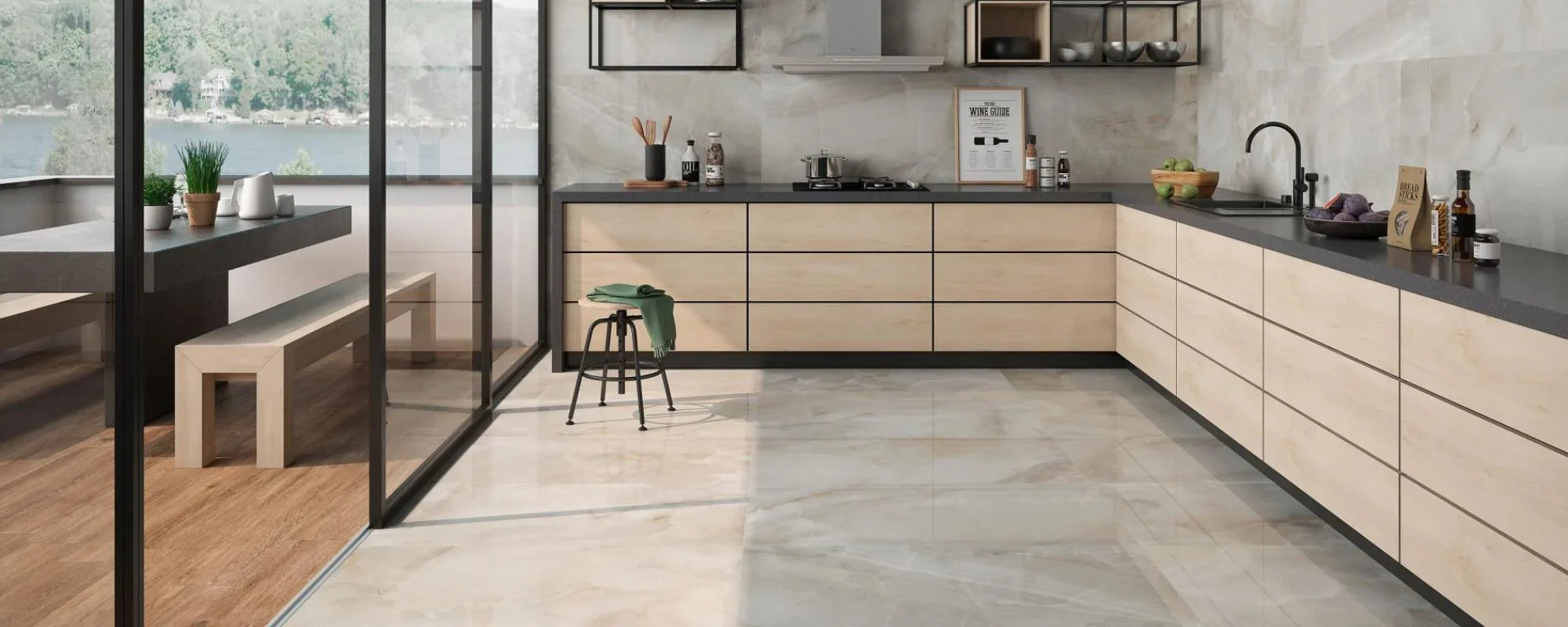
A key aspect of biophilic design is continuity. Using similar tiles inside and out helps create a seamless transition between spaces, making outdoor areas feel like an extension of the home rather than a separate zone.

Large sliding doors, level thresholds, and consistent material choices allow natural light and air to flow freely, strengthening the connection to the outdoors and creating a grounded environment.

Creating Calm Through Layout and Flow

Biophilic outdoor spaces are rarely cluttered. Instead, they rely on thoughtful layouts that encourage movement and pause. Tile choices play a role here, larger format tiles can create a sense of openness, while natural textures guide the eye gently through the space.

When designing patios, terraces, or garden walkways, consider how tiles interact with planting, seating areas, and architectural features to create a balanced, flowing environment that feels connected and restorative.

Simple Ways to Incorporate Biophilic Design

Biophilic design doesn’t have to mean a complete overhaul. Small, intentional changes can have a big impact. Introducing natural stone tiles to a seating area, using wood-look tiles in an outdoor kitchen, or adding textured tiles alongside hanging plants and potted plants can instantly enhance the sense of connection to nature.

Even subtle details, such as choosing a tile with natural variation or opting for a softer, more organic colour palette with earth tones and earthy tones can shift the atmosphere of a space.

Adding Depth and Visual Interest with Natural Elements

Layering is essential in biophilic design. Tiles provide the base, but it’s the interaction with greenery, water, and light that brings the space to life. Green walls, planters, and climbing plants soften tiled surfaces, while water features reflect light and introduce gentle sound.

Together, these elements create outdoor spaces that feel immersive rather than static, environments that change with the seasons and invite ongoing interaction.

Biophilic Spaces: Designed for Wellbeing

Ultimately, biophilic outdoor spaces are about wellbeing. They are designed to support relaxation, creativity, and connection, whether that’s enjoying a quiet morning coffee, hosting friends, or simply spending time outside.

By choosing tiles that reflect natural materials and embracing biophilic principles, outdoor areas become restorative spaces that feel timeless and deeply connected to the environment.

Final Thoughts: Bringing Nature into Your Outdoor Tile Choices

Biophilic design brings a fresh perspective to how our homes interact with nature. Through thoughtful tile selection, organic textures, and natural materials, outdoor spaces can become places of calm, balance, and natural beauty.

At Roccia, our extensive range of outdoor tiles, from stone-effect porcelain to wood-look finishes, is designed to support biophilic design brings nature indoors while delivering long-lasting performance. Whether you’re designing a garden retreat, a terrace, or an outdoor living space, our expert team can help you explore tile choices that bring the outdoors in, beautifully and effortlessly.

Got Questions? We've Got Answers.

Previous Post Next Post