Spotlight on: Mediterranean Interiors and Exteriors
Introduction to Mediterranean Interior Design
Mediterranean interior design is a captivating interior design style that draws inspiration from the sun-drenched countries bordering the Mediterranean Sea, including Italy, Spain, and Greece. Mediterranean interiors are inspired by the countries and cultures surrounding the Mediterranean Sea, including Italy, Spain, Greece, Turkey, and Morocco. This design style emphasises natural materials, earthy tones, and an abundance of natural light to create spaces that feel warm, inviting, and timeless. Whether you’re aiming to bring the charm of rustic Mediterranean architecture or the relaxed elegance of coastal living into your own home, Mediterranean interiors offer a perfect blend of comfort and style.
The essence of Mediterranean design lies in its ability to combine natural beauty with key architectural details that have stood the test of time. Incorporating materials such as wood, stone, and terracotta, this style creates cozy, welcoming environments that celebrate both indoor and outdoor living. The Mediterranean style emerged due to the cultural exchanges among the countries bordering the Mediterranean Sea over centuries, and it has also been influenced by global trade routes connecting the region to Asia and Africa. Countries like Italy, Spain, Greece, and Morocco each offer unique interpretations of Mediterranean design, contributing to its rich and eclectic mix.
Mediterranean architecture, with its historic charm, rustic textures, and use of natural materials, plays a significant role in shaping the Mediterranean interior design style. This distinct and versatile aesthetic is inspired by regions like Italy, Spain, Greece, and southern France, and is known for its warm, rustic, and eclectic characteristics, making it ideal for calm, stylish, and minimally cluttered home environments. Specific Mediterranean aesthetics vary by region, such as Greek interiors with white-washed walls and Spanish interiors with vibrant patterned tiles, all contributing to the timeless charm of this design style.
Key Elements of Mediterranean Design
Natural Materials and Rustic Charm
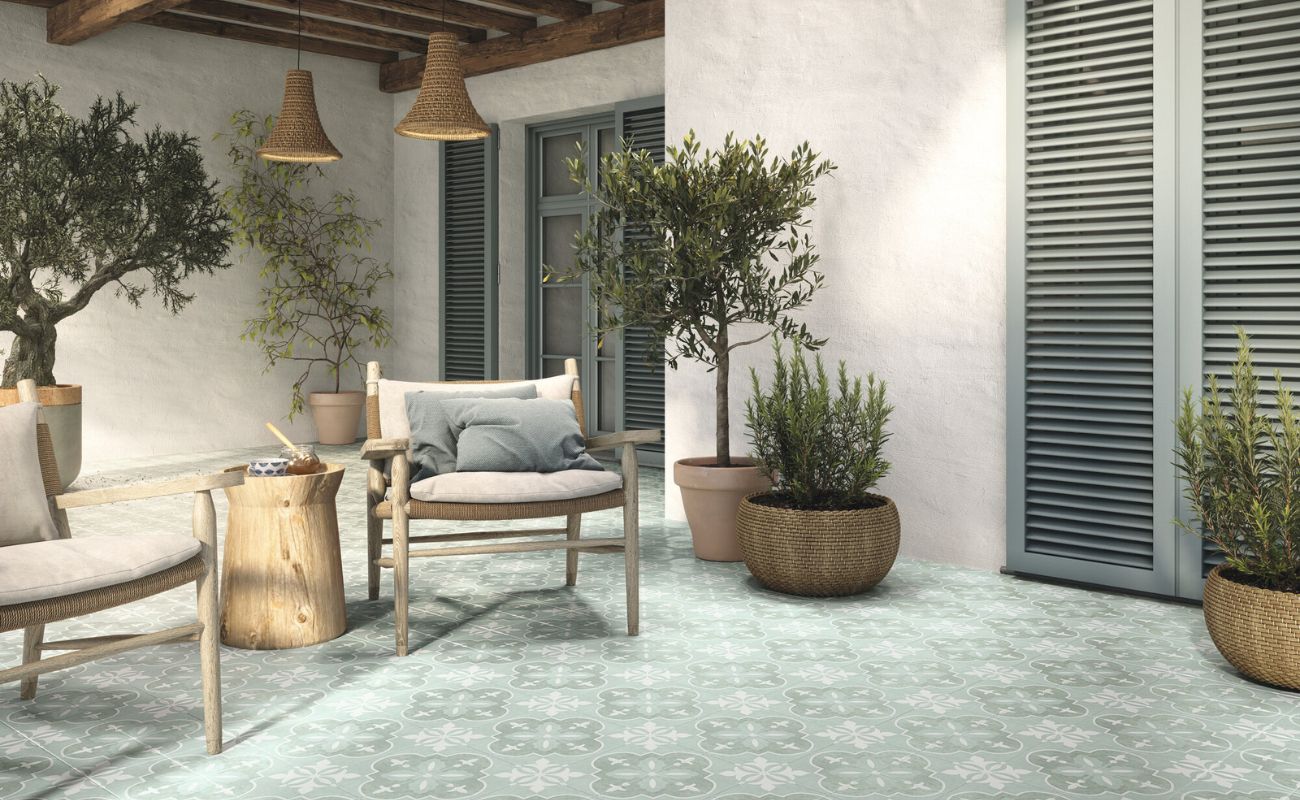
At the heart of Mediterranean interiors is the need to incorporate natural materials. Wood, stone, terracotta, and wrought iron play a significant role in shaping the rustic charm that defines this style. Rustic materials such as stone, wood, and handcrafted tiles are commonly used to add warmth, depth, and authentic character to the space. Exposed wooden beams and stucco exteriors are signature architectural details that add texture and character to the space. Rustic and simple furniture in Mediterranean design should be made from natural wood or rattan, prioritizing practicality. These elements not only evoke a sense of history but also create a tactile connection to the natural surroundings, enhancing the Mediterranean feel.
Earthy Color Palettes and Vibrant Hues
Mediterranean interiors are characterised by a carefully curated colour palette featuring warm, earthy tones such as sandy beige, olive green, and deep reds. These earth tones mirror the landscape of the Mediterranean region and contribute to the inviting atmosphere. Sun-baked color palettes in Mediterranean design rely on warm neutrals, olive greens, deep ochres, and muted sea blues. A Mediterranean colour palette typically includes earthy browns, soft oranges, sandy neutrals, and crisp white-washed walls. To add depth and energy, vibrant hues like terracotta, deep blues, and rich yellows are often incorporated through decorative tiles, textiles, and accent pieces. This thoughtful use of colour palettes brings visual interest and a dynamic feel to the interiors, adding character and warmth.
Decorative Tiles and Textured Surfaces
Intricate patterned tiles are a hallmark of Mediterranean design, often used on floors, backsplashes, and feature walls. Textured tiles are especially popular for adding visual interest, depth, and an authentic, handcrafted feel to Mediterranean interiors. These tiles introduce texture and artistry, reflecting the craftsmanship found throughout the Mediterranean. Textured surfaces in Mediterranean interiors often feature rough, textured plaster or stucco walls and hand-painted tiles, which further enhance the rustic aesthetic while adding depth to the space.
Architectural Details: Arches and Ironwork
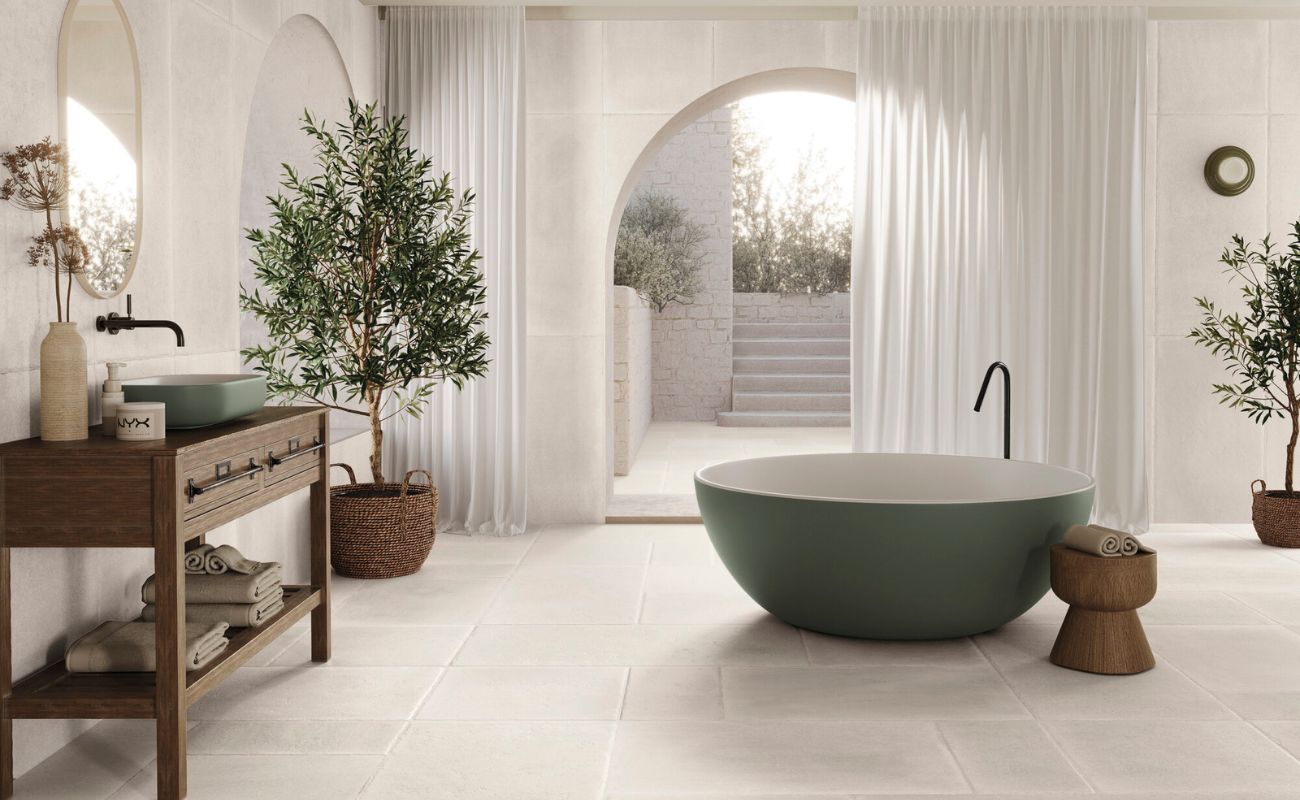
Architectural features such as arched doorways and wrought iron fixtures are essential to Mediterranean interiors. These details contribute to the style’s timeless charm and help define the space with elegance and authenticity. Wrought iron elements can be found in lighting fixtures, furniture pieces, and decorative items, adding a handcrafted feel that complements the natural materials.
Characteristics of Mediterranean Interiors
Embracing Natural Light and Outdoor Living
One of the defining characteristics of Mediterranean interiors is the emphasis on natural light and a seamless connection to outdoor spaces. Large windows and doors are designed to maximise sunlight, making rooms feel airy and bright. This indoor-outdoor flow, or outdoors inside approach, reflects the Mediterranean lifestyle, where outdoor living spaces such as patios and courtyards play a significant role in daily life.
Eclectic Mix of Furniture and Soft Furnishings
Mediterranean interiors often feature an eclectic mix of furniture pieces that balance rustic simplicity with comfort. Natural wood or rattan furniture, paired with soft furnishings in earthy tones and vibrant patterns, adds warmth and personality to the space. Decorative items such as pillows, vases, planters, and textured accents further enhance the Mediterranean-inspired look. Textiles such as handwoven rugs, embroidered pillows, and colorful throws introduce texture and color, enhancing the overall Mediterranean feel. Rustic pottery and hand-painted textiles are often used as decorative elements to add character and charm to Mediterranean interiors.
Incorporating Organic Shapes and Natural Elements
Organic shapes and natural elements are integral to creating a Mediterranean aesthetic. Curved lines in furniture and décor, along with the use of plants and greenery, bring softness and life to interiors. Olive branches, terracotta pots, and rustic pottery are common decorative accents that add authenticity and a connection to nature, reinforcing the natural beauty of the Mediterranean home.
Warmth and Hospitality in Design
Mediterranean interiors are designed to evoke a sense of warmth and hospitality. The combination of rich earth tones, natural textures, and inviting furnishings creates spaces that feel welcoming and comfortable. This inviting atmosphere makes Mediterranean design ideal for homes that prioritise socialising and relaxed living.
Modern Mediterranean Interior Design: A Contemporary Twist
Balancing Tradition and Modernity
While traditional Mediterranean design is known for its vibrant hues and intricate patterns, modern Mediterranean interior design offers a more subtle and minimalist approach. This contemporary interpretation retains key elements such as natural materials, exposed beams, and architectural details but presents them with cleaner lines and lighter colour palettes. The result is a sophisticated style that combines timeless appeal with modern elegance.
Neutral Colors and Soft Furnishings for a Calming Effect
Modern Mediterranean interiors often use neutral hues like warm whites, sandy beige, and soft greys as a base. These neutral colors create a calm and airy atmosphere, allowing natural light to play a significant role in the space. Soft furnishings in muted earth tones and gentle textures add comfort without overwhelming the design, maintaining a balance between simplicity and warmth.
Creating Flow Between Indoor and Outdoor Spaces
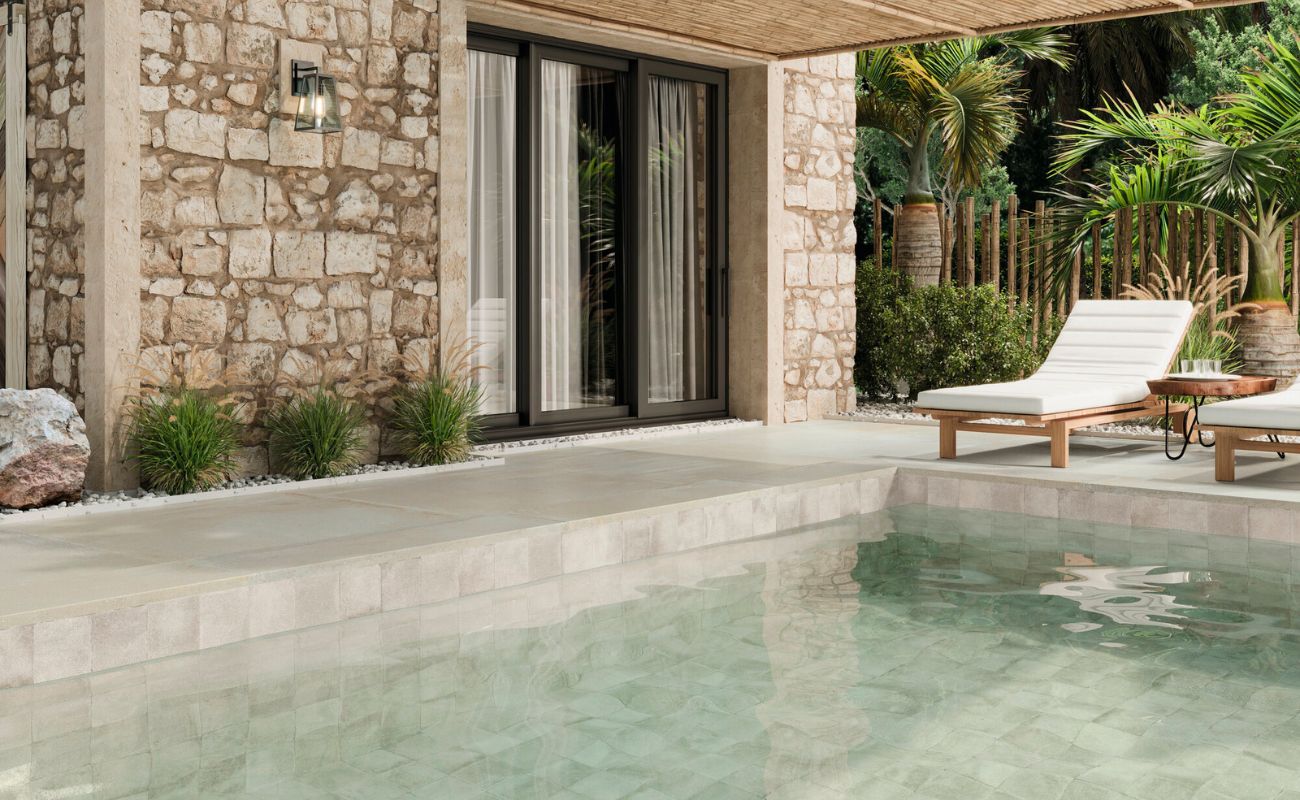
A significant aspect of modern Mediterranean interiors is the emphasis on seamless flow between indoor and outdoor living areas. Large windows, glass doors, and open-plan layouts invite natural surroundings inside, enhancing the connection to nature. This approach not only maximises natural light but also extends living spaces to patios, gardens, or courtyards, embodying the Mediterranean lifestyle and timeless charm.
Bringing Mediterranean Style into Your Own Home
Explore Ways to Add Character and Natural Beauty
Incorporating Mediterranean aesthetics into your home can be achieved through thoughtful choices in materials, colors, and décor. Adding natural textures such as stone countertops, wooden beams, or terracotta flooring instantly infuses a Mediterranean feel. Decorative tiles with intricate patterns can serve as eye-catching feature walls or backsplashes, while wrought iron fixtures and rustic pottery add character.
Incorporate Earth Tones and Vibrant Accents
Start with a neutral colour palette inspired by sandy beige and warm whites, then layer in earth tones like olive green and deep reds for depth. To bring energy and vibrancy, consider accents in terracotta, ocean blue, or sunny yellow through textiles, ceramics, or artwork. This blend of colors reflects the natural surroundings and lively spirit of Mediterranean interiors.
Use Soft Furnishings and Greenery to Enhance Warmth
Soft furnishings play a vital role in creating a cozy Mediterranean atmosphere. Linen curtains, handwoven rugs, and embroidered cushions add texture and comfort. Incorporating greenery through houseplants or olive branches not only enhances the natural beauty but also connects the indoors with the outdoors, reinforcing the Mediterranean look.
Consult Expert Advice and Inspiration
Interior designers and creative directors specialising in Mediterranean interiors often emphasise the importance of natural light, open spaces, and authentic materials. Exploring expert advice, including insights featured in publications like the New York Times, can help you tailor the Mediterranean style to your own home, ensuring a harmonious and inviting space that reflects the timeless appeal of this interior design style.
Conclusion
Mediterranean interiors offer a rich tapestry of natural materials, warm earth tones, and architectural details that create inviting and timeless spaces. Whether you prefer the vibrant traditional style or the understated elegance of modern Mediterranean interior design, this aesthetic brings warmth, character, and a connection to nature into your home. By embracing natural textures, soft furnishings, and outdoor living, you can create a Mediterranean home that feels both relaxed and sophisticated, a true reflection of the coastal lifestyle and the enduring appeal of Mediterranean design. See also: How to Create A Summer-Inspired Interior Design.